
Explore Poland.Explain Poland.Share Poland.
A Brit in Poland began with travel videos. It is growing into something much bigger: an attempt to explore the country in depth, connect its places with its people and history, and make more of Poland accessible to an international audience.
Poland is bigger than the version most people meet online.
Poland is far more than a handful of famous cities, a collection of historical dates or the stereotypes that often represent it abroad. It is a country of extraordinary regional variety, complicated history, distinctive traditions, remarkable people and thousands of places with stories worth telling.
My goal is to explore as much of that Poland as I can — and make it accessible, interesting and enjoyable to discover in English.
I do not expect to finish. That is part of the appeal. There will always be another town, museum, historical figure, tradition, walking trail, castle, church, industrial site or strange little story waiting to be found.
Go beyond the obvious Poland.
The original heart of A Brit in Poland remains exploration. I want to keep travelling across the country, visiting every region, returning to cities where I only scratched the surface, and finding smaller towns and places that receive very little international attention.
Some trips will become large travel guides. Others may uncover one remarkable museum, one overlooked monument or one story worth preserving.
A place does not need to be famous to be worth understanding.
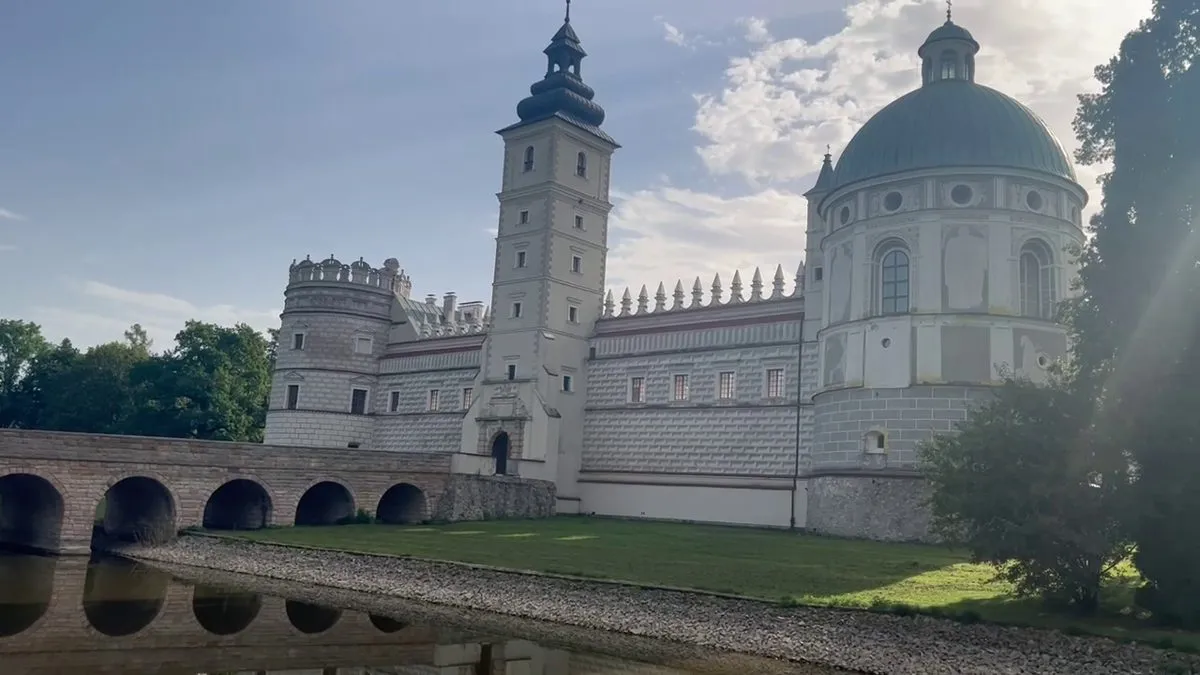
Old videos are starting points, not finished work.
The channel has changed enormously since I started it. I know more about Poland, I ask different questions, and the website now gives me somewhere to connect what I discover.
I want to return to earlier destinations, update old videos, fill gaps and build stronger guides around them. Kraków is already an example of that evolution: what began as travel footage has grown into a connected city guide with districts, museums, history, videos and deeper pages.
Over time, more of the early channel should receive the same treatment.
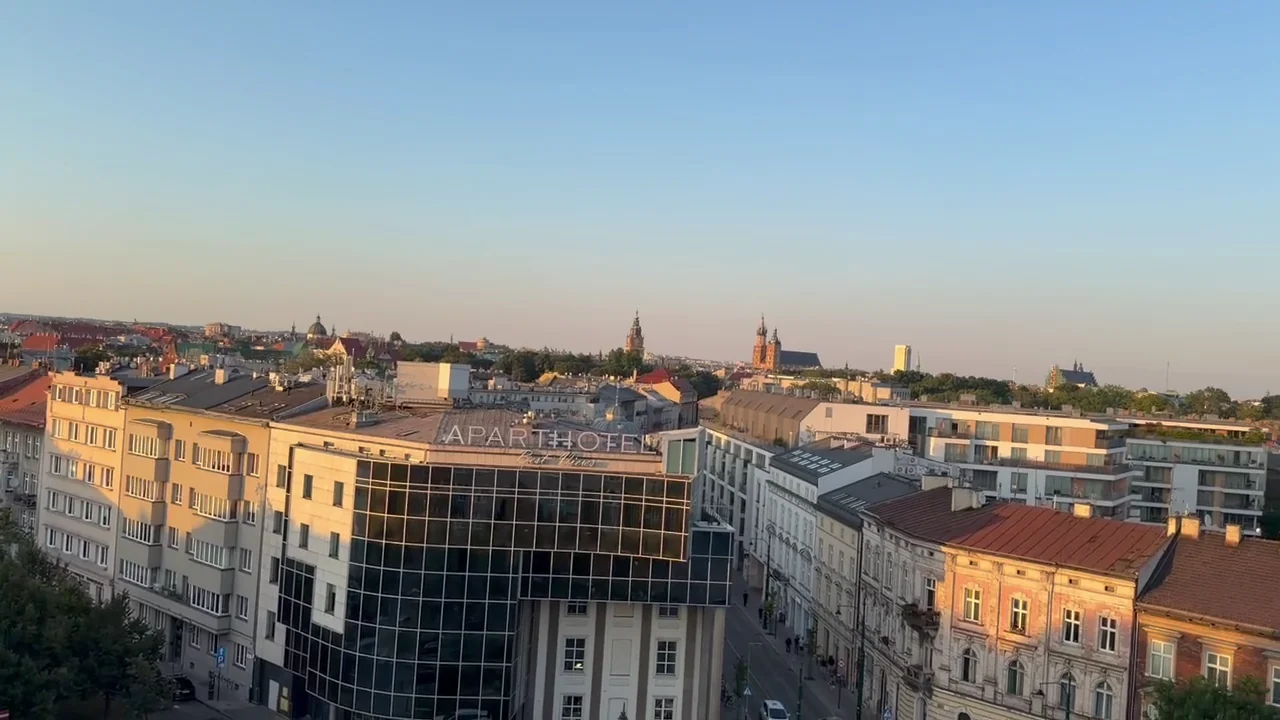
Use places as doors into culture and history.
Travel will always be part of the channel, but increasingly I want to explain why the places I visit matter.
That means more work around Polish history, traditions, religion, folklore, architecture, industrial heritage, regional identity and the events that created modern Poland.
A castle is more interesting when you understand the conflict that built it. A church becomes more interesting when you know who is buried there. A tradition becomes richer when you know how it survived.
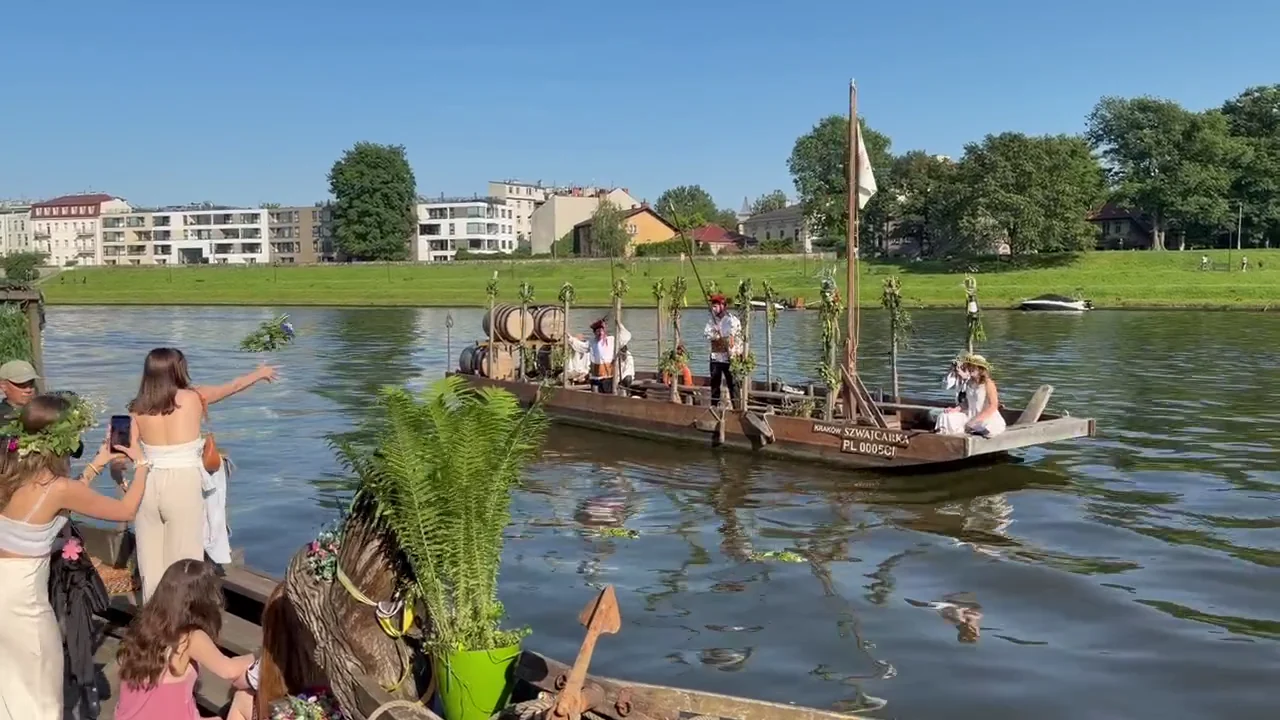
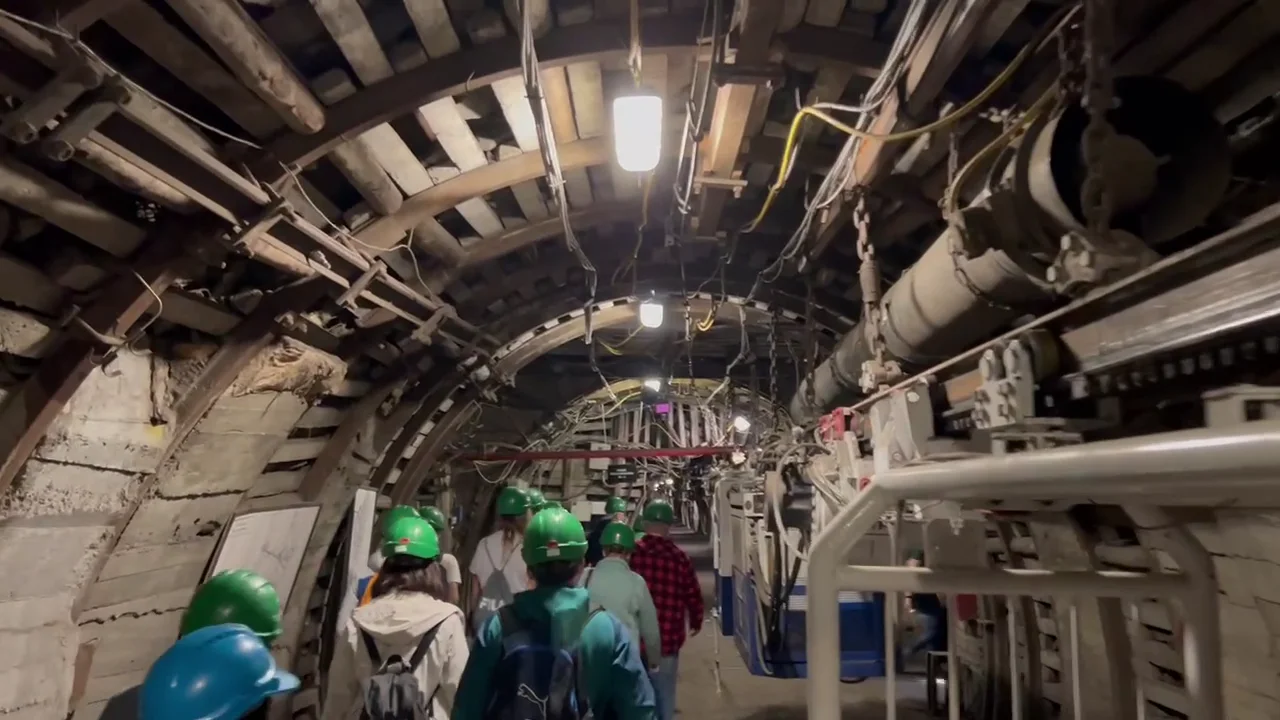
Put faces and stories behind the country.
Scientists, artists, rulers, soldiers, writers, religious figures, explorers, inventors and many others provide another way of understanding Poland. Some are internationally famous. Others are enormously important here and almost invisible abroad.
I want to build educational content that connects these people to the places, events and objects you can still experience today.
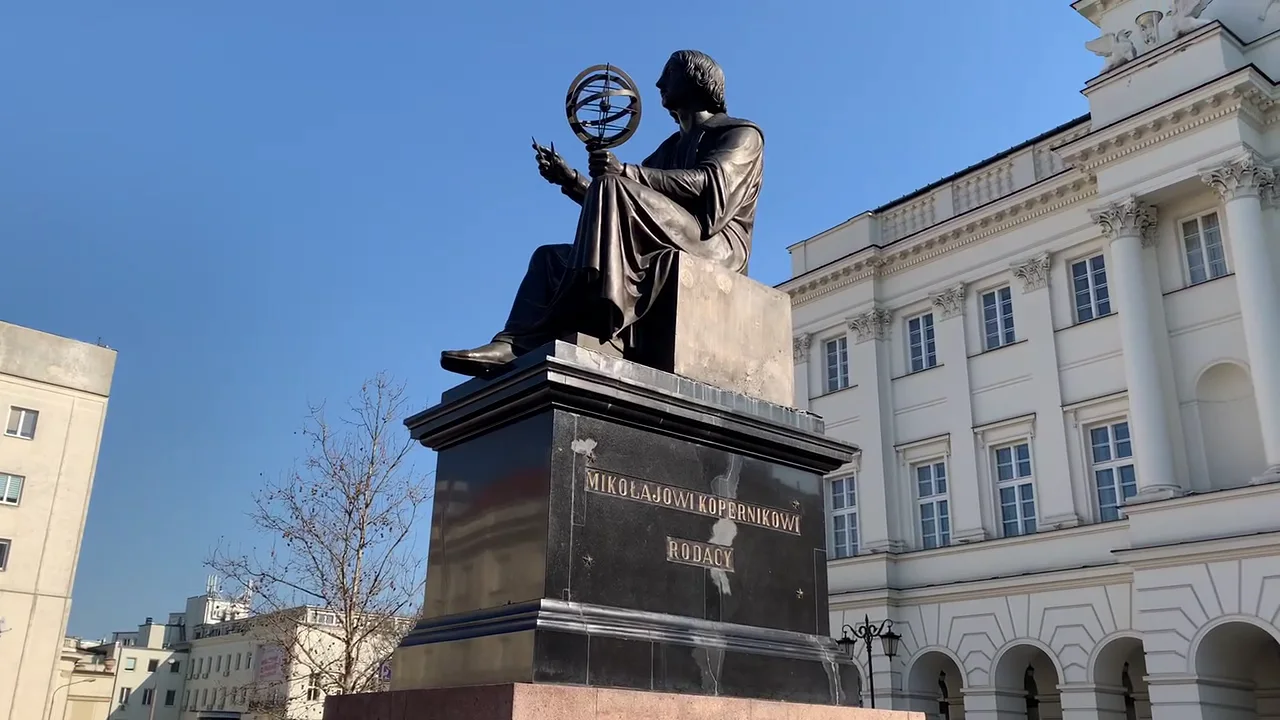 Nicolaus Copernicus
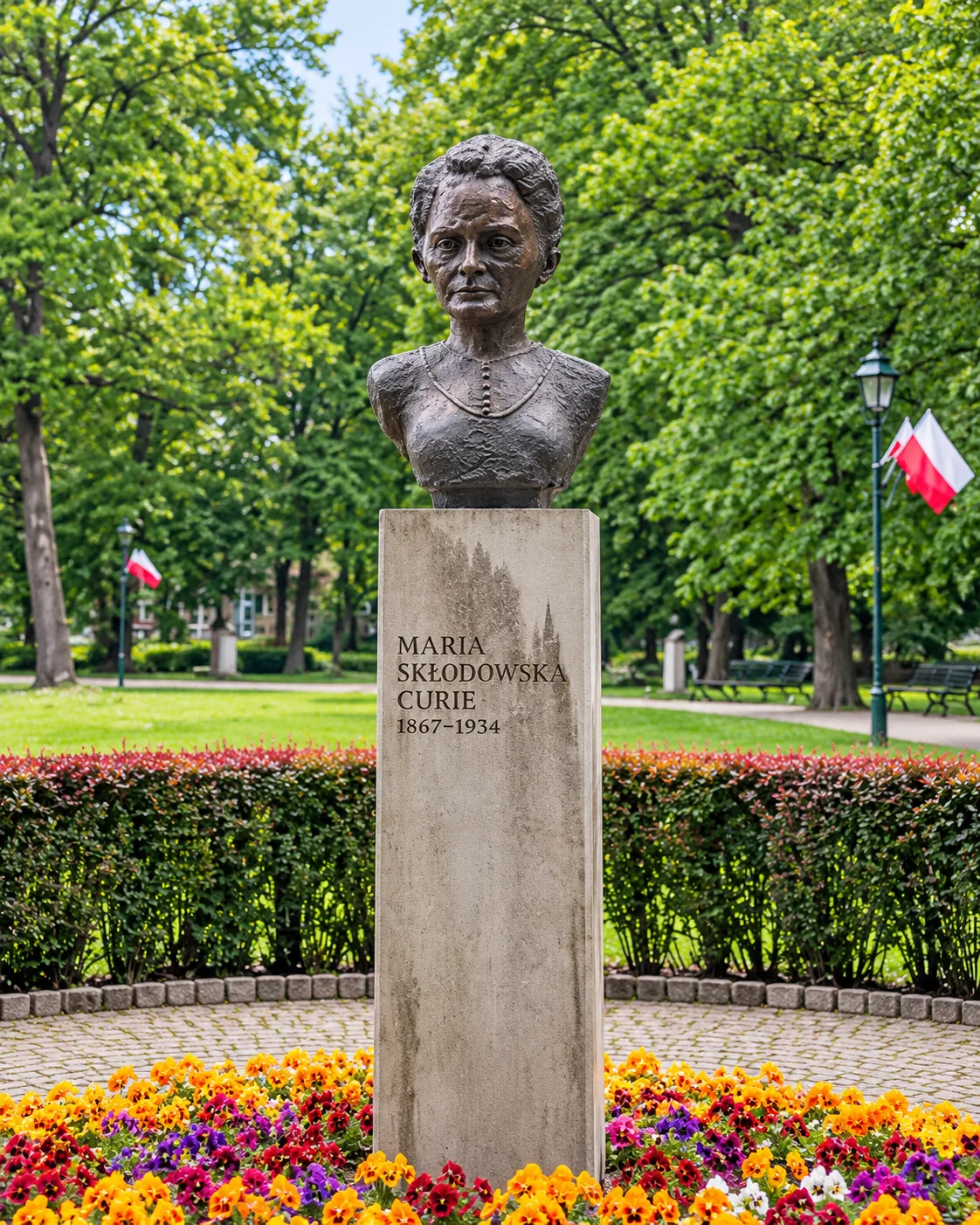 Marie Skłodowska-Curie
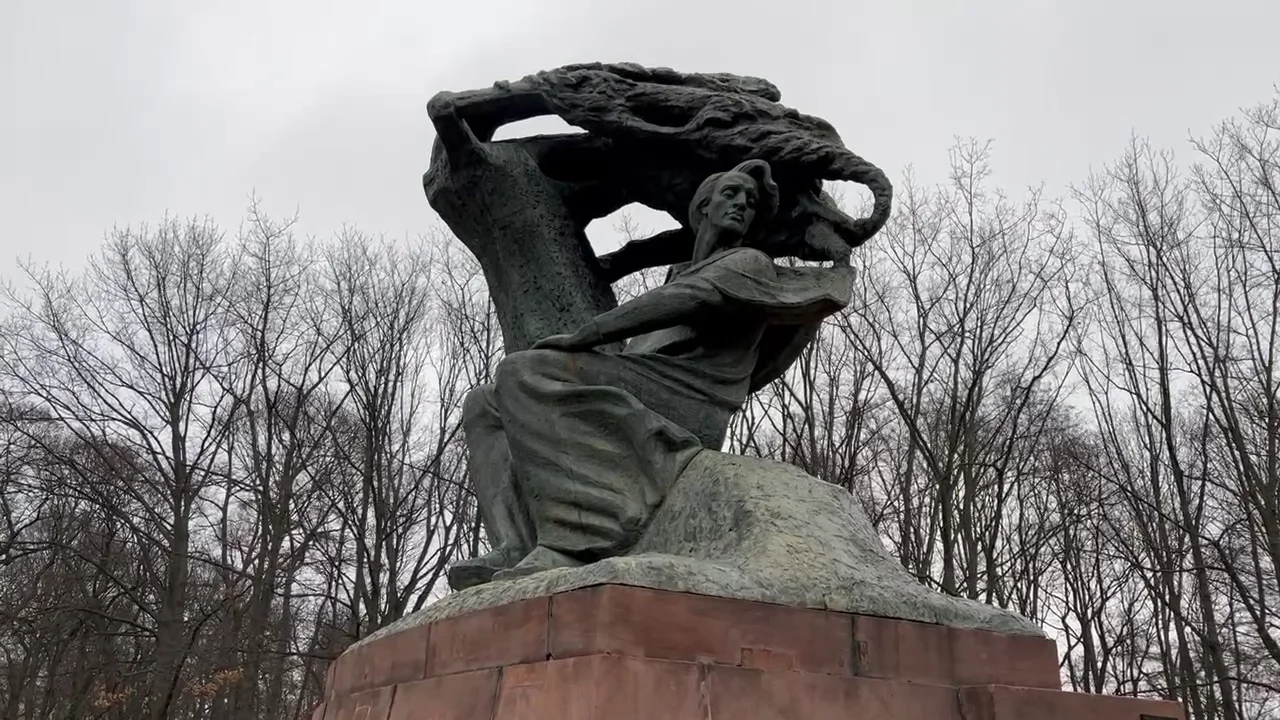 Fryderyk Chopin
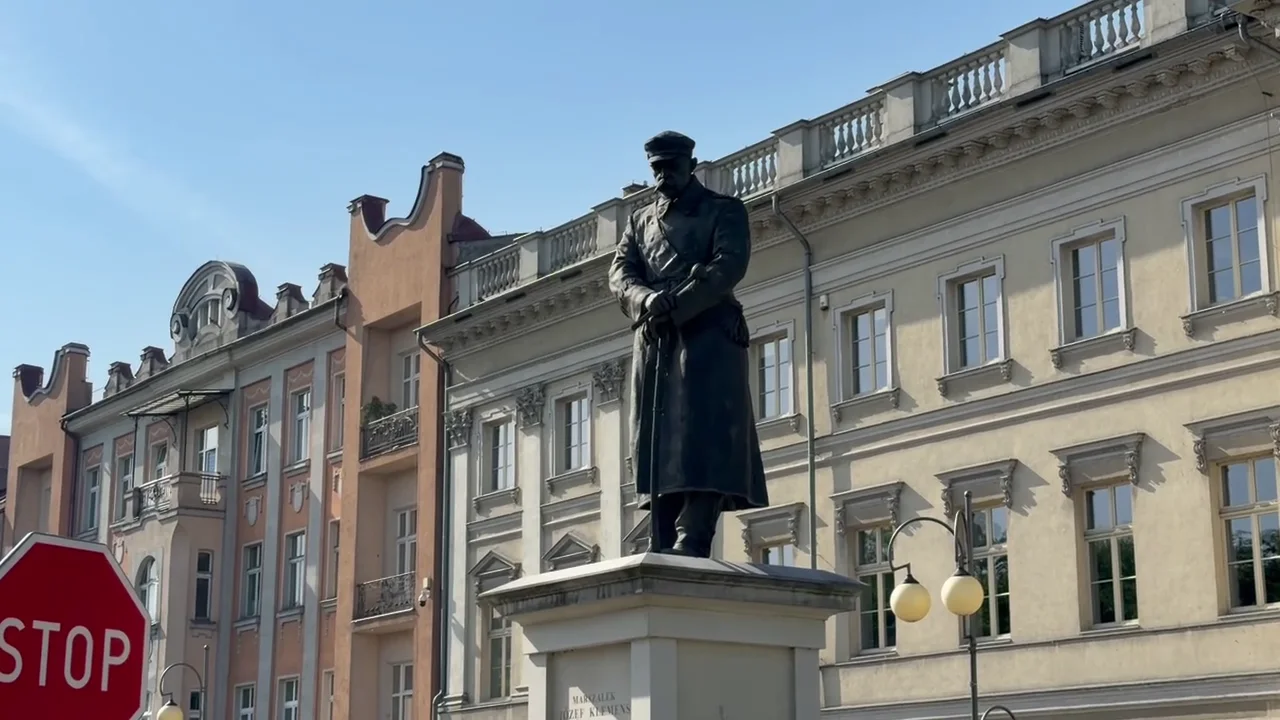 Józef Piłsudski
Make it easy to start — and rewarding to go deeper.
I want the website to grow organically in the same way my knowledge of Poland has grown: through exploration.
There should be many ways in. Someone may arrive through a city, a historical event, a famous person, a tradition or a practical travel question. Those paths should keep crossing.
The first layer should be approachable and visual. But whenever someone thinks “that’s interesting — tell me more,” there should increasingly be somewhere deeper to go.
Share stories that are difficult to find elsewhere.
An extraordinary amount of Polish history, local knowledge and cultural information either does not exist online in English, exists only in fragments, or sits buried on local Polish websites.
I want to help bridge that gap — not by simply translating material, but by visiting places, researching the context and explaining why an international visitor should care.
Sometimes the most useful page may begin with something almost nobody outside the area has heard of.
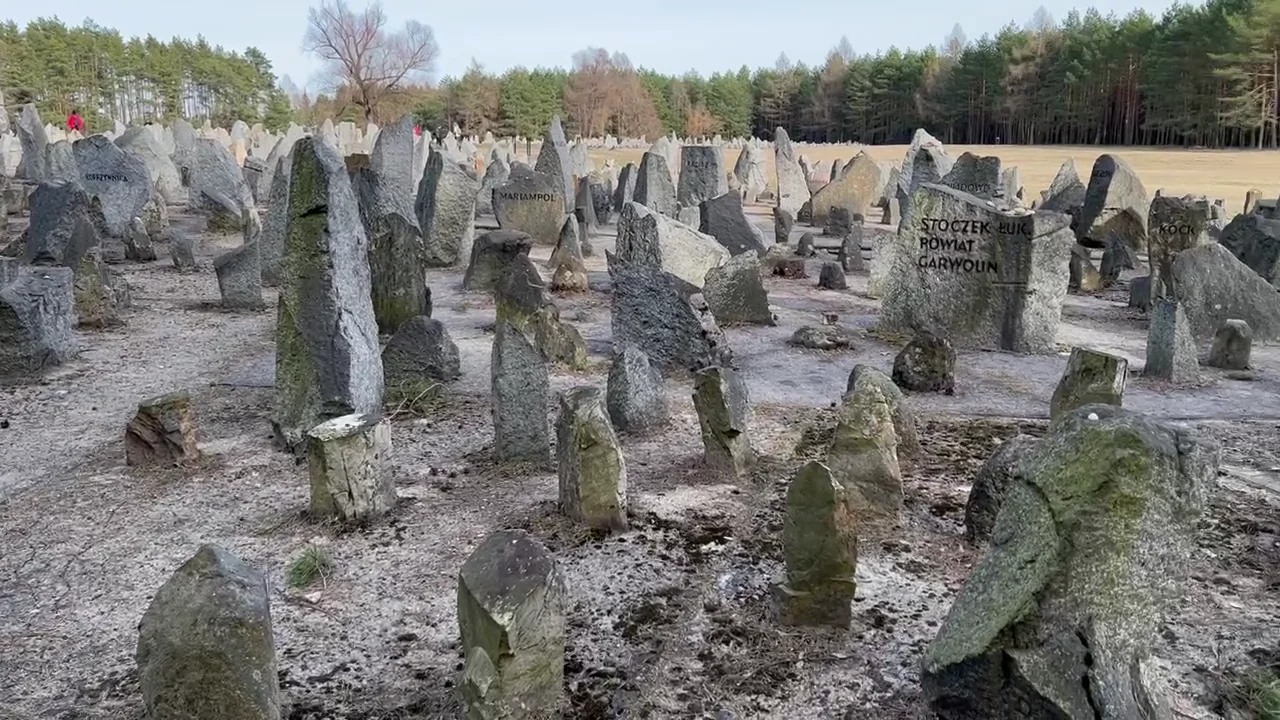
I do not want this to be a one-way project.
I want to grow a community of people who are curious about Poland, passionate about its culture and history, and willing to help the project improve.
That means suggesting places and people I have missed, pointing out gaps or mistakes, sharing local knowledge, proposing new angles and discussing the country through the forum, Discord, comments and social media.
I do not expect to know everything about Poland. Part of the mission is to keep learning — alongside people who know different regions, subjects and stories better than I do.
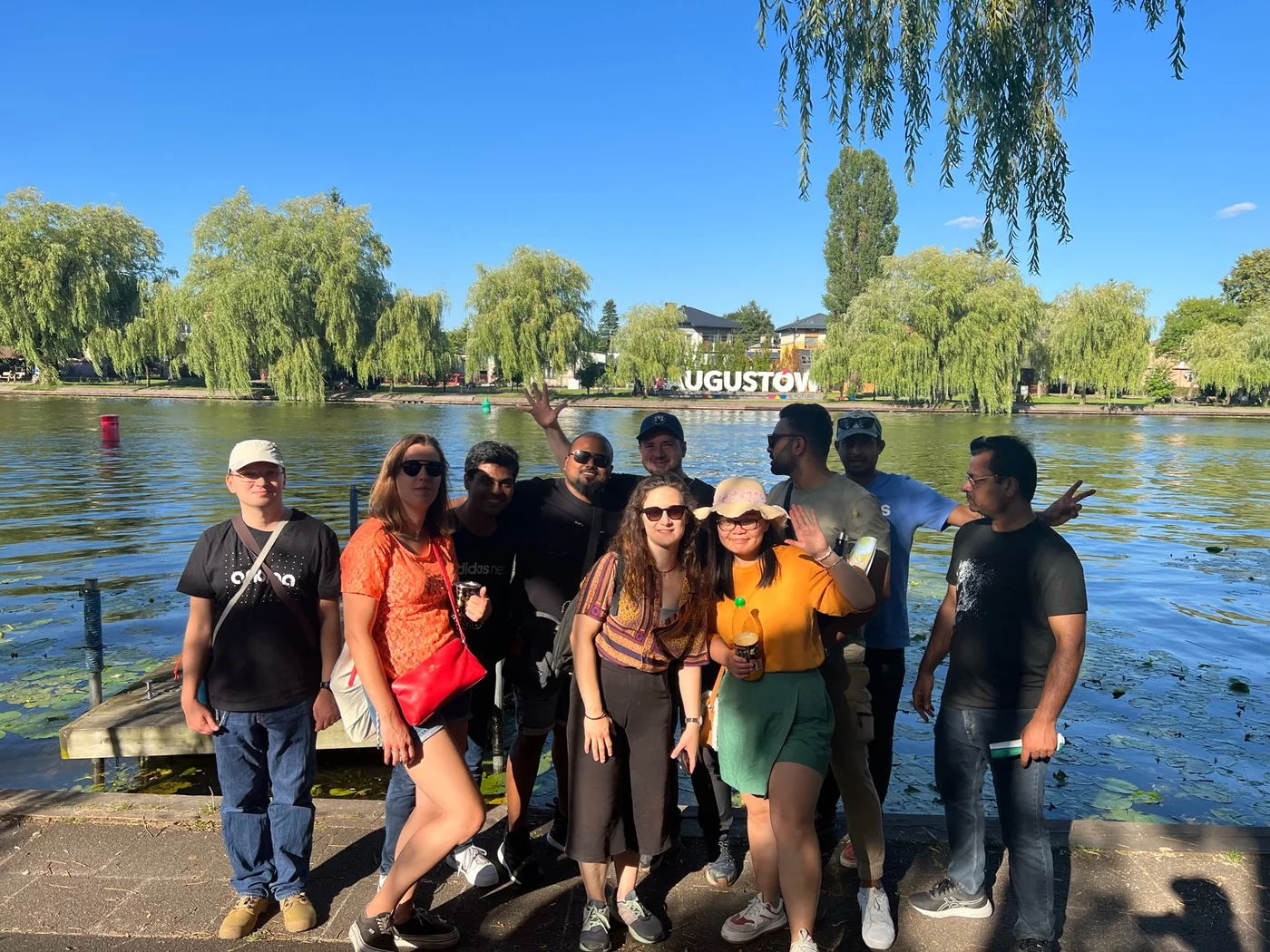
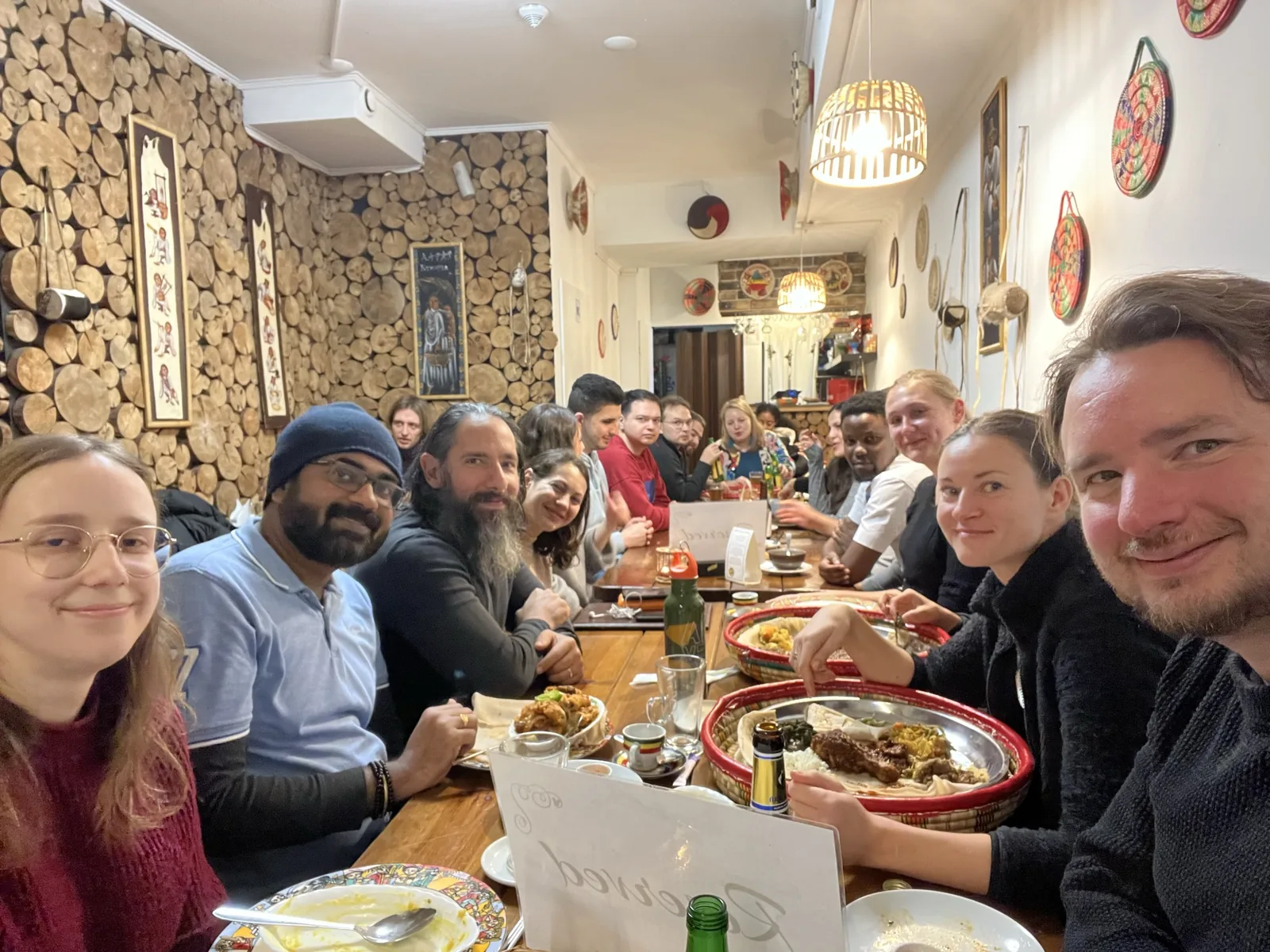
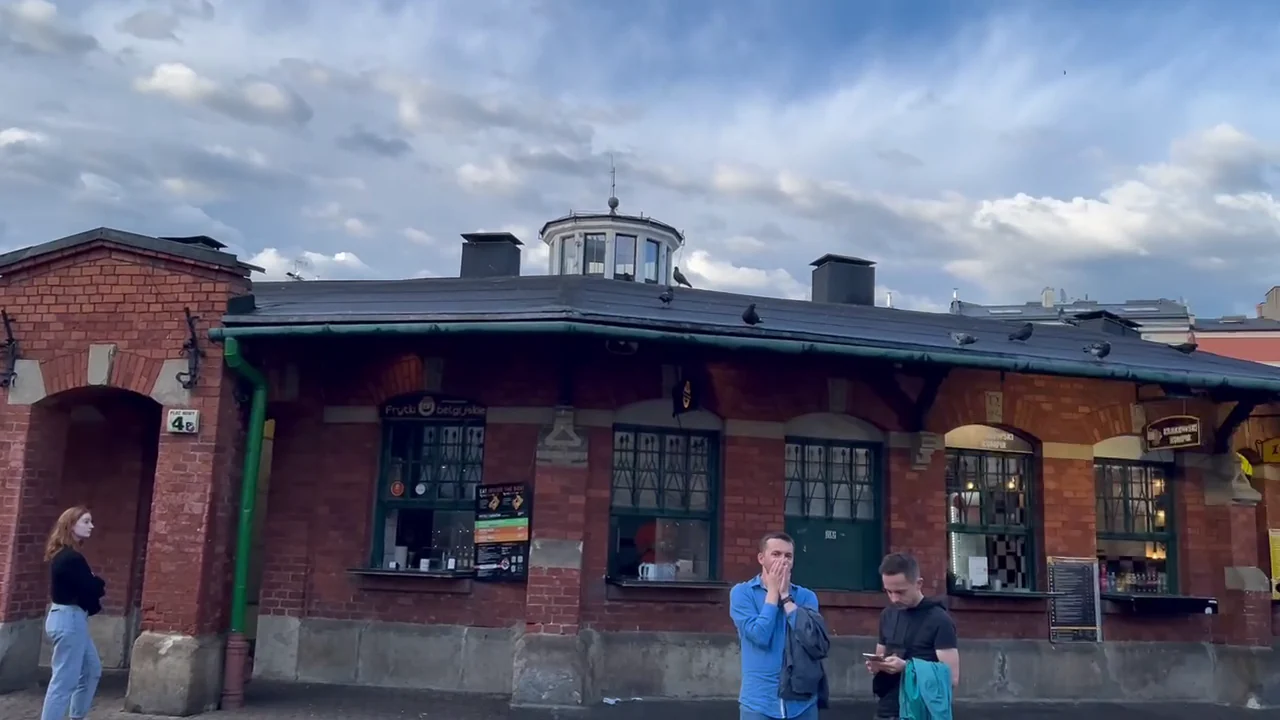
A project with cultural, educational and tourism value.
A Brit in Poland is independent, but many of its goals naturally overlap with museums, tourism organisations, cultural institutions, local authorities, educational bodies and organisations that want more of Poland understood internationally.
- Document lesser-known destinations
- Create English-language educational content
- Highlight museums and heritage sites
- Support cultural events and anniversaries
- Develop deeper resources around Polish people and history
- Encourage travel beyond the obvious destinations
The value of collaboration is not turning the project into advertising. It is helping independent exploration reach further, research more deeply and make more of Poland accessible.
Tell the story of Poland from more than one angle.
See the country itself.
Cities, villages, mountains, castles, museums, parks, industrial sites and the spaces between them.
Understand what shaped it.
History, culture, traditions, conflicts, faith, industry and the people whose lives connect those themes.
Make it approachable.
Give international audiences an accessible way into Poland without flattening its complexity or pretending there is only one story.
This project will never really be finished.
There will always be gaps on the map, people whose stories I have not told, old videos worth improving and new discoveries that change an existing page. That is not a failure of the project. That is the mission.