
Introduction: A country that changed my perspective
When I first began exploring Poland, I wasn’t looking for political answers.
I was looking for something for myself. A reason to travel, discover new places, challenge myself and grow. I also wanted to introduce people back in Britain to a country that, in my experience, they knew remarkably little about.
Over the years, that curiosity took me into medieval castles, churches, museums, former prisons and forgotten corners of Polish towns and cities. I began learning about the people who shaped this country, the tragedies they endured and the extraordinary determination with which they defended their independence.
One part of that history became increasingly difficult to ignore: communist Poland.
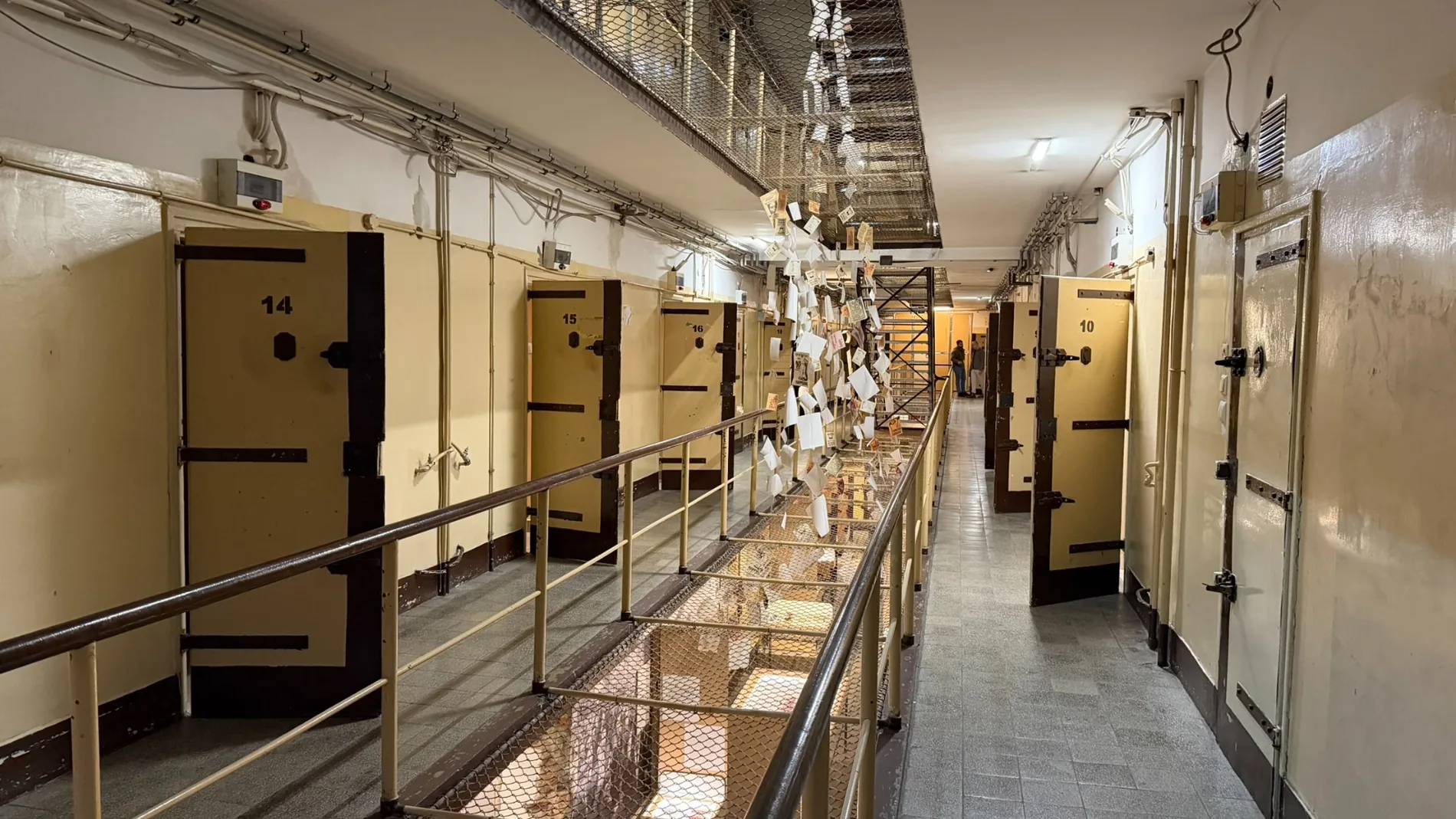
I have stood in places where political prisoners were held. I’ve explored the machinery of Soviet-backed repression, learned about the people who resisted it and examined how an authoritarian system maintained power over a population that often deeply resented it.
And gradually, I began seeing uncomfortable similarities with developments in the country where I grew up.
Britain.
Let me make something clear from the beginning. I am not claiming that modern Britain is communist Poland.
The Polish People’s Republic was a Soviet-dominated, one-party state. Its authorities censored publications, manipulated courts, controlled important appointments, imprisoned political opponents and, at times, used lethal force against citizens.
Britain remains a multiparty democracy with independent institutions, competitive elections, opposition media and avenues for legal challenge. Those distinctions matter enormously.
But I believe there is a mistake in assuming that because two political systems are different, they cannot exhibit similar mechanisms of control.
Political power does not always announce itself through a dictatorship. It can operate through information, institutional culture, career incentives, administrative procedures, selective enforcement and the fear of social or professional consequences.
My concern is not simply about individual British governments. It is about a wider system of institutional power that, in my view, has become increasingly resistant to public challenge.
And Poland’s history provides a valuable framework for examining it.
Propaganda: The power to define reality
One of the most effective instruments of communist control was propaganda.
The authorities did not merely tell people what to do. They attempted to shape how people understood the country around them.
Under the Polish People’s Republic, the Main Office for the Control of Press, Publications and Public Performances—commonly known by its Polish abbreviation, GUKPPiW—oversaw a censorship system that regulated newspapers, books, performances and other published material.
The authorities controlled information that might undermine the Communist Party, its Soviet patron or the official vision of socialism.
By the 1970s, under Edward Gierek, official messaging increasingly promoted an image of economic modernisation and national success. Some achievements were real. But they were presented within a carefully managed narrative that concealed important economic weaknesses and growing problems.
Propaganda doesn’t always require an outright lie. Sometimes the most effective propaganda consists of selecting which truths to present, which facts to minimise and which questions never receive serious attention.
I see a related problem developing in British media.
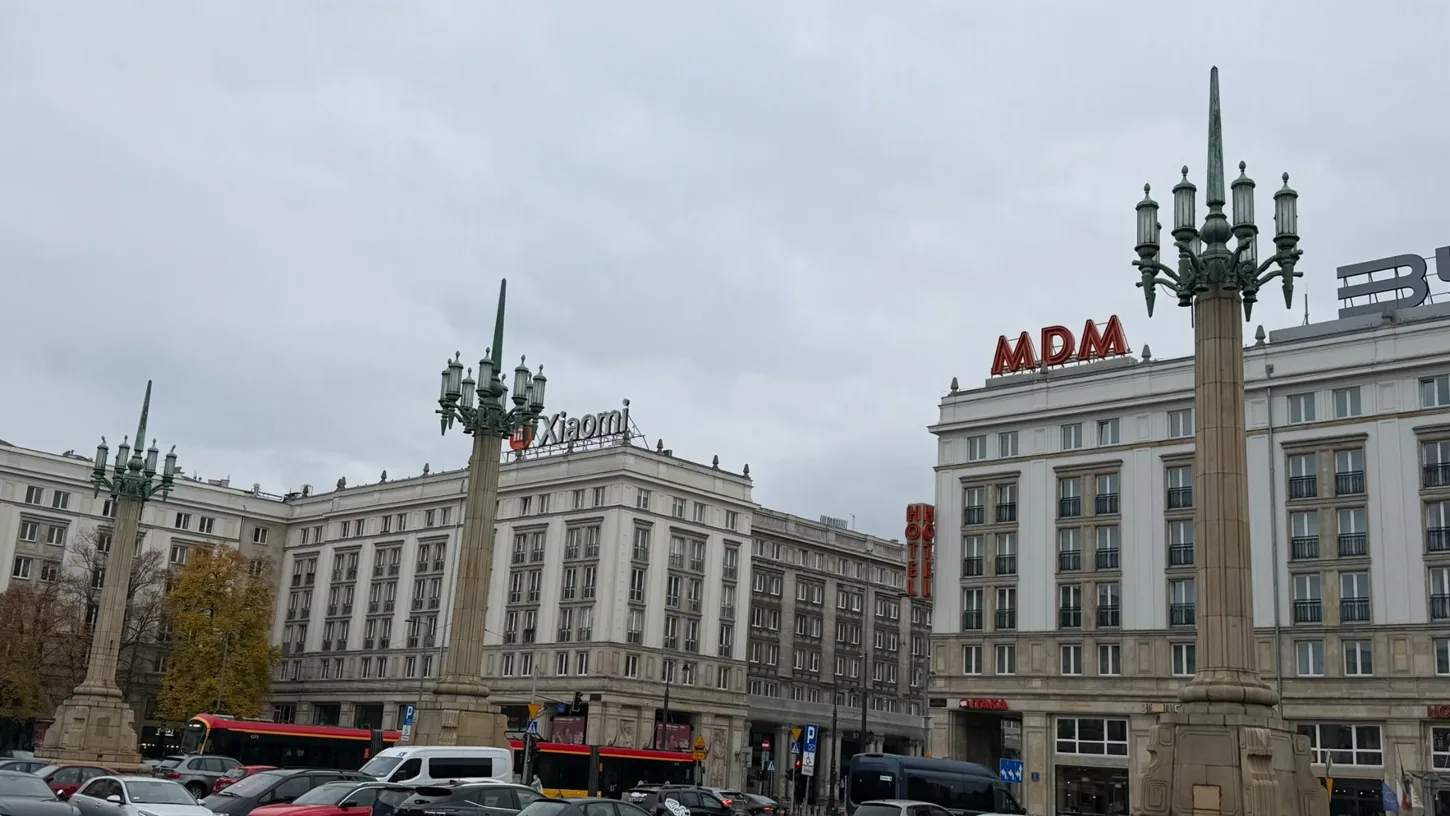
I have become increasingly concerned about the relationship between political establishments, public-service broadcasting, media organisations and the language through which contentious issues are presented.
The BBC is particularly important because it occupies a position unlike that of an ordinary commercial broadcaster. Its public-service responsibilities and funding arrangements give it a special place in British national life. That creates an equally special obligation to impartiality.
Yet I have watched coverage of immigration, political dissent, identity politics and other controversial issues and increasingly questioned whether audiences are being offered competing interpretations—or guided towards an institutionally preferred one.
That is my assessment of its editorial culture, not proof that journalists are receiving political instructions. But the distinction doesn’t make the concern disappear.
The BBC’s Panorama controversy involving the editing of a Donald Trump speech, for example, demonstrates why editorial decisions deserve scrutiny. Serious mistakes in how political figures are presented can distort public understanding regardless of whether deliberate political intent is established.
The wider problem is not confined to the BBC. Consider how political labels function in public debate.
A person arguing for stricter immigration controls may find their position described as racist or extremist before the substance has been properly examined. Sometimes accusations of racism are justified. Genuine racial prejudice deserves to be identified. But wanting stronger borders, criticising immigration policy or questioning government decisions is not inherently racist.
When the accusation becomes a substitute for engaging with an argument, it has a different function: delegitimisation.
Communist Poland had its own vocabulary for this. Political opponents were routinely characterised as reactionaries, enemies of socialism or threats to the interests of the people.
The consequences in communist Poland were far more severe. Nevertheless, the underlying question remains relevant: What happens when political disagreement is increasingly treated as evidence of moral illegitimacy?
The danger is not merely that particular opinions are excluded. It is that people begin censoring themselves. And once self-censorship becomes normal, the authorities—or influential institutions—may no longer need to intervene directly.
When ideology becomes institutional orthodoxy
This brings me to a subject I have spent considerable time researching: the influence of modern progressive identity politics, often described as woke ideology.
I recognise that the word has different meanings to different people. I am not talking about ordinary compassion, opposition to racism or the belief that everyone deserves dignity and respect. Those are principles I support.
My criticism concerns a more rigid worldview in which society is primarily understood through competing identity groups, disagreement is increasingly moralised, and concepts such as harm, privilege and oppression can become more important than individual conduct or equal treatment.
Studying this led me towards comparisons with aspects of Marxism, Bolshevism and Maoism. I see similarities in the emphasis on oppressors and oppressed, ideological correctness, public denunciation and the belief that existing institutions must be transformed to achieve a morally superior society.
These are comparisons of ideas and methods, not claims that contemporary progressive activists are equivalent to the architects of Soviet terror. But history teaches us that an ideology can begin with promises of liberation and later develop its own forms of conformity.
The question that interests me is how those ideas move from activist movements into institutions. Universities are one possible route.
Higher education does more than teach professional skills. It introduces students to intellectual frameworks, social expectations and prevailing assumptions about society. Those graduates subsequently enter journalism, government, policing, education, law and corporate management.
Many professional roles require degrees, and individuals entering those professions may encounter similar cultural and intellectual environments. That doesn’t mean every graduate shares the same politics. It does, however, raise a question about ideological diversity within the professions responsible for exercising public authority.
There is also a second layer: professional training. Organisations increasingly provide instruction on unconscious bias, discrimination, inclusion, identity and related issues. Some such training may be useful. Public servants should recognise prejudice and treat people fairly.
But training becomes problematic when contested political assumptions are presented as unquestionable professional truths, or when people are encouraged to understand themselves and others primarily through racial or identity categories.
I am particularly concerned about these developments within policing. A police officer’s responsibility is to assess evidence, protect the public and enforce the law impartially. If institutional training encourages officers to make assumptions about individuals based on group identity, that risks conflicting with the very principle of equal treatment it claims to advance.
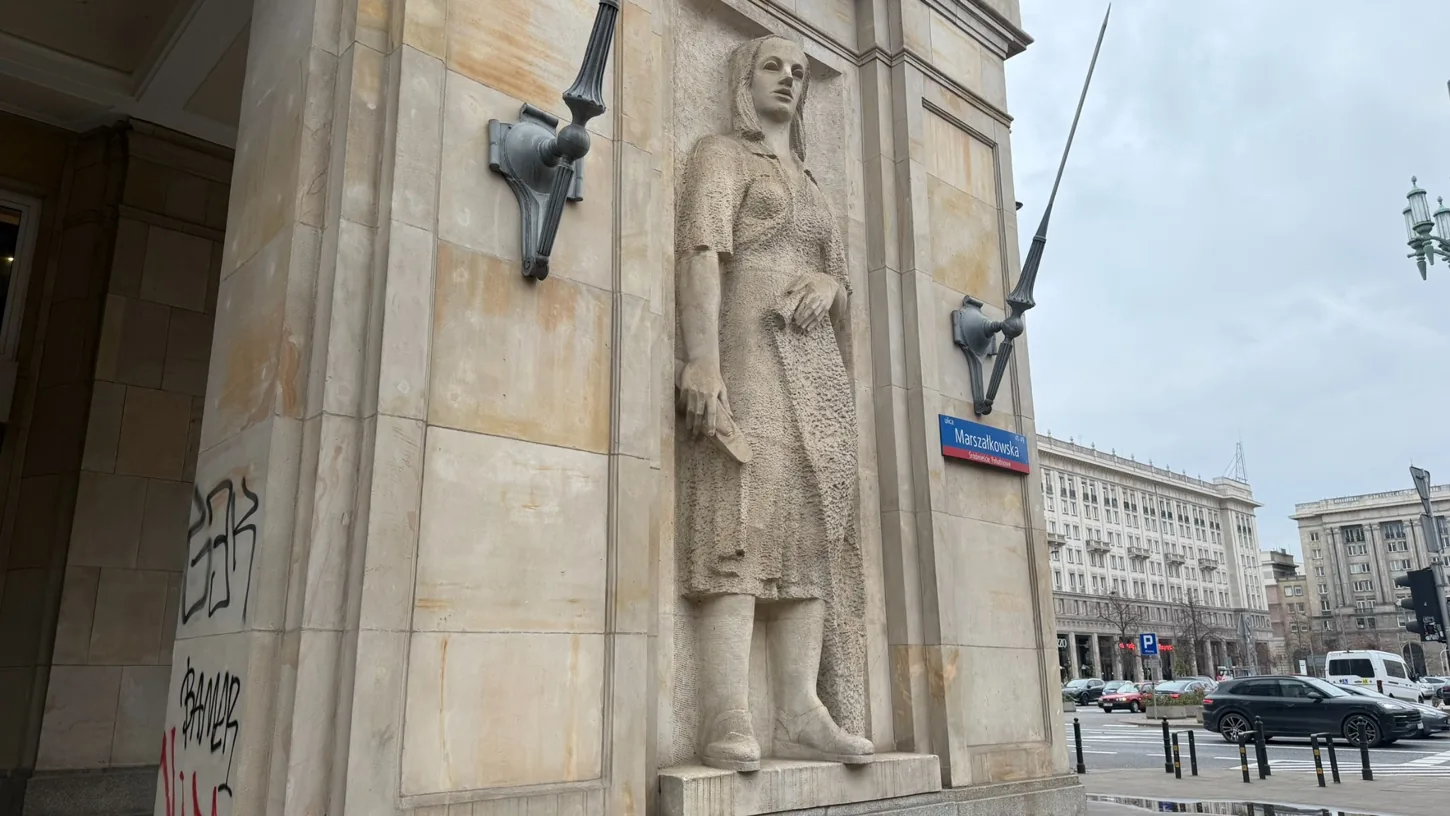
This need not remain a theoretical argument. Consider the Royal Air Force recruitment scandal.
In 2023, an official RAF inquiry confirmed that recruitment practices intended to improve diversity had resulted in unlawful discrimination against some male candidates. During the 2020–2021 recruitment period, 161 female or ethnic-minority candidates had been brought forward into initial training ahead of others.
The RAF acknowledged that its interpretation of permissible positive action had been wrong. Its leadership apologised, and affected candidates were offered remedies. The important point is not that increasing diversity was an illegitimate objective. It is that an institution pursuing what it regarded as a desirable social outcome crossed the legal boundary of equal treatment.
The case demonstrates how an institutional priority, reinforced through management targets, can produce discriminatory decisions even without a formal instruction to discriminate unlawfully. That is the distinction between a principle being well-intentioned and its implementation being fair.
The consequences of questionable assumptions may be even more serious when public servants are responding to an emergency.
In December 2025, eighteen-year-old Henry Nowak was fatally stabbed in Southampton. When police officers arrived, Henry repeatedly told them he had been stabbed and could not breathe. Yet he was initially treated as a suspect, arrested and handcuffed rather than immediately receiving the medical attention his condition required.
The Independent Office for Police Conduct subsequently opened potential gross-misconduct investigations into two officers. Significantly, the watchdog is examining whether race, religion or assumptions about community tensions influenced the decisions made at the scene.
Henry’s family have also publicly challenged the accuracy of information they say police initially provided about how he was treated. In October 2026, the Home Office announced a further independent review into the case and the family’s treatment.
The investigations have not established that diversity training or political ideology caused the officers’ conduct. But the incident raises a disturbing question: what happens if an officer’s assumptions about who is likely to be the victim—and who is likely to be the aggressor—interfere with the evidence directly in front of them?
Whatever the eventual findings, Henry’s case demonstrates why impartial judgement cannot be merely a slogan. A person’s race, religion or perceived social standing must never determine whether public authorities recognise their suffering or respond to an emergency.
This is where the historical comparison becomes interesting. Communist Poland maintained a system known as the nomenklatura, through which the ruling party exercised approval or veto powers over appointments to influential positions. Political reliability could determine professional advancement.
Britain has no equivalent system of formal Communist Party approval. Yet I believe informal ideological selection deserves examination: the possibility that recruitment, promotion, professional expectations and organisational culture can favour certain views while discouraging others.
The result need not be a conspiracy. An organisation can reproduce its prevailing assumptions simply by rewarding people who fit them. And when those assumptions are no longer recognised as political, disagreement can come to be interpreted as a failure of professional standards.
That is the danger of ideological conformity becoming institutional orthodoxy.
The cost of disagreement
Poland’s communist authorities understood that dissent did not always need to be punished with imprisonment. It could be punished through employment.
In March 1968, intellectuals including philosophers Leszek Kołakowski and Bronisław Baczko were dismissed from the University of Warsaw amid a wider political crackdown. The message to academic society was unmistakable: political opposition could carry professional consequences.
In August 1980, Anna Walentynowicz was dismissed from the Lenin Shipyard in Gdańsk because of her independent trade-union activity, just months before retirement. Her dismissal helped ignite the strike that would give birth to Solidarność.
These stories illustrate how the threat of professional punishment can become a political instrument.
In Britain, we have seen disputes over protected beliefs, workplace speech and political expression produce serious consequences for individuals. The cases of Maya Forstater and Kristie Higgs, for example, demonstrate how conflicts between personal beliefs and institutional expectations can reach employment tribunals and appellate courts.
But this is not a question that concerns only people on the political right.
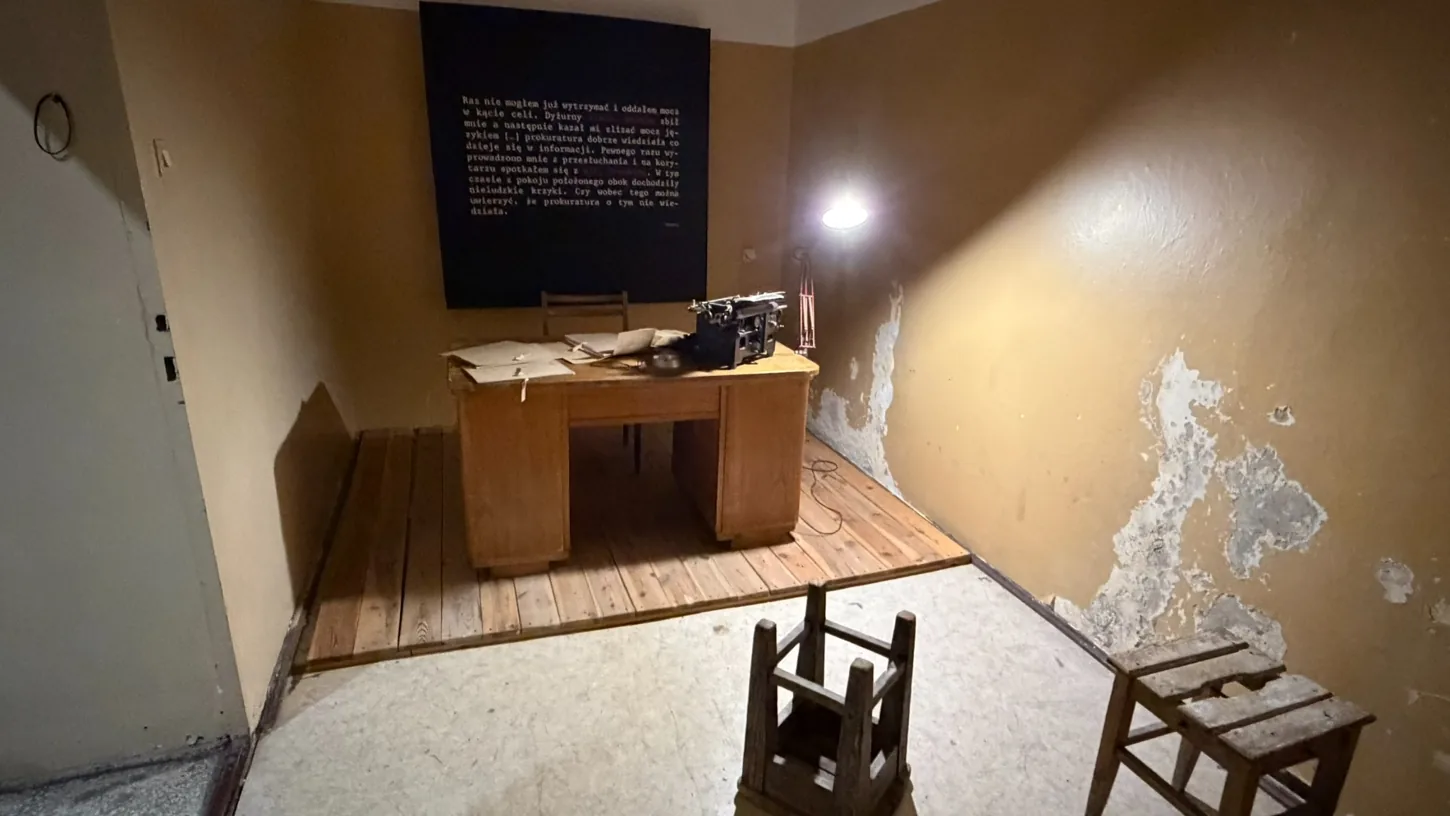
Consider David Miller, a former professor at the University of Bristol whose anti-Zionist beliefs became the subject of a bitter employment dispute.
In 2024, an employment tribunal found that his particular anti-Zionist beliefs qualified for protection under equality law and that his dismissal involved unlawful discrimination. An Employment Appeal Tribunal judgment in August 2026 addressed the protection and manifestation of those beliefs. Miller’s views are controversial, and allegations of antisemitism surrounding his public statements deserve to be considered seriously.
But the central principle does not depend on whether I agree with his politics. If freedom of conscience and expression mean anything, they must protect people whose beliefs I find objectionable as well as those whose views I share.
These proceedings also show that British law provides routes through which people can challenge discriminatory treatment—an important difference from communist Poland. But the existence of a remedy doesn’t erase the personal cost of having to fight for it.
Someone may lose employment, suffer reputational damage or face years of litigation before their rights are vindicated. That possibility can influence the behaviour of many other people who never become involved in a legal case.
And it brings me to a concept described by the Polish writer Czesław Miłosz: Ketman.
In The Captive Mind, Miłosz explored the psychological world of intellectuals living under ideological pressure. One recurring theme was the distinction between the convictions people held privately and the beliefs they expressed publicly. A person might outwardly conform to official expectations while privately rejecting them.
I see a modern echo of that behaviour in what is often called virtue signalling. Not everyone who publicly endorses progressive causes is insincere. Many people genuinely believe in them.
But where expressing the approved view carries professional rewards, while questioning it carries reputational risks, sincerity becomes difficult to distinguish from conformity. People may repeat institutional language not because they believe every word, but because challenging it offers little benefit and considerable risk.
When silence becomes the safest option, we should question how free the conversation really is.
Justice: Equal before the law—or equal only in principle?
Of all the mechanisms I have examined, the administration of justice concerns me most.
I believe deeply in equal justice. I don’t want people I agree with escaping punishment for genuine wrongdoing. Equally, I don’t want people I dislike receiving harsher treatment because they challenge powerful institutions or express unpopular beliefs. The principle should be the same for everybody.
Communist Poland provides some of the most disturbing examples of what happens when political authority subordinates justice to ideology.
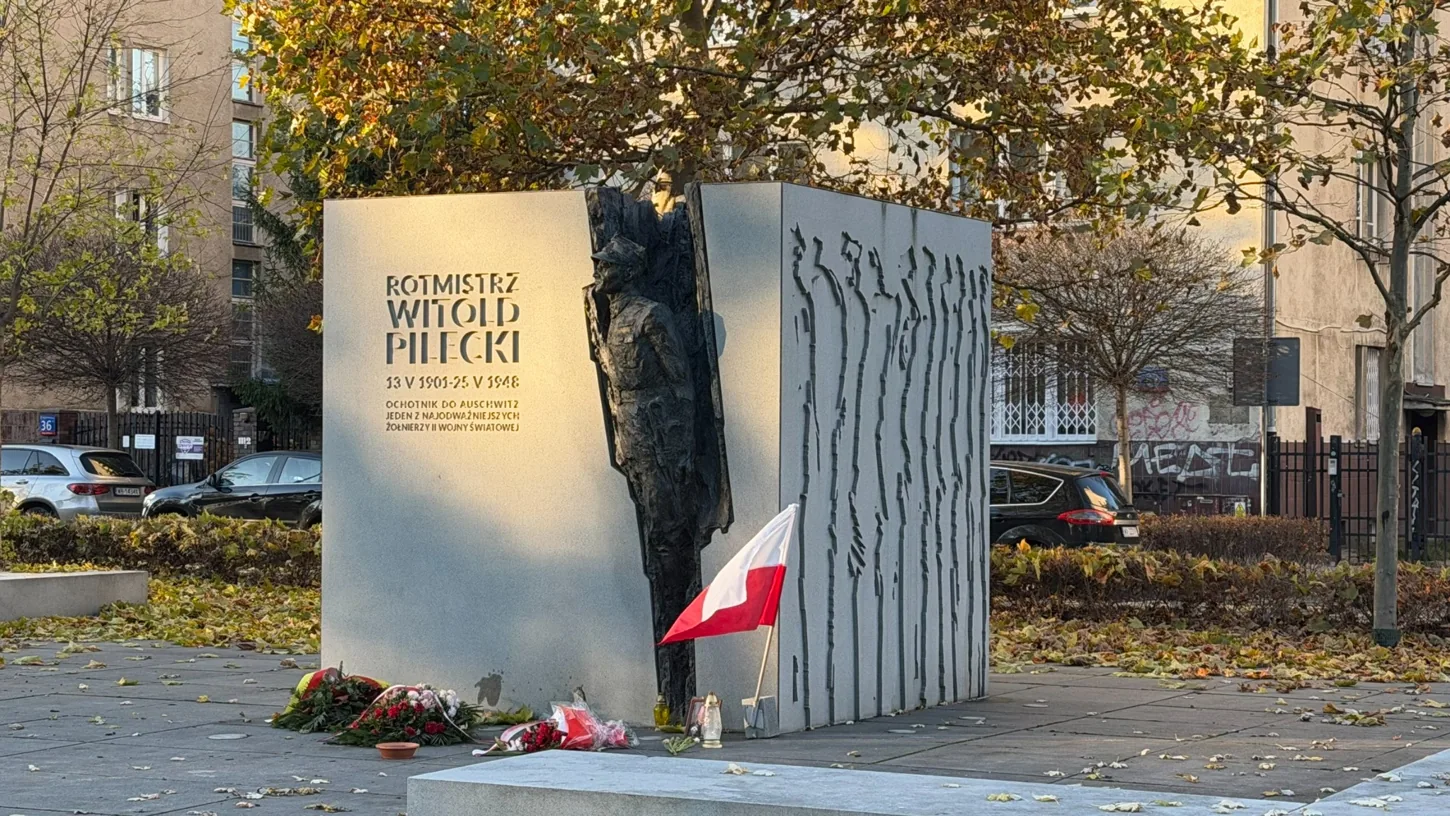
Witold Pilecki, the extraordinary resistance figure who entered Auschwitz to gather intelligence, was prosecuted and executed by the communist authorities in 1948. General August Emil Fieldorf, another major figure in Poland’s wartime resistance, was executed after a politically motivated prosecution in 1953.
These were not ordinary cases of sentencing inconsistency. They were examples of a political system using criminal proceedings to eliminate opponents.
Later decades brought different forms of repression, but the underlying vulnerability remained: courts and legal procedures could be used to legitimise actions taken for political purposes.
Looking at Britain, I am deeply troubled by what is commonly described as two-tier justice. The expression is contested, and not every apparent disparity demonstrates political bias. Different offences, prior convictions, guilty pleas, aggravating factors and legal procedures can produce very different outcomes.
But I believe the question deserves serious investigation rather than dismissal.
Consider the grooming-gangs scandal. The independent inquiry into child sexual exploitation in Rotherham exposed extensive failures by public institutions to protect vulnerable children. The authorities had information about abuse, yet institutional responses were repeatedly inadequate.
This is not merely a matter of comparing prison sentences. It is a documented failure of organisations entrusted with protecting the public.
When I see that history alongside modern controversies over policing political expression, I question whether institutional priorities are always aligned with the seriousness of the harm being committed.
The prosecution of people for controversial communications raises important questions about proportionality and the boundary between harmful conduct and lawful dissent.
The case of Harry Miller is particularly revealing. In 2021, the Court of Appeal concluded that the College of Policing’s guidance on recording non-crime hate incidents had a significant and disproportionate chilling effect on freedom of expression.
This was not a criminal conviction. It concerned the recording of speech that did not itself constitute a crime. And the court recognised the danger.
Tommy Robinson provides another complicated case. I do not believe that supporting his political campaigns should be a prerequisite for scrutinising how he has been treated. Nor do I believe that every criticism of his legal history can be dismissed by repeating the fact that he has convictions.
In 2018, the Court of Appeal overturned contempt proceedings against him because of serious procedural flaws. His later imprisonment and prolonged segregation generated further legal disputes.
During 2024–2025, the Justice Secretary’s office granted repeated authorisations for his continued segregation. Robinson challenged the conditions and disputed aspects of the prison authorities’ description of his treatment. The High Court rejected his legal challenge, accepting the authorities’ security justification.
That judgment matters. So does the fact that Robinson disputed the account on which it relied. A judgment establishes a legal determination; it does not automatically settle every factual controversy surrounding it. But disagreement with a judgment is not, by itself, evidence of judicial corruption.
The more important question is whether institutions remain genuinely open to independent scrutiny, and whether competing evidence can be examined without political prejudice.
That standard must also protect those whose politics lie at the opposite end of the spectrum. Controversial demonstrations, unpopular campaigning and ideological disagreements do not automatically justify criminal sanctions.
Where protesters break the law, appropriate consequences may follow. But the same principles of necessity, proportionality and due process must apply regardless of the cause being promoted.
Does the criminal justice system apply consistent standards, irrespective of a defendant’s politics, prominence, connections or social identity?
If it does, the evidence should be capable of demonstrating that. And if it does not, the consequences for public trust are profound.
Justice must be more than a formal procedure. It must be capable of convincing ordinary citizens that it operates impartially.
When governments change, but institutions remain
Britain elects governments. But how much control do those governments actually exercise over the institutions responsible for implementing policy?
That question has increasingly occupied my thoughts.
Over decades, British public administration has expanded through regulators, agencies, arm’s-length bodies, public contractors and other organisations operating at varying distances from direct ministerial control.
Some independence is valuable. We should not want ministers instructing courts how to decide cases or manipulating every regulatory judgment for short-term electoral advantage.
But independence creates a corresponding question about accountability. If decisions are made by an organisation outside direct political control, who answers to the public when those decisions are wrong? And if a government promises reform but cannot meaningfully change the organisations responsible for implementing it, how much does an election actually change?
This is not merely an outsider’s complaint.
On 14 October 2026, Dominic Cummings, former chief adviser to Boris Johnson, gave evidence to the House of Lords Constitution Committee concerning Britain’s constitutional safeguards. He described a government system in which responsibility had become increasingly opaque and argued that the proliferation of arm’s-length institutions had weakened ministerial accountability.
His account was not simply that civil servants overpower politicians. He also accused ministers of avoiding responsibility and of blaming officials for failures of political leadership. That distinction matters.
The erosion of democratic accountability does not necessarily require bureaucrats to seize power. It can also happen when elected politicians willingly surrender responsibility, avoid difficult decisions or preserve arrangements that make failure easier to explain away.
There is another influence worth examining: professional incentives. Politicians, senior civil servants, regulators and corporate executives may move between public office, consultancy, international organisations and the private sector. Such appointments are not automatically improper. Experience gained in government can be valuable elsewhere.
But a political culture in which future career opportunities depend partly on maintaining relationships with influential institutions creates potential conflicts of interest. It is reasonable to ask whether those incentives sometimes discourage politicians from challenging the structures around them.
This is one reason I increasingly understand why British voters use the term Uniparty. I wouldn’t claim that Labour and the Conservatives are identical. They differ on numerous policies and priorities.
But the perception that elections change the faces of government without changing its underlying direction is politically significant. And it becomes particularly concerning if unelected institutions exercise influence that ordinary voters cannot meaningfully challenge.
Communist Poland’s ruling party controlled appointments and policy through formal mechanisms that have no direct equivalent in Britain.
But the broader historical lesson remains relevant: A country’s constitutional appearance does not necessarily tell us where practical power resides.
Exceptional powers and the habit of obedience
Authoritarian governments often justify extraordinary measures through appeals to necessity.
A crisis emerges. The authorities argue that normal procedures are inadequate. New powers are introduced to address the danger.
Sometimes exceptional measures are genuinely necessary. The question is what safeguards exist, how long the powers endure and who decides when the emergency has ended.
In Poland, the imposition of martial law on 13 December 1981 represented the clearest possible example of extraordinary state power being used to suppress political opposition.
Solidarność activists were detained. Communications were disrupted. Strikes were prohibited. Military and security forces attempted to break the independent movement that had challenged Communist Party authority.
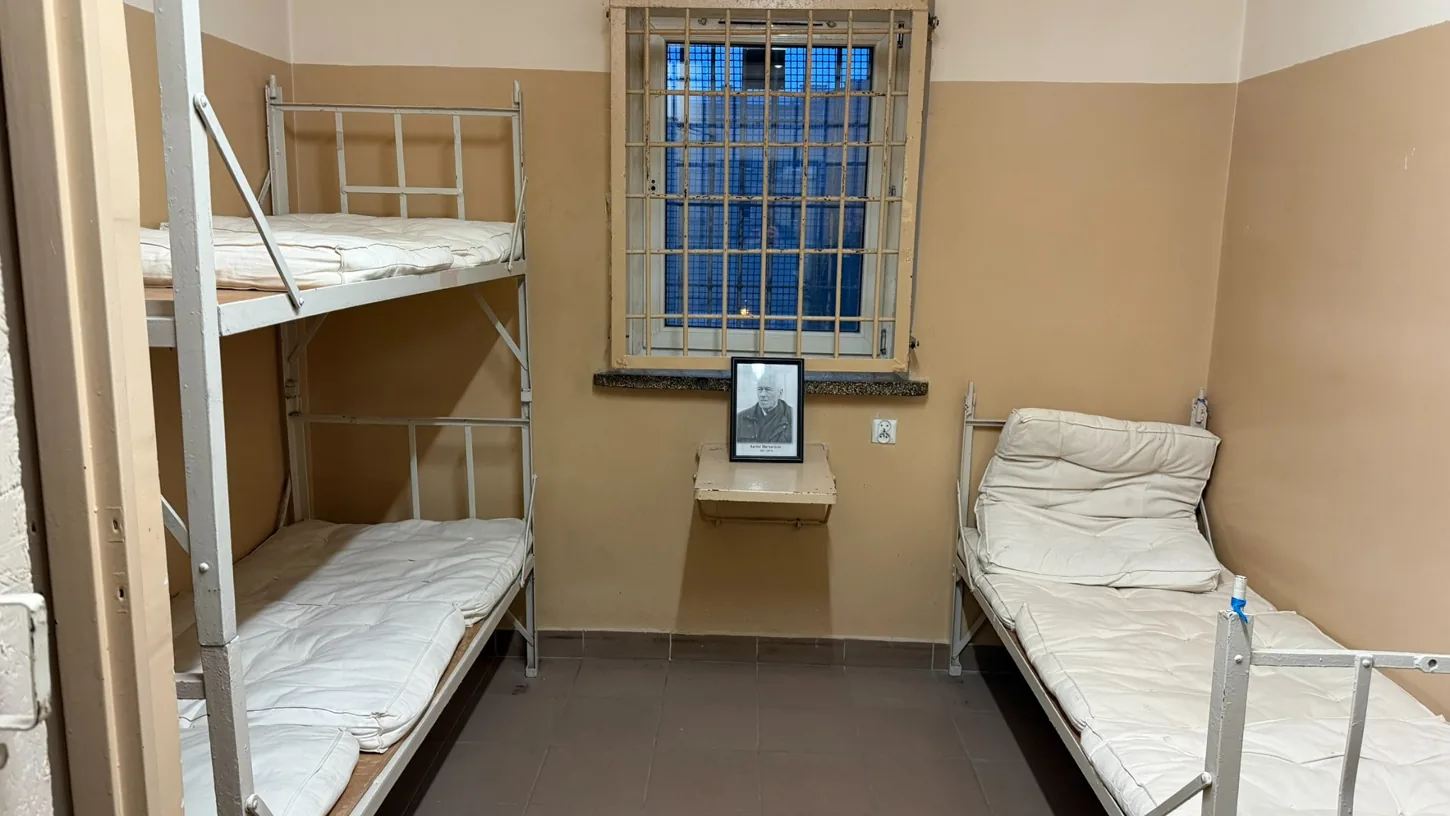
The Polish authorities presented their actions as necessary to preserve order and prevent a greater catastrophe. In reality, martial law helped the regime preserve its political control.
Britain’s experience during COVID was fundamentally different. The pandemic was a genuine public-health emergency, and governments faced difficult decisions involving uncertain information and competing risks.
Nevertheless, restrictions on movement, assembly, commercial activity and everyday social interaction demonstrated how extensively the state could intervene in ordinary life.
For me, the experience prompted questions about proportionality, public messaging, parliamentary scrutiny and the willingness of citizens to accept extraordinary restrictions.
Some emergency powers subsequently expired, which is an important counterexample to the idea that every restriction becomes permanent. But the broader lesson remains.
When governments ask citizens to surrender freedoms for a public objective, those decisions should face rigorous scrutiny.
The same principle applies beyond pandemics—to protest restrictions, surveillance powers and exceptional administrative procedures. The danger does not arise simply because a government possesses emergency powers. It arises when the use of extraordinary authority becomes insufficiently accountable or escapes meaningful challenge.
When people stop trusting the system
For democratic institutions to function, they need something that legislation alone cannot provide. Public confidence.
Citizens don’t need to agree with every judgment, policy or government decision. They do, however, need good reasons to believe the system is capable of treating them fairly and correcting serious mistakes.
That confidence has been damaged in Britain. The British Social Attitudes survey published in 2024 found record levels of distrust in politicians and government.
For me, those findings reflect a wider problem. When people repeatedly encounter what they perceive as institutional failures, selective treatment, evasive explanations and an unwillingness to accept responsibility, they begin to question whether established institutions represent their interests at all.
Some of those perceptions may be inaccurate. Others may be grounded in documented failures. But simply telling people to trust the institutions they are questioning is not an adequate response.
This is where the history of Solidarność becomes especially interesting. The movement emerged in 1980 from grievances over working conditions, wages and the dismissal of Anna Walentynowicz. Yet it rapidly developed into something larger.
Workers, intellectuals, religious communities and ordinary citizens recognised that their grievances were connected by a common question: who possessed the authority to speak and act on their behalf?
Solidarność challenged a system that denied meaningful independent representation. It eventually became one of the most consequential movements in modern Polish history.
Contemporary British grassroots movements emerge within a completely different political and legal environment. I have watched the growth of activist networks, including groups such as Patriot Platform, that express deep dissatisfaction with established political representation.
I am not suggesting that these movements are equivalent to Solidarność in their objectives, methods or historical circumstances. But I see a parallel in the political impulse that can lead people to organise outside established institutions.
When citizens believe conventional representation has failed them, they begin seeking alternatives.
The response of democratic institutions matters enormously. Authorities must enforce the law against genuine wrongdoing, including intimidation and violence. But peaceful dissent, political criticism and lawful organisation must remain protected regardless of whether the government approves of the movement involved.
A democracy should not fear disagreement. It should possess the confidence to tolerate it.
Why Poland’s history matters now
There is one further reason this subject matters to me. I worry about Poland’s future.
The country I have come to know and appreciate has been shaped by experiences that many Western Europeans understand only superficially.
Poles endured foreign occupation, war, Soviet domination, censorship and political repression. They also developed extraordinary traditions of resistance, cultural preservation and community organisation.
The Catholic Church played an important historical role in maintaining social and national identity during communist rule, although Polish religious life has always been more varied and complicated than a single political narrative suggests.
For many who lived through the communist decades, the meaning of political freedom is not abstract. It is connected to personal experience.
But historical memory cannot protect a society automatically. A generation born after 1989 has never experienced the Polish People’s Republic firsthand.
That doesn’t mean younger Poles are incapable of recognising threats to freedom. They may recognise different dangers and challenge forms of authority that older generations take for granted. But the relationship with history inevitably changes.
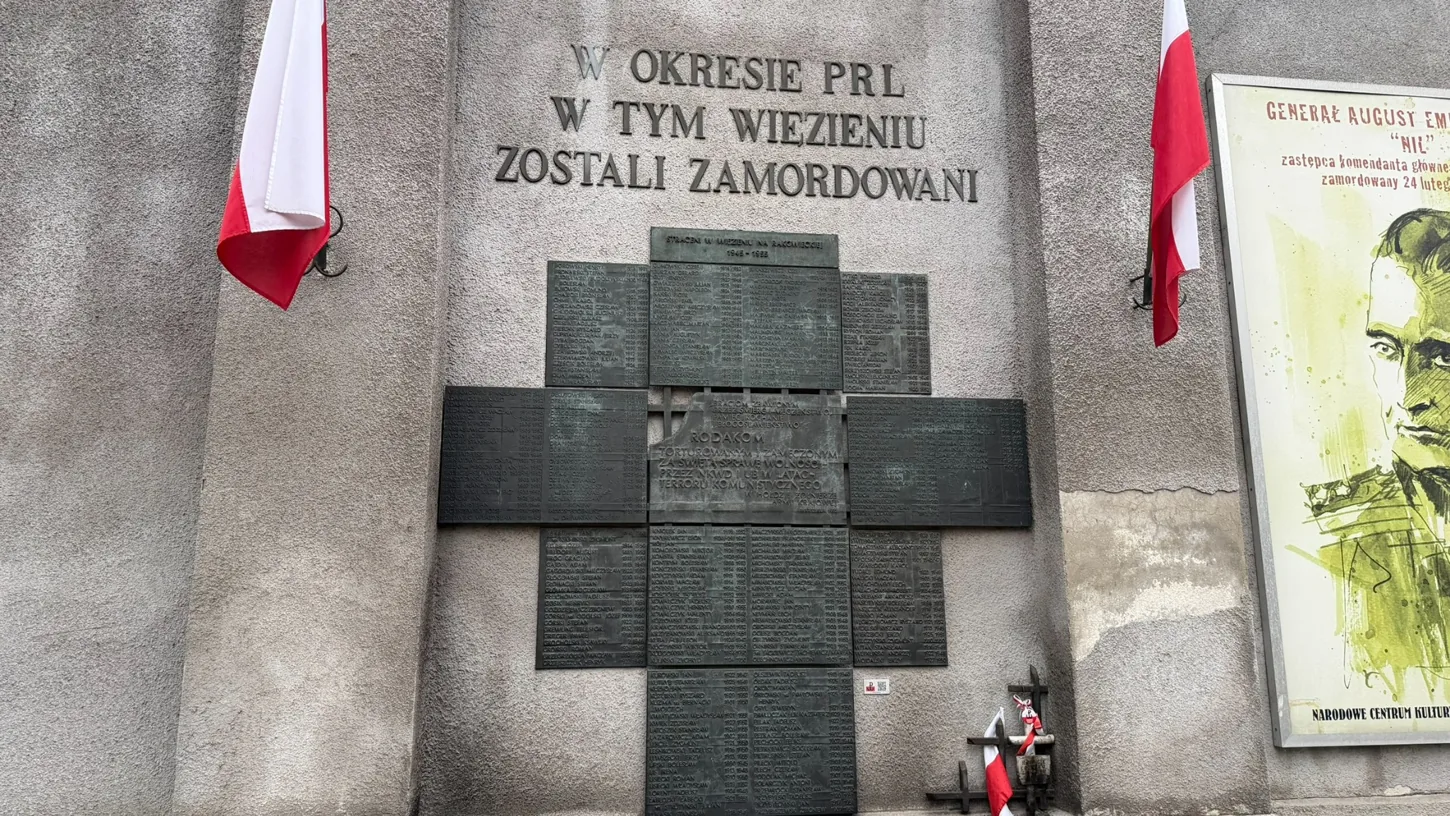
A former prison becomes a museum. A political prisoner becomes a name on a plaque. A struggle for basic freedoms becomes a chapter in a school textbook. And eventually, the people who remember what happened are gone.
The challenge is ensuring that the principles survive the memories.
Those principles should include freedom of conscience, freedom of expression, equality before the law, institutional accountability and the right to oppose political authority peacefully.
They must apply to everybody.
A society cannot genuinely defend freedom of speech while protecting only opinions it approves of. It cannot claim to support equal justice while excusing unequal treatment when the defendant is politically unpopular. And it cannot condemn the authoritarianism of the past while dismissing concerns about abuses of power in the present simply because those concerns come from the wrong political direction.
Christianity and Poland’s experience of communism may provide important historical resources for understanding these principles. But those traditions offer no automatic immunity against intolerance, manipulation or political conformity.
Freedom has to be practised.
Conclusion: The warning from history
I began exploring Poland because I wanted to understand it.
I wanted to discover places, learn its history and introduce others to a country that had been largely absent from my understanding of Europe. I did not begin this journey with a political ideology or a grand theory about the direction of Western civilisation. Those questions emerged later.
The more I learned about communist Poland, the more interested I became in the mechanisms through which institutions maintain authority.
How they shape information. How they reward conformity. How they respond to disagreement. How they administer justice. How responsibility can disappear into bureaucratic structures. And how ordinary people eventually decide that the institutions governing them no longer deserve their unquestioning trust.
When I look at Britain today, I see developments that concern me deeply. I see a political culture increasingly dominated by moral accusations, public mistrust and intense disputes over identity and belonging.
I see institutions whose decisions appear, at times, difficult to reconcile with their professed commitments to impartiality. I see questions about political accountability that cannot be answered simply by pointing to the existence of elections. And I see a public that has become increasingly divided over whether the institutions claiming to protect its interests are acting fairly.
I do not believe these observations establish that Britain is becoming a communist dictatorship. Nor do I believe every controversial case is evidence of a coordinated political operation.
But I reject the idea that historical comparisons become illegitimate simply because the systems being compared are different. The point of studying history is not merely to identify exact repetitions.
It is to recognise recurring weaknesses in human institutions—and to understand the circumstances in which those weaknesses can become dangerous.
Poland’s experience shows what can happen when ideological certainty, political authority and institutional power become concentrated without meaningful accountability. Britain still possesses freedoms and safeguards that communist Poland lacked. Those protections matter, and they should not be dismissed. But neither should they be treated as permanent guarantees.
Perhaps the most important lesson I have learned from Poland is that freedom is not simply something a country possesses.
It is something its citizens must continually understand, exercise and defend.
And the true test of those principles is not how we treat the people who agree with us.
It is how we treat those who don’t.
Sources and further reading
This is a personal essay, drawing on published legal decisions, inquiries and historical documentation. Its interpretations and comparisons are those of the author.
- RAF recruitment inquiry (29 June 2023)
- Independent Police Conduct investigation: Henry Nowak (1 July 2026)
- Henry Nowak independent review: terms of reference
- David Miller Employment Appeal Tribunal judgment (4 August 2026)
- House of Lords Constitution Committee: Dominic Cummings oral evidence (14 October 2026)
- Rotherham independent child sexual exploitation inquiry
- Yaxley-Lennon v Secretary of State for Justice (2025)
- Witold Pilecki: Institute of National Remembrance