Bacchus & the Bachusiki
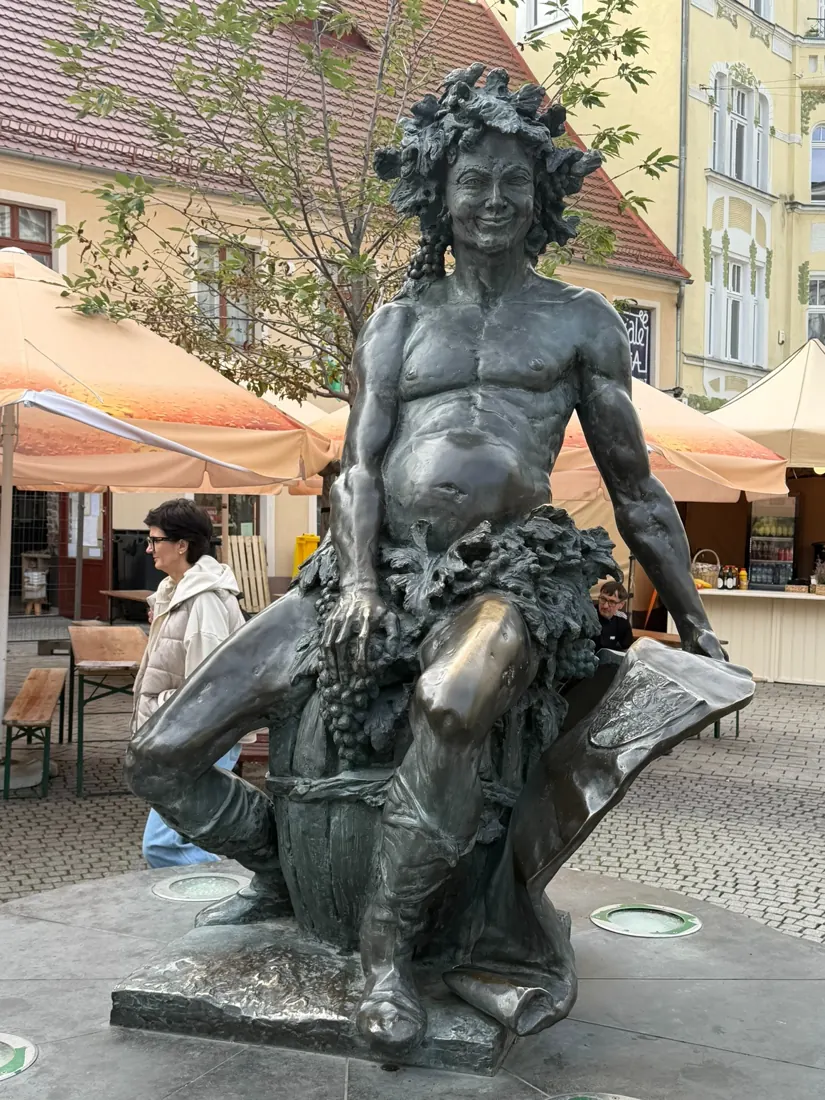
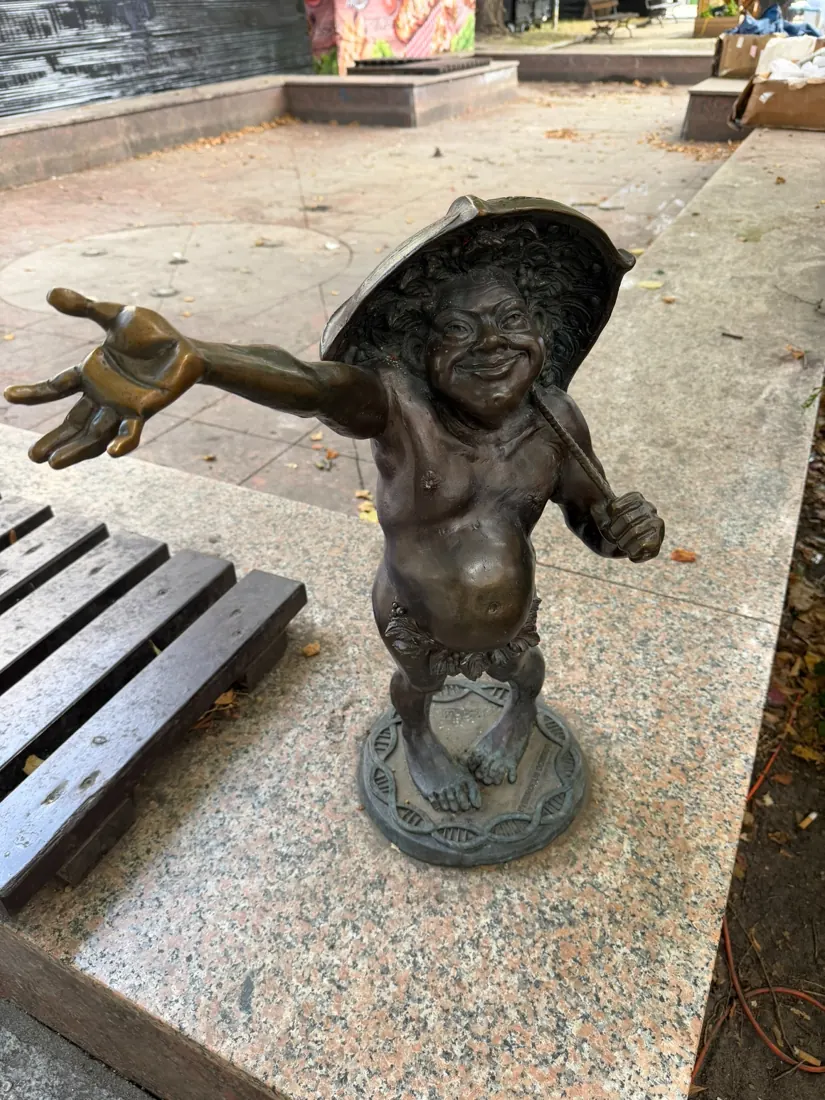
The big statue of Bacchus celebrates the city's wine identity. Then look down, around corners and beside buildings: dozens of smaller bronze Bachusiki turn the streets into an informal treasure hunt.

Discover Poland / Lubusz / A Brit in Poland mini guide
Vineyards in the city, little bronze mischief-makers in the streets, and a wine festival that takes over the old town. Here's how I spent a day exploring Zielona Góra.
Why go?
Zielona Góra literally means “Green Mountain” — a good name for a place where vineyards rise above the town centre. Its wine history goes back centuries, yet the city is also full of appealing architecture, museums, historic churches and tiny Bachusiki sculptures.
I visited on 12 September 2026, during the annual Winobranie festival, on a day trip from Poznań. I came for the atmosphere and the story behind the city — and ended up enjoying the walk, the churches and the little bronze figures just as much as the festival.
01 / The city's signature view
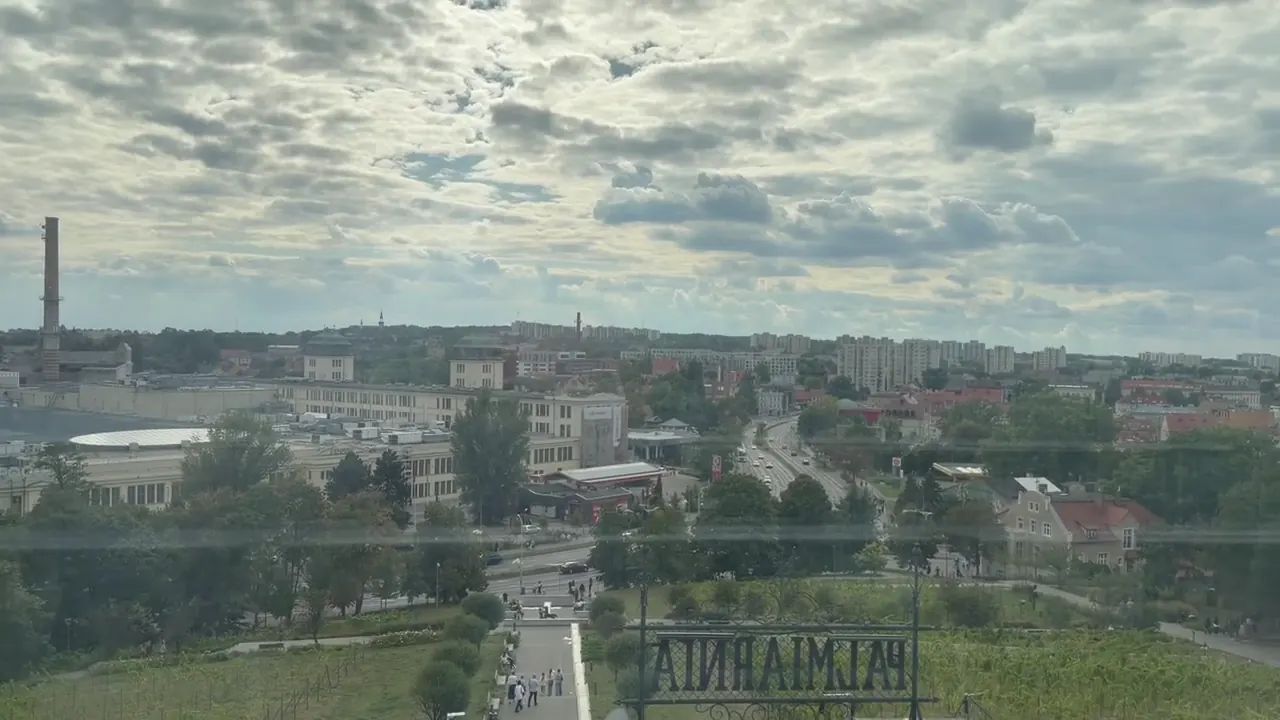
Start with Winne Wzgórze (Wine Hill), a pocket of living wine heritage surprisingly close to the centre. The vines, paths and little water features give it a different feel from the surrounding town. Rising above them is the glass-roofed Palmiarnia, a tropical Palm House whose upper level offers views across the city.
This was my favourite part of the visit. The contrast of a working wine-city story, lush plants and a panorama makes the short climb worthwhile. Check current Palm House opening arrangements before travelling; the surrounding park can still be enjoyed as part of a walk.
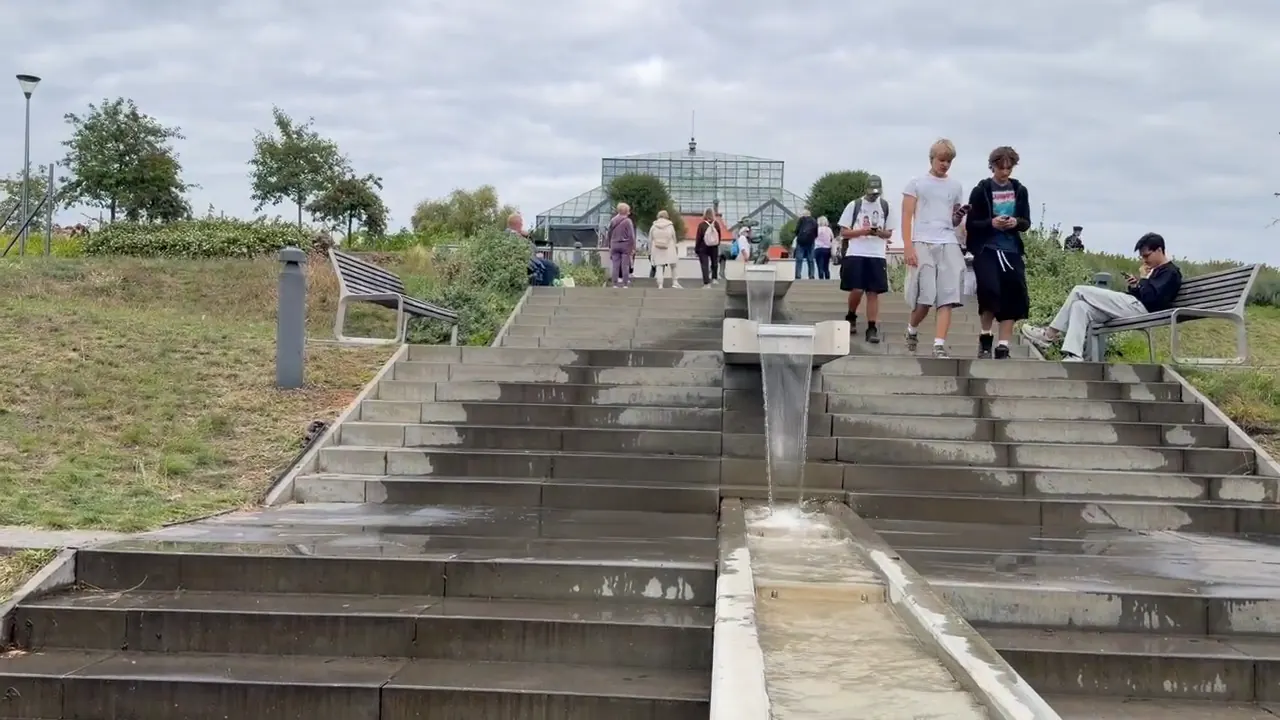
The hillside is more than a pleasant park: it is a visible reminder that the city’s identity grew from the surrounding slopes. That makes the climb especially satisfying. You can look over the vines towards modern Zielona Góra while standing in the landscape that gave the city its reputation.
The Palm House adds a second, very different experience. I enjoyed wandering through the tropical greenery and then finding the elevated viewing areas. From above, the roofs and streets spread out beyond the vines. In a city visit filled with statues, churches and festival crowds, this gave me the best sense of place.
My suggestion: don’t rush straight back down after taking the standard vineyard photograph. Explore the paths, enjoy the water features and allow time for the views from inside the Palm House, subject to access on the day.
02 / Explore the centre
The big statue of Bacchus celebrates the city's wine identity. Then look down, around corners and beside buildings: dozens of smaller bronze Bachusiki turn the streets into an informal treasure hunt.
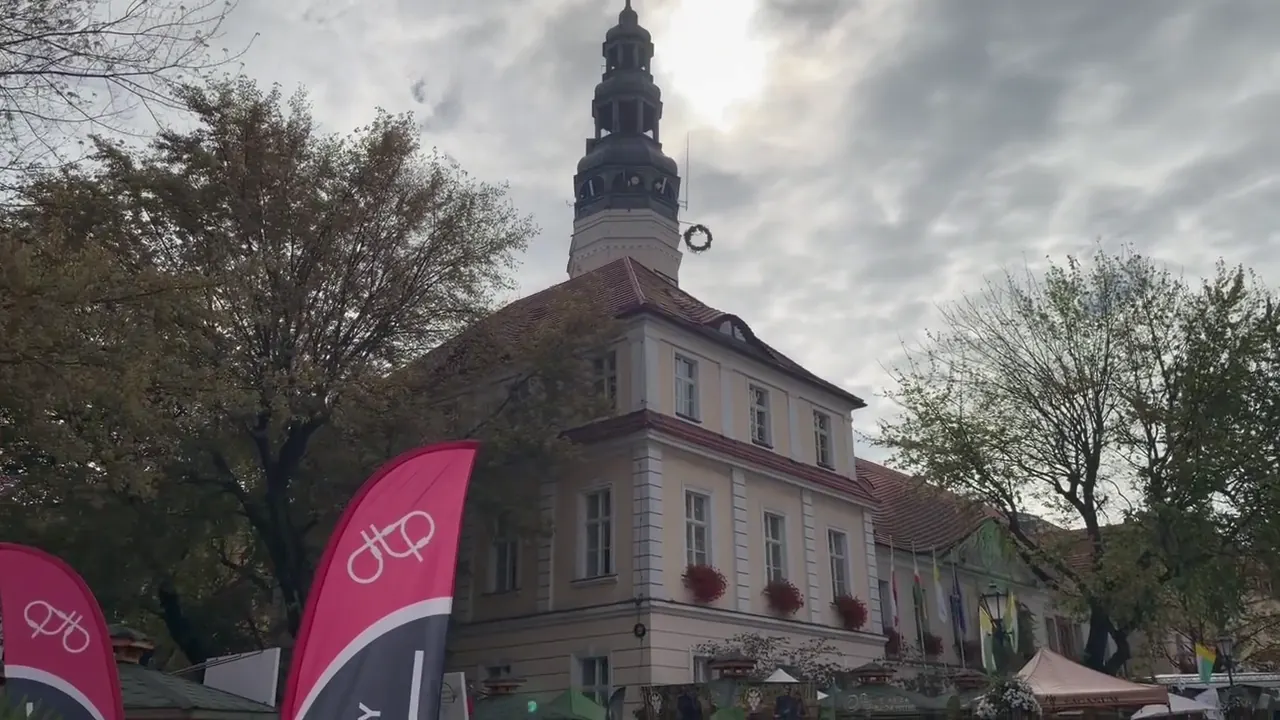
Take in the pedestrian streets and the distinctive Town Hall tower. During Winobranie this is also the heart of the bustle.
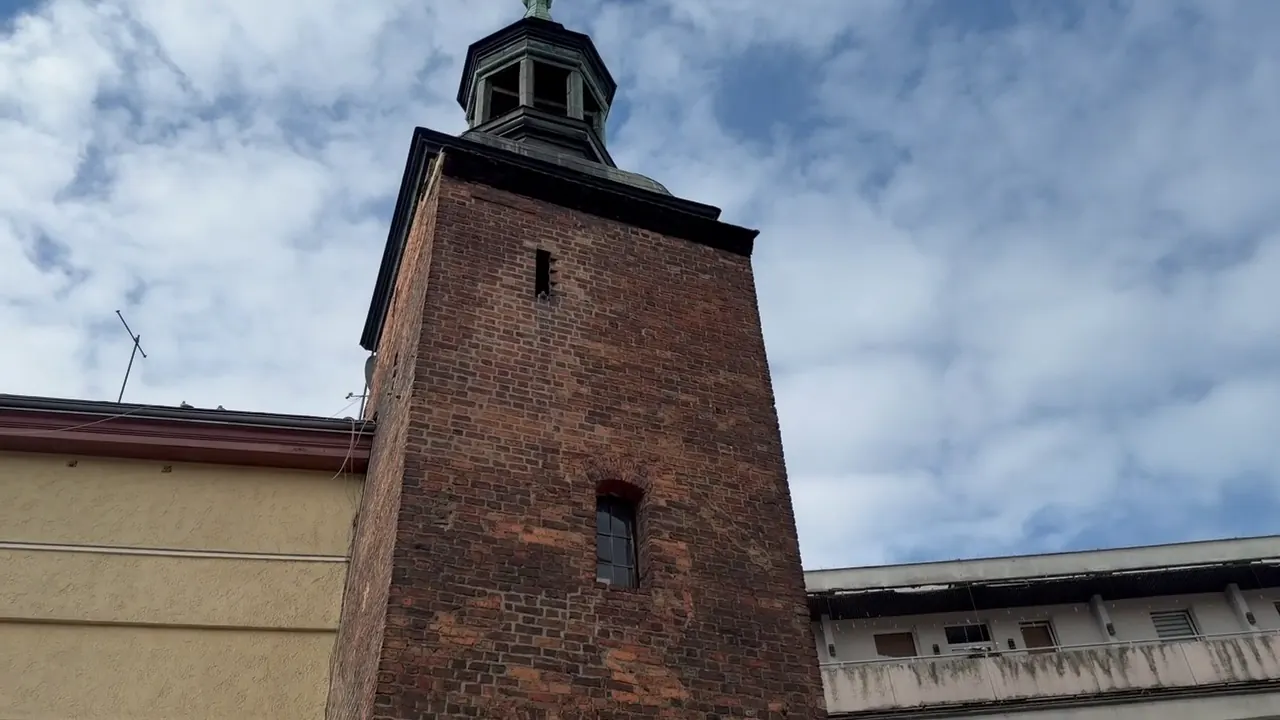
A surviving piece of the late-medieval town defences, now surrounded by a very different city.
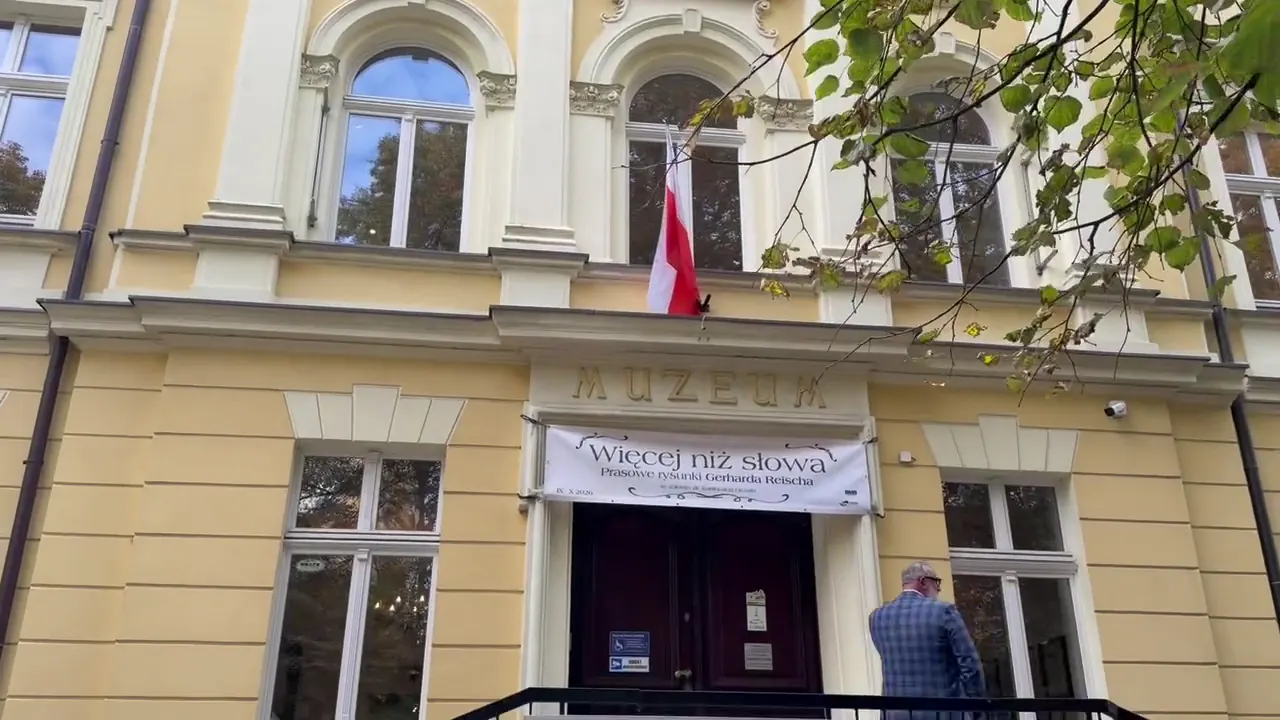
A useful stop to connect the streets outside with regional art, history and especially the town's wine-making heritage.
I stepped inside St Hedwig's Co-Cathedral, Our Lady of Częstochowa and the Church of the Most Holy Saviour. Each contributes a different chapter to the town's story.
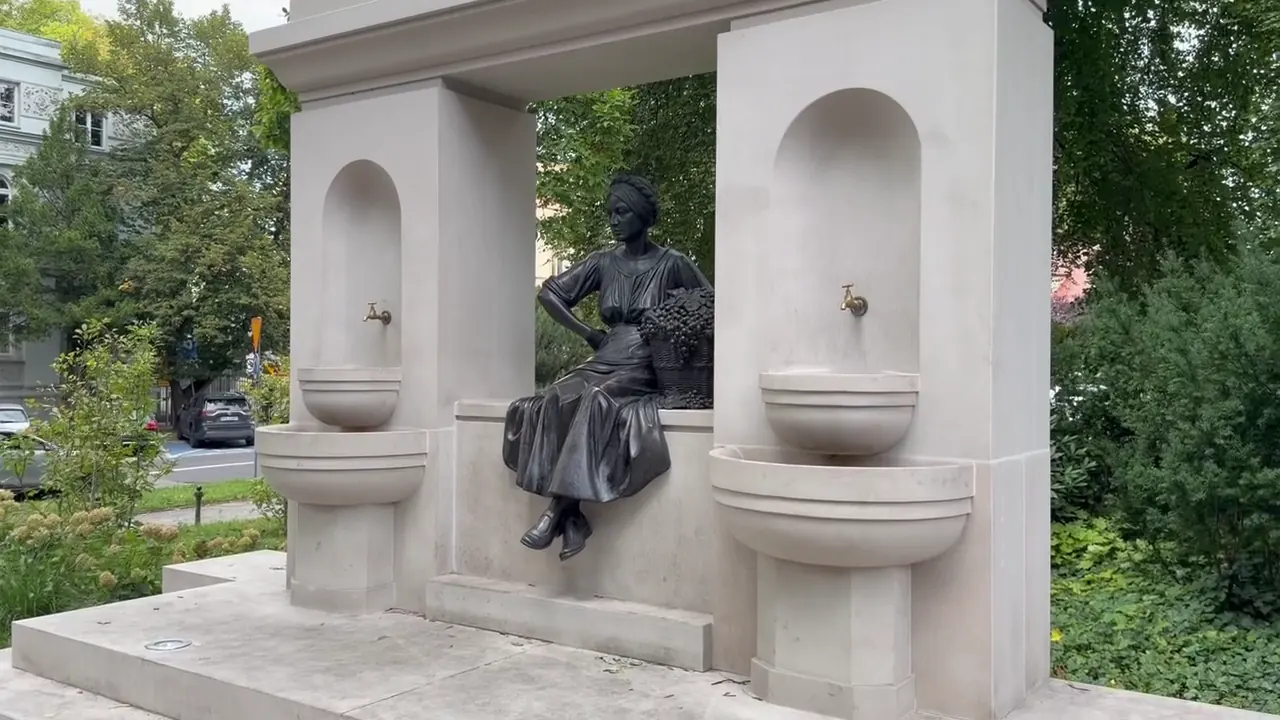
Look for the seated Winiarka figure, further Bachusiki, public art and the little details you only spot when you give yourself time to wander.
St Hedwig’s Co-Cathedral takes you furthest back into the medieval story of the town. It is worth approaching slowly, looking at the building as a survivor of centuries of change rather than simply another stop on a sightseeing checklist.
The Church of Our Lady of Częstochowa provides a striking contrast, with a distinctive timber-framed character that connects it to the city’s later religious history. Its origins as a Protestant church are an especially interesting reminder that the city’s heritage reaches across different communities and periods.
The Church of the Most Holy Saviour is another worthwhile interior, and one I was pleased to include rather than stopping after the two better-known churches. If all three are open, the sequence makes an engaging little architectural trail through the centre.
I didn’t approach these as a formal checklist. They kept appearing as I wandered, each with its own pose and sense of humour. One had a spinning wheel; another appeared to be playing basketball against a building. It is an unusually enjoyable way to make yourself pay attention to shopfronts, walls and corners you might otherwise walk past.
The larger Bacchus figure is the obvious starting point, but spotting the little figures unexpectedly is half the pleasure. You can use the official tourist map if you want a proper hunt, or do what I did and let the city surprise you.
Look out for the seated winemaker figure, often called Winiarka Emma, and the playful rooftop cat sculpture. These smaller details help give the city centre its personality. The museum provides a useful pause in the walk: its collections help connect the wine industry to the broader history and cultural life of the Lubusz region.
03 / A city shaped by vines
Zielona Góra's identity as a wine town is far older than its modern festival. Local accounts commonly trace documented vineyards to 1314, although the precise evidence for that early date is not beyond debate. By the 19th century, the then-German city of Grünberg was known for its vineyards and wine enterprises, including the Grempler sparkling-wine business founded in 1826.
The town's political and population history changed profoundly in 1945, when it became part of Poland and much of its population was replaced in the post-war upheaval. Its wine industry later contracted, but local wine-making has enjoyed a revival — one visitors can now see on Wine Hill, at wineries around Lubuskie and during Winobranie.
An often-cited early reference connects vines with medieval Zielona Góra; the evidence has limitations, so treat the precise date with care.
The city builds a reputation beyond everyday vineyard culture through commercial wine production.
Grünberg becomes Zielona Góra amid the dramatic post-war reshaping of borders and communities.
Regional producers, Wine Hill and the annual harvest festival put the wine identity back in public view.
Wine was not merely an annual celebration here. Vineyards shaped the local economy over centuries, and by the nineteenth century Grünberg supported substantial wine businesses. The Grempler firm, established in 1826, became associated with sparkling wine production; it is one of the most revealing episodes in the city’s industrial story.
That heritage also explains why Winobranie is more than a modern marketing invention. Public harvest celebrations grew during the nineteenth century, linking seasonal work with civic pageantry. The festival you see today belongs to a much longer tradition, even though the city and the people living in it have changed dramatically.
Before the end of the Second World War, this was the German city of Grünberg in Schlesien. The post-war border settlement brought it under Polish administration, accompanied by profound population change, including the displacement of German residents and the arrival of new Polish settlers. The name and civic identity changed, but buildings, vineyards and fragments of earlier urban history remained.
The wine industry continued in altered form during the communist period, later facing a steep decline. In recent decades local growers have revived the region’s reputation. It is this continuity, interruption and rediscovery that makes the city’s wine story so interesting — not just the opportunity to drink a glass of wine.
04 / September in the city
Winobranie is the great annual celebration of Zielona Góra's harvest traditions. Expect wine stalls, food, entertainment, busy pedestrian streets and a huge parade. The 2026 parade I watched seemed to go on forever, with themed displays, mascots, groups from the local community and plenty of energy.
It is a brilliant time to feel the city's personality, but don't expect the quietest sightseeing day. If you want an unhurried museum visit or peaceful photos, consider a second visit outside the festival.
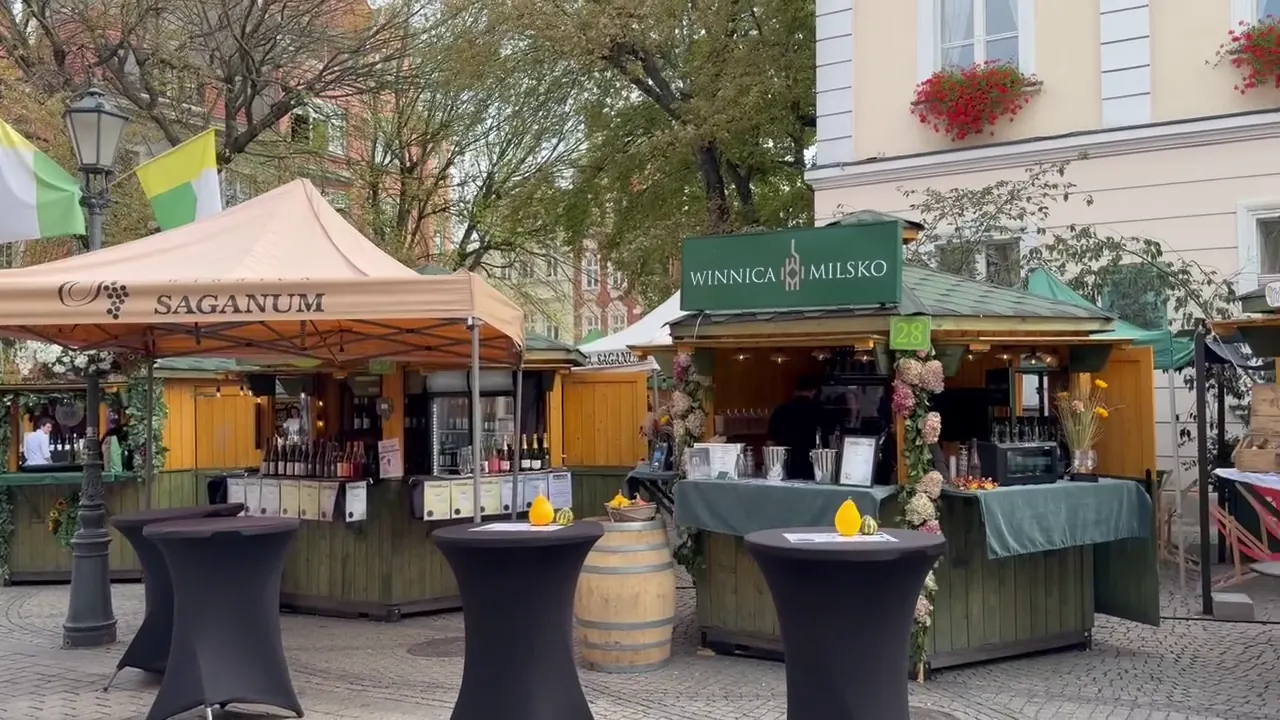
On 12 September the old town had been transformed by rows of wine stalls, food stands, music and a constant flow of visitors. You could move from a quiet side street to a busy festival square in a matter of moments. It was atmospheric, but it also meant that ordinary sightseeing took a little more patience.
The parade was the most extraordinary sight. The 2026 theme was Korzenie i liście — “Roots and Leaves” — and the procession mixed playful mascots with schools and community groups. I watched for around an hour, and it still seemed to carry on. There was something charming about seeing so much of the city participating rather than simply watching a professionally staged spectacle.
Winobranie is an excellent reason to time a trip for September, but a quieter visit would reveal another side of Zielona Góra. With no parade crowds to navigate, you could give more attention to the museum, church interiors, smaller monuments and cafés.
My day / September 2026
I travelled over from Poznań and found a city in full festival mode. I wandered between the wine stalls and the historic centre, visited three church interiors and the museum, and kept bumping into more Bachusiki than I had expected.
I spent roughly an hour watching the parade, but Wine Hill and the Palm House were the real highlights for me. I even came away with some cherry-flavoured mead, despite spending most of the day sightseeing rather than sampling wine.
05 / Practical planning
Start at the Town Hall and Bacchus statue; explore the pedestrian streets, spot a few Bachusiki, then visit the Bath Tower and whichever church interiors are open.
Visit Muzeum Ziemi Lubuskiej, take time for the area's architecture, and stop for lunch. Museum opening arrangements can change.
Climb to Winne Wzgórze, explore the park and Palm House, and finish with the views. During Winobranie, allow extra time for festival crowds and the parade.
Extend the visit to a vineyard in the wider Lubusz wine region, or explore quieter neighbourhoods away from the festival hub.
Before you go: Confirm opening hours, admission and special festival arrangements directly with venues. For city maps and a Bachusiki treasure-hunt plan, start with Visit Zielona Góra and its Bachusiki tourist map. For wider wine-region ideas see Poland Travel's Lubusz wine trail.
Let the city unfold on foot: Town Hall and Bacchus first, then the nearby streets and Bachusiki, followed by the medieval tower and churches. Leave a proper block of time for the museum before climbing Wine Hill. This is the version for slow discoveries and photography.
Keep the same broad route but build it around the festival timetable. Go to the sights you most want to see before crowds build, allow space for the parade and take breaks away from the busiest stalls. Don’t assume every interior will operate on its usual schedule.
The centre is particularly rewarding on foot, but the day involves plenty of standing and walking if you include the festival and the hill. Check museum and Palm House access in advance, especially around special events. If you want to explore vineyards outside town, plan that separately rather than squeezing it into the central walking route.
For first-time visitors, I would prioritise four things: Wine Hill, a proper old-town wander, the Bachusiki and at least one look inside the museum or historic churches. The festival is a bonus — an enormous one if you enjoy a lively atmosphere — rather than the only reason to come.
Watch the journey
Follow my visit through Wine Hill, the old town, the curious Bachusiki and the lively 2026 Winobranie festival.
Watch on Rumble →