1Jan
Public holiday
Nowy Rok · New Year’s Day
A quiet family day after the celebrations of Sylwester.

One of the things I appreciate most about Poland is how firmly it holds on to tradition. These customs have survived partitions, occupation, war and political systems that tried to suppress or reshape Polish identity. Many go back much further still: Christian feast days often sit alongside older seasonal and folk practices with pre-Christian roots. I love that history here is not only something kept in museums — it still appears in food, candles, wreaths, processions, family tables and the occasional bucket of water.
Fixed dates repeat every year. Movable feasts show the rule and, where supplied in the source calendar, the 2026 date as an example.
A quiet family day after the celebrations of Sylwester.
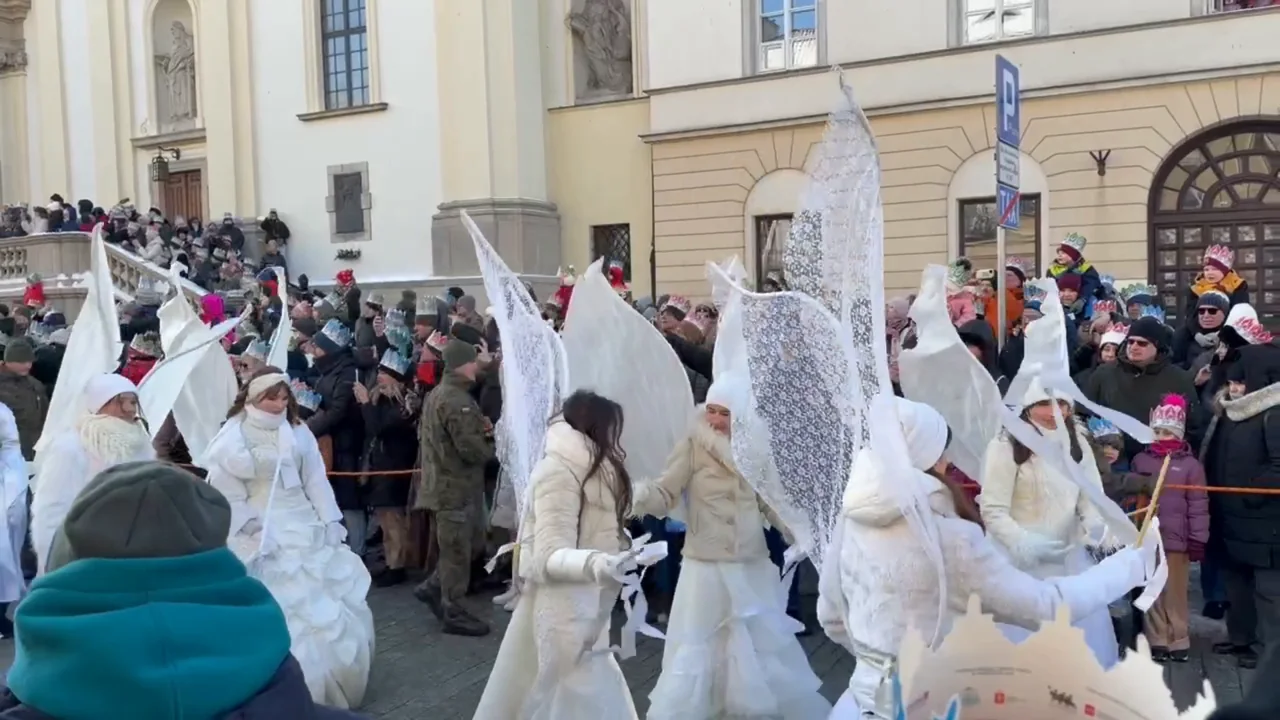
Read the full story ↗Chalk is blessed, doorways are marked, and colourful Three Kings parades fill streets across Poland.
Grandmother’s Day — widely marked with visits, flowers and small gifts.
Grandfather’s Day follows immediately after Grandmother’s Day.
Candlemas. Thick gromnice candles are blessed and traditionally kept for storms, protection and deathbed prayers.
 Watch video ↗
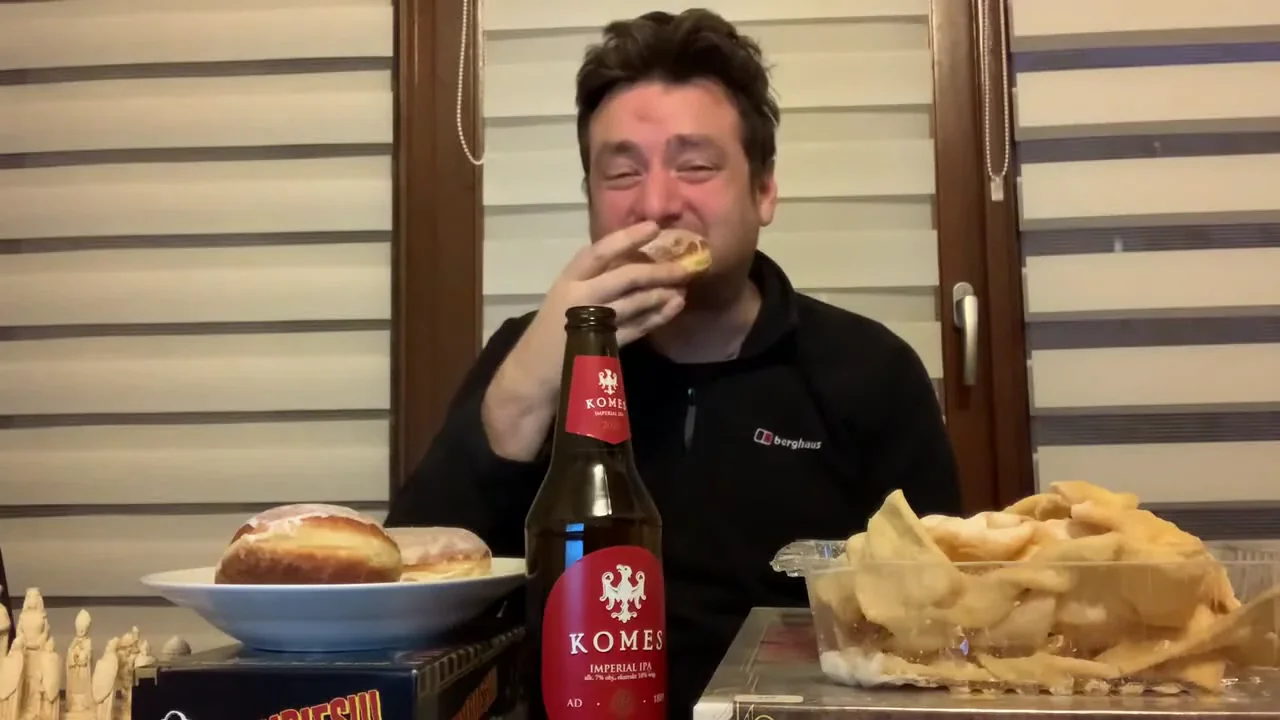
Poland’s great pre-Lent doughnut offensive: pączki, faworki and very little restraint.
The final days of carnival — last dances and rich food before Ash Wednesday.
The beginning of Lent, marked by the placing of ashes on the forehead.
A national day remembering the post-war anti-communist underground.
Still widely marked across Poland, often with flowers.
Observed in Poland on 10 March. It is less established than Women’s Day and is distinct from Dzień Chłopaka, which falls on 30 September.
 Watch video ↗
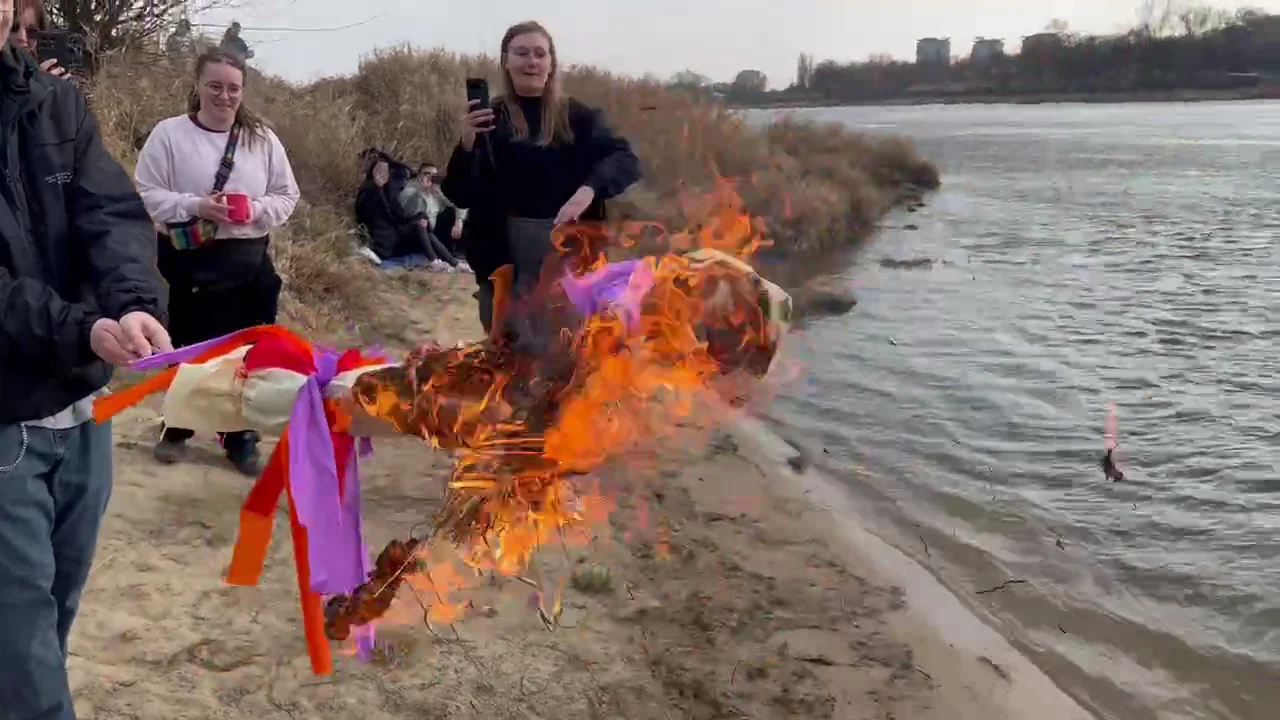
A straw effigy of winter is burned or drowned to welcome spring. It also overlaps with the unofficial school tradition of Dzień Wagarowicza.
 Watch video ↗
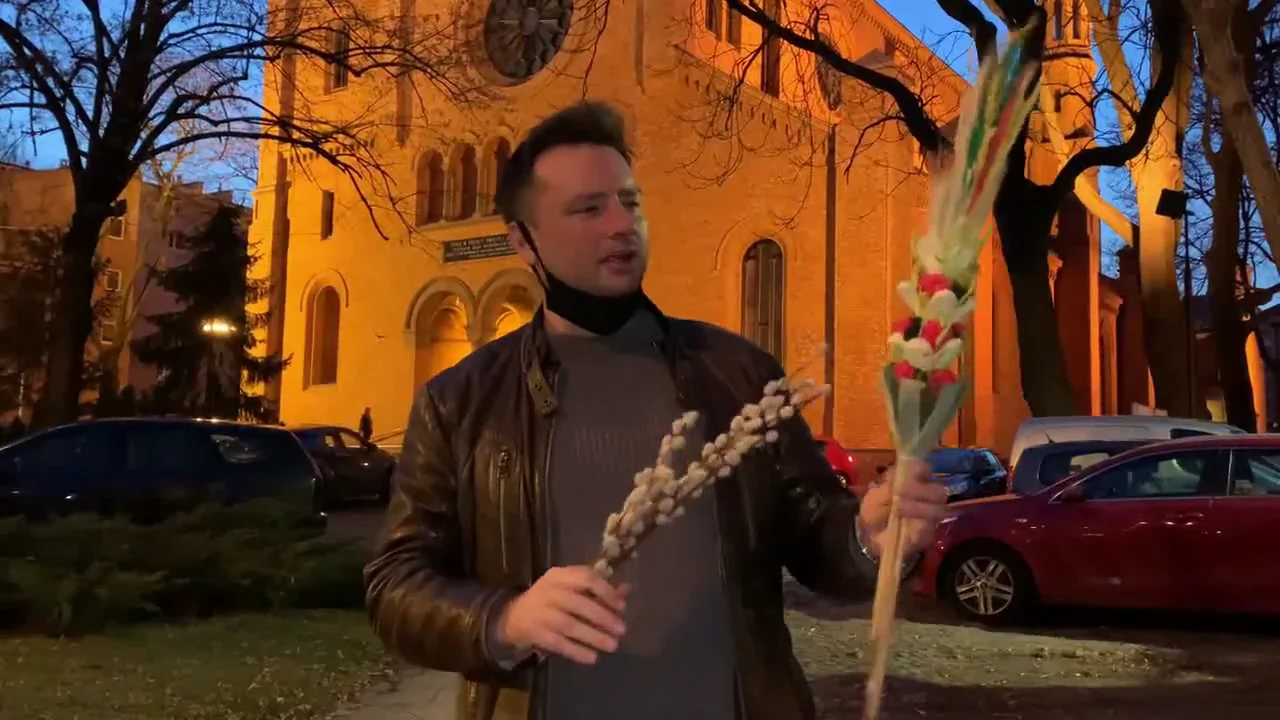
Colourful Polish palmy are made from willow, box and dried flowers; some towns hold spectacular palm competitions.
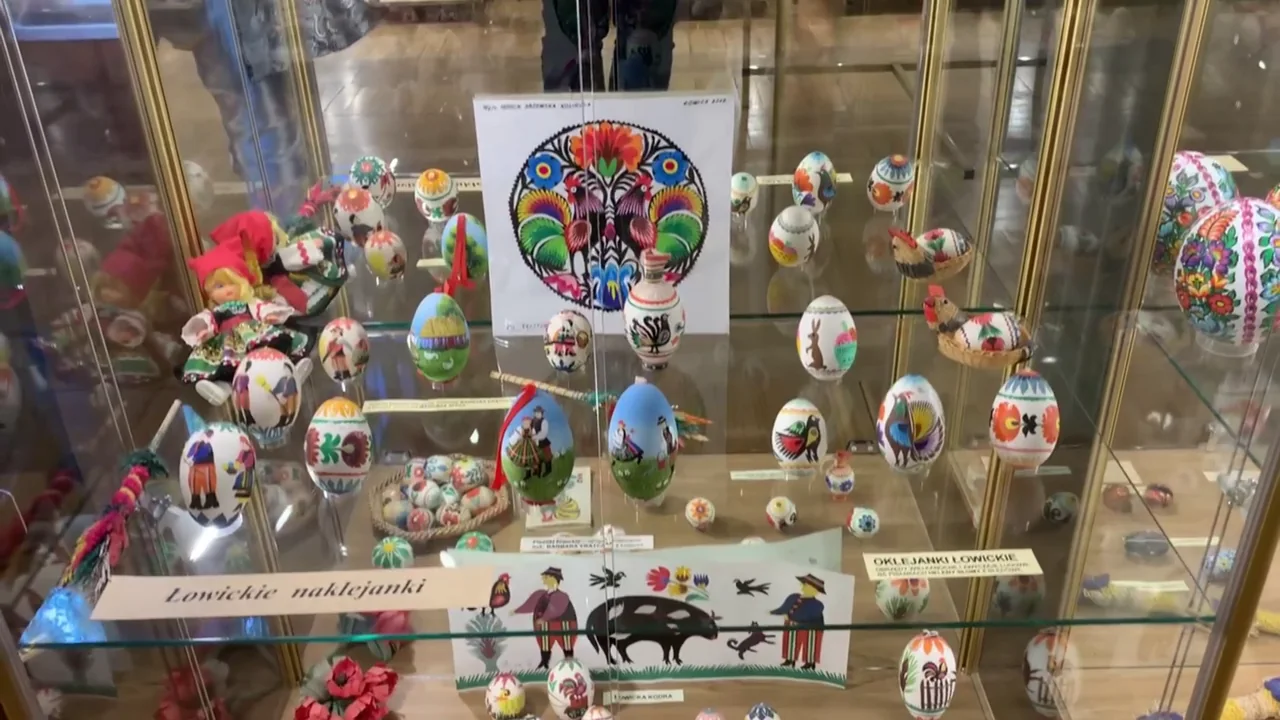
A broader introduction to the Easter season, including egg decorating and Śmigus-Dyngus. The individual traditions below remain separate calendar entries so they can grow into their own guides.
Watch the Easter overview ↗Holy Thursday through Holy Saturday form the final solemn days before Easter Sunday.
Families take baskets of eggs, bread, sausage, salt, horseradish and cake to church to be blessed.
Dawn Rezurekcja Mass and a festive family breakfast built around the blessed Easter foods.
The famous water-splashing day. An older fertility custom survives today through buckets, bottles and water pistols.
A commemoration connected with the baptism of Mieszko I and the Christianisation of Poland in 966.
The anniversary of the 1943 uprising, widely associated in Warsaw with remembrance ceremonies.
Labour Day, usually part of the long majówka weekend.
A national day for Poland’s white-and-red flag; it is not itself a statutory day off.
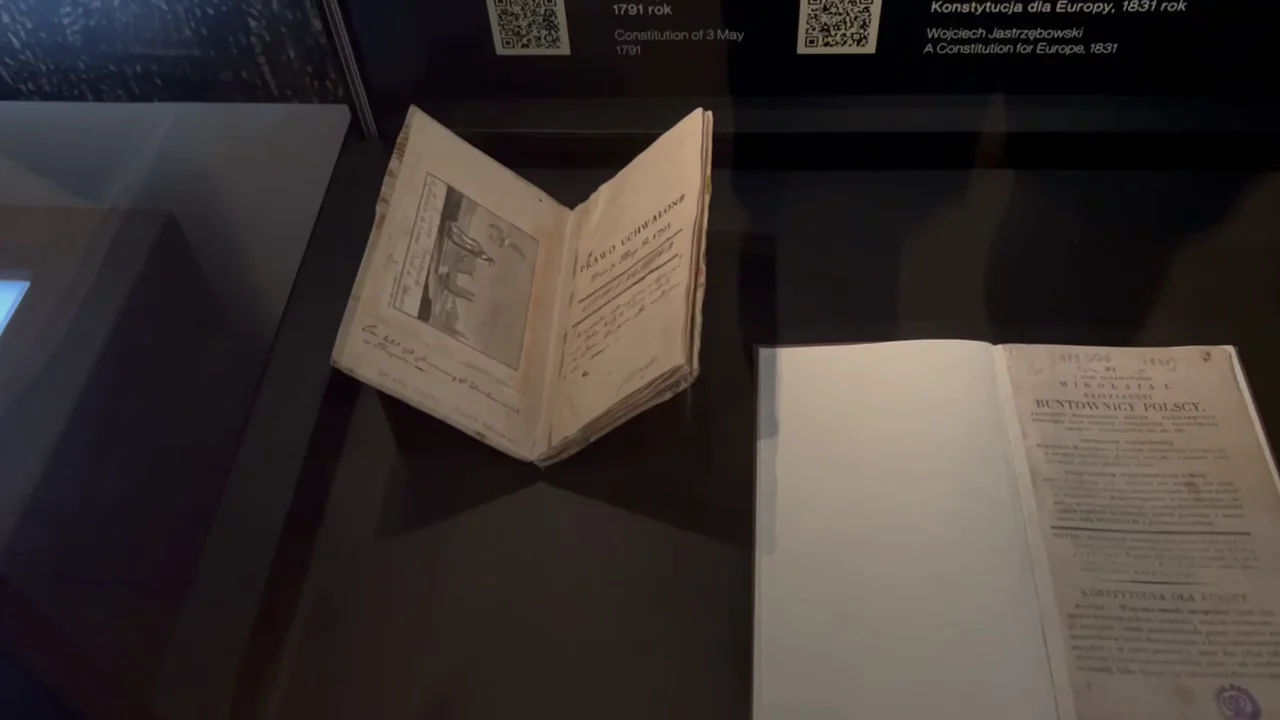 Authentic image · Warsaw
Constitution Day commemorates the Constitution of 3 May 1791. The date is also the feast of Our Lady Queen of Poland.
Poland’s national remembrance of the end of the Second World War in Europe.
Always a Sunday. Older rural customs decorated houses and churches with fresh greenery.
Polish Mother’s Day is fixed on 26 May.
School activities, parks, treats and family events make this an easy date to notice.
Outdoor processions pass four street altars; some places are known for flower carpets, folk dress and older protective customs.
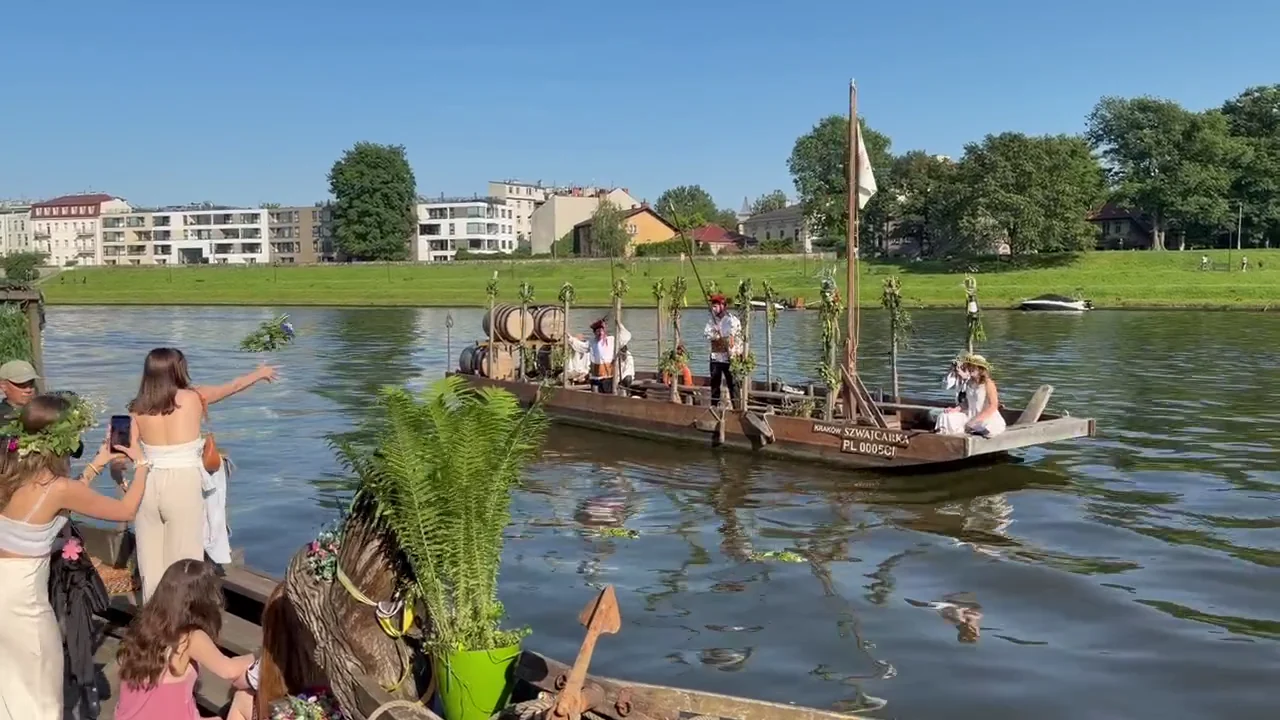
Authentic image · KrakówMidsummer fire, water and wreath customs survive alongside St John’s Night. Modern city festivals often centre on floating wianki on rivers.
Polish Father’s Day falls on 23 June.
The feast of the Apostles Peter and Paul.
A state remembrance day for Polish victims of the massacres committed by OUN and UPA in the former eastern territories of the Second Polish Republic.
A state day remembering the suffering, resistance and sacrifice of inhabitants of Polish villages during the Second World War.
July is rich in local events rather than one defining nationwide custom. These entries can grow as I film authentic regional celebrations around Poland.
Warsaw pauses at 17:00 — the W Hour — as sirens mark the outbreak of the 1944 uprising.
Walking pilgrimages from across Poland converge on Częstochowa, peaking around 15 August.
The Assumption is also Matki Boskiej Zielnej, when herbs, flowers and first grains are blessed; the same date is Poland’s Armed Forces Day.
Commemorations mark Germany’s invasion of Poland in 1939, including ceremonies at Westerplatte.
The anniversary of the Soviet invasion of Poland in 1939.
There is no single national date. Villages, gminas and voivodeships choose local weekends after the harvest, with grain wreaths, blessings, bread-sharing and folk music.
A school and social tradition particularly visible among younger Poles.
October is traditionally the rosary month; the source calendar places this feast around 8 October.
The date depends on each parish’s patron saint. Religious feast days can spill into local fairs with stalls, sweets and rides.
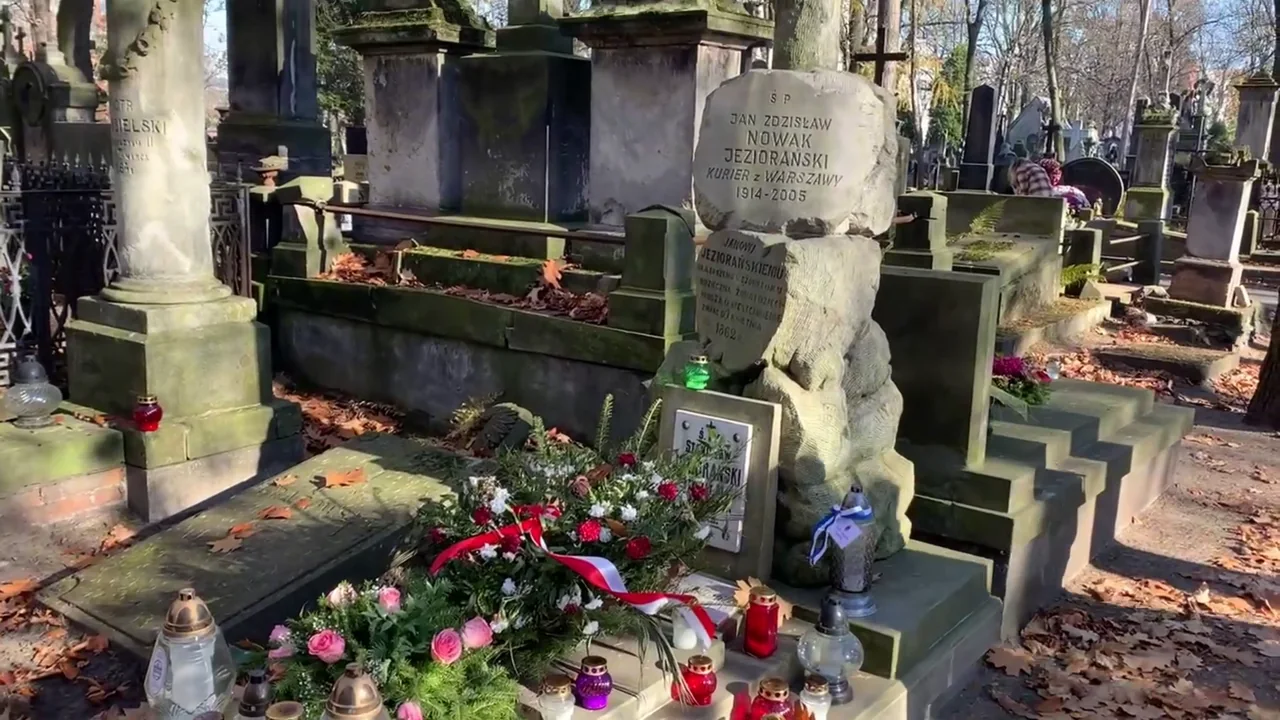
Read the article ↗Families fill cemeteries with chrysanthemums and znicze. After dark, the candlelight is extraordinary.
Prayers for the dead sit alongside older beliefs about returning souls and hospitality for ancestors.
Independence Day marks the restoration of Polish independence in 1918, with flags, marches and public ceremonies.
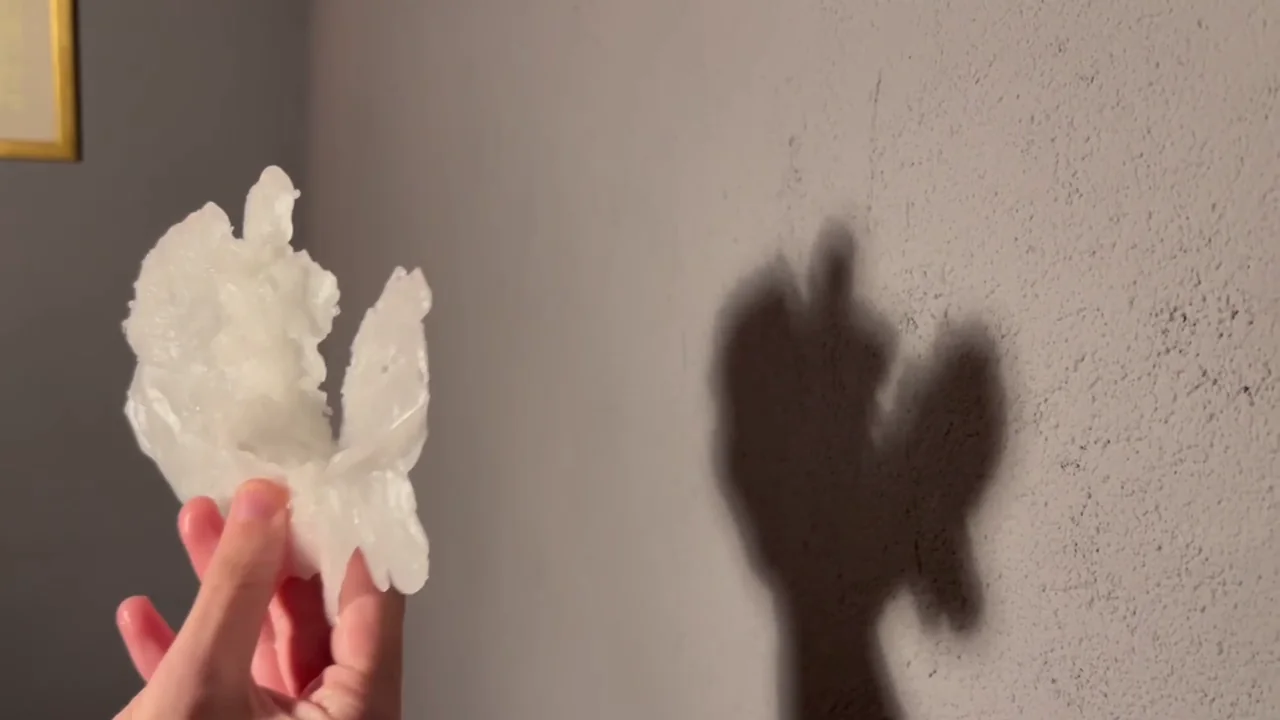 Watch video ↗
Wax is poured into water and its shadow interpreted as a glimpse of the future — traditionally especially matters of love and marriage.
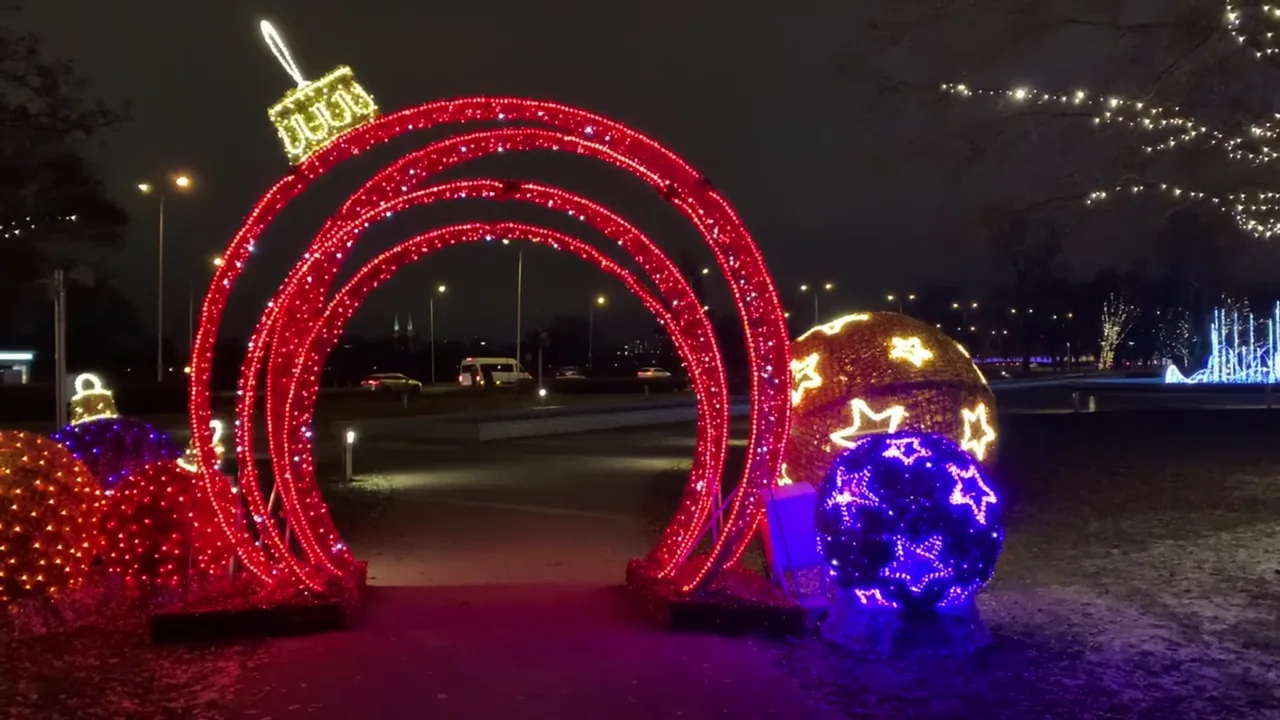
Advent includes traditional pre-dawn Roraty Masses lit by lanterns and candles.
The patronal celebration of miners, especially prominent in Silesia.
St Nicholas brings small gifts, often left in shoes — distinct from Christmas Eve and Christmas Day gift traditions.
The Feast of the Immaculate Conception.
Weather and fortune customs survive in some regions around this older midwinter marker.
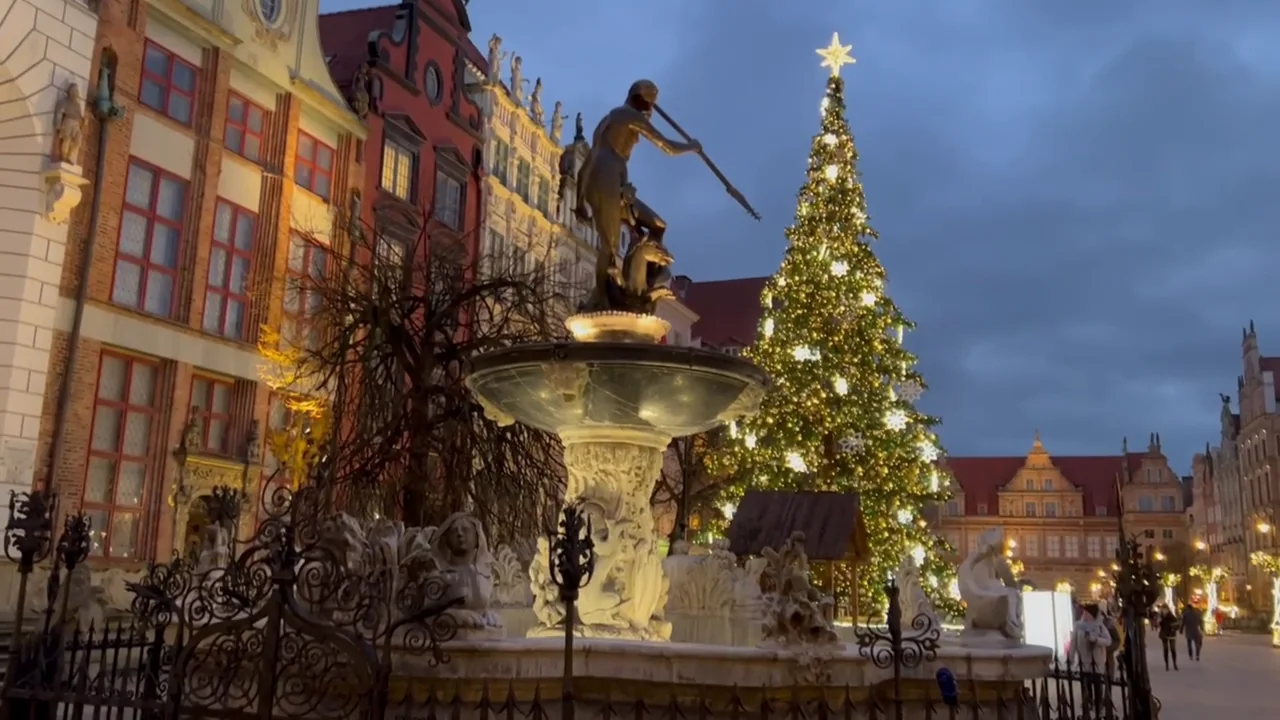
The heart of Polish Christmas: first star, opłatek, a traditionally meatless feast, an empty place at the table and midnight Pasterka. Christmas Eve has been a statutory day off since 2025.
Christmas Day is centred on family, food and visiting.
A second public holiday for family visits; some older customs include sharing leftover opłatek with livestock.
New Year’s Eve parties close the Polish calendar.
Calendars assign saints’ names to every day. Name days remain socially important for many adults and can bring flowers, congratulations and small gatherings.
Every parish has a feast tied to its patron saint. The timing is local, and the religious celebration may be accompanied by a fair.
Sundays are non-working days and many large shops are closed on numerous Sundays under Poland’s Sunday-trading rules, with exceptions.
The visual entries on this page use footage and photographs gathered through the Brit in Poland project. As more traditions are filmed in person, the calendar will become more visual — without pretending a generic festival photo came from Poland when it did not.