
A different road into the gaming age
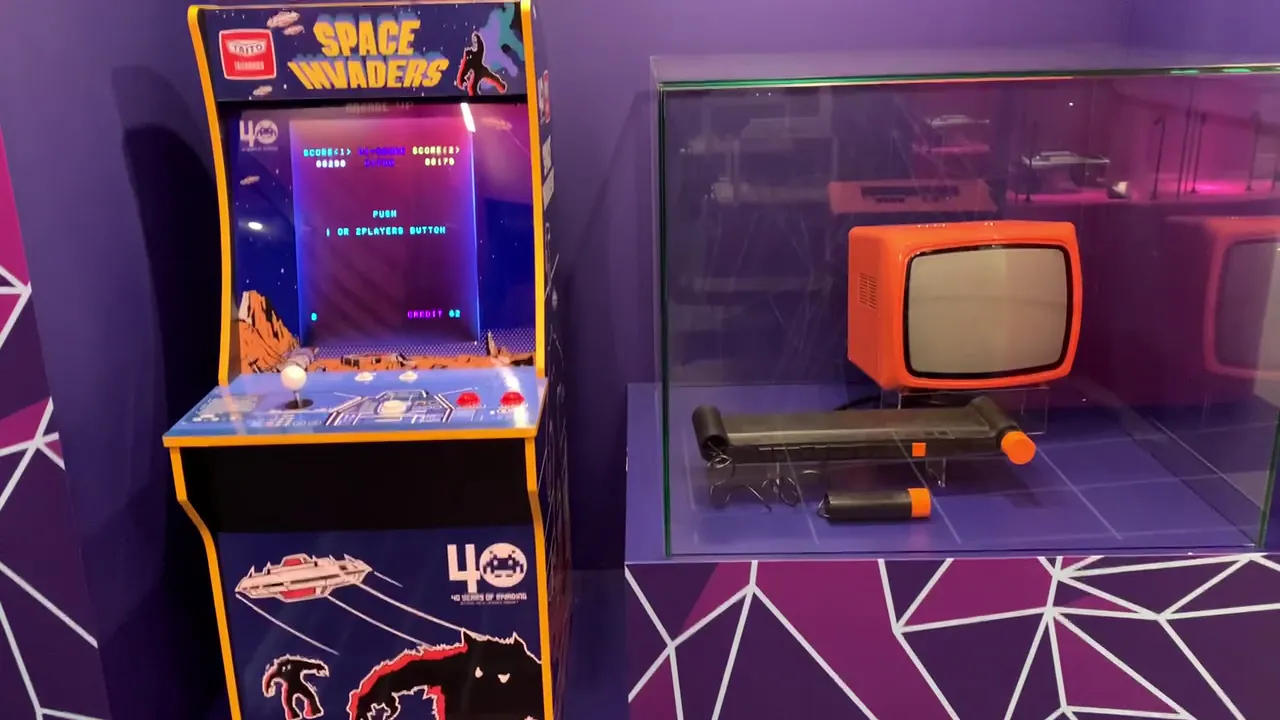
Imagine a Polish child in the mid-1980s encountering a home computer for the first time. The machine might have arrived from abroad in a relative's suitcase, been bought with hard currency, or been tracked down at a crowded computer market. Games might be recorded on cassettes; instructions might come from a magazine or a friend who knew how to make the thing work. Nothing was quite as simple as walking into a shop and choosing the newest console.
Yet Poland was not outside the gaming revolution. It was experiencing it differently. Computers were objects of fascination, tools for learning and, increasingly, ways to play. Informal trading networks, state institutions, entrepreneurs, hobbyists and school computer rooms all contributed to a distinctive culture. The result was not a neat succession of console generations, but an overlapping world of television games, eight-bit computers, copied software and — eventually — increasingly accessible official products.
Explore the story: Games Poland loved · Cybermachina and social gaming · Games Poland created
Before the Pegasus: Poland's own television games
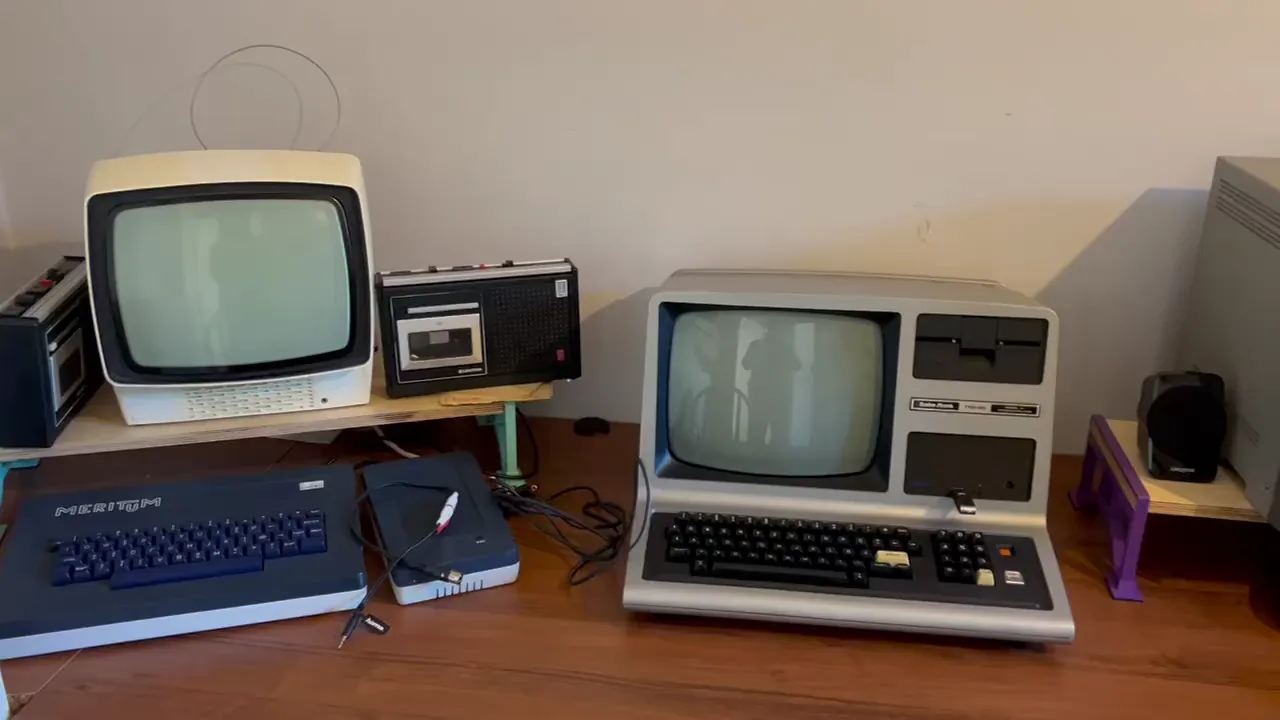
Long before Nintendo became a familiar name in Polish homes, Wrocław's Elwro electronics works developed the TVG-10, a dedicated television game device based on the simple bat-and-ball games popular internationally in the 1970s. Development began in 1978; production followed in 1979 and retail sales around 1980. Production later passed to Ameprod. Its significance is not that it rivalled the great global console makers, but that a Polish-produced machine offered an early glimpse of interactive entertainment in the living room.
These devices were different from the cartridge-based consoles that followed. Their limited selection of games was built into the hardware. Even so, the TVG-10 provides a useful reminder: Polish gaming history did not begin with imported Nintendo-style machines in the 1990s.
Computers, cassettes and the art of getting hold of things
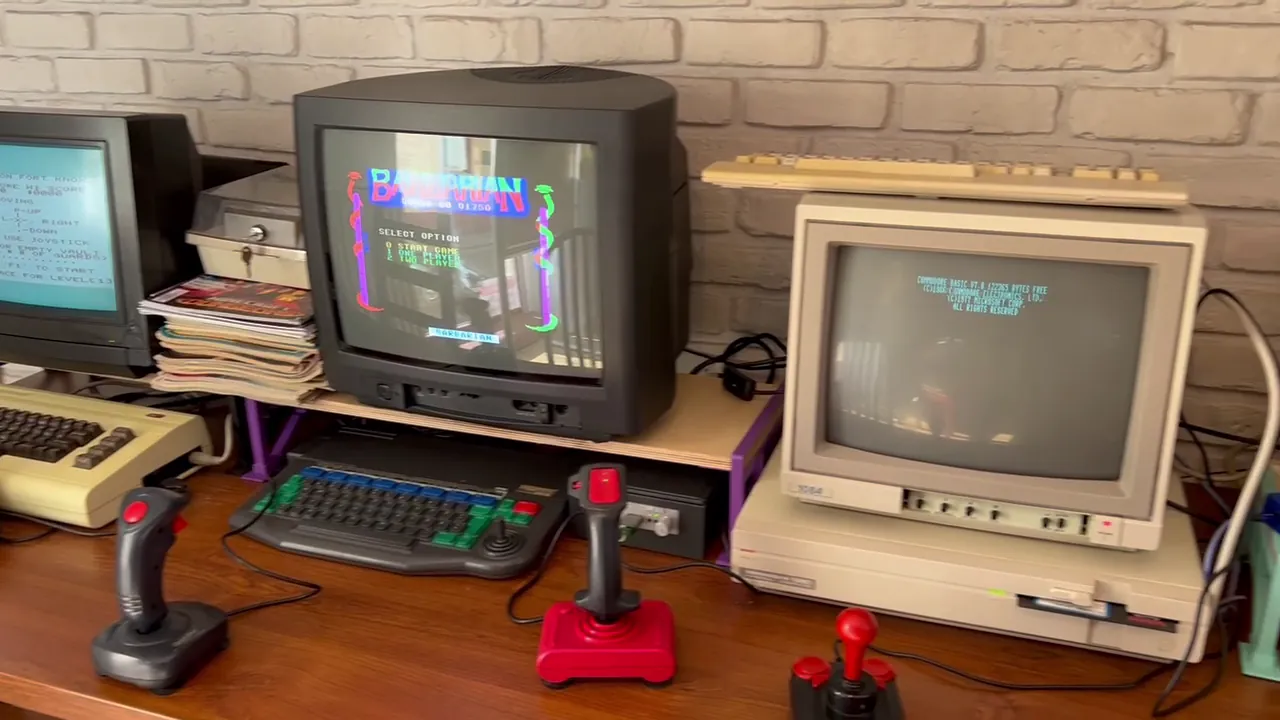
During the 1980s, Atari eight-bit computers, ZX Spectrum and Commodore 64 machines became important platforms for Polish players. Amiga and later PCs expanded the possibilities. Availability was uneven, and the means of acquiring hardware could be as much a story as the games themselves. Personal imports, shops selling goods for foreign currency, and computer markets overlapped in a system that did not fit a simple division between official and underground commerce.
Many games were loaded from cassette. Loading screens, waiting times, unreliable tapes and borrowed compilations were part of the experience. A joystick could be a prized possession. For some users, playing was only the first step: they learned BASIC, typed in programs, tinkered with hardware or tried making their own games.
Poland also had domestic computers. The Elwro 800 Junior, designed with education in mind, and the Meritum, associated with Zabrze, show that early computing was not exclusively a story of imported Western brands. These machines deserve a place in the history even when their significance for gaming was different from that of Atari or Commodore systems.
The giełda: a market that was also a community
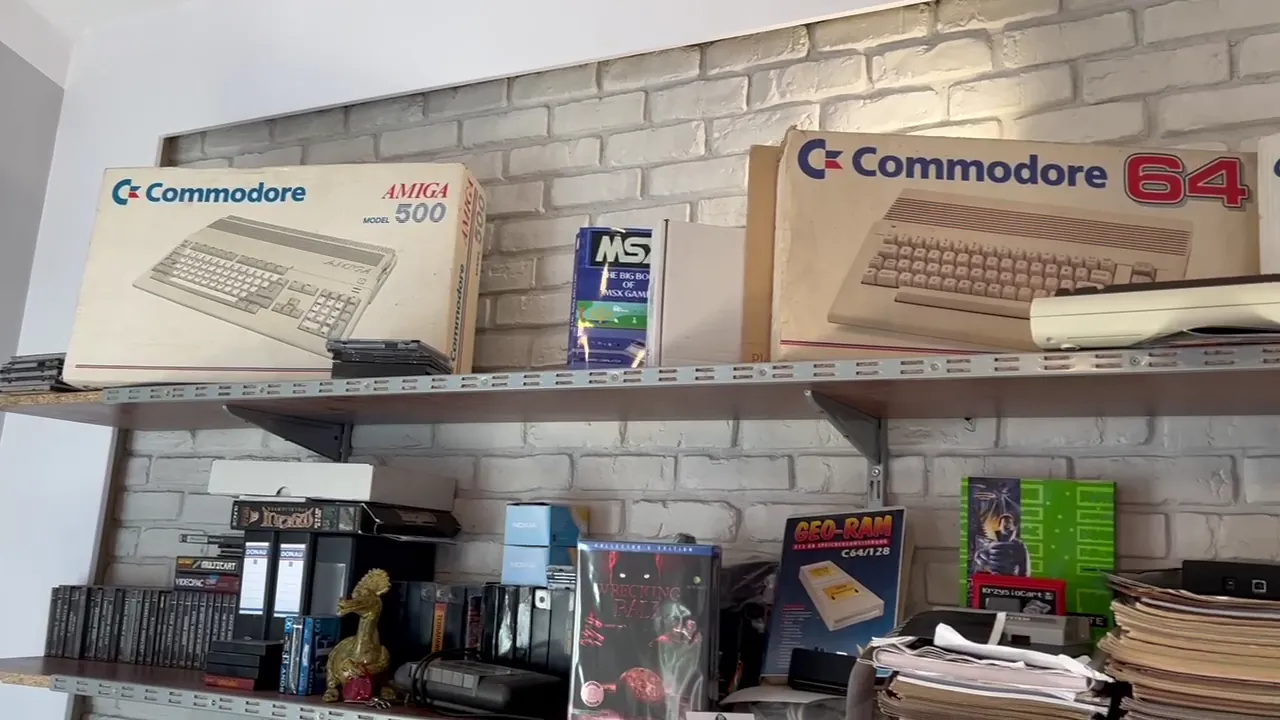
A computer giełda was not simply somewhere to buy a joystick. It was a social network before online social networks: a place to find unfamiliar software, compare machines, swap news, encounter skilled hobbyists and watch new commercial opportunities take shape.
Warsaw's market around Grzybowska became particularly well remembered. Such markets created opportunities for individuals who could import, copy, translate, distribute or eventually develop software. But the history needs a balanced treatment. Unauthorised copying made games accessible to many people, while also making it difficult for local creators to earn a living from their work. Polish gaming did not flourish because piracy was good; it developed amid an imperfect and changing legal and economic environment.
The transition after 1989, including the 1994 Copyright Act and the growth of legitimate distribution, changed the economics of playing and selling games. The habits and contacts acquired in the market era nevertheless helped some future companies understand what players wanted.
The magazines that taught a generation
In September 1985, Bajtek appeared as a computer magazine supplement. It became one of the most recognisable names in Polish home computing. For readers without easy access to manuals or technical support, magazines offered reviews, explanations, listings and a sense that they were part of a larger community.
Other publications followed, including Top Secret, Secret Service, Gambler, Świat Gier Komputerowych and CD-Action. Their roles were not interchangeable. Some emphasised computing as a hobby; others gave increasing space to games and gaming culture. By the late 1990s, cover discs and boxed software helped make legal games more affordable and familiar.
There was also a creative culture that rarely appeared on shop shelves: the demoscene, where programmers, graphics artists and musicians competed to make machines perform seemingly impossible tricks. Polish communities working with Atari, Commodore and Amiga computers helped connect home computing to creative software production.
Pegasus: the console many Poles remember
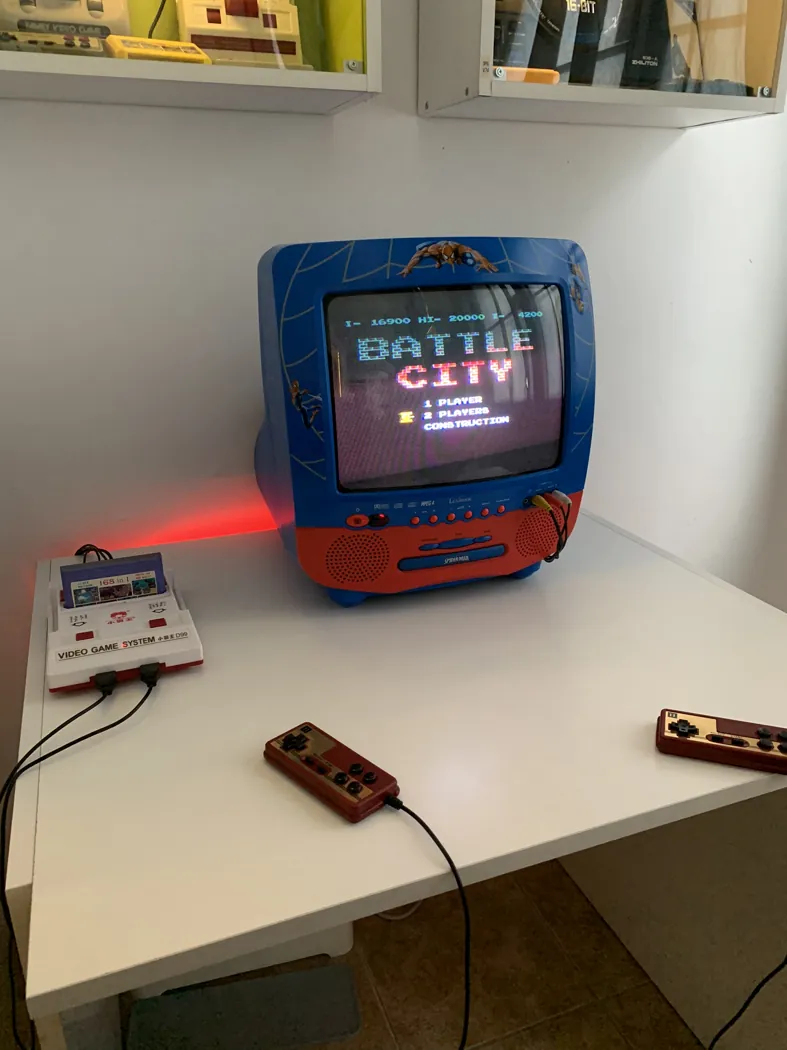
For a large number of Polish children growing up in the early 1990s, the most important console was not an official Nintendo product but Pegasus. Imported and marketed by Bobmark, Pegasus was a family of Famicom-compatible machines, drawing on Taiwanese hardware. It made games recognisable from Nintendo's eight-bit era available to Polish households on terms very different from those in Japan or Western Europe.
The distinctive controllers, multicarts and familiar-looking games became part of everyday childhood memory. Pegasus is worth explaining carefully to international readers: it was not a Polish-designed Nintendo console, nor was it an official Nintendo system. Its cultural significance lies in how it met the demand for inexpensive console gaming during the transition to a market economy.
The marketing, packaging and distribution network are arguably as interesting as the hardware. Reliable audited sales figures remain difficult to establish.
PlayStation, PC gaming and a more familiar market
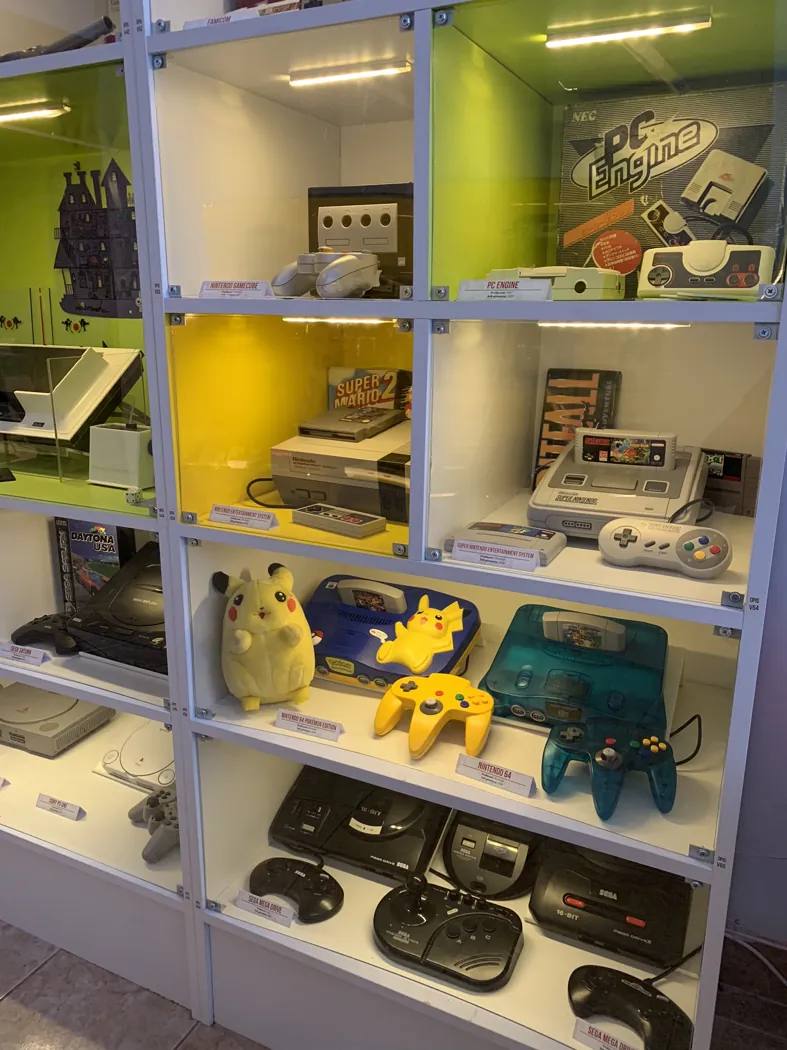
Through the 1990s and 2000s, more recognisable global brands became increasingly accessible. PlayStation helped define a new era of console gaming; Sega, Nintendo and eventually Xbox found their own Polish audiences. Meanwhile, PC gaming became enormously important. The ability to use a computer for school, work and entertainment helped make it a versatile household purchase.
Polish-language versions of foreign games were part of this transition. CD Projekt's Polish release of Baldur's Gate in 1999, with an ambitious voice cast, became a celebrated example of how localisation could make legitimate games feel worth buying. Distribution and translation were not glamorous footnotes: they laid commercial foundations for the developers and publishers that came later.
Internet cafés also changed who could participate. Before home broadband became commonplace, a café could provide access to multiplayer matches and the excitement of sharing a room with other players.
Foreign games, Polish favourites
Poland's gaming identity was shaped not only by the games made here, but by imported titles that Polish players made their own. Cheap or shared PC access, full Polish translations, computer-club friendships and schoolyard recommendations could give a foreign release a second, remarkably long life. These are foreign-developed games especially remembered in Polish gaming culture, not entries in our separate Polish-made games catalogue.
Heroes of Might and Magic III (1999)
The American turn-based fantasy strategy game became a lasting fixture of Polish PC gaming. Hot-seat matches and its approachable hardware requirements helped keep it in circulation; dedicated fans continue to revisit it decades later.
Gothic and Gothic II (2001–2002)
Developed in Germany, these role-playing games earned a passionate Polish following. Their Polish voice acting, unforgiving world and memorable characters made Gothic far more than a passing imported release.
Stronghold / Twierdza (2001)
Castle-building, sieges and multiplayer strategy gave this British-developed series a strong place in Polish PC nostalgia, especially under its Polish name Twierdza.
Deluxe Ski Jump (2000s)
A modest Finnish ski-jumping game became a wonderfully distinctive favourite in a country gripped by the sport and the successes of Adam Małysz.
Tibia (1997 onwards)
The German online role-playing game helped shape an entire generation's experiences of persistent online worlds, guilds and early internet gaming.
Counter-Strike (1999 onwards)
From local networks and internet cafés to international competition, the series helped transform Polish multiplayer gaming into an organised spectator culture.
These are illustrative cultural touchstones, not a measured national sales ranking. Other foreign titles—from Diablo II and StarCraft to Grand Theft Auto—also left deep impressions on Polish players.
From LAN parties to international esports
Competitive gaming took shape in local tournaments, computer cafés and community events. Counter-Strike was particularly important, alongside games such as Quake and StarCraft. Polish Counter-Strike players later achieved international acclaim, including the celebrated “Golden Five” era. In 2014, a Virtus.pro line-up with Polish players won the EMS One Katowice Counter-Strike Major, a memorable moment for the country’s esports community.
Katowice's association with Intel Extreme Masters helped make the city internationally recognisable to esports fans. The event's headline location moved to Kraków in 2026, so the story is best told historically rather than as an unchanging present-day fixture.
Events such as Poznań Game Arena, Pixel Heaven and Digital Dragons show the breadth of contemporary gaming culture: players, collectors, developers, journalists and business professionals do not all attend for the same reasons, but together they reflect how thoroughly games have entered Polish cultural life.
From bedroom to bar: Cybermachina and the social side of gaming
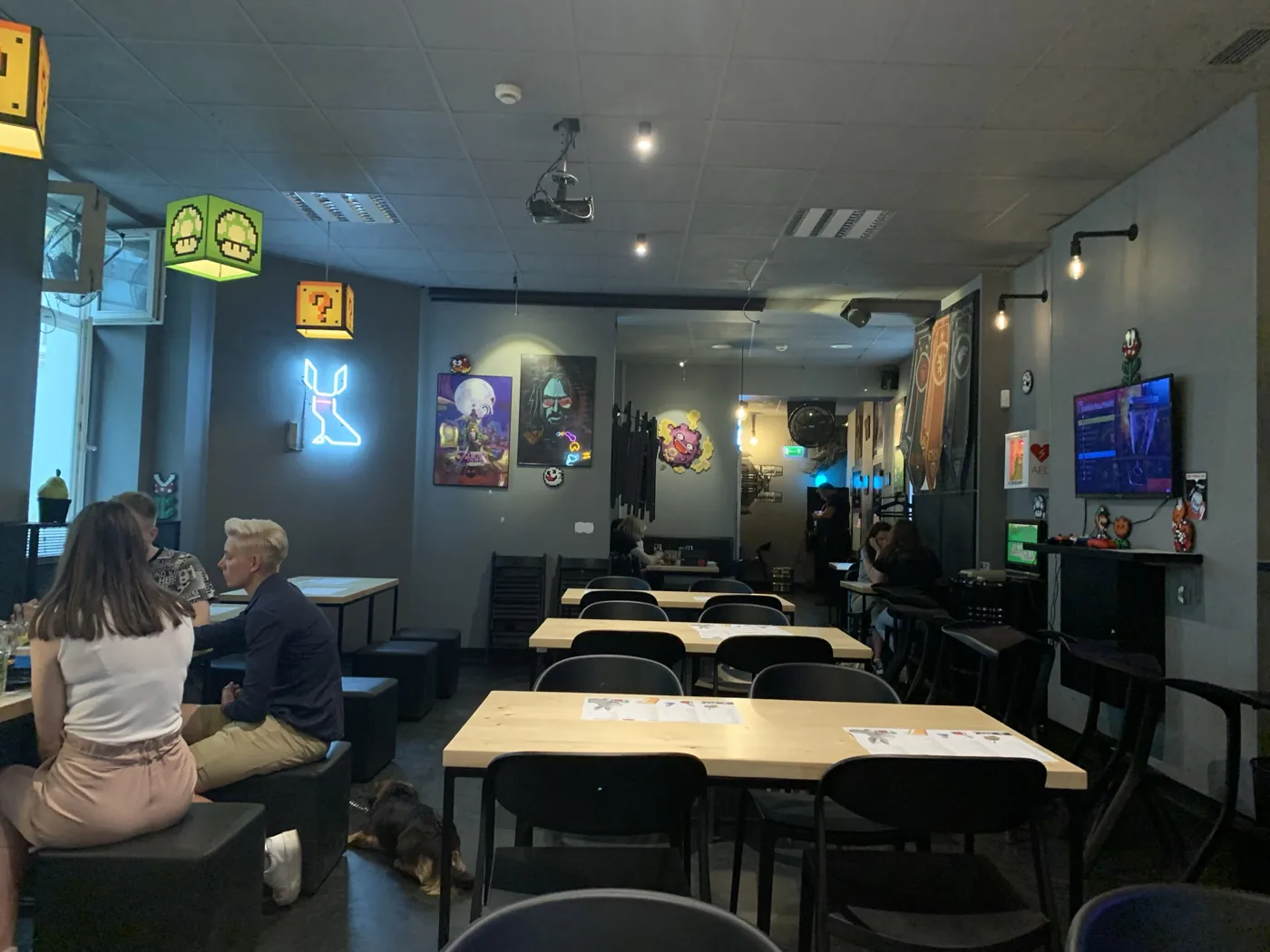
Gaming was never wholly solitary: friends shared joysticks and crowded around computers long before broadband or online matchmaking. Yet Poland's game-themed bars gave that shared experience a new public home.
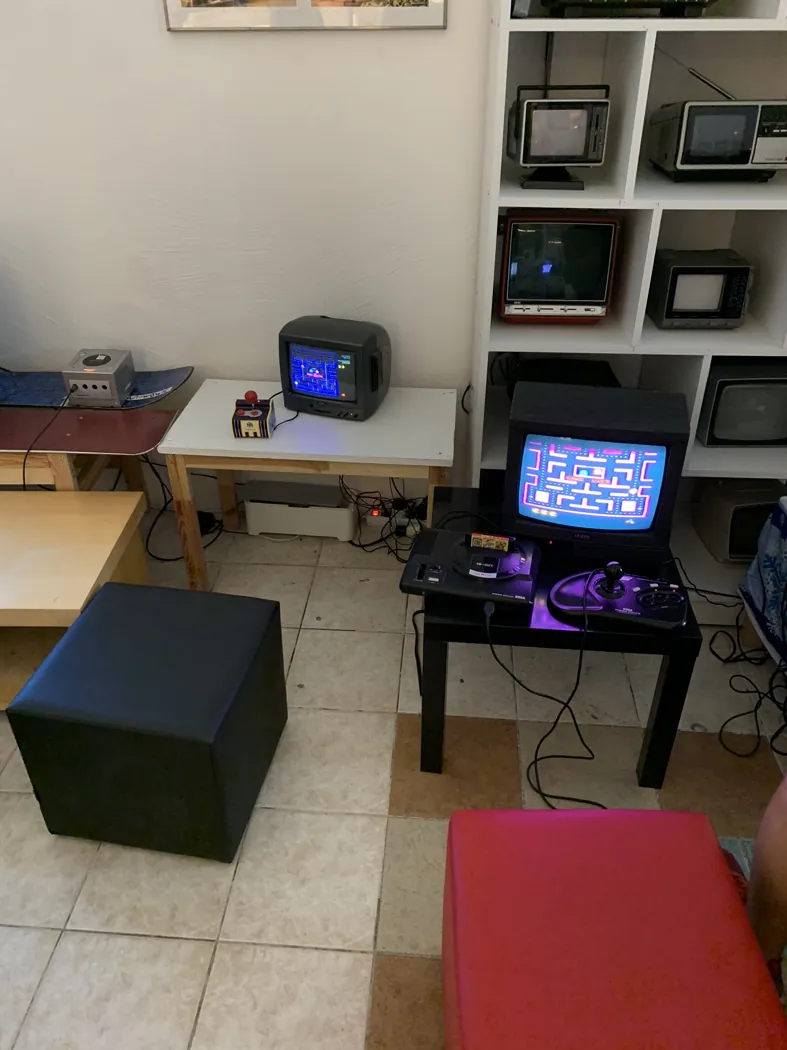
Cybermachina began in Katowice in August 2013. Its founders combined playable consoles, board games, comic-book and video-game decorations, screenings and a game-inspired drinks menu. A contemporary announcement even advertised Pegasus and Super Nintendo consoles alongside newer machines. Other Cybermachina venues subsequently opened across Poland, making the idea familiar well beyond its Silesian origins.
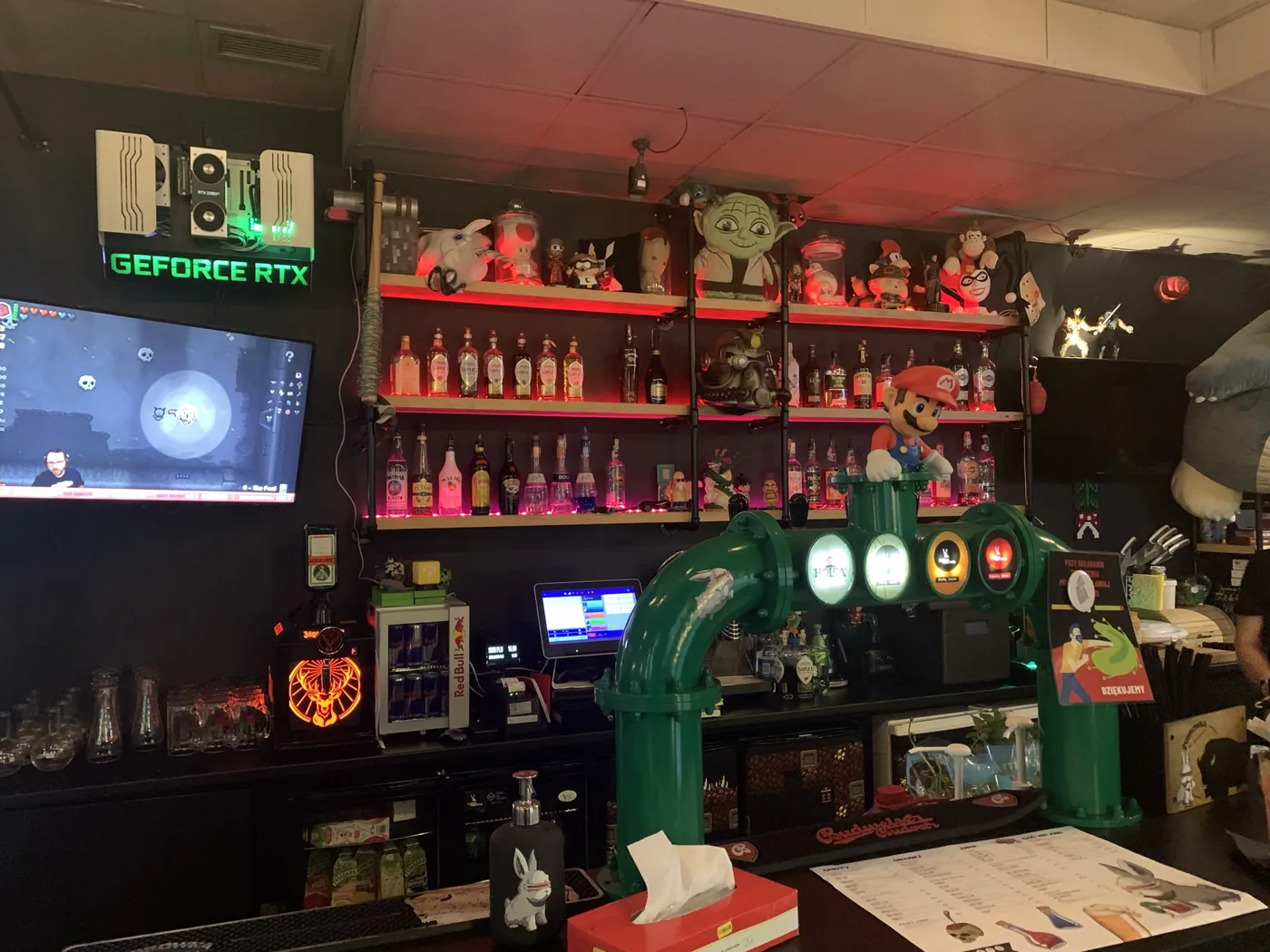
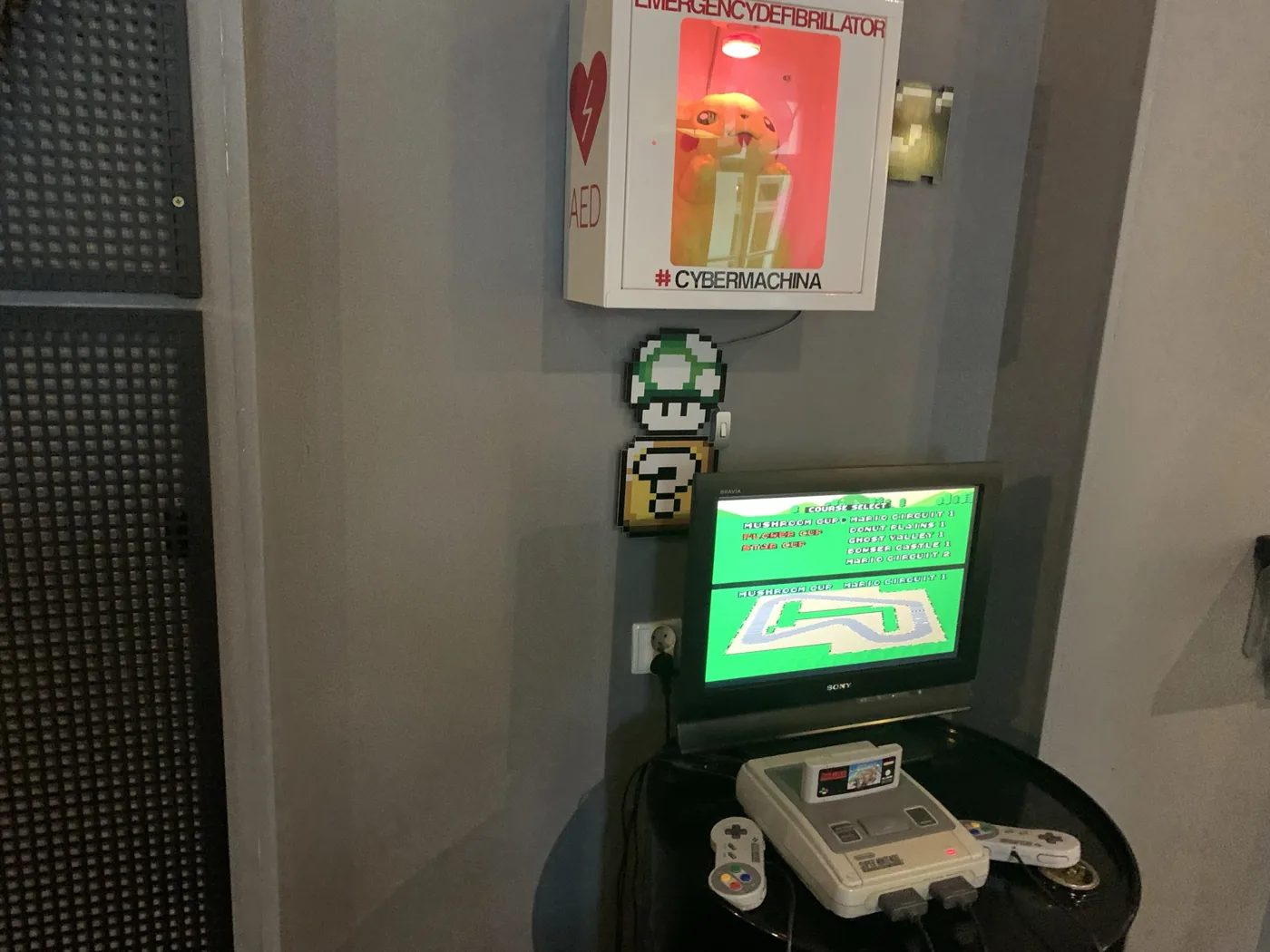
Having visited branches around Poland, I've found the atmosphere particularly revealing: nostalgia sits alongside contemporary gaming, while a board game or multiplayer match provides a ready-made reason to talk to strangers. That is an important chapter of Poland's gaming culture, not simply a themed night out.
Cybermachina deserves a fuller feature of its own in the future, including the individual branches and their distinctive interiors. For now, these photographs document the Katowice venue rather than imply that every branch looks identical.
Further reading: contemporary 2013 opening announcement and 2018 account of the venue's expansion.
An enthusiast culture becomes a creative industry
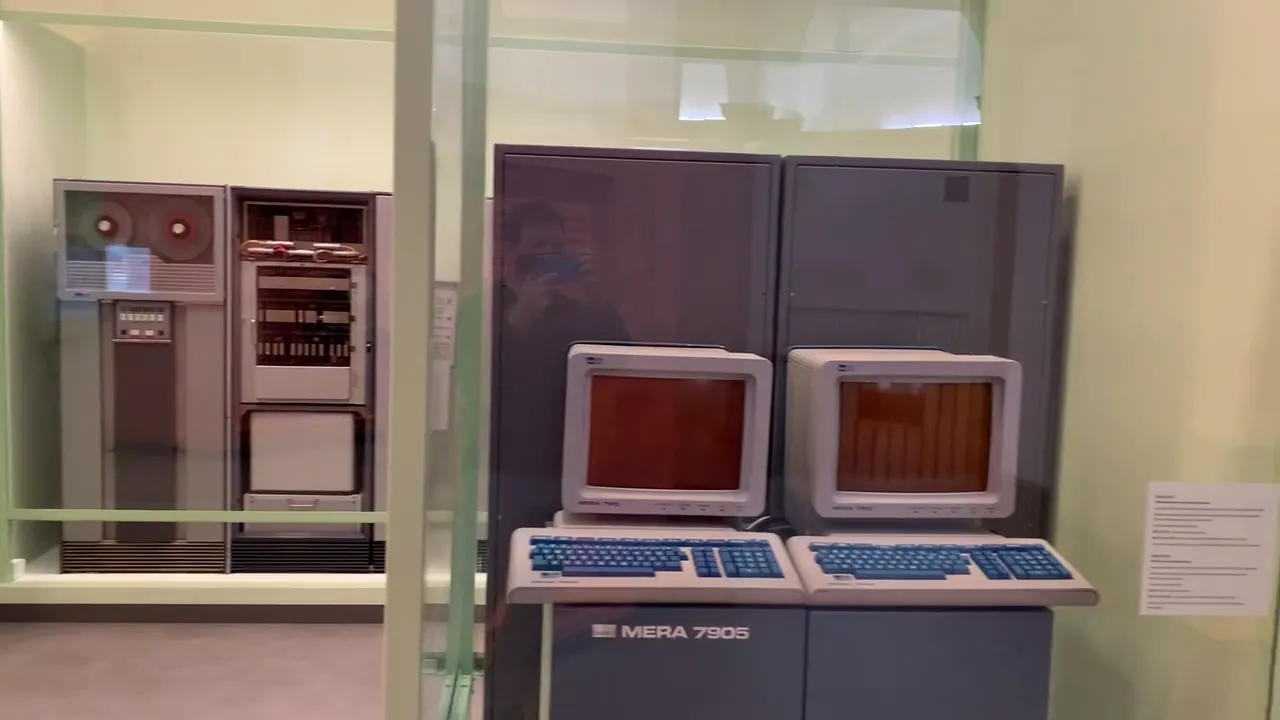
The most remarkable outcome is not that Polish households eventually played the same games as everyone else. It is that some people who grew up with scarce machines, computer markets, magazines or early PCs later helped build companies producing internationally successful games. That is not one straight line from bazaar to blockbuster: many important developers took different paths, and international investment, education, publishing and digital distribution all mattered.
To understand what Poland made, continue to our companion feature: From Robbo to The Witcher: How Poland Became a Gaming Powerhouse.