
Why Ojców works as a day trip
Ojców is close enough to Kraków to be practical but different enough to feel like a real escape. The park’s small scale is deceptive: trying to combine every cave, castle and religious site can still fill an entire day.
I would treat the valley as the spine of the visit and decide in advance whether caves or Pieskowa Skała are the priority extras.
Ojców Castle & Prądnik Valley
The ruins of Ojców Castle sit above the valley and connect the village directly to the medieval defensive landscape of the Kraków-Częstochowa Upland.
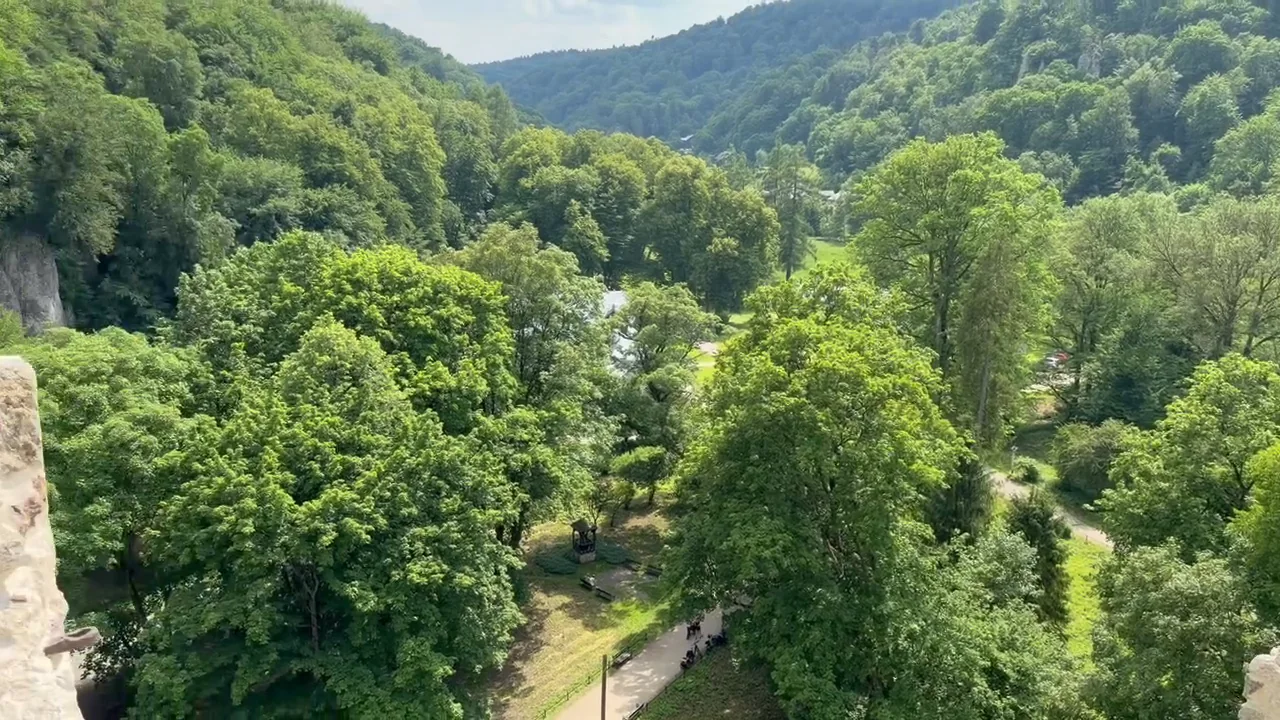
Below it, the Prądnik Valley is the real organiser: stream, historic buildings, meadows, cliffs and paths continually pull the individual attractions back into one landscape.
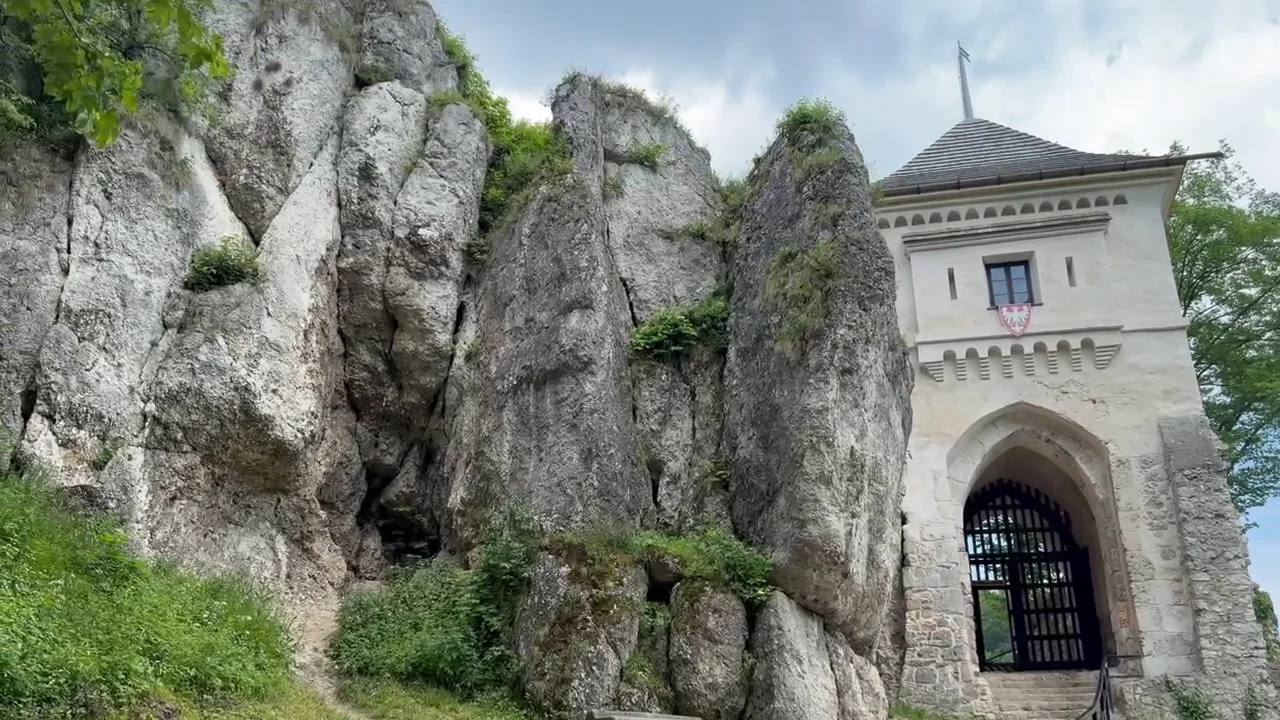
Kraków Gate & the limestone landscape
Kraków Gate is the park’s signature rock formation and a useful introduction to the Jurassic limestone that shapes the entire upland.
Do not reduce the geology to one famous photograph. The cliffs, isolated rocks and narrow valleys are the reason walking through Ojców feels so different from the plains around Kraków.
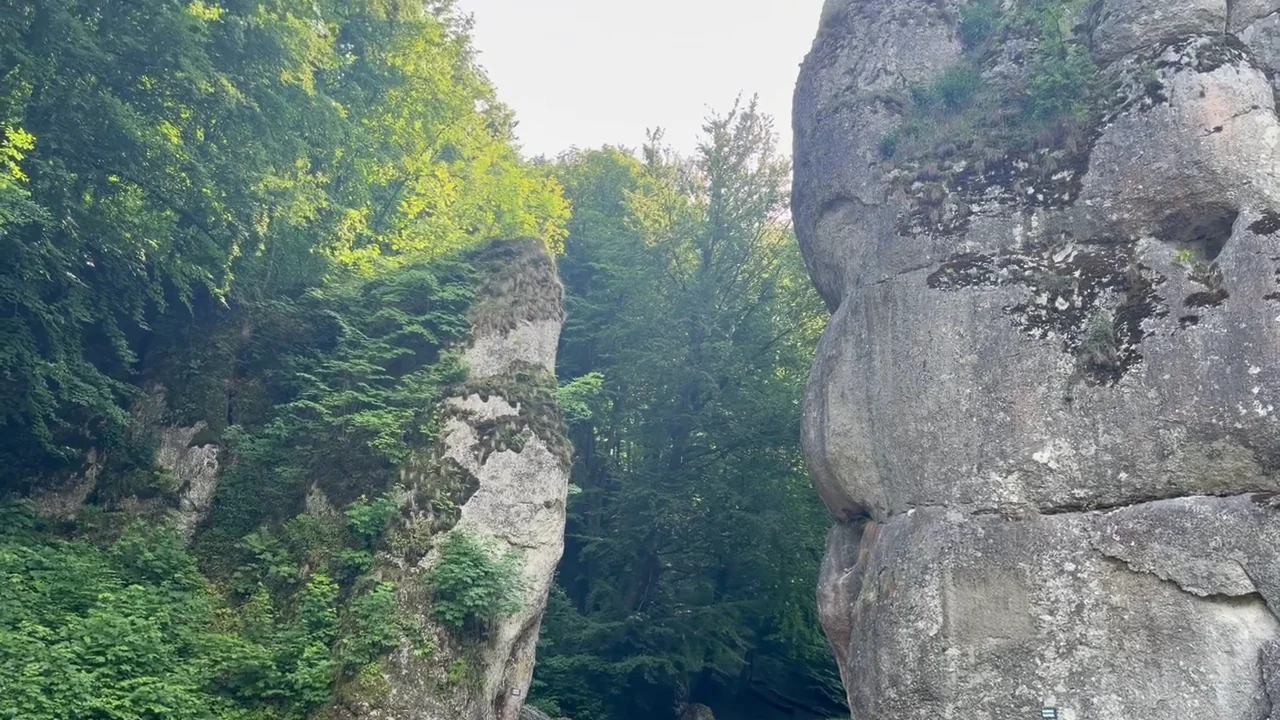
Łokietek Cave — the royal legend
Łokietek Cave carries the story of King Władysław Łokietek hiding from enemies and being protected when a spider spun a web across the entrance.
The legend gives this cave its identity; the visitor experience is also the more conventional of Ojców’s two principal caves, with guided seasonal access and electric lighting.
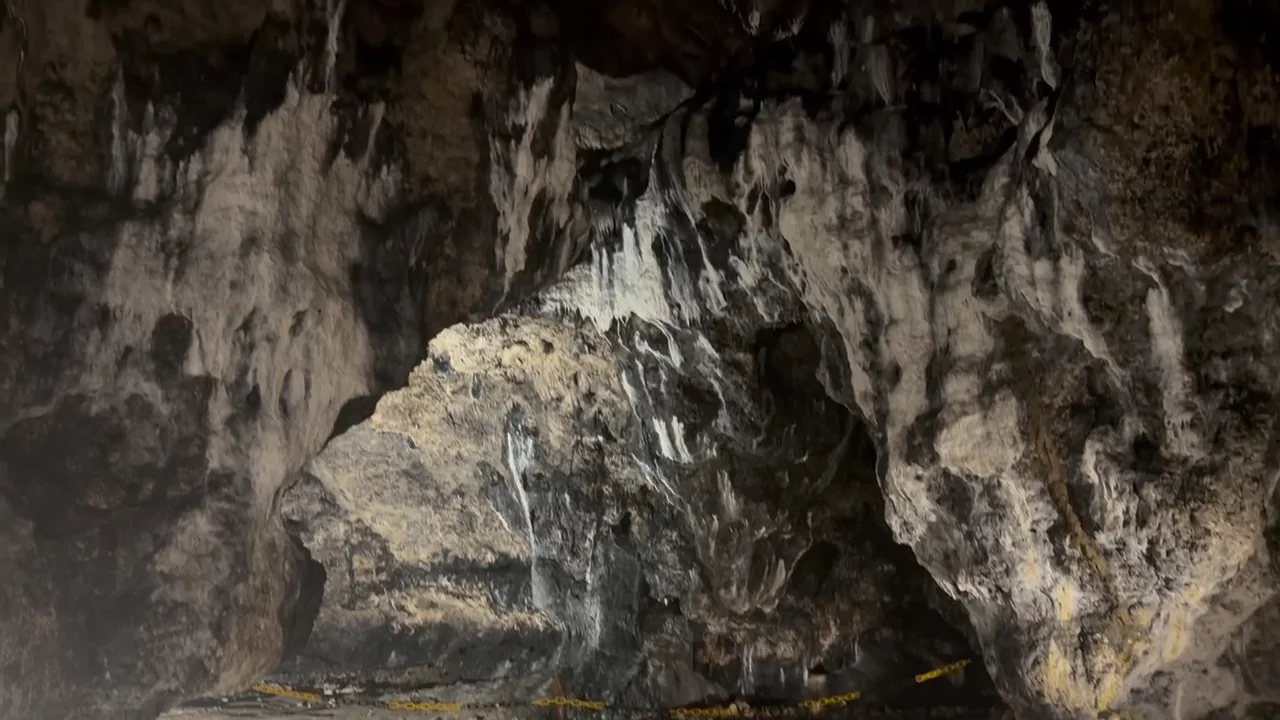
Dark Cave — prehistoric Ojców
Dark Cave tells a very different story. It is important archaeologically and is associated with prehistoric human occupation of the area.
The visitor experience is deliberately more atmospheric: the cave is not electrically lit in the same way as Łokietek Cave, and seasonal guided visits traditionally use a simple light source. If you can visit both, they do not feel redundant.
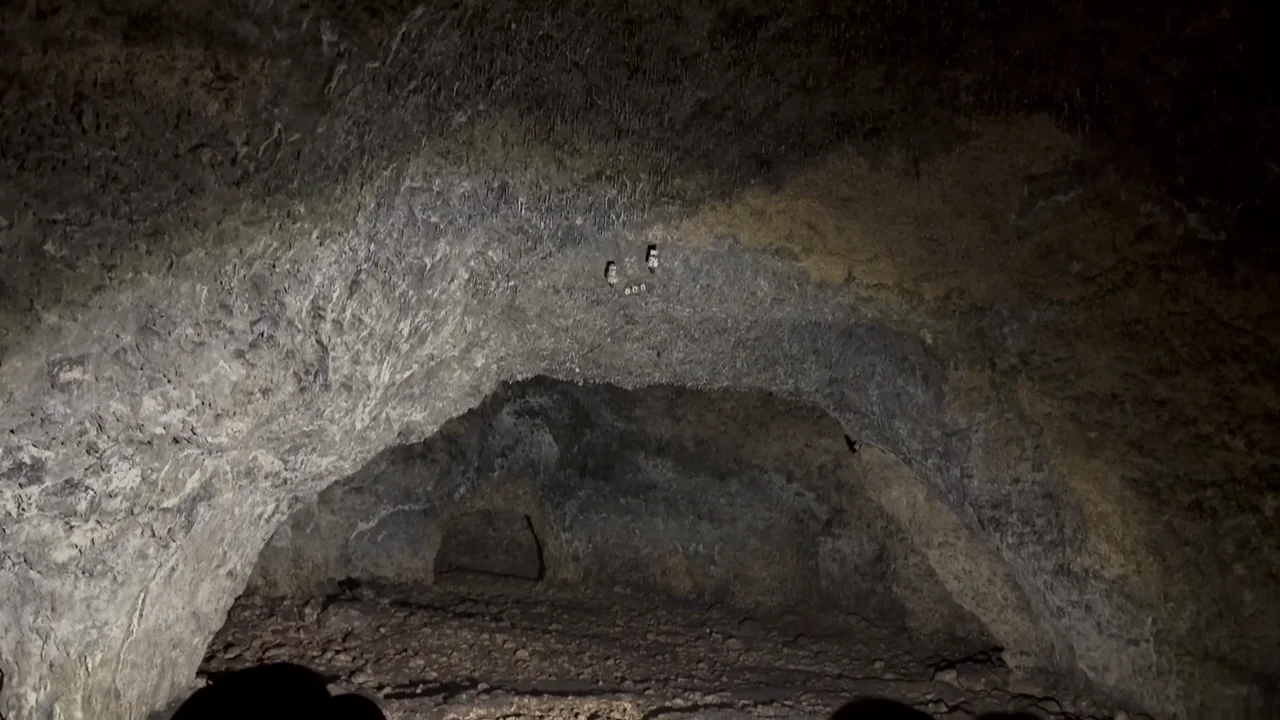
Sacred Ojców: Chapel on the Water & Grodzisko
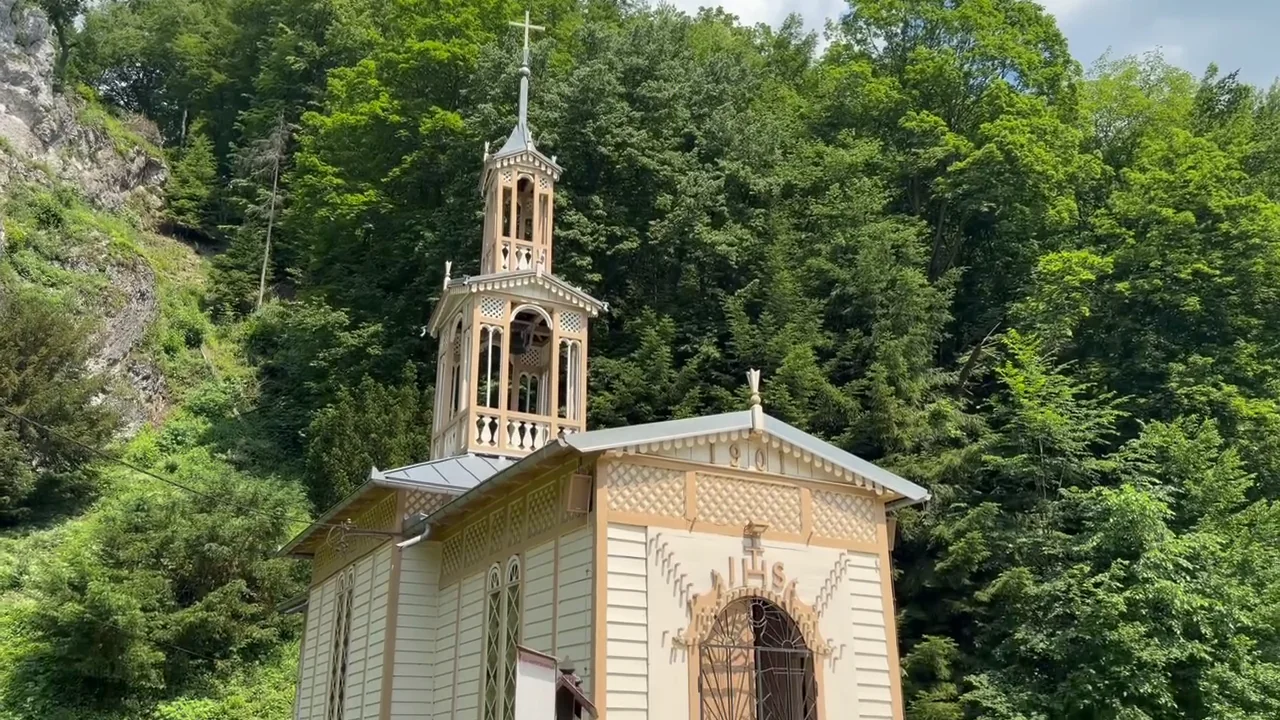
The Chapel on the Water, dedicated to St Joseph the Craftsman, was adapted from a former spa-bath building in 1901 and is one of the valley’s most distinctive wooden structures.
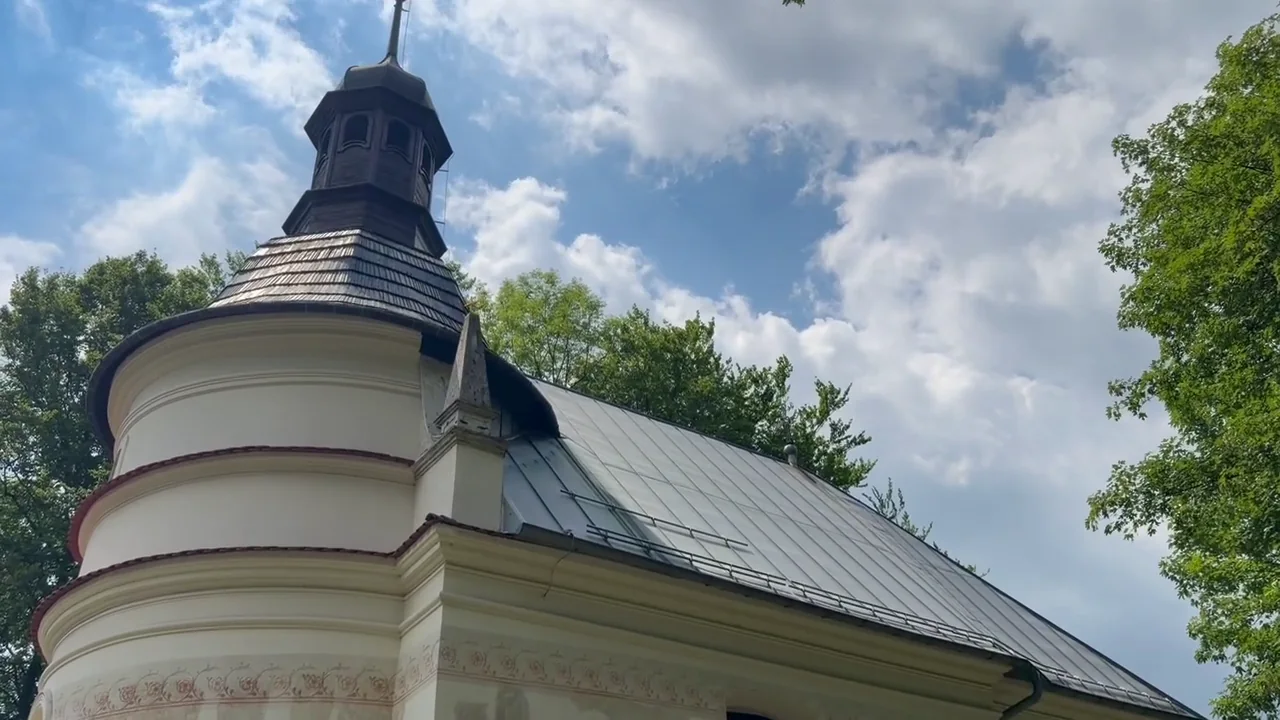
At Grodzisko, the Sanctuary/Hermitage of Blessed Salomea preserves the memory of a medieval Poor Clares community associated with Salomea. It is better understood as a sacred historical complex than as a surviving medieval abbey.
Pieskowa Skała & Hercules’ Club
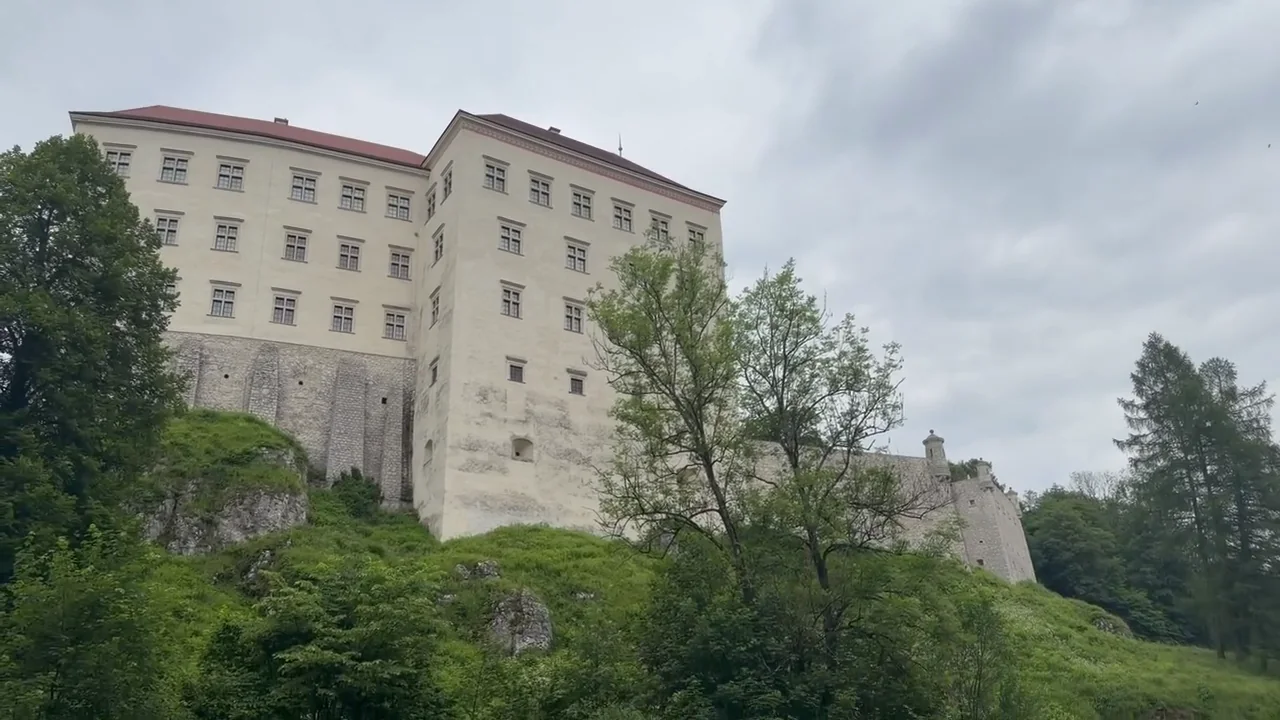
Pieskowa Skała is one of the most impressive surviving castles on the Eagles’ Nests landscape, with a Renaissance form very different from the romantic ruins elsewhere on the trail.
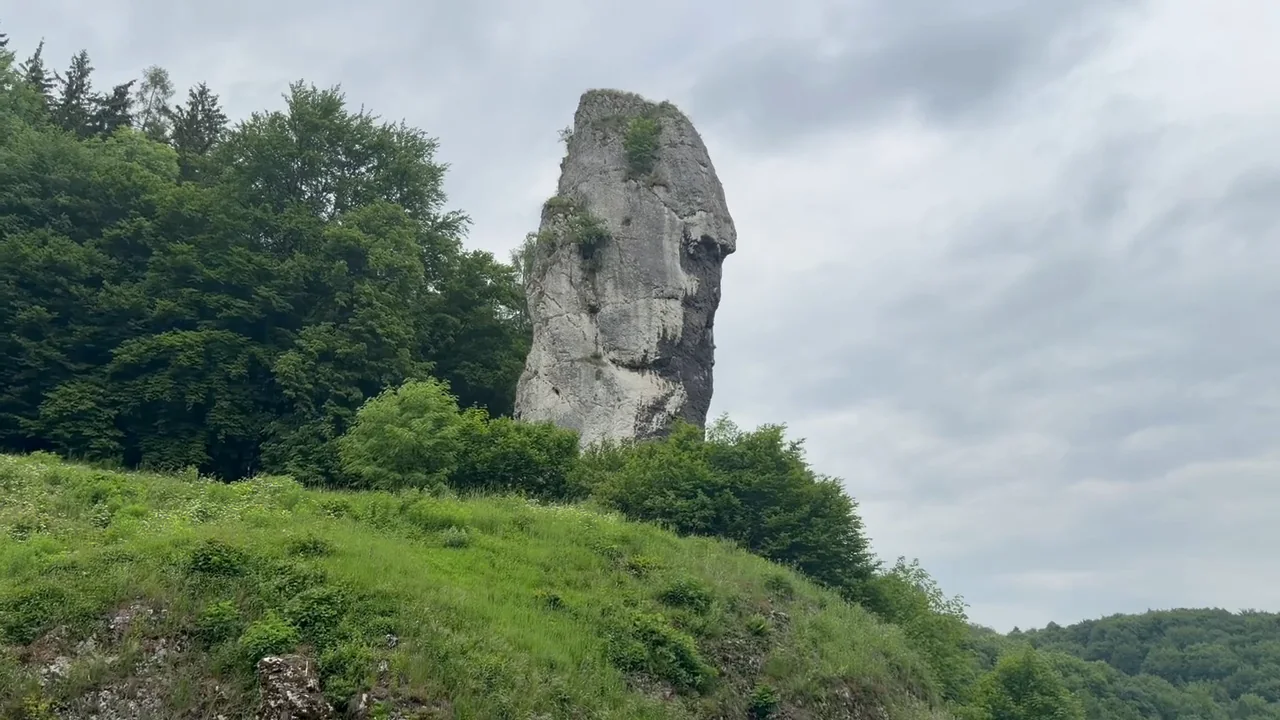
Beside it, Maczuga Herkulesa — Hercules’ Club gives you the perfect geological counterpoint: castle and limestone landmark almost in one frame.
The Eagles’ Nests connection
For me, Ojców was the final landscape of a seven-day walk down the Eagles’ Nests Trail. That changes the way I see the park: it is not an isolated beauty spot but the southern end of a chain of limestone hills, castles and old routes stretching north.
If Ojców makes you want more, the trail gives you places such as Ogrodzieniec, Mirów, Bobolice and Olsztyn to continue the story.
How I would visit Ojców
Give it a full day if you can. Start in Ojców village and the castle area, walk the valley, include Kraków Gate and one cave if seasonal access works, then add Pieskowa Skała when transport and daylight allow.
If caves are essential, check the National Park immediately before travelling. Their seasonal operation is exactly the kind of detail that ages badly in static guides.
Check the official sites before you go
I keep changing prices, opening hours and seasonal access out of the main guide wherever possible. Use these sources for the current position: