
City guide · Małopolska
Kraków
Royal history, living culture, and so much more.
Kraków is the city most visitors think they know: the great market square, Wawel and Kazimierz. But move beyond the postcard route and the story opens into socialist Nowa Huta, the wartime landscape of Podgórze, forested western hills, flooded quarries and one of Poland’s richest museum scenes.
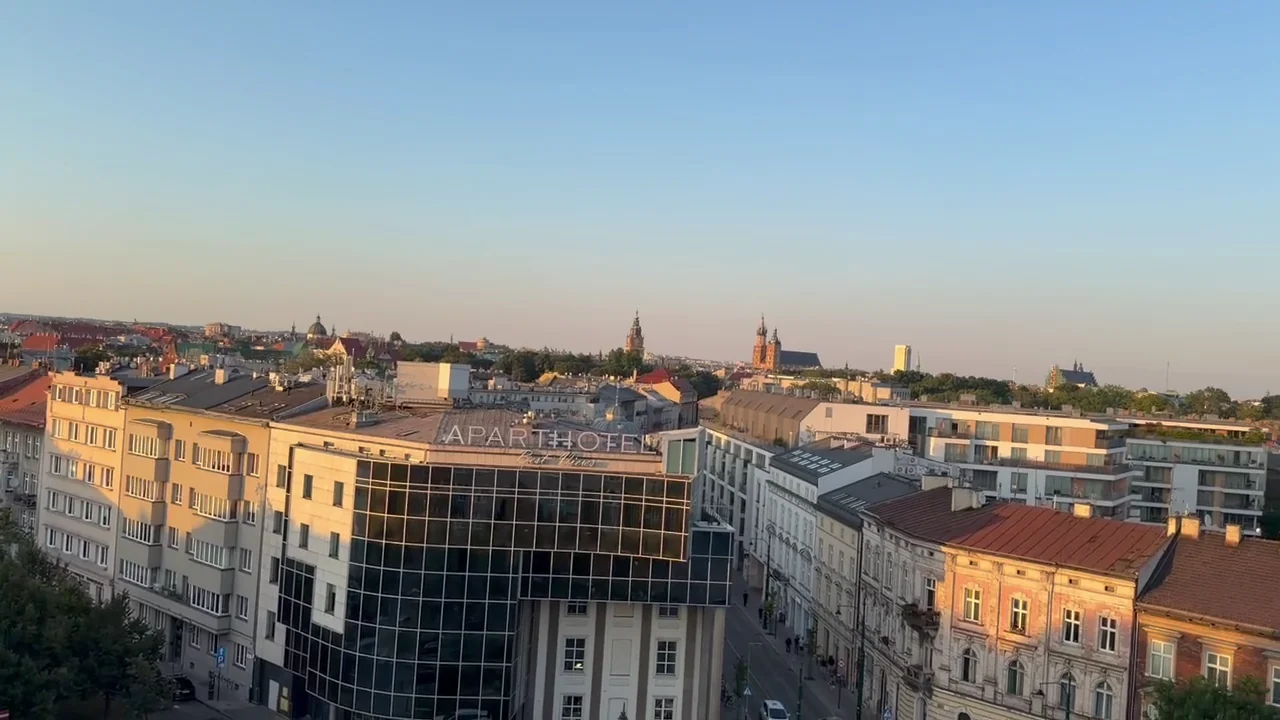
Kraków · seen from above
A city in layers
Kraków through the centuries
A quick orientation before the deeper stories begin.
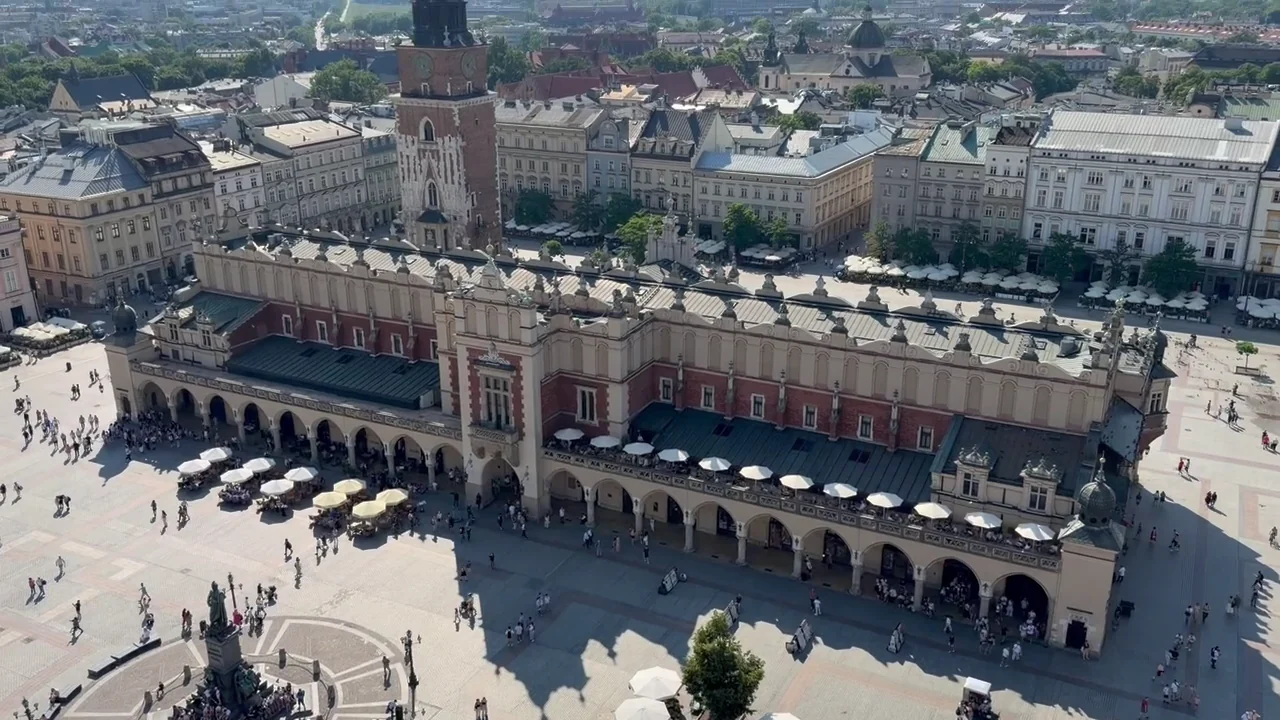
History meets everyday life
Old Town
Kraków’s historic centre is the obvious place to begin — but it rewards more than a quick lap of Rynek Główny. Slow down for the churches, old defensive line, university quarter, museums and the quieter spaces just beyond the square.
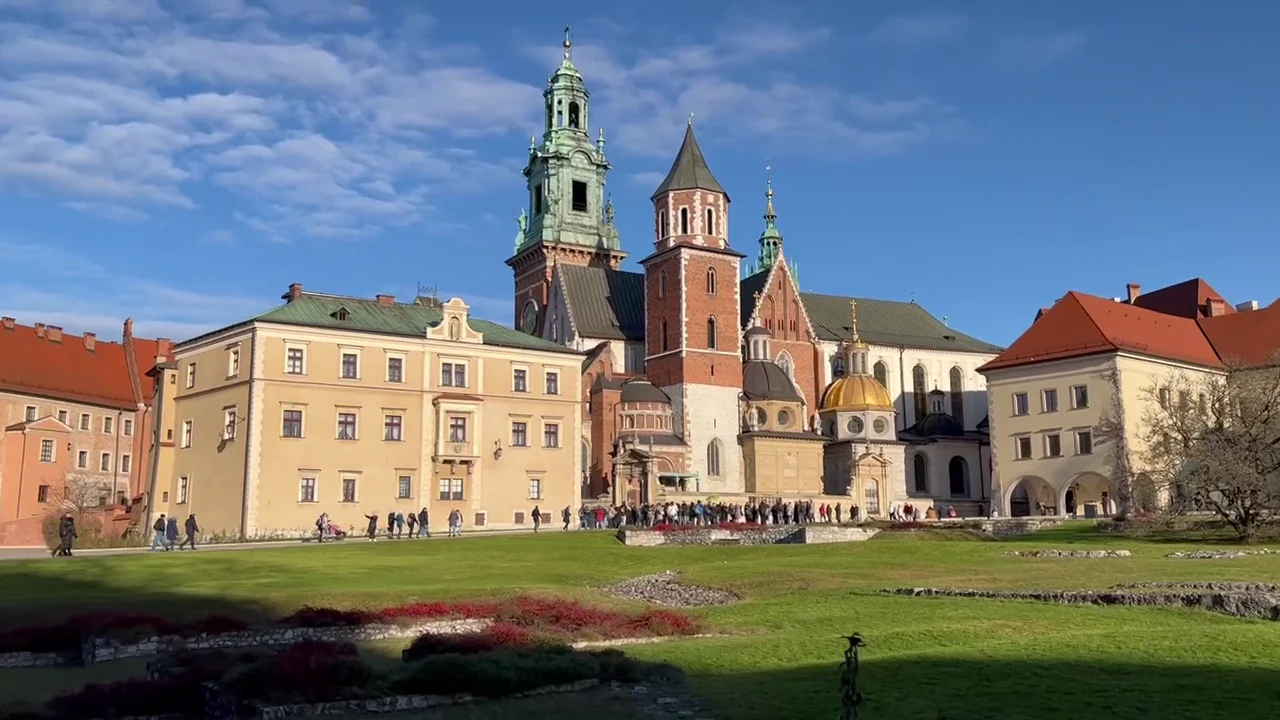
Poland’s royal hill
Wawel
Wawel is a complex rather than a single attraction: royal exhibitions, the Cathedral and crypts, seasonal outdoor routes, Dragon’s Den and the Vistula landscape below.
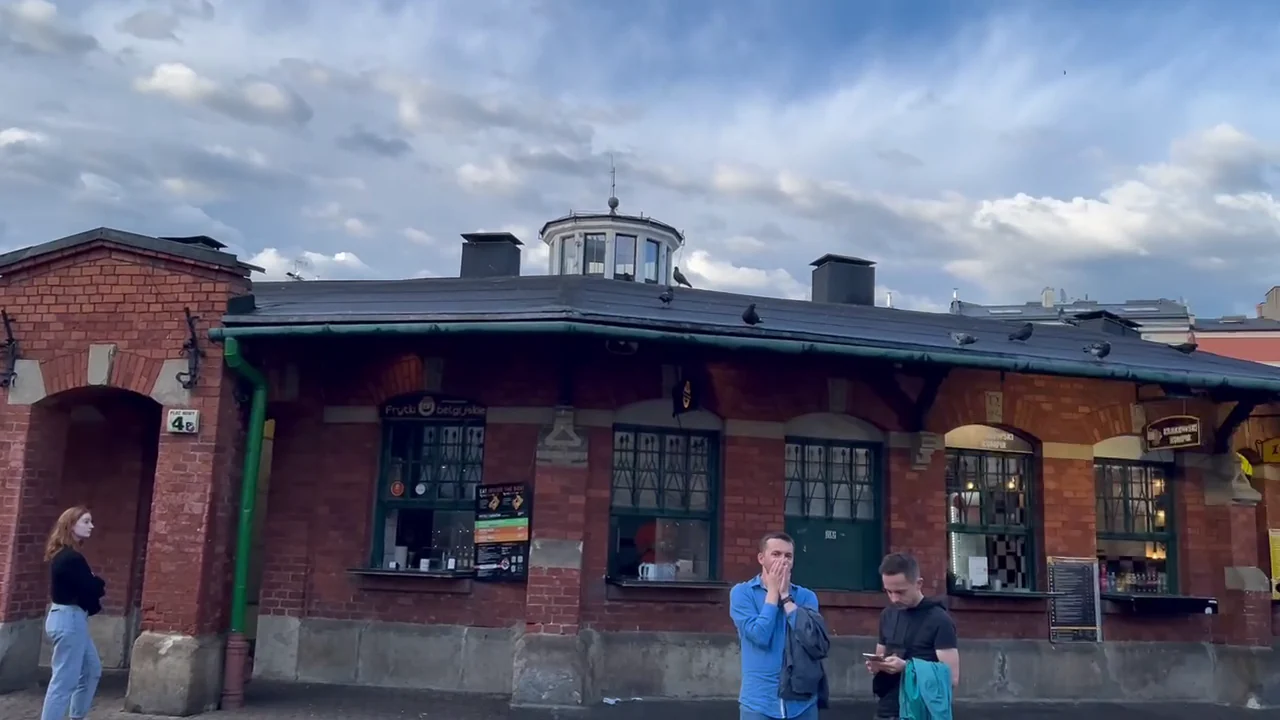
A cultural crossroads
Kazimierz
More than the Jewish Quarter: medieval Catholic Kazimierz, Jewish heritage, Skałka, Jan Karski and a modern district still redefining itself around Plac Nowy.
Go beyond the postcard
But Kraków doesn’t stop at Planty.
The city gets more interesting when the obvious route ends.
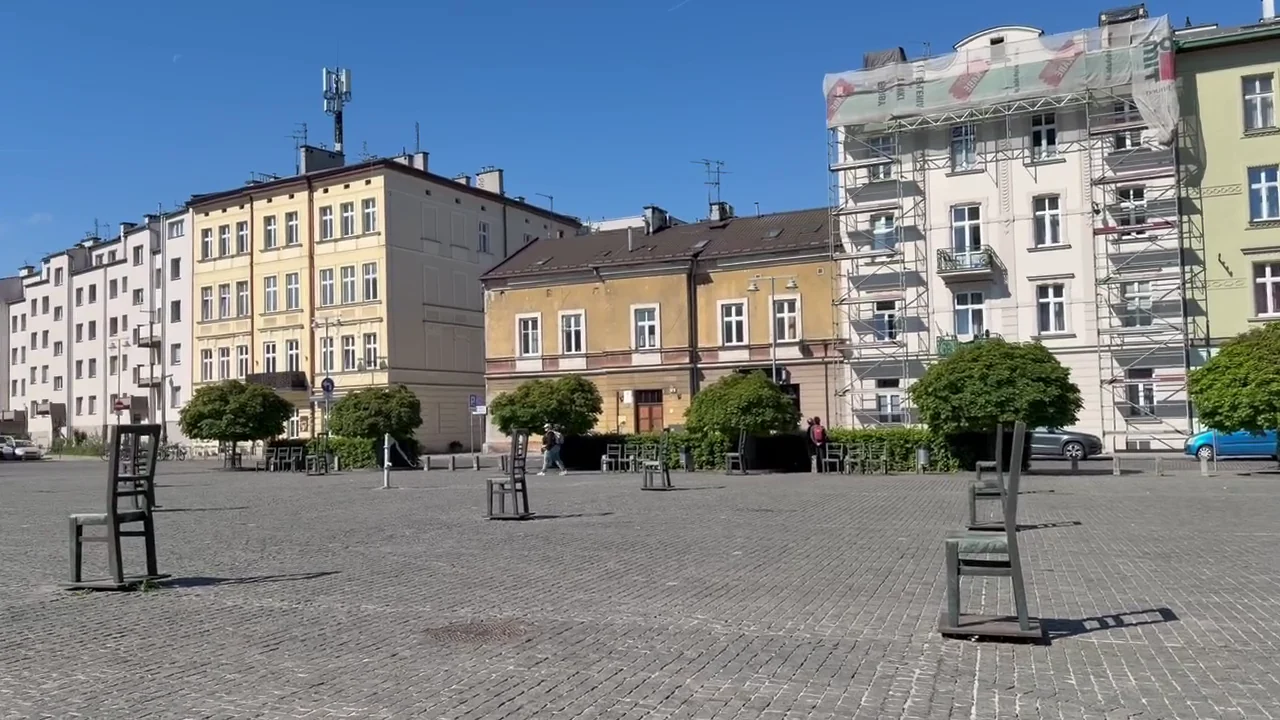
A separate town, a difficult history
Podgórze
Across the Vistula is the actual landscape of the Kraków ghetto and Schindler’s Factory — but also Krakus Mound, a quarry park, local museums and a district with an identity older than the war.
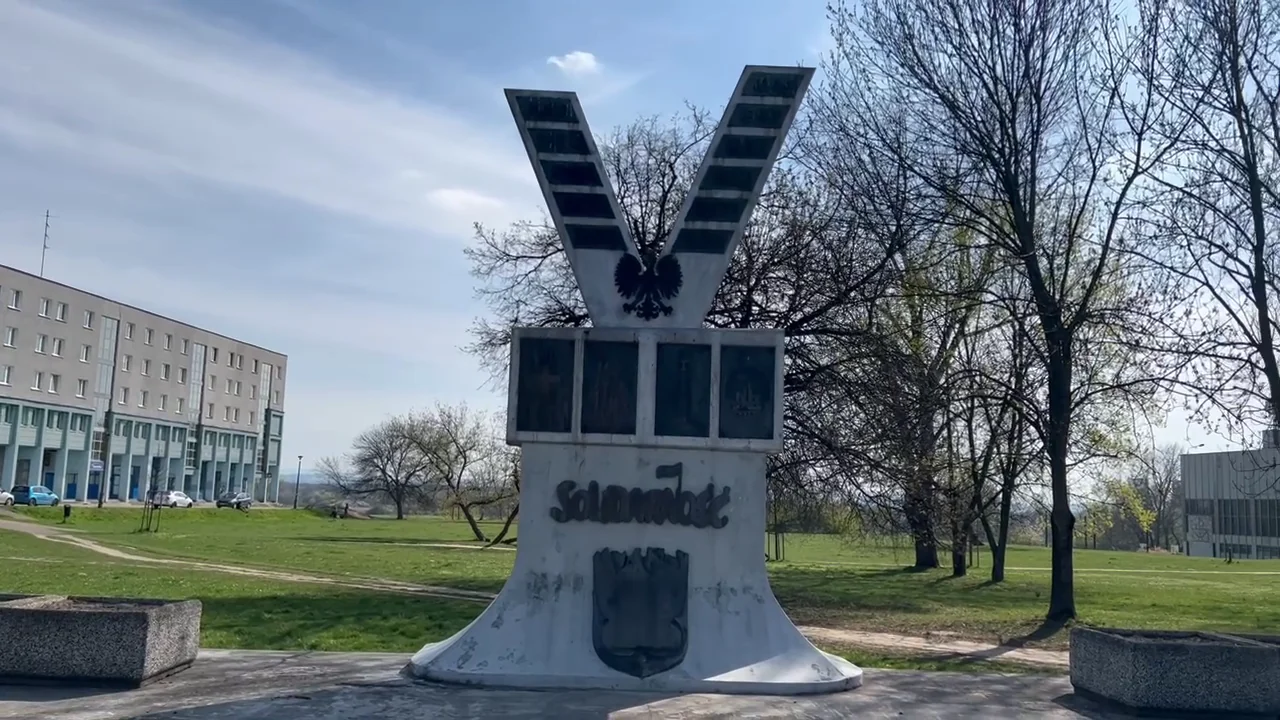
The planned city that changed its own story
Nowa Huta
Built from 1949 as a model socialist workers’ city, Nowa Huta became a place where ideology collided with medieval history, faith, resistance, Cold War shelters and a very different post-1989 culture.
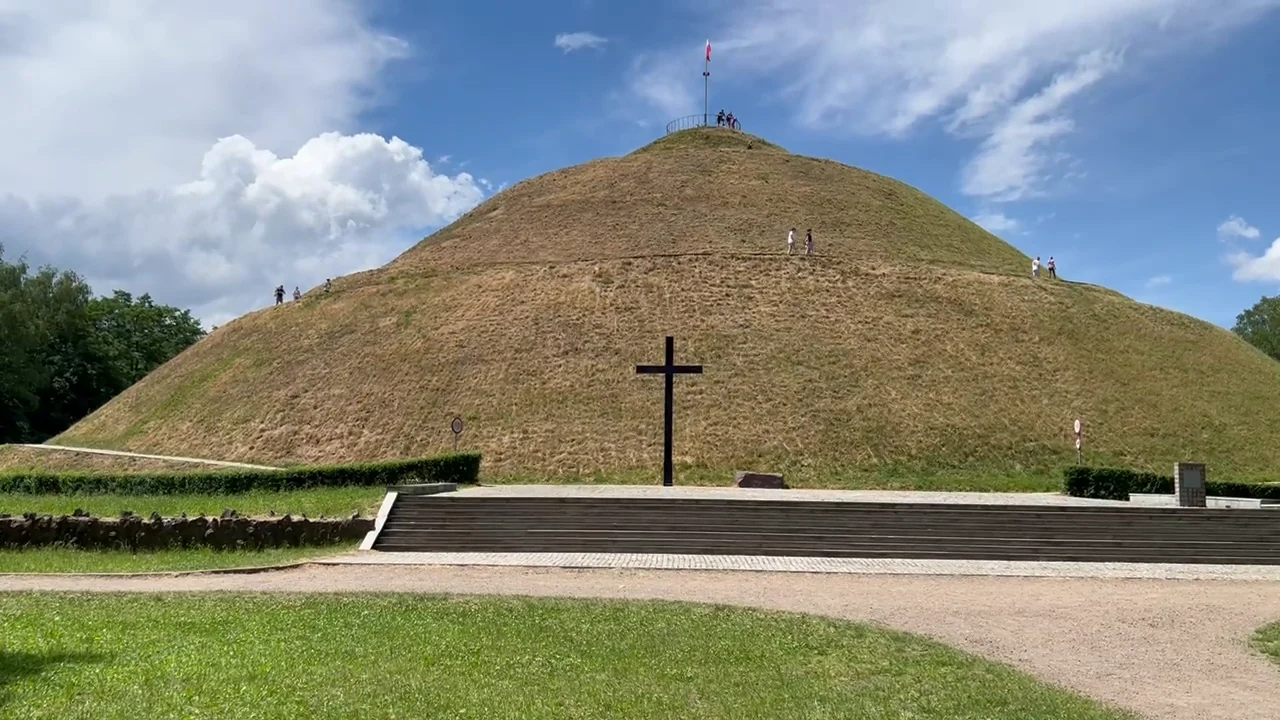
The green west
Las Wolski & Western Kraków
Real woodland trails, Kraków’s great mounds, the zoo, an active observatory, Bielany, Austrian forts, Błonia and university public art make western Kraków feel like another city.
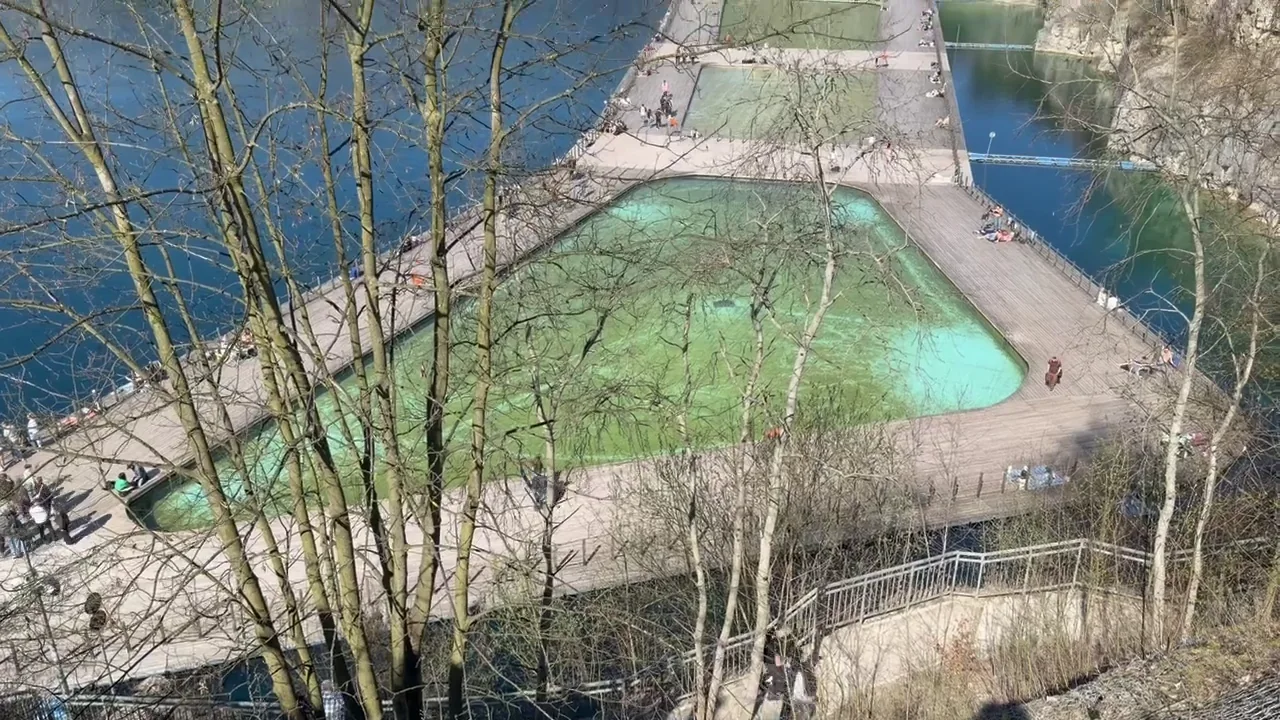
Yes, this is still Kraków
Zakrzówek
The turquoise former quarry is only the headline. The surrounding Skałki Twardowskiego landscape adds limestone trails, caves, picnic areas and viewpoints, while the nearby John Paul II Mound gives Dębniki one more unexpected layer.
Explore Zakrzówek →Go deeper indoors
Kraków’s museums deserve their own plan.
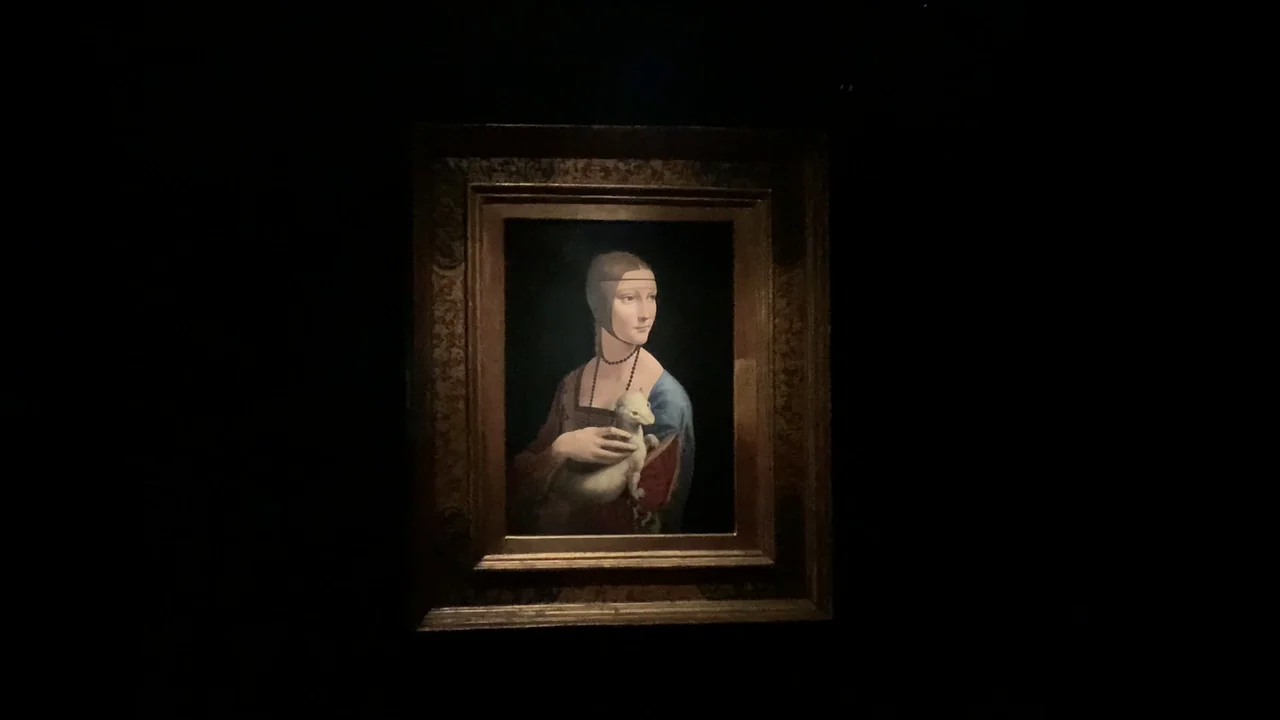
Rynek Underground, occupation history, major art, stained glass, ethnography, engineering, aviation, Cold War shelters and even the deliberately touristy oddities: choose by theme rather than trying to collect them all.
Modern pilgrimage Kraków
Łagiewniki
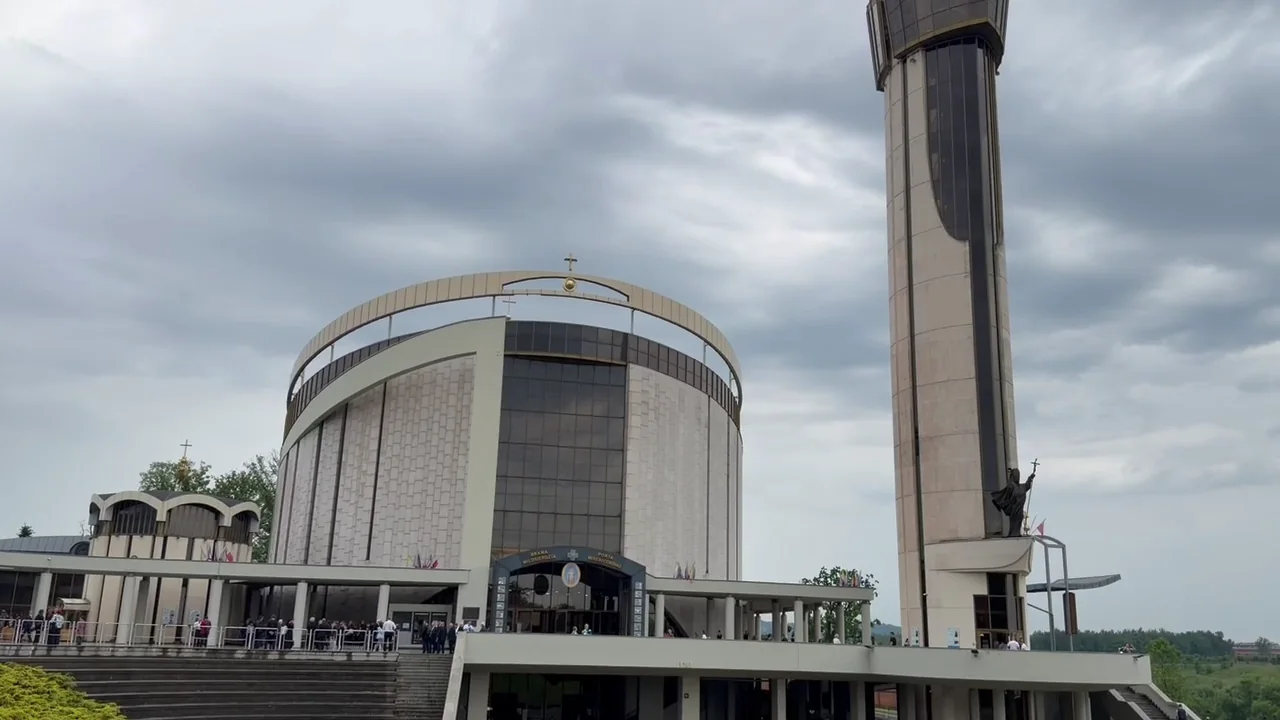
A deliberately focused guide to the older convent chapel and St Faustina, the modern Basilica of Divine Mercy, and the nearby John Paul II Centre with its shrine and museum.
The playful side of the city
Kraków Dragon Trail
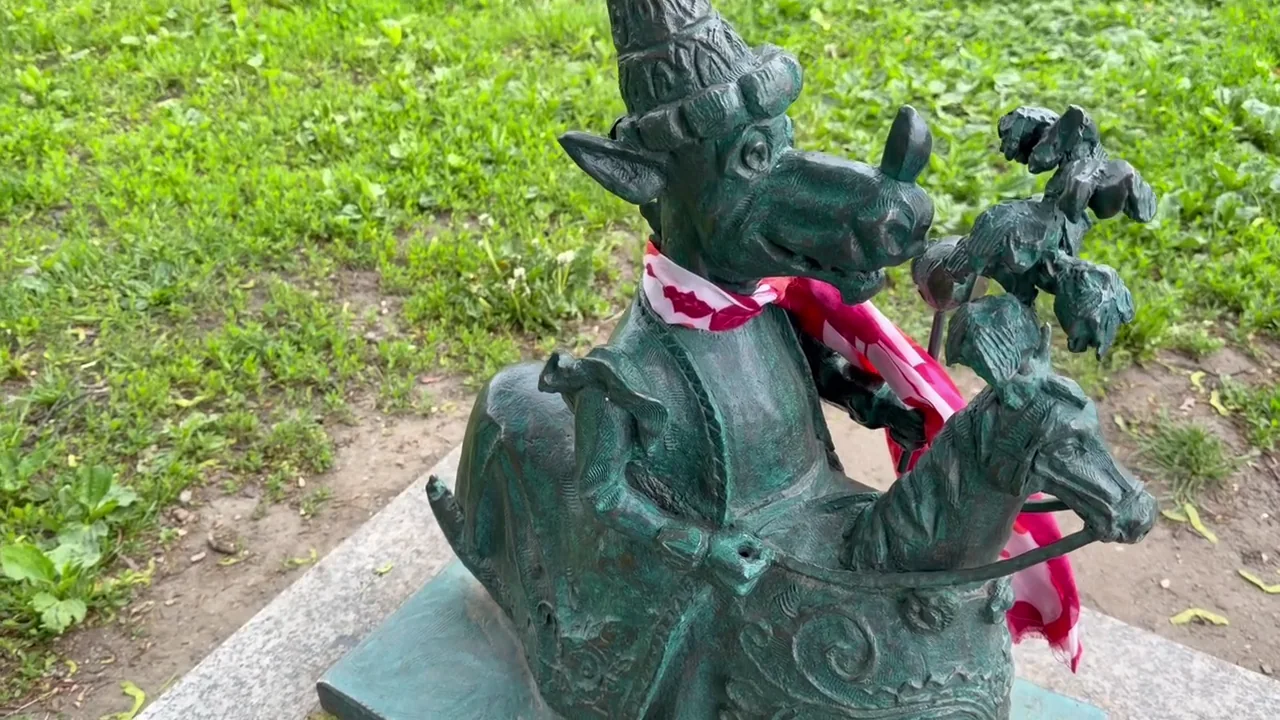
Start with the Wawel Dragon legend, then use an interactive map to discover the small themed dragons scattered across districts. The point is not to finish them in a day — it is to let them lead you into more Kraków.
Nature beyond the city
Ojców National Park
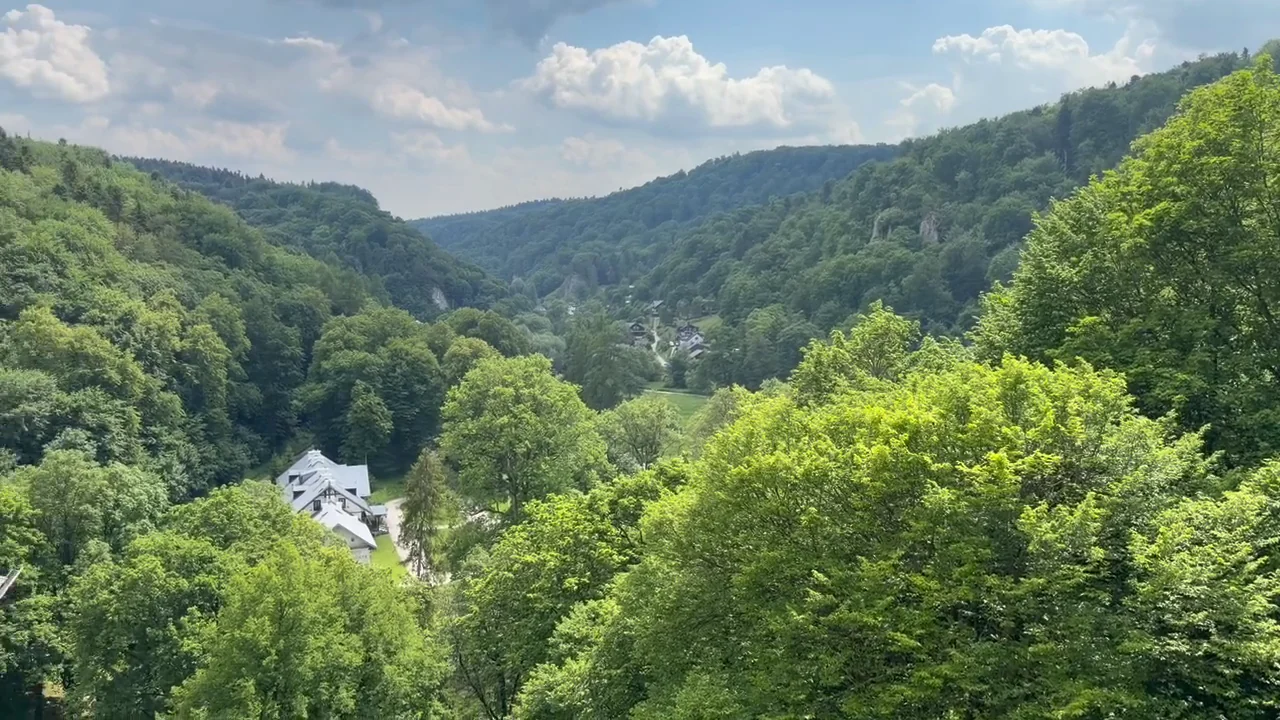
Close enough for a practical escape, different enough to reset the whole trip: limestone valleys, two very different visitor caves, castle ruins, sacred sites and the southern end of the Eagles’ Nests landscape.
Use Kraków as a base
Day Trips from Kraków
Compare the trips that genuinely compete for a day away from the city: Ojców, Tyniec, Wieliczka, Energylandia, Auschwitz-Birkenau and Zakopane / the Tatras.
Still not finished
More to explore
This section is deliberately small now. Most of the old “extras” have graduated into proper guides. What remains is for genuinely miscellaneous discoveries — places such as Skansen Smaków and future finds that do not yet justify another giant page.
Keep exploring
Kraków is one city. Małopolska is a much bigger journey.
Use the regional guide to continue into Wieliczka, the Tatras, Pieniny, castles, small towns and the rest of Lesser Poland.