
Begin with the district that existed before the label
Kazimierz makes more sense once you stop treating it as a neighbourhood created around one community. The medieval town had both Christian and Jewish histories, and the modern district still carries both.
My route moves deliberately between those layers rather than separating them into competing versions of Kazimierz.
Before the “Jewish Quarter” label
Start around Plac Wolnica and the wider former town. Kazimierz was founded in the fourteenth century as a separate urban centre, and the street pattern still makes more sense when you imagine it independently from Kraków’s Old Town.
This is also a useful place to reset expectations: Jewish Kazimierz is fundamental to the district, but the whole district was never exclusively Jewish.
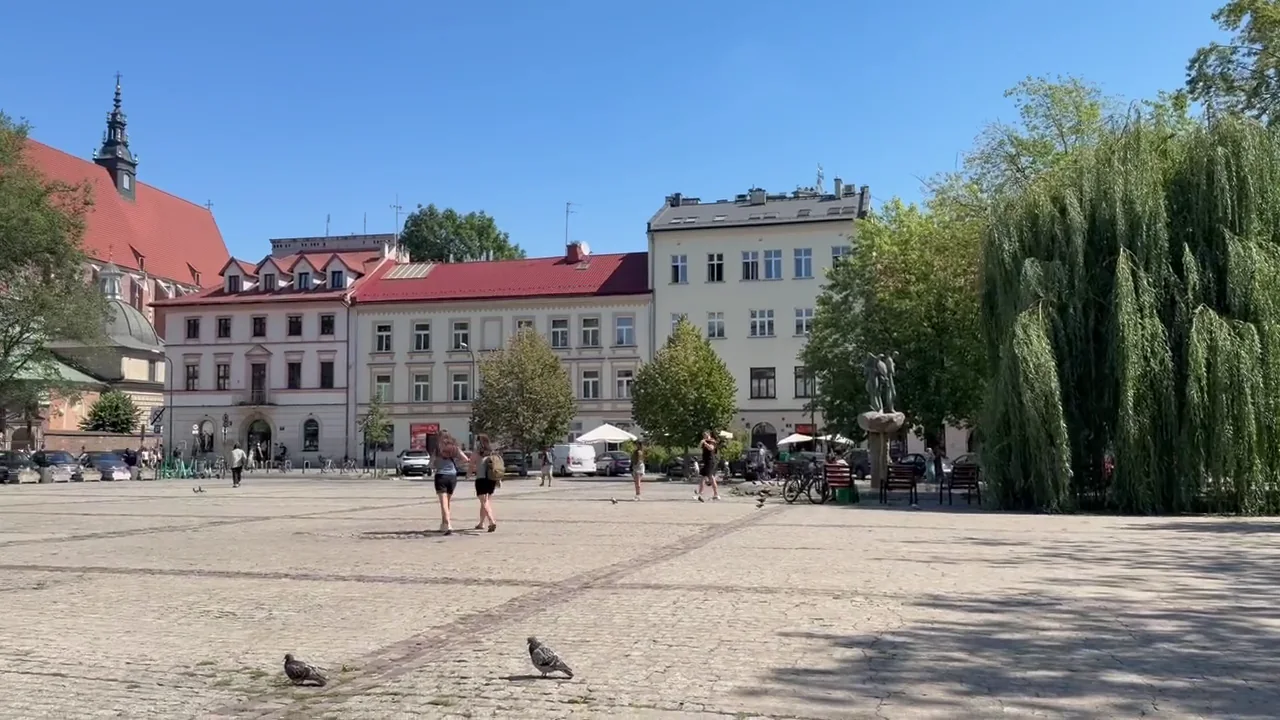
Catholic Kazimierz
Corpus Christi Basilica is the obvious anchor, with other churches and monastic complexes reinforcing how important Christian institutions were here.
I would give this layer real space rather than using it as a preface to the synagogue route. It prevents the district from collapsing into a simplified single-history story.
Skałka
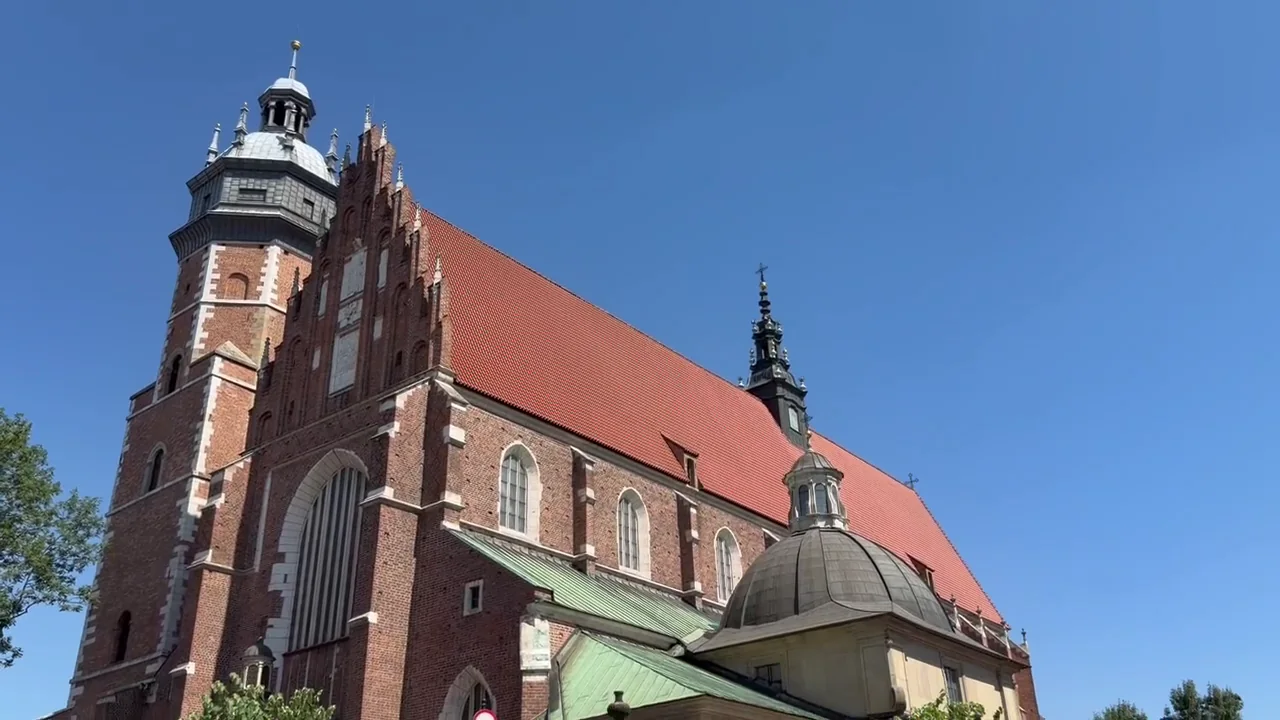
Skałka is one of my strongest recommendations in Kazimierz. The church is tied to the martyrdom tradition of St Stanislaus, while the crypt below holds major figures from Polish cultural life.
It is a place where religion, national memory and art history meet in a way that feels much bigger than its position just outside the main tourist circuit.
Jewish Kazimierz
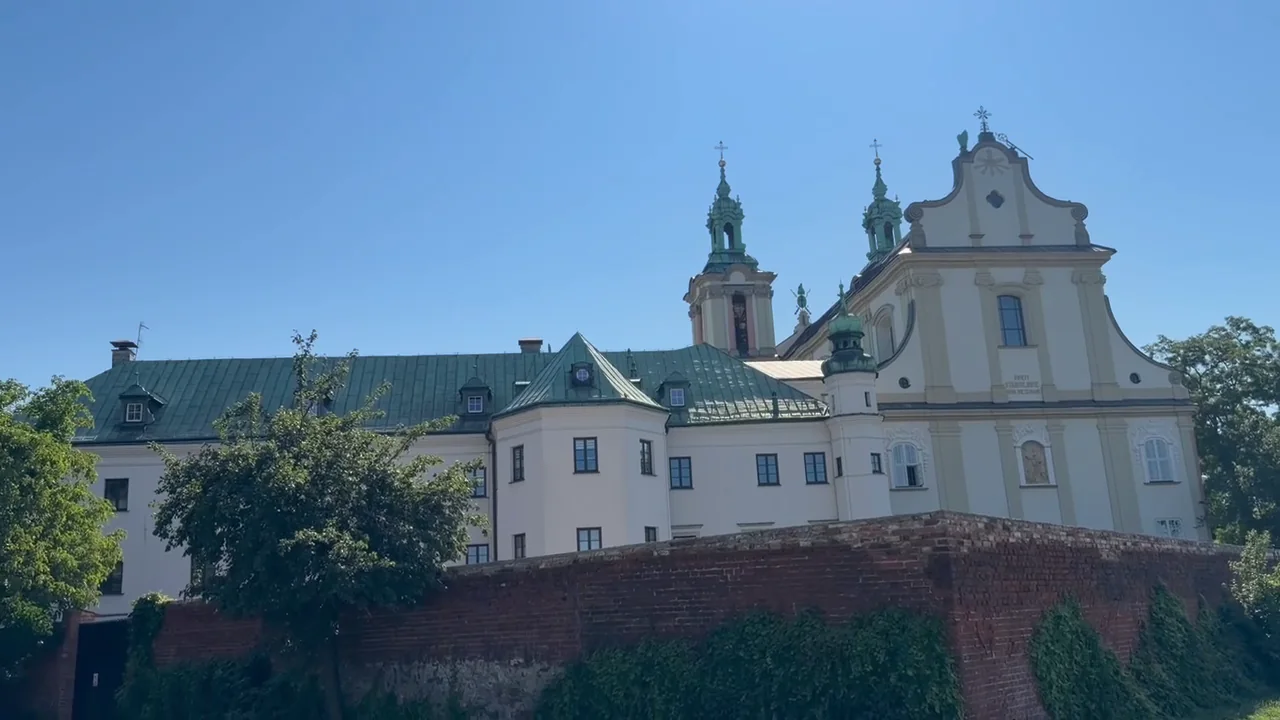
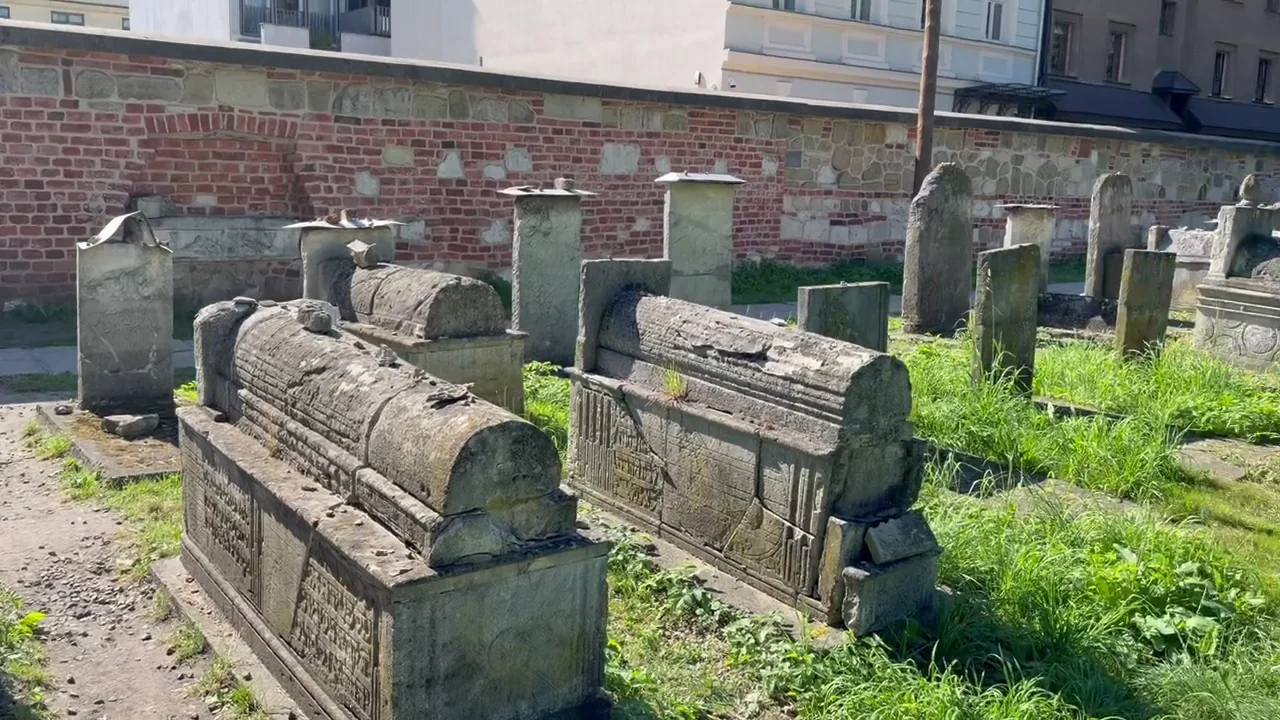
The Jewish heritage area around Szeroka Street contains the Old Synagogue, Remuh Synagogue and cemetery, Tempel Synagogue and other institutions that survived, changed purpose or were rebuilt after the Holocaust.
I would not rush this as a sequence of façades. Step inside where access allows and pay attention to the differences between the sites — religious, museum, memorial and living community functions are not interchangeable.
The Holocaust — and the geographic correction
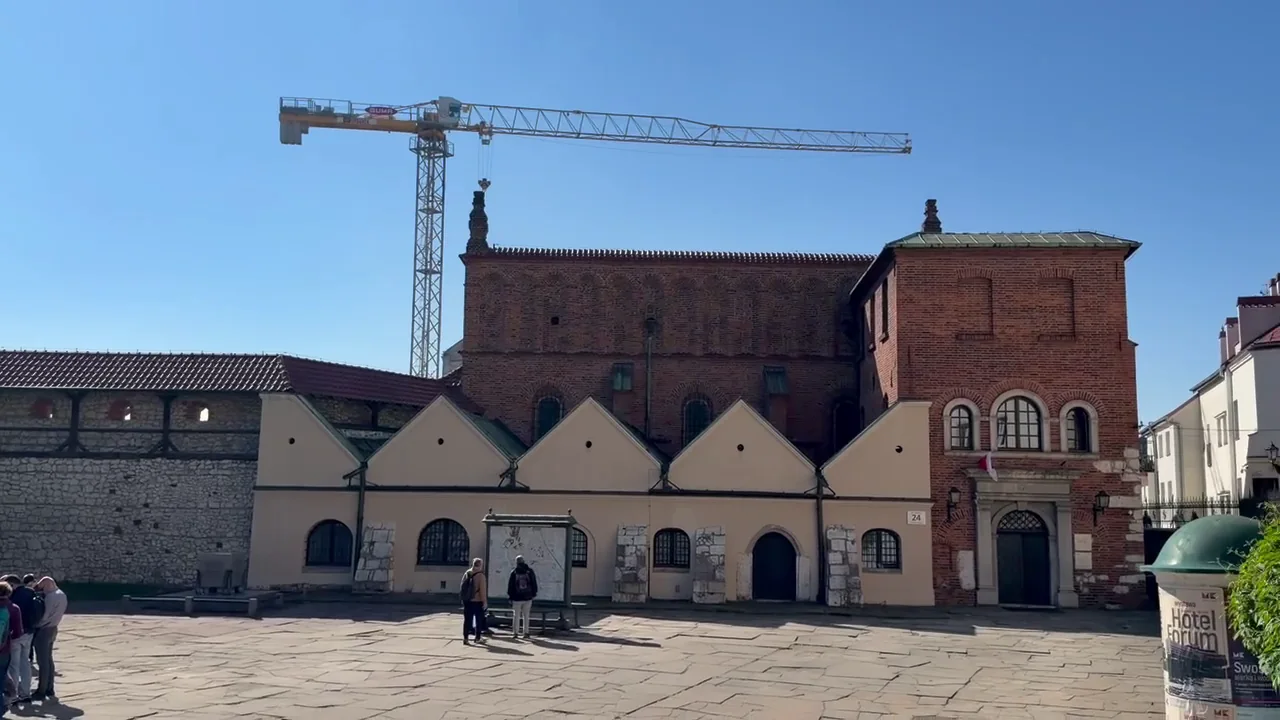
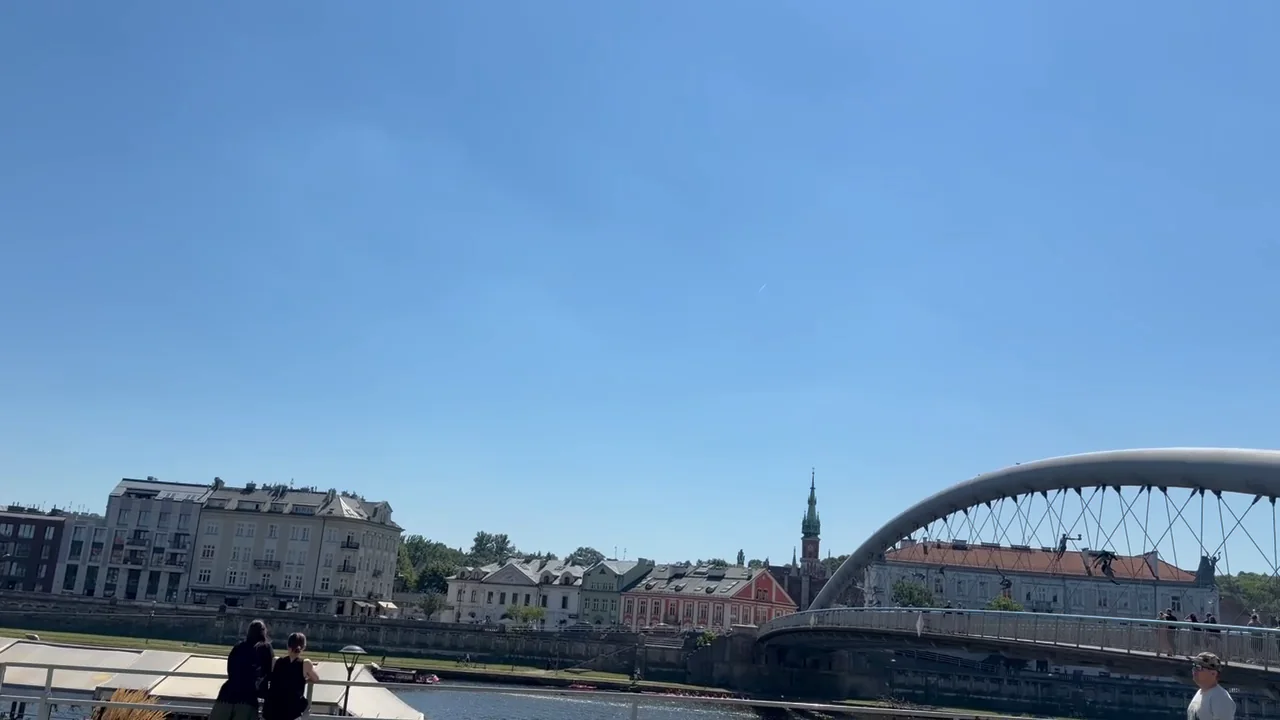
One of the most useful corrections for first-time visitors is simple: the Nazi ghetto was not located here in Kazimierz. It was created across the Vistula in Podgórze.
Kazimierz contains memorials, museums and the absence left by destroyed Jewish life, but the detailed ghetto story belongs on the Podgórze page. Keeping that geography clear makes both districts easier to understand.
Jan Karski
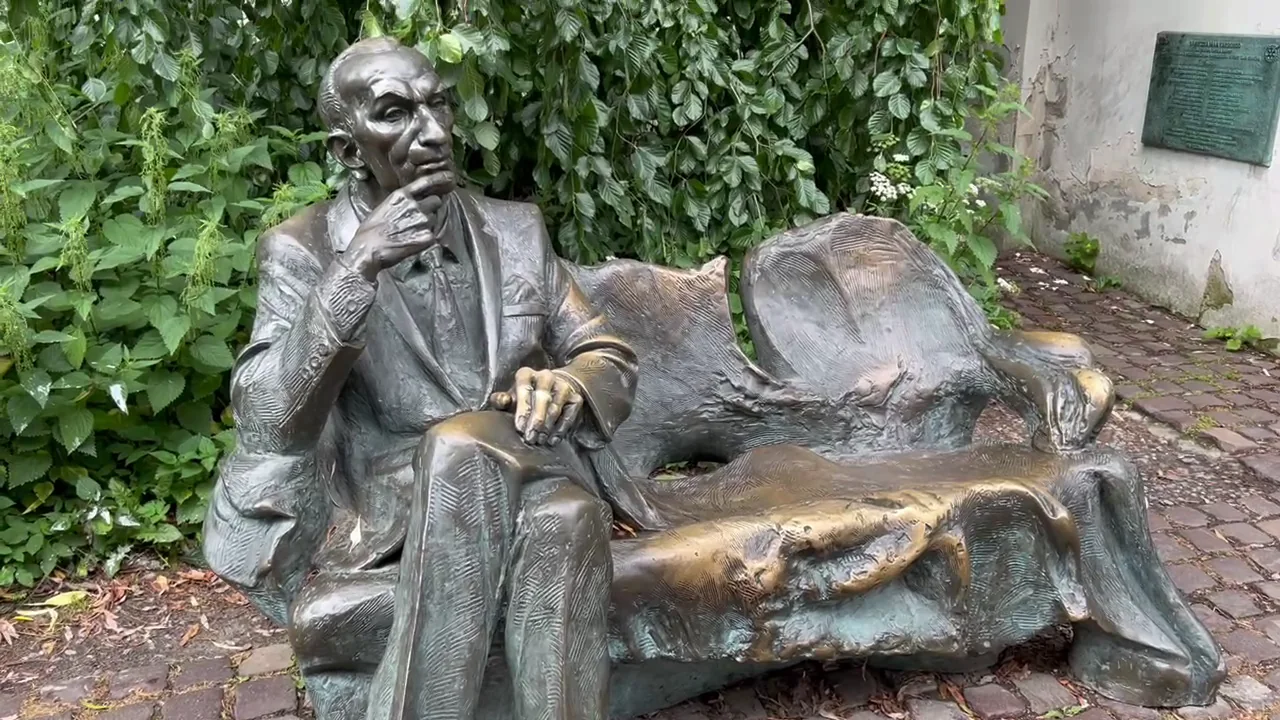
The bench dedicated to Jan Karski gives the district a specific human story. Karski carried information about Nazi persecution and the extermination of Polish Jews to Allied leaders during the war.
It is a small memorial compared with the scale of the history around it, which is exactly why it can be effective: one person, one mission, one attempt to make the outside world understand.
Plac Nowy & Kazimierz today
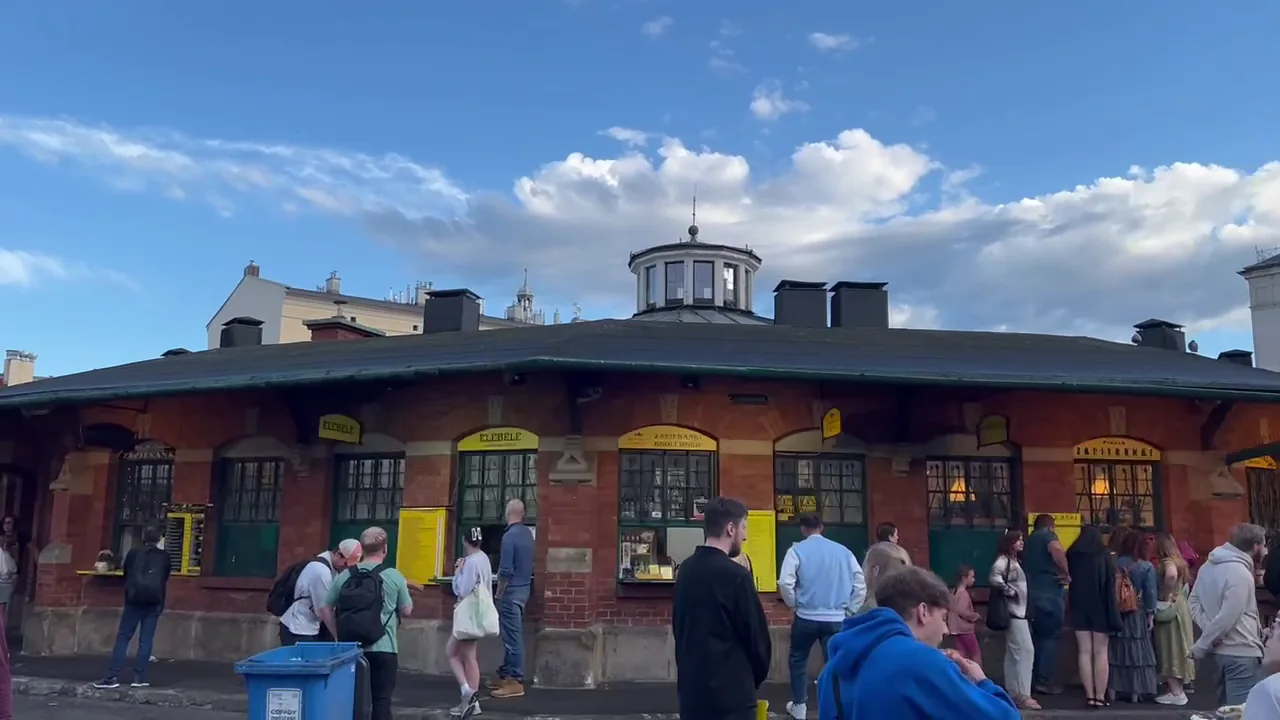
Plac Nowy is where the modern district becomes impossible to ignore. Food, bars, markets, nightlife and the famous zapiekanka stands sit beside buildings carrying much older histories.
That overlap can feel messy, but it is part of what makes Kazimierz alive rather than embalmed. The district is not only a memorial landscape; people still live, eat, drink, study and go out here.
My Kazimierz shortlist
If time is tight, I would combine Skałka, Corpus Christi, the Old Synagogue/Remuh area and Plac Nowy. Add the Ethnographic Museum or Engineering & Technology Museum if you want a substantial indoor stop.
Most importantly, cross the river afterward. Podgórze completes the wartime geography that Kazimierz alone cannot explain.
Check the official sites before you go
I keep changing prices, opening hours and seasonal access out of the main guide wherever possible. Use these sources for the current position: