
Cross the river — and correct the map in your head
The Father Bernatek Footbridge is a good psychological boundary. Kazimierz is still visible behind you, but the district ahead carries the physical geography of the ghetto, Schindler’s Factory and several quieter stories most visitors never reach.
I would build the visit in two halves: the heavy wartime material first, then deliberately make space for older Podgórze, green spaces and something lighter.
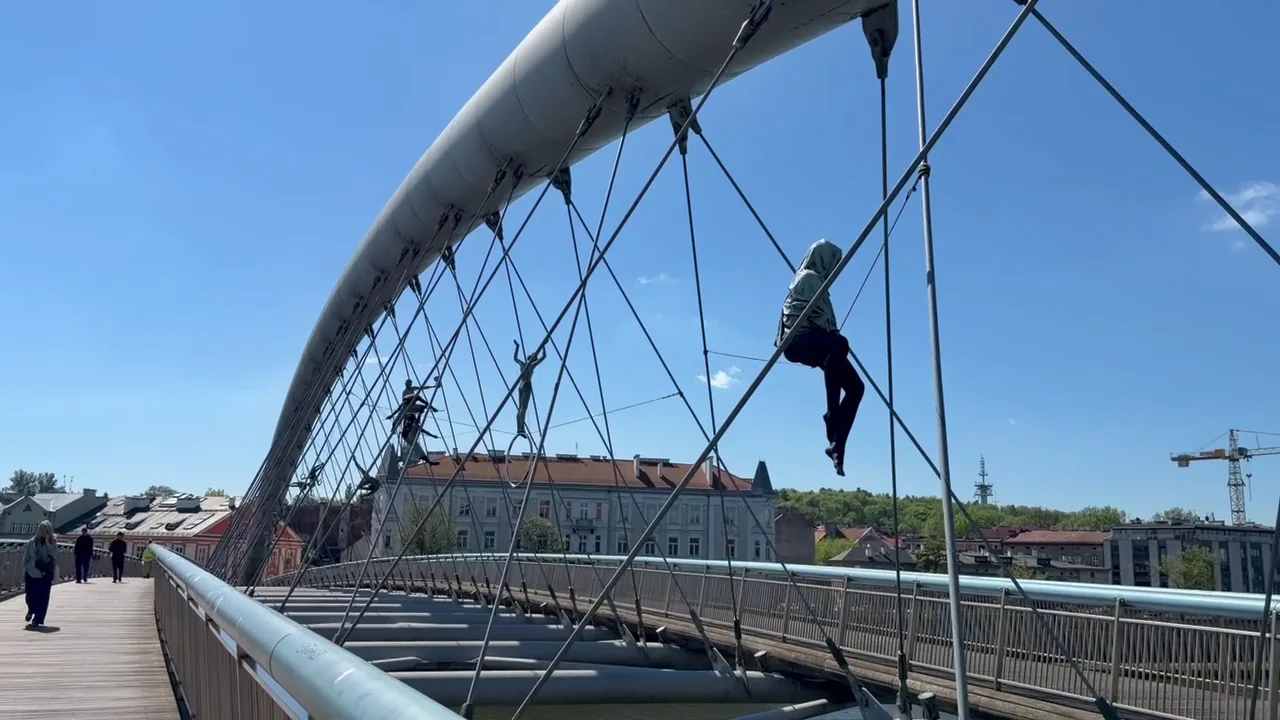
Father Bernatek Footbridge
The footbridge links Kazimierz with Podgórze and is memorable for Jerzy Kędziora’s balancing sculptures suspended above the river.
It also happens to sit on the modern Dragon Trail — the Romantic Dragon is nearby — which makes the bridge a perfect transition between Kraków’s serious history and the city’s much more playful public-art layer.
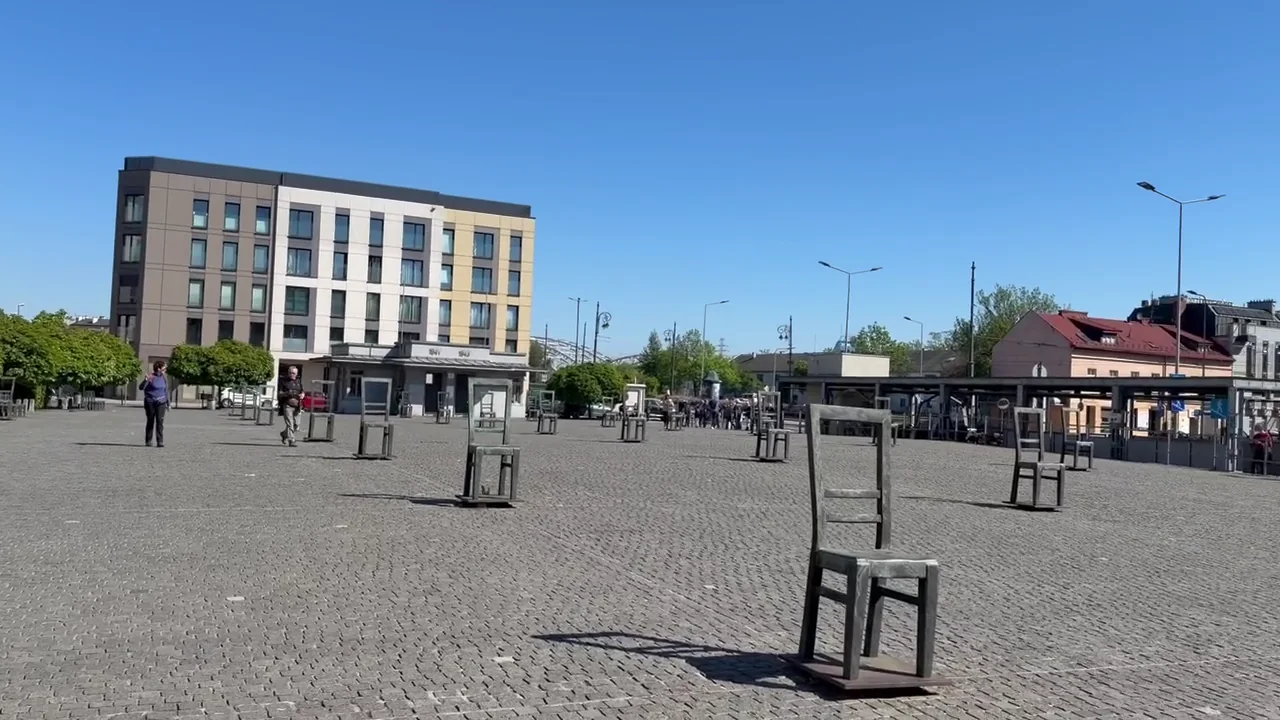
Ghetto Heroes Square
Plac Bohaterów Getta — formerly Plac Zgody — was a gathering and deportation point during the existence and liquidation of the Kraków ghetto. Today, the empty-chair memorial turns the square into one of the city’s strongest public spaces of memory.
This is the geographic centre of the ghetto story, and it is where the common “Kazimierz = ghetto” misconception should finally disappear.
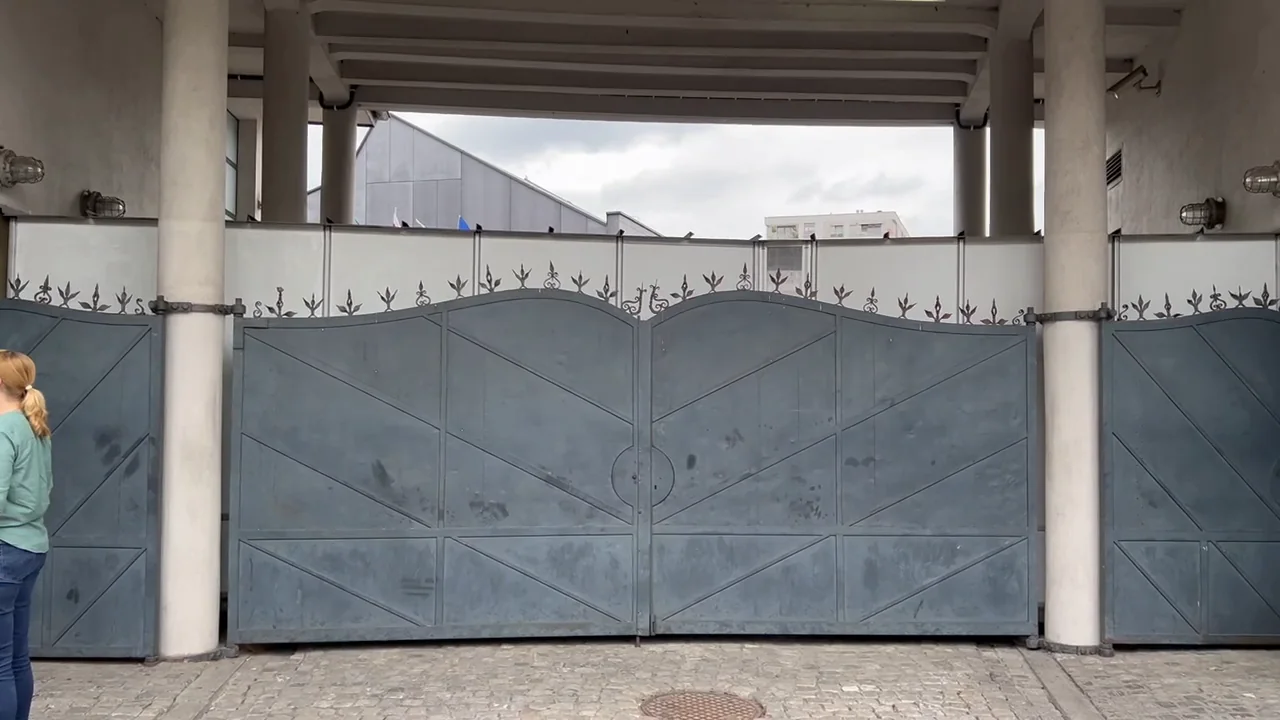
Schindler’s Factory
The museum inside Oskar Schindler’s former enamel factory is broader than the name suggests. It is fundamentally a museum of Kraków under Nazi occupation, using Schindler as one thread through a much larger city story.
Because of that scale, I would allow real time for it. This is not a twenty-minute film-location stop.
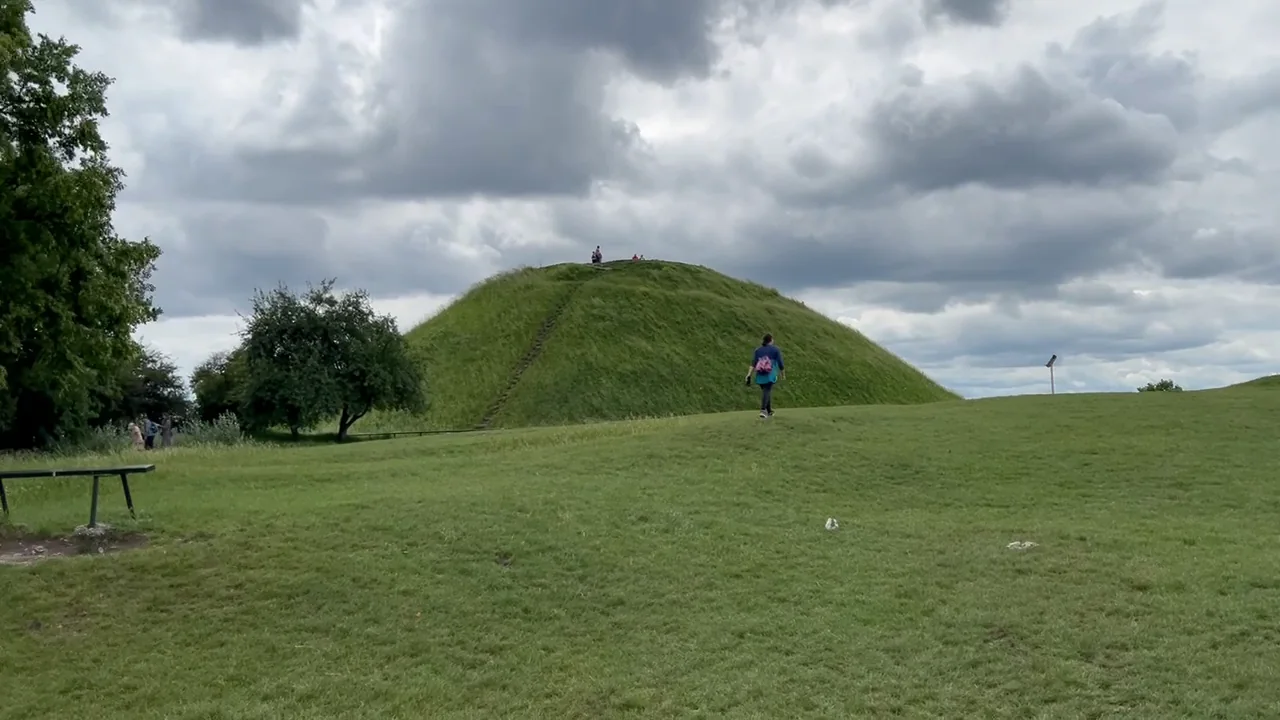
Krakus Mound
According to legend, Krakus Mound is the burial place of Krakus, Kraków’s mythical founder. The archaeology is less tidy than the legend: the mound is genuinely ancient, but its exact date and original purpose remain uncertain.
The climb is worth it for the panorama alone. From the top, myth, wartime geography, industrial Kraków and the historic centre all sit in the same view.
Park Bednarskiego & independent Podgórze
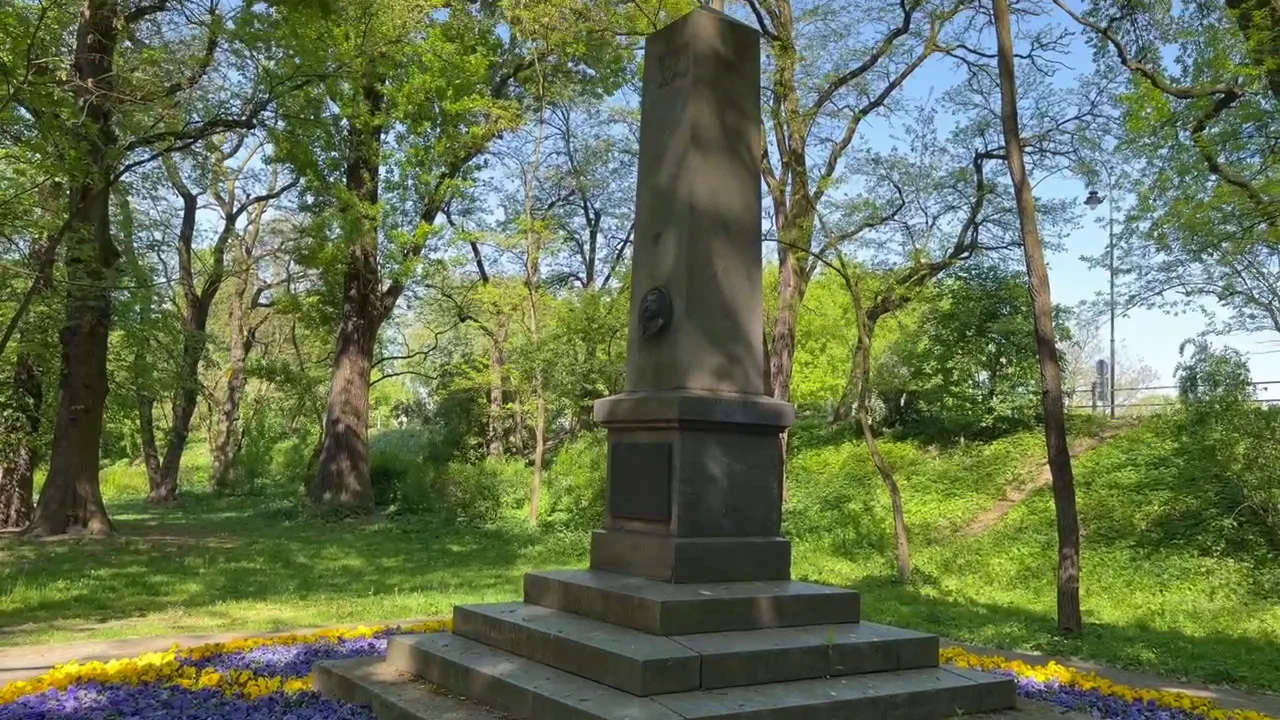
Podgórze was once a separate town, and Park Bednarskiego is one of the places that helps it feel like a district with its own identity rather than an extension of central Kraków.
The park opened in the nineteenth century in a former limestone quarry. Its paths still use that quarry landscape, giving you greenery and rock faces only a short distance from the heaviest history on the page.
Bricks & Figs LEGO Museum
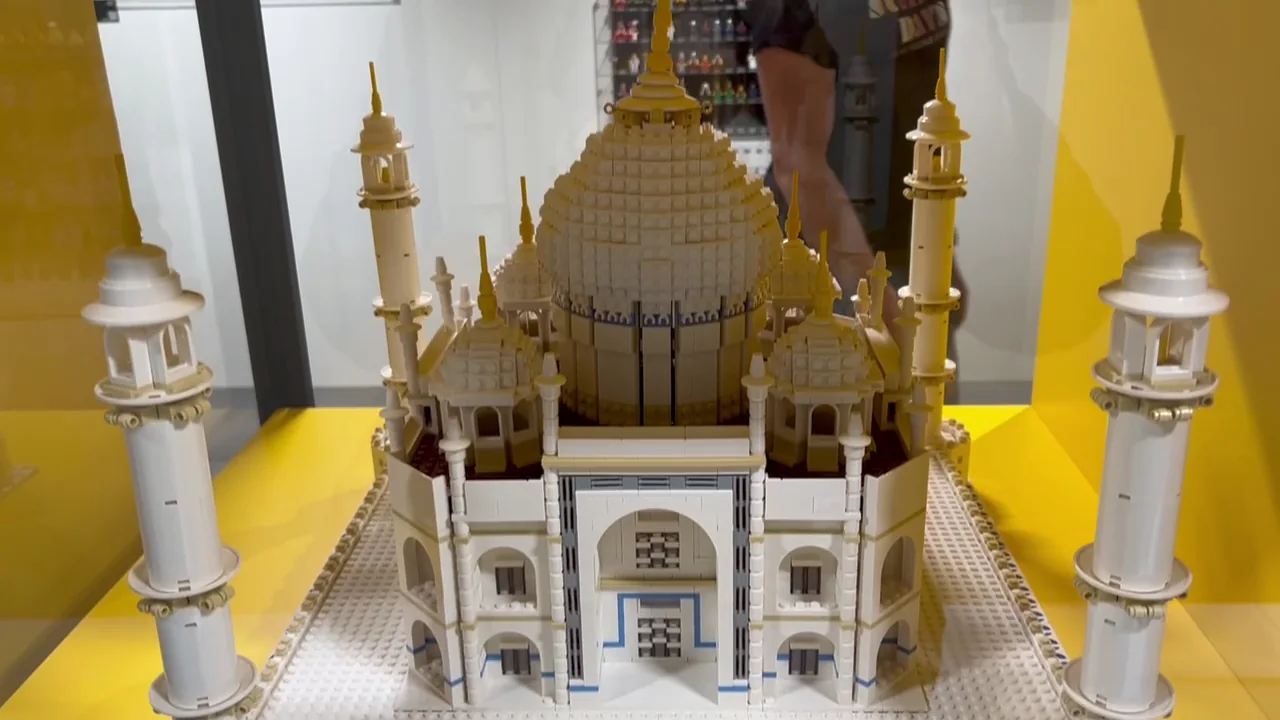
After the ghetto and occupation material, I was very happy to let Podgórze change tone completely. Bricks & Figs is a large LEGO-focused museum filled with ambitious displays and works surprisingly well as a family stop or deliberate mental reset.
It belongs here rather than in the city-wide museum guide because, for me, it is part of the experience of exploring this particular district.
Other museums worth knowing
Podgórze Museum is the obvious place to go deeper into the district’s local history. MOCAK, the Museum of Contemporary Art in Kraków, sits in the wider post-industrial cultural landscape near Schindler’s Factory.
I have not visited these in the same first-hand way as the core recommendations above, so I treat them as useful options rather than pretending they are personal endorsements.
How I would visit Podgórze
Cross from Kazimierz on the Bernatek bridge, do Ghetto Heroes Square and Schindler’s Factory while your attention is fresh, then move toward Krakus Mound and Park Bednarskiego.
That route prevents the district from becoming only a Holocaust itinerary while still giving the difficult history the time and seriousness it deserves.
Check the official sites before you go
I keep changing prices, opening hours and seasonal access out of the main guide wherever possible. Use these sources for the current position: