
Start with the legend, then let the dragons lead you elsewhere
The Wawel Dragon is one of Kraków’s defining legends: a monster living beneath Wawel, defeated not by brute force but by a clever trick involving a sheep stuffed with sulphur. Different versions shift the details, but the dragon remained.
Modern Kraków then did something rather delightful with that inheritance: it started placing small themed dragon sculptures around the city, each tied to the place where it stands.
The legend of the Wawel Dragon
In the most popular version of the legend, a fearsome dragon lived in a cave beneath Wawel Hill and terrorised Kraków, devouring livestock and threatening the people of the city. Warriors failed to defeat it, until a young cobbler called Skuba came up with a less heroic — but much cleverer — plan.
Skuba stuffed a sheepskin with sulphur and left it outside the cave. The dragon swallowed the bait, felt a terrible burning in its stomach and rushed to the Vistula to drink. It drank and drank until, in the familiar ending, it burst — freeing Kraków from the monster.
The story changed over the centuries. The earliest medieval version did not include the shoemaker at all; later retellings introduced Skuba, whose trick with the false sheep became the version most people know today. That evolving legend is why the dragon works so well as Kraków’s unofficial mascot: ancient story, constantly reinvented.
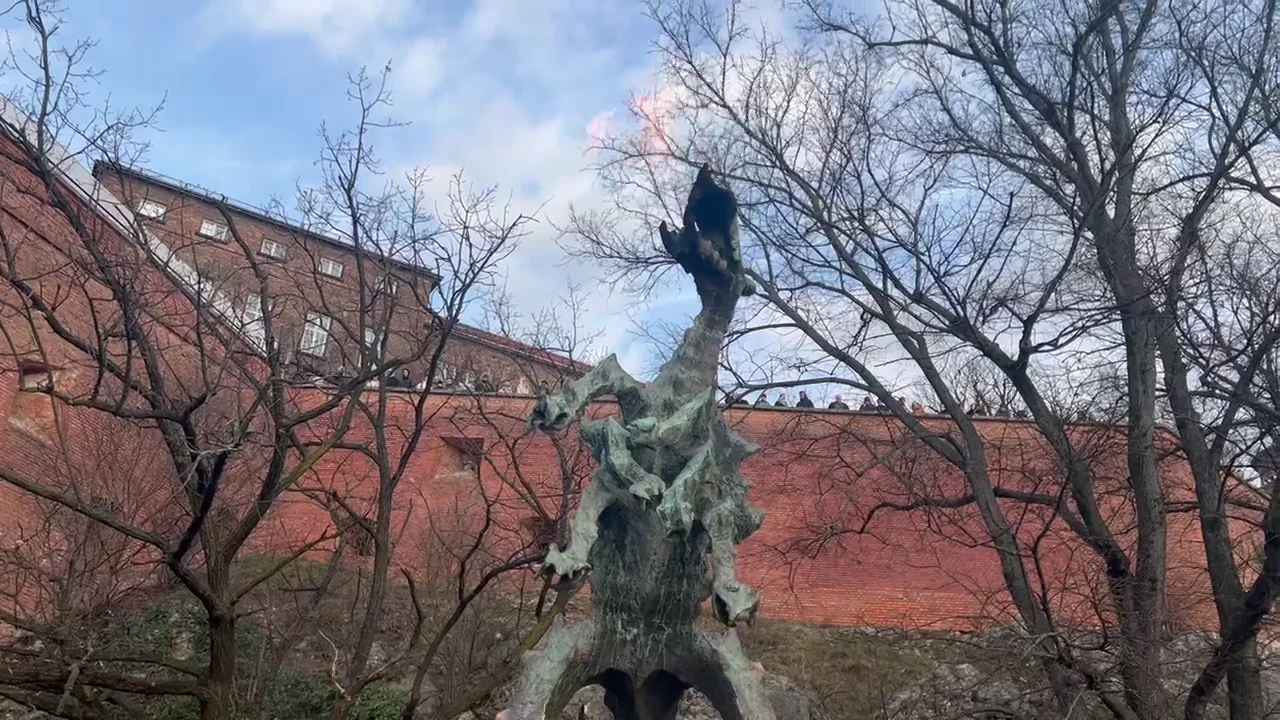
The original fire-breathing Wawel Dragon
Bronisław Chromy’s Wawel Dragon sculpture has stood near the entrance to Dragon’s Den since 1972. Unlike the smaller trail figures, this dragon famously breathes real fire.
It is the obvious symbolic starting point even if you have no intention of “doing” the full trail. From here, the modern dragon family spreads out across Kraków.
Interactive Dragon Trail map
The map is deliberately the centrepiece. Kraków’s own trail keeps expanding, so the useful question is not “what is the official order?” but which dragons are near where I am already going?
Tap a marker to see the dragon and area. Locations follow the City of Kraków’s current trail list, with coordinates cross-checked against published listings.
The city continues adding dragons. Use the official Kraków trail page for the newest additions; this map is designed to be easy to update rather than treated as a frozen poster.
Dragons along the route
The small sculptures work because they are not identical souvenirs. Their themes refer to the places around them — sport, medicine, aviation, local legends, neighbourhood identity.
My favourite part is not any single dragon. It is the way following them sends you through public art, parks, university grounds and districts you may otherwise skip.
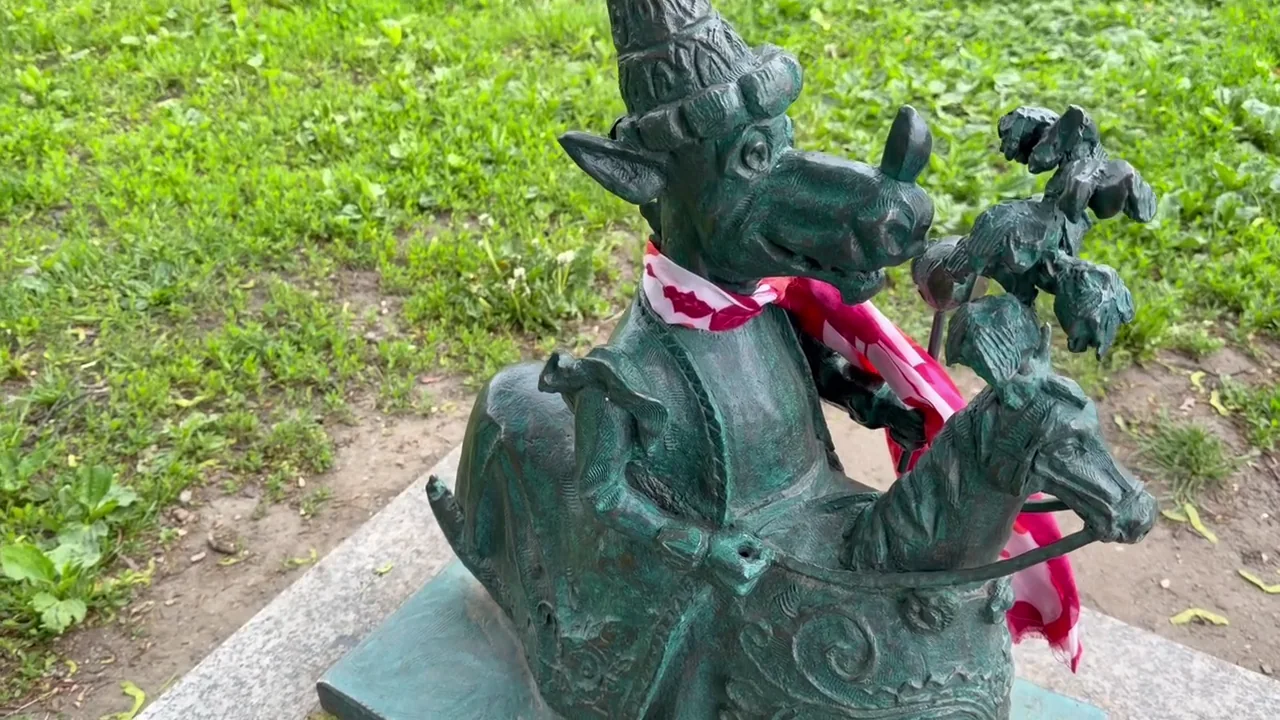
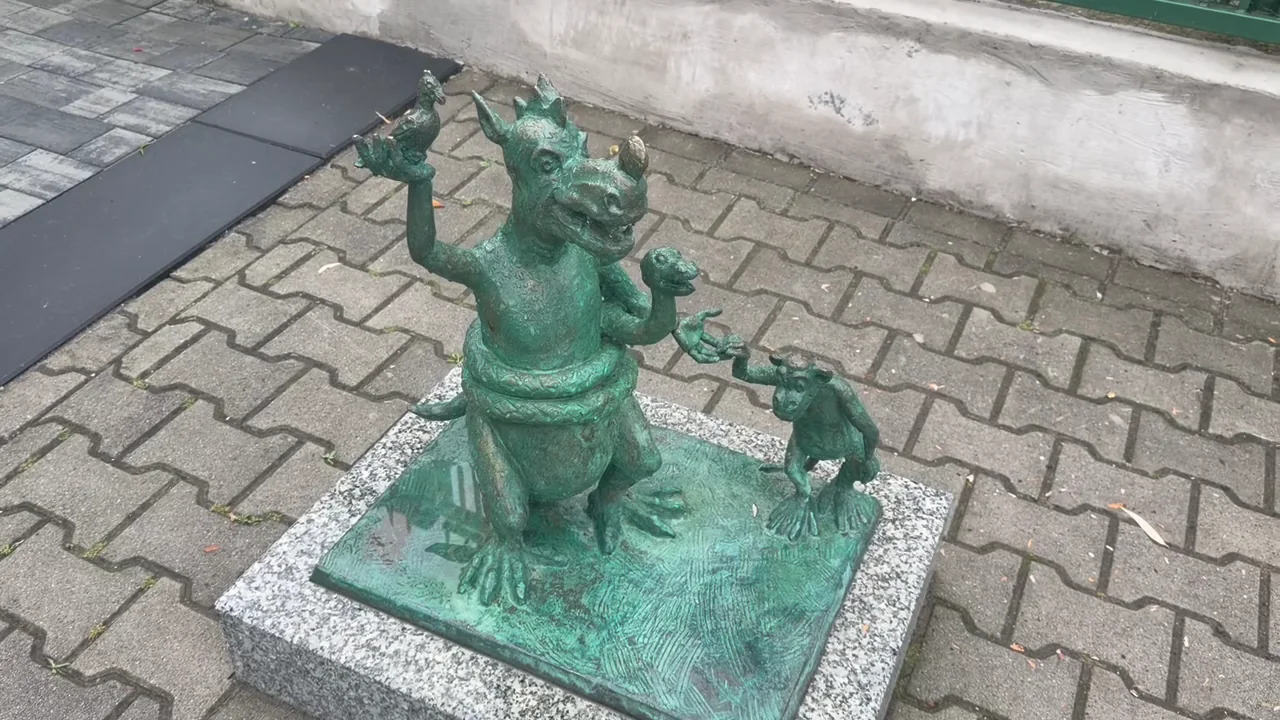
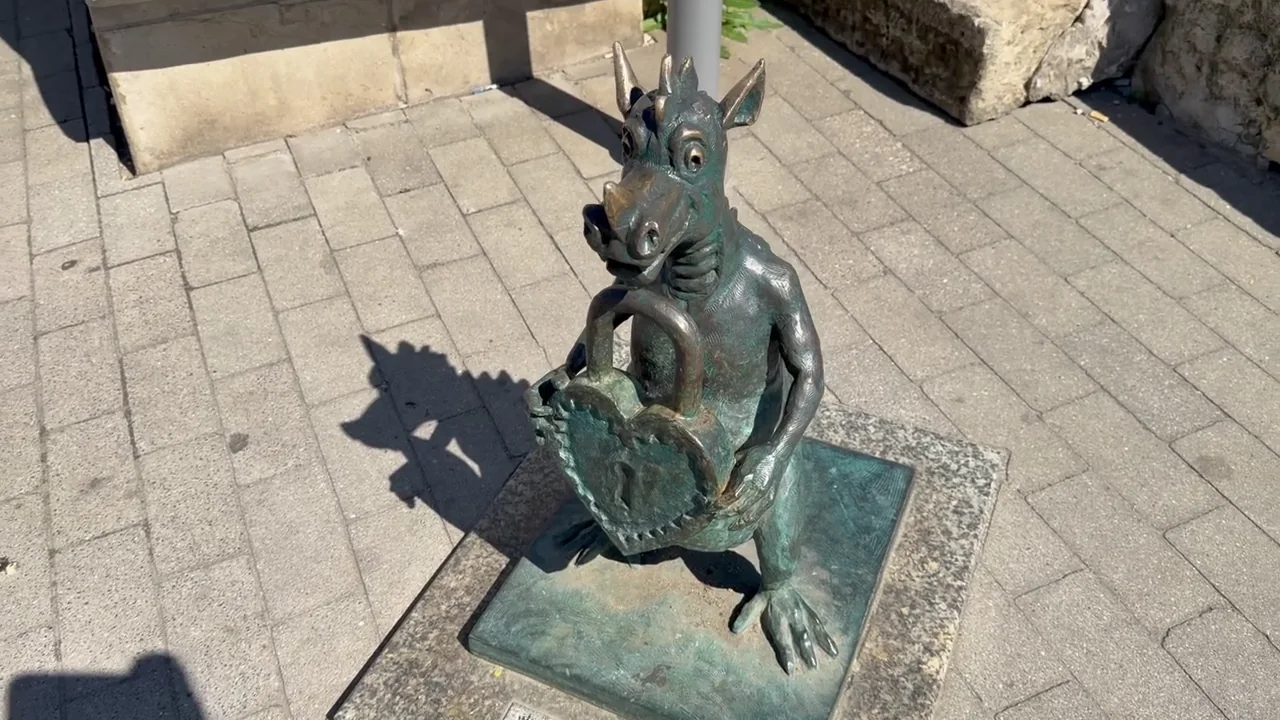
How to explore the Dragon Trail
Do not try to collect every dragon in one day. They are spread through Old Town, Kazimierz, Podgórze, the Vistula, western university areas, Las Wolski, Nowa Huta and even the wider airport side of Kraków.
You could technically turn the trail into a transport endurance test. That defeats the point. Open the map while exploring another district, see what is nearby, and let the dragons accumulate naturally over a trip — or several trips.
That is what made the trail work for me: I was supposedly looking for dragons, but what I actually found was more Kraków.
Treat it as a discovery layer, not a checklist
Pair the dragons with the pages they already live inside: Old Town, Podgórze, Western Kraków, Nowa Huta. The trail becomes connective tissue between the serious guides rather than a competing itinerary.
Check the official sites before you go
I keep changing prices, opening hours and seasonal access out of the main guide wherever possible. Use these sources for the current position: