
This is not a decorative city park
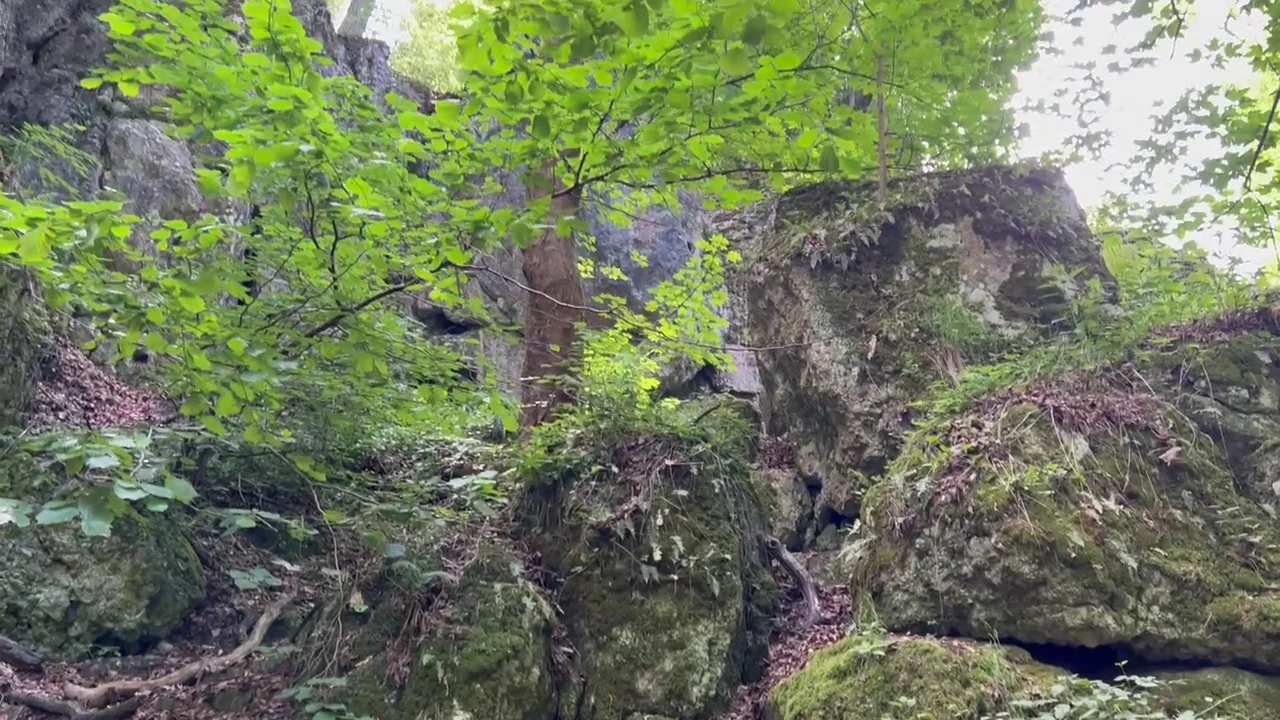
Las Wolski covers hundreds of hectares on Kraków’s western edge. Some trails are steep, narrow and rocky enough to feel like proper hiking rather than a landscaped urban park.
The fun is how much is hidden inside and around that woodland: two major mounds, the zoo, an active astronomical facility, a functioning monastery and one castle-looking building with a very twentieth-century story.
Las Wolski: park geography & trails
The forest itself deserves to be treated as an attraction. Exposed limestone, steep climbs, wooden steps and changing views make this one of the best places in Kraków to get genuine outdoor time without leaving the city.
Wear shoes you would actually hike in if you plan to explore beyond the obvious paved routes.
Kościuszko Mound
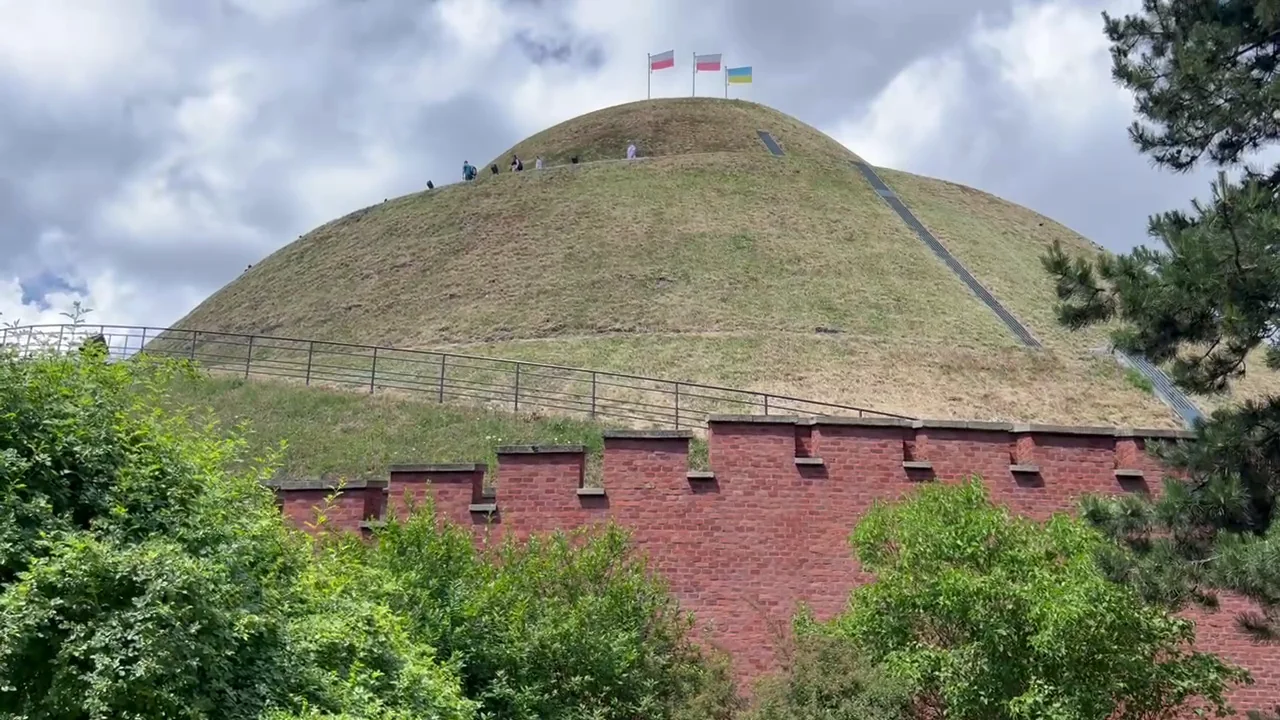
Built between 1820 and 1823 after Tadeusz Kościuszko’s death, the mound turned national commemoration into landscape. Kościuszko’s story stretches from the Polish struggle for independence to his service in the American Revolutionary War.
The panorama makes it one of Kraków’s strongest viewpoints, but the memorial purpose is what gives the climb its meaning.
Piłsudski Mound
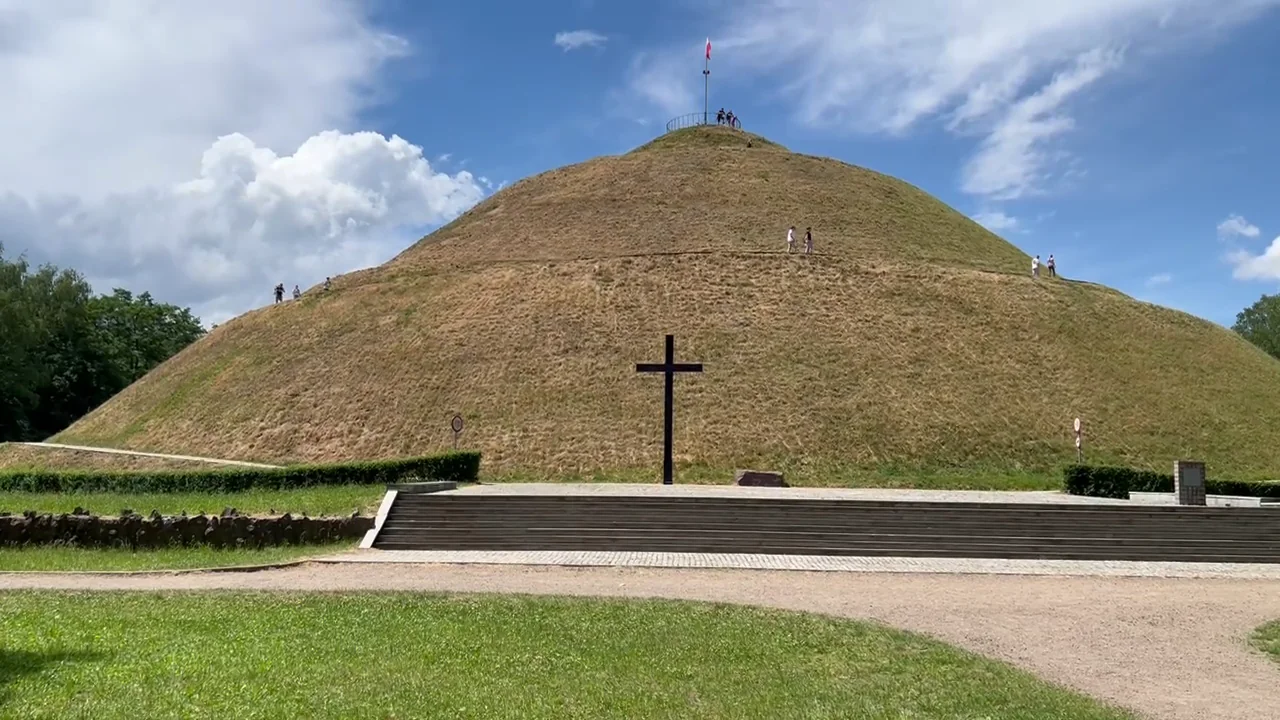
Deeper in the forest, Piłsudski Mound is newer and larger. Completed in 1937, it became associated with Józef Piłsudski after his death and now sits surrounded by woodland far from the tourist-centre version of Kraków.
The walk to it is part of the point; this is a monument you approach through landscape rather than a square.
Kraków Zoo
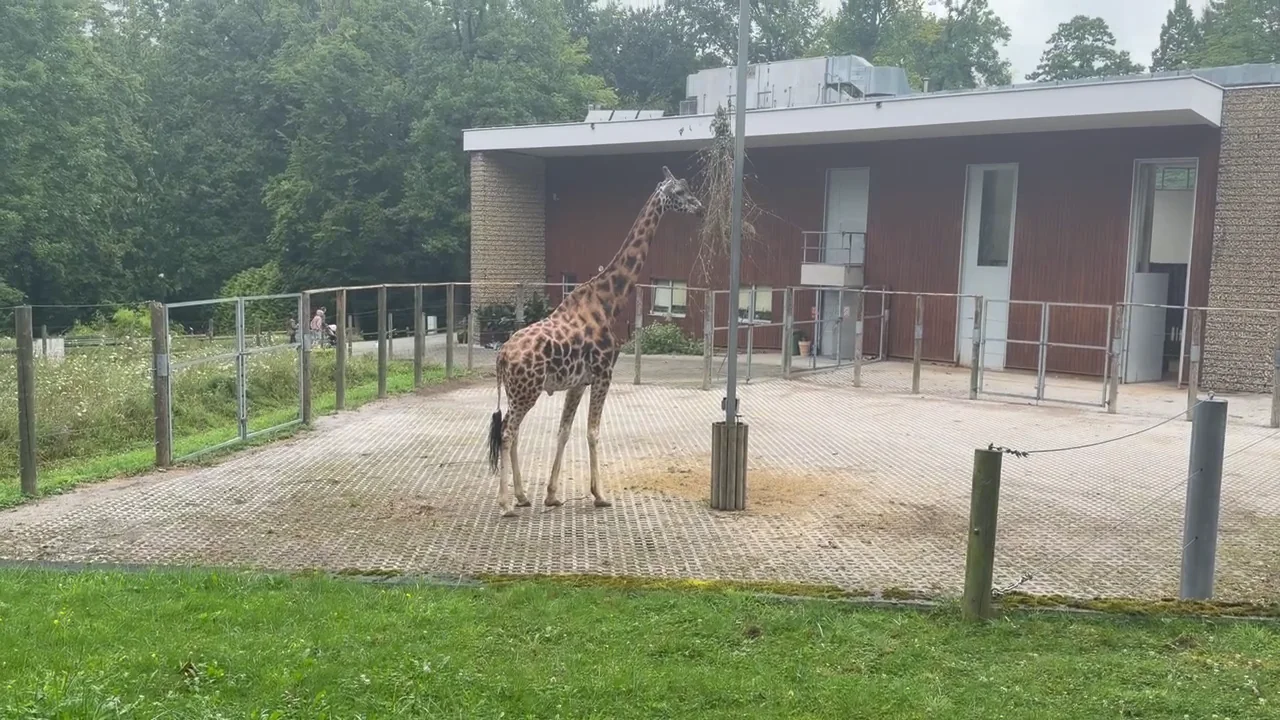
Kraków Zoo sits right inside Las Wolski and is substantial enough to be a destination in its own right rather than a quick add-on.
For families, this makes western Kraków particularly useful: you can combine a proper zoo visit with woodland walks and one of the city’s major mounds without crossing half the city.
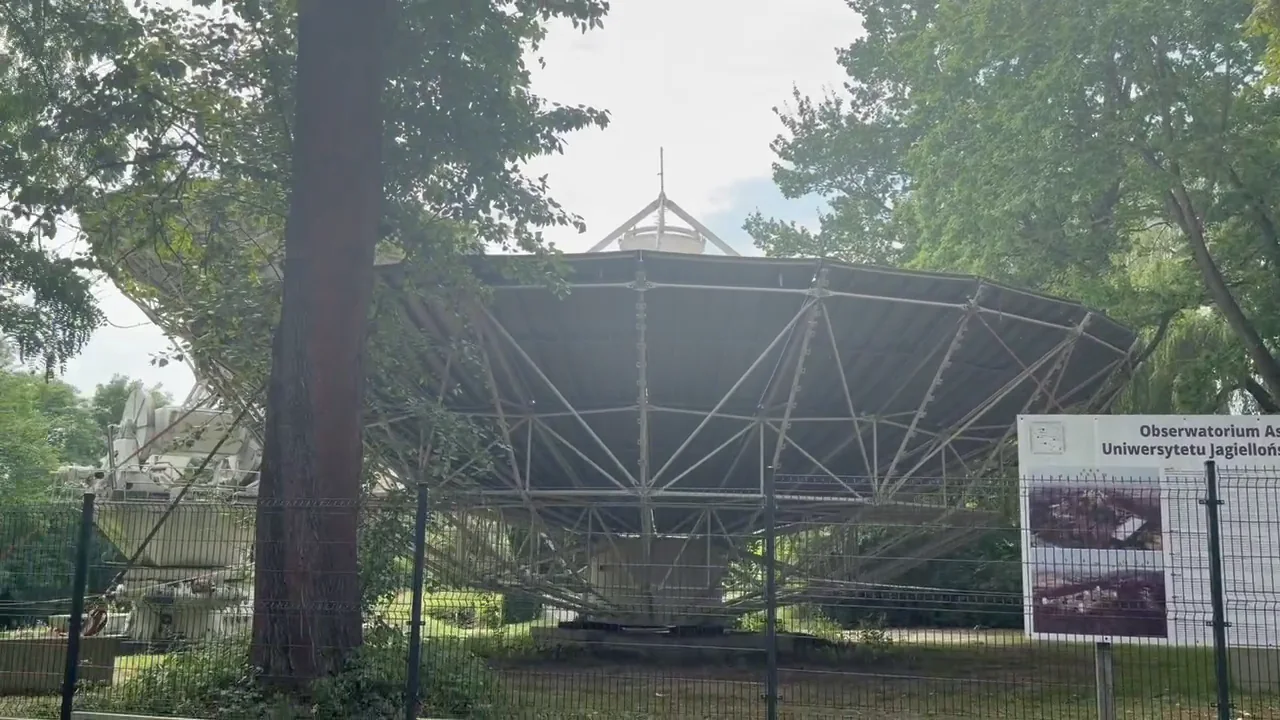
Fort Skała Astronomical Observatory
The Jagiellonian University astronomical facility occupies the old Fort Skała site and is one of the strangest discoveries in the forest.
Important: this is an active research facility, not normally an attraction you can simply enter during a walk. Special tours or events can happen, but check official university information rather than assuming public access.
Bielany & Srebrna Góra
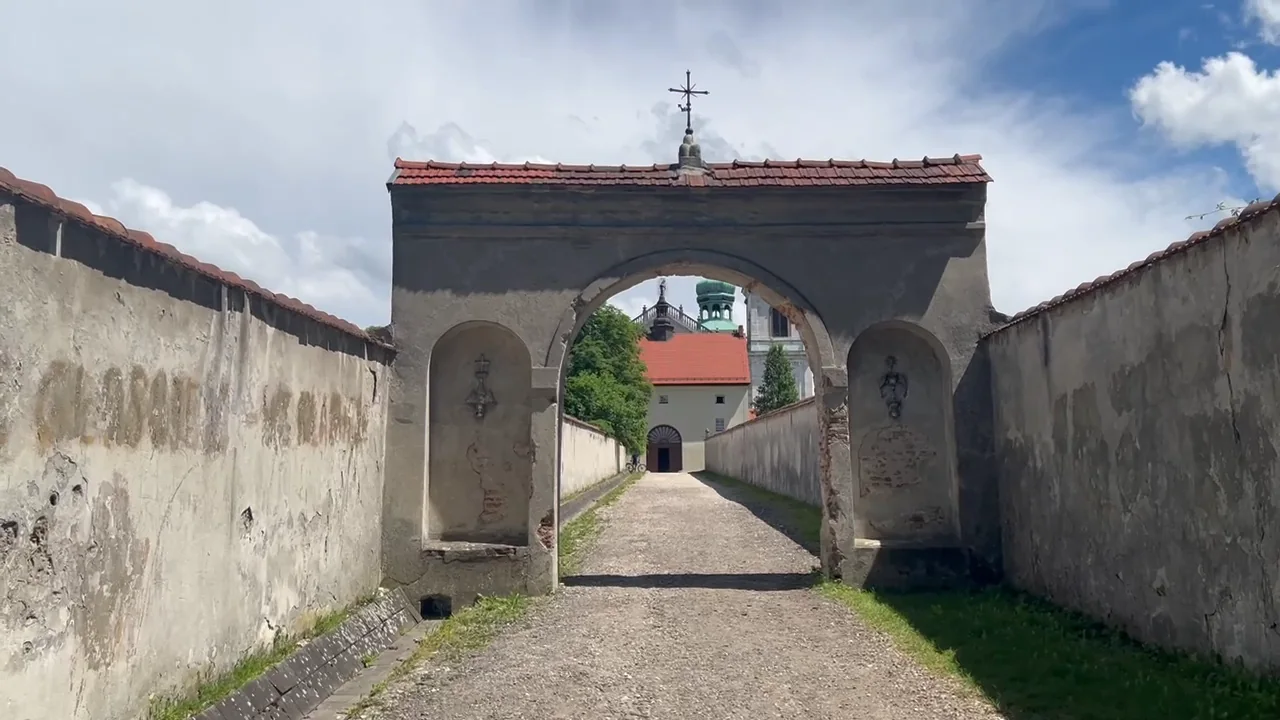
On Srebrna Góra stands the Camaldolese monastery at Bielany, founded in the early seventeenth century and still functioning as a hermitage.
The contemplative tradition shapes access, so this is another place where the exterior setting and current visitor rules matter as much as the idea of “going inside.” The forested position above the Vistula is part of the experience.
Zinar Castle / Przegorzały
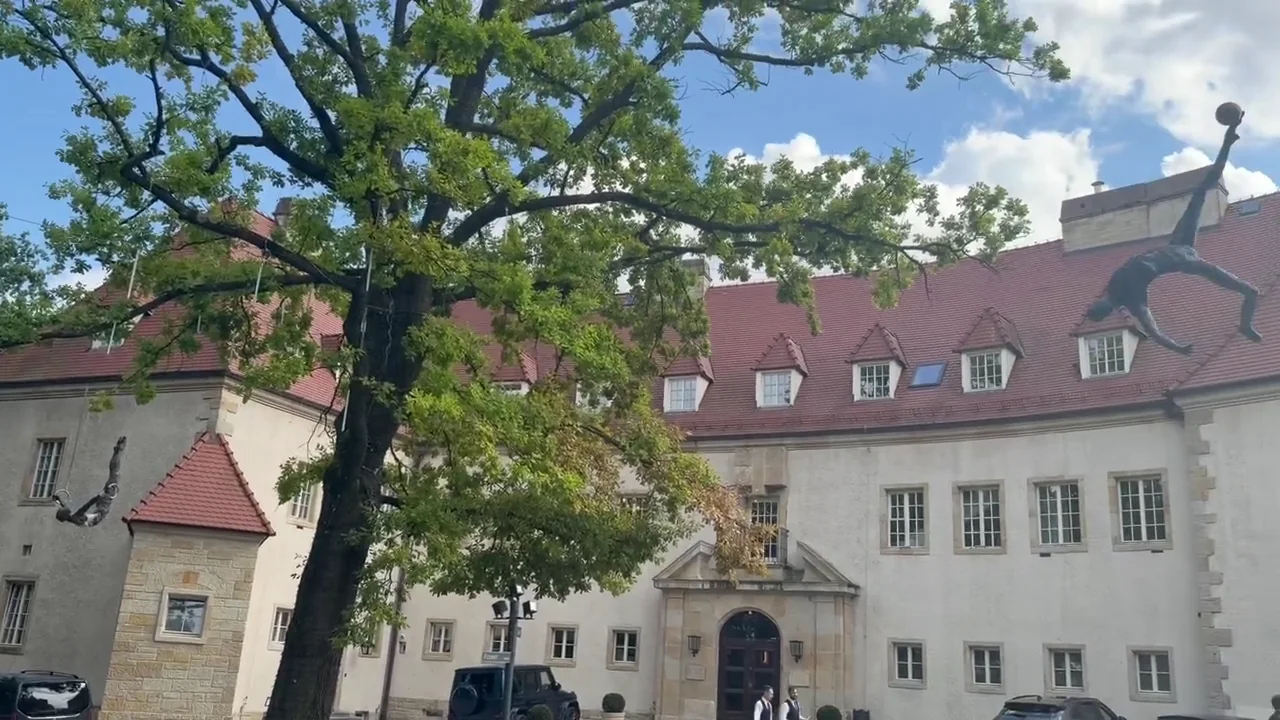
Przegorzały gives western Kraków one of its most castle-like silhouettes — but do not mistake it for a medieval fortress. The complex is much newer.
The setting above the Vistula and the broad terrace views are the attraction. It works particularly well as a civilised finish after several hours in the forest.
Fortress Kraków
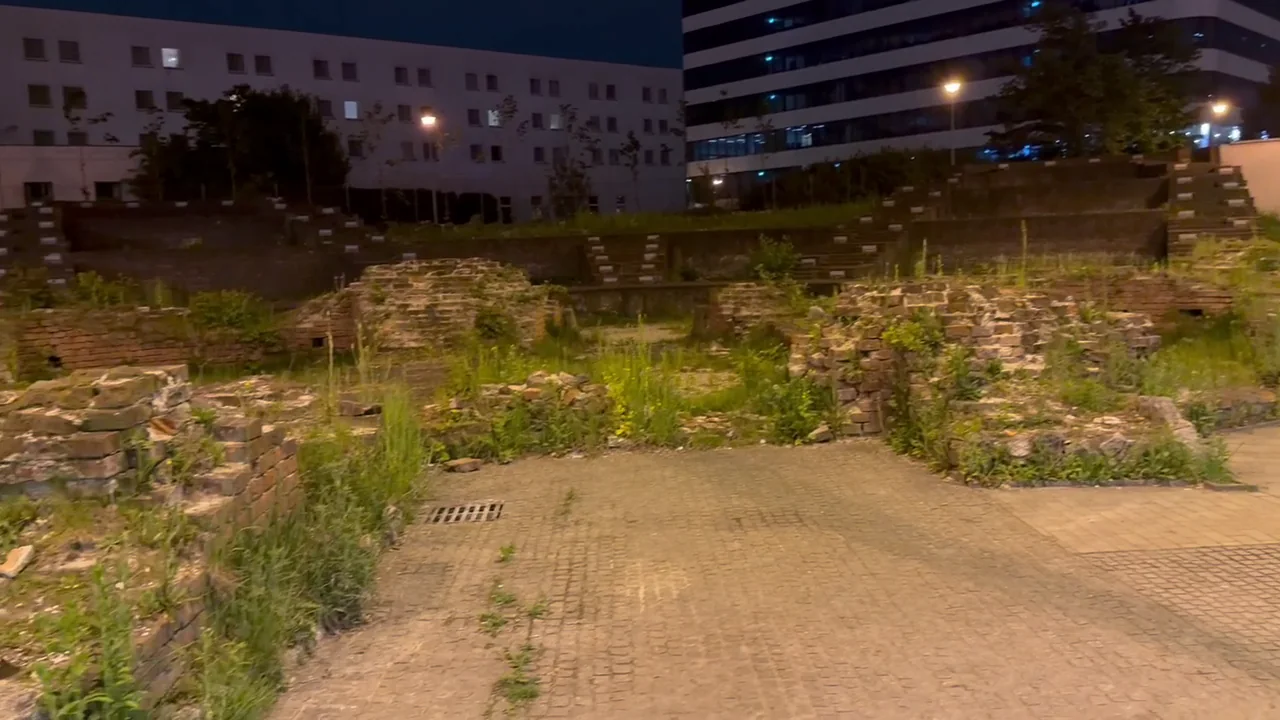
Under Austrian rule, Kraków developed into a vast fortress system with forts and batteries far beyond the medieval walls.
The surviving works are scattered rather than concentrated, which is why most visitors barely notice them. Some are reused, some hard to access, some little more than masonry and earthworks in vegetation. The fragmentation is part of the story.
Błonia & Jordan Park
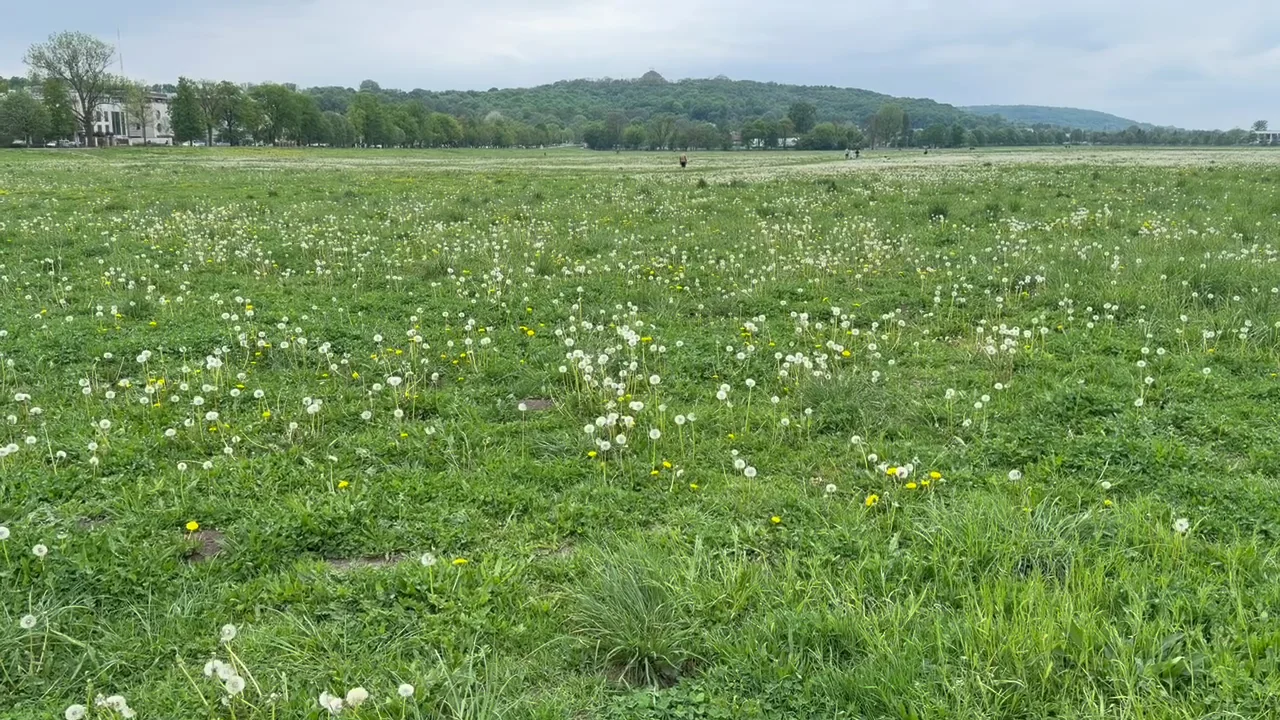
Błonia is an enormous meadow remarkably close to the centre, used for walking, cycling, sport and major gatherings. Beside it, Jordan Park mixes recreation with monuments to figures from Polish history.
Together they make an excellent transition between dense central Kraków and the greener western districts.
Western university district
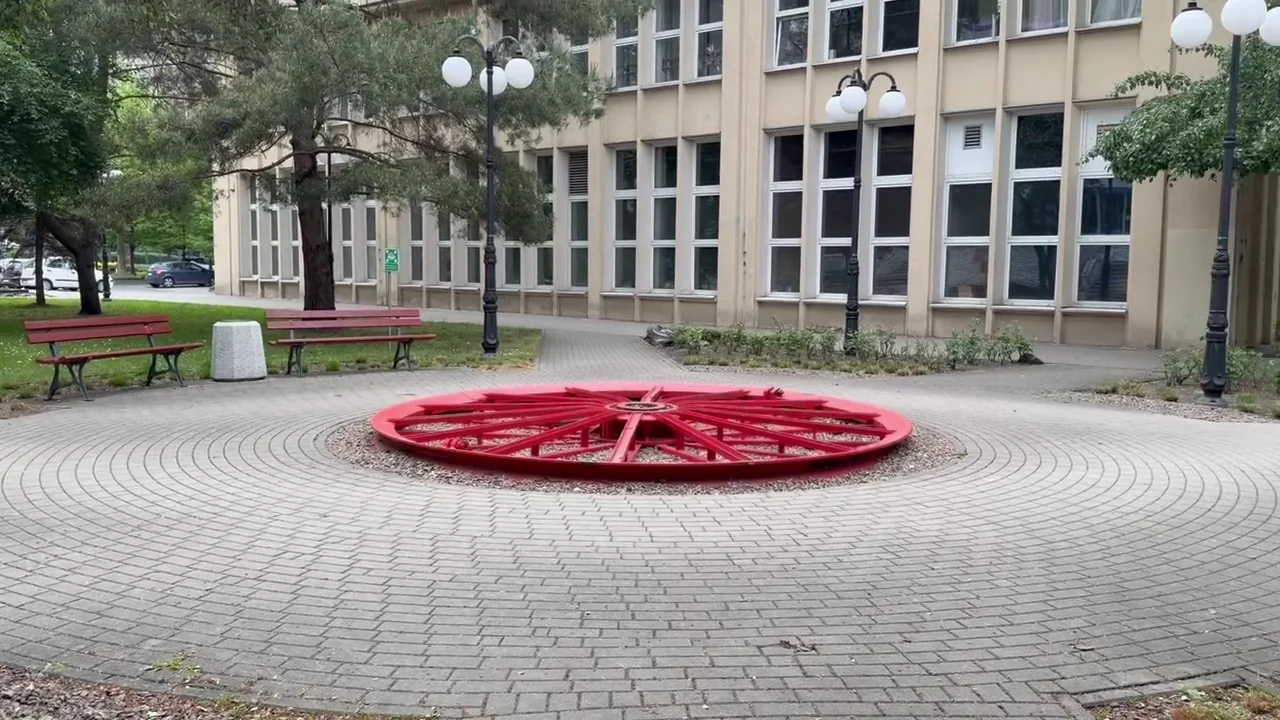
Following Kraków’s dragons through the university quarter led me past murals, monuments and public art I would probably have ignored otherwise.
This is one of the best arguments for exploring western Kraków without a rigid attraction list: the reward is often the material between the “main” stops.
How I would explore western Kraków
Choose one anchor — zoo, Kościuszko Mound or a longer Las Wolski walk — then add what fits around it. Trying to combine every mound, monastery, fort and public space into one heroic day will turn the area into transport logistics.
The west is at its best when it feels like the opposite of Old Town: space, walking and discoveries between destinations.
Check the official sites before you go
I keep changing prices, opening hours and seasonal access out of the main guide wherever possible. Use these sources for the current position: