
A modern pilgrimage landscape shaped by two Polish saints
Łagiewniki feels very different from Kraków’s medieval religious core. This is a living international pilgrimage district whose identity grew around St Faustina Kowalska, the Divine Mercy devotion and the legacy of Pope John Paul II.
The contrast is what makes the visit interesting: an intimate convent chapel where the story began, a vast modern basilica built for pilgrims from around the world, and the nearby John Paul II Centre on the former Solvay industrial grounds. You do not need a long attraction list here — these three places tell the story.
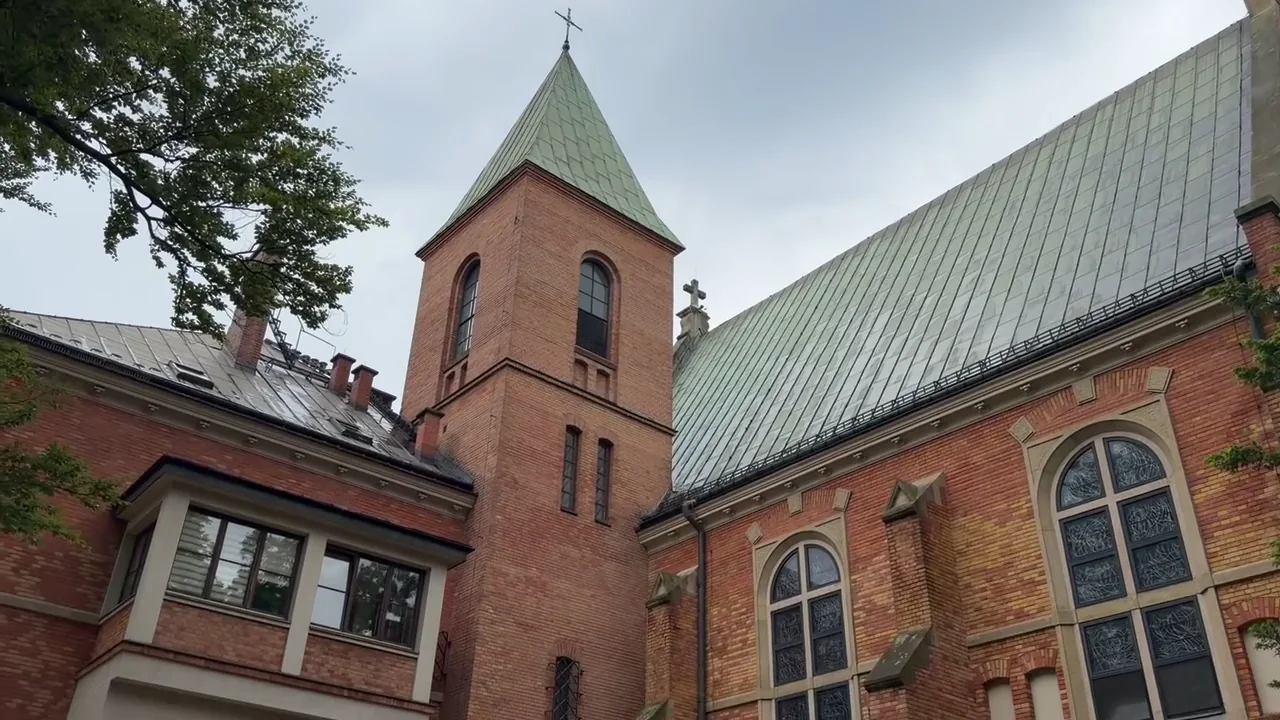
Original convent chapel & St Faustina
The historic heart is the late-nineteenth-century convent chapel of St Joseph. This is the older, more intimate space associated directly with St Faustina Kowalska, the Divine Mercy image and Faustina’s tomb.
For me, this is the section that prevents Łagiewniki from being understood only through the scale of the modern basilica next door.
Basilica of Divine Mercy
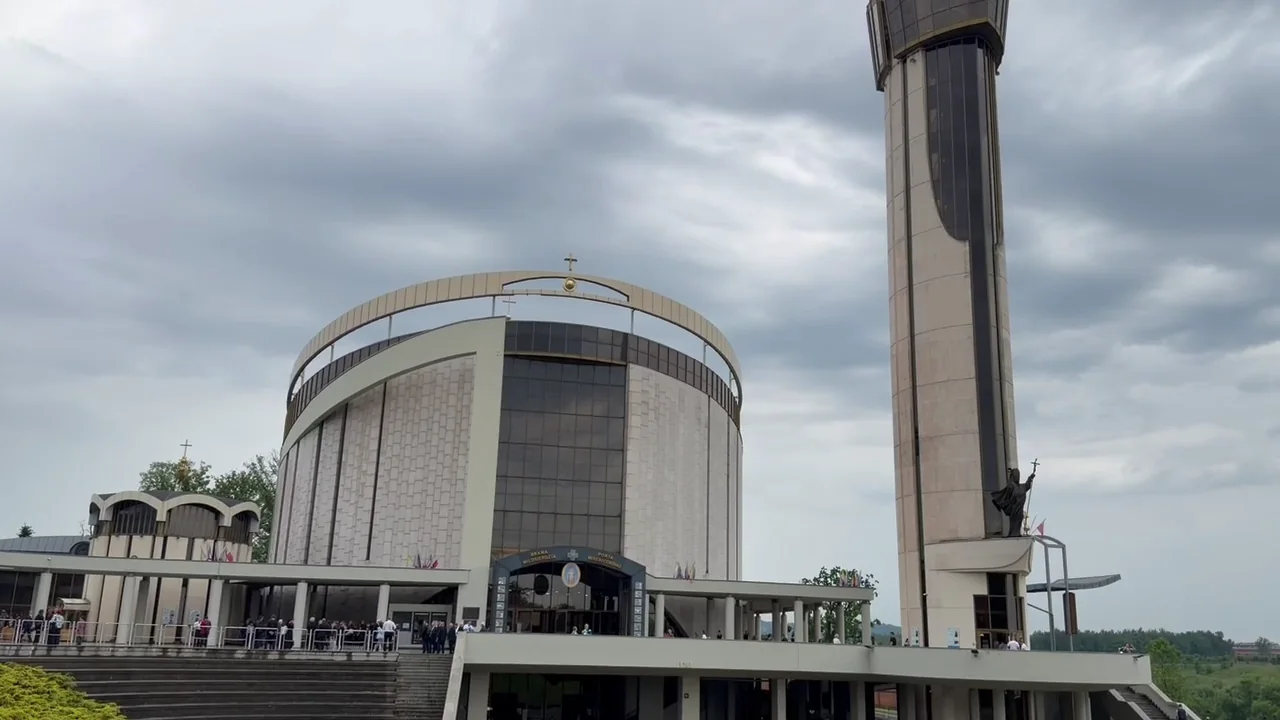
The modern basilica was built between 1999 and 2002 beside the older convent complex and transformed Łagiewniki into a much larger international pilgrimage destination.
Architecturally it could hardly be more different from Kraków’s medieval churches. That contrast is useful: this is not a preserved historic monument trying to recreate the past; it is a contemporary religious complex designed for large numbers of pilgrims.
John Paul II Centre — shrine & museum
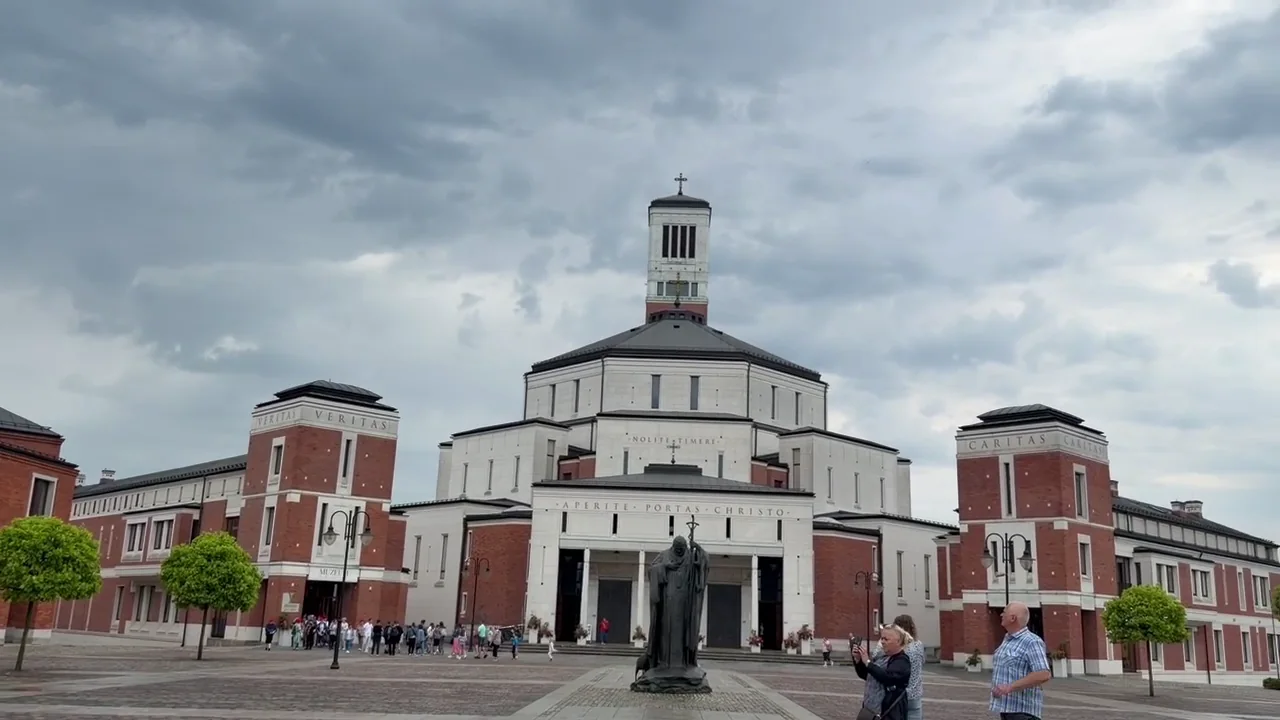
Nearby at Białe Morza, the John Paul II Centre brings the story back to Karol Wojtyła, who had strong links with this part of Kraków and later promoted the Divine Mercy devotion as Pope.
The centre combines a modern shrine with a museum presenting personal objects, gifts and material from his pontificate. I treat the church and museum as one coherent third stop rather than splitting them into separate attractions.
How I would approach Łagiewniki
Visit the older chapel first, then the basilica, then continue to the John Paul II Centre. That order makes the growth of the pilgrimage landscape much easier to read.
Because these are active religious sites, services and pilgrim activity come before tourism. Build your visit around that reality rather than expecting museum-style access everywhere.
Check the official sites before you go
I keep changing prices, opening hours and seasonal access out of the main guide wherever possible. Use these sources for the current position: