
Read the streets before looking for attractions
Nowa Huta was designed after 1949 as a model socialist workers’ city beside the enormous Lenin Steelworks. The broad avenues and monumental housing blocks make the ideology visible before you enter a single museum.
But the most interesting version of Nowa Huta begins when that planned story starts to crack: older religious sites survive, residents fight for churches, resistance grows and the district evolves into something its creators never quite intended.
The planned city
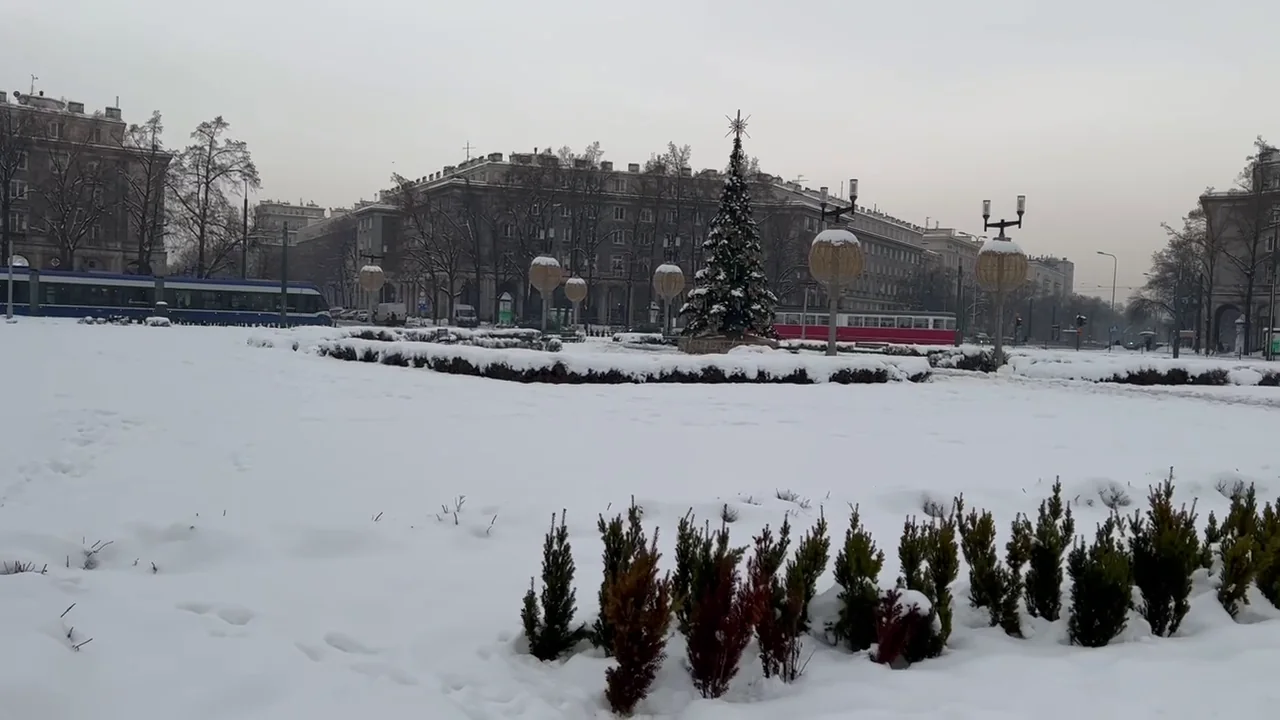
Plac Centralny and the avenues radiating away from it are the best introduction. The scale, symmetry and socialist-realist details were intended to give workers a monumental urban environment rather than a temporary industrial settlement.
Walk it rather than driving through. The planning only becomes obvious when you feel the distance between blocks, courtyards and civic spaces.
History was already here
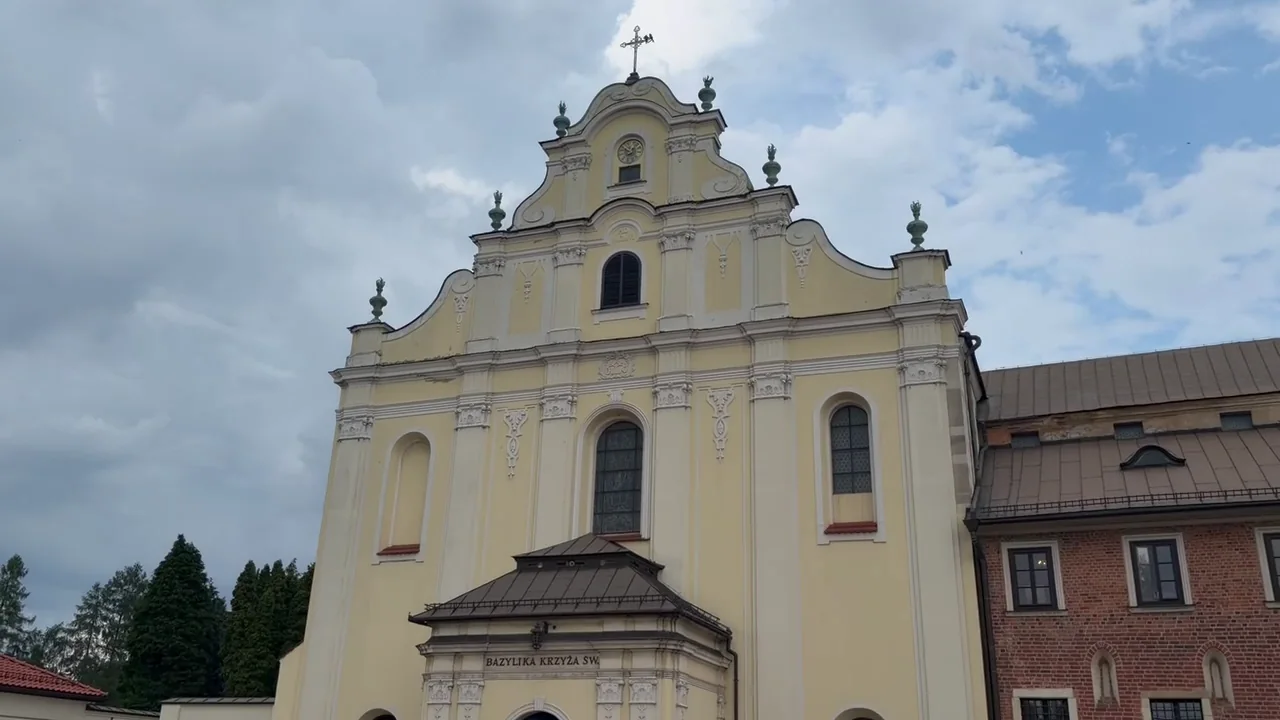
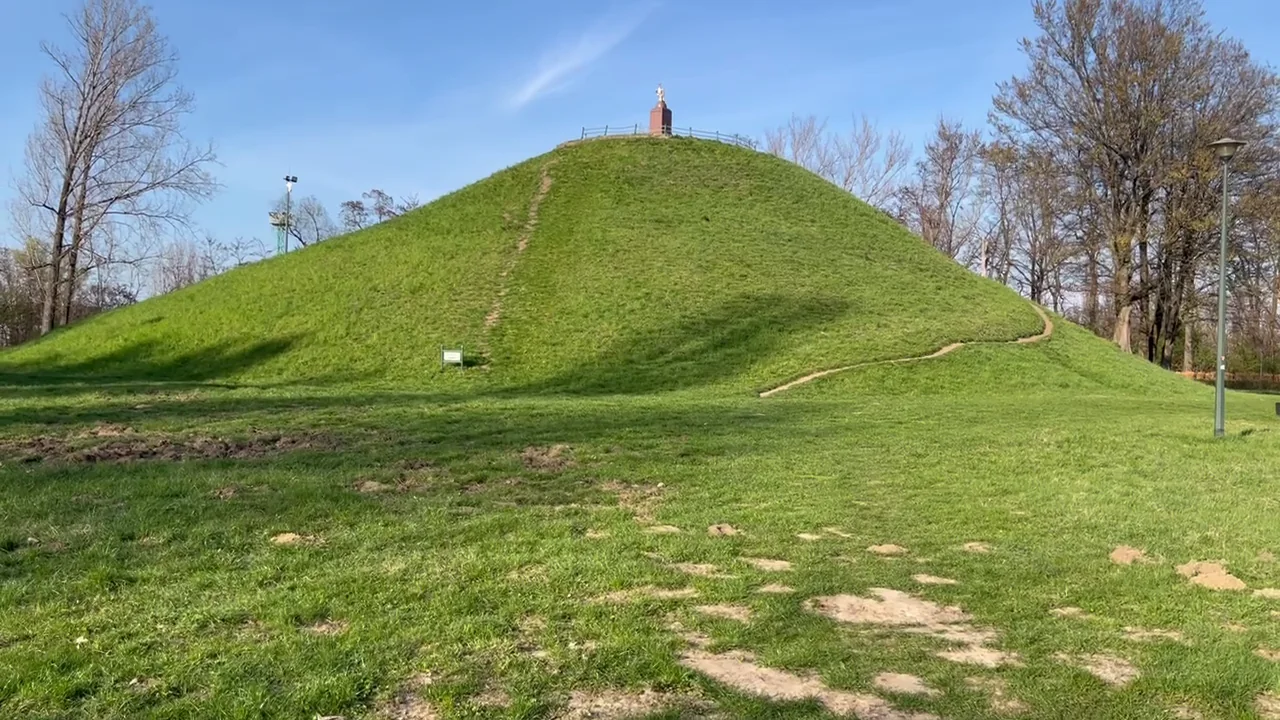
The socialist city was built on land with a much older story. Mogiła Abbey brings medieval religious history into the middle of the twentieth-century plan, while Wanda Mound reaches even further back into archaeology and legend.
These sites matter because they stop Nowa Huta being treated like a city created from nothing in 1949.
Faith the state didn’t want
The fight for a church became one of the defining conflicts of early Nowa Huta. The surviving original cross is a particularly powerful object because it represents the demand for religious space in a district conceived through an officially atheist political system.
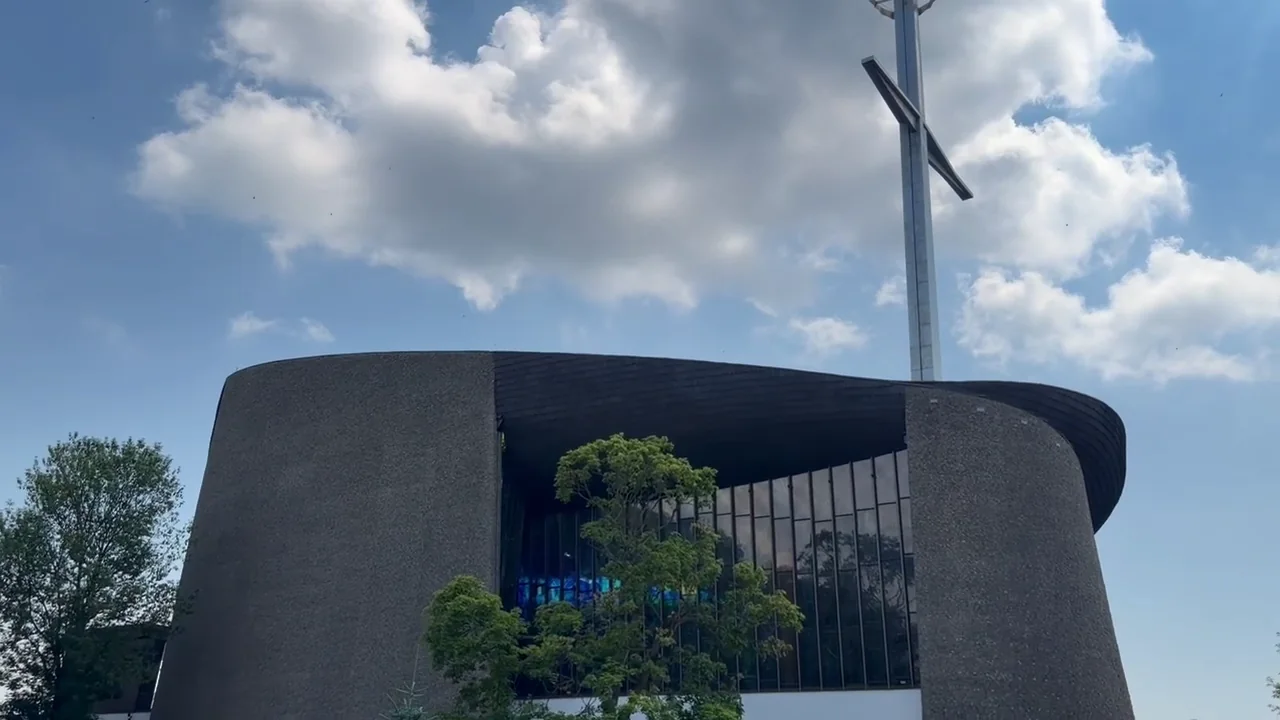
Arka Pana, eventually consecrated in 1977, became the most famous architectural result of that struggle.
Resistance & Solidarity
By the 1980s, Nowa Huta was no longer simply a showcase of state planning. Steelworkers and local communities became central to opposition activity and Solidarity-era resistance.
The district therefore tells an unusually complete communist-period story: construction, ideology, everyday life, conflict and finally organised resistance all exist in the same urban landscape.
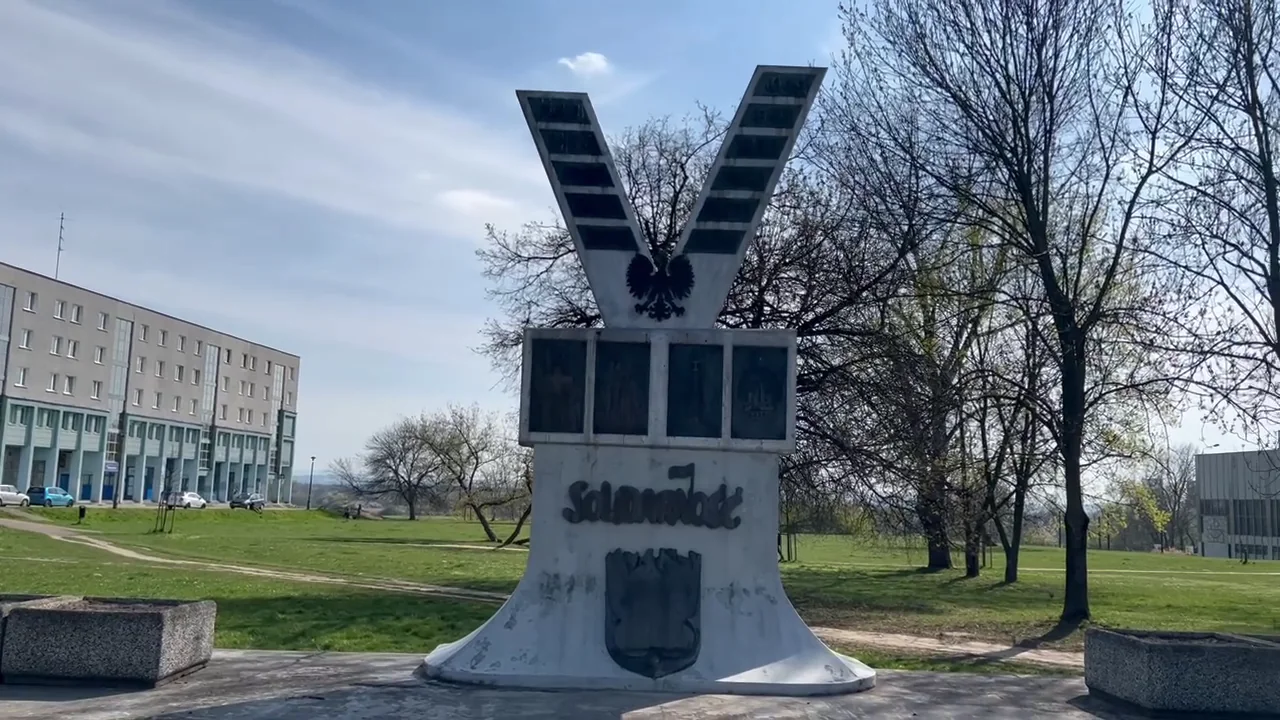
Beneath Nowa Huta
The Cold War story continues underground. Shelters and bunker spaces beneath the district show how civil-defence planning was built into ordinary urban life.
Nowa Huta Underground turns those spaces into a visitor experience and adds a physical dimension to Cold War history that the monumental streets above cannot provide.
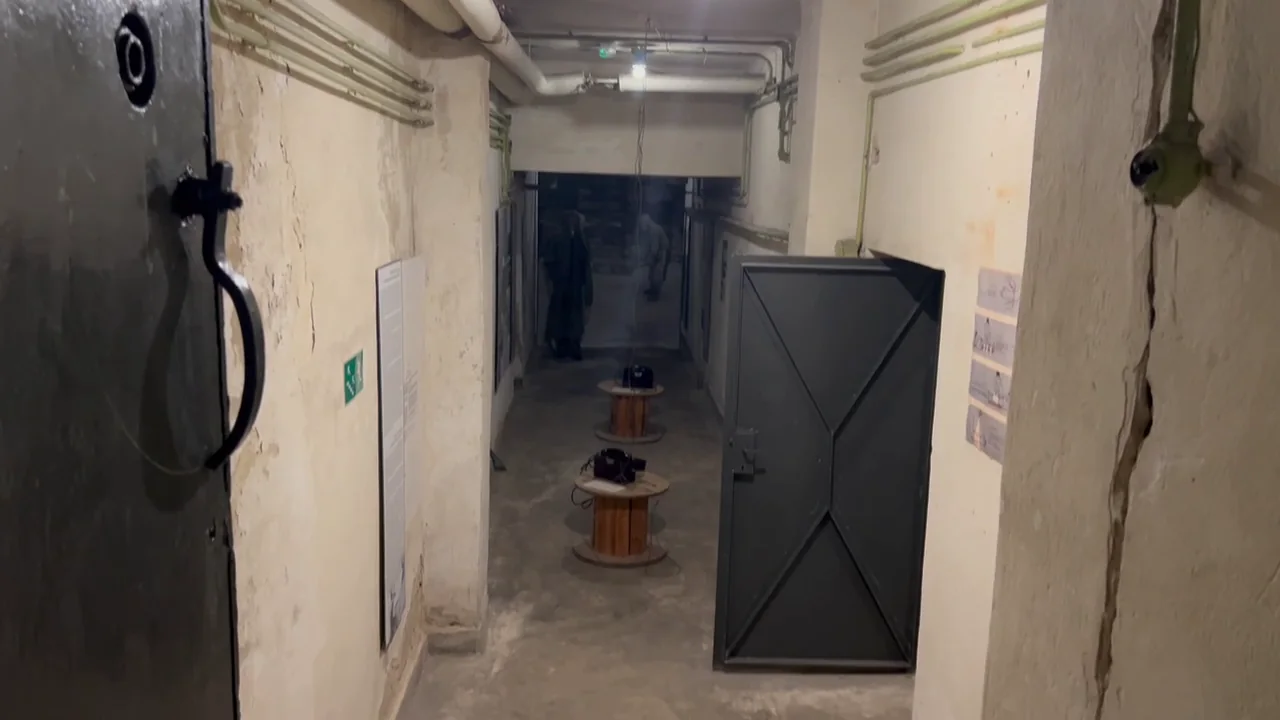
Military memory
The surviving IS-2 tank is one of the district’s most obvious pieces of military memory. Whether you find it impressive, awkward or ideologically loaded, that tension is part of the value.
Nowa Huta is full of objects whose meaning changed as the political system around them changed.
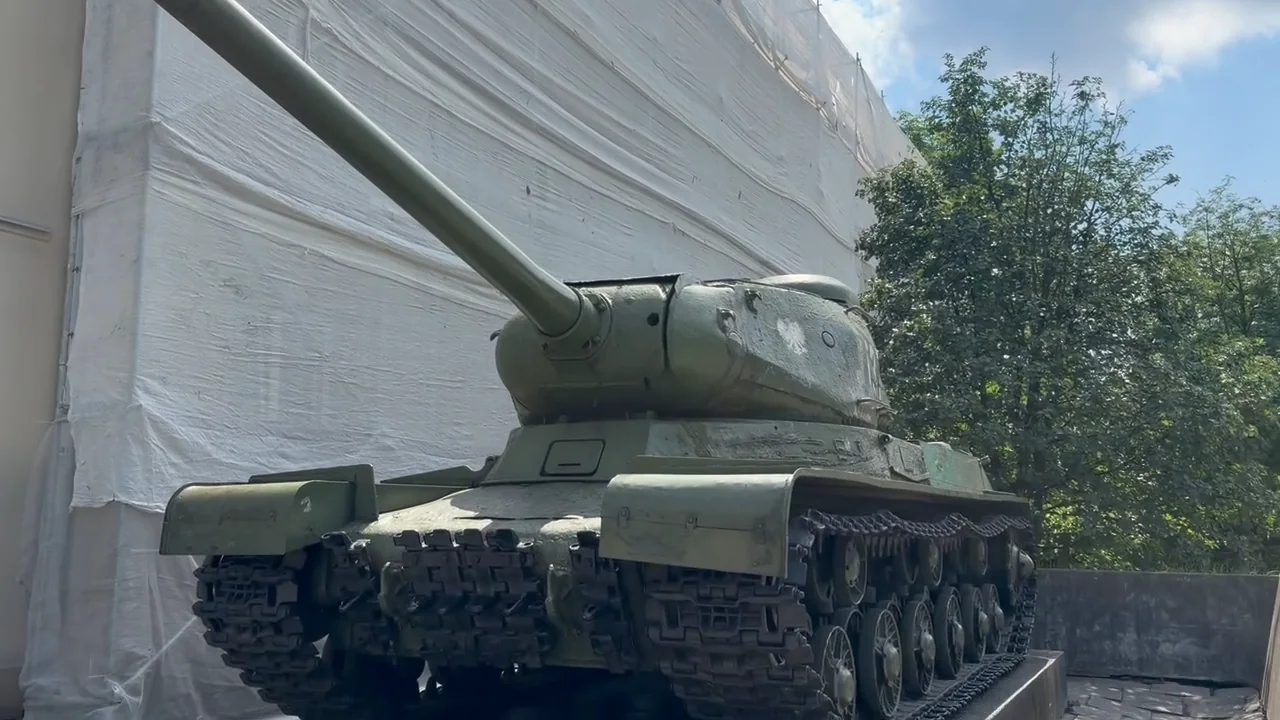
What Nowa Huta became
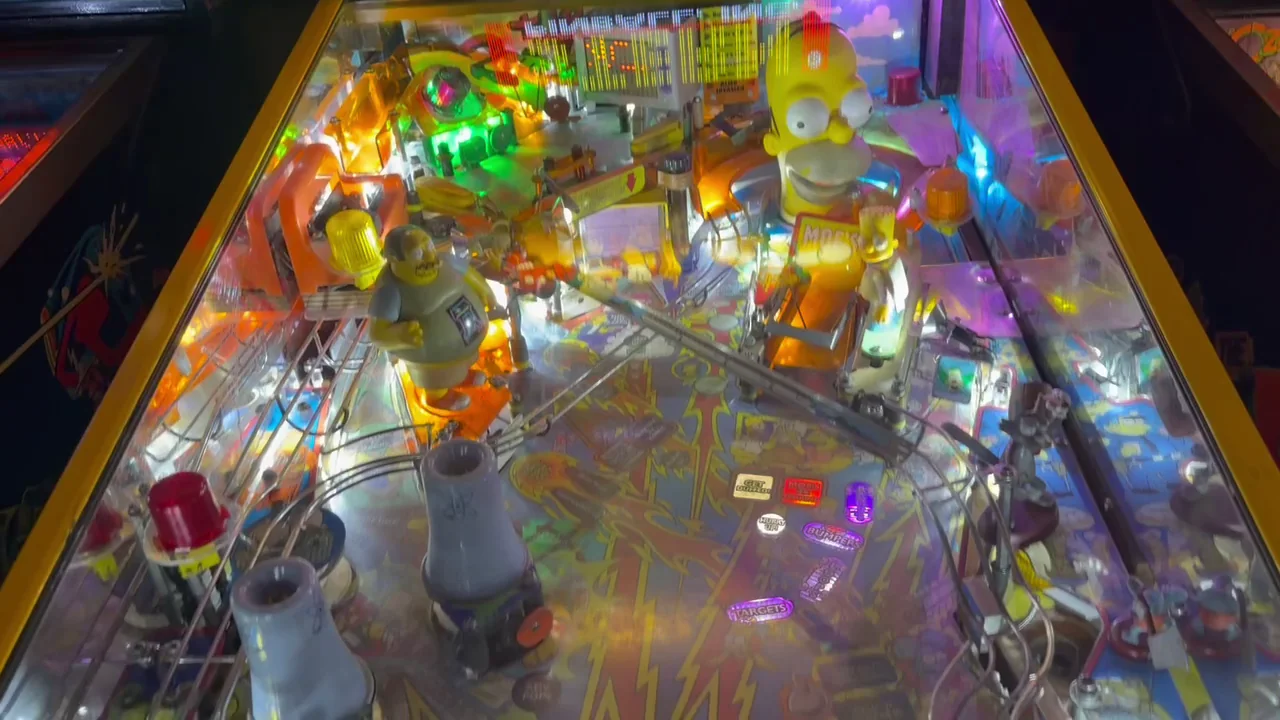
Present-day Nowa Huta is not a frozen open-air museum of communism. The Nowa Huta Cultural Centre, art exhibitions, the reservoir and even the Arcade Museum show a district that kept evolving after 1989.
I particularly like this contrast because it prevents the page from ending with regime history. People live here now, and the district has its own contemporary cultural life.
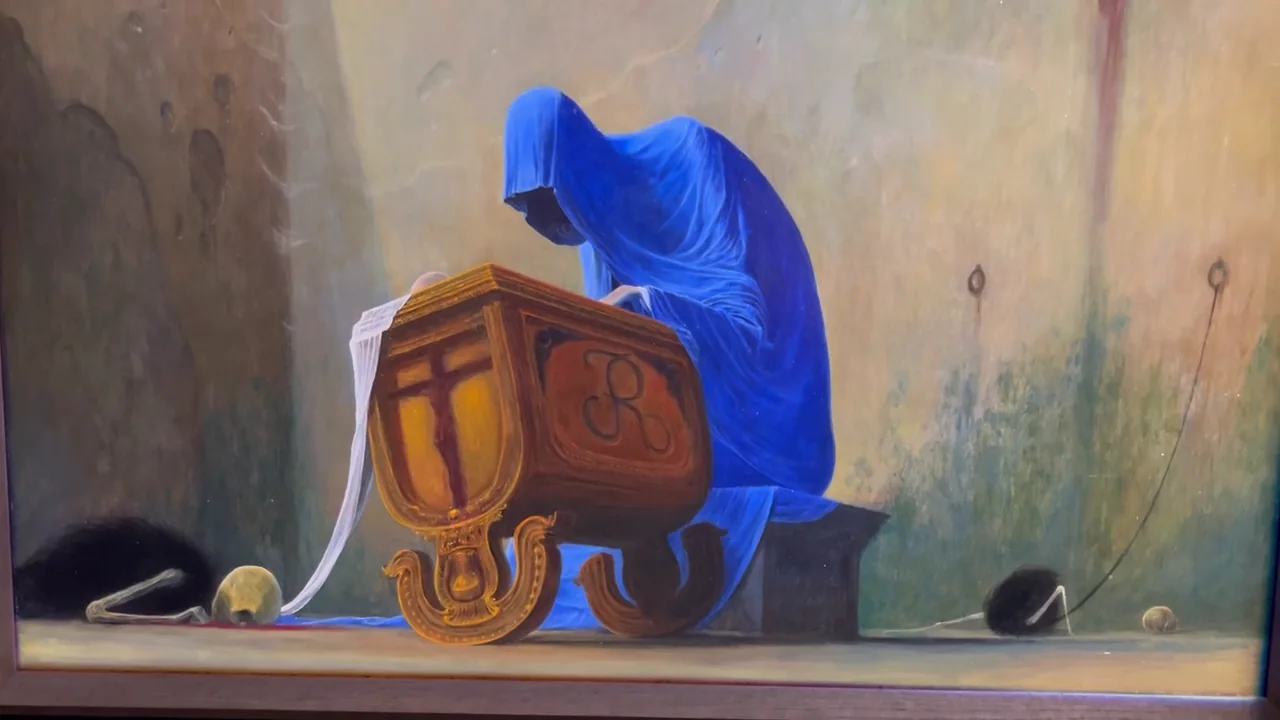
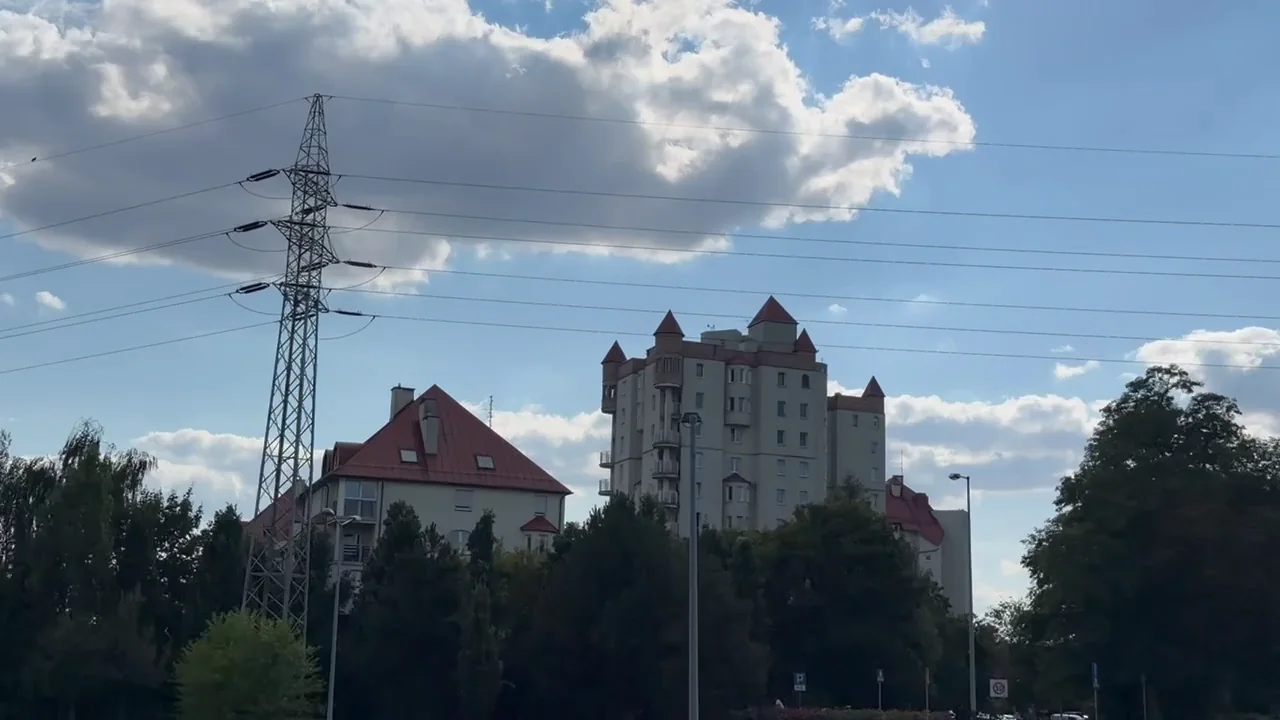
Blok-Zamek
Blok-Zamek is a fitting final stop because it looks almost like a castle translated into apartment-block language. It is visually distinct even within a district already famous for monumental housing.
Ending here reinforces the point of the whole visit: Nowa Huta is much more architecturally varied than the shorthand “communist housing estate” suggests.
Why I think Nowa Huta is essential Kraków
If you only see Rynek, Wawel and Kazimierz, you understand Kraków’s historic prestige but miss a huge part of modern Polish history.
Nowa Huta works because the ideology is still visible in the buildings — and so are all the ways people complicated, resisted and repurposed it.
Check the official sites before you go
I keep changing prices, opening hours and seasonal access out of the main guide wherever possible. Use these sources for the current position: