Brit in Poland
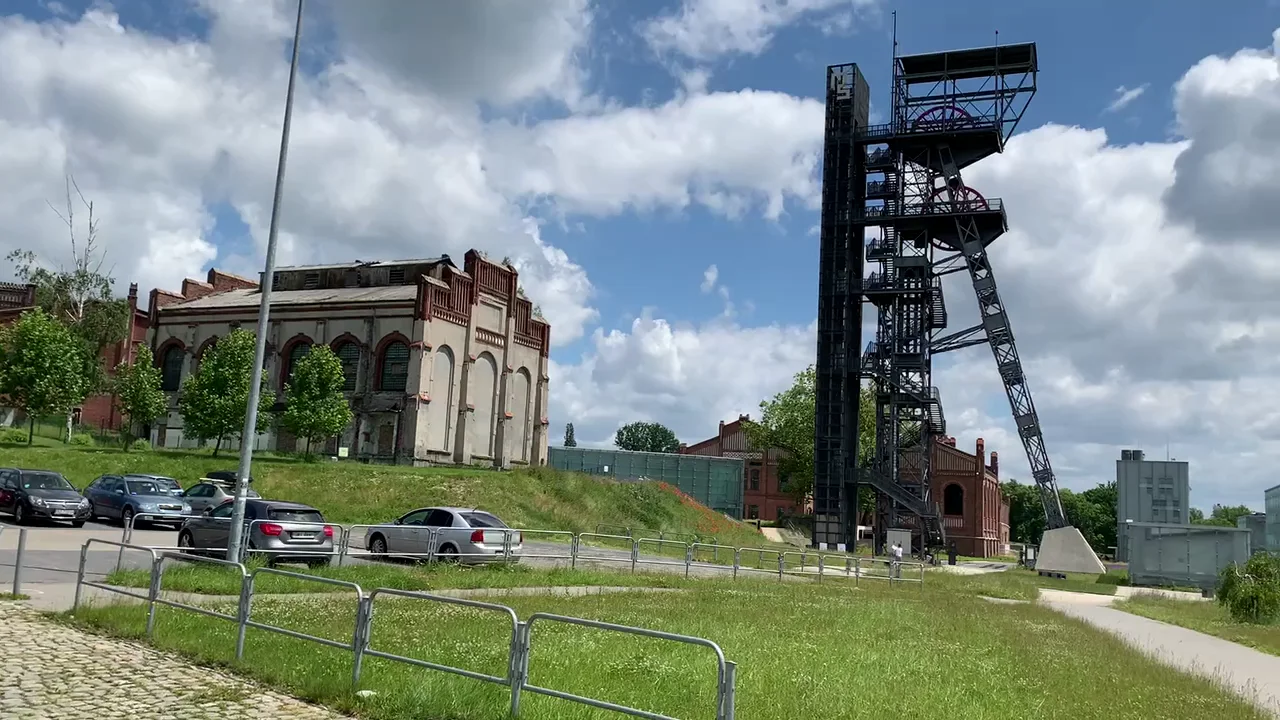
Historic industrial landscape in Katowice with a mine shaft tower
History · work · cities · transformation

Industrial Poland.

How textiles, coal, steel, oil and shipyards created new cities, new fortunes, new communities — and landscapes that still shape Poland today.

Before the factories

There was no single Polish industrial revolution.

For most of the nineteenth century, the lands of the former Polish–Lithuanian Commonwealth were divided between the Russian, Prussian and Austrian empires. Industrial growth therefore happened under different governments, markets and transport systems — and at very different speeds.

That uneven development helps explain why Poland still contains such distinctive industrial landscapes. Łódź became a textile metropolis. Żyrardów grew around one great linen complex. Upper Silesia became a dense mining and metallurgical region. Galicia developed an early oil industry. Warsaw and Poznań layered factories onto older cities.

To understand modern Poland, it helps to read the factory wall, the mine shaft and the workers’ street as carefully as the castle or cathedral.
1820sFactory settlements expandTextile development accelerates in the Kingdom of Poland.
1833Żyrardów produces linenIndustrial production begins in the new factory settlement.
1839Steam in ŁódźLudwik Geyer installs steam power at the White Factory.
1853–54The oil story beginsKerosene lighting and the Bóbrka oil field mark a new industry.
19th c.Silesian heavy industryMining, metallurgy and workers’ settlements reshape the region.
1937–39Central Industrial DistrictIndependent Poland launches its largest interwar industrial programme.
1949+Post-war megaprojectsHeavy industry expands under the socialist state; Nowa Huta becomes the symbol.
1989+Restructure & reuseClosure, privatisation and reinvention turn many industrial sites into heritage.
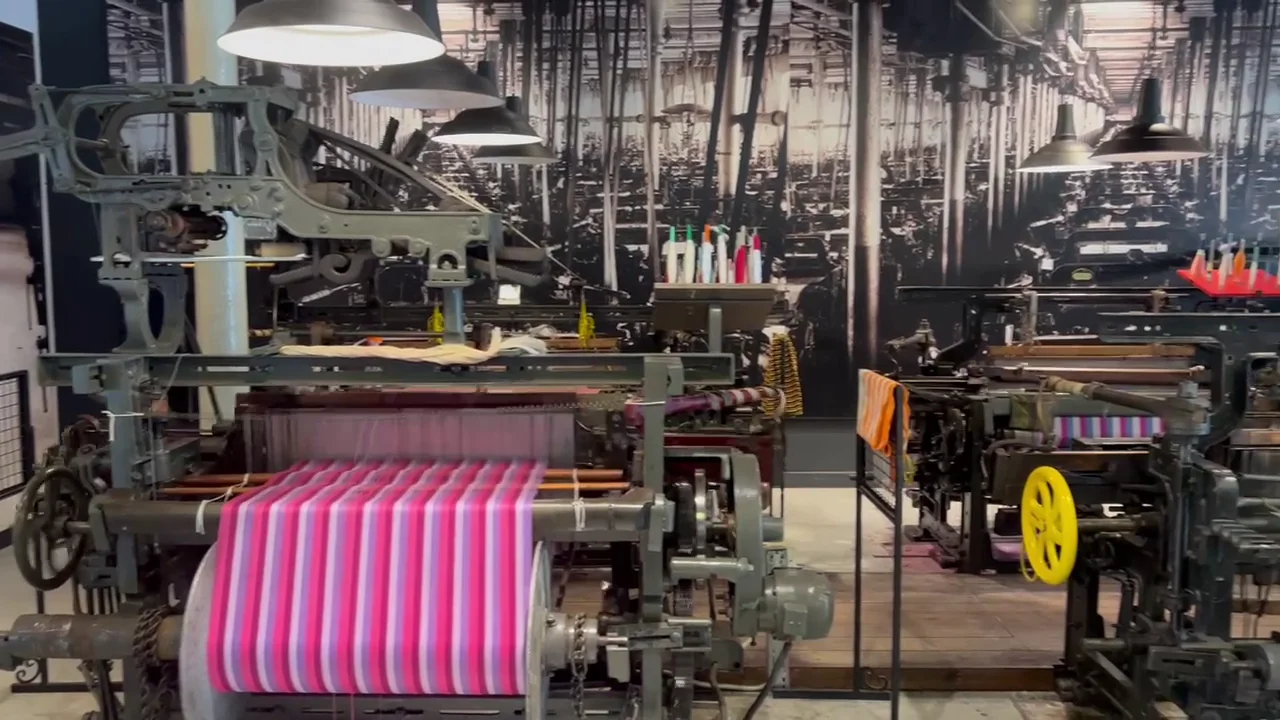
Working textile machinery in Łódź
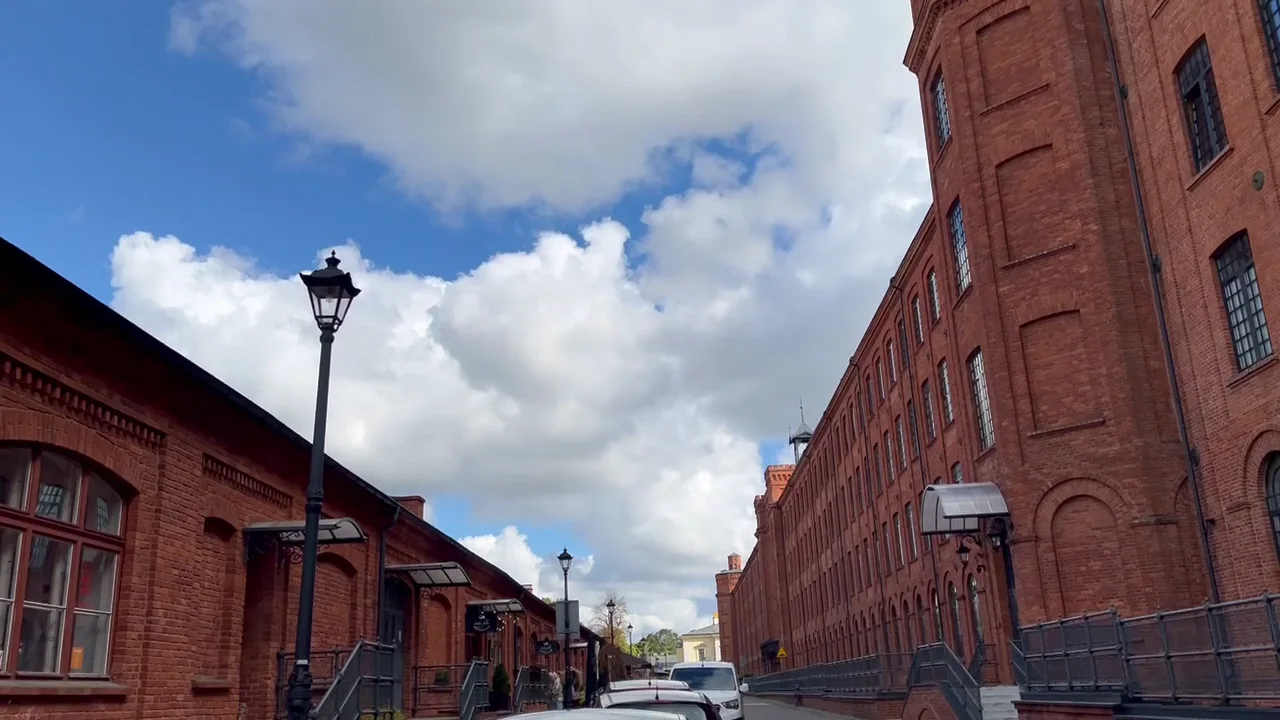
Red-brick factory complex at Księży Młyn in Łódź
01Textiles · urban explosion

Łódź

The factory city that became a metropolis.

Few places show the speed of nineteenth-century industrial change as clearly as Łódź. Textile production drew capital, technology and workers into a settlement that expanded at extraordinary pace, leaving behind a cityscape of mills, chimneys, workers’ housing and factory owners’ palaces.

Księży Młyn, built by Karol Scheibler, captures the system in miniature: mill buildings, warehouses, housing, services and a railway siding formed a planned industrial community. Other empires — including those of Ludwik Geyer and Izrael Poznański — made industrial architecture central to the city’s identity.

The collapse of much of the textile sector at the end of the twentieth century did not erase that landscape. Former factories now house museums, offices, hotels, housing, culture and retail — making Łódź one of Poland’s clearest examples of post-industrial reuse.
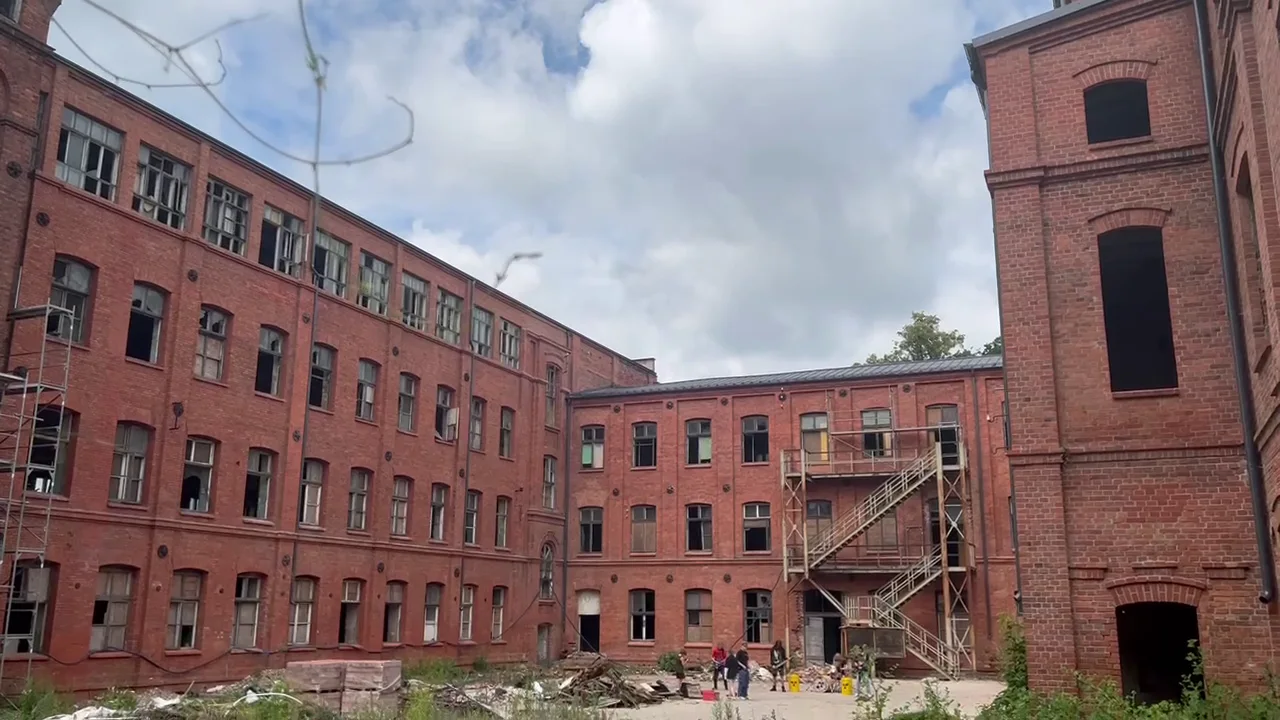
Historic red-brick linen factory complex in Żyrardów
Żyrardów is one of Poland’s clearest examples of a town whose urban structure grew directly from a factory system.
02Linen · company town

Żyrardów

When the factory came first and the town followed.

Żyrardów tells a more concentrated story than Łódź. Industrial linen production began in 1833 around technology associated with the French engineer Philippe de Girard — whose surname ultimately gave the settlement its name.

Under the later ownership of Karol Hielle and Karol August Dittrich, the works expanded into one of Europe’s major linen centres. Housing, public buildings and services developed around the factory, producing a remarkably coherent industrial townscape.

That relationship is still visible: the former factory settlement remains the historic heart of Żyrardów rather than a detached industrial suburb.

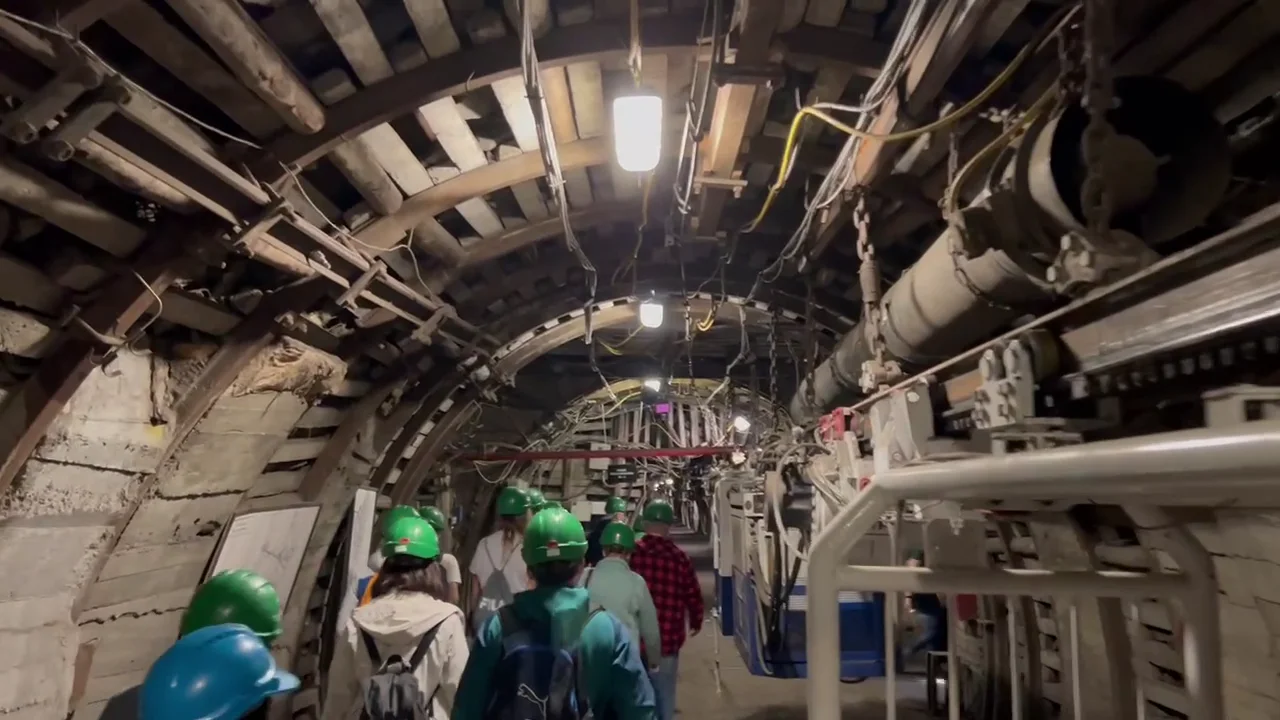
Visitors inside a preserved mine in Silesia
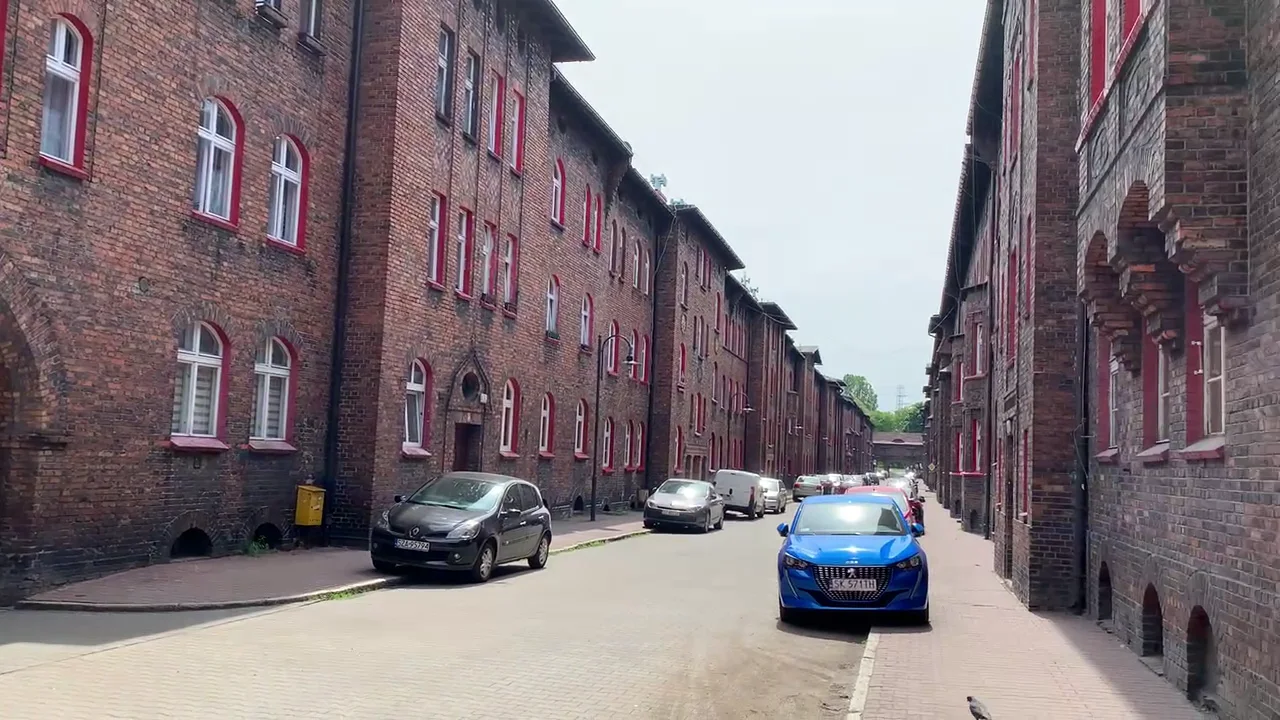
Historic brick workers' housing in an industrial settlement
03Coal · metals · worker culture

Upper Silesia

Industry becomes a regional landscape.

In Upper Silesia, mining and metallurgy were not simply individual businesses. Mines, steelworks, railways, power systems and worker settlements accumulated into one of Europe’s great industrial regions.

The story is older and broader than coal alone. The UNESCO-listed mining landscape at Tarnowskie Góry preserves centuries of lead, silver and zinc mining together with an extraordinary underground water-management system. Later coal and heavy industry transformed towns across the conurbation.

Worker settlements such as Nikiszowiec show how industrial companies shaped everyday life as well as employment: housing, streets, churches and services were designed around the workforce. The result was a regional culture in which work, language, family and industrial identity became deeply intertwined.

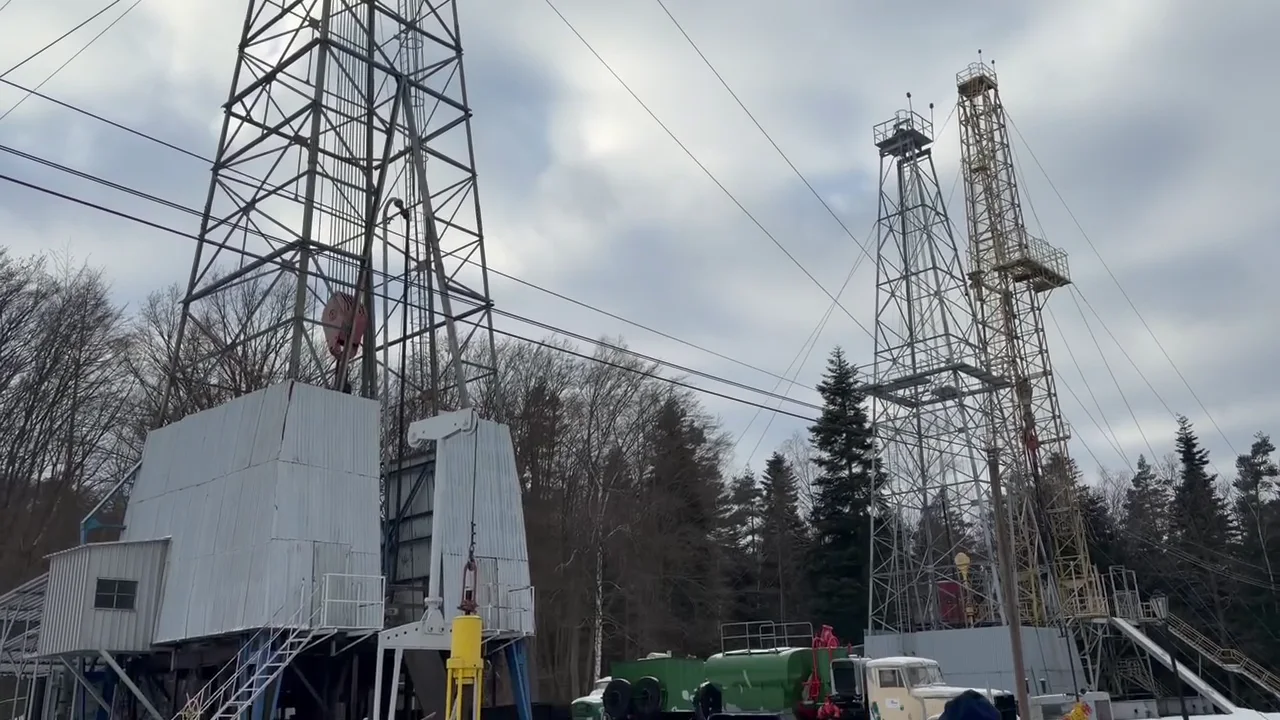
Historic oil drilling equipment at Bóbrka in south-eastern Poland
Bóbrka preserves the machinery and landscape of the early Galician oil industry.
04Galicia · petroleum

The oil frontier

A surprisingly early chapter in the global petroleum story.

Industrial Poland is easy to imagine in coal-black and factory-red. Galicia adds another colour entirely: oil.

In 1853 kerosene lamps developed through the work of pharmacist Ignacy Łukasiewicz were publicly used in a Lwów hospital. The following year Łukasiewicz, Tytus Trzecieski and Karol Klobassa-Zrencki established the oil field at Bóbrka, where industrial extraction began.

The site still operates while also serving as the Museum of Oil and Gas Industry, making it an unusual place where industrial archaeology and an active working landscape overlap.

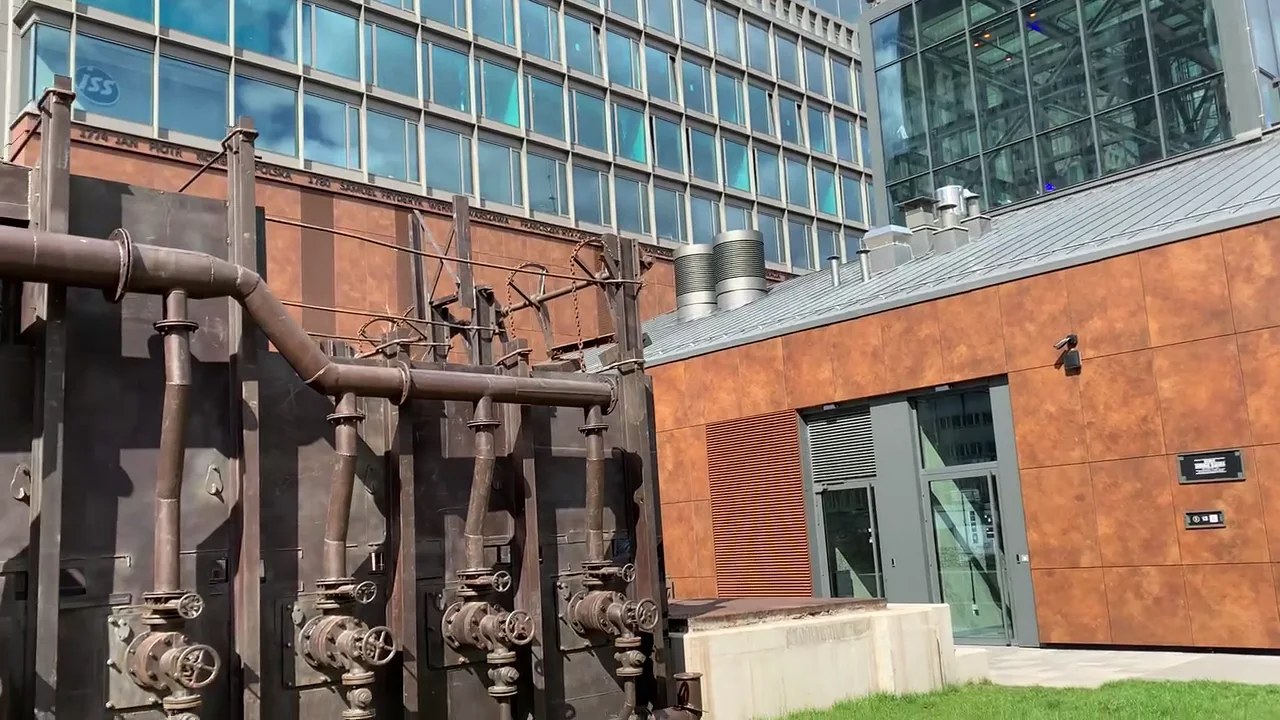
Preserved industrial machinery and brick architecture in Warsaw
In older cities such as Warsaw, industrial sites became one layer within a much larger urban fabric.
05Machinery · urban industry

Warsaw & Poznań

Industry grows inside cities that already existed.

Łódź and Żyrardów were transformed by industrialisation so completely that industry became their organising principle. Warsaw and Poznań followed a different pattern: factories, workshops, rail infrastructure and engineering companies were inserted into older political and commercial cities.

In Poznań, Hipolit Cegielski developed a small iron-goods business into a growing machinery enterprise in the mid-nineteenth century, including agricultural machinery and a foundry. Warsaw developed its own dense mixture of metalworking, machinery, consumer production and rail-linked industry.

War damage, redevelopment and later restructuring mean much of this industrial layer is less visually dominant today — but surviving complexes still reveal how production once sat remarkably close to ordinary city life.

A new phase

When the state takes the wheel.

After independence returned in 1918, Poland inherited industrial regions built under three different empires. The twentieth century brought attempts to rebalance and accelerate that geography through large state-led projects.

Those projects belonged to very different political systems, but they shared one characteristic: factories were expected to create not only production, but settlements, infrastructure and entire new urban futures.

1937–1939 · Second Polish Republic

Central Industrial District

The Central Industrial District was the largest economic investment programme of interwar Poland. Stalowa Wola became its flagship: steel and mechanical works, power infrastructure and a new workers’ settlement were built rapidly before the programme was cut short by the outbreak of war.

Explore the region →
1949 onward · post-war Poland

Nowa Huta and heavy industry

After 1945, state industry expanded on a much larger scale. Nowa Huta — begun in 1949 beside a huge steelworks — became the most famous planned industrial city of the period, designed to combine production, housing and ideology in one urban project.

Read the Nowa Huta guide →
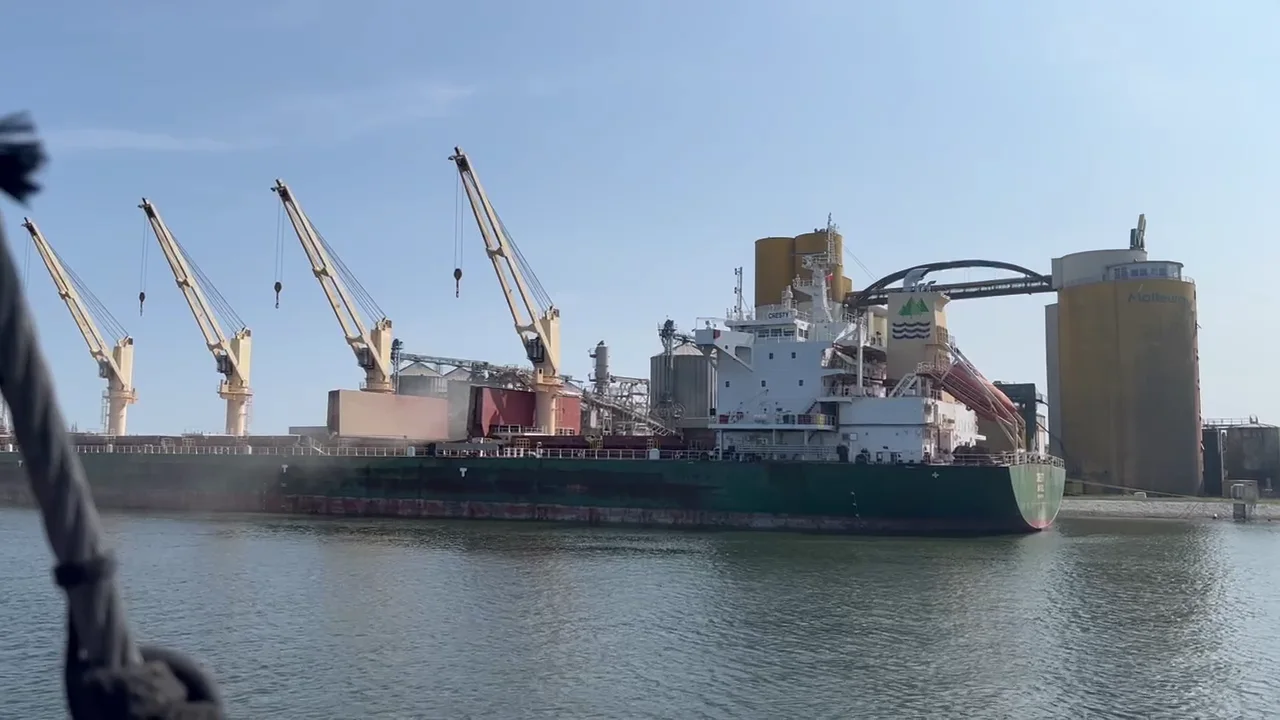
Cargo ship and shipyard cranes on the Baltic coast in Gdańsk
Shipbuilding tied Gdańsk’s industrial economy to the Baltic and eventually to one of the defining labour movements of twentieth-century Poland.
06Shipbuilding · Baltic industry

The Baltic

Ports, shipyards and workers at the edge of the sea.

Gdańsk’s shipbuilding history stretches back well beyond the communist period, but the twentieth-century state-owned shipyard brought industry, labour and politics together with unusual force.

The shipyard was an enormous workplace and an industrial city within the city. It also became a site of major worker protest and, in 1980, the birthplace of the Solidarity trade union movement. That gives Gdańsk’s industrial heritage a significance that reaches far beyond engineering or maritime history.

Today the former shipyard landscape is part working city, part redevelopment zone and part place of memory — a particularly vivid example of how industrial sites can acquire new meanings without losing the old ones.

01

Migration & urban growth

Factories and mines pulled people from villages, small towns and neighbouring countries into rapidly expanding industrial centres.

02

Housing & services

Worker estates, hospitals, schools, shops, rail sidings and utilities often grew directly around major employers.

03

New fortunes & inequality

Industrial capitalism produced spectacular wealth alongside hard labour — visible in the contrast between factory owners’ palaces and workers’ housing.

04

Labour & organisation

Large workplaces concentrated workers, helping create strong labour cultures, strikes, unions and political movements.

05

Regional identity

In places such as Upper Silesia, occupation and industry became woven into language, family history, food, architecture and local identity.

06

Landscape & environment

Mines, spoil heaps, mills, canals, railways and pollution altered the physical environment — sometimes permanently.

After the factory

Industrial Poland did not disappear. It changed use.

The economic restructuring that followed the end of state socialism closed, reduced or transformed many workplaces. The result was painful in communities built around single industries — but it also left Poland with an extraordinary industrial inheritance.

Łódź has turned mills into cultural and commercial spaces. Former mining sites in Silesia have become museums and galleries. Żyrardów’s factory town remains its historic centre. Gdańsk’s shipyard landscape mixes memory, redevelopment and continuing industrial activity.

That is why industrial history belongs in both halves of this website. Here, in Learn About Poland, the question is how industry changed the country. In Discover Poland, the next question is where you can still go and see that change for yourself.

Księży Młyn industrial architecture in ŁódźHistoric workers' housingIndustrial heritage in Katowice
Research trail

Official sources & further reading

This page is an overview rather than an academic history. These official museum, city and heritage sources are useful starting points for the individual stories.