There aren’t many places in Warsaw where you can explore a royal palace, watch peacocks wander past, listen to Chopin beneath the trees and discover an Egyptian temple — all during an afternoon stroll.
Łazienki Królewskie is a royal landscape with an extraordinary story. Beside it, the University of Warsaw Botanical Garden offers a more intimate encounter with the natural world, while Ujazdowski Park brings ornamental gardens, a picturesque pond and an impressive playground. Together, they show a softer side of Warsaw, with centuries of history never far beneath the surface.
FIND YOUR WAY
Łazienki & Ujazdów visitor map
Find the palaces, gardens and monuments before you set off. The numbered key covers 20 sights across Łazienki, the Botanical Garden and neighbouring Ujazdów.
Łazienki means ‘Baths’, recalling the seventeenth-century bathhouse commissioned by nobleman Stanisław Herakliusz Lubomirski and designed by Tylman van Gameren. In 1764, the newly elected king Stanisław August Poniatowski acquired the estate and set out to create a summer residence reflecting his passion for architecture, art and Enlightenment thought.
Working with architects including Domenico Merlini and Johann Christian Kammsetzer, the king transformed the bathhouse into the Palace on the Isle and developed a landscape of gardens, galleries, pavilions and performance spaces. His cultural ambitions were considerable, even as the Polish-Lithuanian Commonwealth approached catastrophe. In 1795, following the Third Partition, Poland disappeared from the political map of Europe.
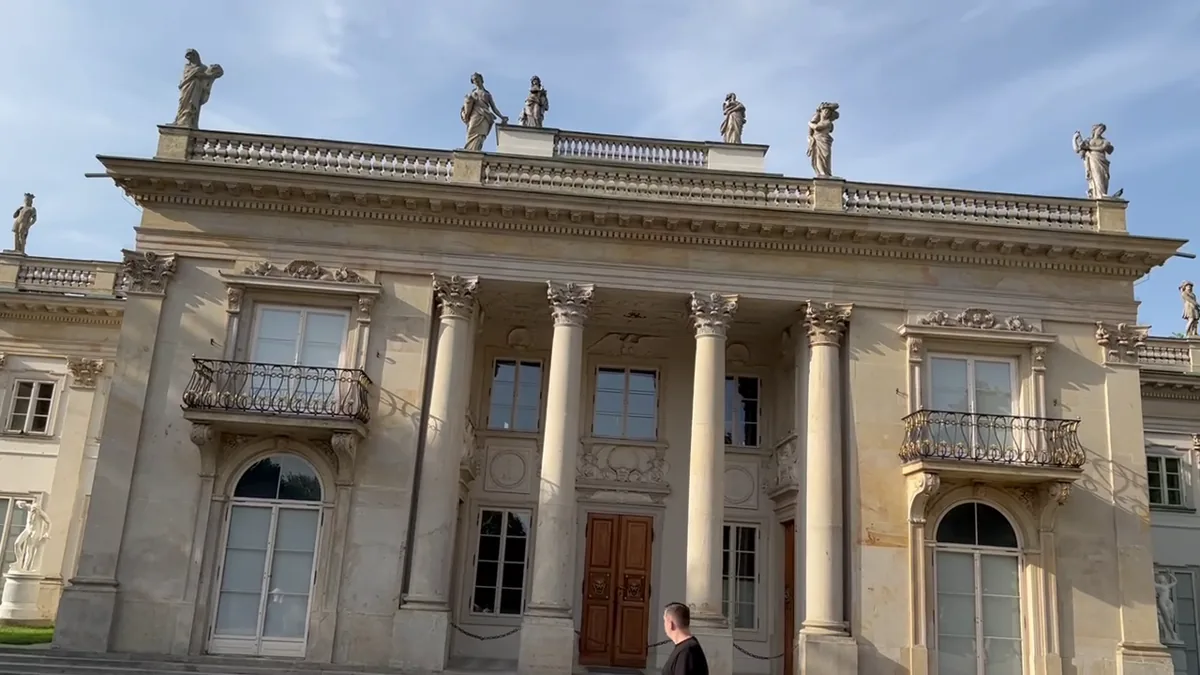
The Palace on the Isle — the centrepiece of the former royal estate · Photograph: A Brit in Poland
The Palace on the Isle
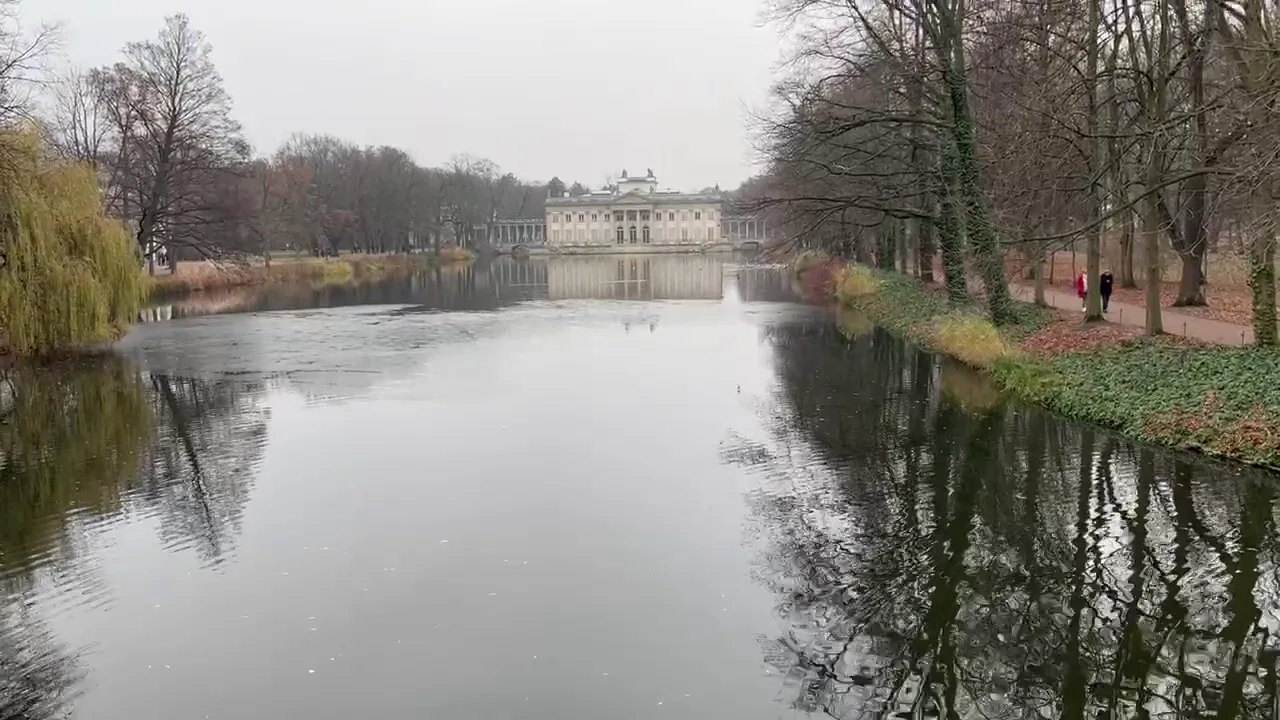
Standing between two bodies of water, Pałac na Wyspie is the park’s most recognisable landmark. Classical columns and carefully composed waterside views give it a deceptively serene appearance; inside are decorated rooms, sculpture and works from the king’s art collection.
Some of Stanisław August’s celebrated Thursday Dinners were held here during summer. The gatherings brought writers, scholars and intellectuals together to discuss literature and reform. During the Second World War, German forces severely damaged the palace and prepared it for demolition. The building survived, and its later restoration became part of Warsaw’s post-war recovery.
The Palace on the Isle reflected across the water in winter · A Brit in Poland
WATCH THE JOURNEY
Łazienki Park: Warsaw’s Royal Gardens & Historic Palace Complex
Explore the royal estate and its highlights with A Brit in Poland. Approximately 17 minutes.
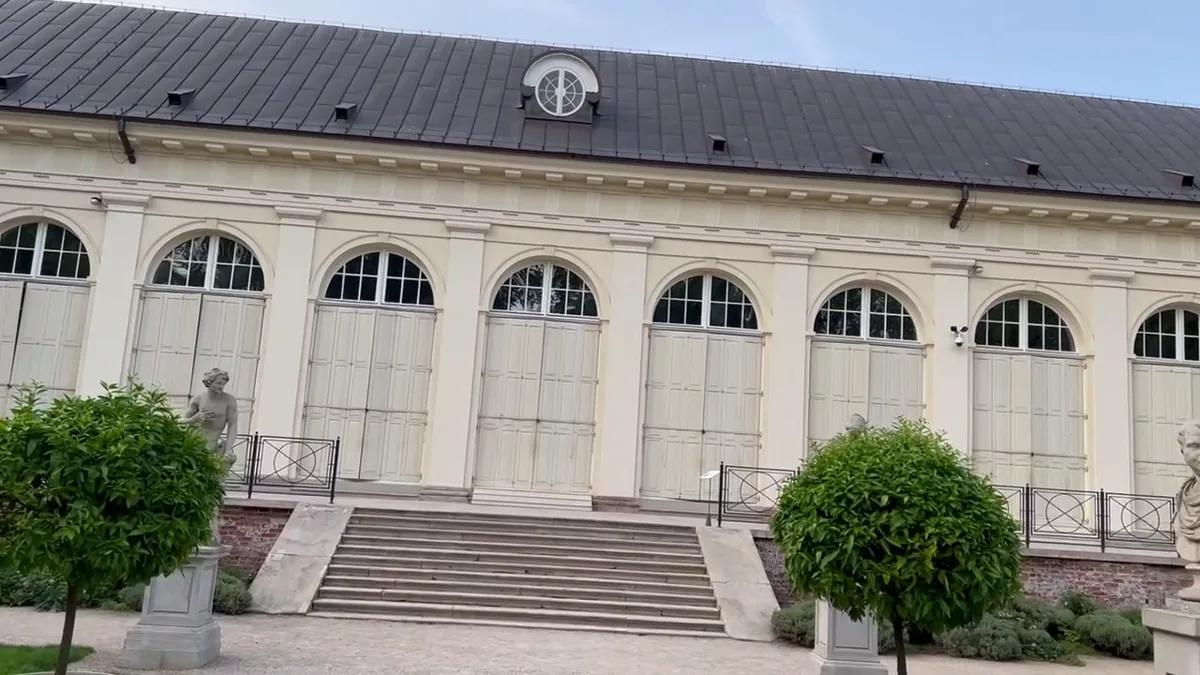
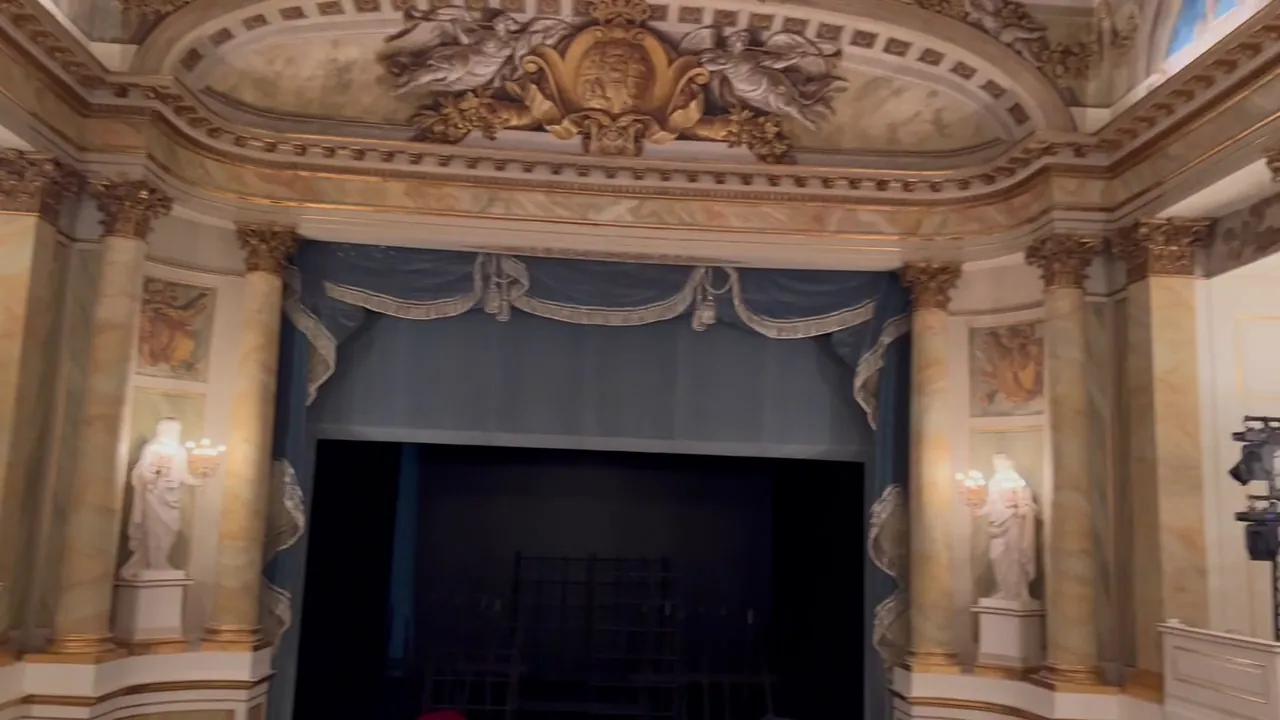
The Old Orangery, completed in 1788 to protect exotic trees, conceals an astonishing cultural treasure: the Royal Theatre, opened on 6 September 1788. With painted architectural illusions, a royal box and classical figures holding gilded candlesticks, it is one of Europe’s rare surviving eighteenth-century court theatres.
The building also contains the Royal Sculpture Gallery. Step inside and the royal estate suddenly becomes much more than an attractive park: you begin to see the king’s vision of a home for art and performance.
The intimate eighteenth-century Royal Theatre inside the Old Orangery · A Brit in Poland
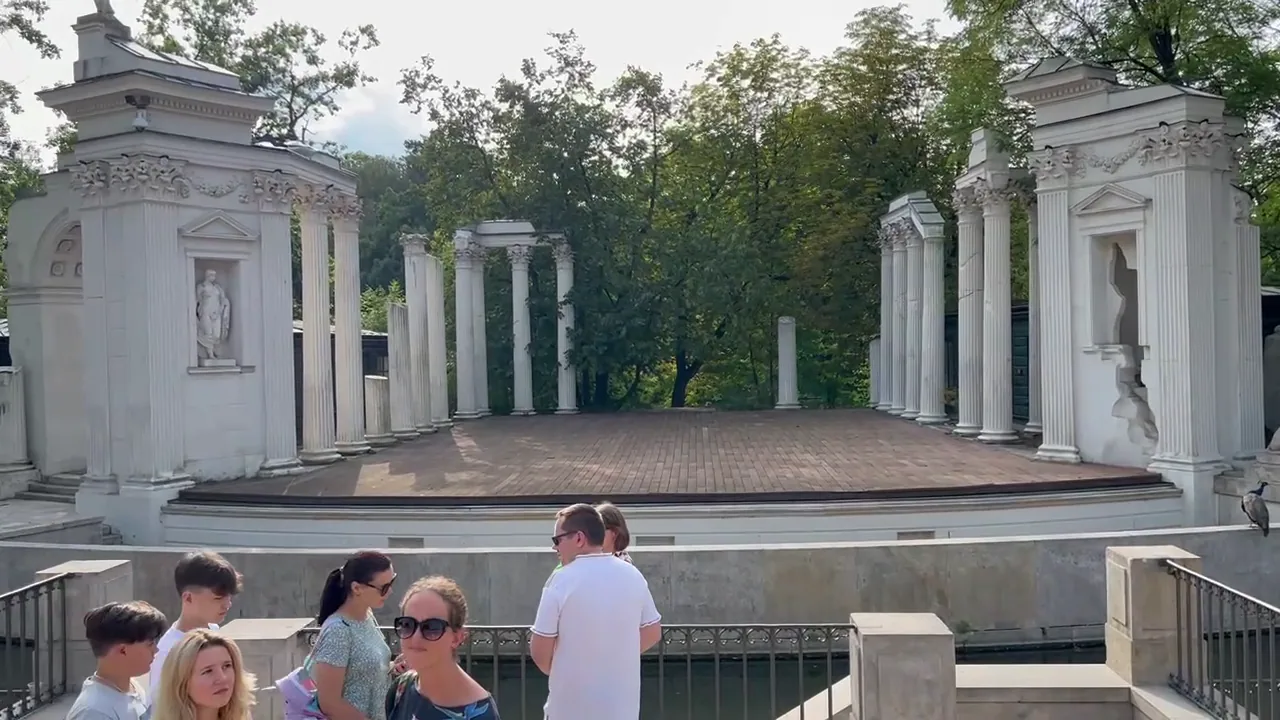
The Amphitheatre — a stage across the water
The Amphitheatre, or Theatre on the Isle, places its stage on an island, separated from the audience by water. Columns and deliberately ruin-like architecture evoke the ancient world, turning the surrounding lake into part of the performance. Even without actors on stage, it is one of Łazienki’s most theatrical sights.
The island stage and classical scenery of the Amphitheatre · A Brit in Poland
Smaller royal residences
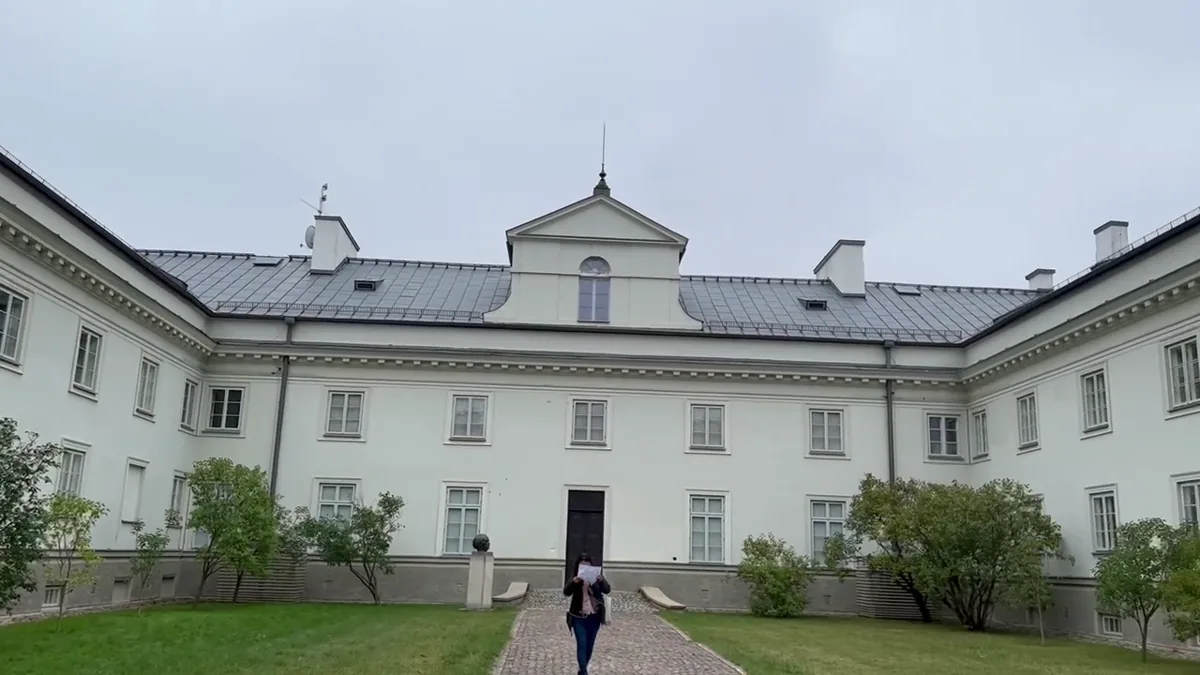
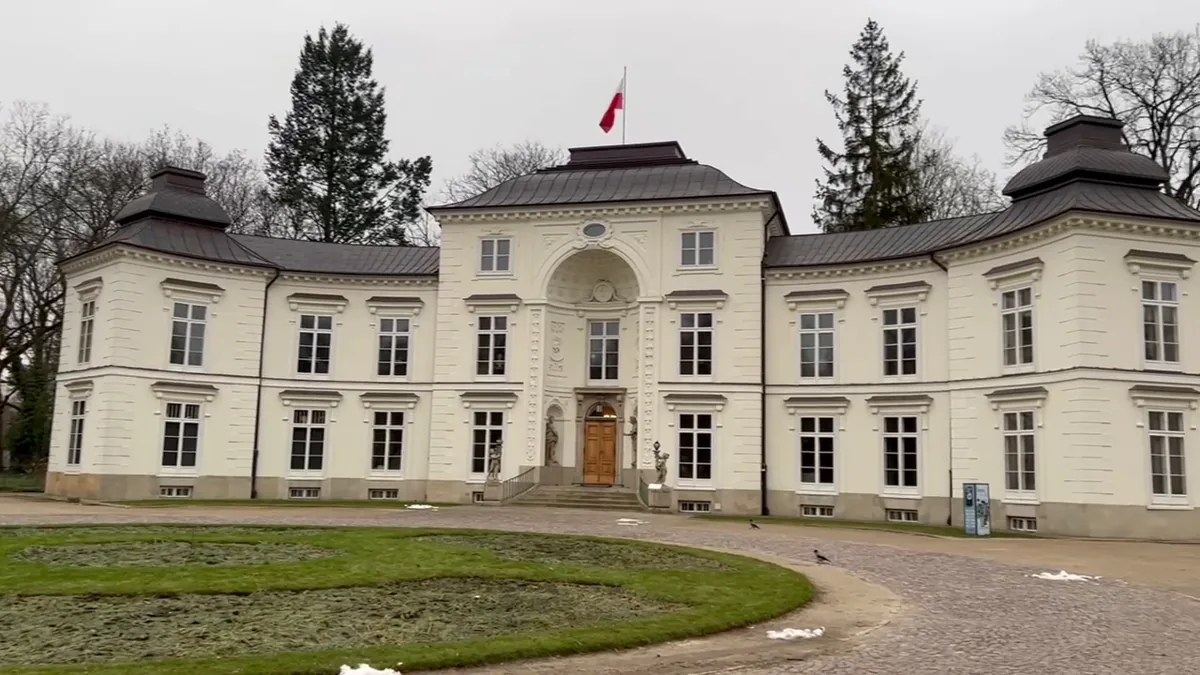
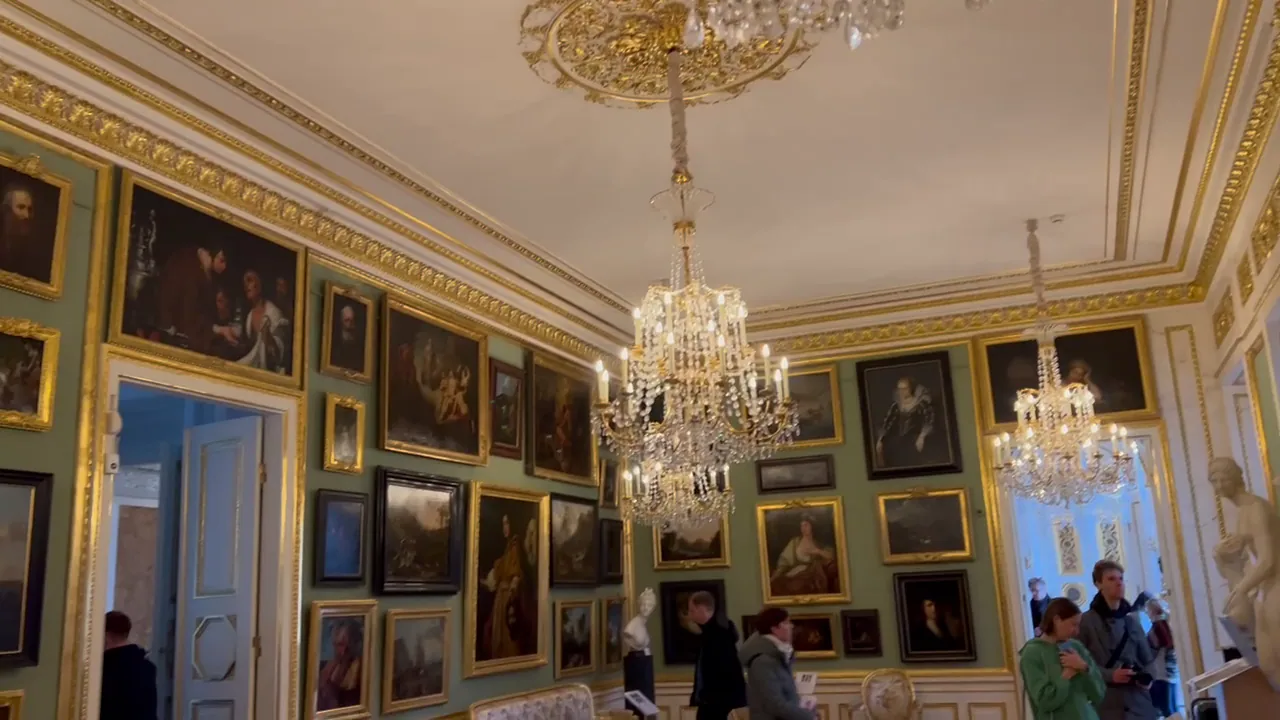
The White Pavilion (Biały Domek) offers a more intimate look at royal life, including a fine dining room and fashionable decorative painting. Myślewicki Palace contains painted landscapes and rooms later used for diplomatic meetings; both deserve a stop if you are exploring the museum interiors.
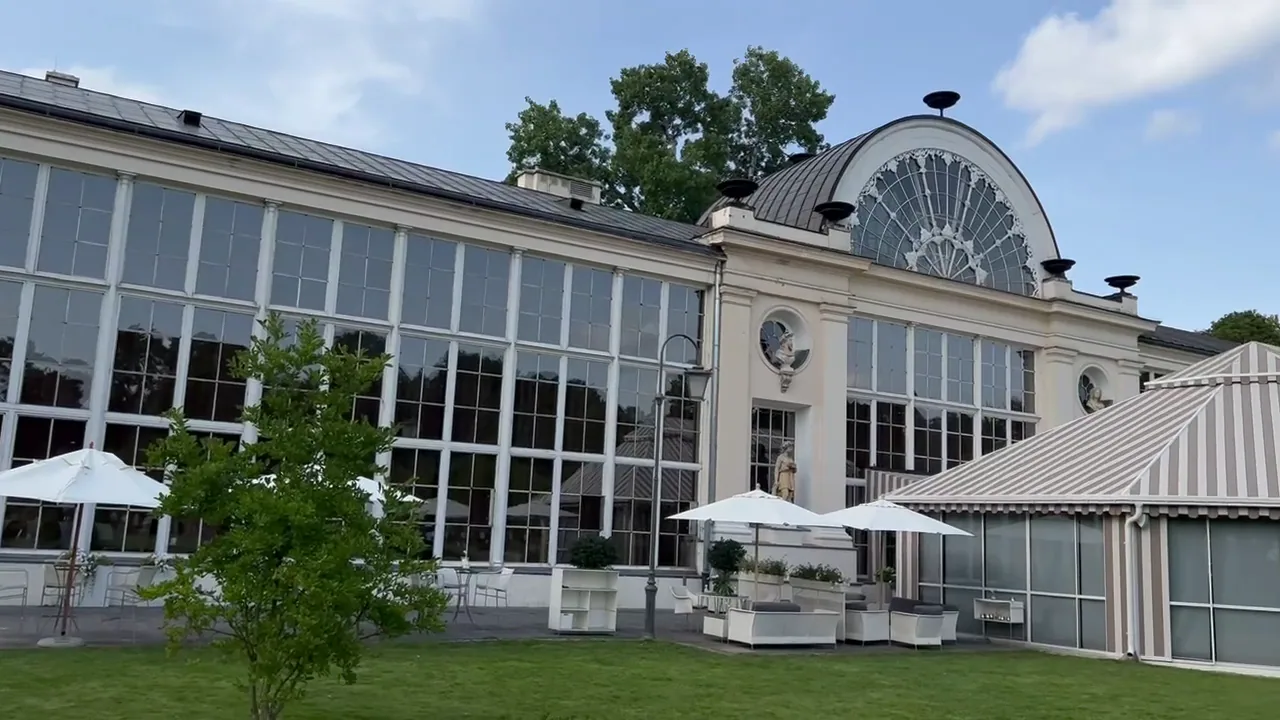
The grand glazed New Orangery represents the estate’s nineteenth-century development and its continued interest in exotic plants. Separate exhibitions and visiting arrangements apply to different buildings.
The White Pavilion — one of Łazienki’s smaller royal residences · A Brit in Poland
Myślewicki PalaceThe grand glazed façade of the New OrangeryRoyal paintings and collections inside the palace
The Egyptian Temple: a very elegant fig house
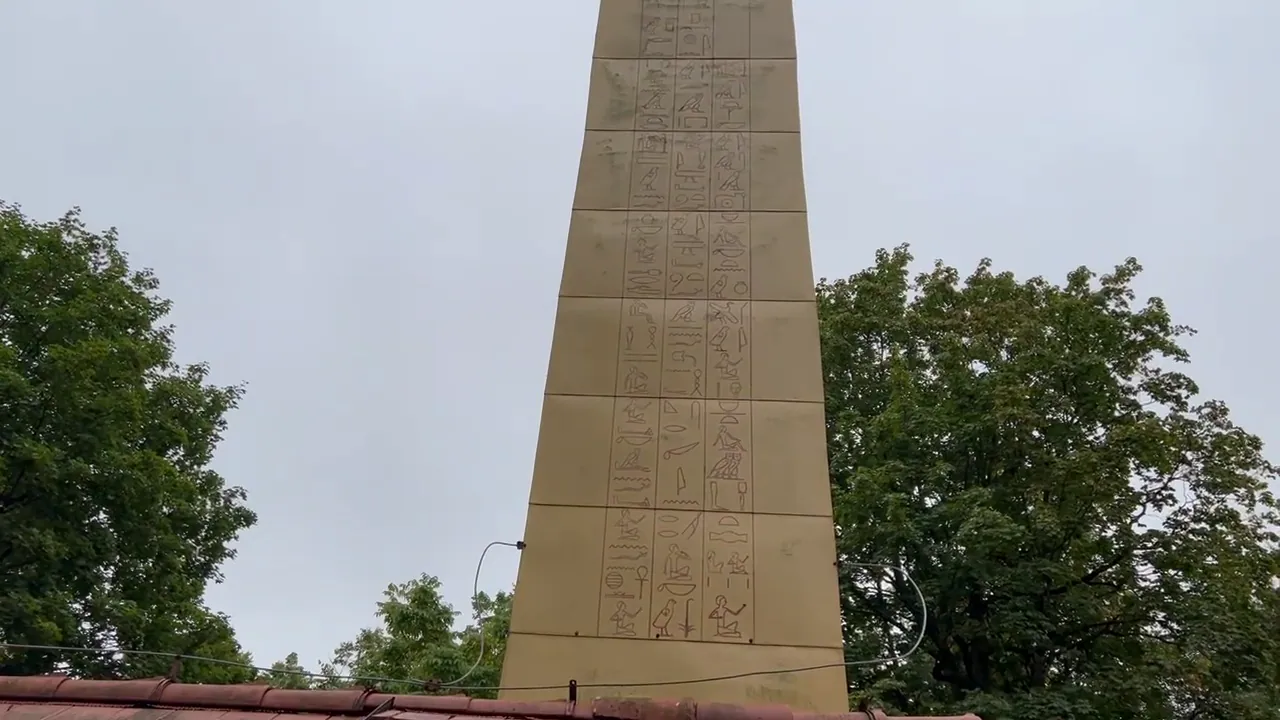
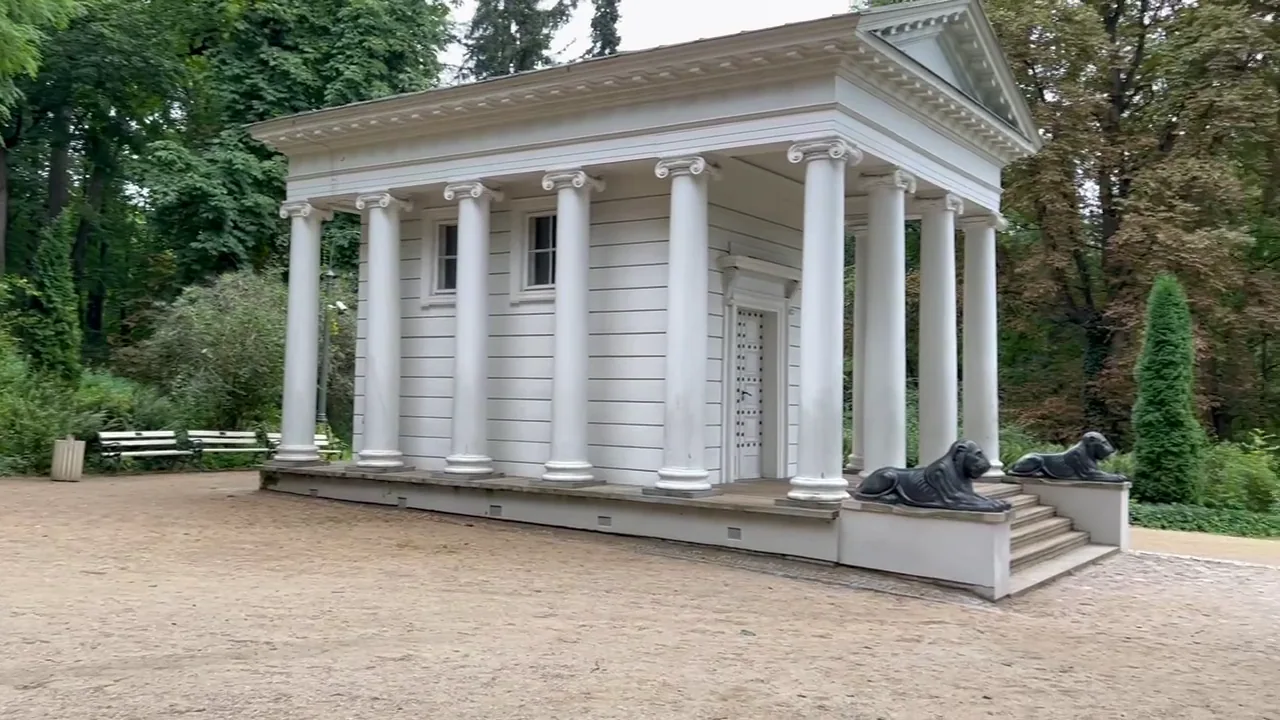
The Egyptian Temple, built around 1825 to a design by Jakub Kubicki, combines lotus-inspired columns, lion sculptures and an obelisk covered in hieroglyph-like decoration. Its purpose was unexpectedly practical: it was used for ripening figs. Better still, the roof forms a bridge across the water, hence the alternative name Egyptian Bridge.
Egyptian-style obelisk rising above the historic pavilion · A Brit in Poland
Temple of the Sibyl
This wooden classical pavilion, built in 1822 to a design by Jakub Kubicki, was formerly known as the Temple of Diana. Its columns and sphinx-like sculptural guardians make an atmospheric contrast with the rest of the gardens.
The Temple of the Sibyl, once called the Temple of Diana · A Brit in Poland
03 / OUTDOORS
Gardens, peacocks and music
The park’s distinct landscapes include the Royal Garden, Romantic Garden and Modernist Garden. Formal beds and open lawns give way to woodland paths, bridges, ponds and quieter places to sit. It is worth leaving space in the day for unplanned turns: sometimes the next pavilion or sculpture is the most memorable discovery.
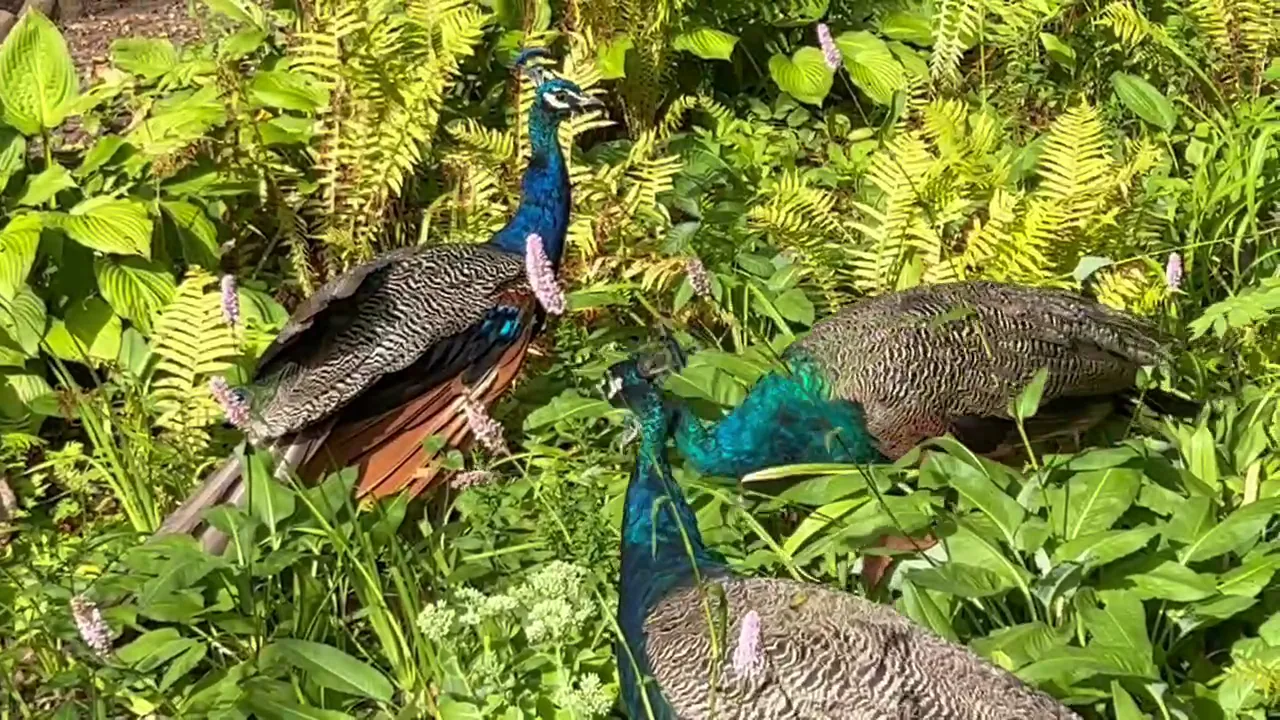
Peacocks and squirrels are part of Łazienki’s charm. The peacocks occasionally appear as though inspecting the estate on behalf of the king. Admire them — and all the park’s wildlife — without feeding or disturbing them.
Peacocks among the plants in Łazienki · Photograph: A Brit in Poland
Chopin beneath the willow
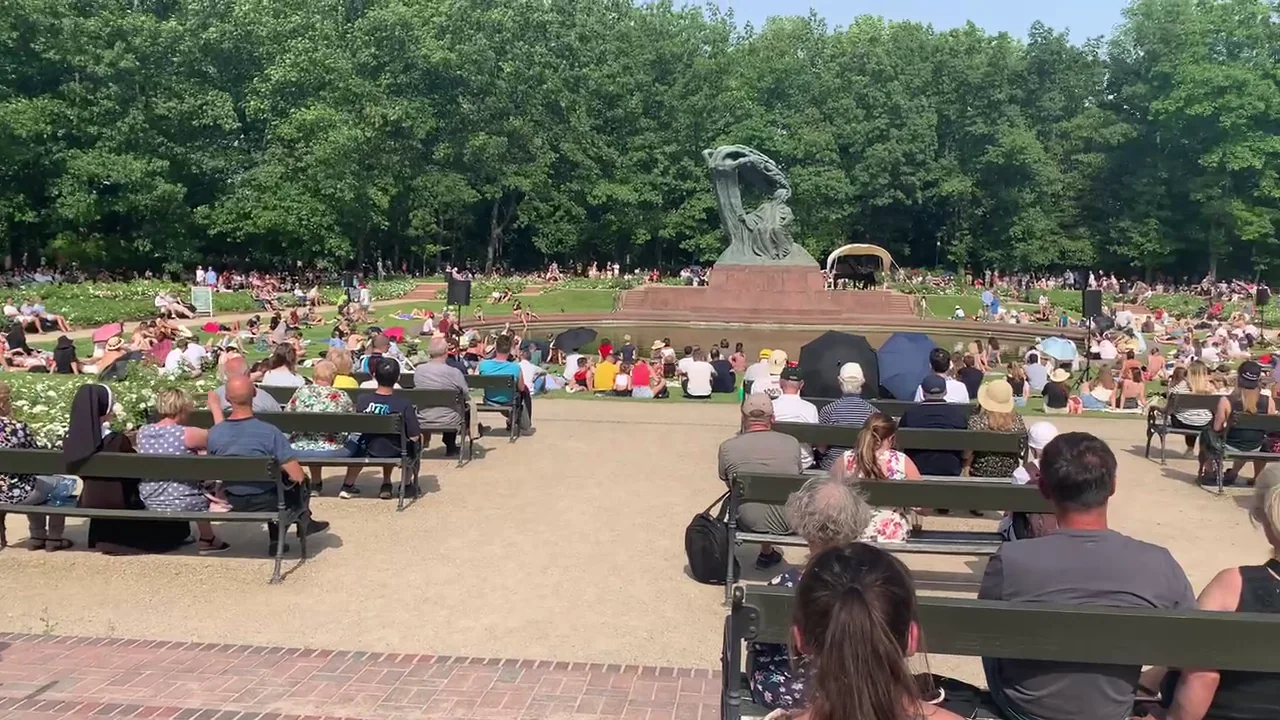
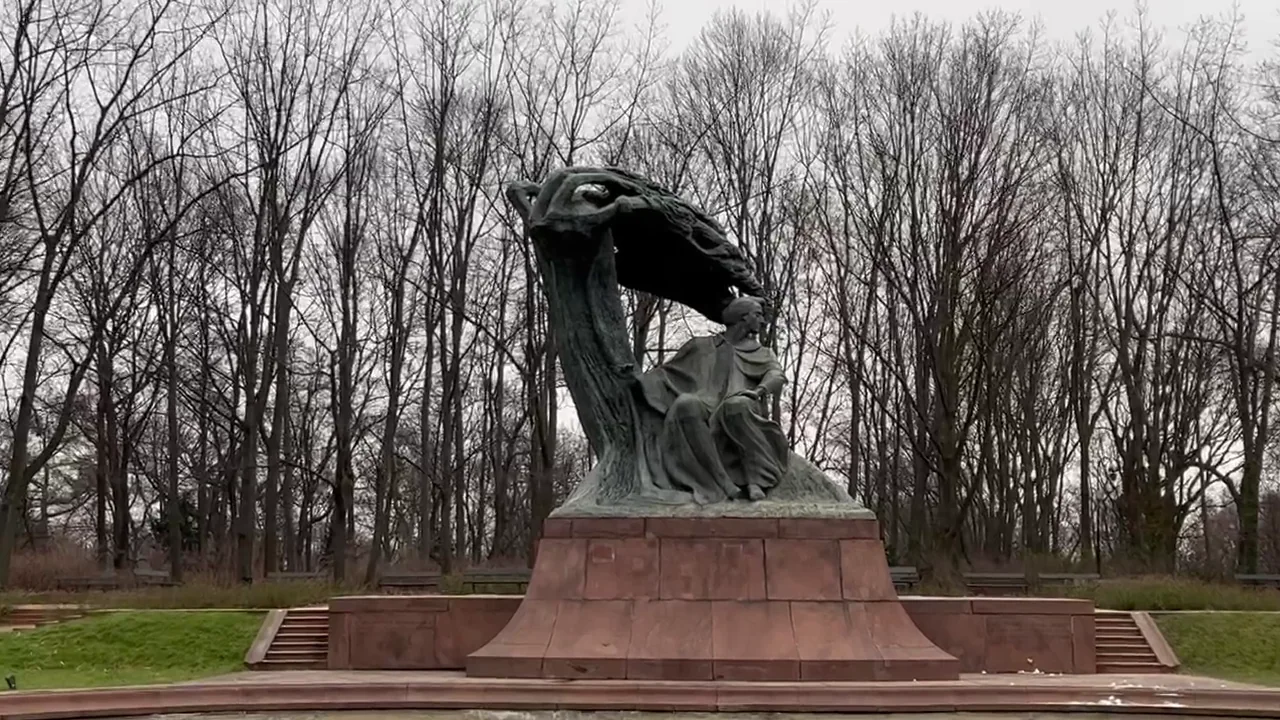
Wacław Szymanowski’s expressive monument to Fryderyk Chopin, unveiled in 1926, shows the composer seated beneath a wind-swept willow. Destroyed during the German occupation in 1940, it was rebuilt after the war.
On summer Sundays, open-air concerts draw audiences onto the surrounding lawns and benches. In 2026, the free recitals ran from 5 July to 27 September, at 12:00 and 16:00. Check the organiser’s programme for future seasons; dates can change.
Visitors gathering for one of the free summer Chopin recitals · A Brit in Poland
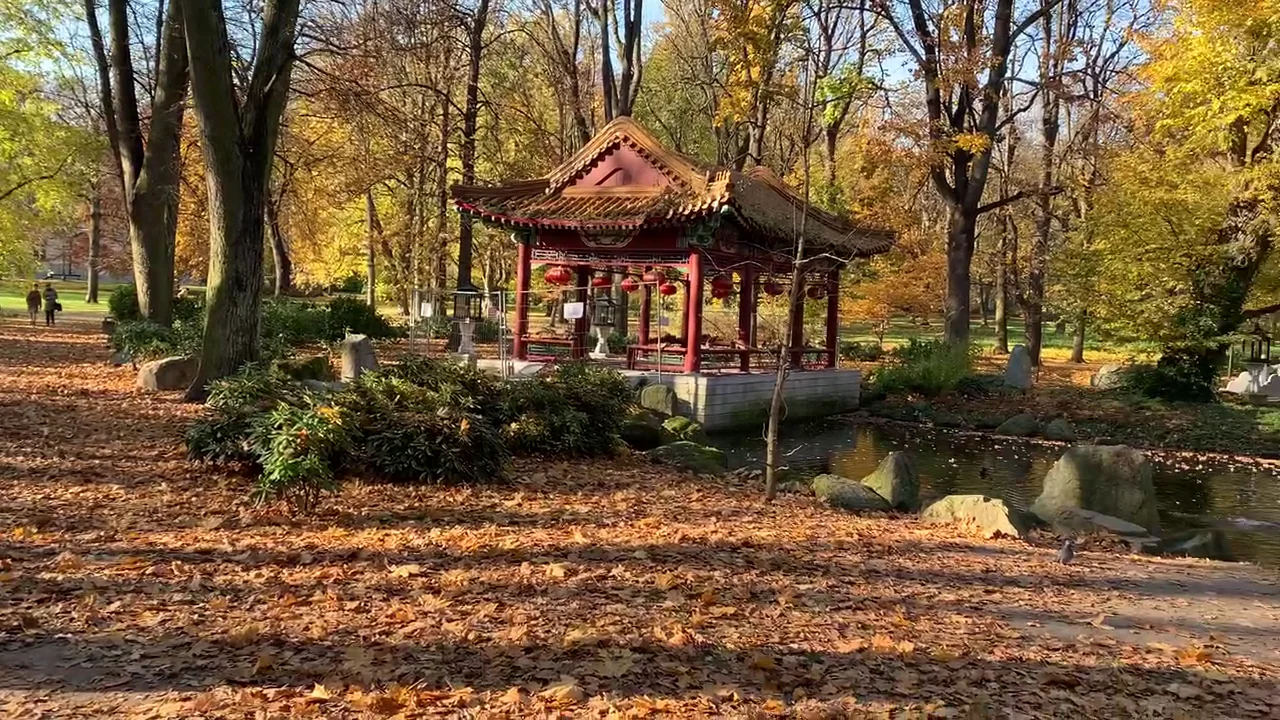
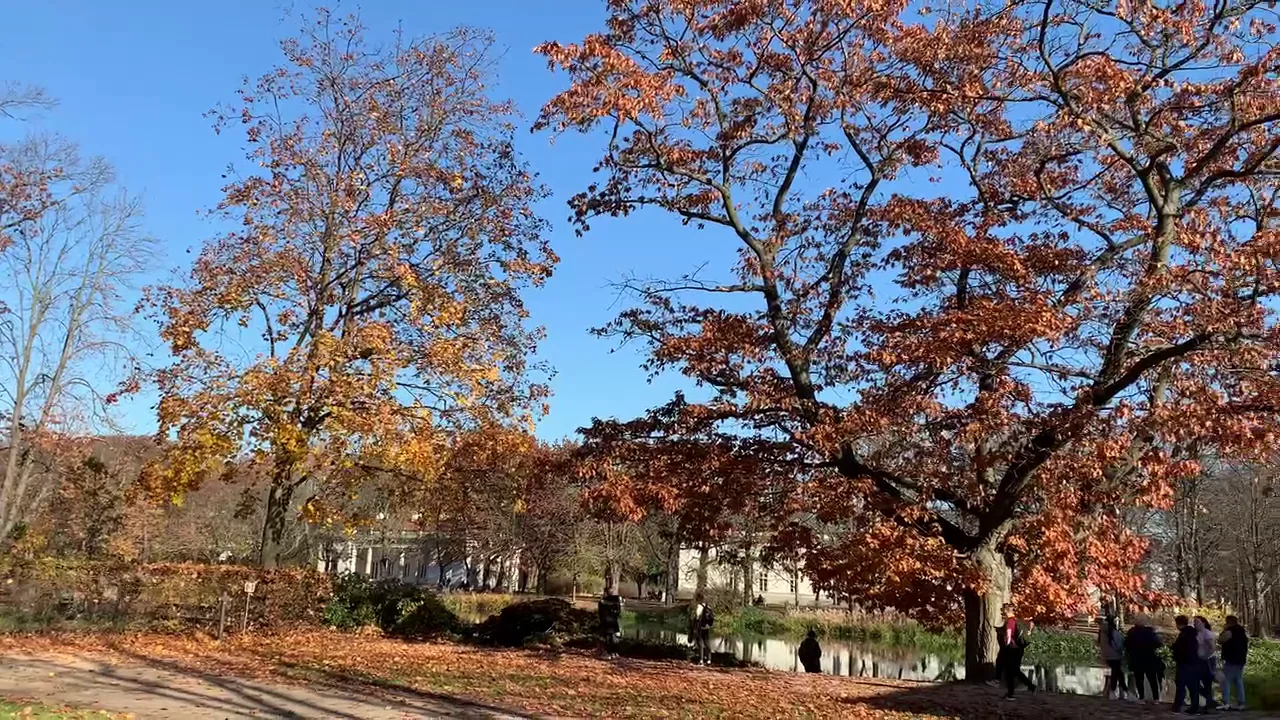
Chopin’s monument in the quieter winter monthsChinese Garden pavilion amid autumn leavesAutumn colour along Łazienki’s waterside paths
Monuments, memory and changing seasons
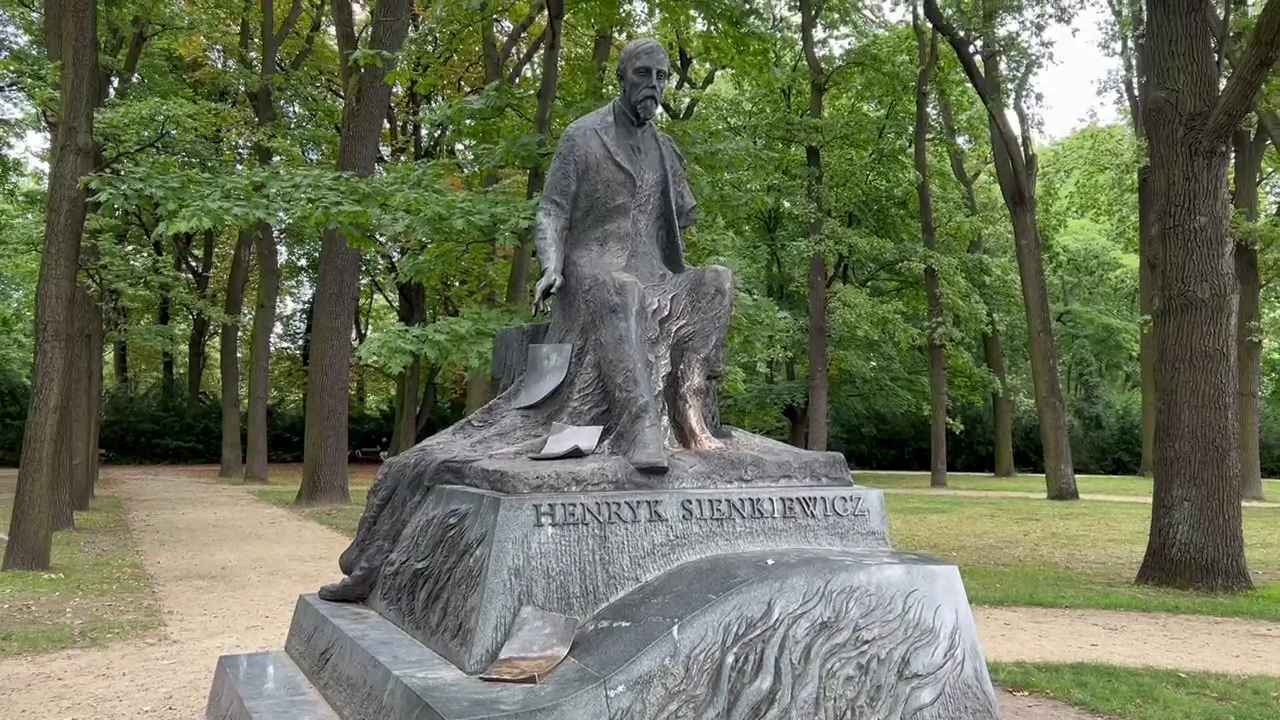
Among the park’s monuments are the equestrian statue of King Jan III Sobieski, recalling his role at the Battle of Vienna in 1683, and a monument to Nobel Prize-winning novelist Henryk Sienkiewicz. Mythological sculpture and smaller memorials are scattered throughout the grounds.
Spring greenery, summer concerts, bright autumn leaves and winter’s clearer architectural views each make a different case for visiting. Festive illuminations have also appeared in some winter seasons; check the current programme before making a special trip.
Henryk Sienkiewicz monument amid the trees · A Brit in Poland
04 / POLAND REBORN
Belweder, rebellion and Piłsudski
At the edge of Łazienki stands Belweder Palace, a building with a dramatic modern history. On the night of 29 November 1830, Polish conspirators stormed Belweder hoping to capture Grand Duke Konstantin, the Russian commander in Congress Poland. He escaped, but the attack became one of the opening actions of the November Uprising.
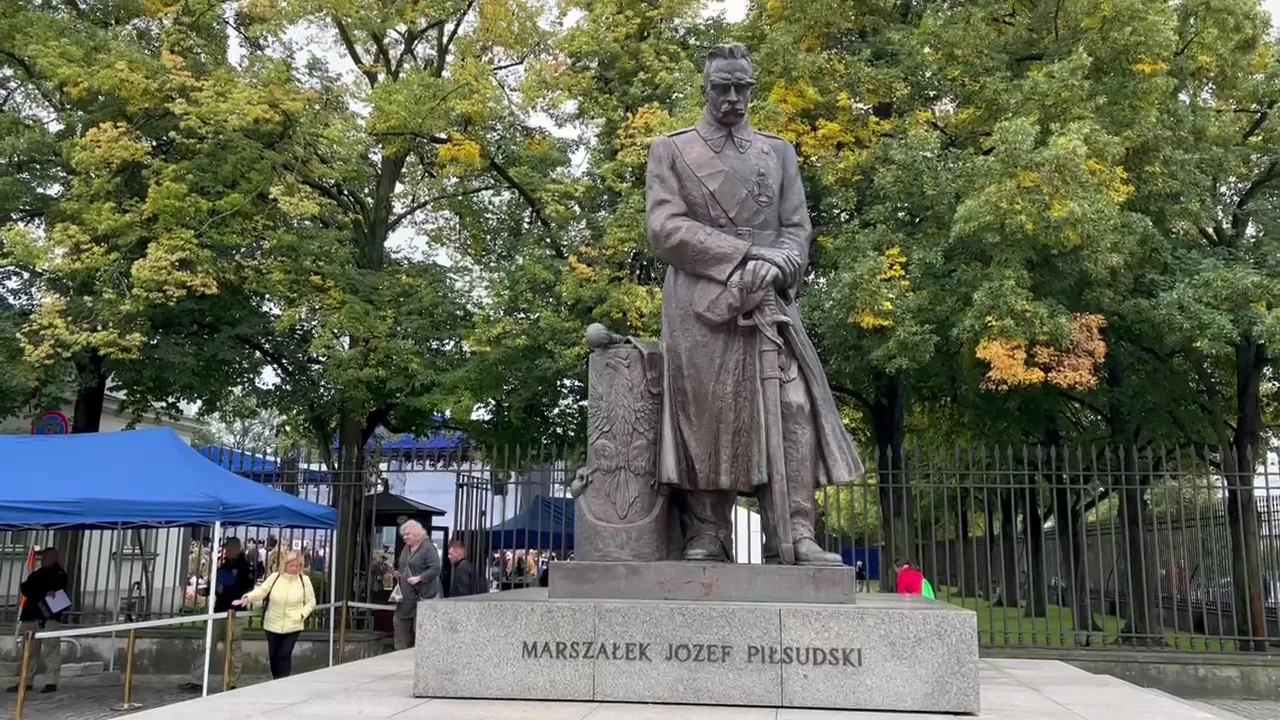
After independence returned in 1918, Belweder became closely linked to Józef Piłsudski. He moved into the palace as Head of State on 29 November 1918, returned after the May Coup of 1926 and lived here until his death in 1935. Nearby stands a monument depicting the Marshal with his hands resting on his sword.
Belweder Palace at the edge of the Royal Gardens · Photograph: A Brit in Poland
A family story within the royal gardens
Piłsudski’s connection was personal, too. He and Aleksandra married on 25 October 1921 in a chapel formerly associated with the Palace on the Isle. It no longer survives. A museum photograph from 12 May 1931 captures Piłsudski with his wife and daughters Wanda and Jadwiga in the Royal Theatre box.
It is a striking historical pairing: a royal estate shaped by Poland’s last king later became part of the domestic world of a leader associated with the return of independent Poland.
Monument to Marshal Józef Piłsudski near Belweder · A Brit in Poland
05 / A LIVING COLLECTION
University of Warsaw Botanical Garden
Beside Łazienki is a much more intimate green world: the University of Warsaw Botanical Garden (Ogród Botaniczny Uniwersytetu Warszawskiego). Founded in 1818 with the involvement of botanist Michał Szubert, it was established for research, teaching and public education on land historically connected with the royal estate. Its nineteenth-century fortunes were affected by restrictions imposed following the November Uprising.
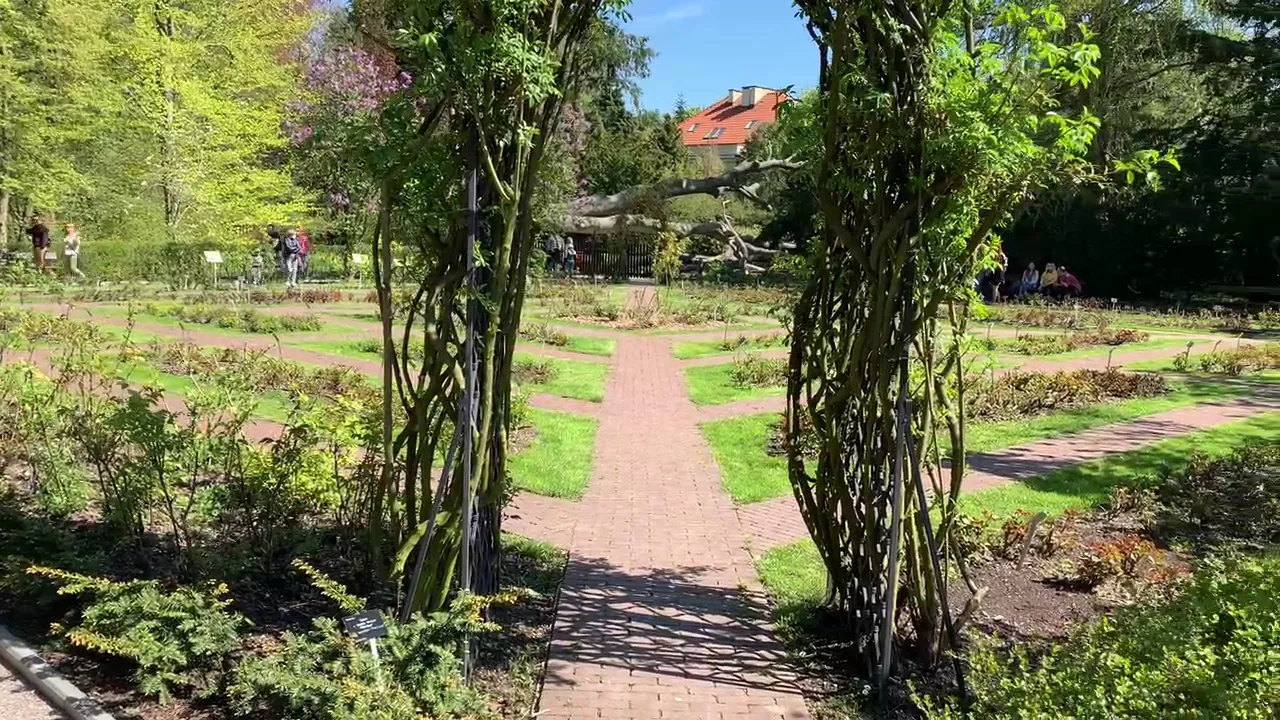
Here, the focus shifts from great historical buildings to the details of plants and landscape design. Formal beds, flowering shrubs, specimen trees, winding paths, rockeries and pools reward slower exploration. Spring brings especially vivid colour, while quieter planted corners are appealing even when the flowers are less dramatic.
A leafy arch frames the formal planting beds of the University Botanical Garden · Photograph: A Brit in Poland
A place for slow wandering
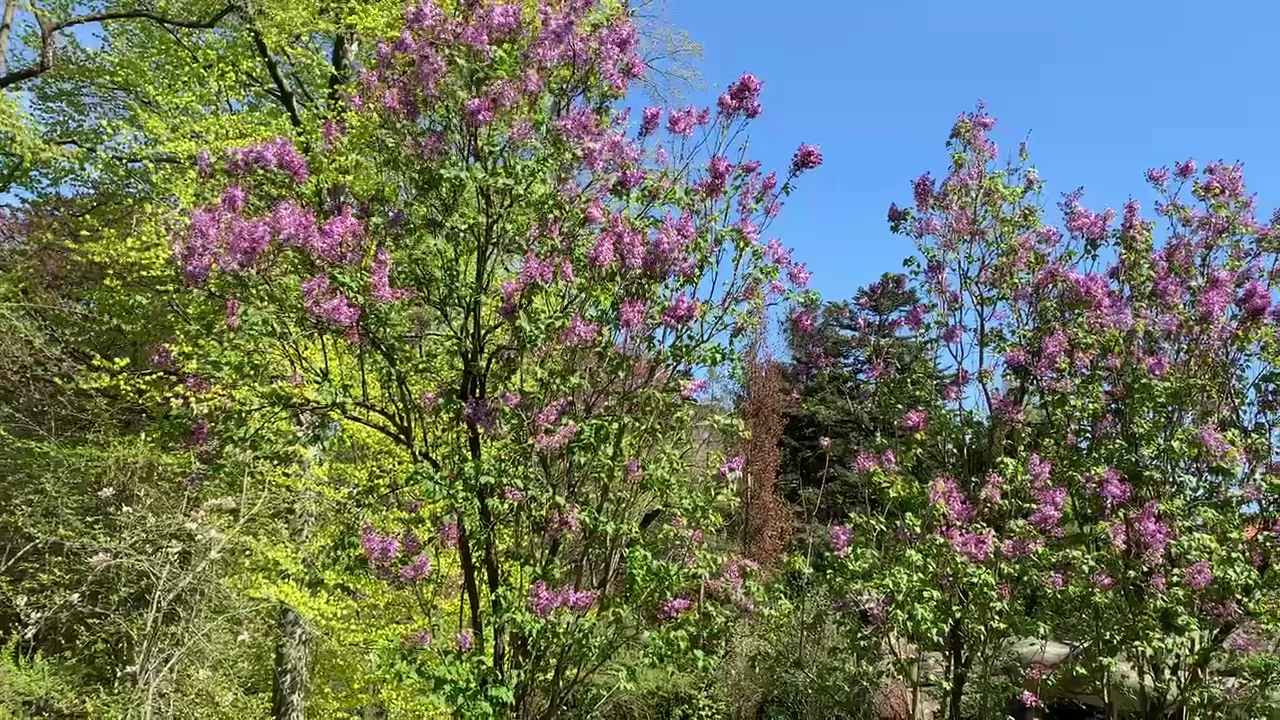
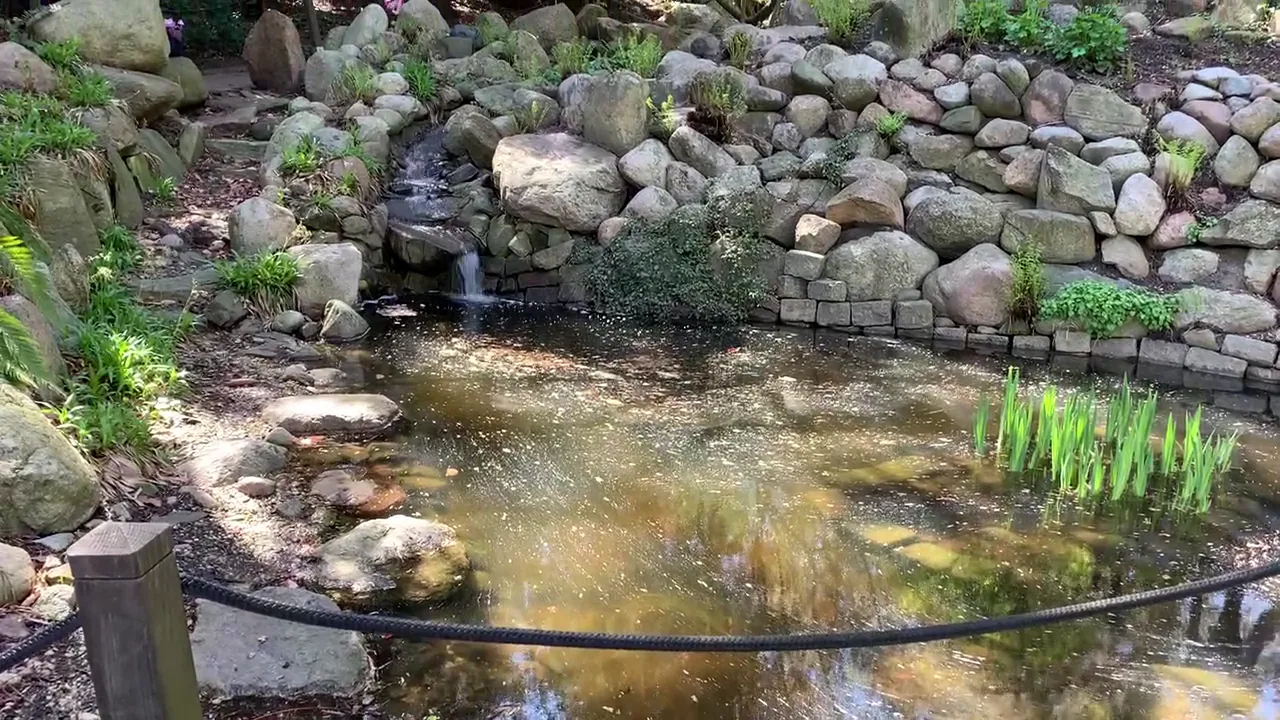
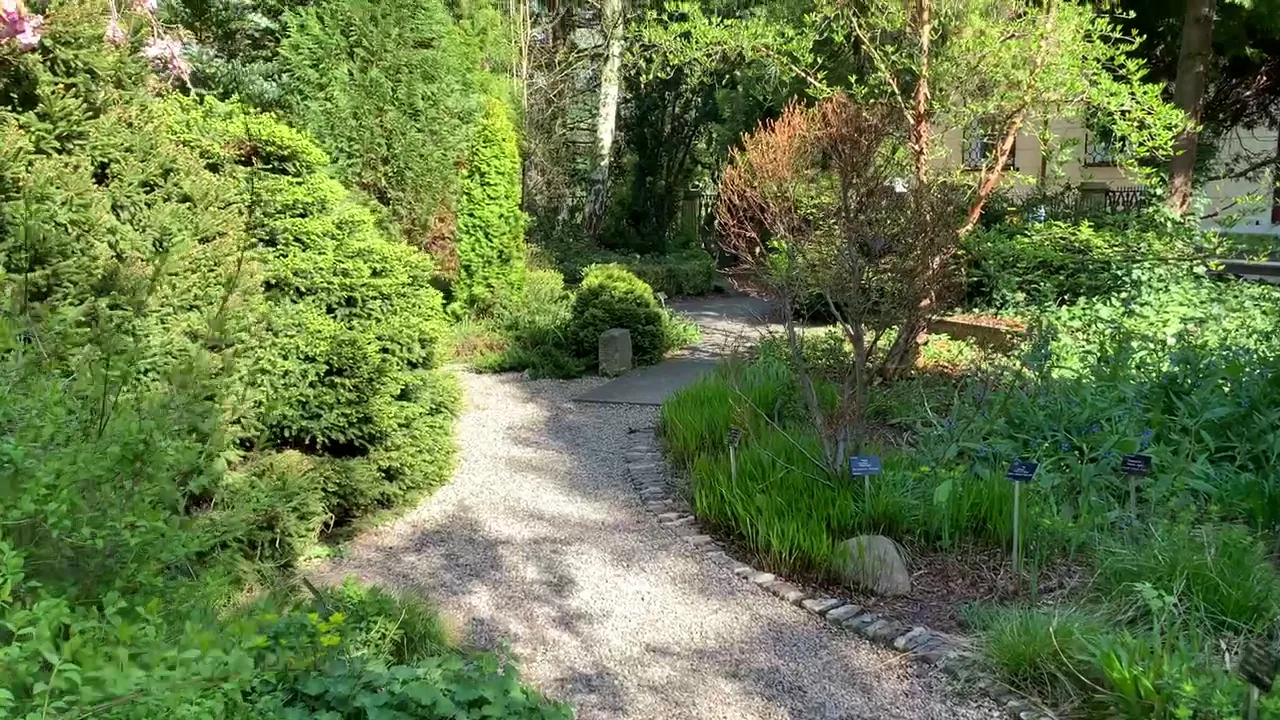
The pleasure is in the variety: a lilac in bloom one moment, a shaded gravel path or a little waterfall the next. The garden’s collections give keen gardeners plenty to investigate, but you do not need botanical expertise to enjoy them.
This is a separate, ticketed attraction, with its own entrance and seasonal access rules. The greenhouses may operate differently from the outdoor garden, so check the current visiting information before arriving.
Springtime lilac blossoms in the Botanical Garden · A Brit in Poland
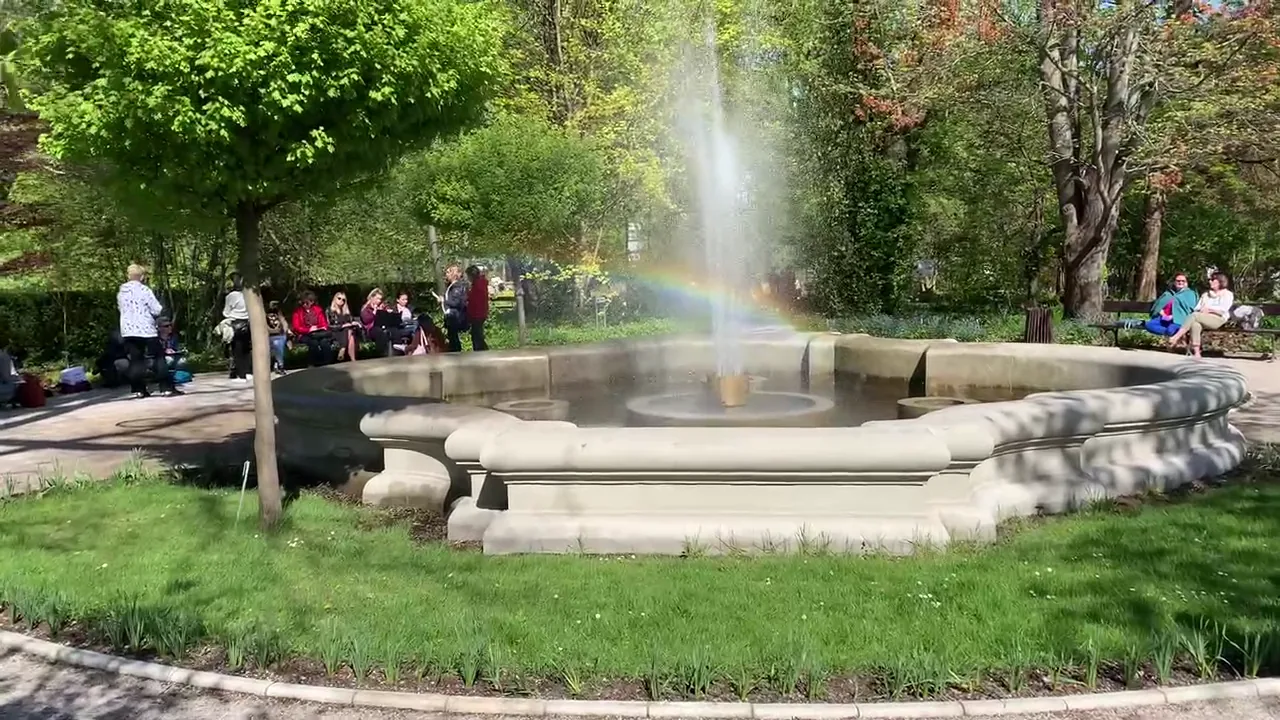
Rock garden, pools and small waterfallSunlight catches the fountain sprayA quiet path among dense planting
WATCH THE JOURNEY
Warsaw Botanical Garden: A Peaceful Green Escape in the City
Take a closer look at the gardens with A Brit in Poland. Approximately nine minutes.
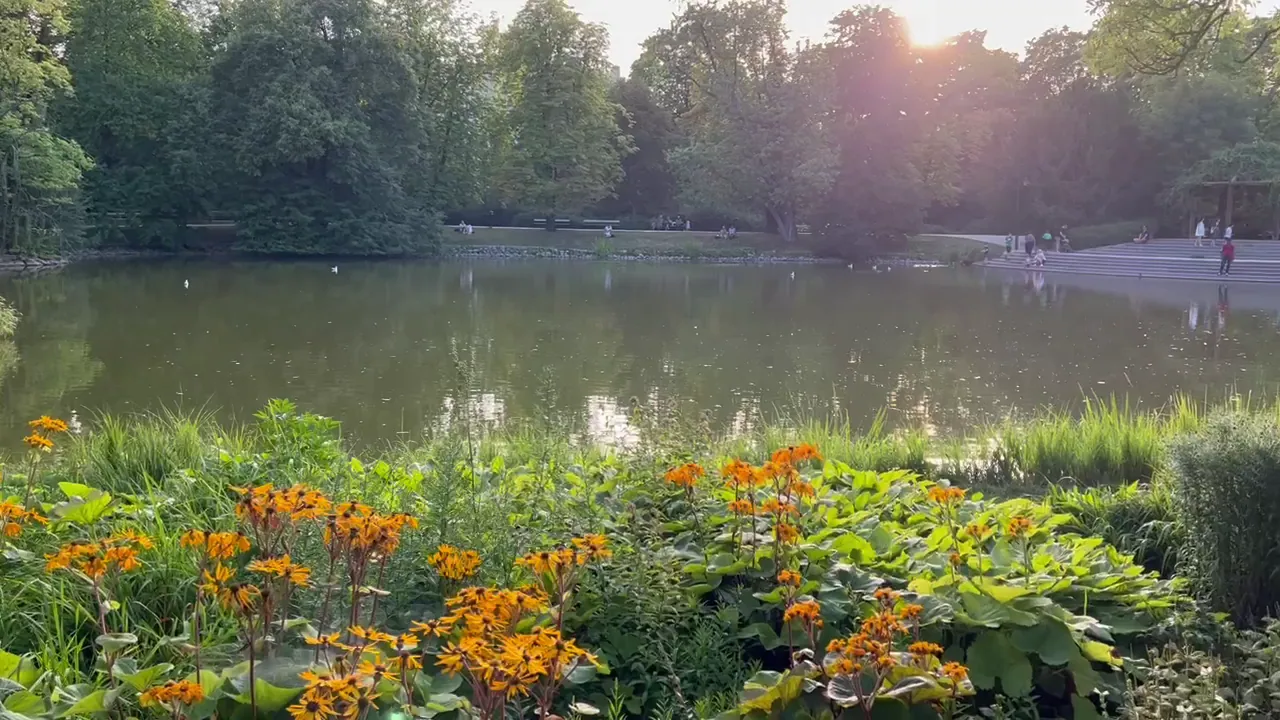
The nearby Ujazdowski Park was designed by Franciszek Szanior and opened in 1896. Smaller and more intimate than its royal neighbour, it blends sweeping paths, decorative flowerbeds, mature trees, rockwork and a picturesque pond. Its pathways were conceived in a flowing, calligraphic style.
The landscape also carried a quiet patriotic meaning during the partitions: its varied topography and water features have been associated with a symbolic evocation of Polish geography and the Vistula’s journey from mountains towards the sea. A public park could express national memory even when no independent Polish state existed.
The pond at Ujazdowski Park in the warm evening light · Photograph: A Brit in Poland
Flowers, water and unexpected corners
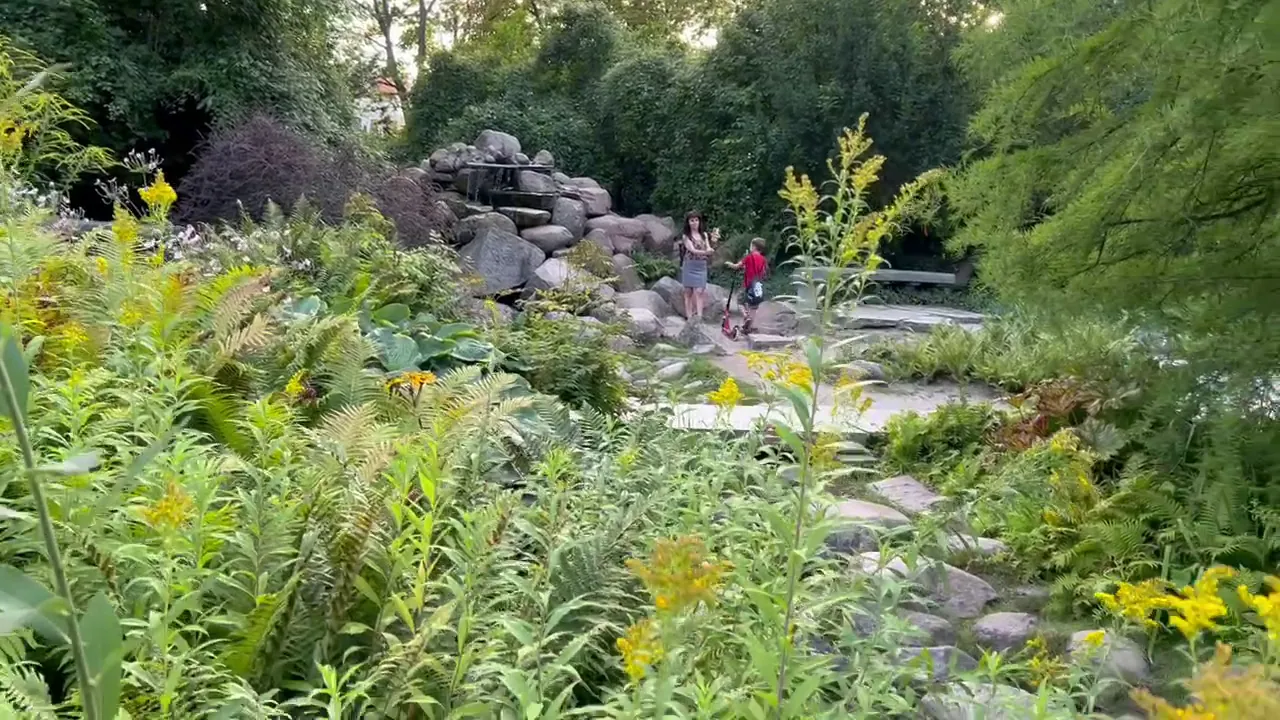
The park is a delightful compact stroll. Man-made rocks and a little cascade sit beside ornamental planting, with sculptures and an early reinforced-concrete bridge among the details to look out for. It feels composed but never stiff — a welcome contrast to the scale of Łazienki.
The garden’s rock formations and waterfall · A Brit in Poland
For families: an impressive playground
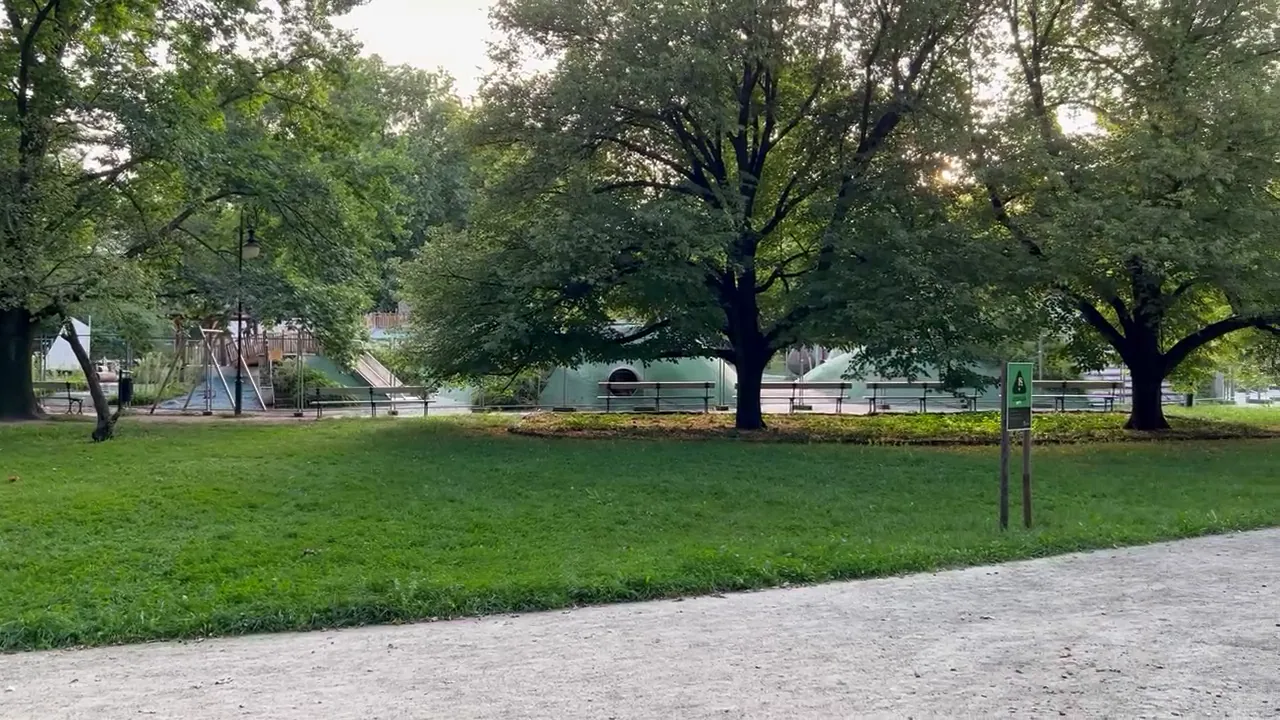
One of Ujazdowski Park’s genuinely practical attractions is its substantial playground, with climbing and play structures that make the park an appealing stop for children. It is worth knowing about if you are balancing royal history with a family day out.
Playground area among the trees at Ujazdowski Park · A Brit in Poland
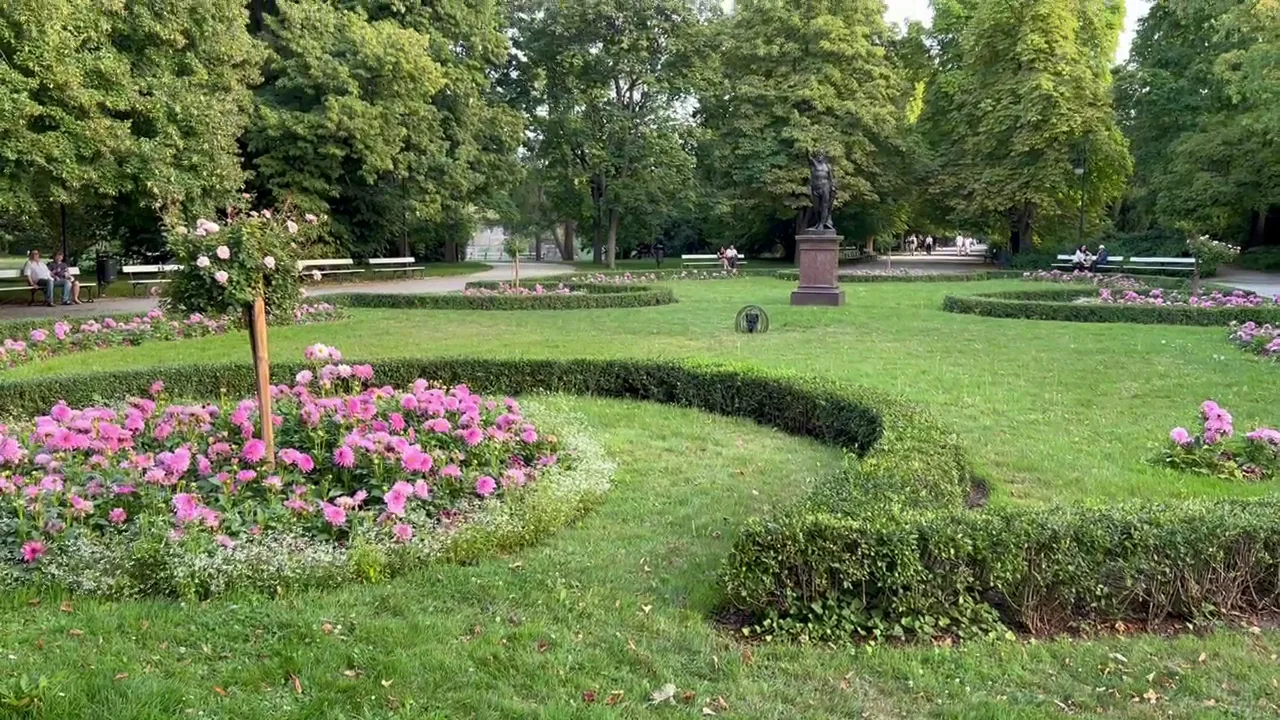
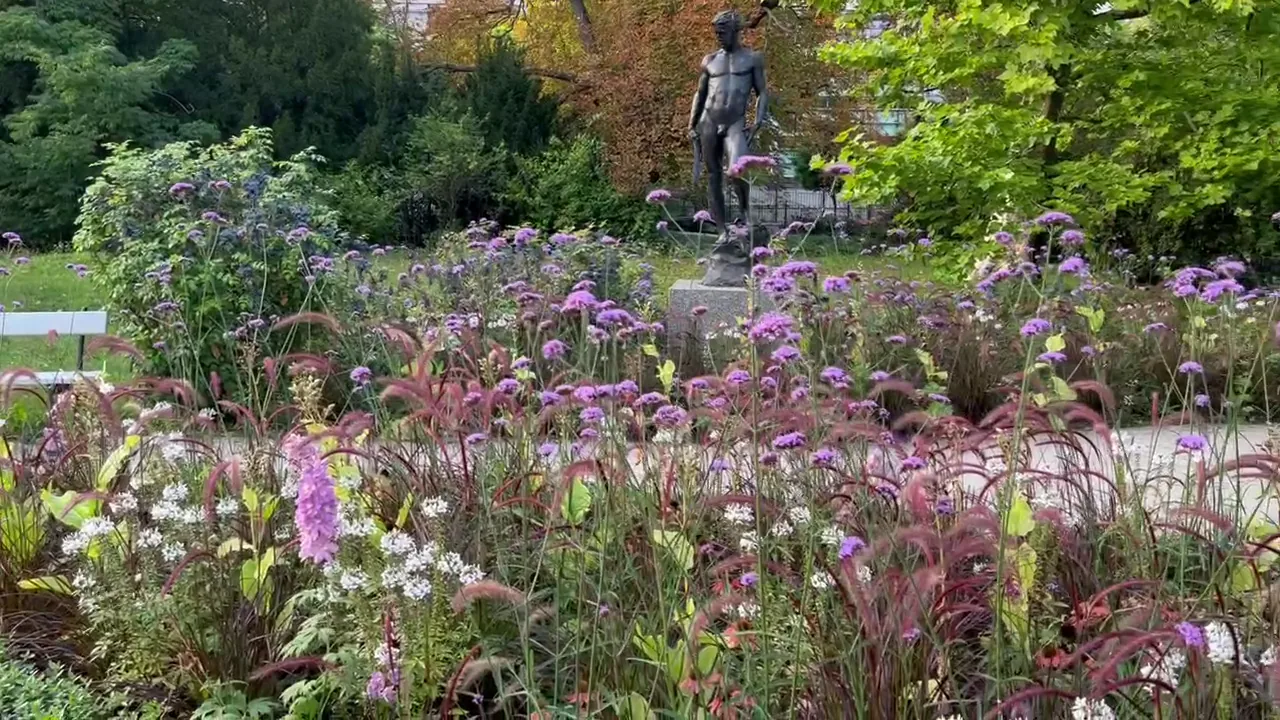
Formal flower beds and clipped hedgesOrnamental planting and sculpture in the park
07 / THE LINK BETWEEN THEM
Ujazdów Castle
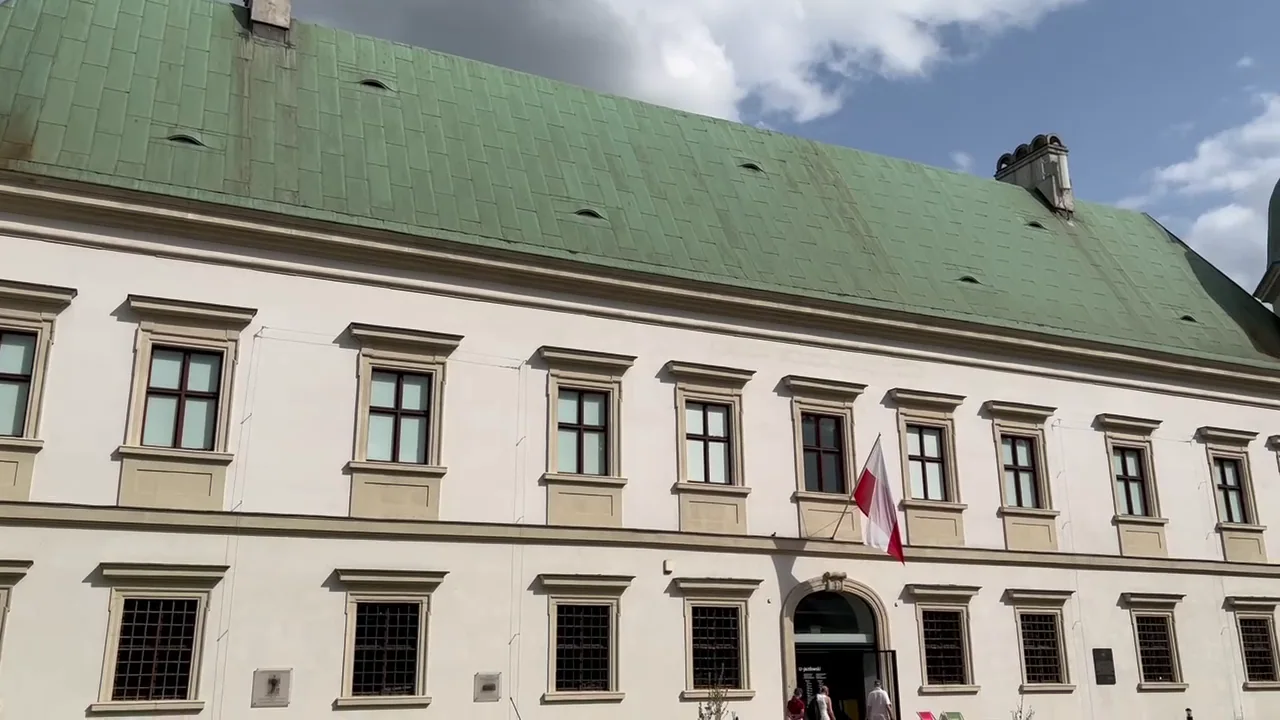
The historic Ujazdów Castle (Zamek Ujazdowski) helps explain why the green spaces belong together. These grounds developed from the older Ujazdów estate, shaped over centuries by royal residences, gardens and later urban growth.
The reconstructed castle now houses the Centre for Contemporary Art. Even if you do not enter the galleries, it forms an architectural and historical link between royal Łazienki and its public-park neighbour.
08 / PRACTICAL GUIDE
Plan your visit
Łazienki Królewskie
Gardens: Free entry; currently listed as 6:00–21:00 daily.
Museum interiors: Separate ticket arrangements apply. Individual free Friday entry is offered for selected exhibitions, with access restrictions.
Pets: Dogs and other pets are not permitted in the Royal Gardens, except eligible assistance animals. Cycling and similar activities are also restricted.
Allow: Two hours for the gardens, half a day or longer with interiors.
Botanical Garden
Entry: Separately ticketed, with a separate entrance at Aleje Ujazdowskie 4.
Access: Seasonal opening arrangements, and greenhouse hours or closures may differ from the outdoor garden.
Allow: One to two hours for a leisurely visit.
Ujazdowski Park
Entry: Free.
Best for: A shorter stroll, flowerbeds, photography and a family playground.
Allow: Around 30–60 minutes, or longer with children.
A day among three gardens
Start by the Chopin Monument, then visit the Old Orangery, Palace on the Isle and Amphitheatre. Explore the smaller pavilions, then head towards Belweder and the Piłsudski Monument. From there, make time for the Botanical Garden and round off the outing at Ujazdowski Park. Nearby Ujazdów Castle is an optional cultural extension.
Getting here: Buses serve Aleje Ujazdowskie, including stops convenient for Łazienki Królewskie. Confirm your route on the day, as services and stop arrangements can change.
The same landscape connects the ambitions of Poland’s last king, the outbreak of an uprising, the life of Józef Piłsudski, and ordinary afternoons spent among gardens and wildlife. Come for the palace, the concert or the flowers; leave with a new understanding of the city.