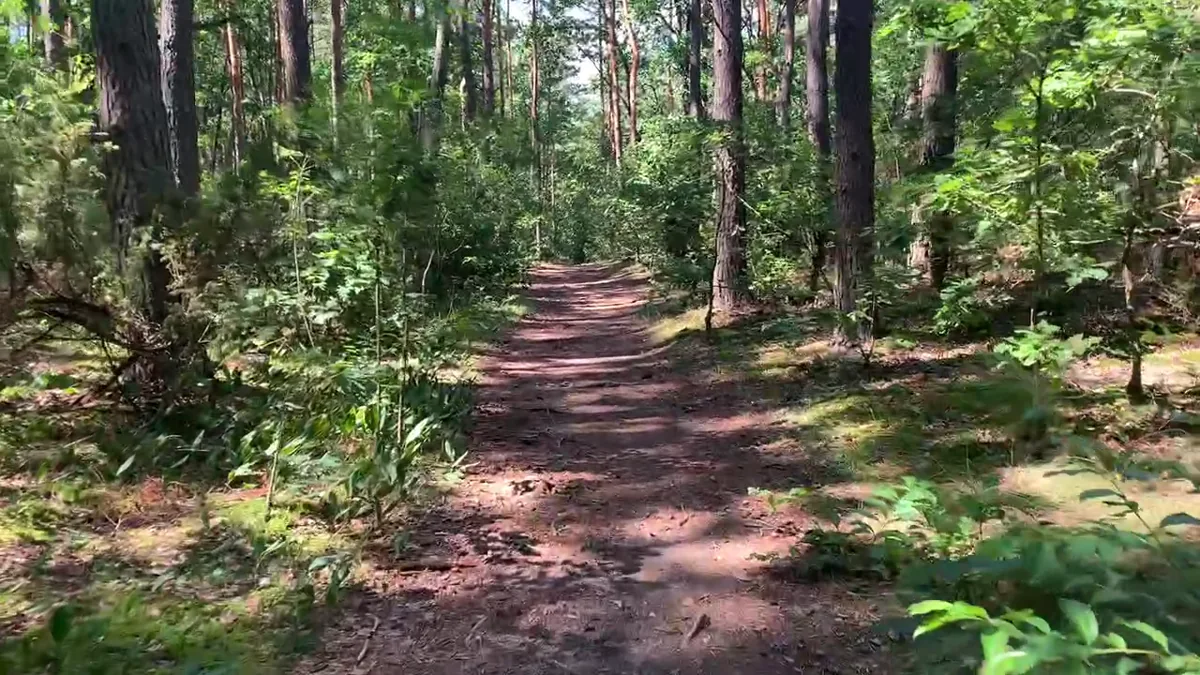
Warsaw’s green spaces are not simply breaks between monuments. Some were royal landscapes, others grew with the modern city, and several preserve a surprising mix of nature, remembrance and recreation.
Łazienki and the Saxon Garden were shaped by royal ambitions. Skaryszewski, Pole Mokotowskie and the city’s smaller parks tell more everyday stories: leisure, urban growth and the need for space to breathe. This guide highlights the larger destinations while keeping smaller parks easy to find without pretending each needs a long article.
The two botanical gardens are different institutions; the University Library roof garden is a third, very different garden experience. Both botanical gardens also have seasonal winter illuminations, covered separately in our Christmas guide.
Explore Warsaw’s green spaces in two overview episodes, then follow the individual card links for detailed visits to Łazienki and the University Botanic Garden.
Discover parks, gardens and woodland across Warsaw. Select a category or tap a marker to see its photograph and jump to the guide below. Kampinos has its own separate guide and is deliberately excluded to keep this map focused on the city.
Map tiles require an internet connection. If the map is unavailable, explore all locations in the directory below.
Explore the collection
Historic gardens
Łazienki & Ujazdów
Łazienki Królewskie
Royal Łazienki
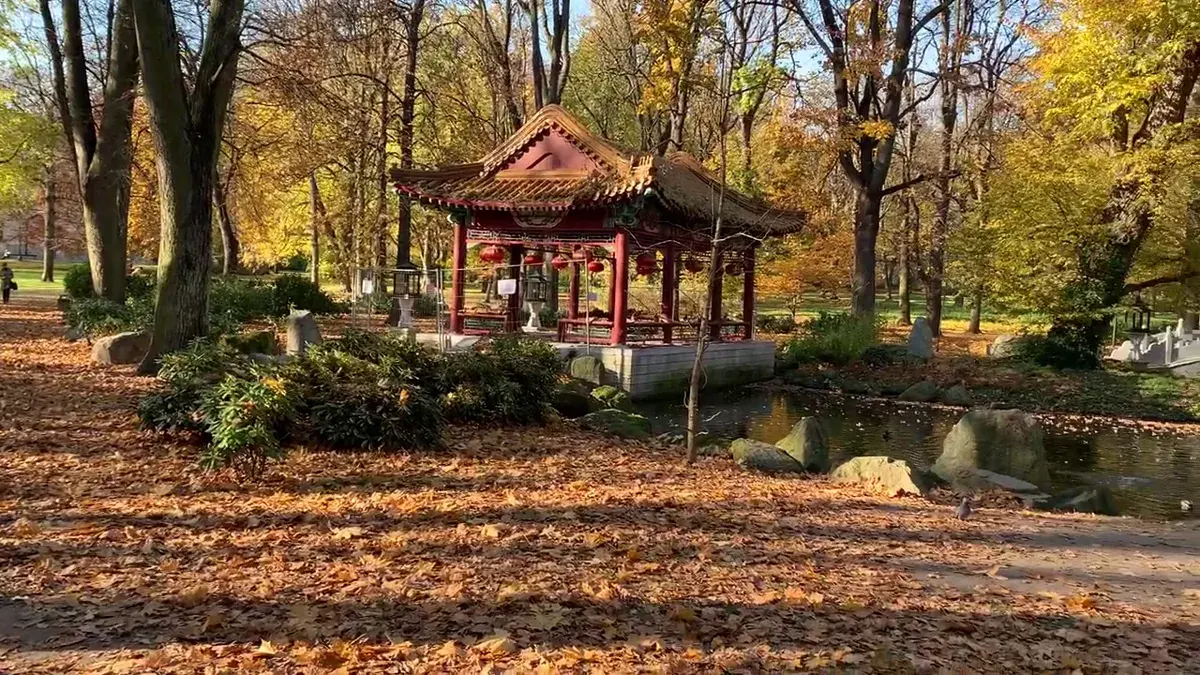
The summer residence of Stanisław August Poniatowski, Poland’s last king, Łazienki is Warsaw’s grandest park. Explore the Palace on the Isle, the island amphitheatre and gardens with roaming peacocks. Free Chopin recitals take place by the composer’s monument on summer Sundays.
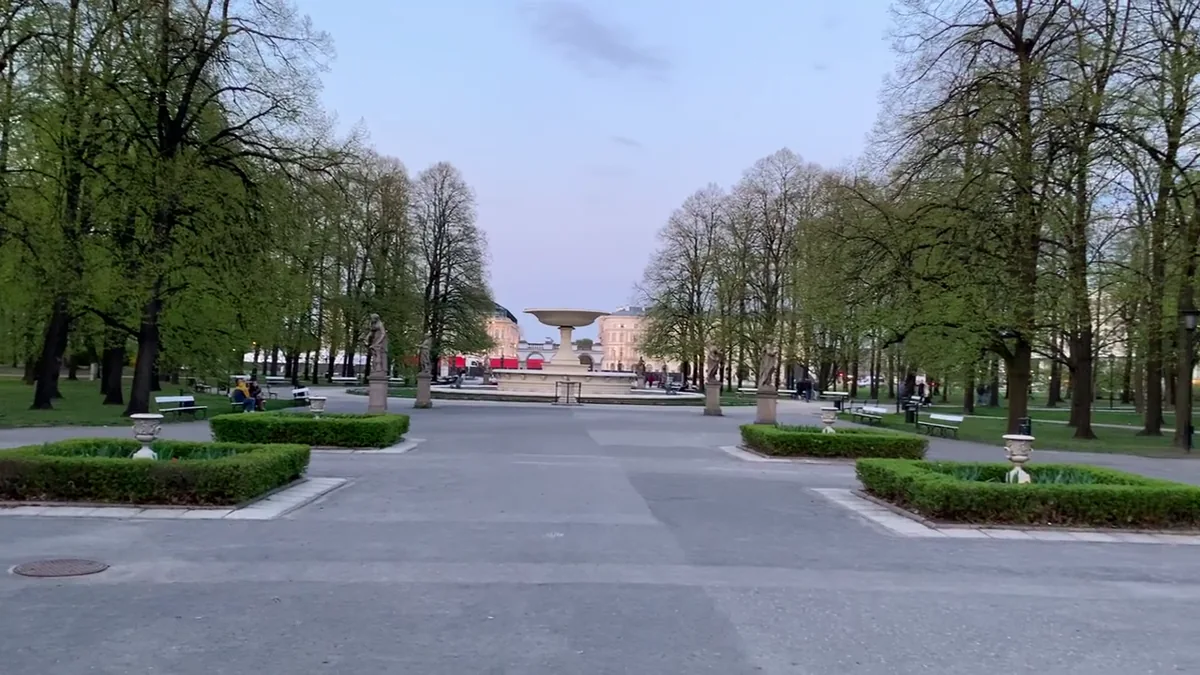
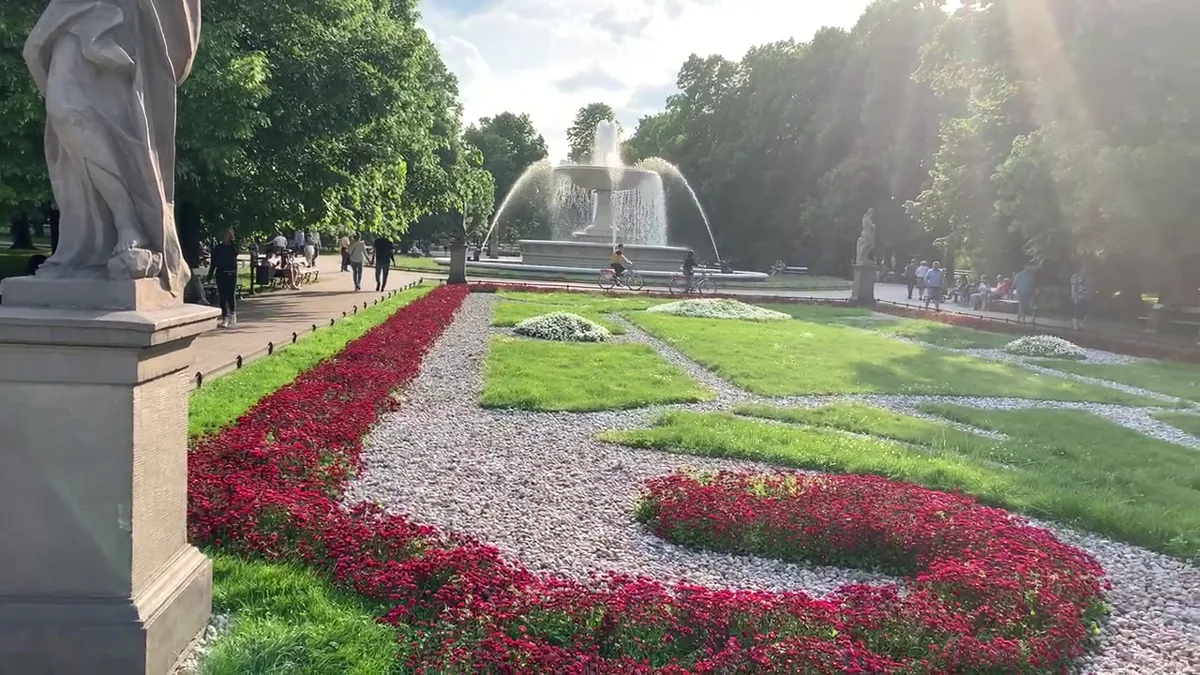
Public since 1727, the Saxon Garden is one of Warsaw’s oldest parks. Look for Henryk Marconi’s nineteenth-century fountain, the temple-like water tower and historic sundial. At its edge, the Tomb of the Unknown Soldier preserves part of the former Saxon Palace colonnade.
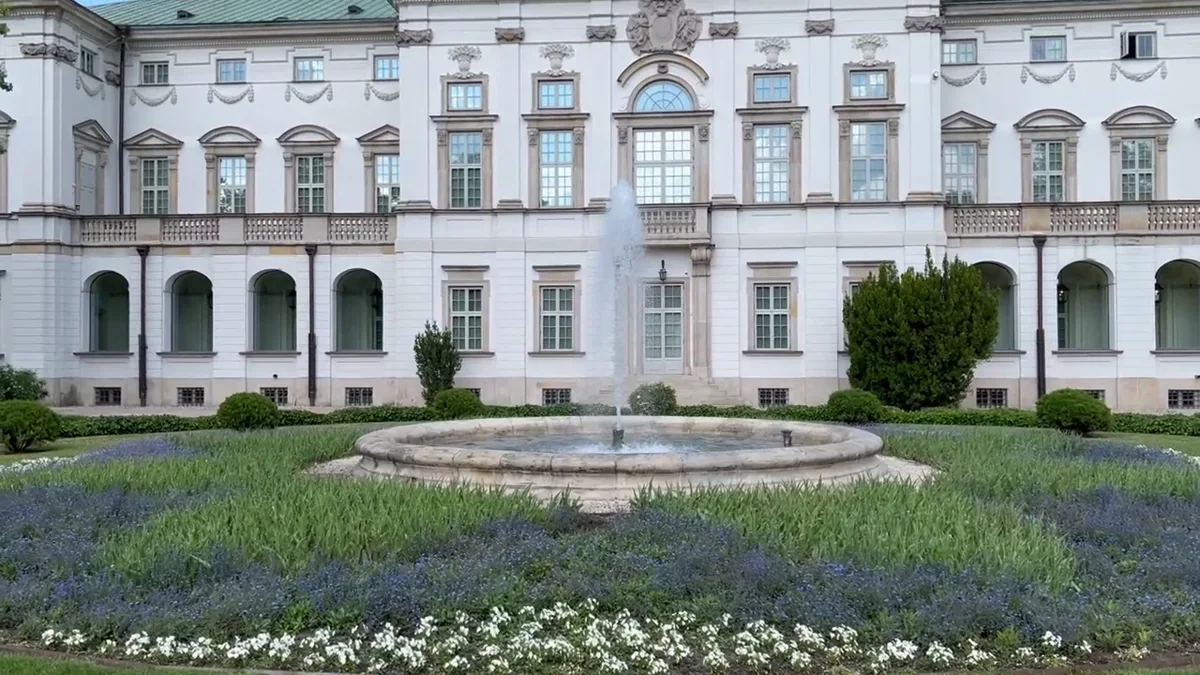
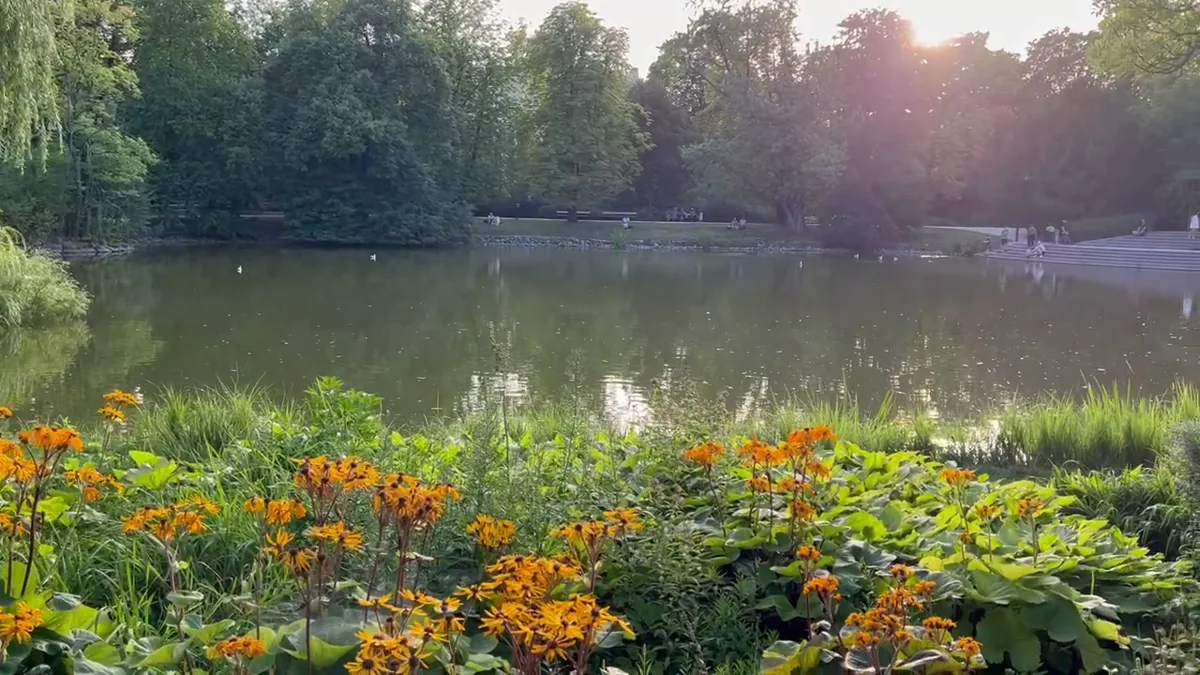
Laid out alongside the Baroque Krasiński Palace and opened to the public in the eighteenth century, these gardens offer a pond and shaded lawns. Their surroundings tell a more difficult story, with Warsaw Ghetto boundary markers and the Warsaw Uprising Monument nearby.
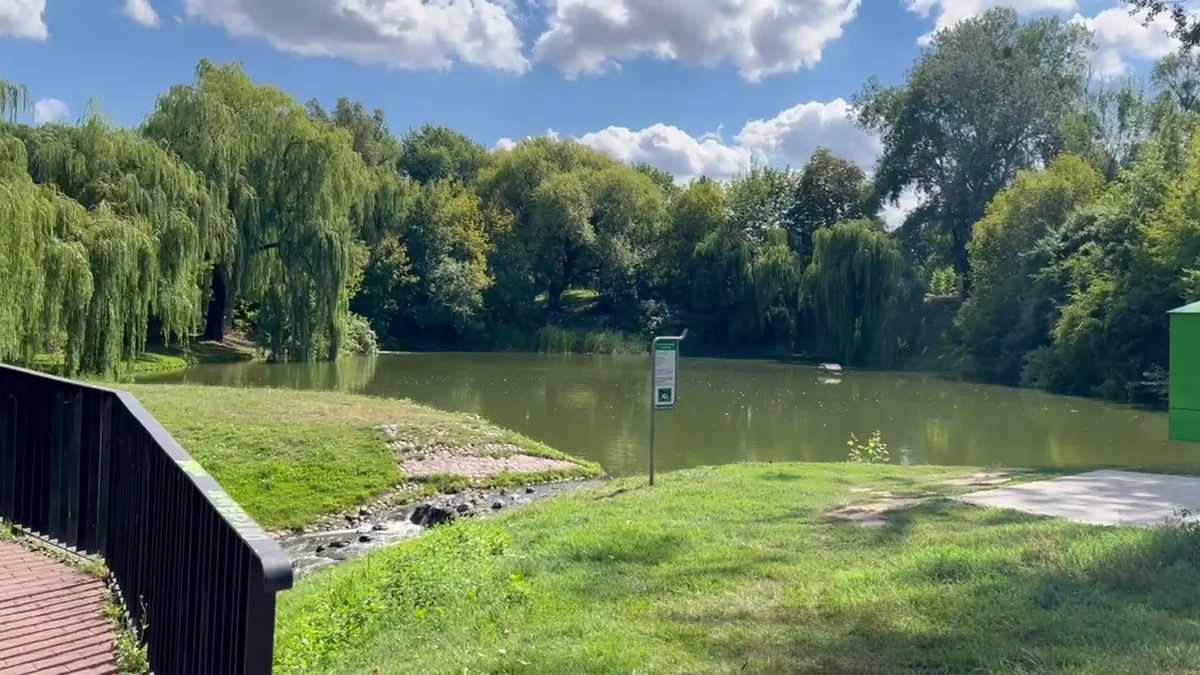
Designed in the 1890s by Franciszek Szanior, this intimate landscape park features a pond, sculptures and old-fashioned gas lamps. Its historic reinforced-concrete bridge and public weighing scale make it an unexpectedly interesting stop between the Royal Route and Łazienki.
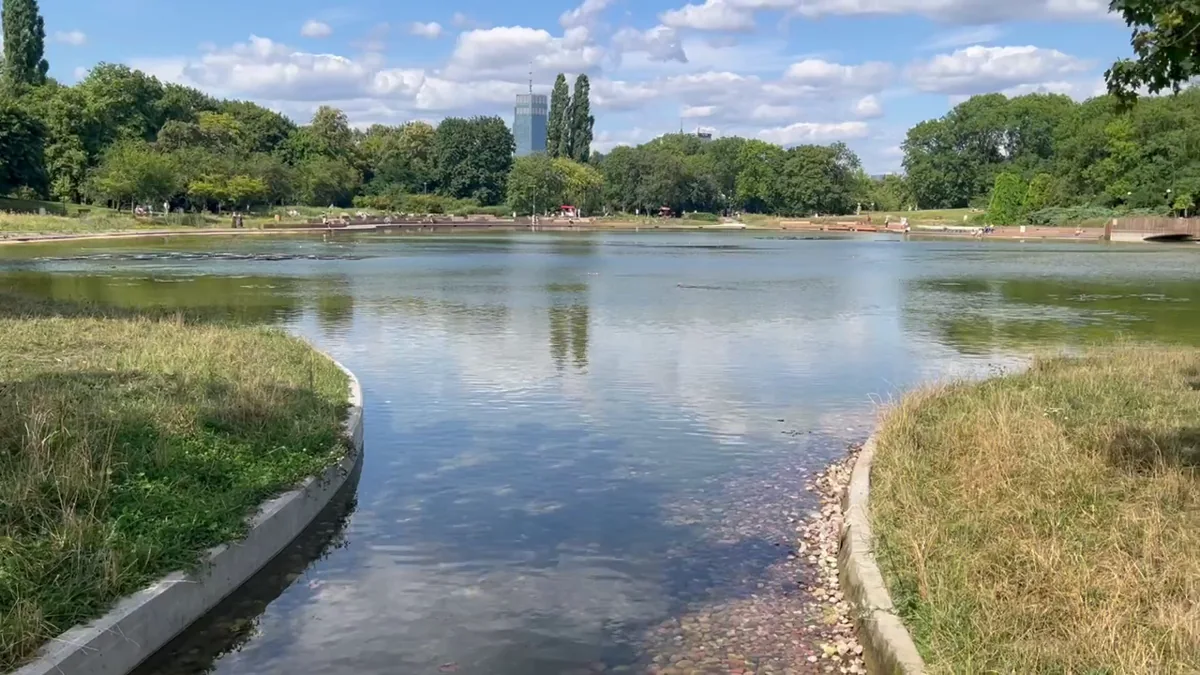
Laid out from 1906 and later named after Ignacy Jan Paderewski, this expansive park offers Kamionkowskie Lake, a rose garden and the Dancer sculpture. Look for the memorial to British airmen unveiled by Margaret Thatcher, an unexpected link between Warsaw and Britain.
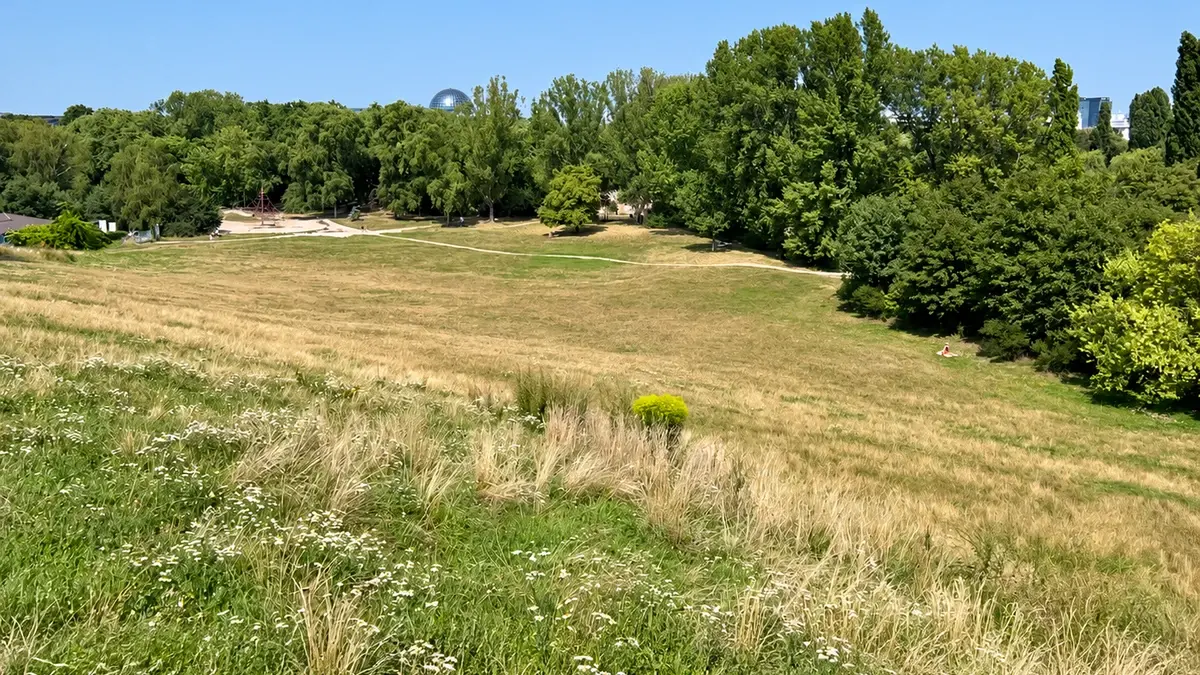
Long before it became one of Warsaw’s favourite places to run, cycle and picnic, this open space hosted horse racing and an early airport, which operated until 1934. Marshal Piłsudski’s funeral ceremony took place here in 1935; today the landscape is a lively city park.
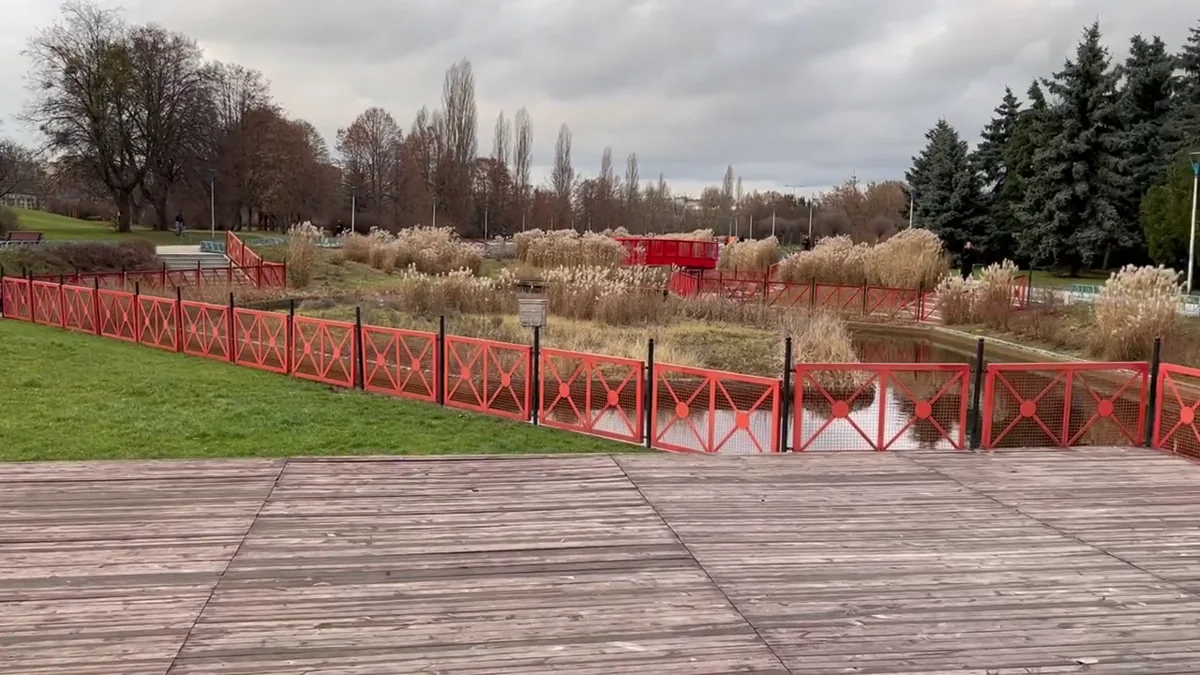
At the heart of this Wola park rises Kopiec Moczydłowski, a hill made using rubble from wartime Warsaw. Climb it for a skyline view and a Crown of Warsaw summit, or combine a visit with neighbouring Edward Szymański Park and its water features.
Warsaw’s unusual Szczęśliwice hill was formed from reclaimed rubble and waste before being landscaped into parkland. Its artificial ski slope and chairlift overlook green spaces and ponds, making this one of the capital’s most surprising year-round recreation areas.
Named for the poet and socialist activist Edward Szymański, this Wola park has ponds, water cascades, bridges and broad walking paths. It borders Moczydło Park, making the two a natural pairing for a longer stroll and a climb up the rubble-built hill.
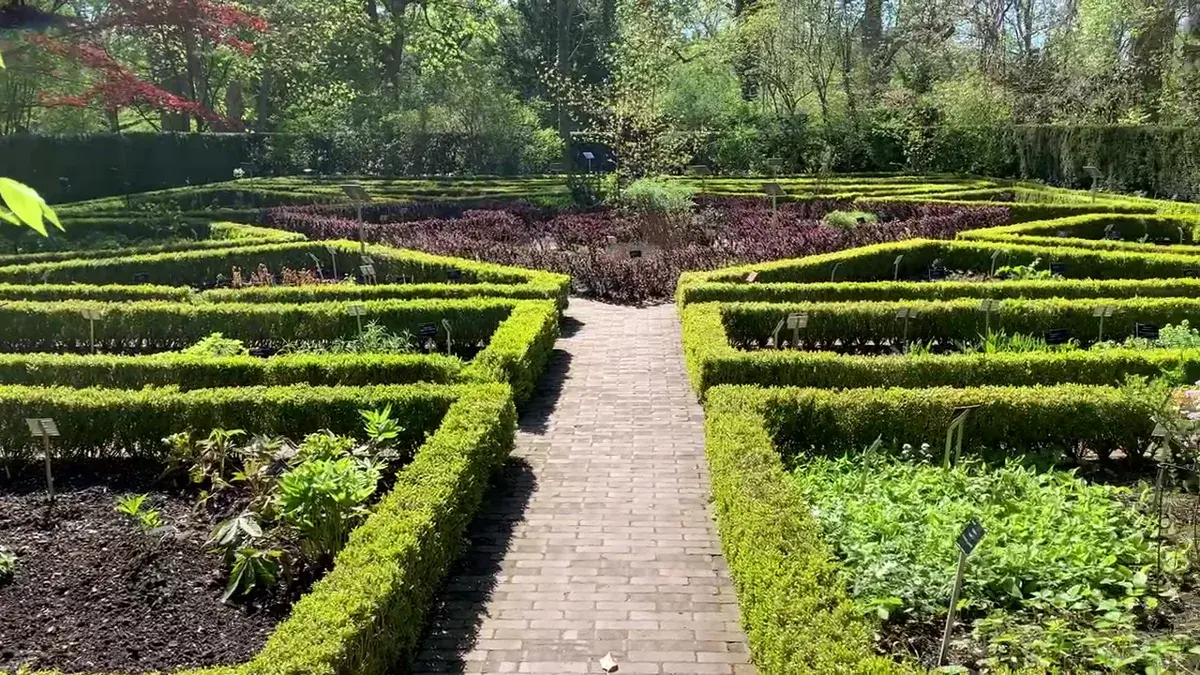
Founded in 1818 by botanist Michał Szubert, this compact university garden beside Łazienki combines carefully planted collections, themed beds and glasshouses. It also contains remains associated with the planned Temple of Divine Providence, begun to commemorate the Constitution of 3 May 1791.
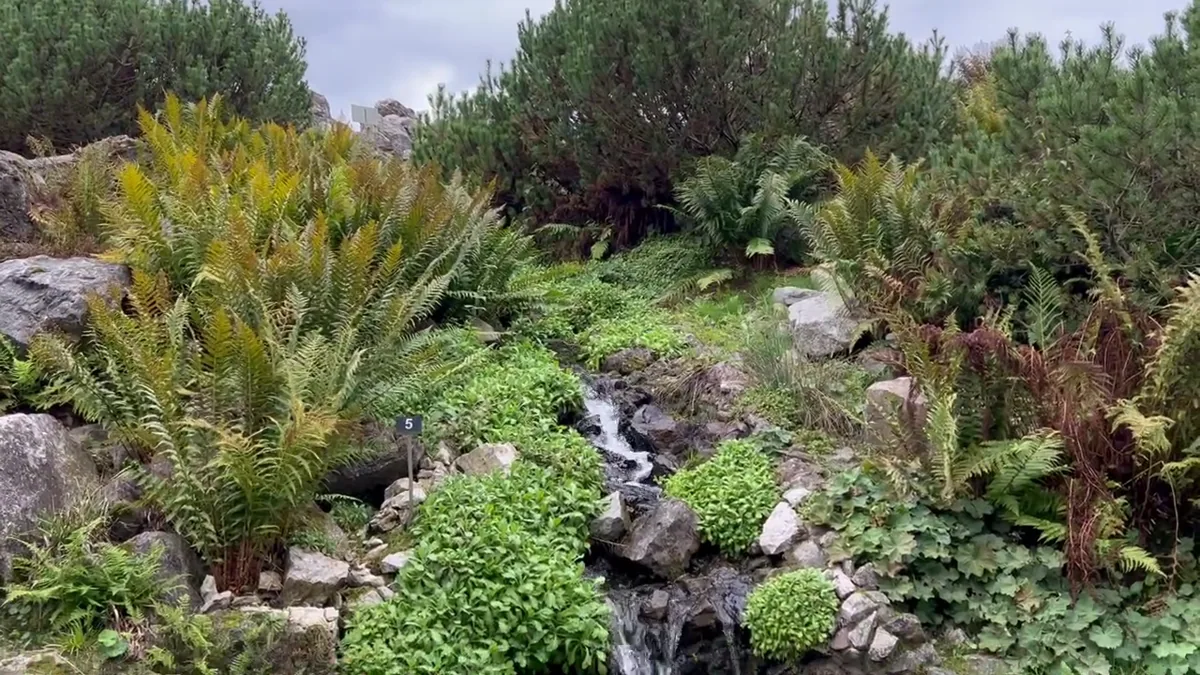
The Polish Academy of Sciences’ garden at Powsin spreads across a much larger site than its central Warsaw counterpart. Discover tropical glasshouses, a mountain garden, roses and historic apple varieties; spring brings particularly memorable displays of magnolias and rhododendrons.
Opened in 2002 and designed by Irena Bajerska, the University of Warsaw Library’s rooftop garden mixes planted terraces, bridges and striking architectural views. It offers a free outlook over Powiśle and the Vistula. The upper roof garden is seasonal; check official access dates before visiting.
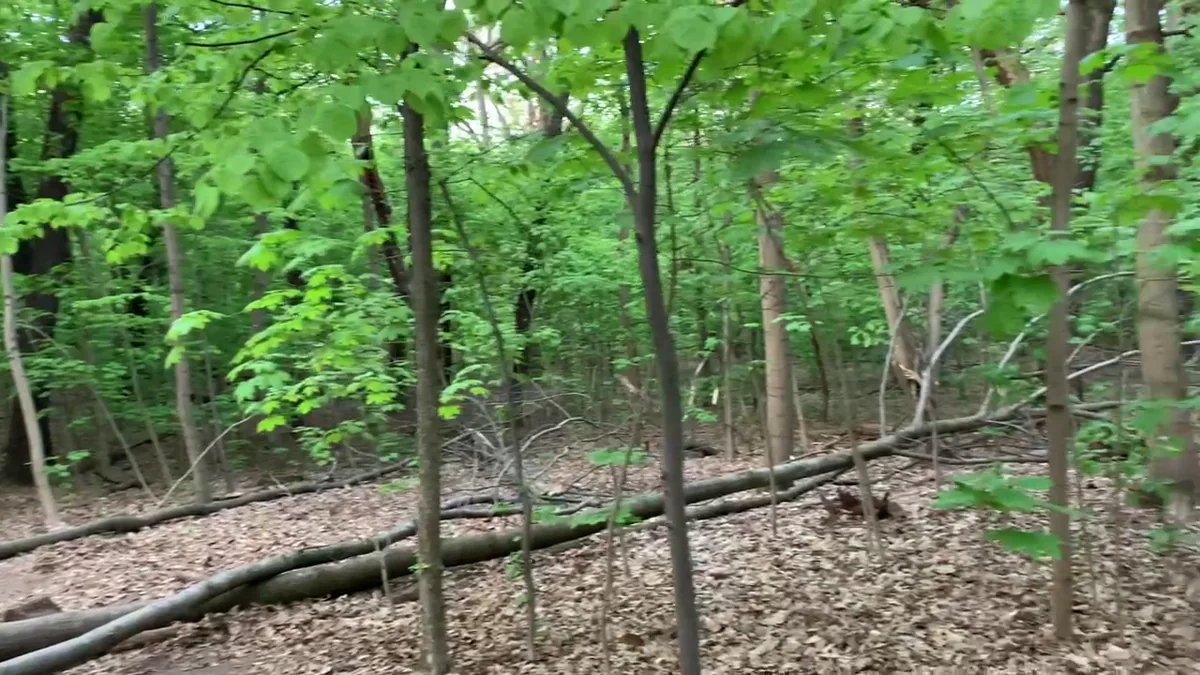
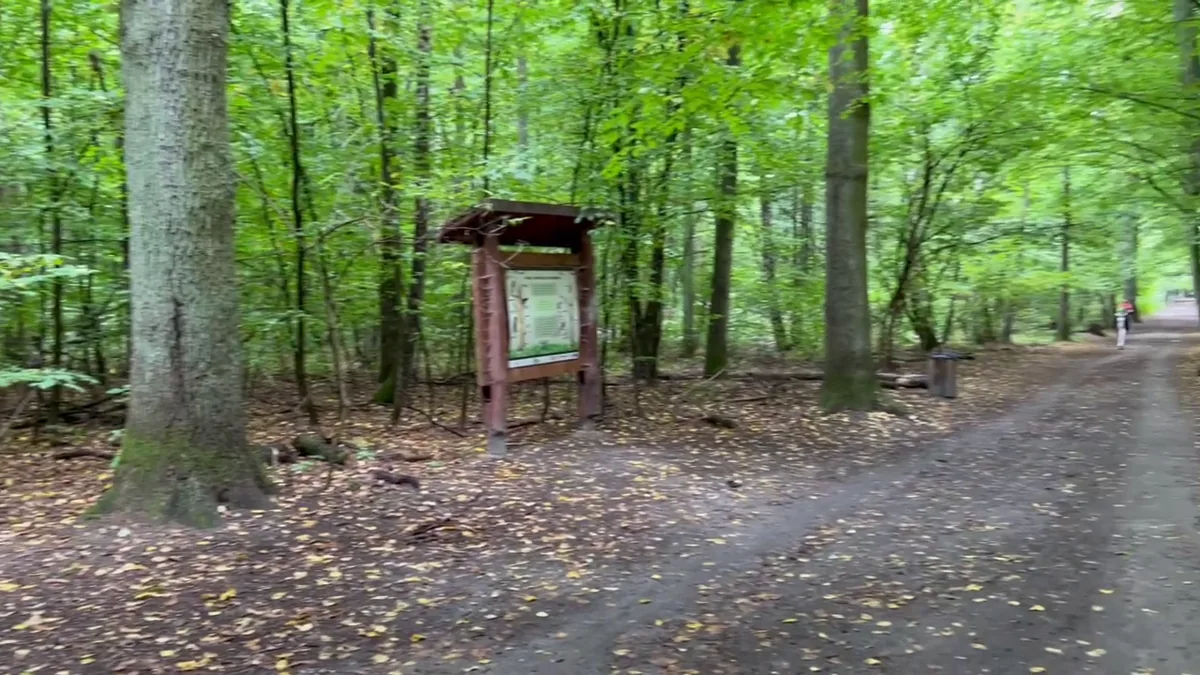
Protected as a nature reserve since 1973, Bielany Forest preserves a remarkably wild stretch of woodland along Warsaw’s Vistula escarpment. Within the forest landscape stands the historic Camaldolese church and former hermitage, recalling the monks associated with the district’s name.
Named after Warsaw mayor Stefan Starzyński, who helped secure the woodland for the city before the Second World War, Kabaty Forest offers long shaded trails and a genuine woodland atmosphere. You can reach its edge by taking the M1 metro to Kabaty.
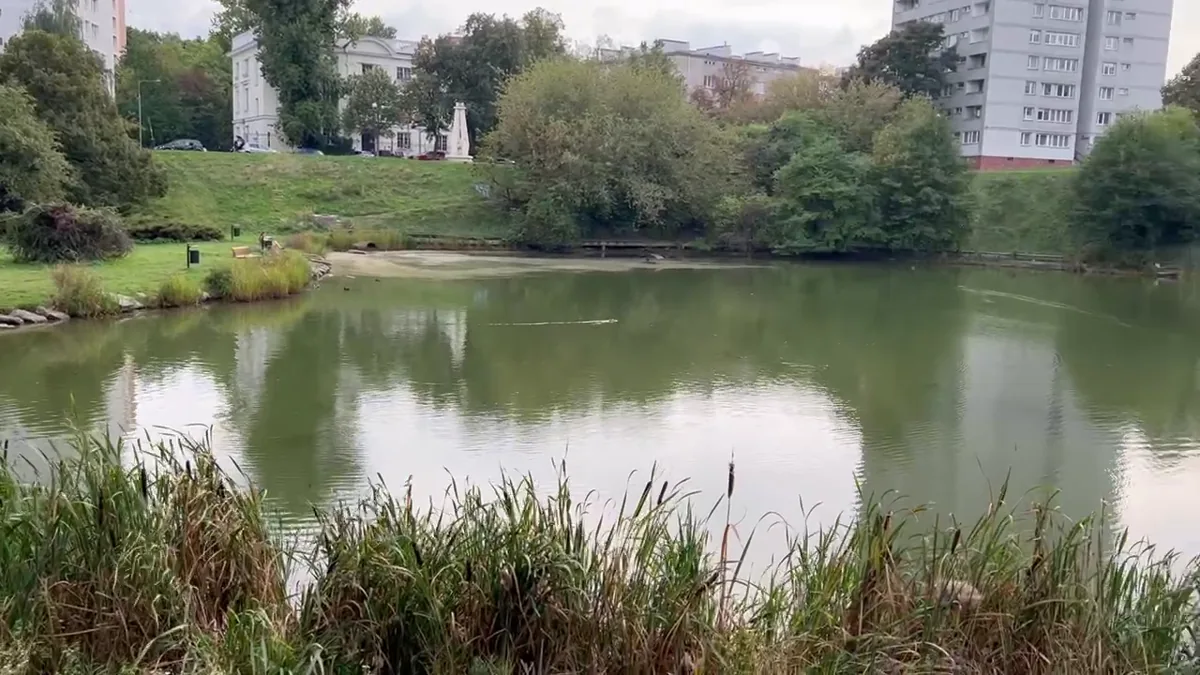
Part of Princess Izabela Lubomirska’s eighteenth-century Mon Coteau estate, this green pocket of Mokotów combines dramatic escarpment slopes, three ponds and the historic Szuster Palace. Its intimate, layered landscape feels far removed from the city streets around it.
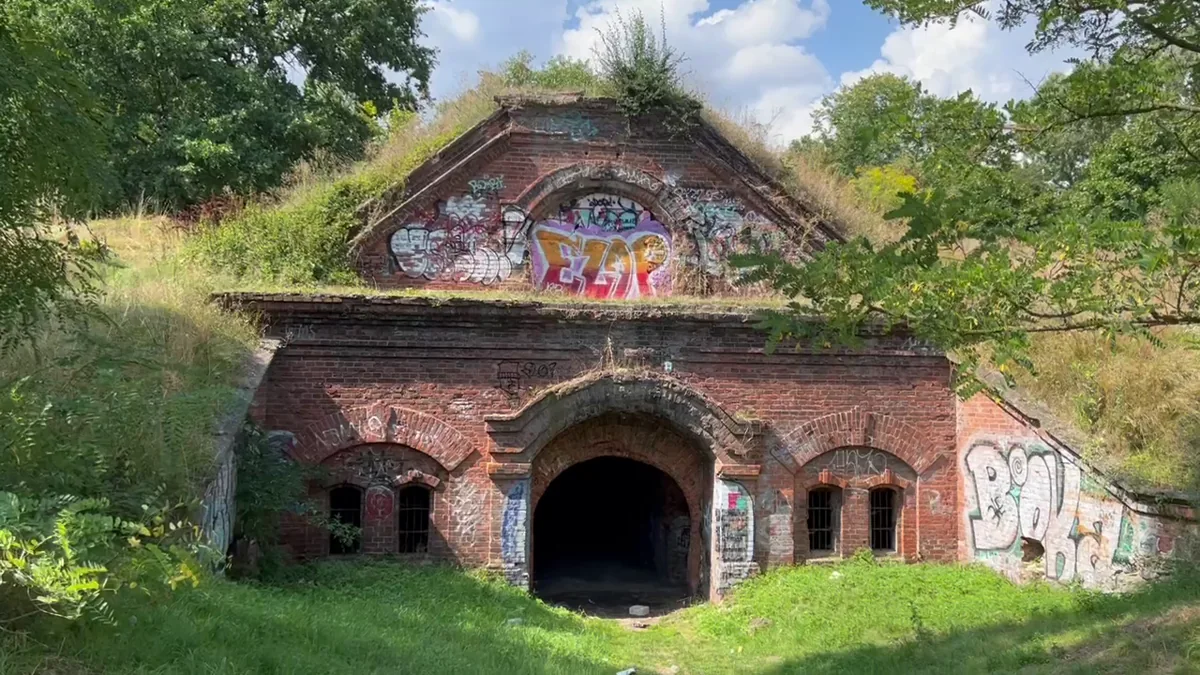
Built in the late nineteenth century as part of the Russian Warsaw Fortress and renamed for General Józef Bem in 1921, this former military site is now a wooded Bemowo park. Earthworks, brick fortifications and a rope course make it a distinctive outdoor discovery.
North-west of Warsaw, Kampinos National Park protects a landscape of inland dunes, pine forests and wetlands, with elk as its emblem. Founded in 1959, the park’s trails also connect to Polish history, including January Uprising graves and the wartime memorial at Palmiry.