
The Vistula Riverfront
Warsaw's other side: beaches, boats, sunsets and unexpected wildlife.
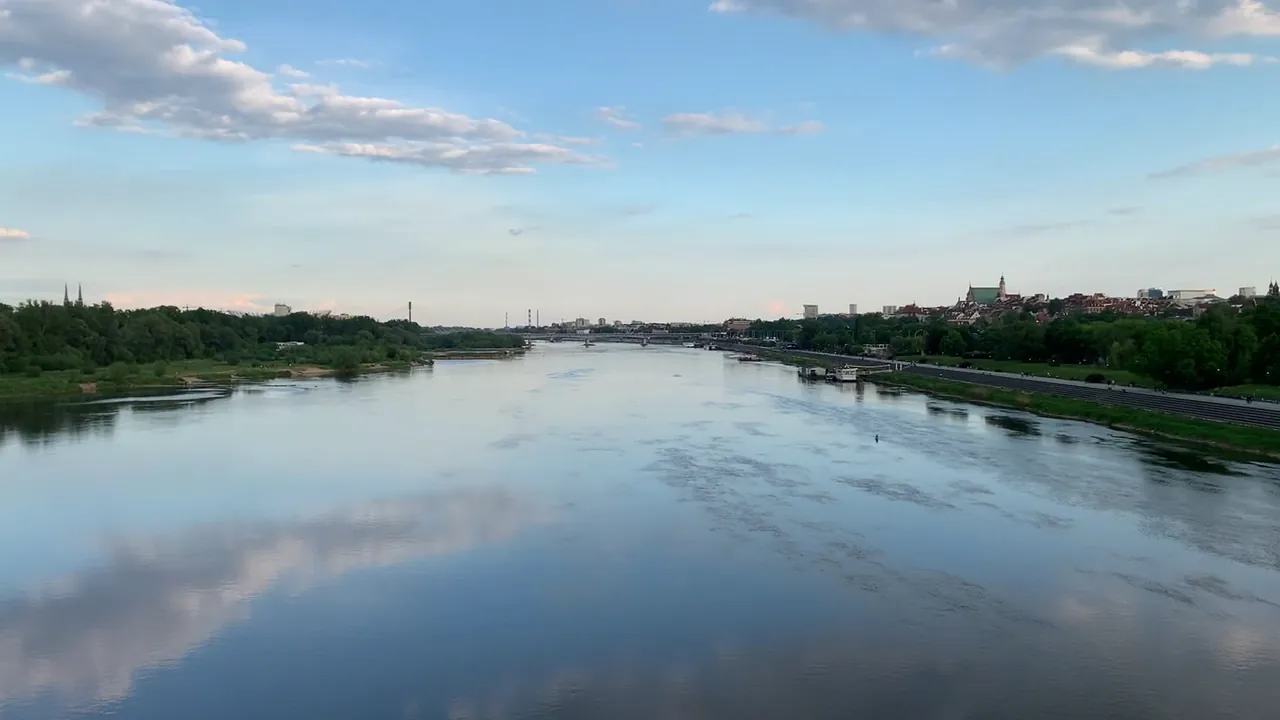
Follow the streets downhill from the Warsaw Escarpment (Skarpa Warszawska) and the capital opens into another world: broad promenades, floating bars, sandy beaches, wooded banks — and occasionally, wildlife with an appetite for barbecue.
For centuries the Vistula (Wisła) carried trade and helped shape Warsaw’s growth. Today it offers an unexpected contrast. One bank is lively and urban; much of the other remains wonderfully natural. The best way to experience the river is to spend some time on both sides.
The City Meets the River
Boulevards, cafés and Warsaw’s outdoor living room
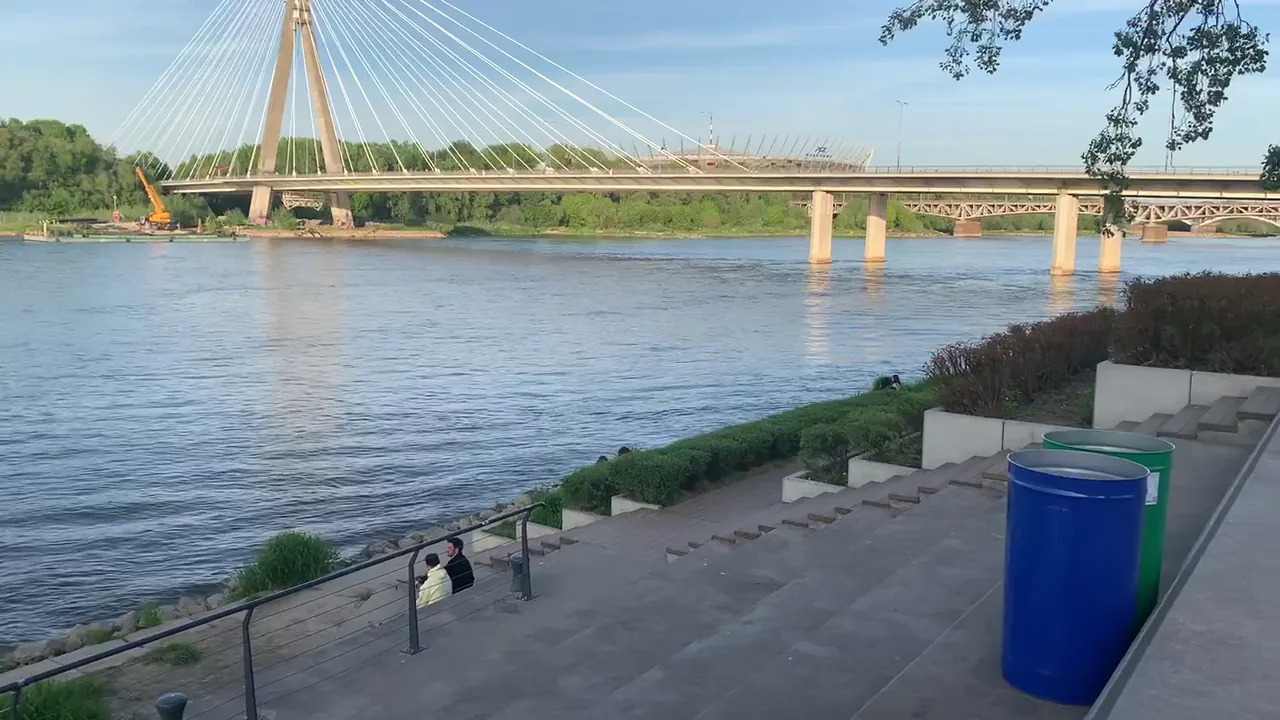
Warsaw’s Vistula Boulevards (Bulwary Wiślane) have brought the capital closer to its river. Wide promenades and cycling routes follow the developed left bank, past landscaped seating, the Copernicus Science Centre and the riverside Mermaid.
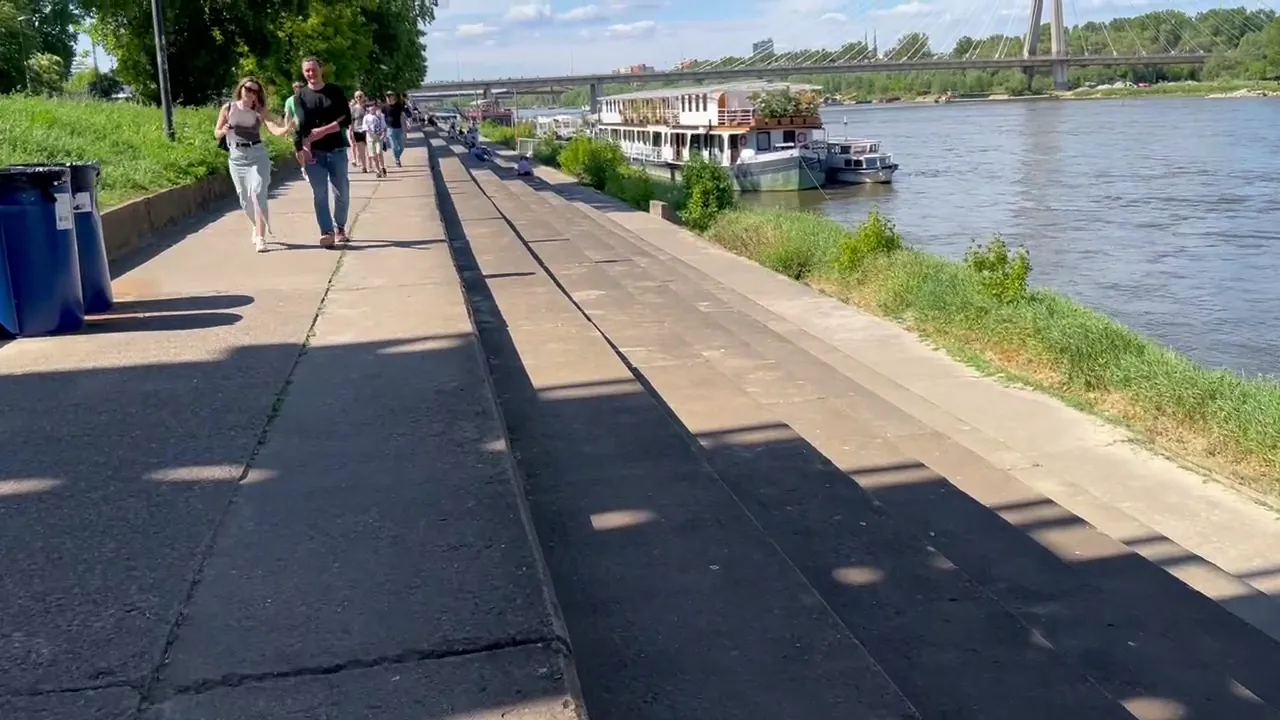
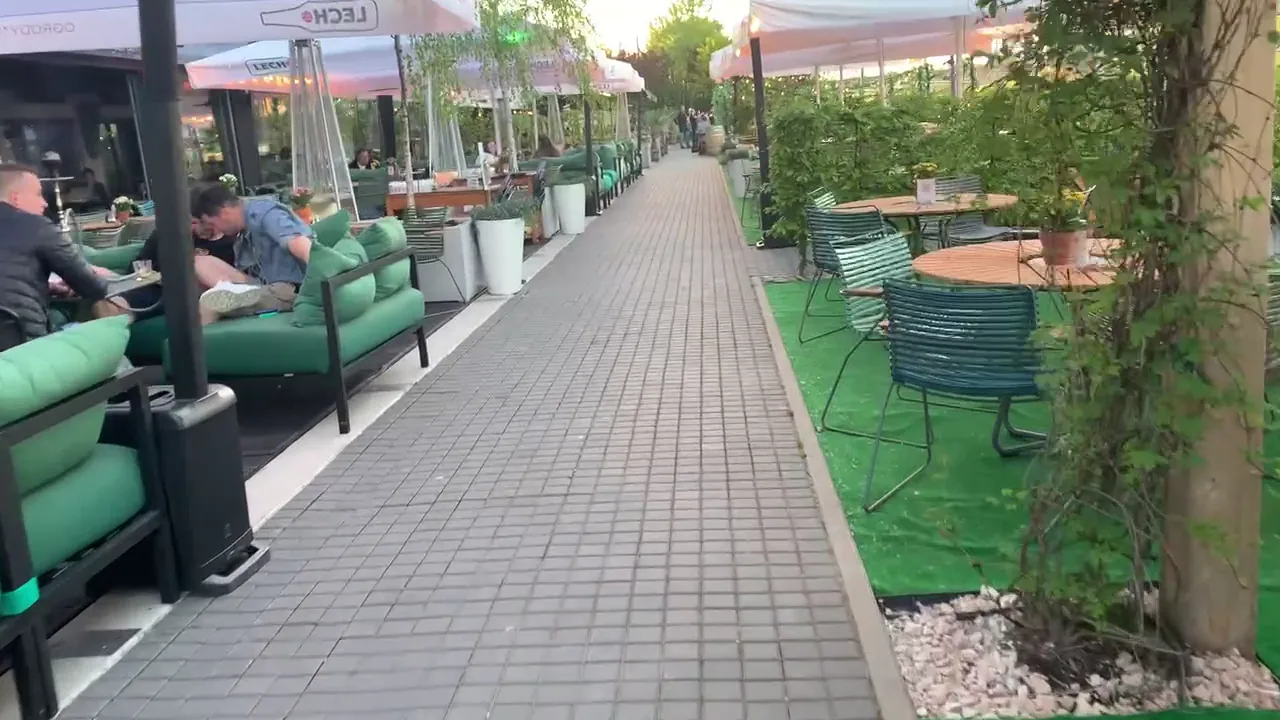
Summer brings floating restaurants, open-air cafés and casual bars. Some offer terraces for a long meal; others invite you to claim a deckchair and enjoy the afternoon. There’s no need to plan every stop. Walk until somewhere catches your eye, then stay for the view.
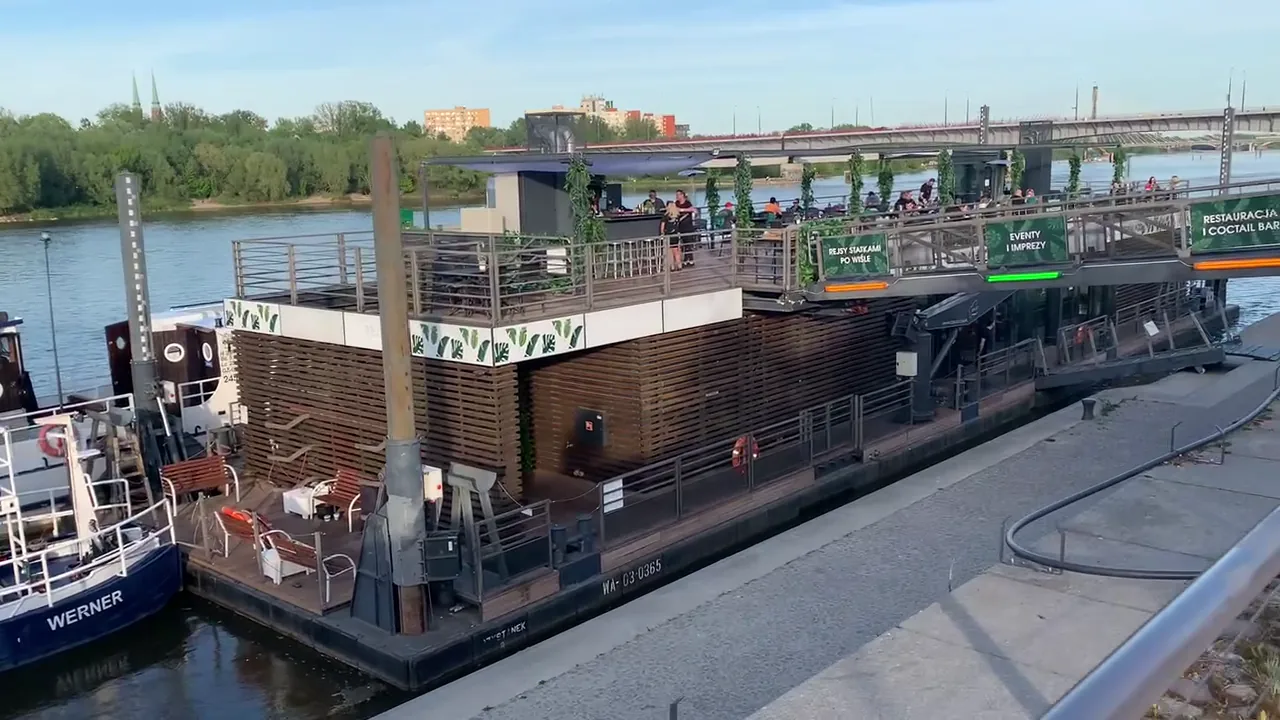
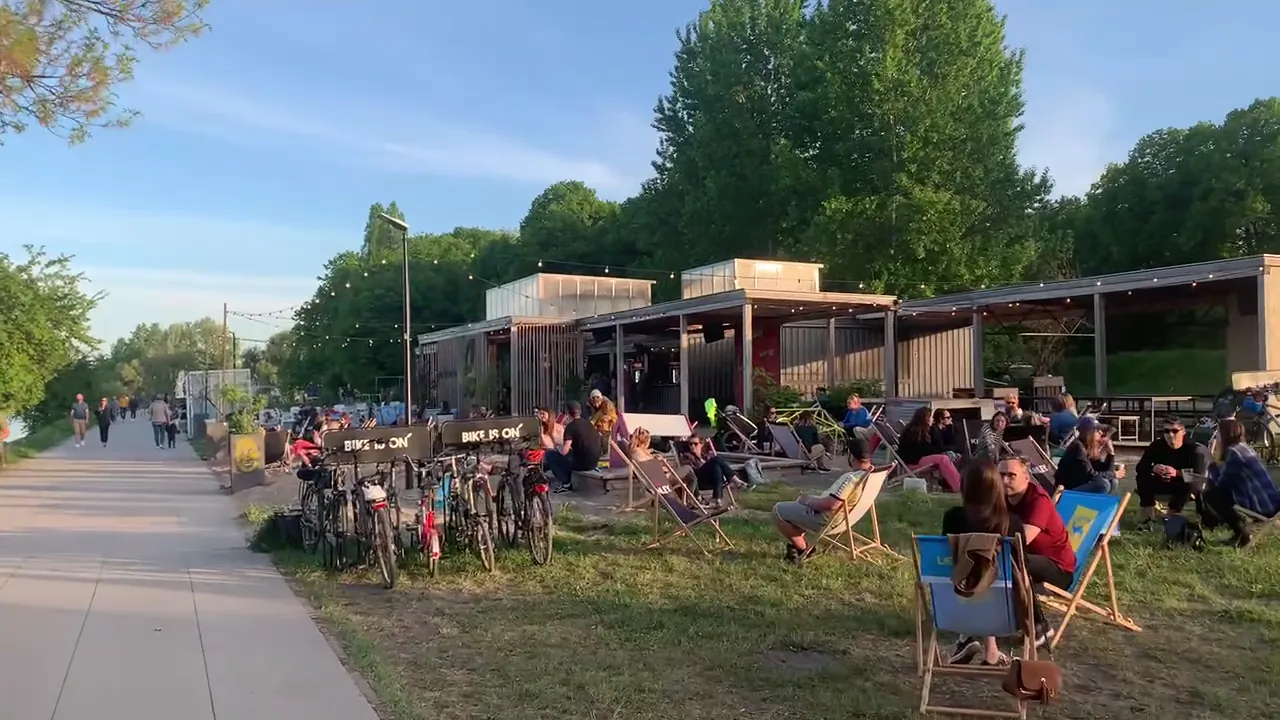
Try this: Walk the Powiśle boulevards in the late afternoon and stay for sunset.
The Wild Side of Warsaw
Sand, woodland and a surprisingly natural river
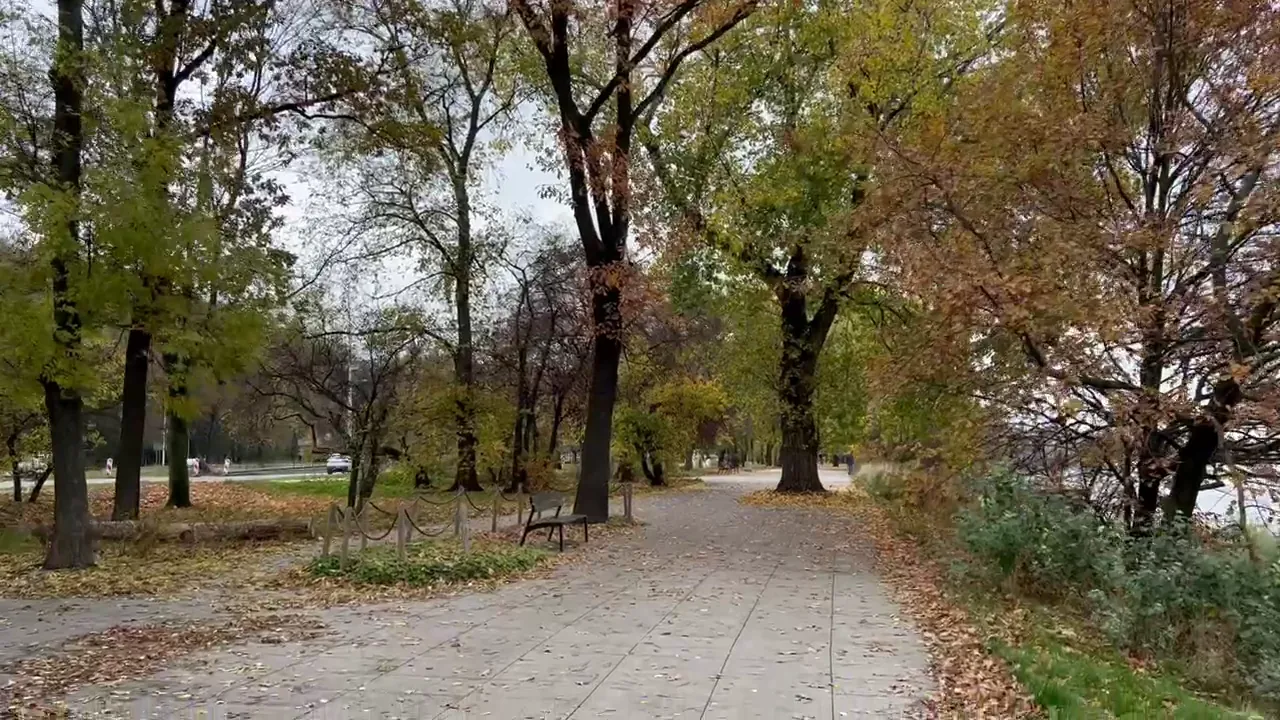
Cross to the eastern bank and the atmosphere changes. Instead of continuous promenades, there are beaches, trees, quieter paths and stretches of shoreline that feel far removed from the city.
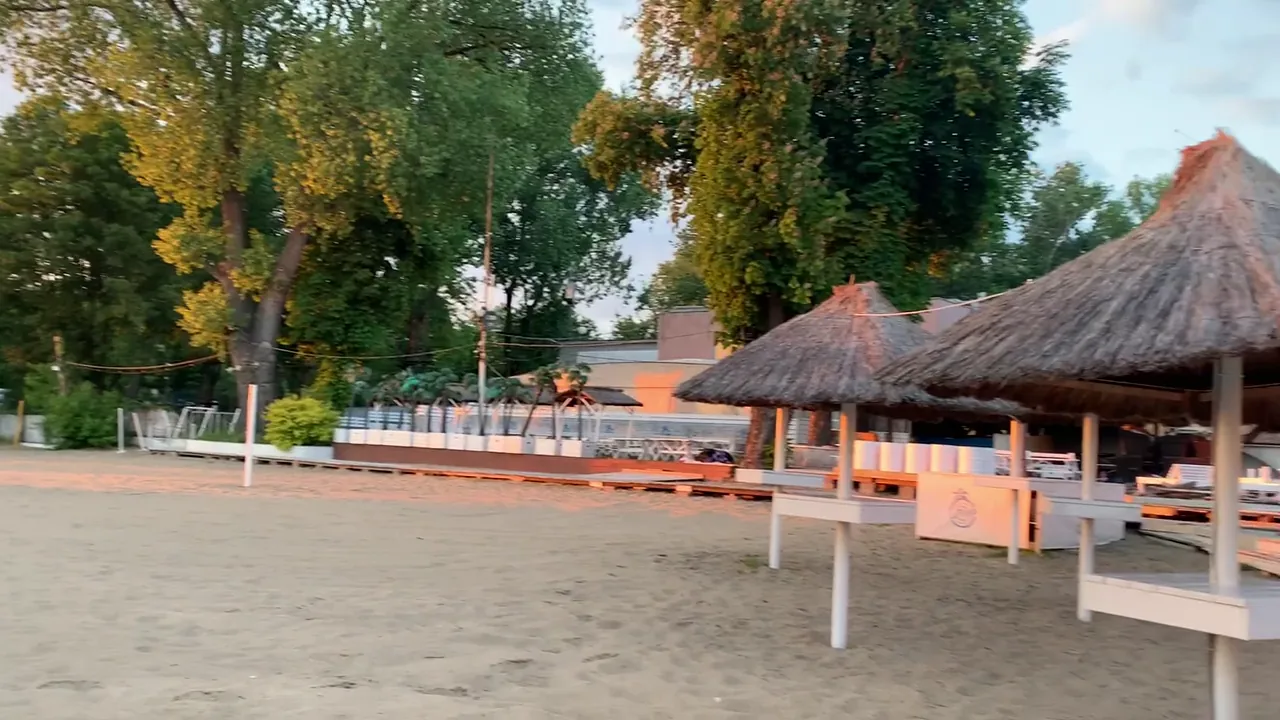
There’s a reason for the contrast. Much of the Vistula flowing through Warsaw retains a relatively natural character, with changing water levels, shifting sandbanks and islands. The Middle Vistula Valley is part of the Natura 2000 network, valued especially for bird habitats. Terns and other birds nest on islands and exposed sand; respect protected areas and any seasonal restrictions.
Poniatówka Beach, close to Poniatowski Bridge and the National Stadium, is one of the best-known places to relax by the river. Elsewhere, wooded routes and quieter corners invite a slower wander.
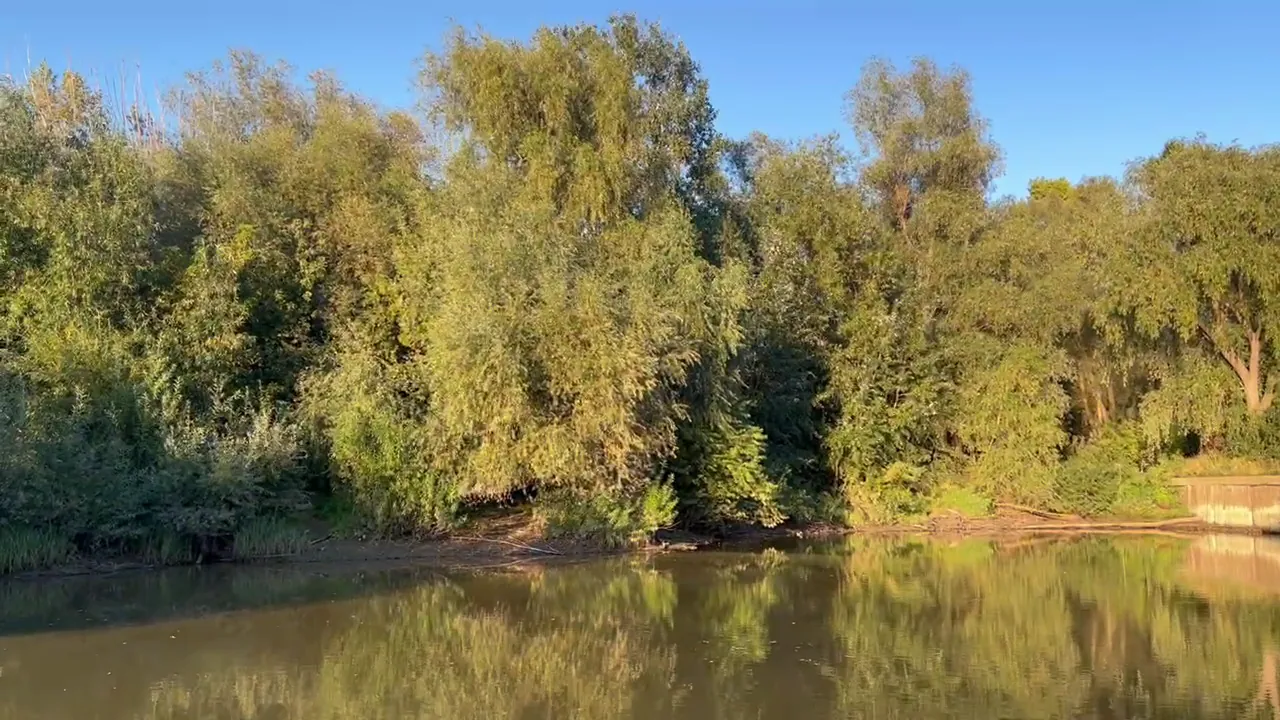
River safety: The Vistula has strong currents, variable depths and underwater hazards. A sandy beach does not mean the river is safe for swimming.
Bridges, Views & Riverside Landmarks
The city looks different from the water
Warsaw’s bridges are landmarks as well as crossings. Poniatowski Bridge carries its historic steel structure across the water; Świętokrzyski Bridge introduces a contrasting cable-stayed silhouette. Each gives the river a different backdrop, particularly at sunset.
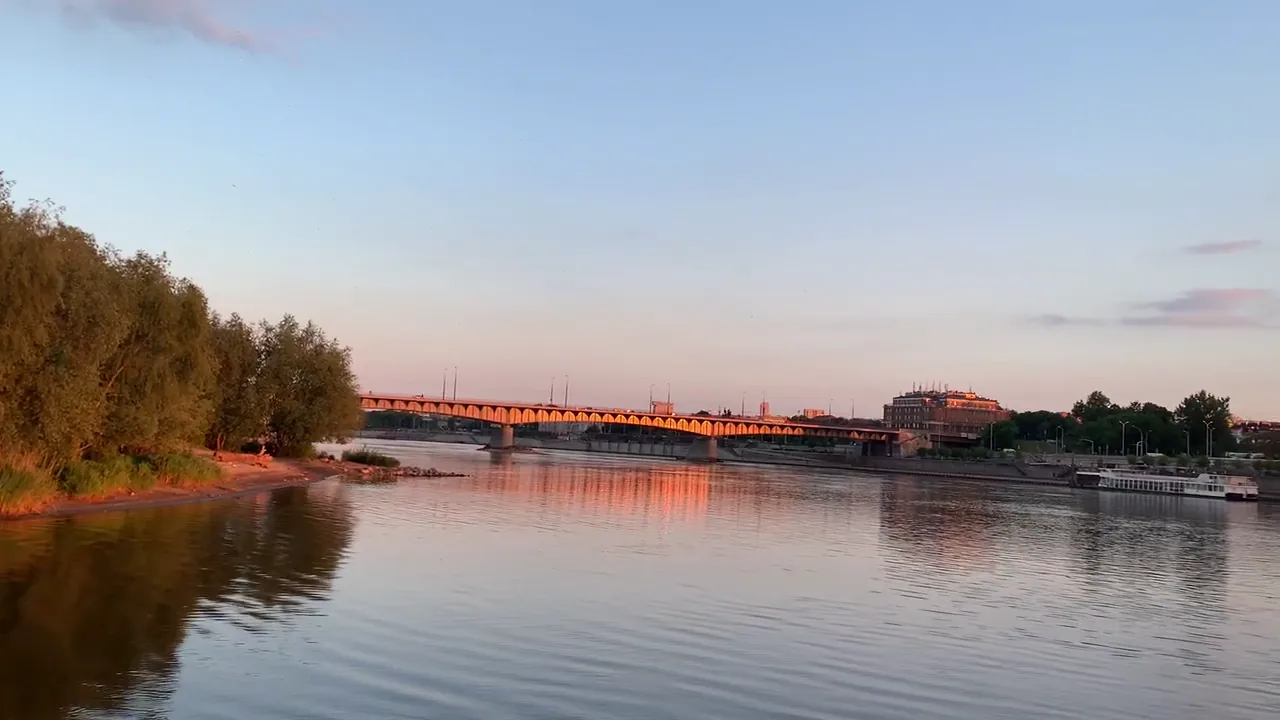
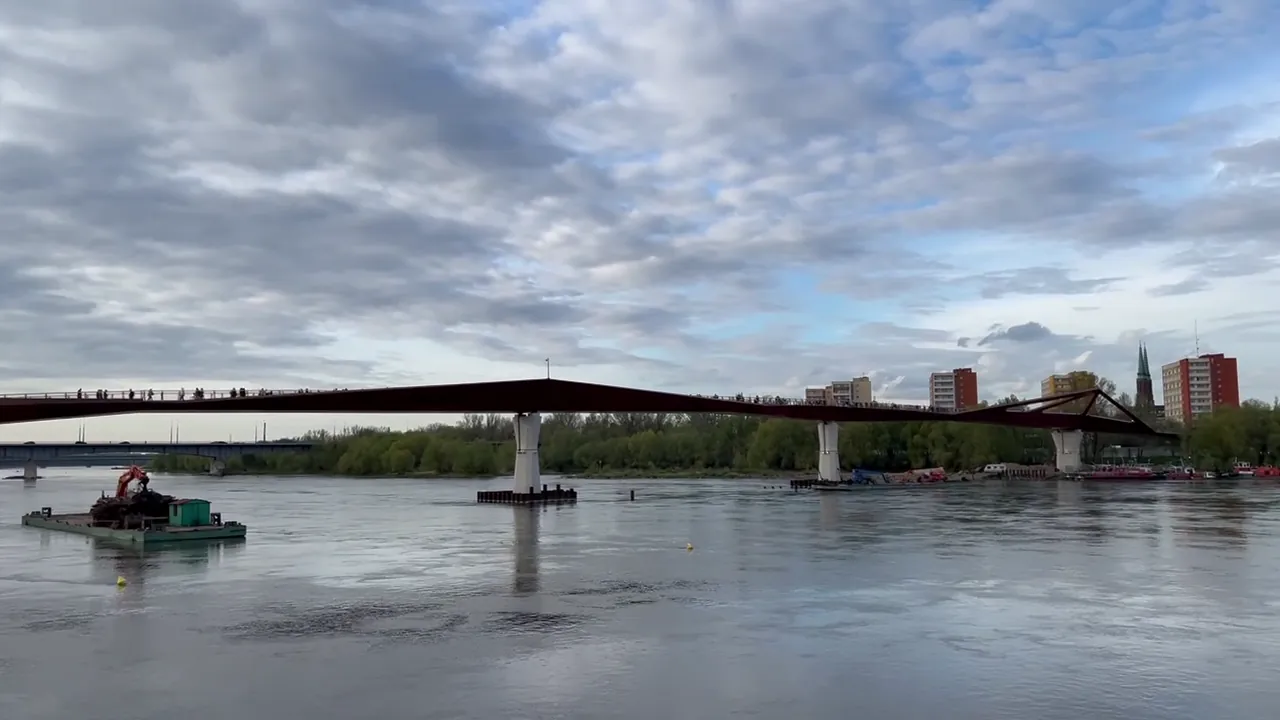
The Magdalena Abakanowicz Bridge, a 452-metre pedestrian and cycling crossing that opened in 2024 and was named in 2025, is now a destination of its own. Its places to pause are perfect for watching the skyline, taking photographs or simply looking along the river.
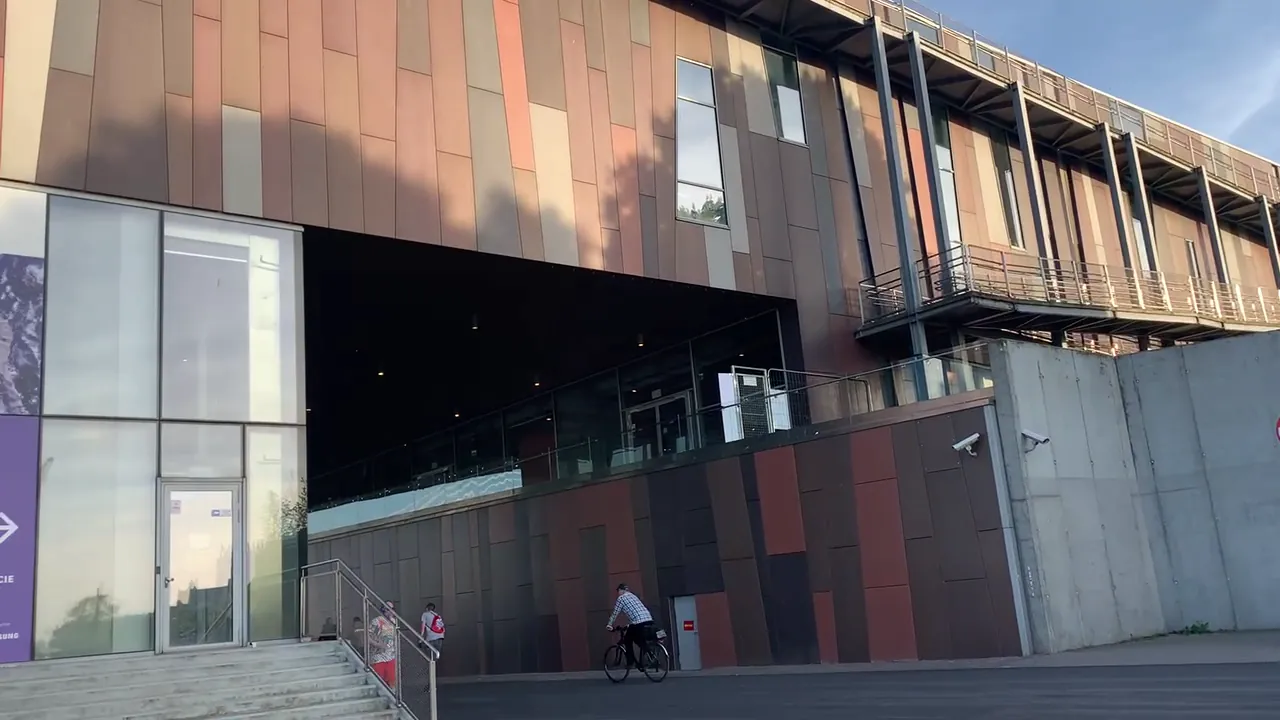
The Mermaid beside the river
Near Świętokrzyski Bridge stands the Vistula Mermaid (Syrenka nad Wisłą), created by Ludwika Nitschowa and unveiled in 1939. In a popular telling of the legend, fishermen free a captured mermaid and she promises to defend Warsaw in gratitude.
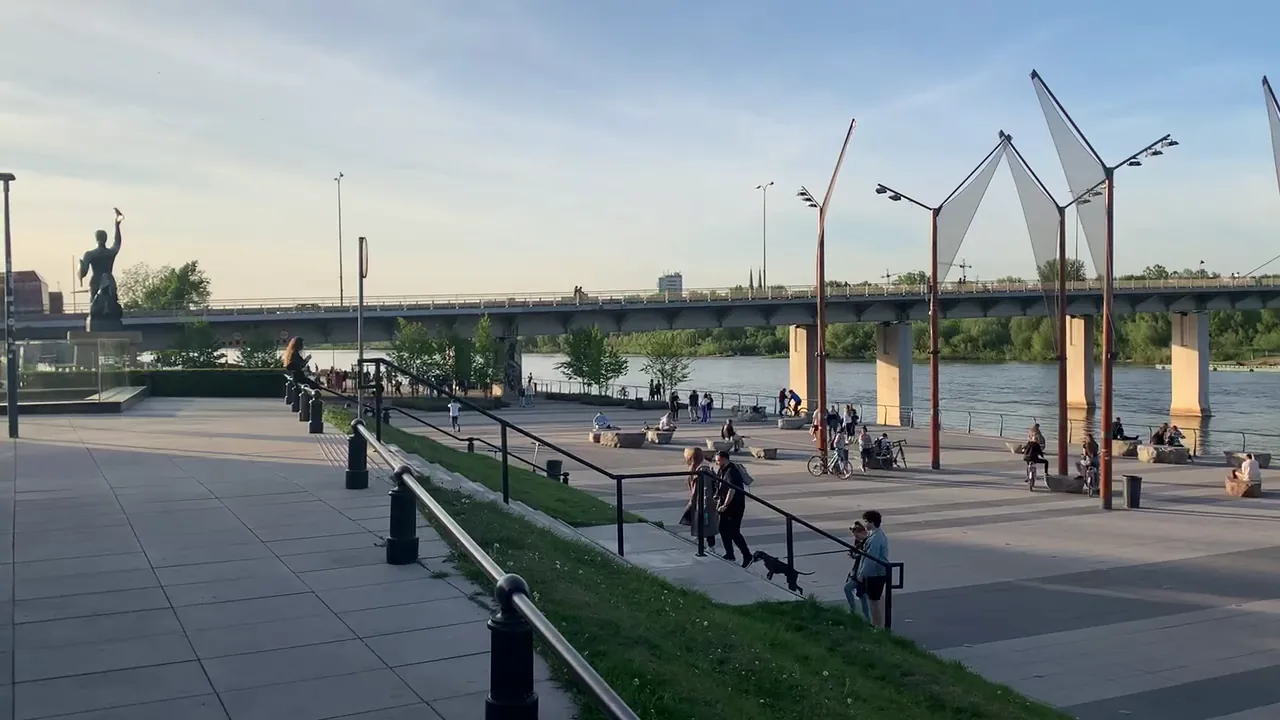
Try this: Cross the Abakanowicz Bridge and continue to the riverside Mermaid for photographs and river views.
Enjoying the River
Historic boats, kayaking, cycling and summer nights
A boat trip changes the scale of Warsaw. Seasonal cruises on vessels inspired by historic Vistula craft — including galar and szkuta boats — recall the river’s trading past while giving passengers an entirely different view of its bridges and skyline.
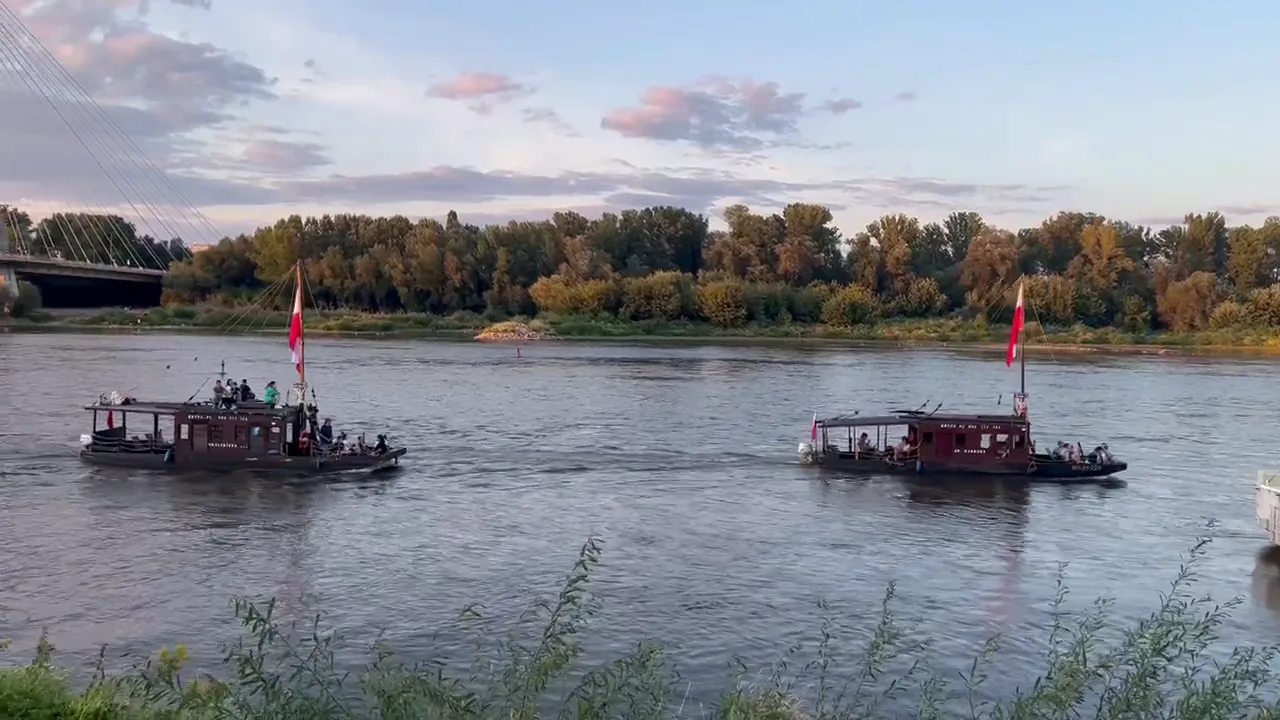
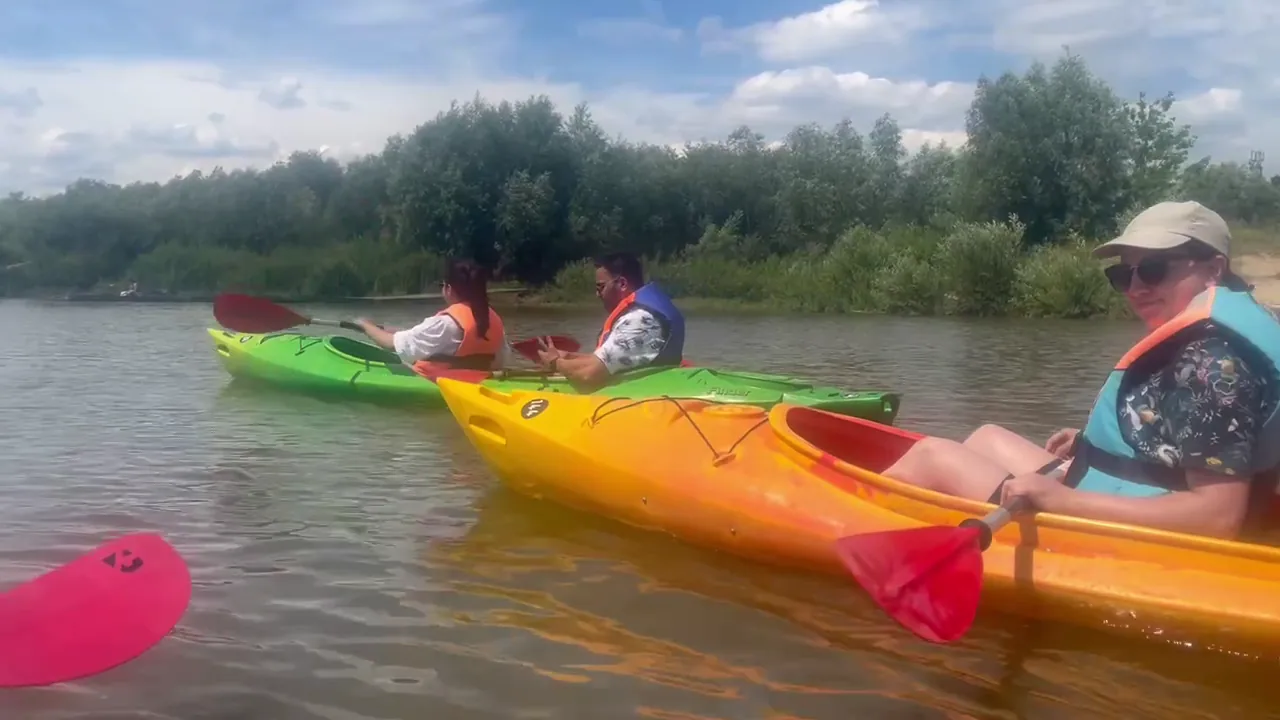
The city also runs seasonal free ferries. In 2026 the services included Słonka, Pliszka and Wilga. Routes and dates change from season to season, and river conditions can interrupt departures. For kayaking, choose an experienced organiser with appropriate safety equipment; the Vistula’s current deserves respect.
On land, long promenades and cycle routes link riverside sights, cafés and viewpoints. After dark, floating venues and evening meeting spots give the river a different atmosphere.
Summer shows beneath the New Town
The Multimedia Fountain Park below the New Town offers seasonal evening shows of water, colour, music and projections. The 2026 programme ran from May to September; check the current schedule before making a special journey.
Plan ahead: Warsaw’s seasonal river transport · Fountain programme. Check operating dates rather than assuming year-round service.
Unexpected Neighbours
Wildlife sharing the capital’s riverbanks
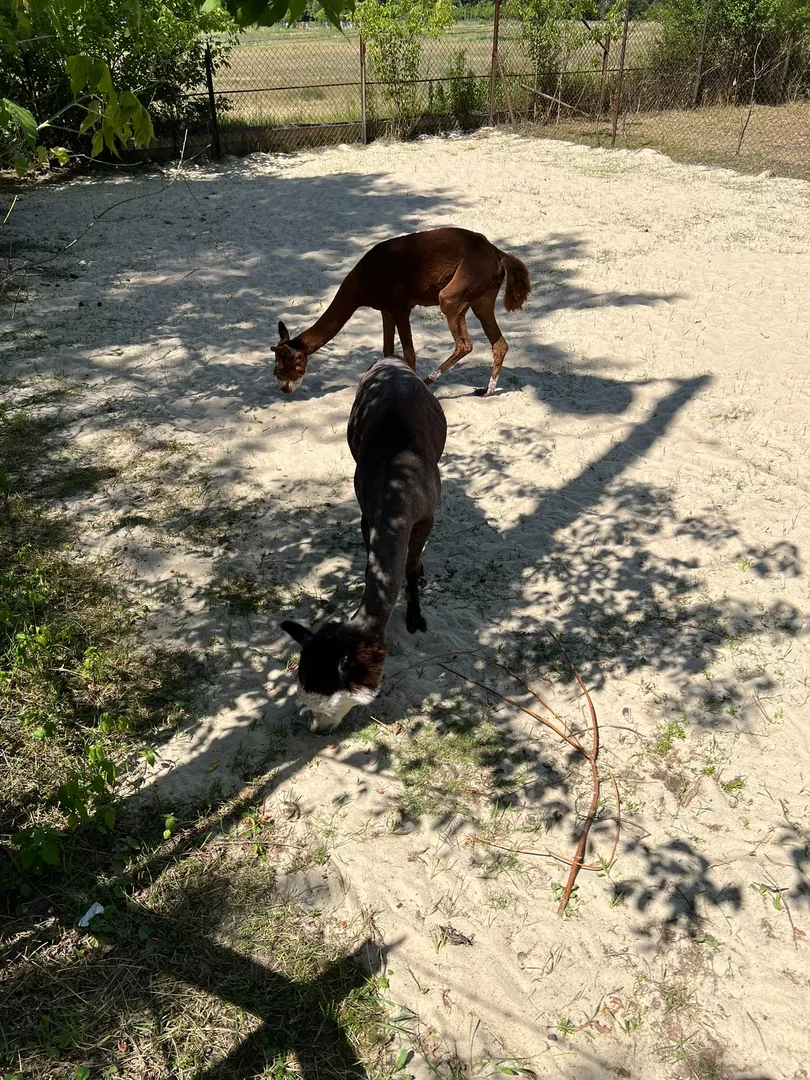
The Vistula is more than Warsaw’s outdoor social space. Its wooded shores, islands and quieter stretches form a valuable corridor for wildlife. Terns nest on protected sandbanks, while signs of beavers — particularly gnawed trunks — can sometimes be spotted near the water. Deer and other mammals may appear in greener riverside places.
The BBQ-raiding boars
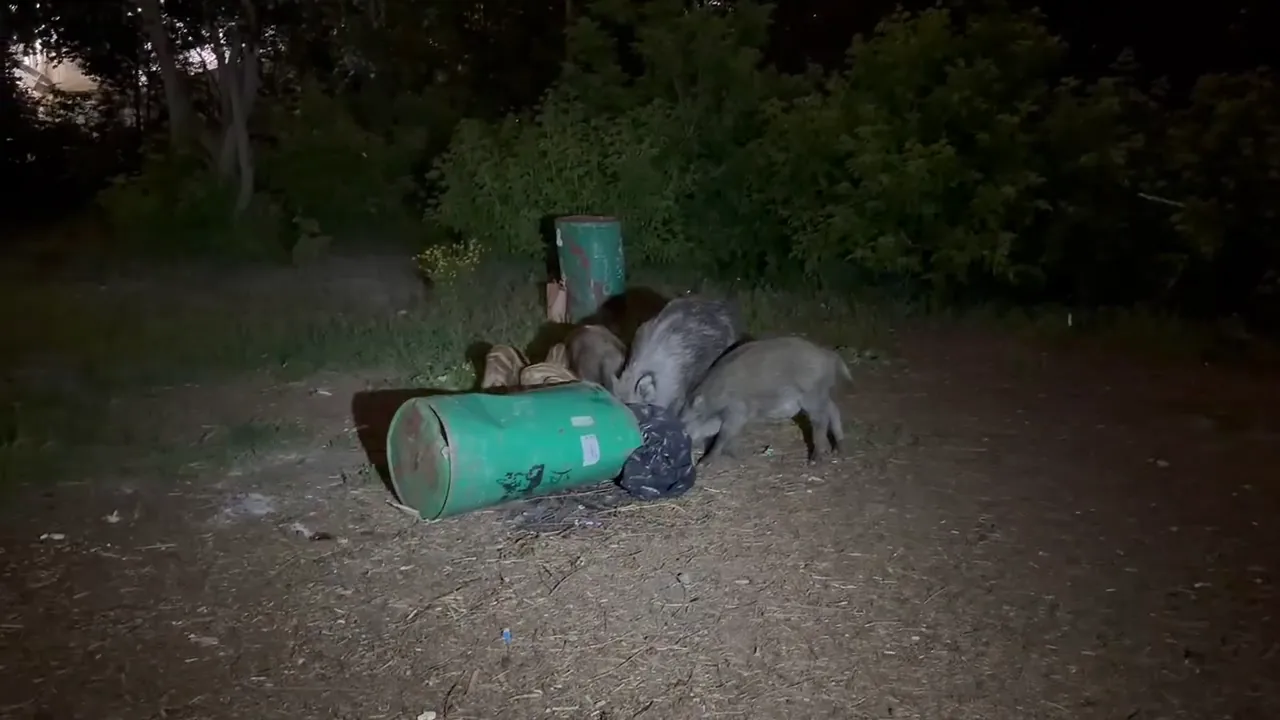
During one of our riverside barbecues, some uninvited guests arrived: a family of wild boars. The adults investigated the area first, then returned with the youngsters. Before long they had tipped over the nearby rubbish bins and were helping themselves to whatever food they could find.
It was a memorable sight — and a reminder that even in the middle of Warsaw, nature can be a little too enthusiastic about our leftovers.
Wildlife safety: Never feed wild animals. Give boars plenty of space, especially around their young, keep food and rubbish secure and avoid disturbing nesting birds.
Planning a Vistula visit
Late spring through early autumn has the most outdoor activity. Summer evenings are especially atmospheric.
Walk or cycle the boulevards, cross the pedestrian bridge, and check seasonal ferry options.
Confirm cruise or kayaking availability and current river conditions before travelling.
Avoid unsupervised swimming, respect wildlife habitats and check local rules on public drinking and fires.