A house barely wider than a doorway. A village built for the workers behind Warsaw’s most famous skyscraper. A university hiding a palatial courtyard. Some of the capital’s best stories are the ones you could walk straight past.
Praga's quieter corners · Original Brit in Poland photograph
The Warsaw worth looking twice at. This isn’t a list of secret locations known only to insiders. Some are familiar to local residents; others are tucked behind modest façades or far from the usual sightseeing circuit. What connects them is a story worth seeking out.
I’ve arranged these discoveries as a little journey through the city: unexpected interiors, surviving neighbourhoods, playful detours and traces of its industrial past. Where somewhere is residential, seasonal or accessible only from outside, I’ve said so.
01
Hiding in plain sight
The best surprises are sometimes waiting behind the most ordinary entrances.
Your photograph of Keret House
Wola / Mirów
Keret House
A house you could almost miss
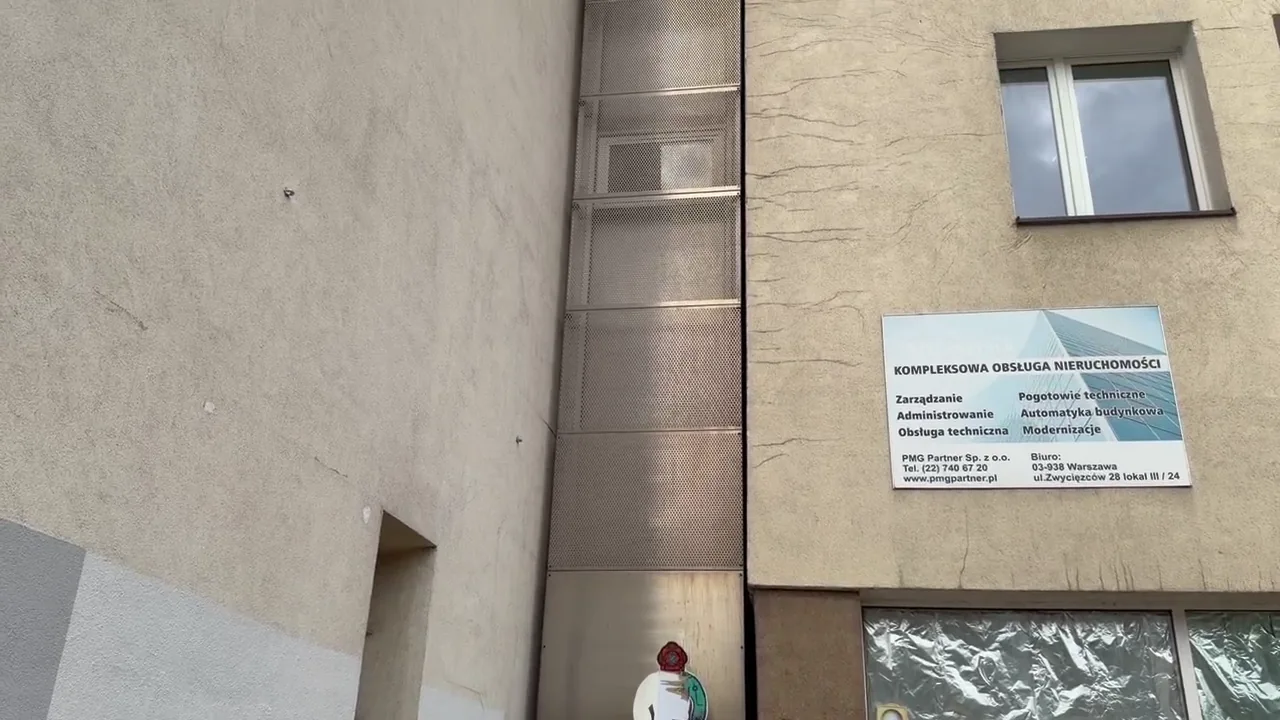
Squeezed between a pre-war tenement on Chłodna and a post-war block on Żelazna, Keret House is just 92 centimetres wide at its narrowest point, widening to 152 centimetres. Architect Jakub Szczęsny completed this art installation in 2012 for writer Etgar Keret. It stands close to the former Warsaw Ghetto footbridge crossing: an extraordinary meeting of playful architectural invention and painful urban memory.
Visiting: Exterior viewing only · The installation is not regularly open for public tours; please do not try to enter or look inside.
Your photograph of the Polytechnic’s glass-roofed hall
Śródmieście
Warsaw University of Technology
A palace behind the lecture halls
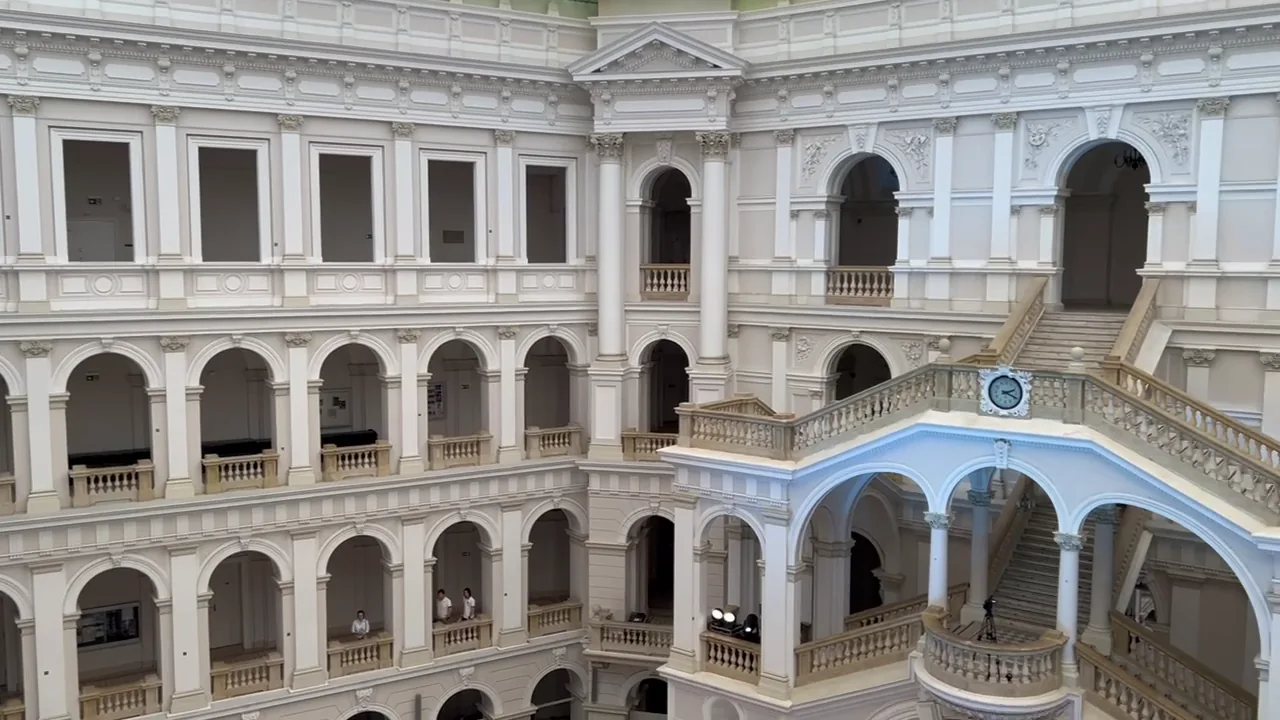
The Main Building of Politechnika Warszawska is impressive from the street, but the real spectacle is its glass-roofed central hall. Architect Stefan Szyller designed the building at the turn of the twentieth century, surrounding the great courtyard with tiers of arcades and an imposing staircase. For a place dedicated to science and engineering, its interior feels remarkably theatrical—and it is still used by students today.
Visiting: University building · Public areas are often accessible on weekdays, but academic events and security may restrict entry.
Before film and television came stereoscopic images: paired photographs that seem three-dimensional when viewed through a special apparatus. At Warsaw’s Fotoplastikon, visitors sit around a historic circular viewer and watch photographs pass before their eyes. One of Europe’s oldest surviving examples of this kind of attraction, it is now run by the Warsaw Rising Museum. The experience is a small, captivating contrast to the screens we carry in our pockets.
Visiting: Ticketed museum · Programmes and visiting times vary; check the current schedule.
Wooden houses, wartime courtyards and traces of a capital that kept changing.
Your blue wooden house photograph from Osiedle Przyjaźń
Bemowo
Osiedle Przyjaźń
The village built for a skyscraper
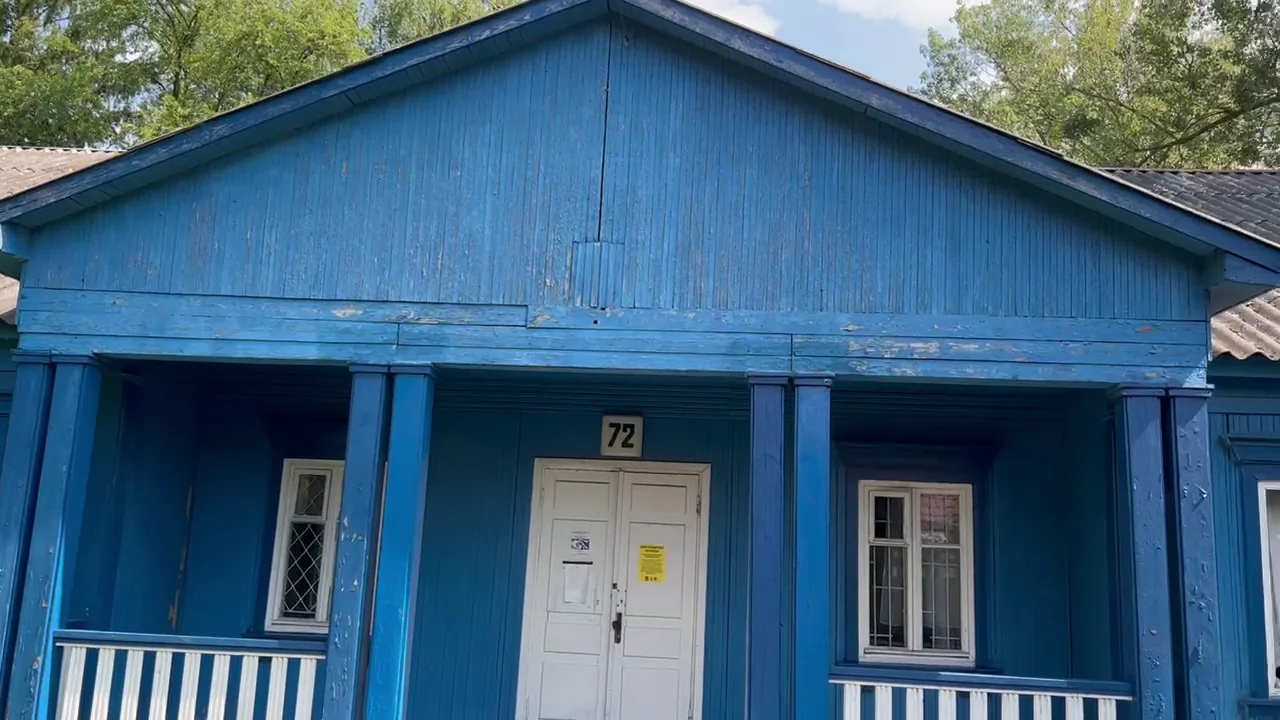
The Palace of Culture and Science has a supporting character that most visitors never meet: Osiedle Przyjaźń. Built in 1952, its wooden houses and communal buildings accommodated Soviet workers who were constructing the skyscraper. After the Palace was finished, the estate became student and academic housing. The low wooden buildings, generous greenery and quiet lanes remain an astonishing contrast to Warsaw’s high-rise skyline.
Visiting: Residential neighbourhood · Enjoy the public streets; respect private homes and gardens.
Some of Praga’s most affecting sights aren’t on the main streets. Behind old tenement gateways sit small shrines, often adorned with flowers and candles. Courtyard chapels became important places of prayer and solidarity during the German occupation, and many continue to be cared for by residents. Parts of right-bank Praga retained historic buildings that disappeared from much of the left bank, making these courtyards glimpses into an older Warsaw still being lived in.
Visiting: Residential courtyards · Look respectfully from public gateways; do not enter private spaces simply to take photographs.
Just beyond Warsaw’s grand government quarter stands a village of wooden cottages built in 1945 for the engineers and planners rebuilding the city. The prefabricated houses came from Finland as part of war-reparations arrangements involving the Soviet Union. Meant to be temporary, many survived for generations. Today the remaining houses accommodate community initiatives and cultural activities as well as residential life: a human-sized pocket of post-war Warsaw.
Visiting: Living community · Follow advertised workshops and open days; be considerate around homes.
Fragments of the Warsaw Ghetto boundary survive in unexpected places, including the courtyard area between Sienna and Złota streets. These walls are not grand monuments: their significance lies precisely in how much history is embedded in today’s ordinary city blocks. If you visit, treat the setting as a place of remembrance, not an urban exploration challenge.
Visiting: Sensitive residential access · Courtyard access may be restricted; never force entry or disturb residents.
A medieval stronghold, a courtyard of bars, and summer evenings illuminated by water.
Your photograph from Warownia Jomsborg
Żoliborz
Warownia Jomsborg
Vikings beside the Vistula
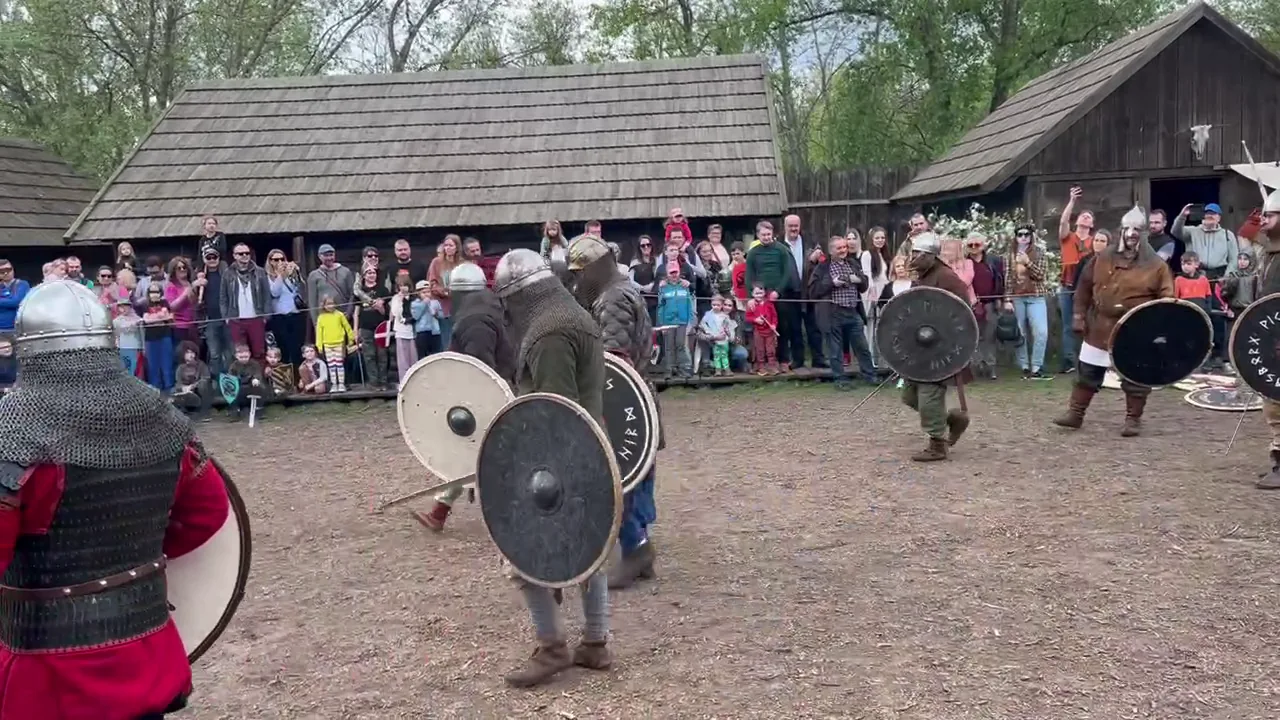
Near the Vistula, Warownia Jomsborg brings early-medieval life to Warsaw through reconstructions, historical costumes, craft activities and themed events. The emphasis is on experience rather than glass cabinets: what could people make, wear and do in a very different age? Depending on the event, visitors may encounter living-history demonstrations and hands-on activities. The calendar matters more than the street address here.
Visiting: Seasonal / events only · Check the organiser’s current programme before travelling.
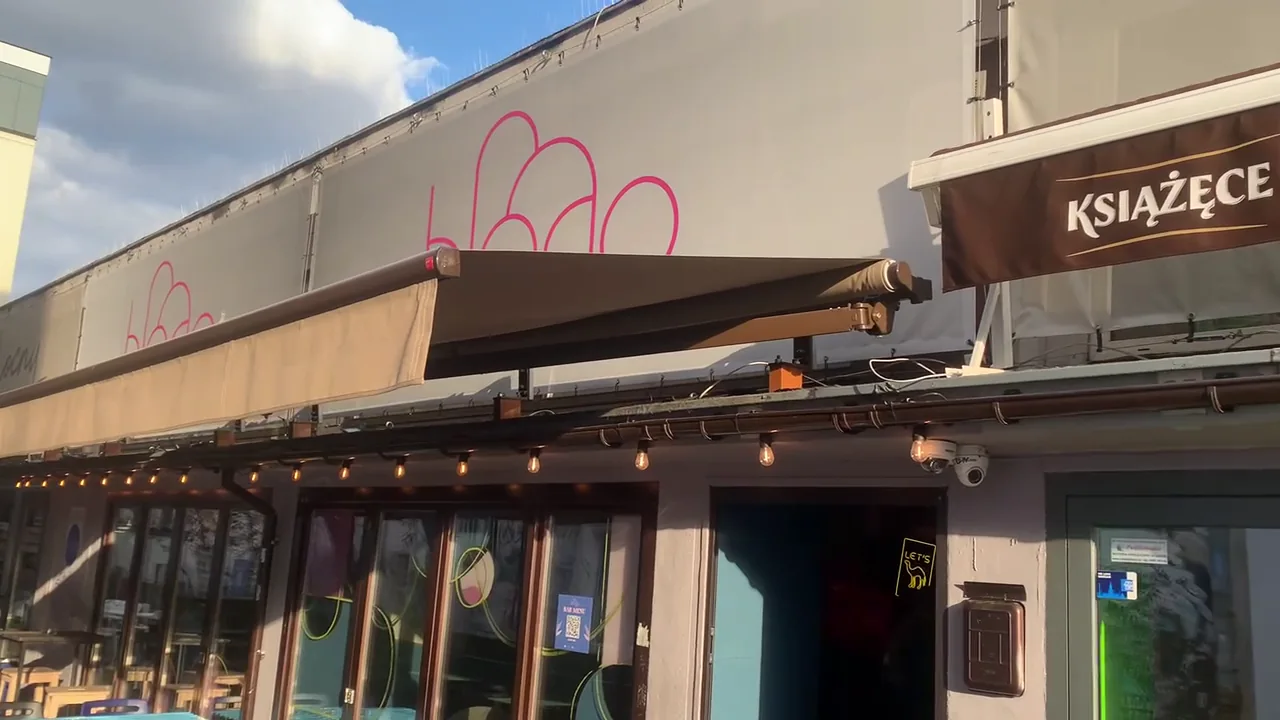
Nowy Świat is all elegant façades and busy pavements. Slip off the main street, though, and you reach Pawilony: a cluster of tiny bars packed into passageways and courtyards. The atmosphere is closer to a scruffy neighbourhood gathering spot than the polished restaurants a few steps away. It is an easy discovery to miss in daylight—and a very different side of central Warsaw after dark.
Visiting: Evening venue · Individual bars, access and opening times change.
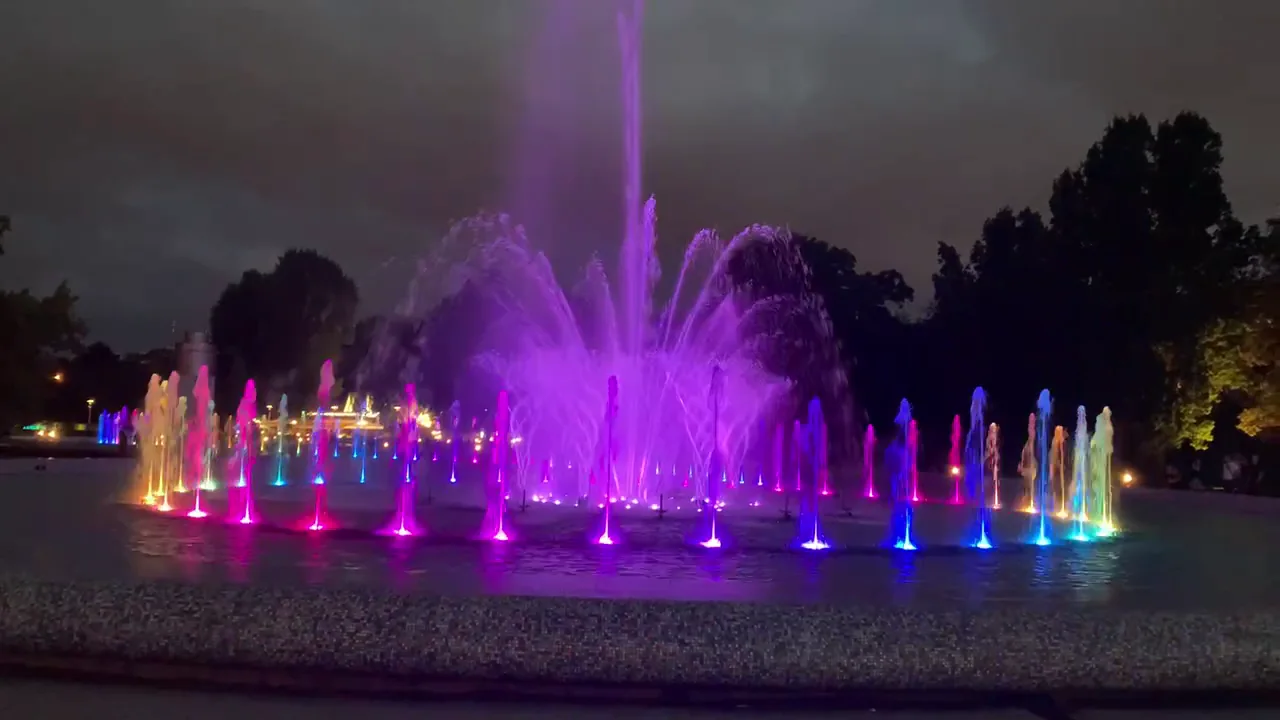
Below the Old Town, the Multimedia Fountain Park transforms a riverside evening into a show of illuminated jets, music and colour. The performances are especially appealing after a day among Warsaw’s museums and monuments: the historic skyline is nearby, but the mood belongs firmly to the present. It is no secret to locals, yet it is exactly the kind of seasonal experience a visitor can easily overlook when planning a city break.
Visiting: Free outdoor attraction · Main multimedia shows are seasonal; check the current summer programme.
The infrastructure and fortifications that shaped a working city.
Your photograph of the historic Warsaw gas holders
Wola
Warsaw Gasworks Museum
The enormous brick circles of Wola
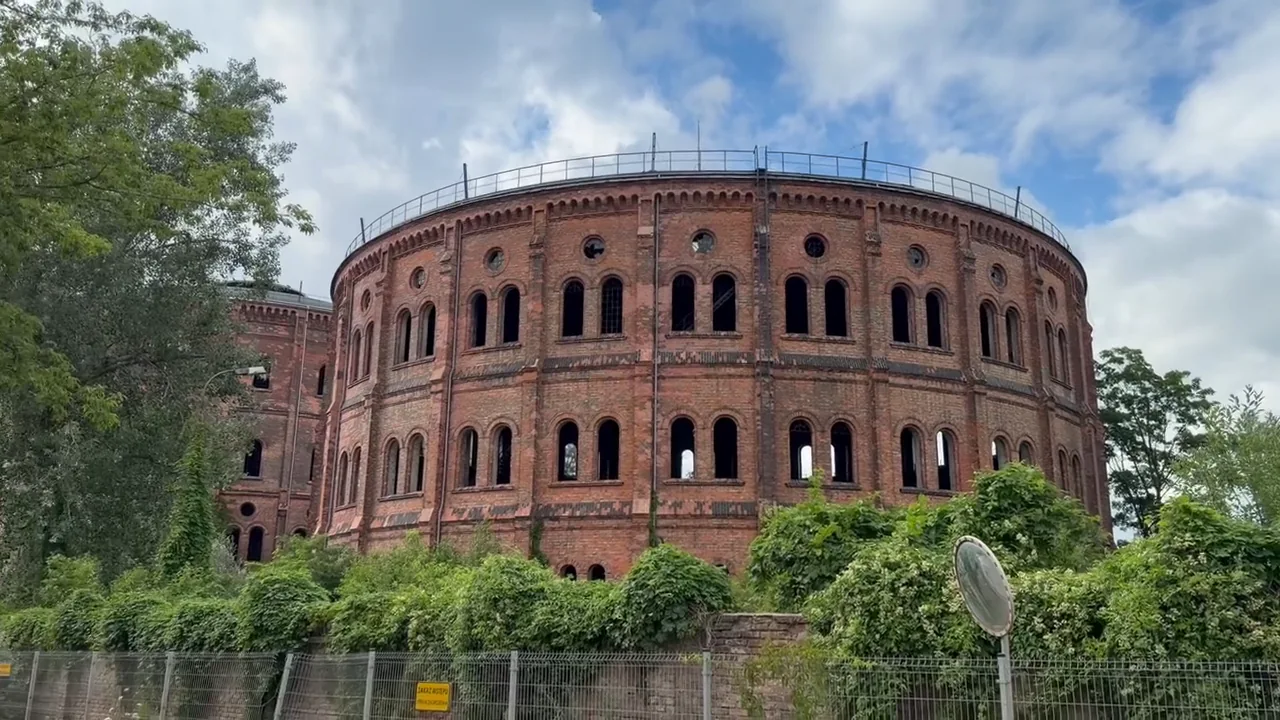
Two monumental brick gas holders rise above the former Warsaw Gasworks site like industrial colosseums. They are the headline sight, but the nearby Warsaw Gasworks Museum tells the story behind them: the lighting, appliances and infrastructure that helped modernise the city. The museum is visitable; the giant historic gas-holder structures are not part of the normal visitor route. This is Warsaw’s industrial heritage at its most spectacular.
Visiting: Museum open to visitors · Gas holders restricted · Check official hours; free admission is offered on Fridays.
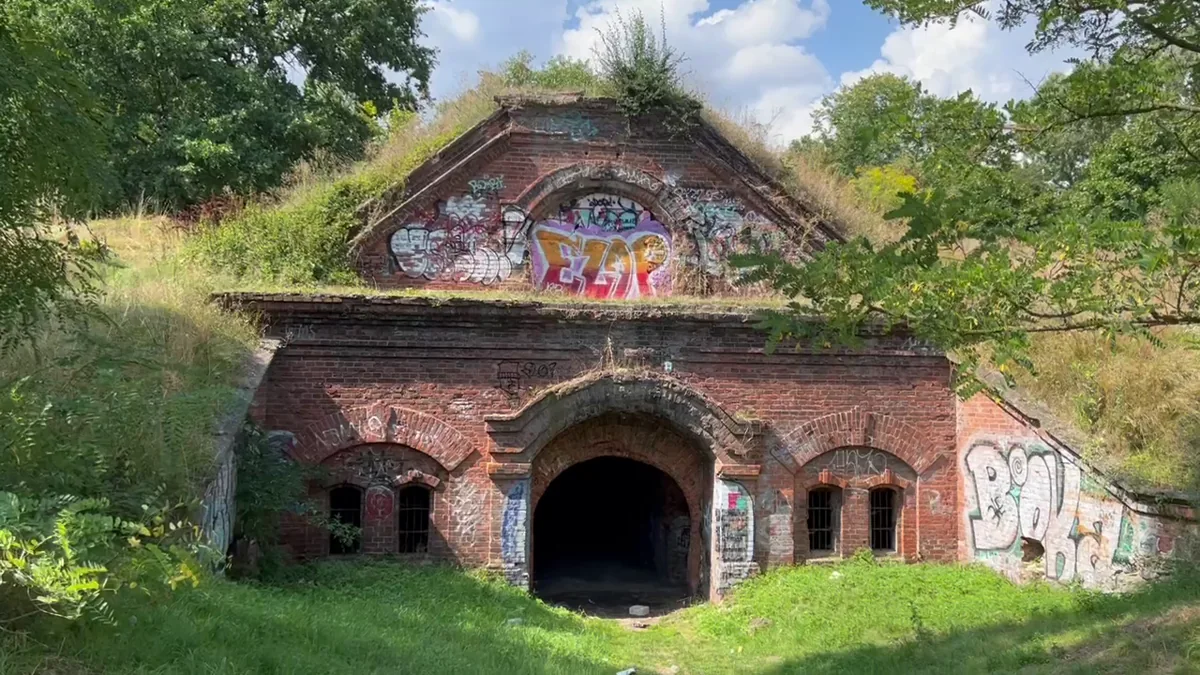
Fort Bema photograph from our Parks & Gardens guide
Bemowo
Fort Bema
A surviving piece of Warsaw’s fortress ring
Warsaw was once protected—and controlled—by an extensive network of nineteenth-century fortifications. Fort Bema survives as one of the places where you can still read that military geography in the landscape. The old brickwork and earthworks now sit within a peaceful public park, making the shift from imperial stronghold to city green space particularly visible. Our Parks & Gardens guide covers the recreational side; here the story is the vanished defensive ring.
Visiting: Public park routes · Keep out of closed or unsafe fort interiors.
A wooden house can tell the story behind a skyscraper. An old gate can conceal a courtyard shrine. And one of the city’s grandest interiors can sit inside a working university.
The best discovery might be the place you nearly walked past.

 Kolejkowo Warszawa
 BUW Rooftop Garden
 Pinball Museum