
Żoliborz
Fortress & Garden
Discover leafy avenues, beautiful residential streets, historic museums and the remarkable stories hidden within Warsaw’s quieter northern neighbourhood.
Explore the neighbourhood ↓Walking map ↓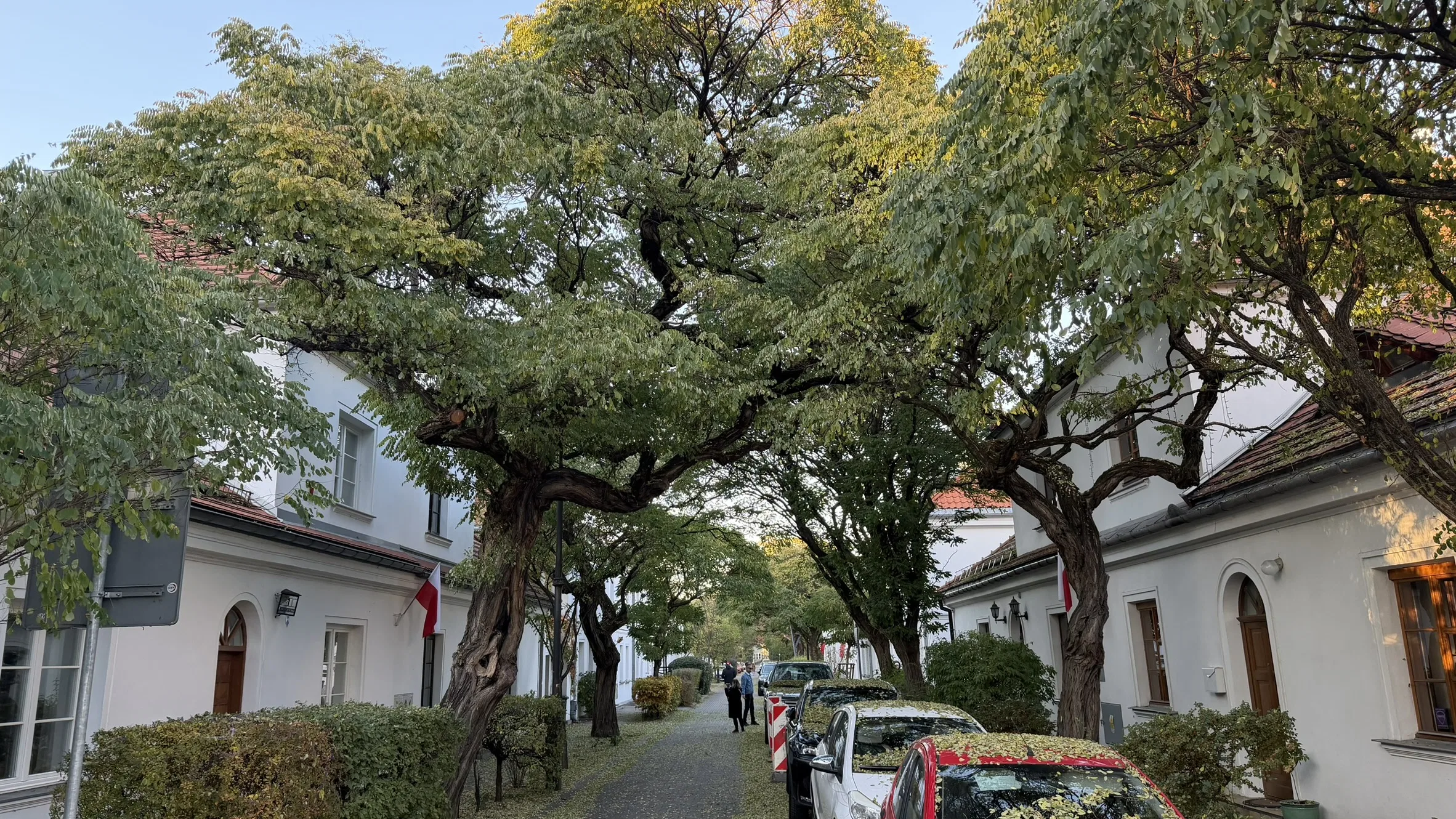
A quieter side of Warsaw
Żoliborz feels different from the bustle of central Warsaw. Historic villas sit behind gardens, tree-lined streets lead towards open residential squares, and small shops and cafés give the area a distinctly local character. Much of Old Żoliborz is relatively affluent, but the wider district also includes cooperative estates, postwar housing and parks.
I spent a day visiting the Citadel museums and walking the streets and green spaces. What stayed with me was not simply one attraction, but how enjoyable the district was to explore without rushing. The architecture, quiet streets and unexpected memorials invite you to look closer.
There is a deeper story too. Russian imperial control, the ambitions of independent Poland, housing reform, wartime resistance and opposition to communist rule all left their mark here. Żoliborz works both as a pleasant walk and as a revealing journey through modern Polish history.
Explore Żoliborz on the map
The map shows the Citadel museums, architectural highlights, memorials and parks, with three optional walking routes you can switch on. The historic streets are best appreciated at your own pace: this is a guide, not a mandatory checklist.
· Public outdoor · · Private, view from the street · · Building you may enter · · Park · · Optional detour. Colours show the theme.
Suggested walks
Quiet introduction
About 2.9 km. Allow 1½–2 hours with stops, not counting museums.
- 8 Plac Wilsona
- 24 Alina (Girl with a Jug)
- 23 Park Żeromskiego & Fort Sokolnickiego
- 20 St Stanisław Kostka Church
- 10 Szklany Dom
- 12 Plac Słoneczny
Fortress & Garden walk
About 4.4 km, ending at the Citadel’s Żoliborz Gate. Allow 3–4 hours with stops.
- 8 Plac Wilsona
- 18 Jarosław Dąbrowski battalion memorial
- 9 WSM VII Colony
- 20 St Stanisław Kostka Church
- 10 Szklany Dom
- 23 Park Żeromskiego & Fort Sokolnickiego
- 12 Plac Słoneczny
- 13 Kaniowska 21 & 21B
- 14 Witold Lutosławski’s house
- 15 Plac Inwalidów
- 26 Park Fosa
- 5 Żoliborz Gate (Brama Żoliborska)
Citadel museum day
About 1.9 km between gates and museums inside the Citadel, plus 1.4 km from Plac Wilsona metro (dotted). Choose one or two museums; all four is too much for one day.
- 5 Żoliborz Gate (Brama Żoliborska)
- 2 Polish Army Museum
- 3 Polish History Museum
- 1 Tenth Pavilion Museum
- 4 Katyń Museum
- 6 New Town Gate (Brama Nowomiejska)
Museums & Citadel
- Tenth Pavilion MuseumMuzeum X Pawilonu · Skazańców 25Museum · check days and tickets
- Polish Army MuseumGwardii 4 · enter via the Żoliborz GateMuseum · check days and tickets
- Polish History MuseumGwardii 1Museum · check days and tickets
- Katyń MuseumJana Jeziorańskiego 4 · by the New Town GateMuseum · free admission · check days
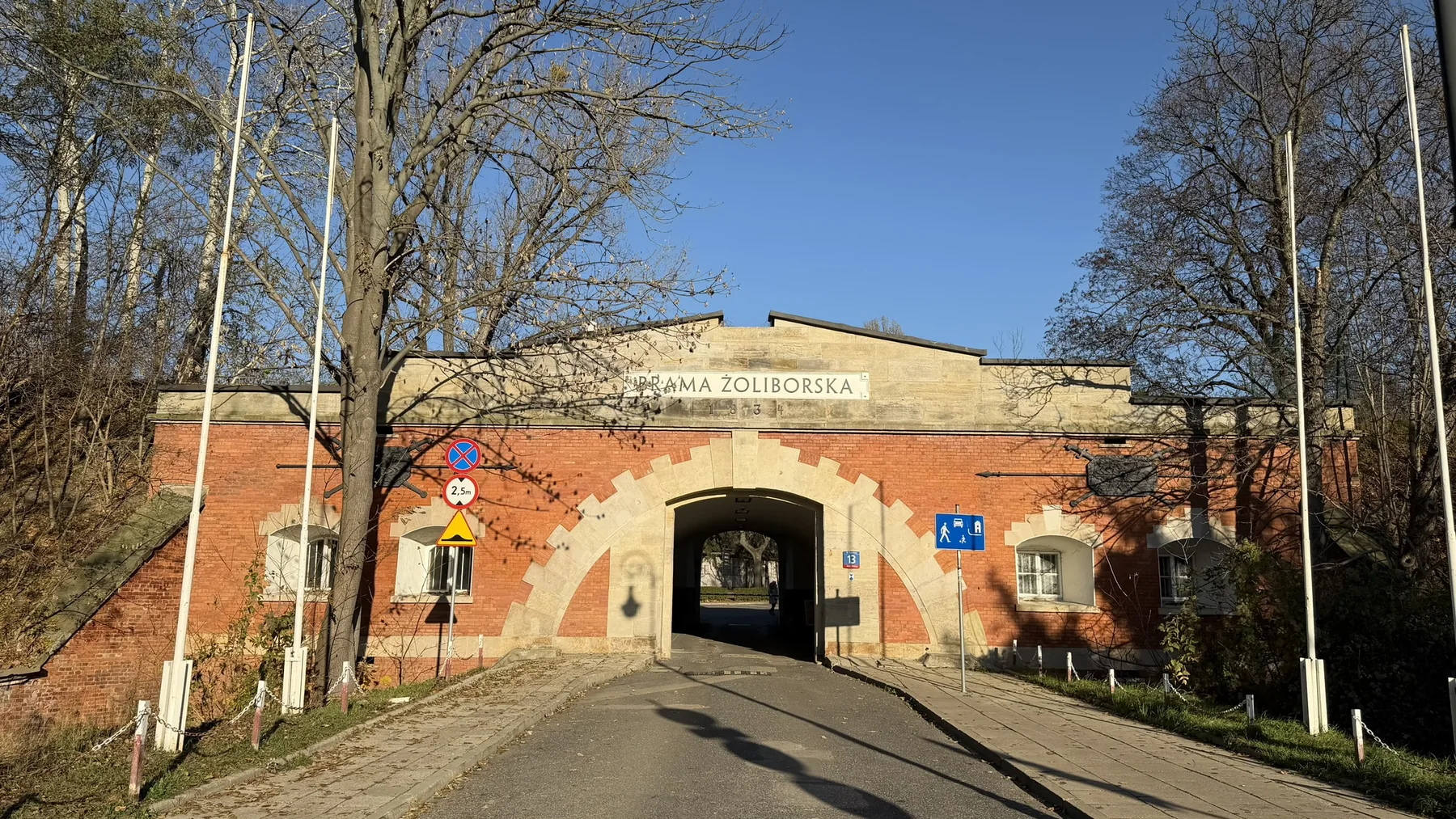
- Żoliborz Gate (Brama Żoliborska)Dymińska 13 · 06:00–22:00Citadel visitor gate · public at set hours
- New Town Gate (Brama Nowomiejska)By the Katyń Museum · 06:00–20:00Citadel visitor gate · public at set hours
Architecture & streets
- Plac WilsonaM1 metro · Kino Wisła at no. 2Public outdoor space · free
- WSM VII ColonySuzina 3 · residentialPrivate · view from the street only
- Szklany DomMickiewicza 34/36 · residentialPrivate · view from the street only
- Brukalski houseNiegolewskiego 8 · private homePrivate · view from the street only · optional
- Plac SłonecznyŻoliborz OficerskiPublic outdoor space · free
- Kaniowska 21 & 21BPrivate housesPrivate · view from the street only · optional
- Witold Lutosławski’s houseŚmiała 39 · private homePrivate · view from the street only · optional
- Plac InwalidówSquare at the end of MickiewiczaPublic outdoor space · free
History & memorials
- Execution Gate (Brama Straceń)Reached from Wybrzeże Gdyńskie · 05:00–18:00Citadel visitor gate · public at set hours
- 1st Armoured Division monumentPlac InwalidówPublic outdoor space · free
- General Sosabowski bustPlac Inwalidów, by al. Wojska PolskiegoPublic outdoor space · free · optional
- Jarosław Dąbrowski battalion memorialSuzina / PróchnikaPublic outdoor space · free
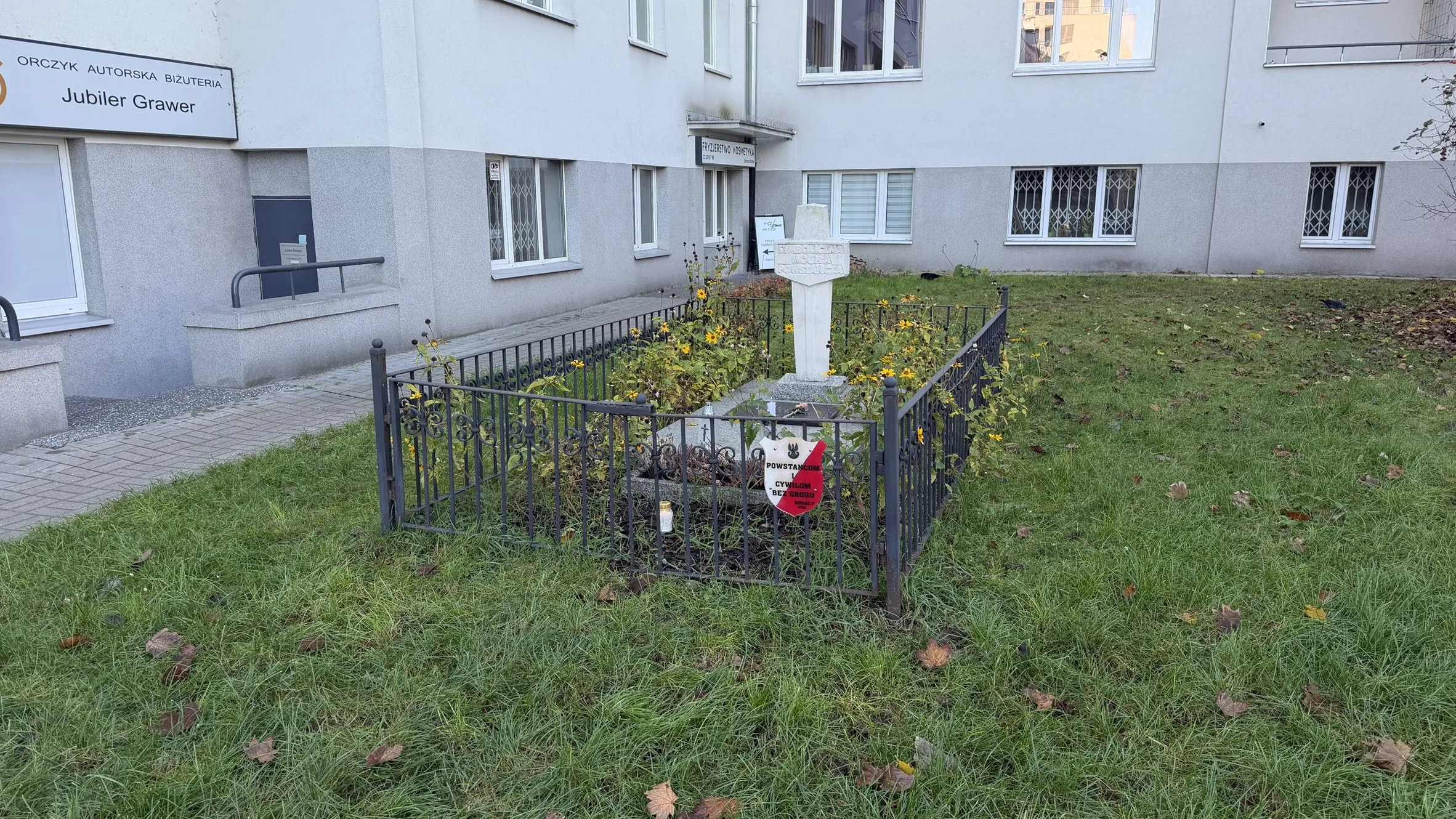
- Symbolic insurgent graveCieszkowskiego, park-facing sidePublic outdoor space · free · optional
- St Stanisław Kostka ChurchHozjusza 2 · Popiełuszko grave and museumBuilding you may enter · check times
- Eastern Borderlands settlers memorialHozjusza, south of the churchPublic outdoor space · free · optional
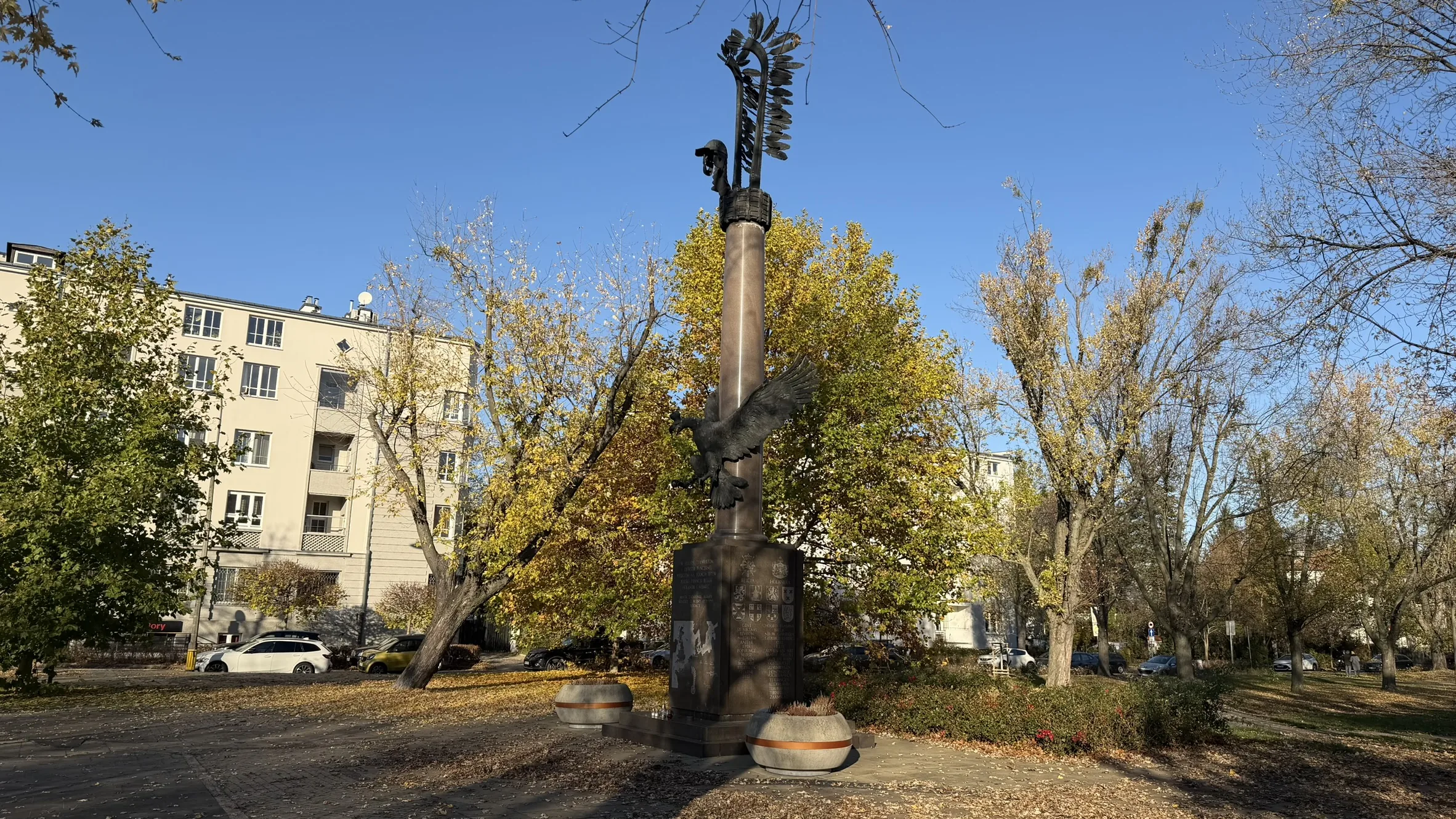
- Polish-American armed effort monumentPlac GrunwaldzkiPublic outdoor space · free · optional
Parks & culture
- Park Żeromskiego & Fort SokolnickiegoCzarnieckiego 51Public park · free
- Alina (Girl with a Jug)Park ŻeromskiegoPublic park · free
- Kino TęczaSuzina 6Cinema · reopening planned, not yet confirmed open · optional
- Park FosaThe Citadel moat and slopesPublic park · free
- Sady ŻoliborskieHalina Skibniewska’s estate and parkPublic park · free · optional
- Kępa PotockaRiverside parkPublic park · free · optional
Route lines follow streets and paths mapped in OpenStreetMap, and distances are measured along them. Some routes include short flights of steps. Opening days, gate hours and tickets change, so check official sites before you go.
From a beautiful riverbank to a fortress
The district’s name is generally traced to the French Joli Bord — “beautiful riverbank” — associated with an eighteenth-century Piarist estate above the Vistula. Its later development was profoundly shaped by the failed November Uprising of 1830–31.
Russia began building the Warsaw Citadel in 1832. Its core was in use by 1834, while further works continued over subsequent decades. The fortress was intended not only for defence but also to project imperial power over Warsaw. Military restrictions and clearance of surrounding land constrained civilian development.
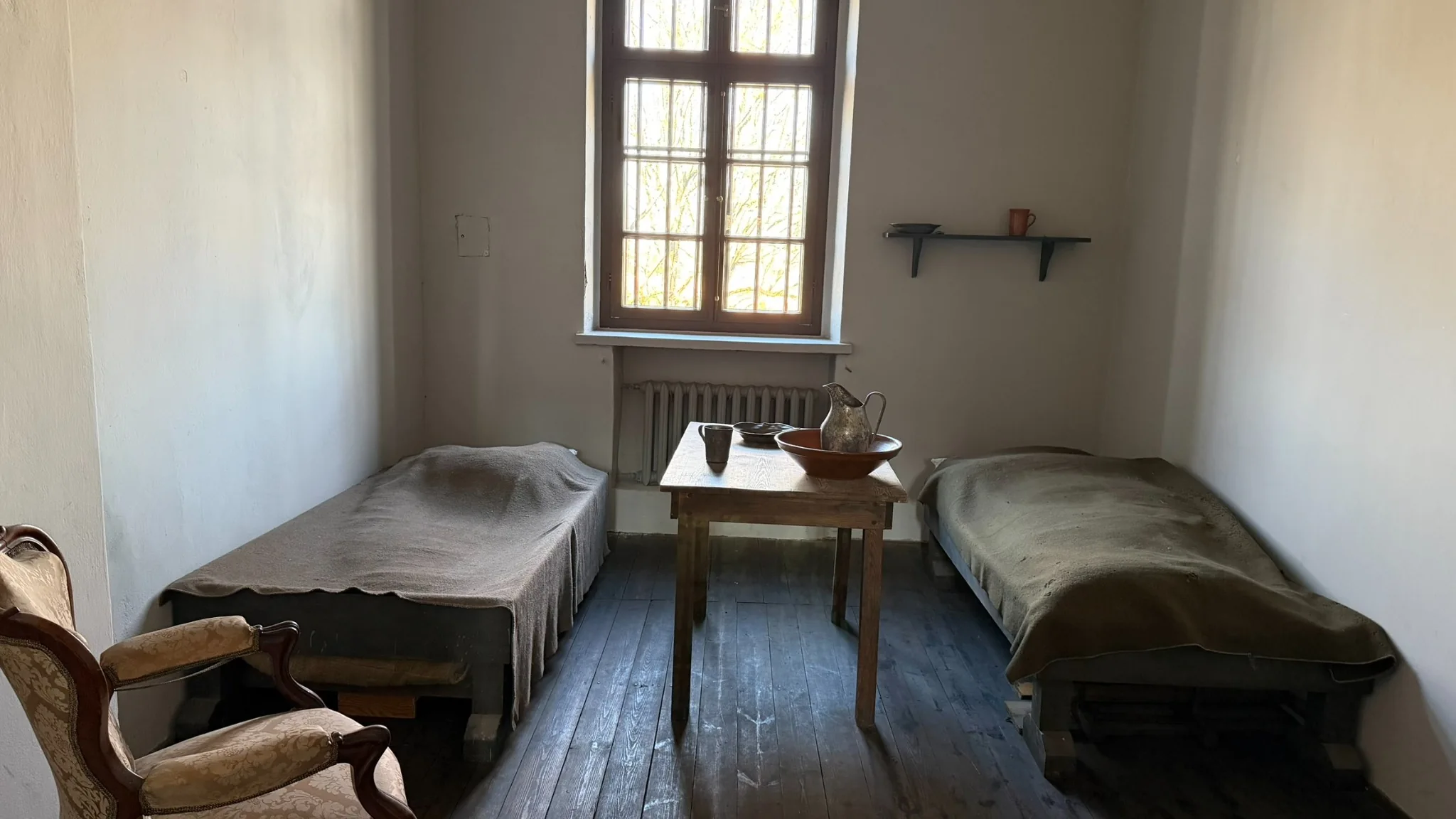
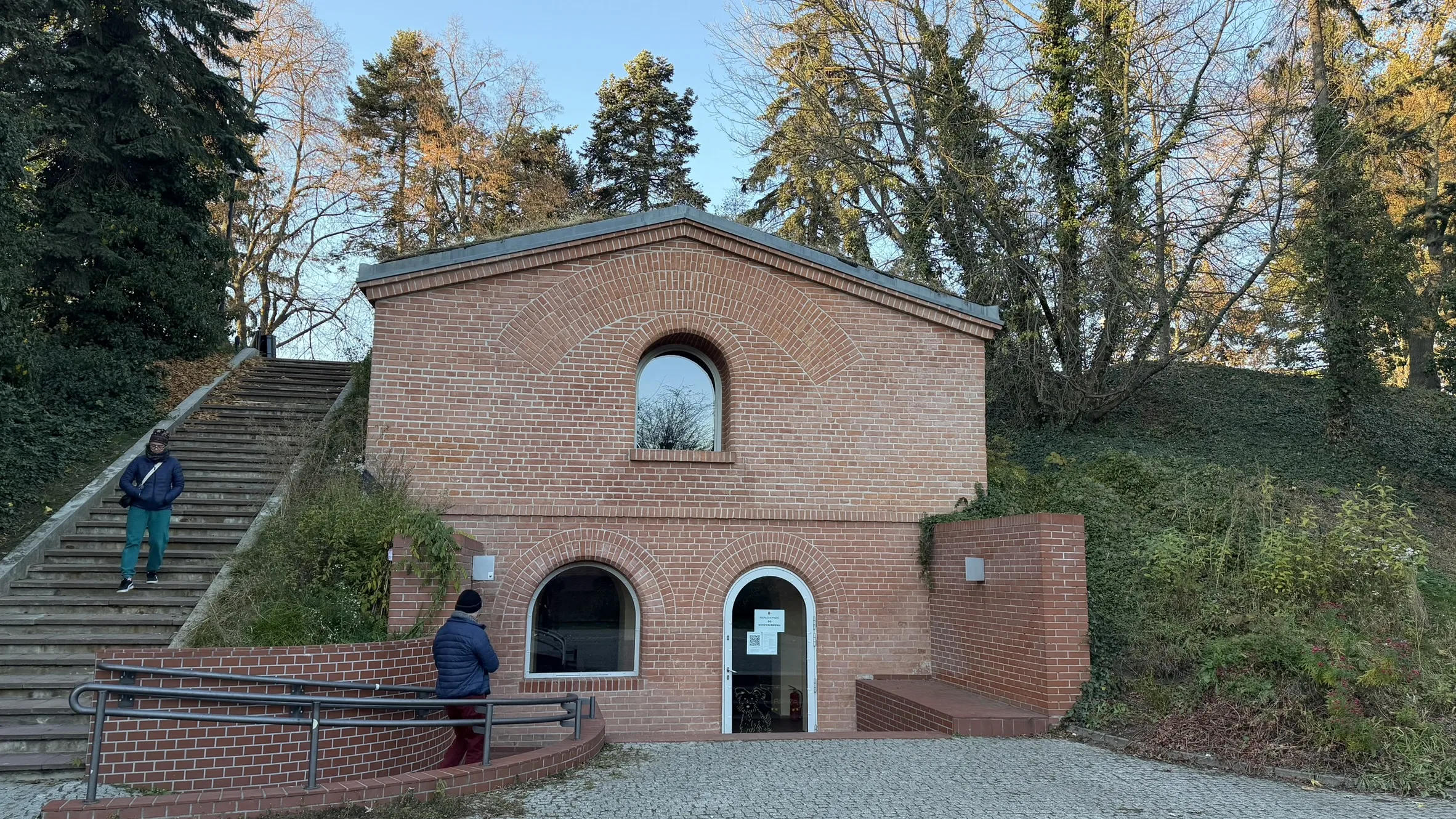
The Tenth Pavilion became a political prison. The Museum of Independence estimates that around 40,000 prisoners passed through the wider Citadel system; the figure should not be confused with the number held in that single building. Romuald Traugutt, a leader of the January Uprising, was executed on the Citadel slopes in 1864. The Tenth Pavilion survives as a museum, and on my visit its rooms and displays were considerably more extensive than I expected.
After Polish independence in 1918, land once constrained by the military presence became the canvas for new neighbourhoods. The contrast between a fortress built to control Warsaw and residential streets planned around gardens and community life gives Żoliborz much of its character.
What to see at the Warsaw Citadel
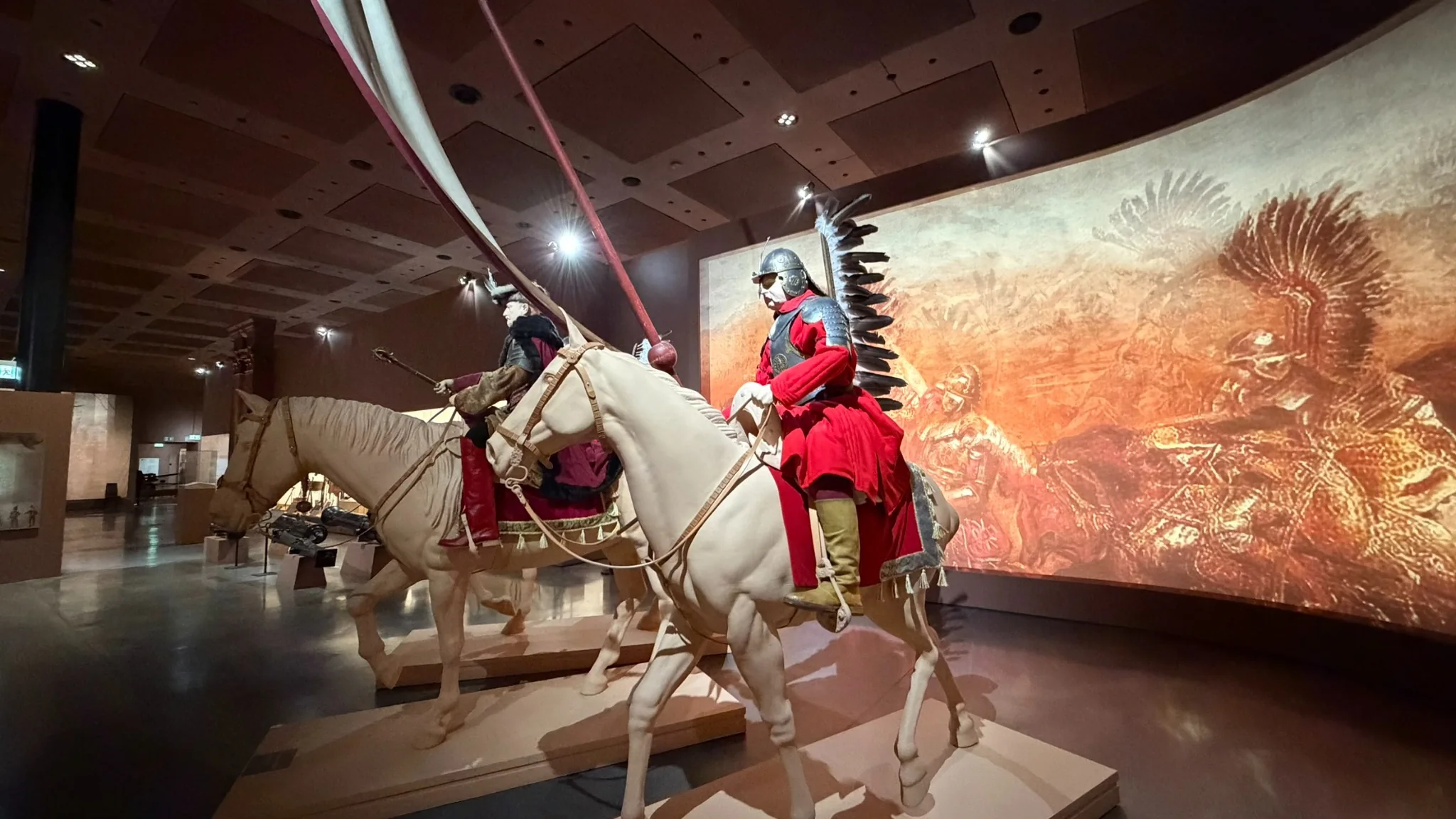
The Citadel now contains several museums with very different purposes. The Tenth Pavilion Museum focuses on political imprisonment and independence movements; the Katyń Museum commemorates victims of the 1940 Soviet NKVD massacre; and the Polish Army Museum explores Poland’s military history through objects, uniforms and displays. The Army Museum moved to its new Citadel premises in 2023. I found the present exhibition smaller than I expected, although its displays still rewarded a visit.
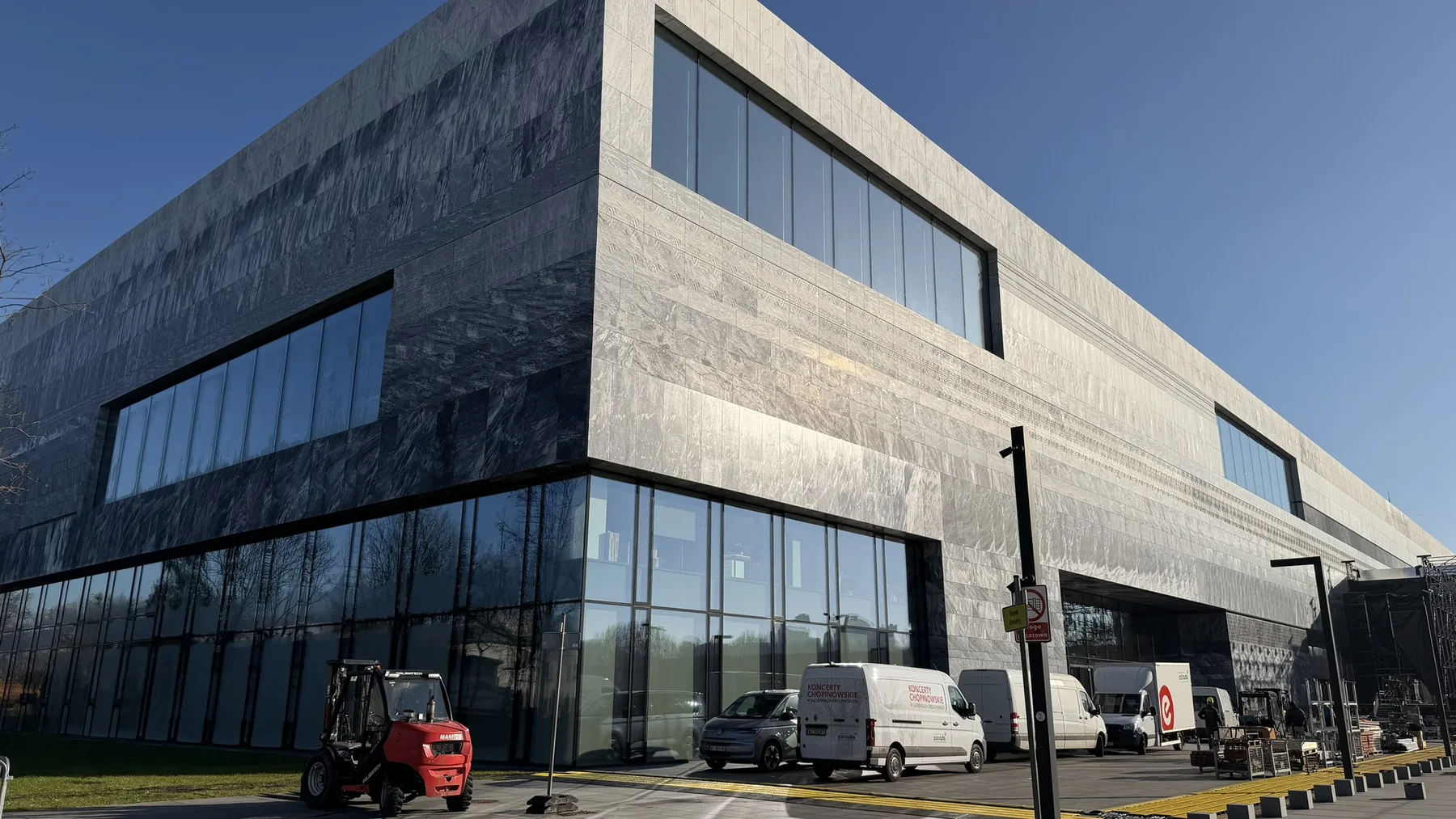
The Polish History Museum opened its new building in 2023. Its major permanent exhibition was not yet open in November 2026; the institution was planning an opening in 2027. Temporary exhibitions and cultural programming make it worth checking in the meantime. Treat 2027 as a target, not a guaranteed opening date.
These are separate visits, not one enormous museum. Check their individual opening days, tickets, entrance gates and accessibility information before setting out. The Citadel’s military engineering and its place within Warsaw’s wider fortification system will receive fuller treatment in our forts and fortifications collection.
The streets built after independence
After 1918, Żoliborz became home to several related but distinct neighbourhoods. Żoliborz Oficerski was associated with army officers; Żoliborz Urzędniczy with civil servants; and Żoliborz Dziennikarski with journalists and writers. These were neighbouring answers to a common challenge: how should the new republic house its people?
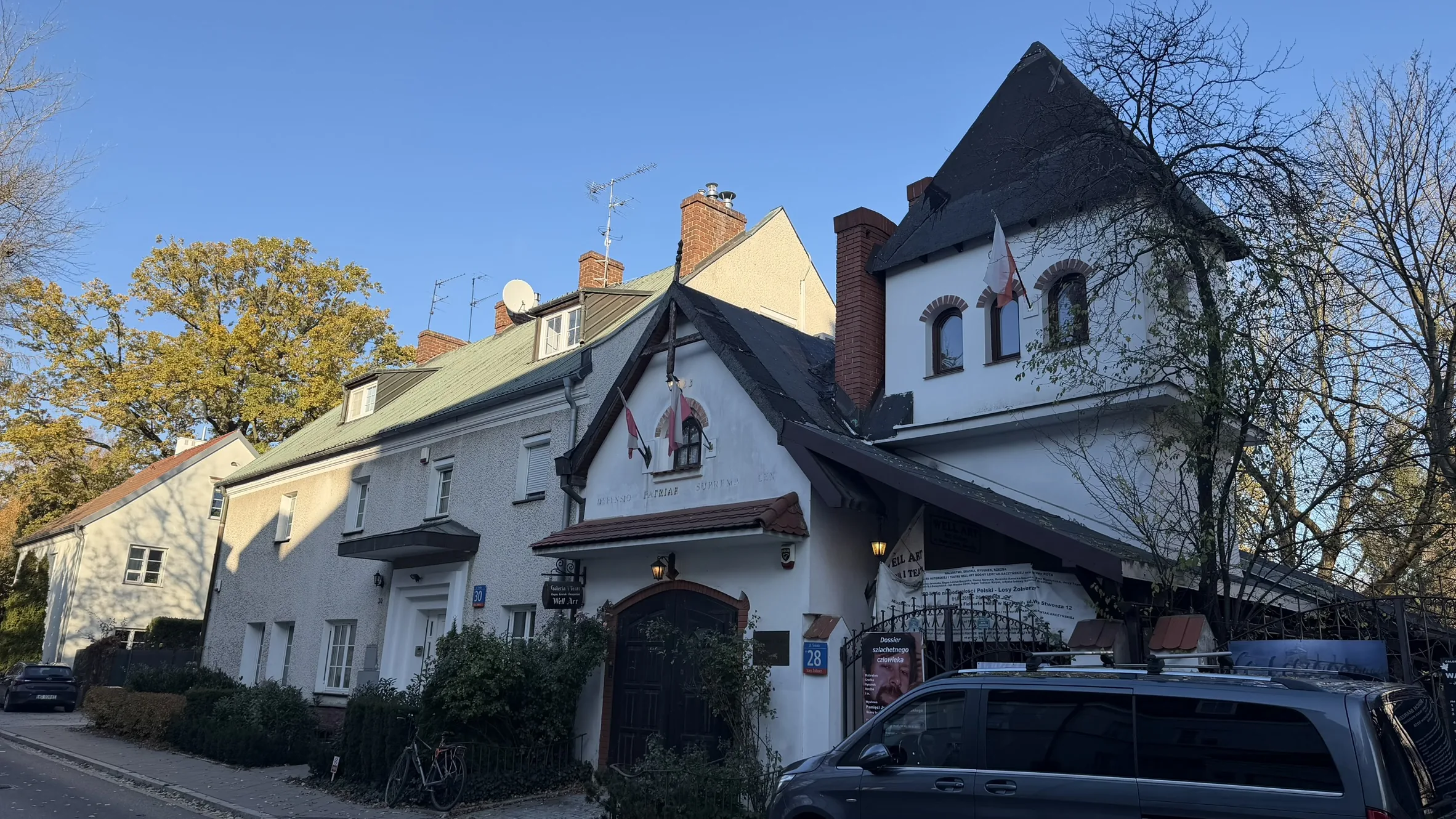
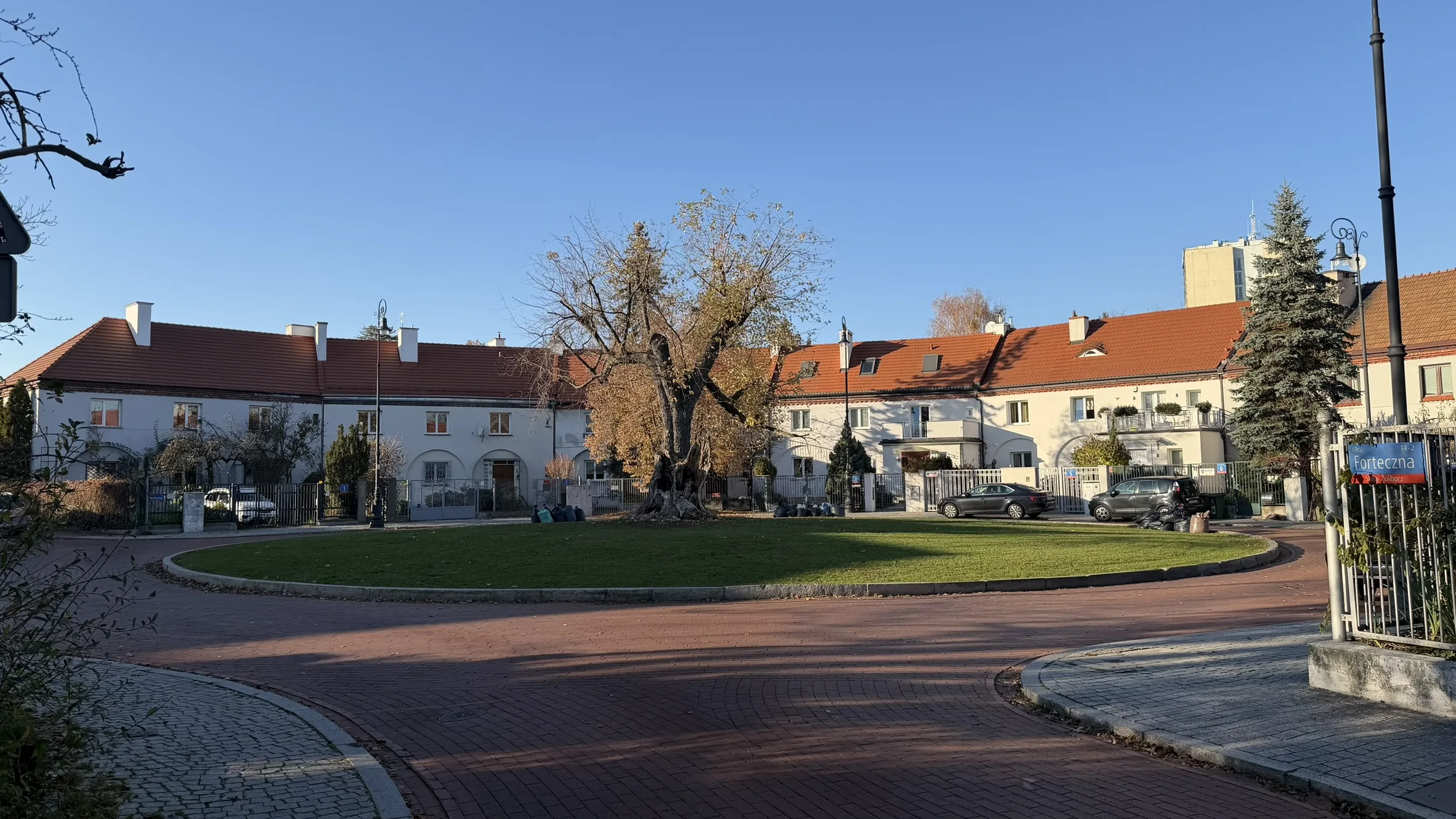
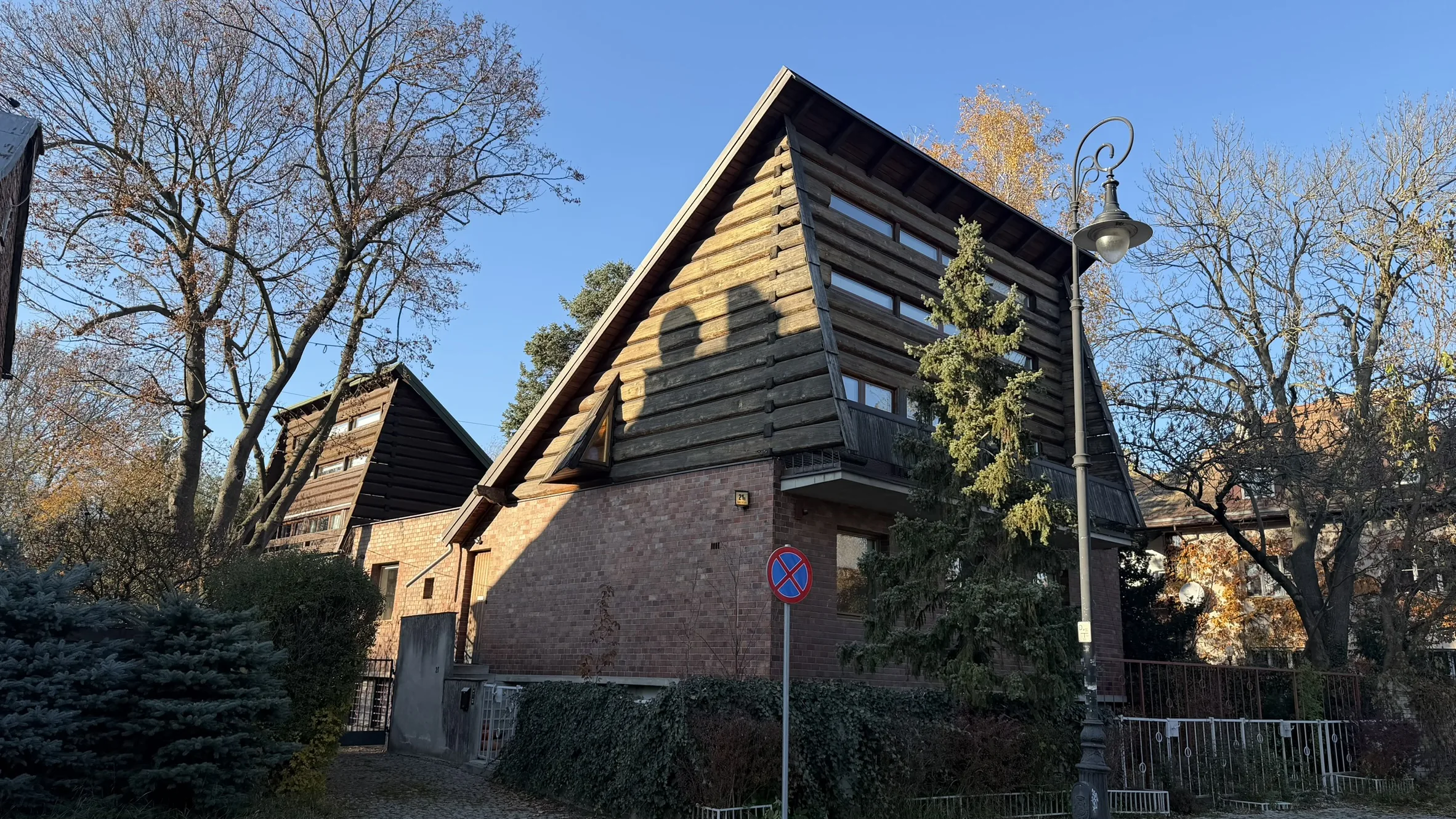
Their planners favoured carefully arranged streets, gardens, residential squares and relatively low-rise development. Plac Słoneczny, with its circular plan and houses, shows how these ideals shaped the streetscape. Śmiała, Kaniowska and nearby avenues are delightful to explore on foot. Some are called among Warsaw’s most beautiful, but that is a matter of taste rather than an official ranking.
Many of the most interesting buildings are private homes. They are best enjoyed from public pavements, without entering gardens or residential courtyards.
The Warsaw Housing Cooperative experiment
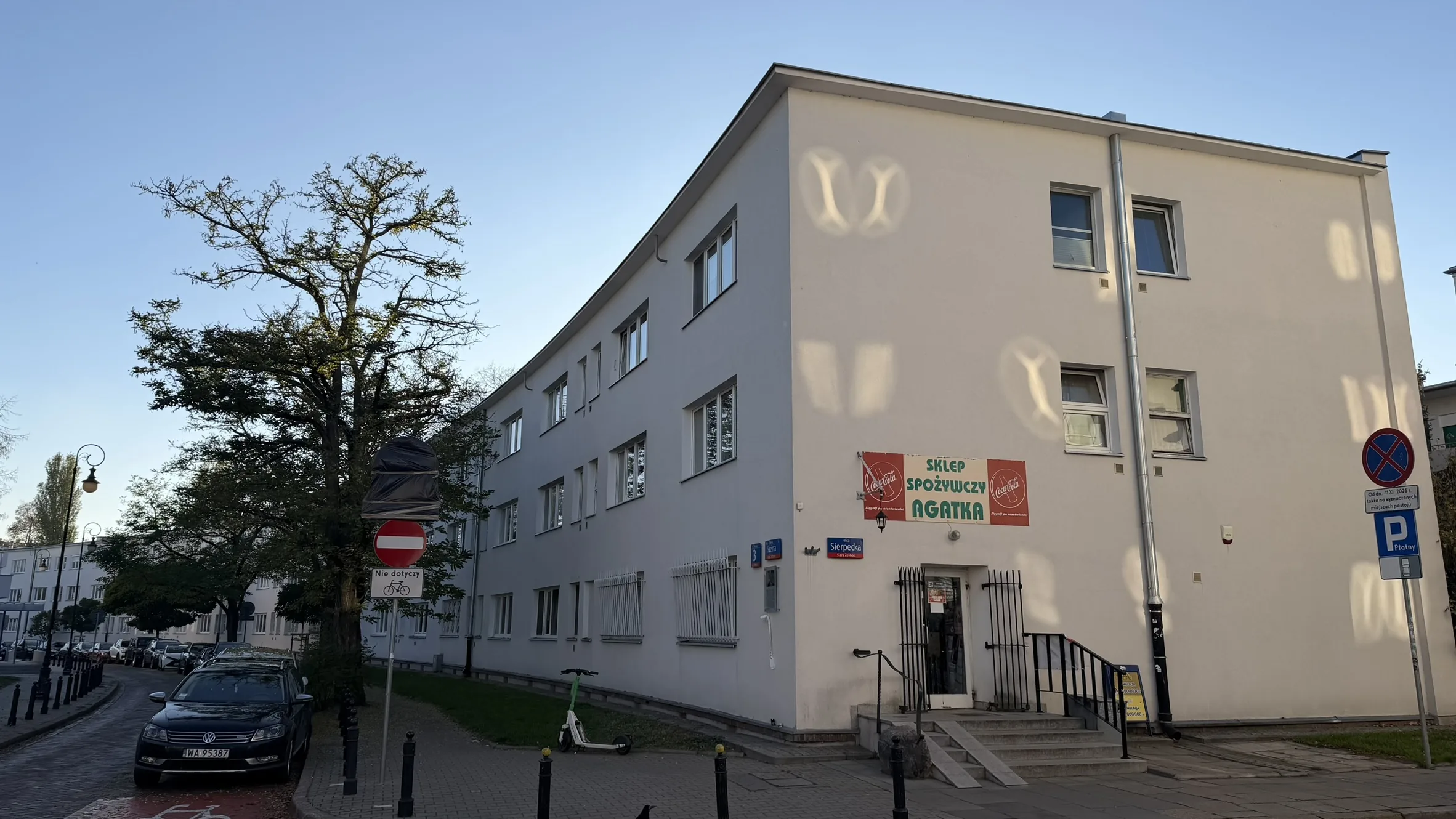
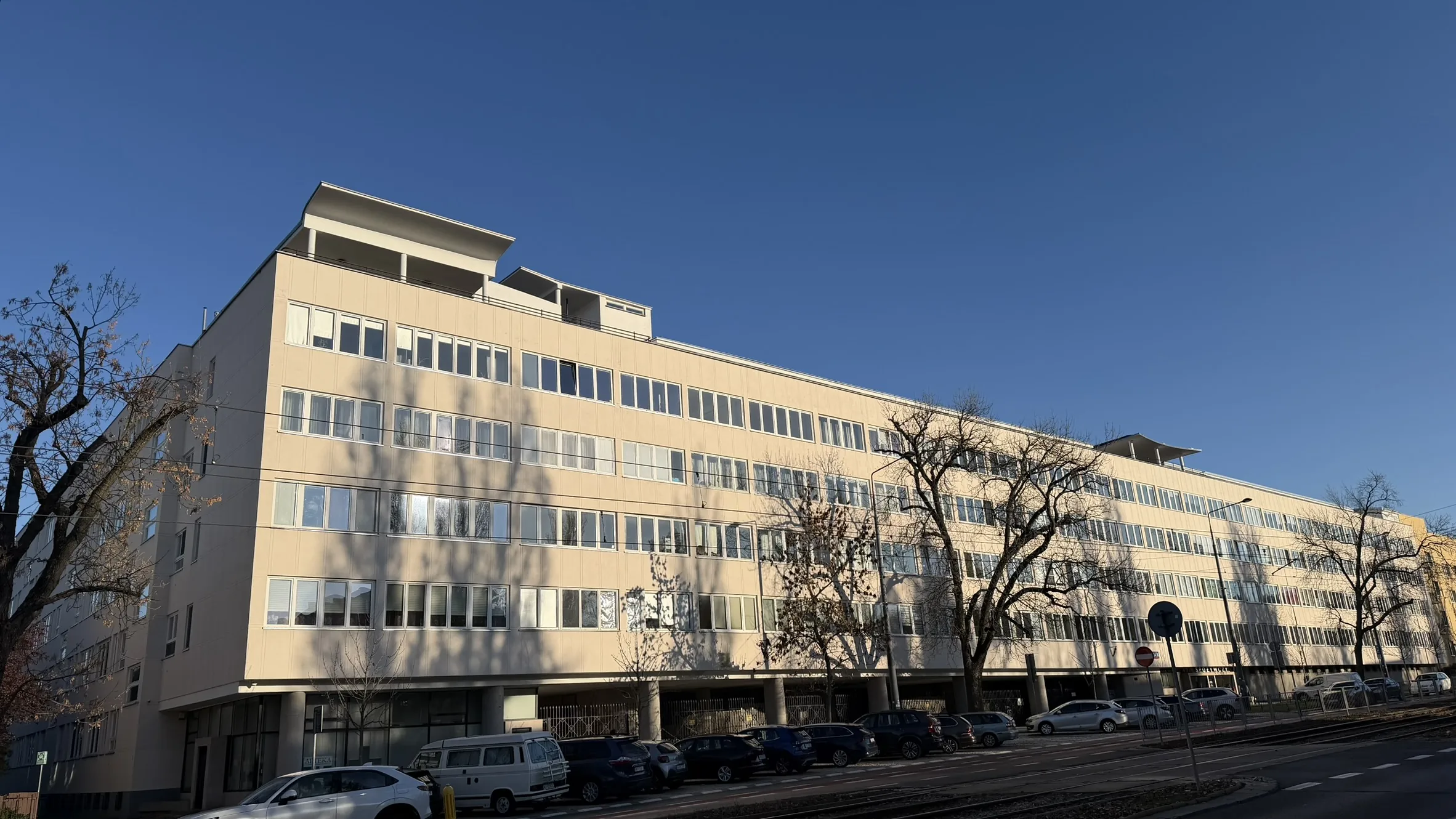
The Warsaw Housing Cooperative, WSM, was founded in 1921, long before communist-era state housing. Its members sought healthy, more affordable homes supported by education, childcare, shared services and communal life. Buildings around Suzina, Próchnika and Krasińskiego show the results.
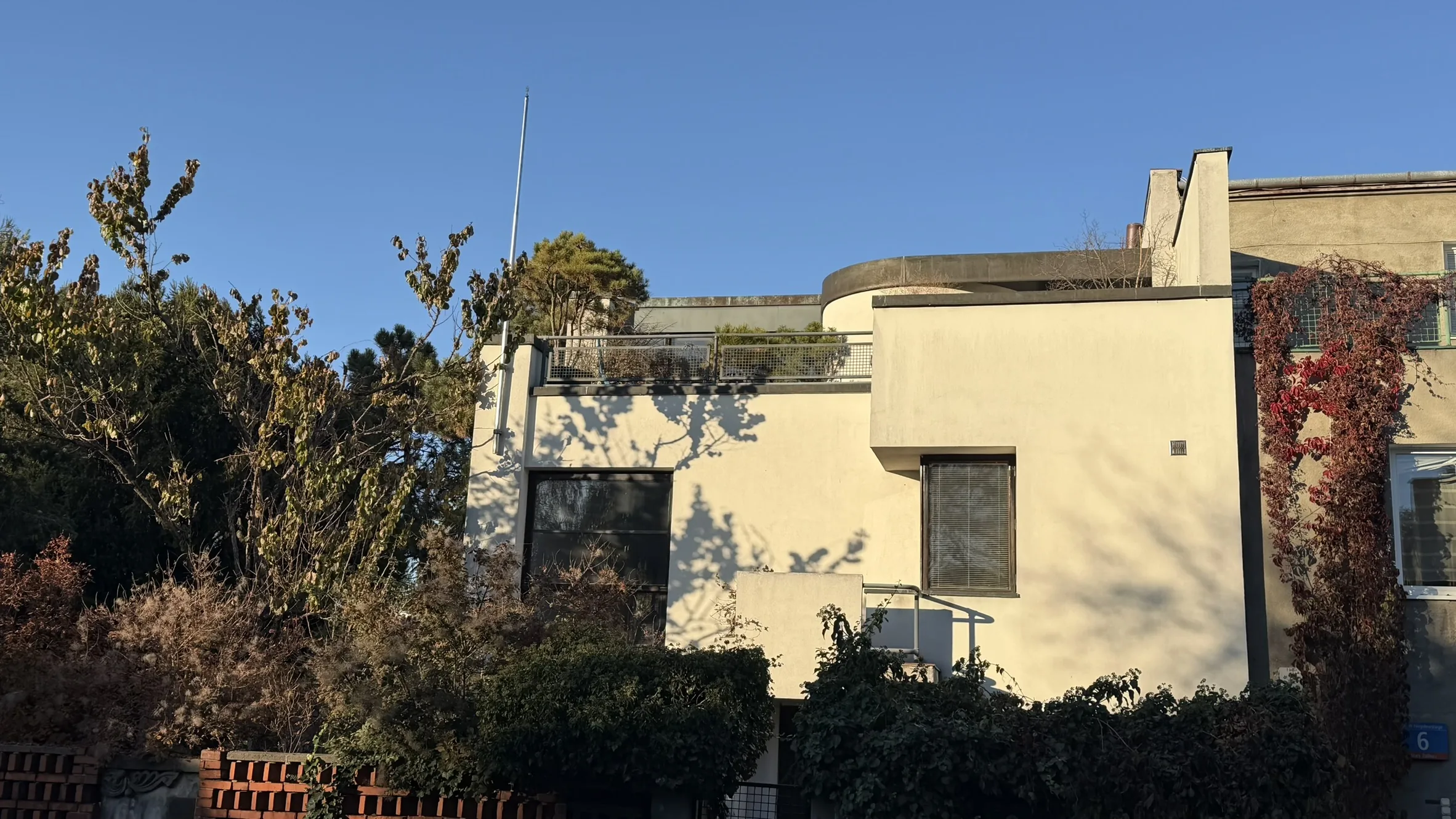
Architects including Barbara and Stanisław Brukalski helped develop an increasingly modernist language very different from the officers’ manor-style villas nearby. The Niegolewskiego 6–8 group provides another glimpse of modernism associated with the Brukalskis, whose own house is at number 8. Women also helped shape how these estates worked, through architectural design, childcare and community organisation.
The ideal was ambitious, but reality was uneven. Some rents remained beyond the reach of the poorer workers the cooperative hoped to serve, and white-collar households formed an important part of the population. That tension between social ambition and access makes WSM’s story more interesting, not less.
Do not confuse WSM with the nearby Szklany Dom at Mickiewicza 34/36. Designed by Juliusz Żórawski and completed in 1941, the Glass House was a separate modernist residential development.
Żoliborz in the Warsaw Uprising
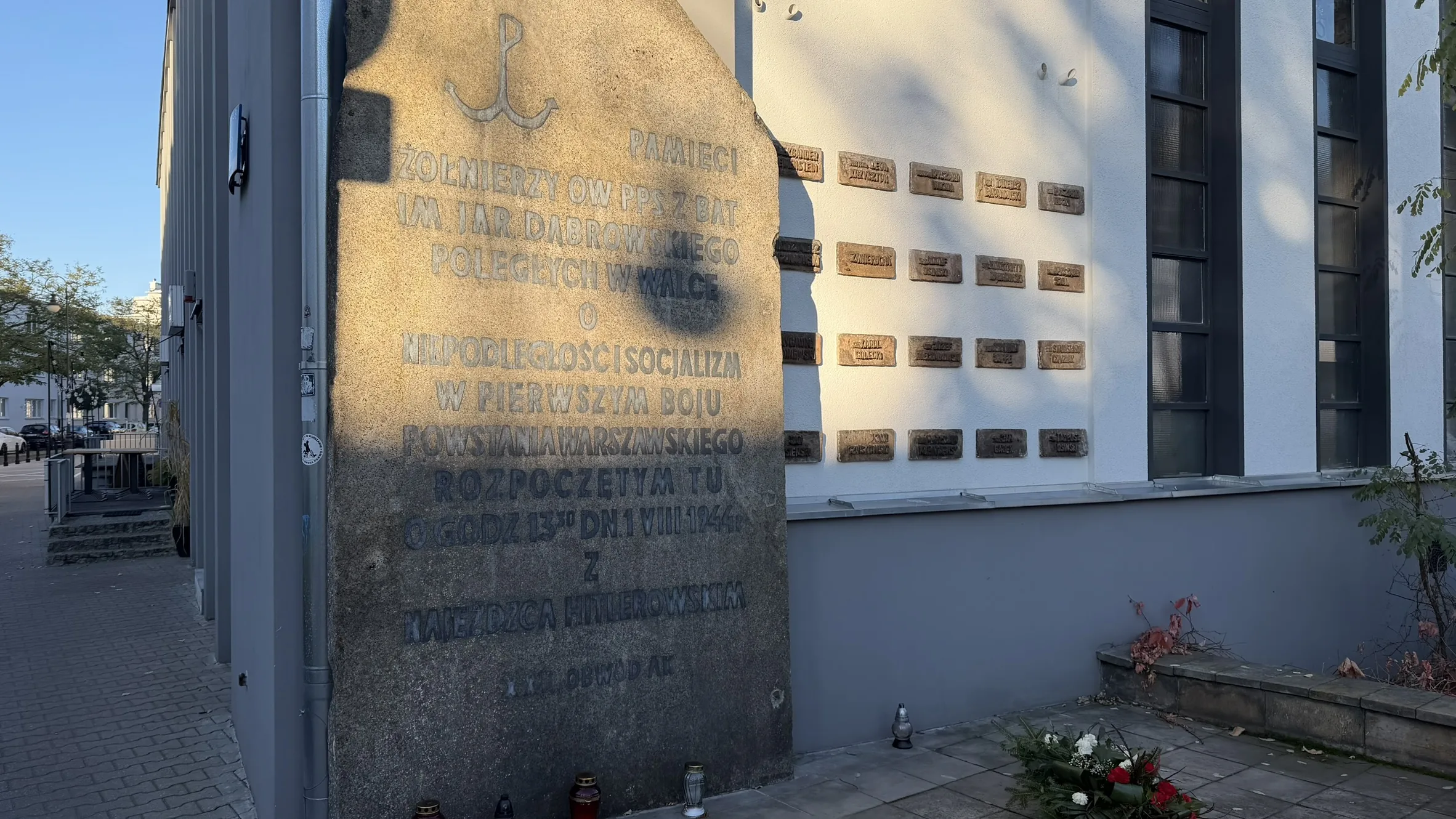
Fighting broke out in Żoliborz early on 1 August 1944, before the planned 5 p.m. start of the Warsaw Uprising. The Warsaw Rising Museum describes a clash at around 13:50 near Krasińskiego and Suzina involving an underground unit transporting weapons and a German patrol. Accounts differ in their exact timing and description of the earliest exchanges, so the broader location and sequence matter more than claiming a universally agreed “first shot”.
The Home Army played a leading role in the district’s resistance, but it did not fight alone. A memorial at Suzina and Próchnika commemorates socialist OW PPS fighters of the Jarosław Dąbrowski battalion. Żoliborz held out until 30 September, while civilians endured fear, displacement and the dangers of war. The expression “Żoliborz Republic” is sometimes used for its extraordinary wartime self-organisation, not as the name of a formal independent state.
Jewish people also found shelter in the neighbourhood during German occupation. POLIN’s Polish Righteous project documents the assistance given by local residents, including Marianna and Witold Rogala, connected with WSM, who helped people threatened with arrest and sheltered a Jewish girl named Marta. These were individual acts of courage, not evidence that all neighbours acted alike.
Small memorials, plaques and symbolic graves still punctuate the area. Together they make an ordinary walk a journey into civilian as well as military history.
Father Jerzy Popiełuszko and St Stanisław Kostka
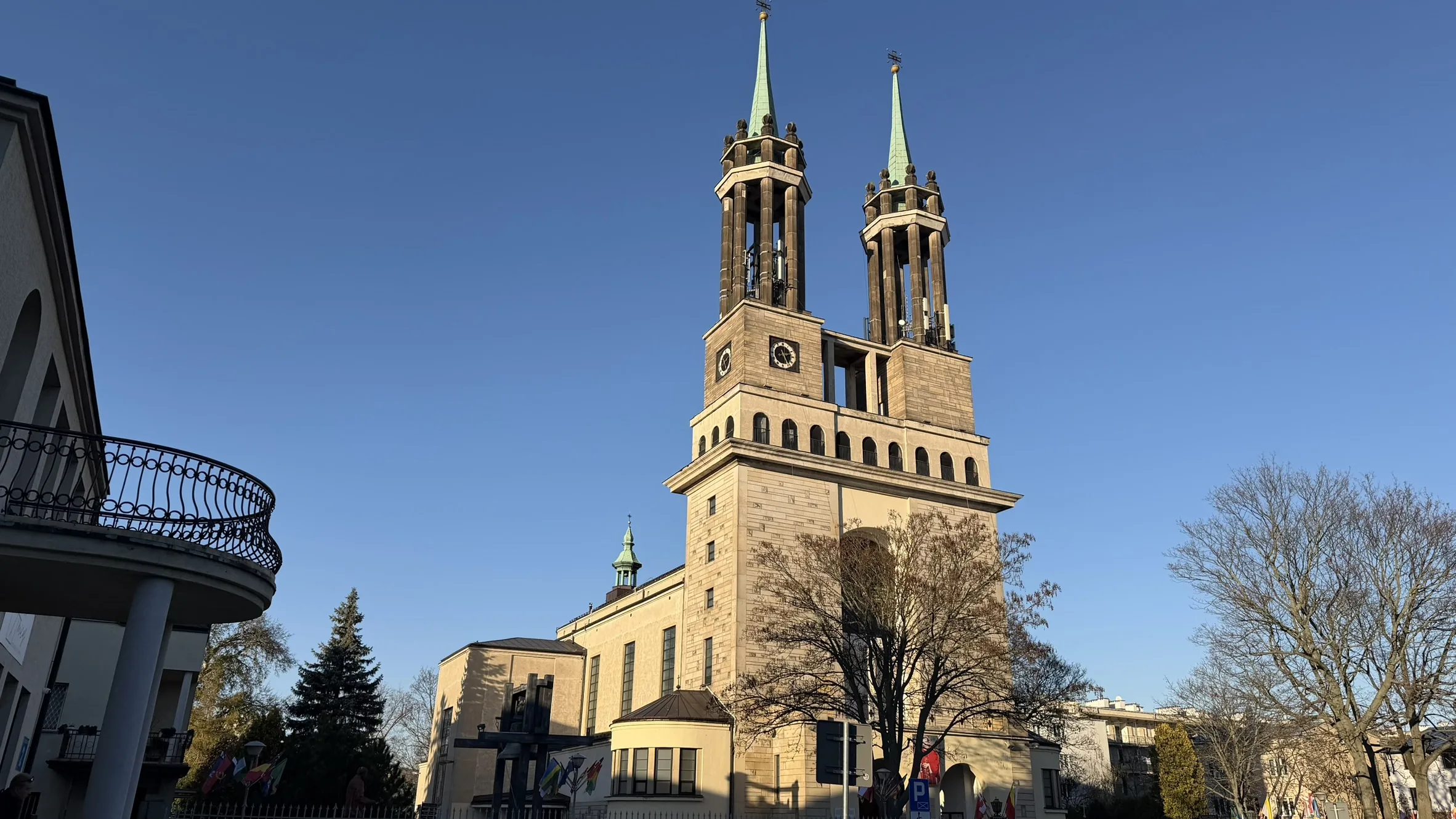
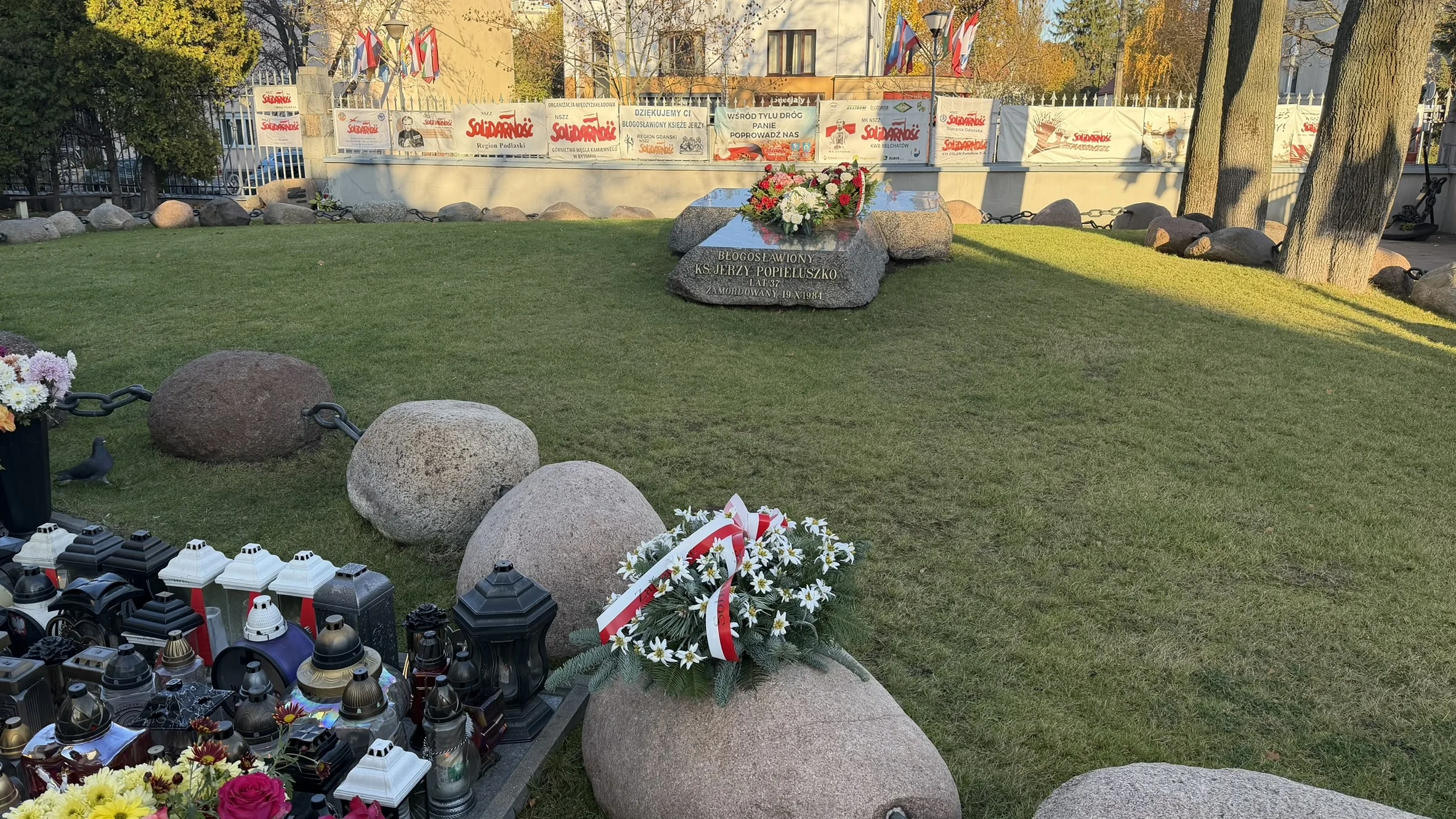
Żoliborz’s association with political resistance continued under communist rule. At St Stanisław Kostka Church, Father Jerzy Popiełuszko became known for his support for workers and his links to Solidarity. From 1982 his Masses for the Homeland drew people seeking spiritual encouragement and a peaceful expression of dissent.
In October 1984, Popiełuszko was abducted and murdered by officers of the communist Security Service. His grave at the church remains a place of pilgrimage and remembrance, and a museum in the parish complex explores his life and legacy.
The district’s opposition traditions were broader than a single church: they included secular, intellectual and cooperative networks. But for visitors, the parish is one of the most visible places to encounter the history of the 1980s.
Parks, orchards and a fort reborn
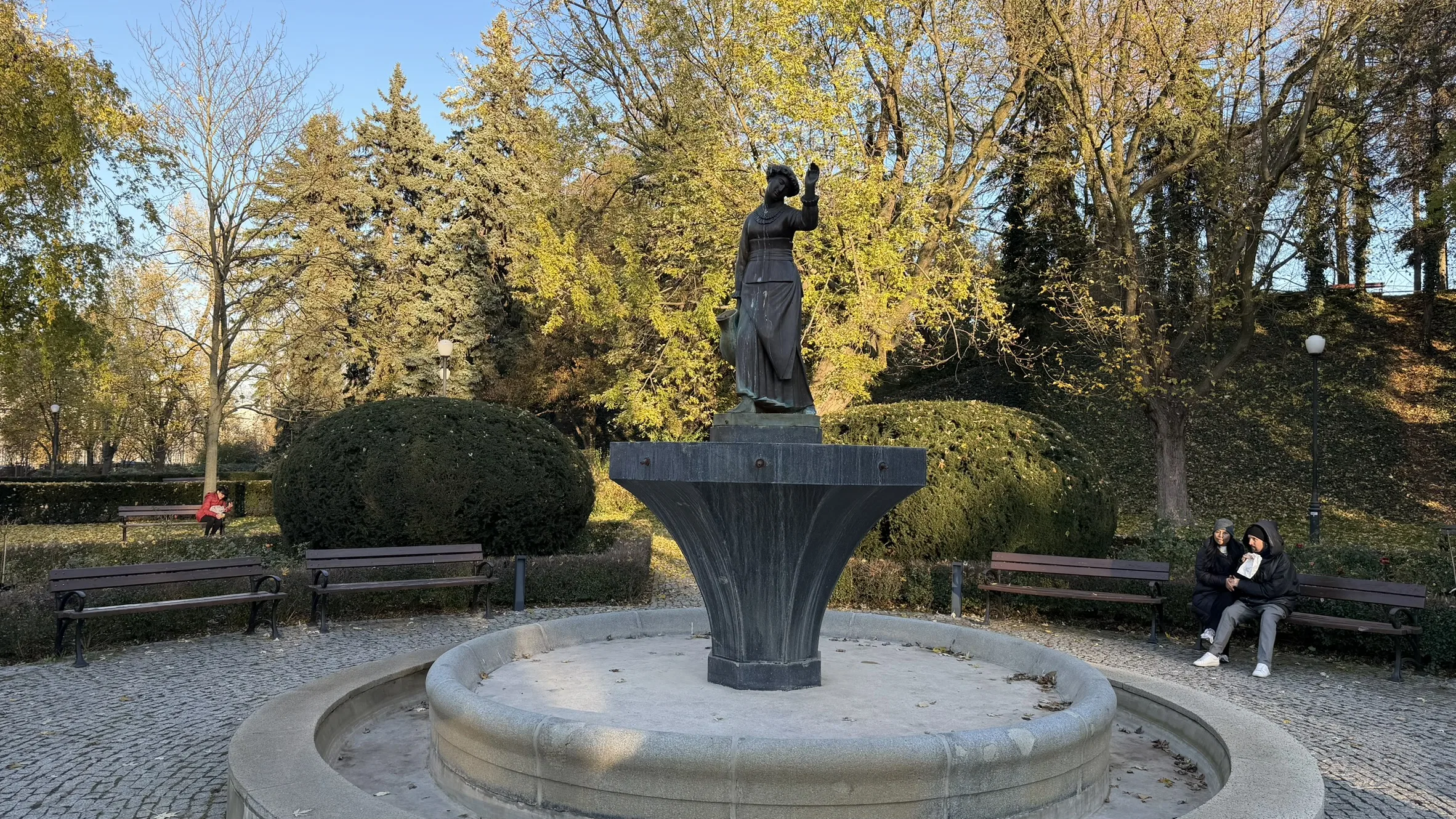
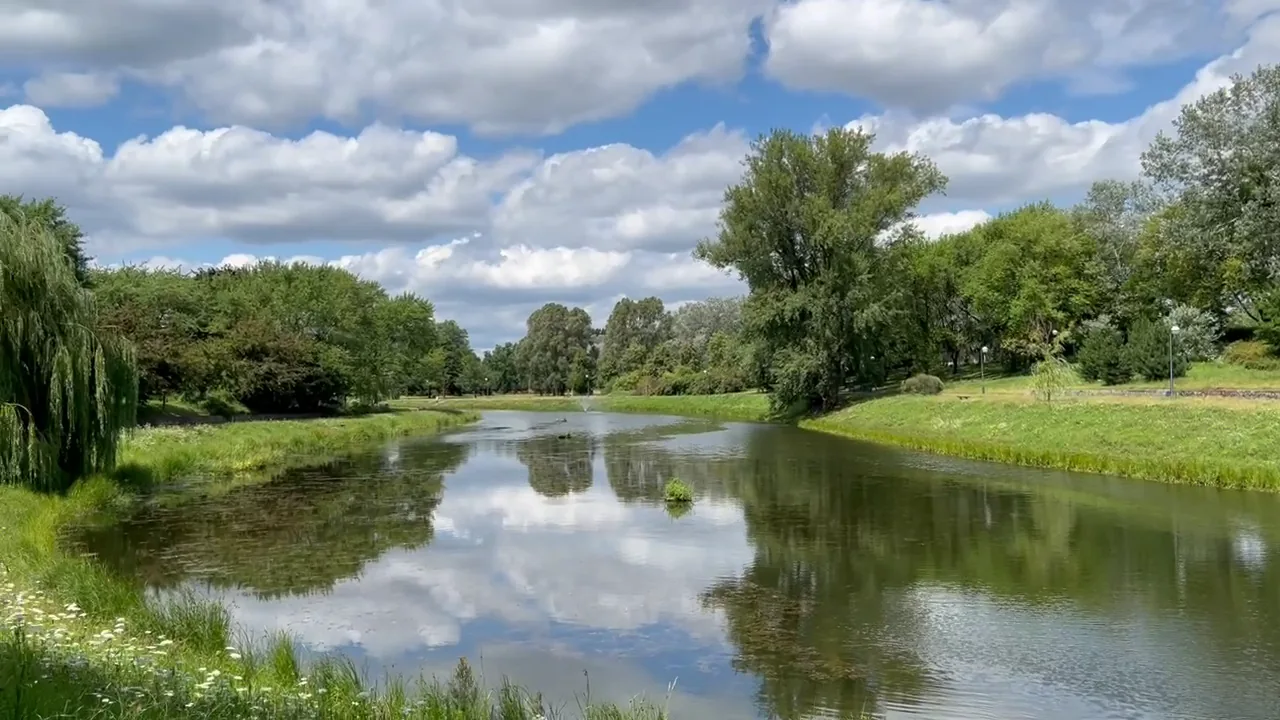
Żoliborz’s greenery is not just decorative. Park Żeromskiego wraps around the nineteenth-century Fort Sokolnickiego, now repurposed for cultural activity. Henryk Kuna’s sculpture Alina, or Girl with a Jug, adds another layer to the landscape. The fort’s construction and its role in Warsaw’s defensive network belong in the dedicated forts guide.
Kępa Potocka offers waterside paths and open green space, while Sady Żoliborskie demonstrates another phase of thoughtful housing design. The postwar estate, developed under architect Halina Skibniewska from the late 1950s, worked around existing orchard trees and greenery. It is a useful reminder that the district’s architectural experiments continued long after the interwar years.
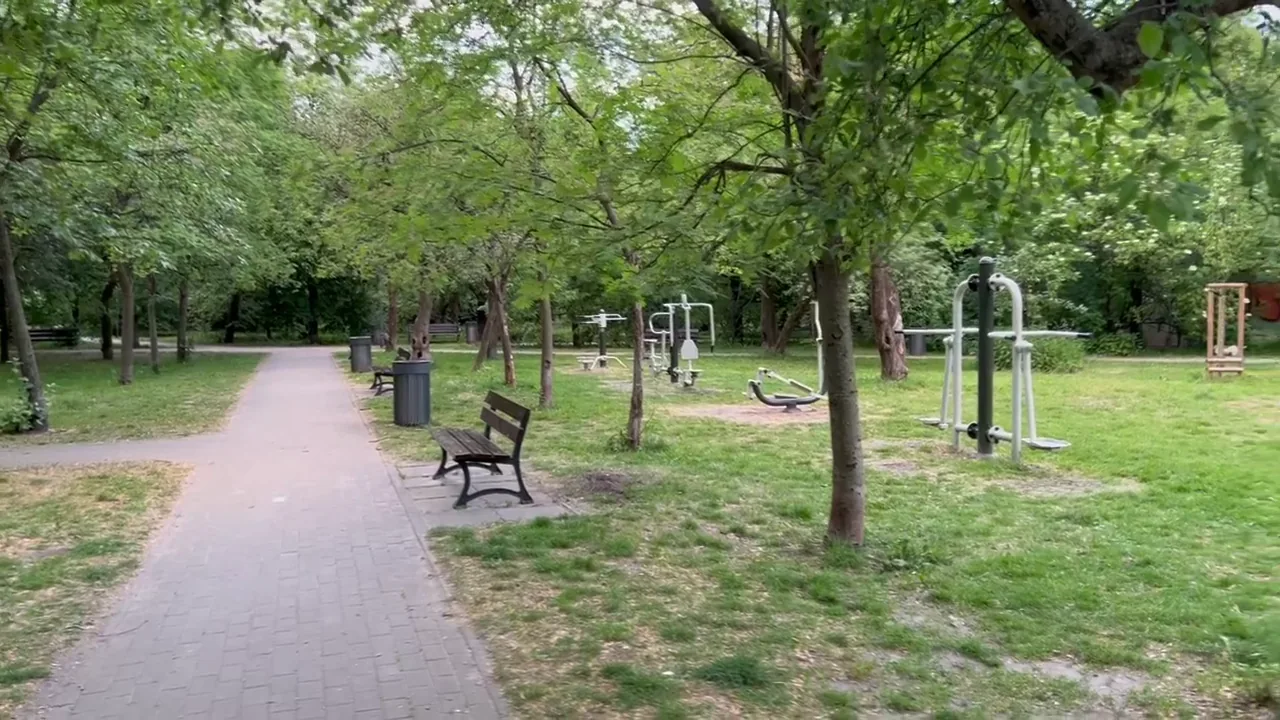
The Citadel’s landscaped grounds add a further contrast: former military land adapted for public enjoyment. For my visit, these parks and the streets connecting them were as much a reason to come as the headline attractions.
Plac Wilsona, culture and everyday Żoliborz
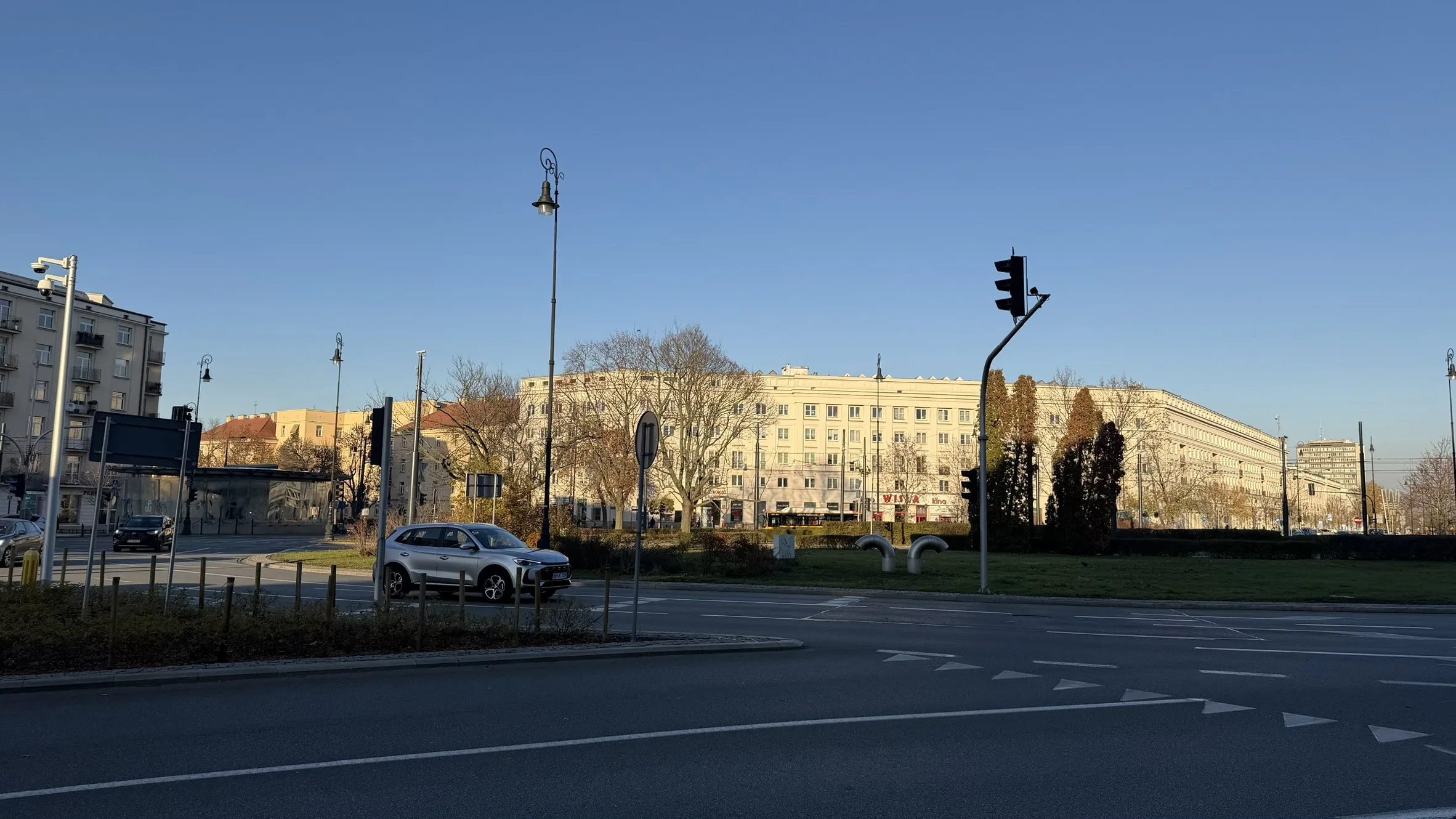
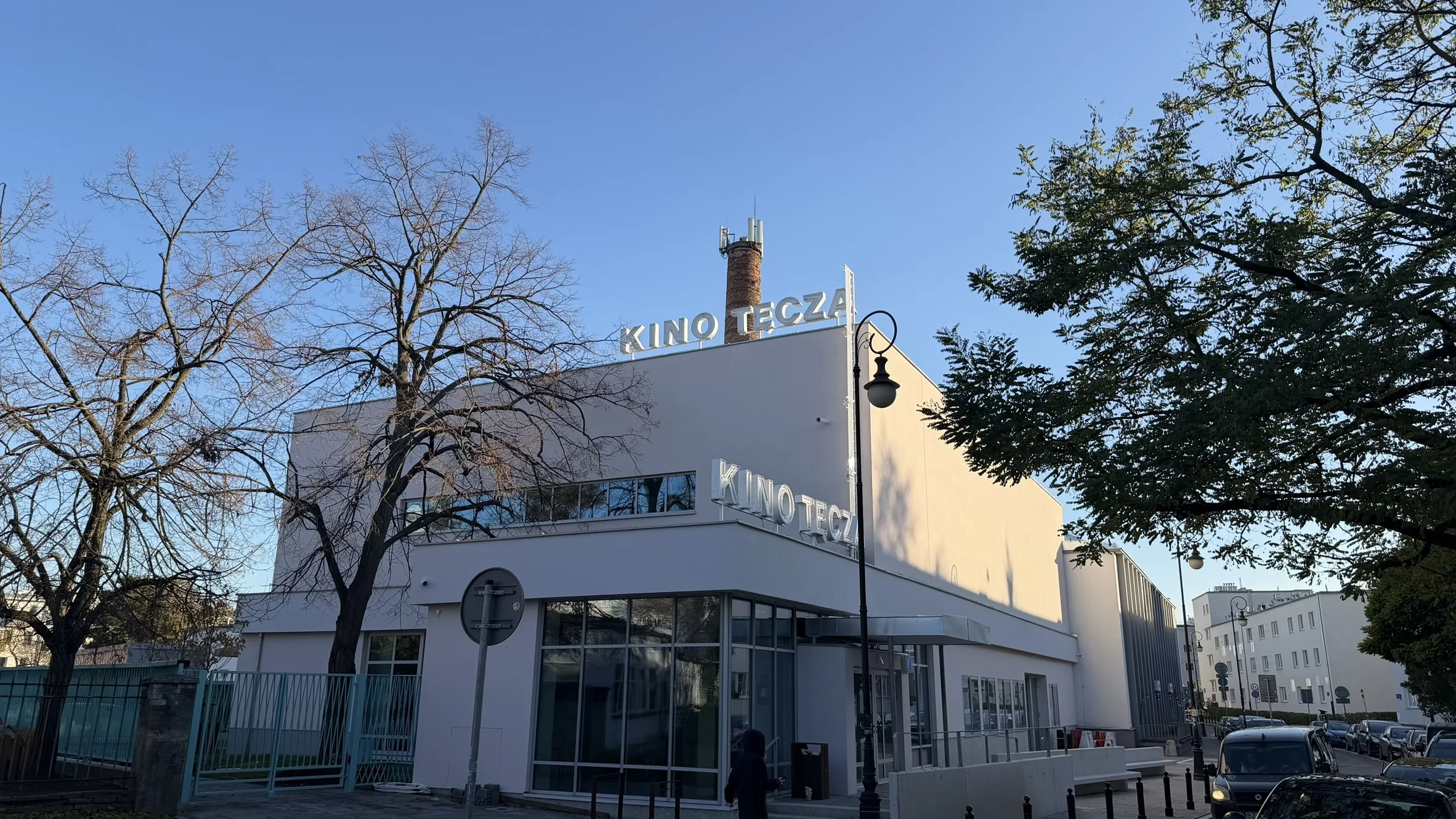
Plac Wilsona is the neighbourhood’s main urban and transport centre, named for US president Woodrow Wilson in 1926. Nearby Kino Wisła and the historic Kino Tęcza on Suzina Street add to the district’s cultural landscape. A reopening of Tęcza was being planned for late November 2026; check its current programme before relying on it as an open attraction.
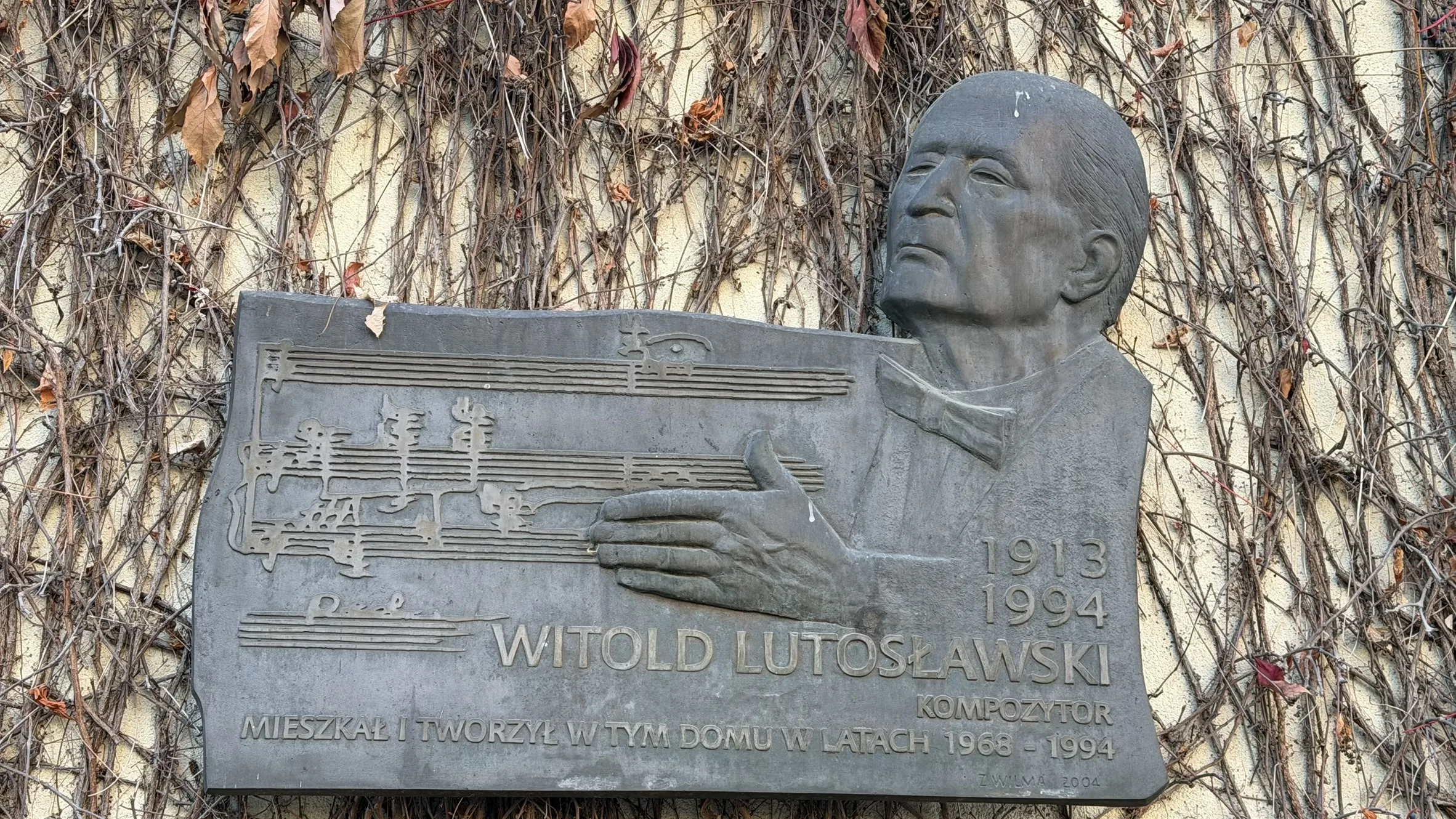
Composer Witold Lutosławski lived on Śmiała Street, where a plaque recalls his connection with the neighbourhood. Other homes reflect the lives of architects, artists and military figures. Yet the strongest impression comes from the streets as a whole: attractive housing, local businesses and pockets of greenery, without the density of chains or tourist commerce found in the centre.
Old Żoliborz is desirable and in places affluent, but it would be misleading to describe the whole district as luxury villas. Cooperative housing, postwar estates and more ordinary residential streets are part of the same place.
Getting there and making the most of your visit
Plac Wilsona on the M1 metro line is a convenient starting point for an architectural walk. The Citadel museums have their own entrances and may be easier to approach separately via Dworzec Gdański, depending on the exhibition you want to see. Do not assume one gate serves every museum.
Allow around two to four hours for a relaxed neighbourhood walk, and substantially longer if you plan to visit museums properly. Different museums have different closing days; the Tenth Pavilion, Katyń Museum, Polish Army Museum and Polish History Museum should each be checked individually before travel. Access to some historic museum rooms and church crypt spaces may involve stairs; verify current arrangements if step-free access is important.
Residential courtyards and houses are not public attractions. Appreciate their architecture from the street, and respect residents’ privacy. Some parks and waterside routes are at their best in warmer months, but the buildings and memorials are rewarding year-round.
For a first-time visitor on a very short Warsaw trip, the historic centre may still take priority. For anyone returning to Warsaw, or wanting to understand the city’s contrasting personalities, Żoliborz makes a wonderful change of pace.