A · Muranów and the ghetto
POLIN → Ghetto Heroes Monument → Memorial Route → Miła 18 → Umschlagplatz.

A city of life, loss and remembrance — discover its surviving synagogues, historic streets, Warsaw Ghetto memorials and living Jewish culture.
Explore the guide ↓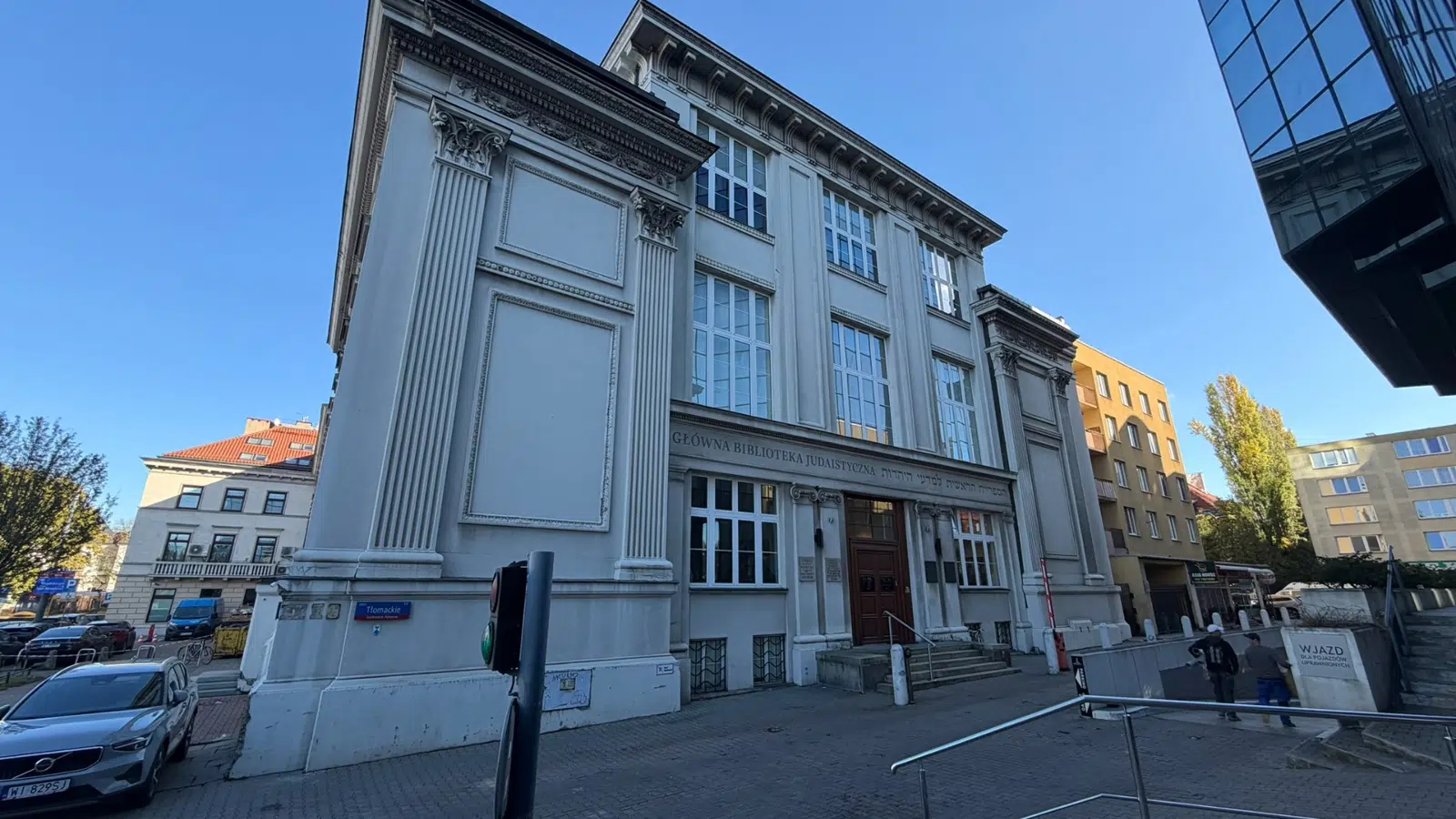
Before the Second World War more than 350,000 Jews lived in Warsaw, around a third of its population. The capital was one of the world’s great Jewish cultural centres. Much of that physical world was destroyed during German occupation and the Holocaust; yet its surviving buildings, cemeteries, archives, memorials and contemporary institutions still tell a wider story.
This is a citywide heritage guide. For a detailed walk through one neighbourhood’s destruction and rebuilding, explore Muranów.
Jewish life in Warsaw reaches back to the medieval period, though residence and trade were subject to changing legal restrictions. Communities developed in and around the city, including Praga. In the nineteenth century, relaxation of many restrictions helped Warsaw grow into a major centre of Jewish religion, publishing, trade and political life.
Before the Second World War more than 350,000 Jews lived in Warsaw, roughly a third of the population. There was no single Jewish Warsaw: Orthodox and progressive religious communities, Yiddish and Hebrew writers, Polish-speaking intellectuals, Bundists, Zionists, merchants, workers and families shared a complicated urban landscape.
The streets around Nalewki, northwest of the Old Town, once contained shops, workshops, homes, newspapers and cultural associations. The ghetto’s destruction and postwar redevelopment erased much of the old street pattern. The story continues in our Muranów district guide.
Surviving prewar tenements on Próżna offer a rare glimpse of this urban fabric. Restoration has changed their appearance, but together with nearby Grzybowski Square they are an essential starting point for exploring Jewish Warsaw beyond its memorials.
Opened in 1878, the Great Synagogue at Tłomackie was a landmark of progressive Jewish worship and music. On 16 May 1943, after the suppression of the Warsaw Ghetto Uprising, German SS commander Jürgen Stroop had it blown up in a deliberate act of destruction. The Blue Skyscraper now occupies its former site.
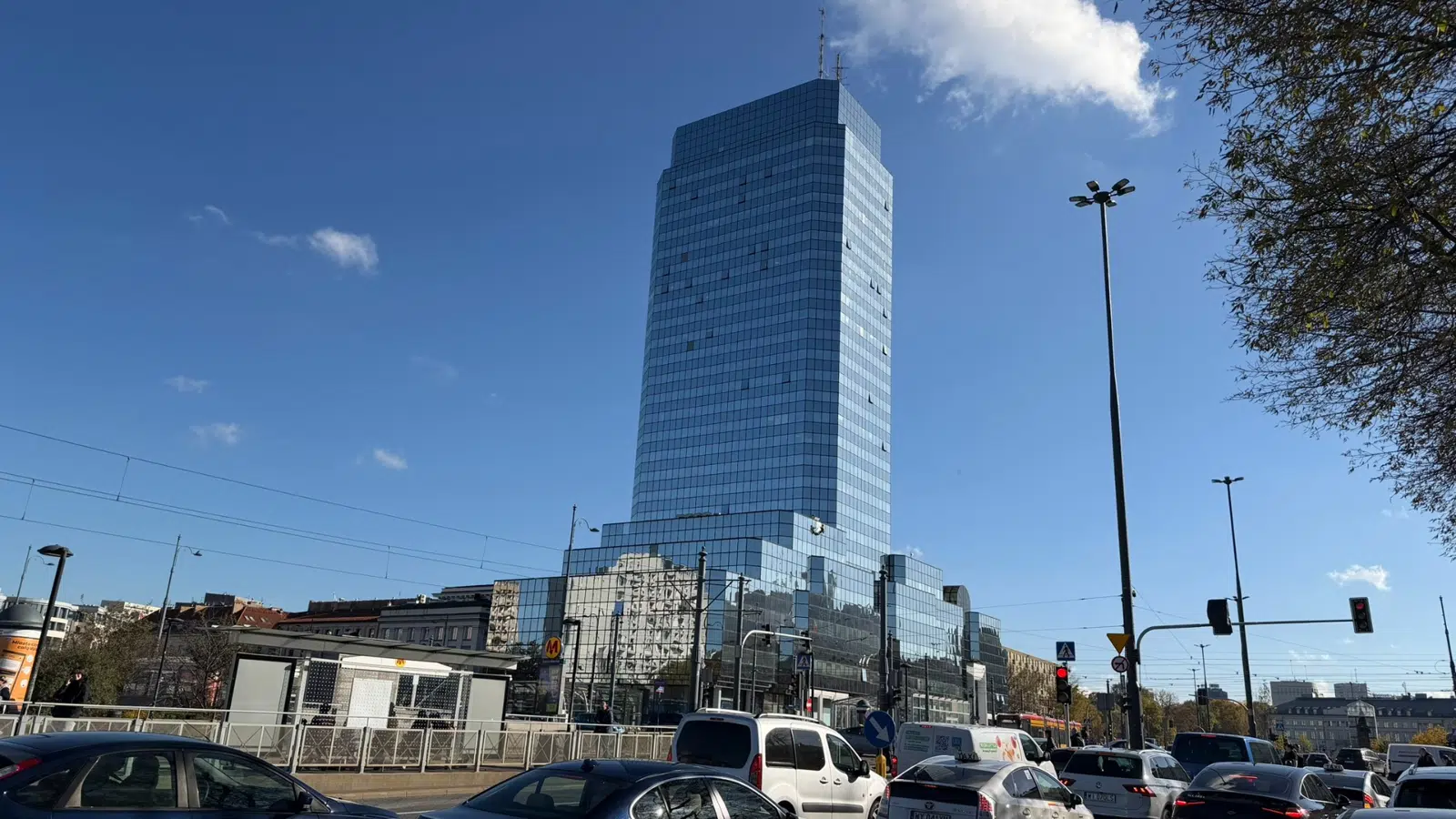
The neighbouring former Main Judaic Library survived and now houses the Jewish Historical Institute. The building, archives and exhibitions offer an unusually close encounter with historical testimony. Check which exhibitions are open before visiting.
Historian Emanuel Ringelblum and the secret Oneg Shabbat group gathered letters, diaries, reports, drawings and testimonies documenting life and persecution in the Warsaw Ghetto. Two hidden caches were recovered in 1946 and 1950; a third has never been found. The surviving archive is included in UNESCO’s Memory of the World Register.
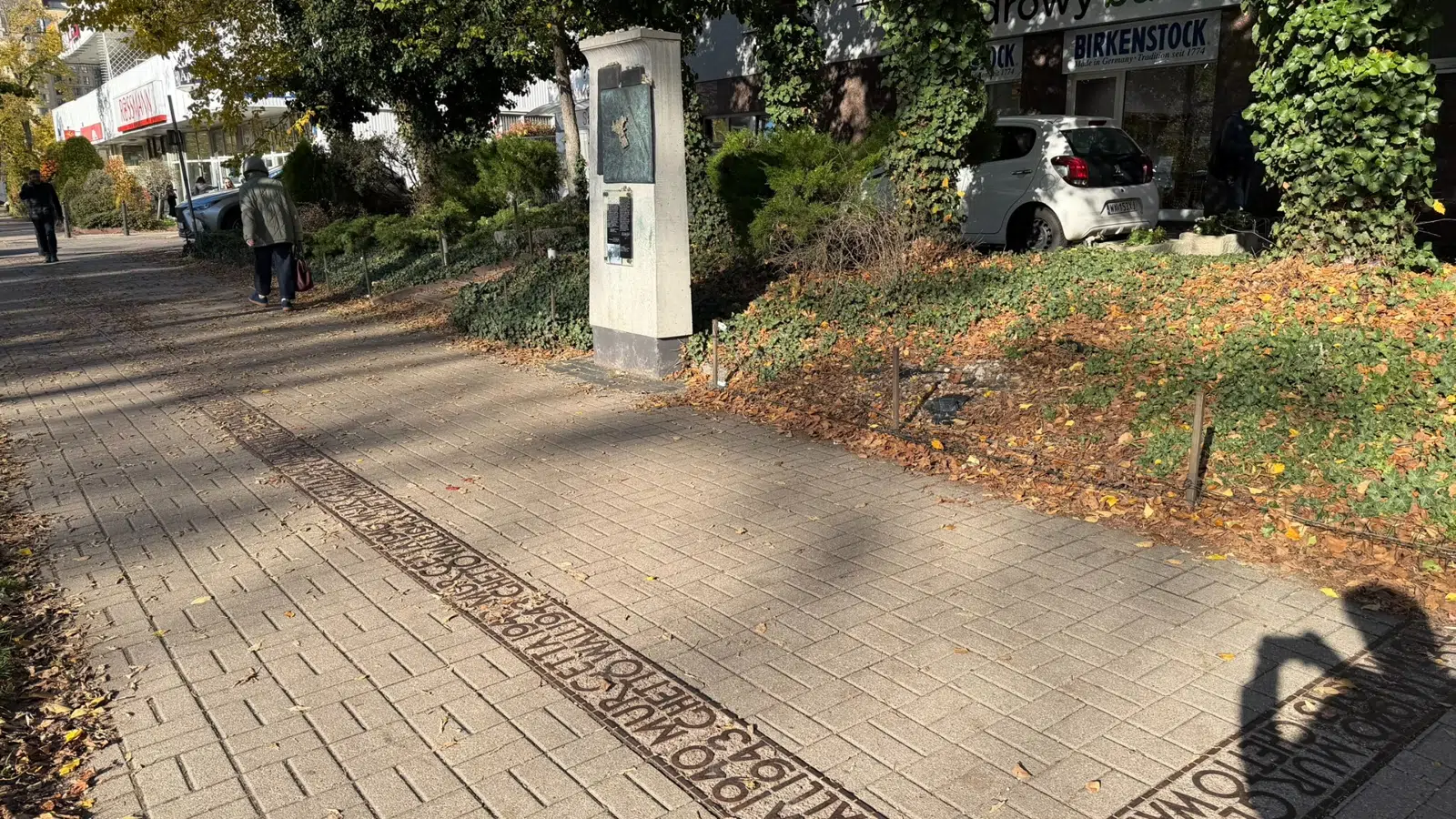
After Germany invaded Poland in September 1939, Jewish residents faced escalating persecution. From December 1939 Jews in the General Government were required to wear white armbands with a blue Star of David. The Warsaw Ghetto was sealed on 16 November 1940. By 1941 roughly 450,000 people were confined in overcrowded conditions, where starvation and disease took an enormous toll.
Despite this, residents organised social assistance, clandestine education, religious life and cultural work. Much of the wall has disappeared, but surviving fragments around Sienna and Złota streets and commemorative boundary strips still make the imposed divisions visible.
A wooden footbridge once joined the “large” and “small” sections of the ghetto above Chłodna Street. Today a memorial installation near Chłodna and Żelazna evokes this vanished crossing.
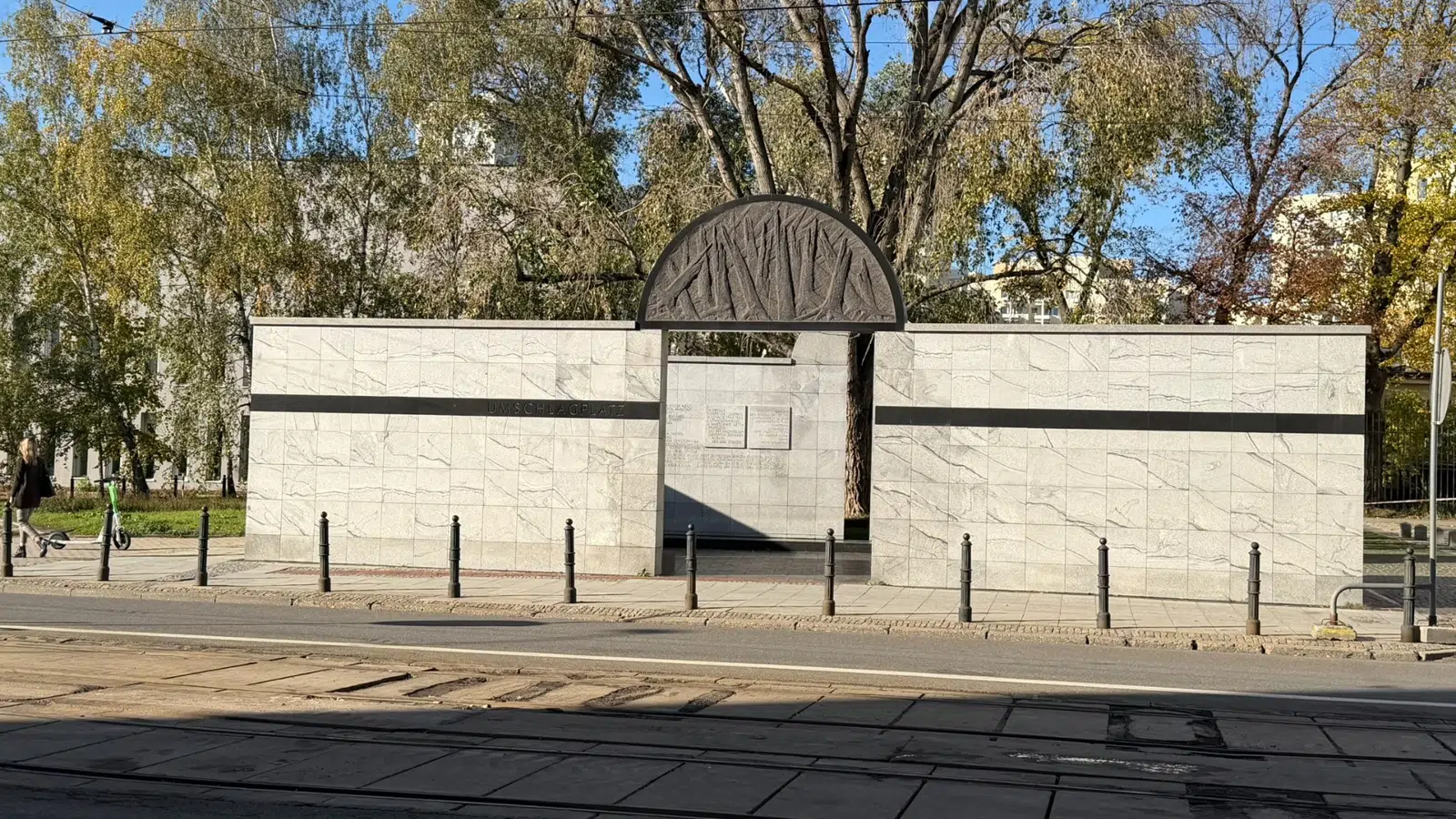
Stawki Street, near Dzika · often listed as Stawki 10. From 22 July 1942, German forces deported Jews from the ghetto via the Umschlagplatz, primarily to the Treblinka extermination camp. Most were murdered shortly after arrival.
The white stone memorial unveiled in 1988 commemorates this place of assembly and deportation. Its engraved names stand for individuals and families whose lives were destroyed. It is a place for quiet remembrance, not a conventional tourist stop.
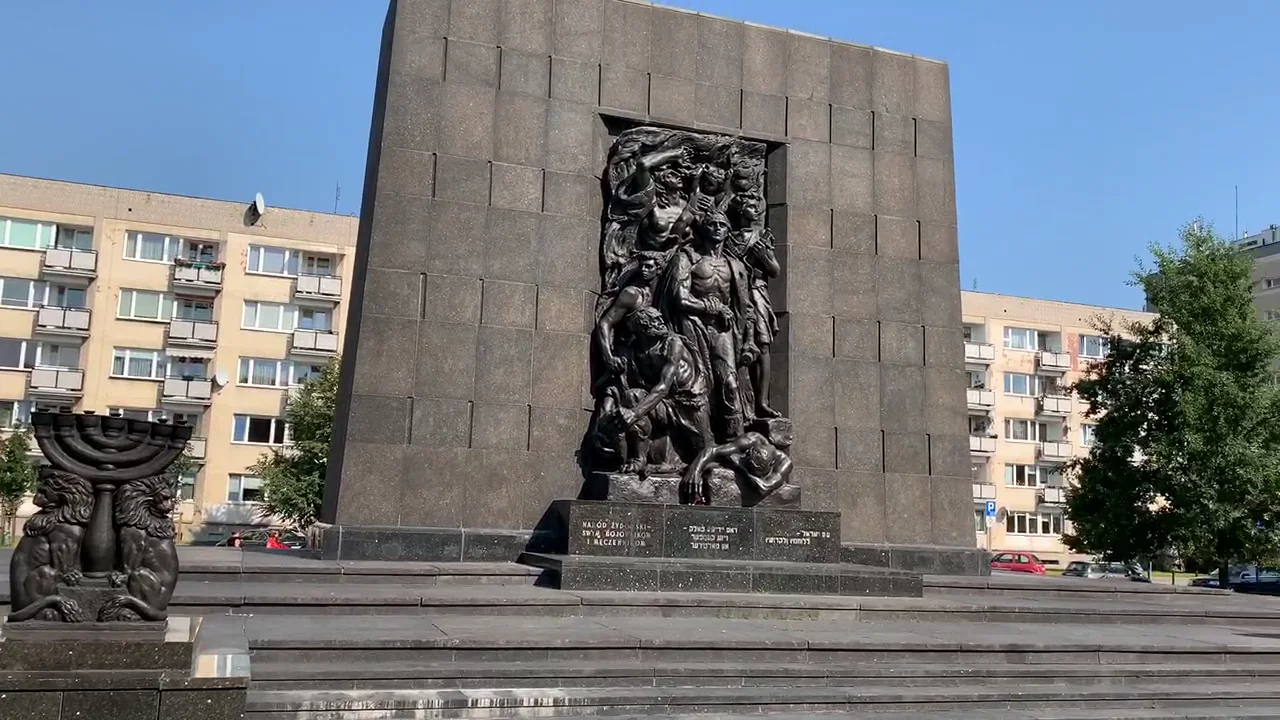
On 19 April 1943, fighters from the Jewish Combat Organisation (ŻOB), the Jewish Military Union (ŻZW) and others resisted German forces sent to liquidate the remaining ghetto. Vastly outnumbered, they fought from prepared positions while German troops systematically burned and destroyed the area. Civilian efforts to hide, help others and survive were also forms of resistance.
Unveiled on 19 April 1948, on the uprising’s fifth anniversary, Natan Rapoport’s bronze reliefs set in stone commemorate the fighters and civilians. Today the monument stands across from POLIN Museum.
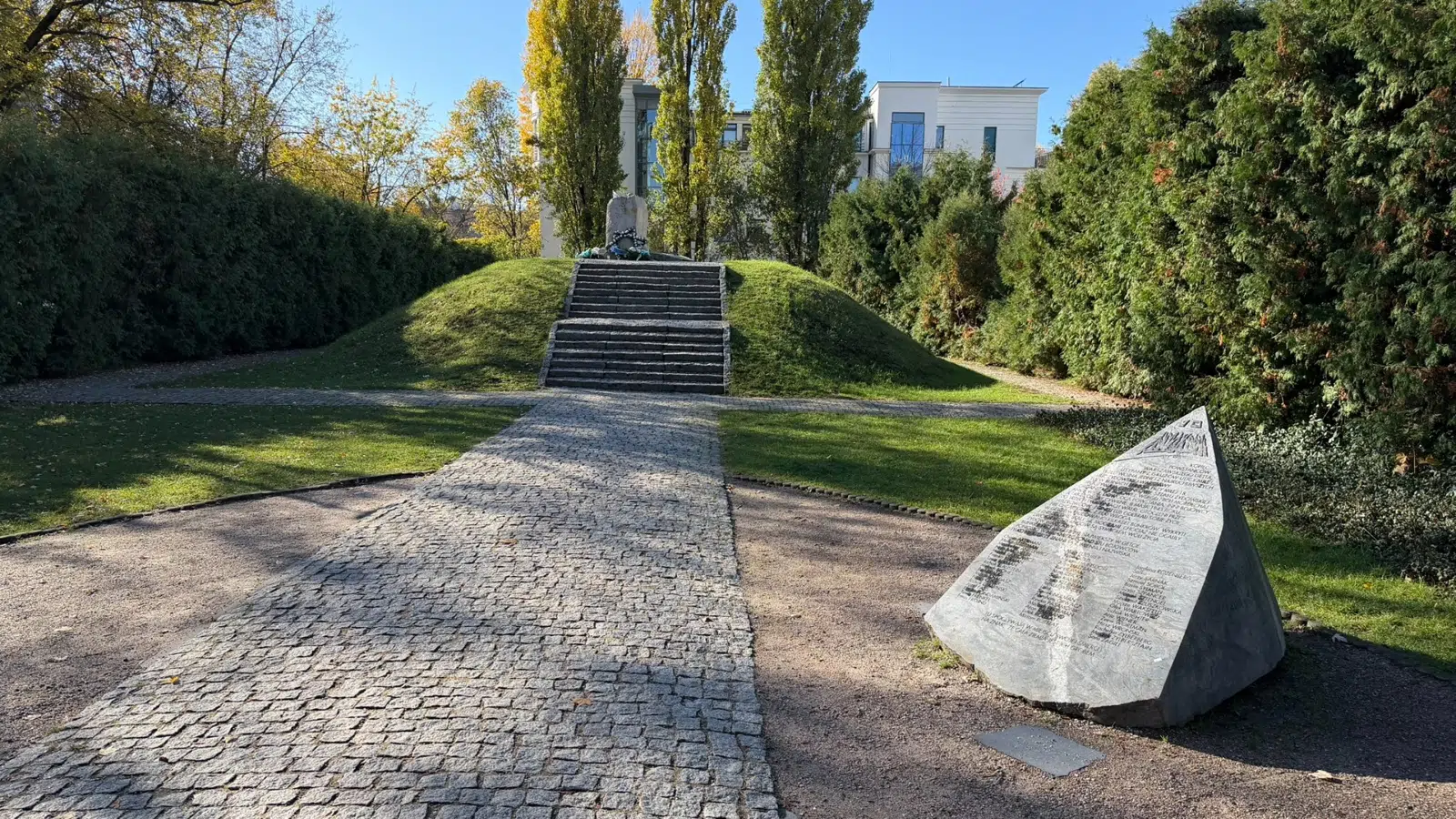
Granite memorial blocks installed in 1988 trace a route from the Ghetto Heroes Monument toward Umschlagplatz. At the memorial mound by Miła Street, the site associated with the historic address Miła 18 recalls a resistance bunker discovered by German forces on 8 May 1943. ŻOB commander Mordechaj Anielewicz died there; the exact circumstances of individual deaths remain uncertain. The modern street layout differs from that of 1943.
Jaktorowska 6 (formerly Krochmalna 92). Physician, writer and educator Janusz Korczak (Henryk Goldszmit), together with Stefania Wilczyńska, ran a Jewish orphanage whose original building still stands. His belief that children deserve dignity and participation in their own lives shaped a lasting educational legacy.
During occupation the orphanage was moved into the ghetto. In August 1942, Korczak, Wilczyńska and the children were deported to Treblinka and murdered. A symbolic monument at Okopowa Jewish Cemetery commemorates them; Korczak is not buried there.
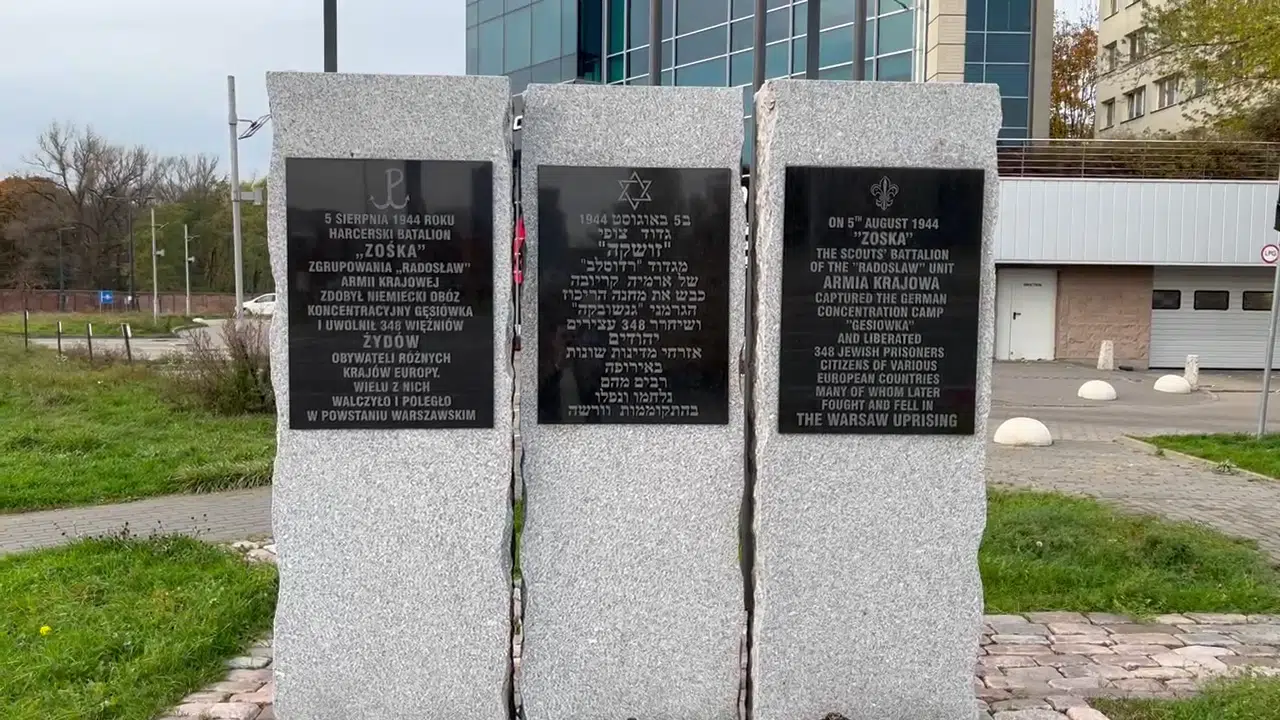
Within the ruins of the former ghetto, German authorities established a concentration camp associated with KL Warschau, commonly called Gęsiówka. On 5 August 1944, during the separate Warsaw Uprising, Home Army soldiers from the Zośka Battalion liberated 348 Jewish prisoners. Some subsequently joined the fighting.
The three-block memorial by Anielewicza and Okopowa has plaques in Polish, Hebrew and English. The Warsaw Ghetto Uprising of 1943 and Warsaw Uprising of 1944 were distinct events, but their histories intersect here.
Elsewhere in Wola, German forces perpetrated the Wola Massacre against Warsaw civilians in August 1944. Its full history belongs in our future Wola guide rather than being conflated with the destruction of the ghetto.
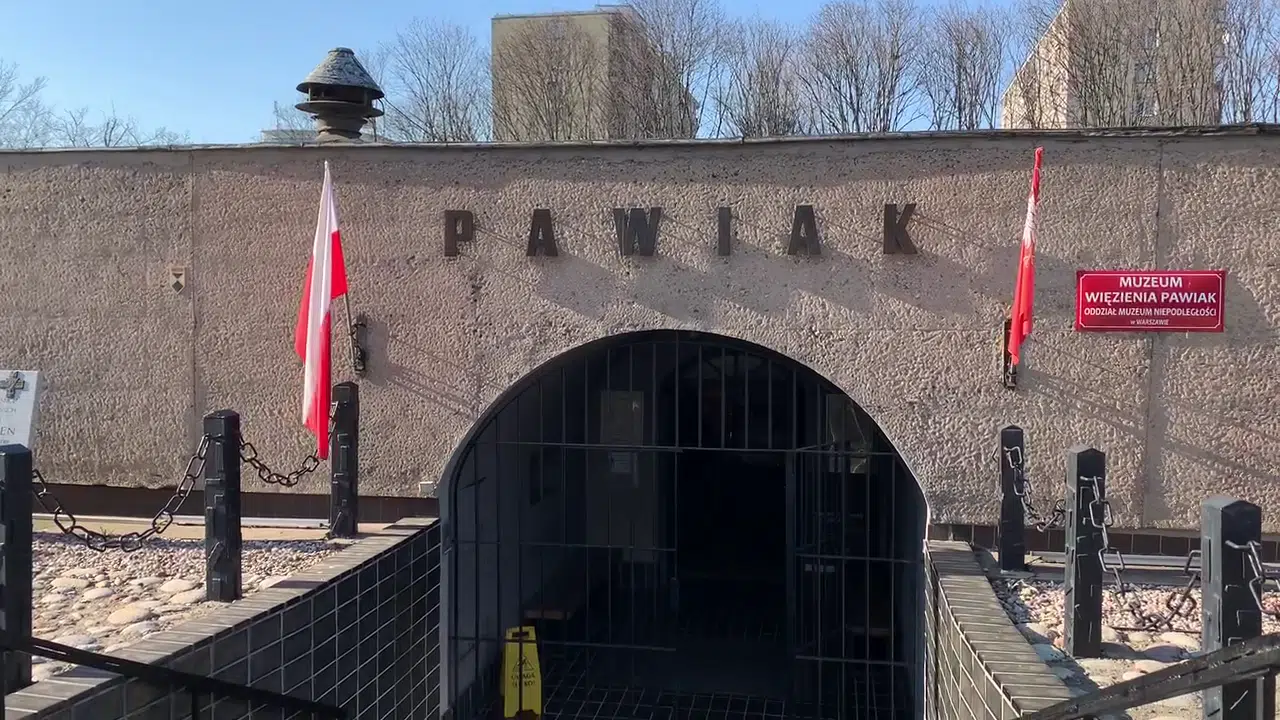
Dzielna 24/26. Pawiak Prison, within the ghetto boundaries, was used by German occupiers to imprison, interrogate and torture resistance members, Jews and other persecuted people. Many were murdered or deported; much of the complex was destroyed in 1944.
The Pawiak tree became a place where families attached commemorative plaques. After the original elm died, a bronze cast replaced it in 2005. Check the museum’s current status before planning an interior visit.
Funded by Zalman and Rywka Nożyk and opened in 1902, it is Warsaw’s only surviving prewar synagogue still serving its original religious purpose. It is an active house of worship, so visiting arrangements depend on religious observance and security.
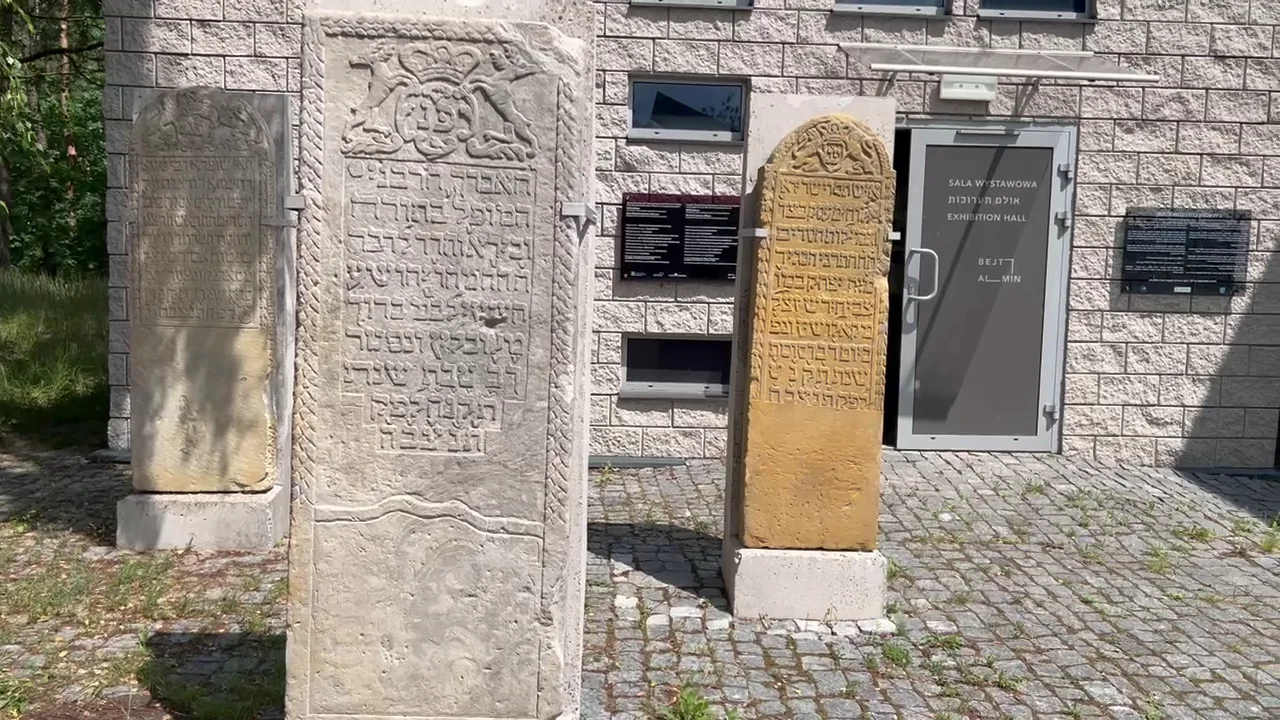
Founded in 1806, this active Jewish cemetery preserves thousands of graves and family histories. Among those buried here are Esperanto creator Ludwik Zamenhof; writers I. L. Peretz, Jakub Dinezon and S. An-ski; Yiddish theatre pioneer Ester Rachel Kamińska; Warsaw Ghetto Judenrat head Adam Czerniaków; and uprising commander Marek Edelman.
The cemetery also contains a symbolic memorial to Korczak and the children. Respect Jewish burial customs; men should cover their heads.
Across the Vistula, the historic cemetery at Bródno recalls Jewish communities in Praga and the eastern city. Badly damaged during the twentieth century, it is a significant site of remembrance.
Read more in Jewish Sacred Heritage and Sacred Warsaw.
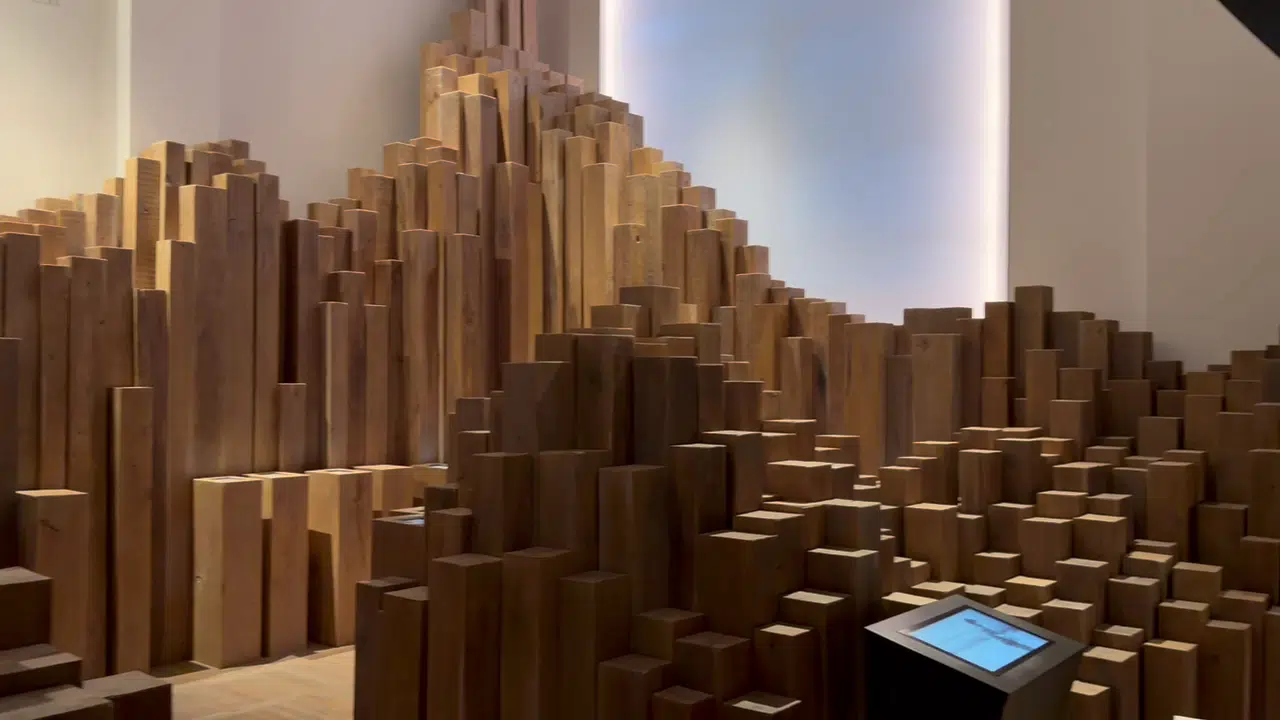
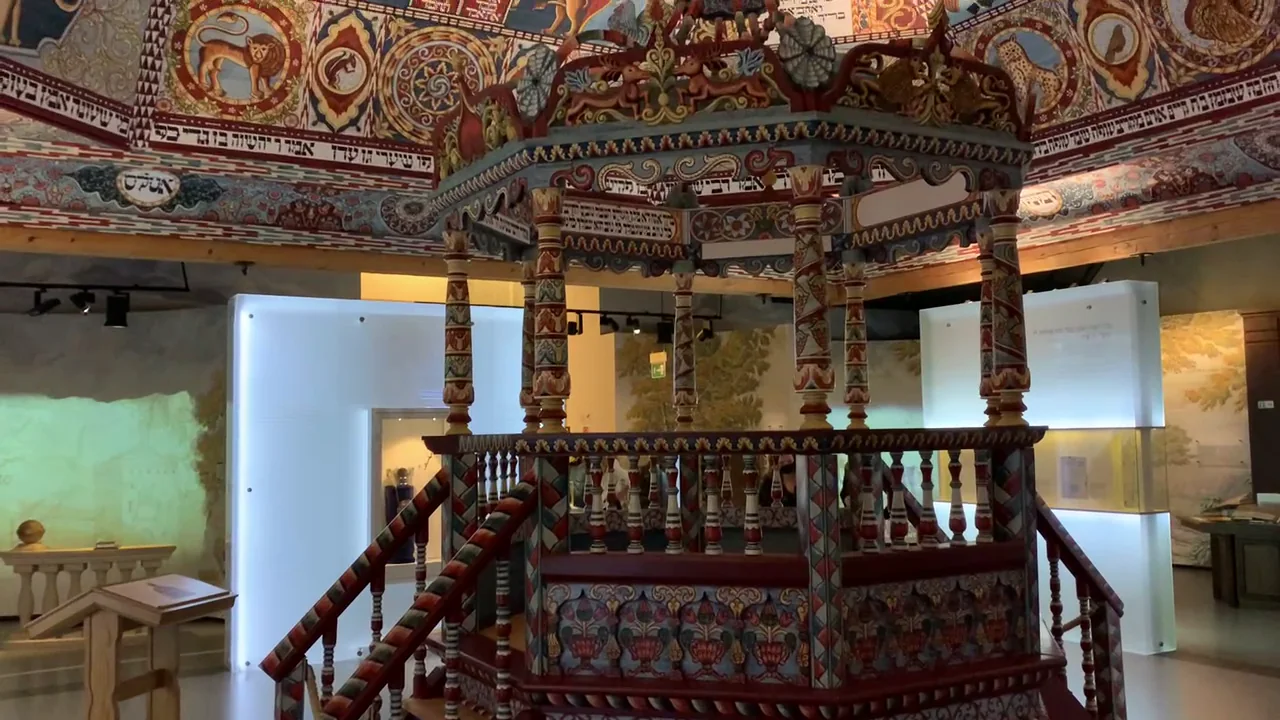
Anielewicza 6. POLIN Museum of the History of Polish Jews explores centuries of Jewish life in Polish lands: religious practice, languages, culture, political change and the coexistence and tensions within society. The reconstructed painted roof and ceiling of the Gwoździec wooden synagogue is a highlight.
POLIN and the Jewish Historical Institute complement each other: POLIN supplies the broad historical picture, while the Institute brings visitors closer to archives and the Warsaw Ghetto’s testimony.
Plan a visit via our Warsaw Museums directory.
Jewish history in Warsaw did not end in 1945. Survivors tried to rebuild institutions and communities, even as antisemitism and political pressure prompted further emigration, notably during the state-sponsored antisemitic campaign of 1968. Today, synagogues, community organisations, educational projects and cultural events keep that history connected to contemporary life.
The annual Singer’s Warsaw Jewish Culture Festival brings music, theatre, literature and other events to the city, traditionally centred in part around Próżna Street and Grzybowski Square.
On the anniversary of the Warsaw Ghetto Uprising, yellow paper daffodils are worn as symbols of remembrance. POLIN’s campaign is associated with Marek Edelman, who annually received daffodils and laid them at the Ghetto Heroes Monument.
These are suggested clusters rather than time-optimised itineraries. Museum hours, religious access and walking conditions should be checked before travelling.
POLIN → Ghetto Heroes Monument → Memorial Route → Miła 18 → Umschlagplatz.
Próżna and Grzybowski Square → Nożyk Synagogue → Sienna/Złota wall fragments → Chłodna footbridge. Add Tłomackie for the Institute and former Great Synagogue site.
Okopowa Jewish Cemetery → Gęsiówka memorial → Pawiak, with optional stops at Korczak’s orphanage and Waliców 11.
Allow at least half a day for a few central sites, a full day for POLIN and Muranów, or two days to cover the cemetery and outlying locations. Treat active synagogues and cemeteries as religious places and memorials with care. Photography policies differ across institutions.
A modern apartment block may stand where crowded tenements once stood. A busy road may cross the line of a vanished street. A skyscraper occupies the former site of a great synagogue. Without knowing the history, these places can seem ordinary.
Look more closely, and Warsaw begins to reveal the people who studied, prayed, worked, wrote, raised families, resisted persecution and tried to survive. Jewish Warsaw is a history of culture and community as well as devastation — and of the determination to preserve memory.
For historical context, current exhibitions and visiting arrangements, consult the Jewish Historical Institute, POLIN Museum, United States Holocaust Memorial Museum and Okopowa cemetery administration. Individual access and exhibition status can change.