Warsaw’s sacred places tell their stories at very different scales. There are cathedral towers above the streets, a synagogue tucked behind the city centre, and small courtyard shrines tended by neighbours. Some buildings survived the war; others were painstakingly rebuilt. Some places remain busy centres of worship, while others ask us to notice what is missing.
Catholic churches are a large part of this landscape, but Lutheran, Reformed, Orthodox and Jewish places belong to the story too. Follow them beyond the Old Town and you begin to see a city shaped by different communities, family traditions and ways of remembering.
This is a personal selection of places I have explored and photographed, rather than a complete directory of Warsaw’s religious communities.
You do not need to share a faith to appreciate these places. Give them time, look closely, and remember that many are still part of someone’s everyday religious life.
Cathedrals, convents and streets rebuilt from the ruins.
Catholic · Old Town
St John’s Archcathedral
St John’s is easy to approach as another handsome building on an Old Town walk. Step inside, however, and the scale of its role in Warsaw becomes clearer. This is a cathedral, a place of national remembrance and a burial place whose history reaches well beyond the surrounding streets.
The church suffered catastrophic wartime destruction, so the building you see today also belongs to the story of Warsaw’s reconstruction. Its brick exterior and tall interior give a different impression from the richer decoration of many nearby churches. Below, the crypts bring the history down to individual names: rulers, church leaders and figures from Polish public and cultural life.
Crypt access should be checked separately from entry to the main church.
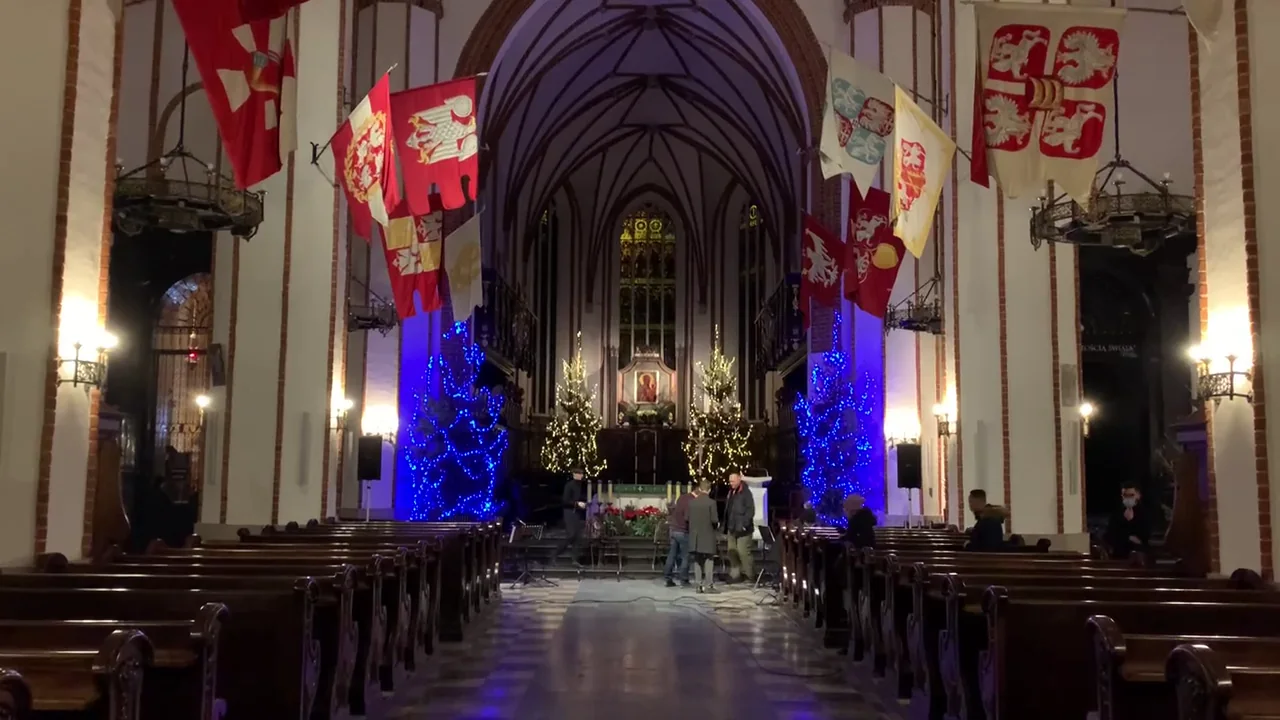
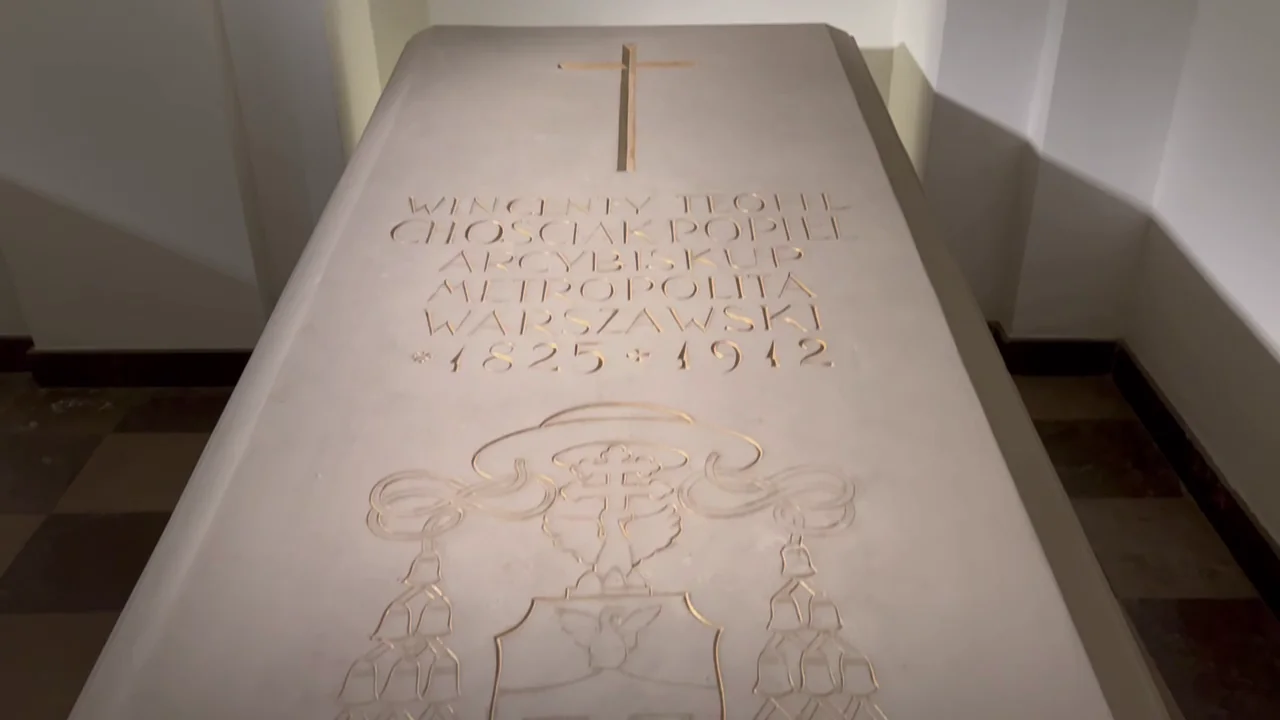
↗Inside St John’s Archcathedral, with seasonal decorations↗The tomb of Archbishop Wincenty Teofil Chościak-Popiel
Catholic · Castle Square
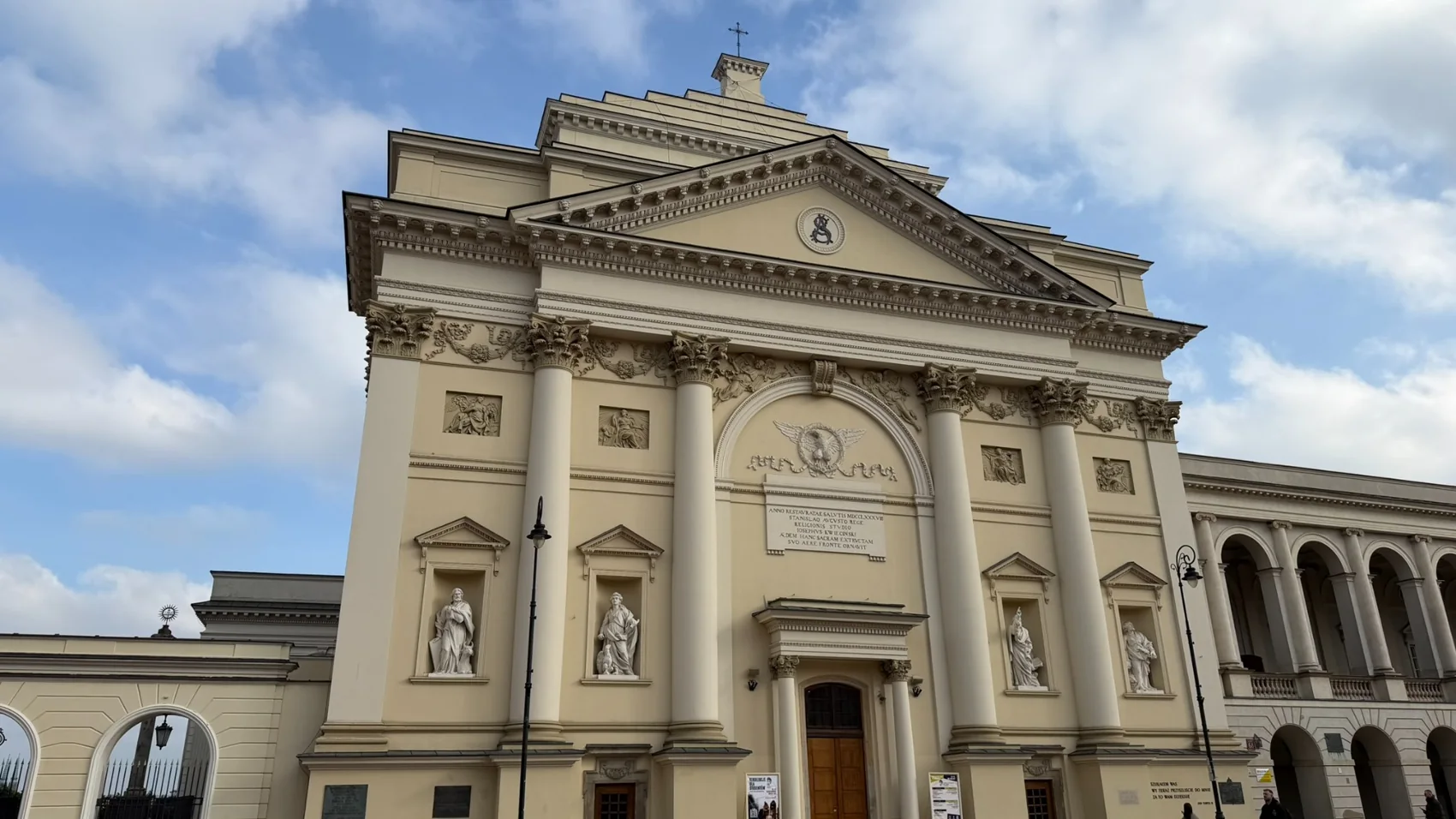
St Anne’s Church — beside Castle Square
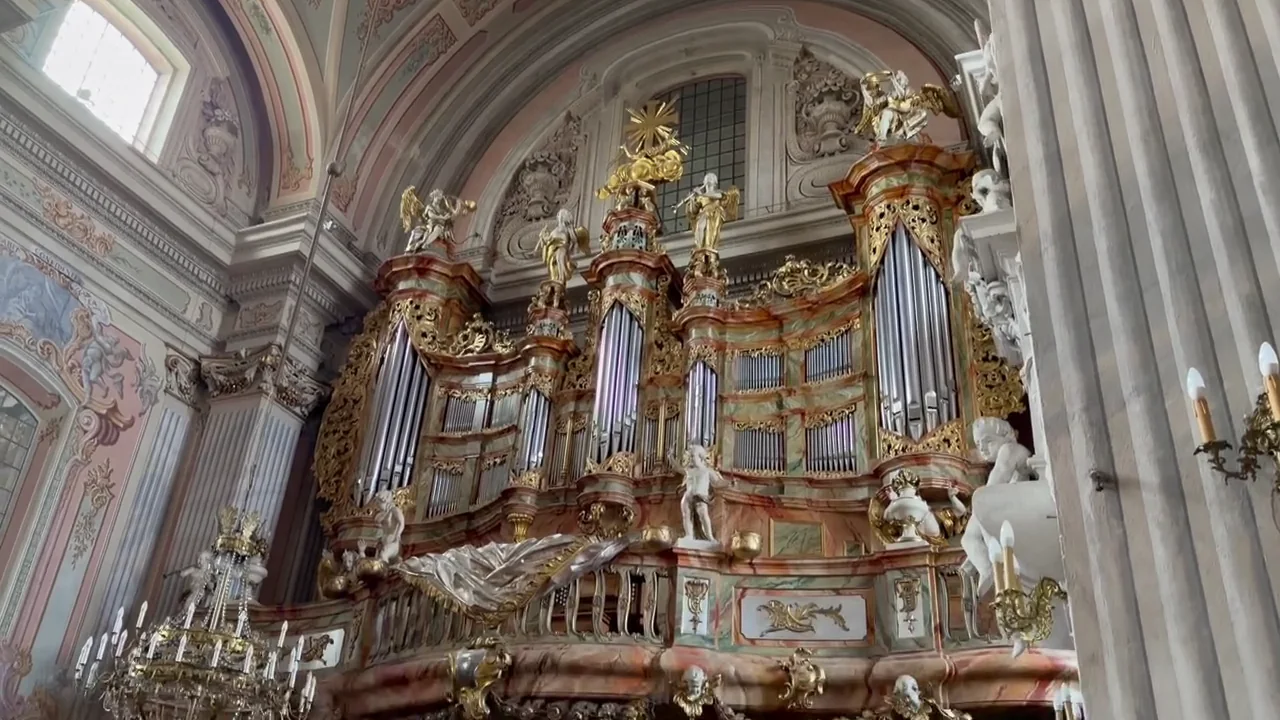
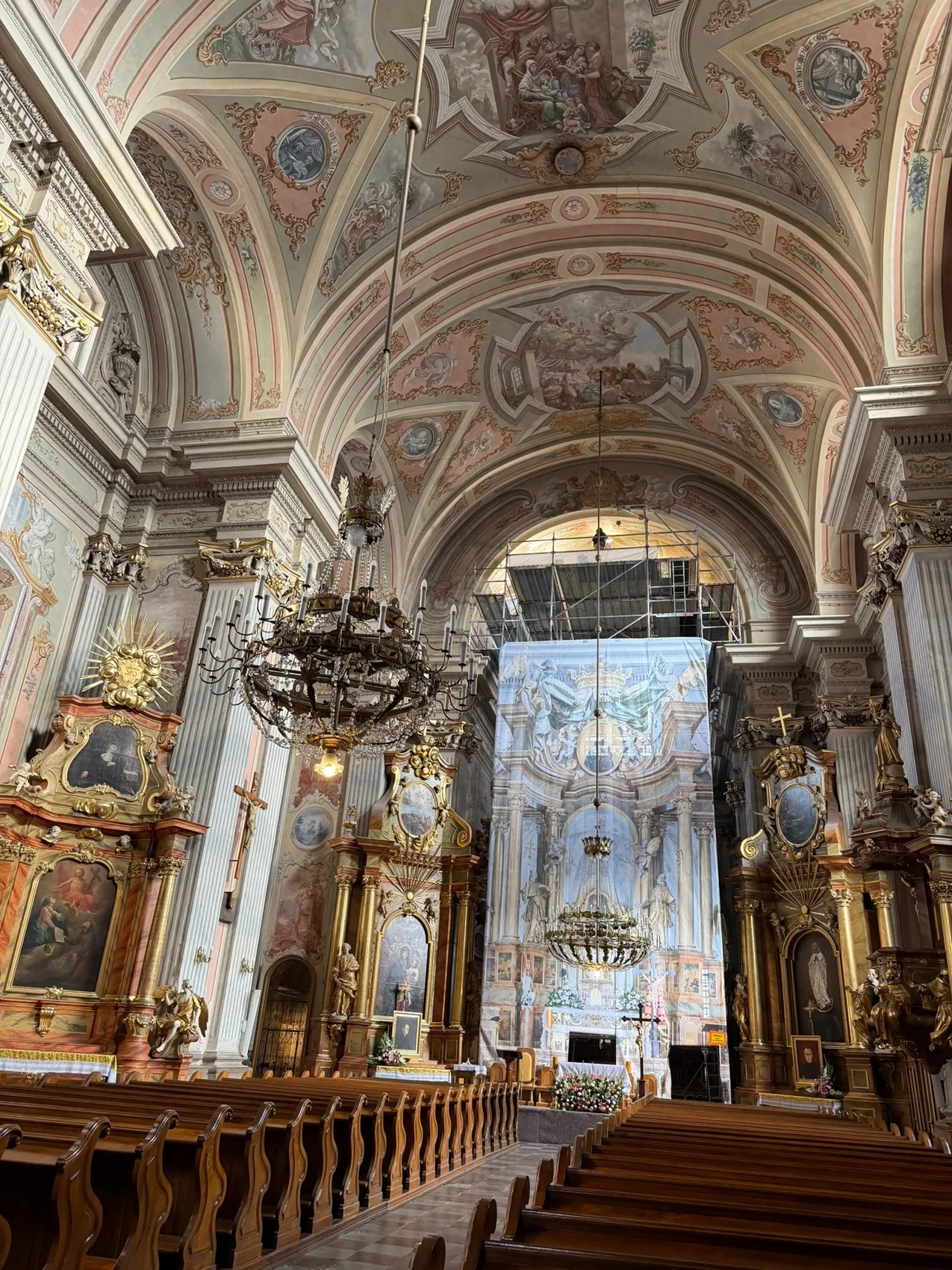
St Anne’s offers one of the sharpest changes of atmosphere on a walk through central Warsaw. Outside are the movement and open space of Castle Square; inside, painted surfaces, gilded details and the organ gallery reward a much slower look.
The church has a long history of rebuilding and alteration, so it is better understood as a building that developed over centuries than as the product of one moment. Its present role as an academic church adds another layer: this is a place connected to student life as well as to the ceremonial heart of the capital.
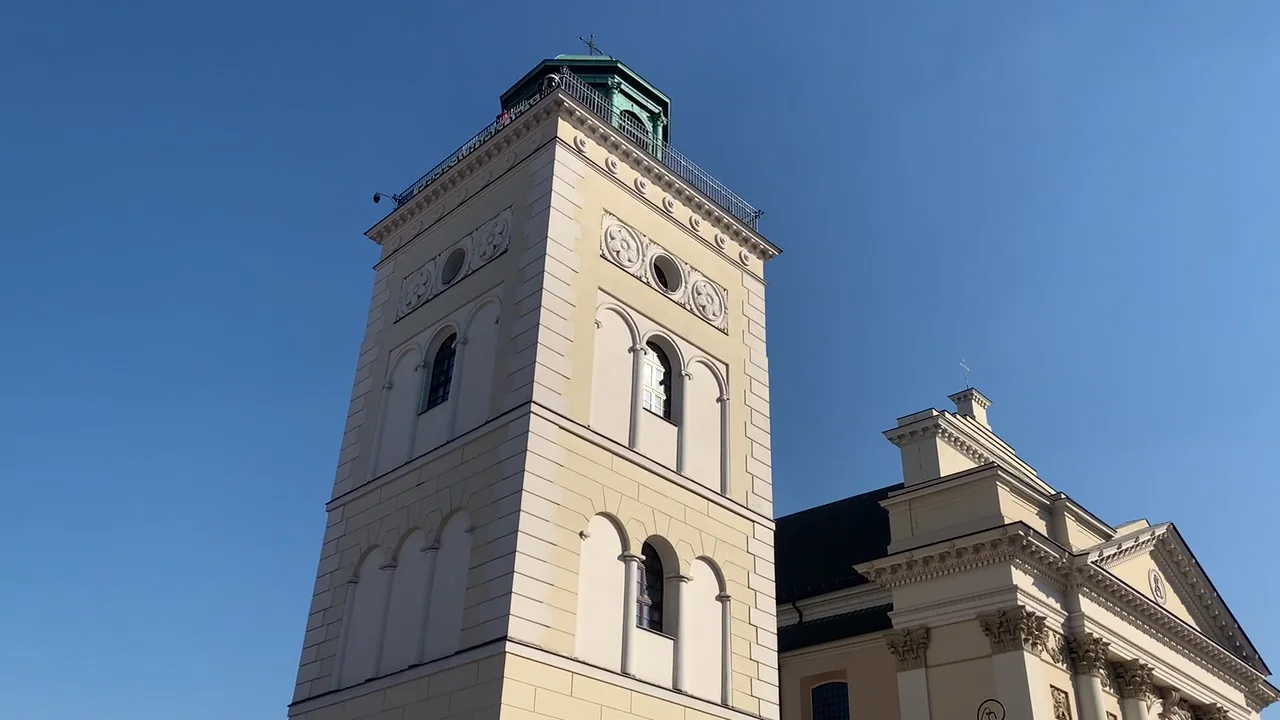
Look up towards the organ gallery before leaving. The separate bell tower has its own access arrangements.
↗The organ gallery at St Anne’s, beside Castle Square
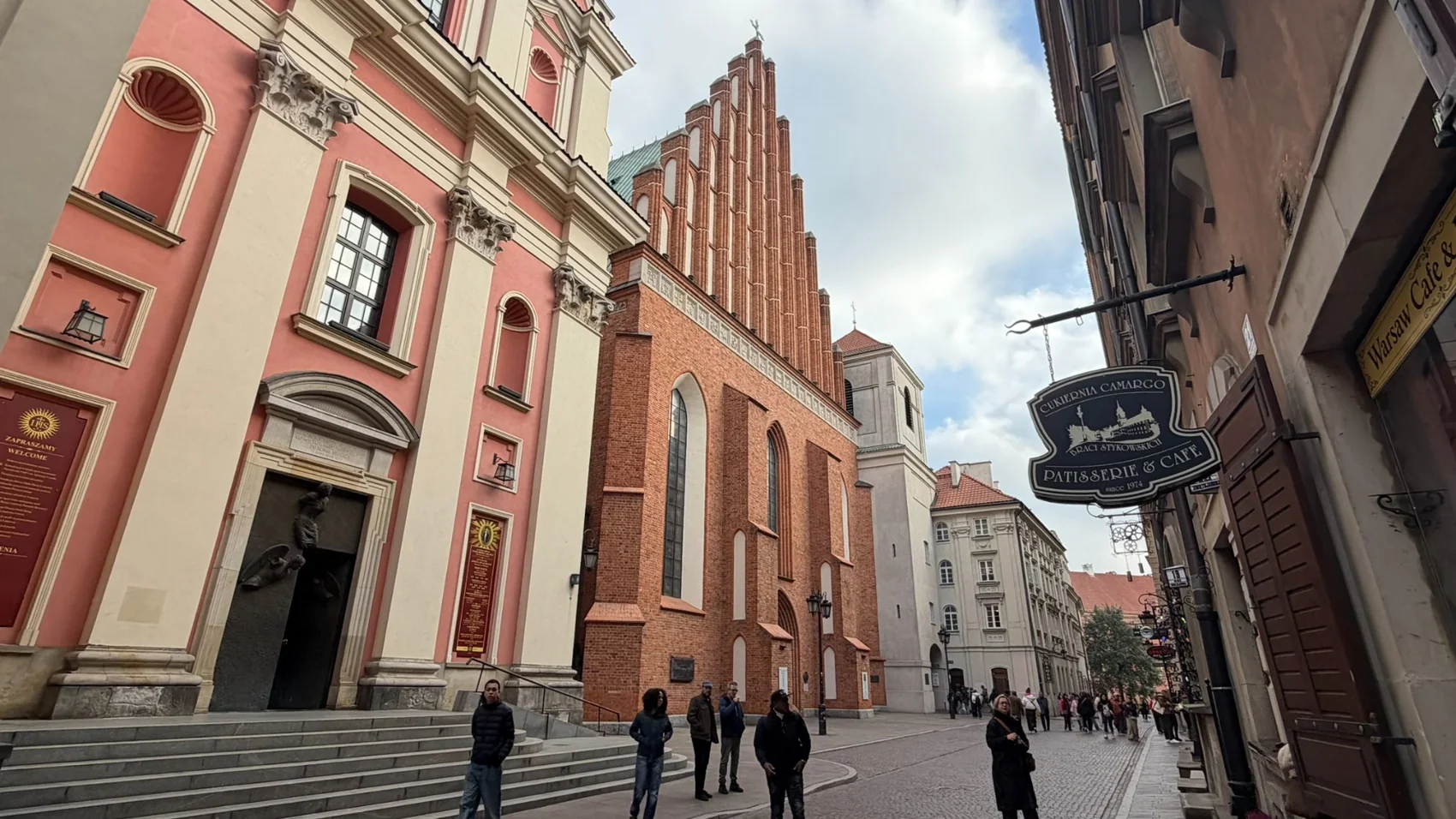
↗St Anne’s on the Royal Route↗St Anne’s interior, with seasonal decorations↗The separate bell tower of St Anne’s
Catholic · New Town
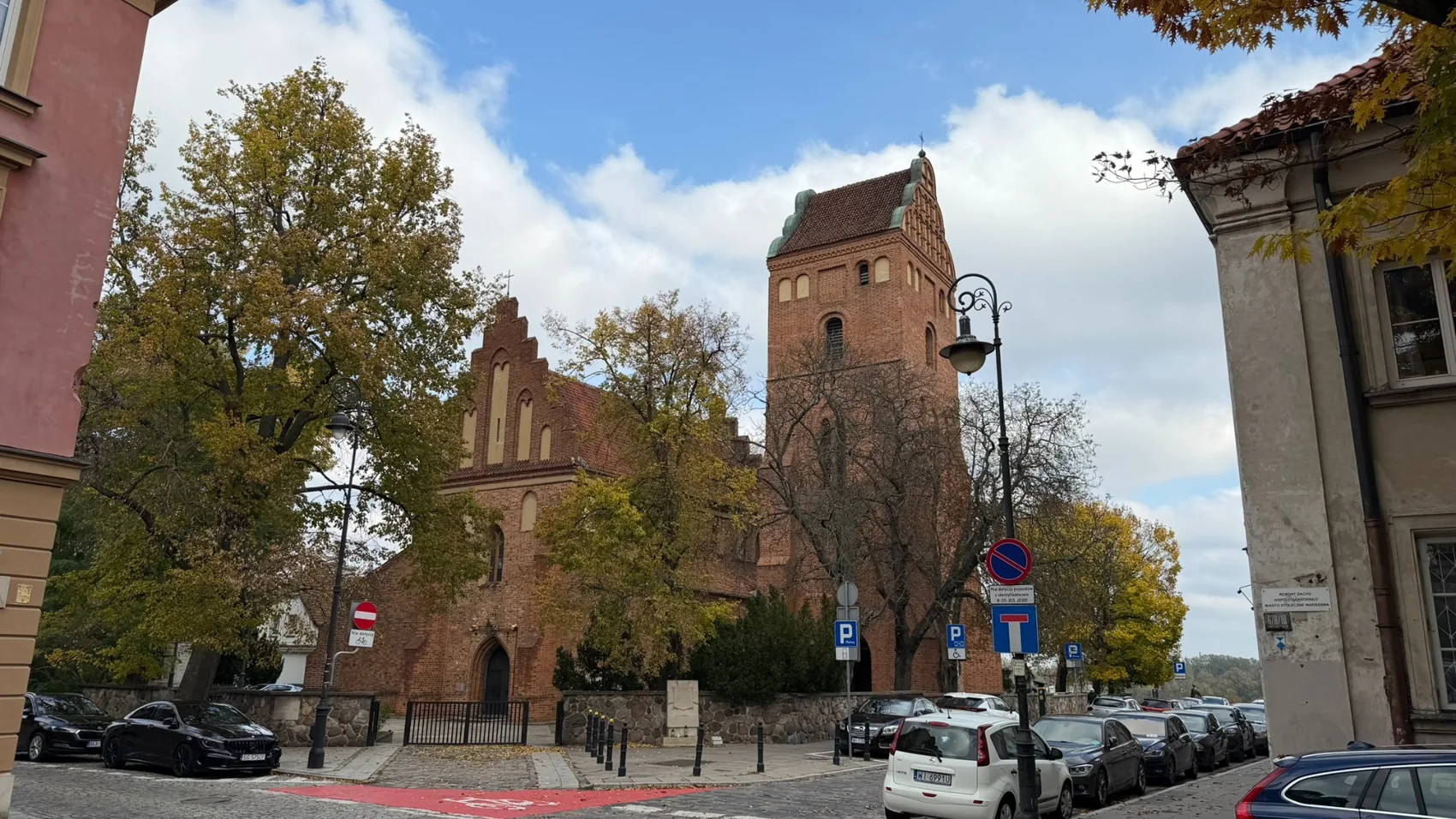
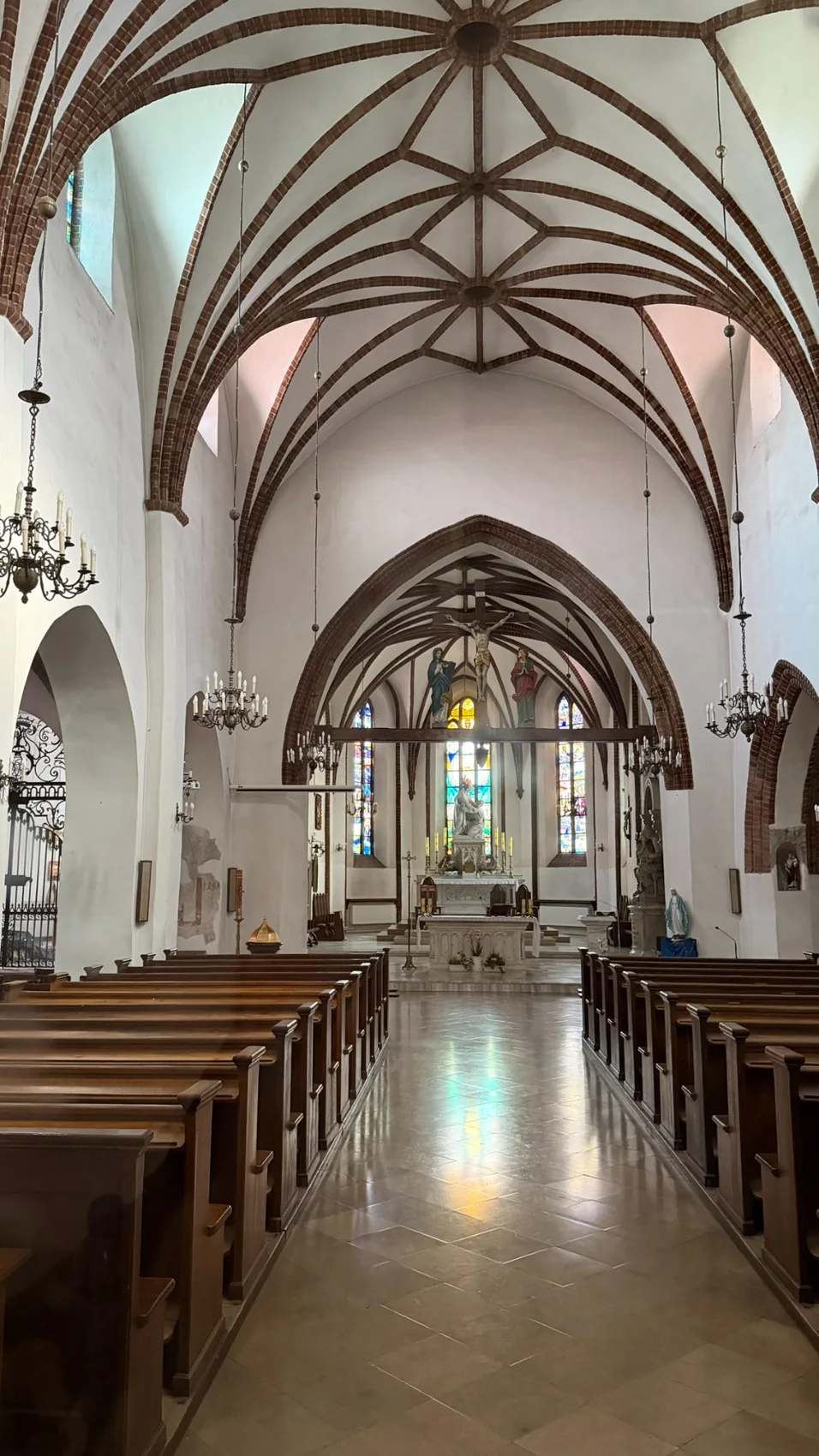
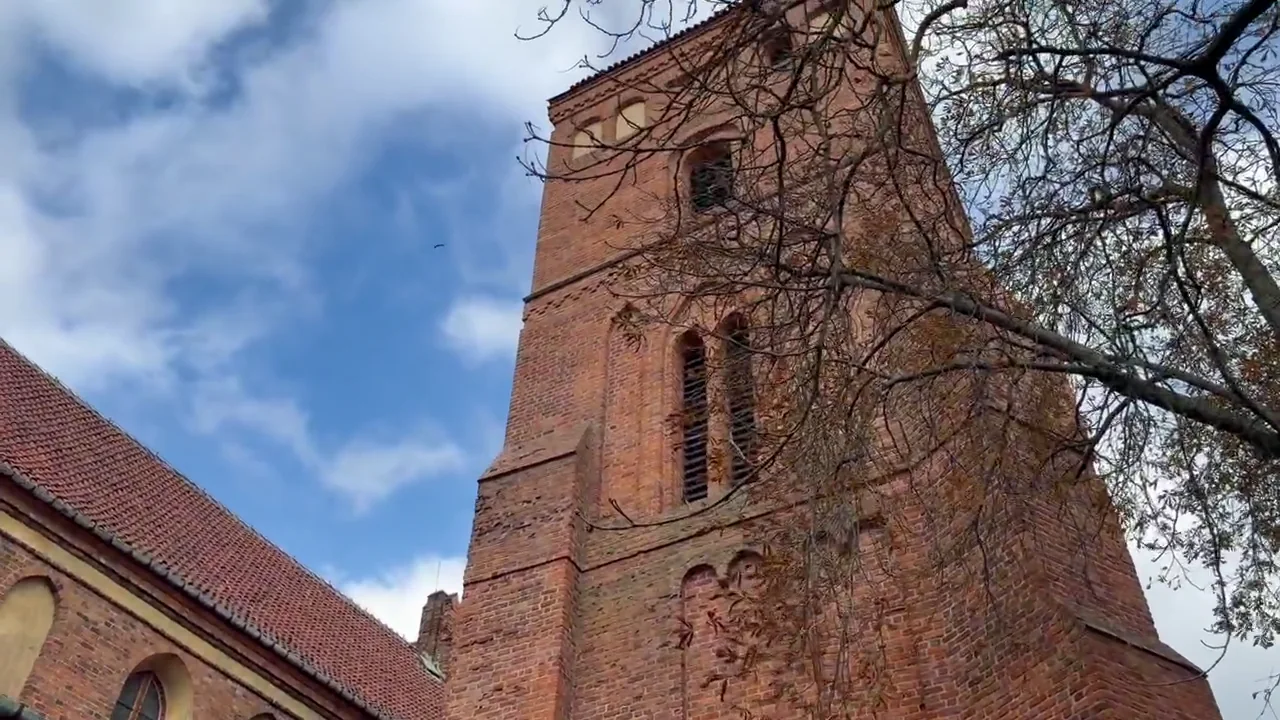
Church of the Visitation of the Blessed Virgin Mary — New Town
Near the edge of the New Town, this brick church and its separate bell tower give the walk a quieter rhythm. The parish’s origins go back to the early fifteenth century and the patronage of Duchess Anna. Its long history makes it an important counterpart to the better-known churches closer to Castle Square.
The appeal here is in the relationship between the building, its tower and the surrounding space. As elsewhere in Warsaw, the medieval origins of a church should not be confused with an entirely untouched medieval building. This is not the Visitants’ Church of St Joseph on Krakowskie Przedmieście.
↗Church of the Visitation of the Blessed Virgin Mary, New Town
↗Inside the New Town Church of the Visitation↗The church’s brick bell tower
Catholic · New Town
St Kazimierz — New Town Market Square
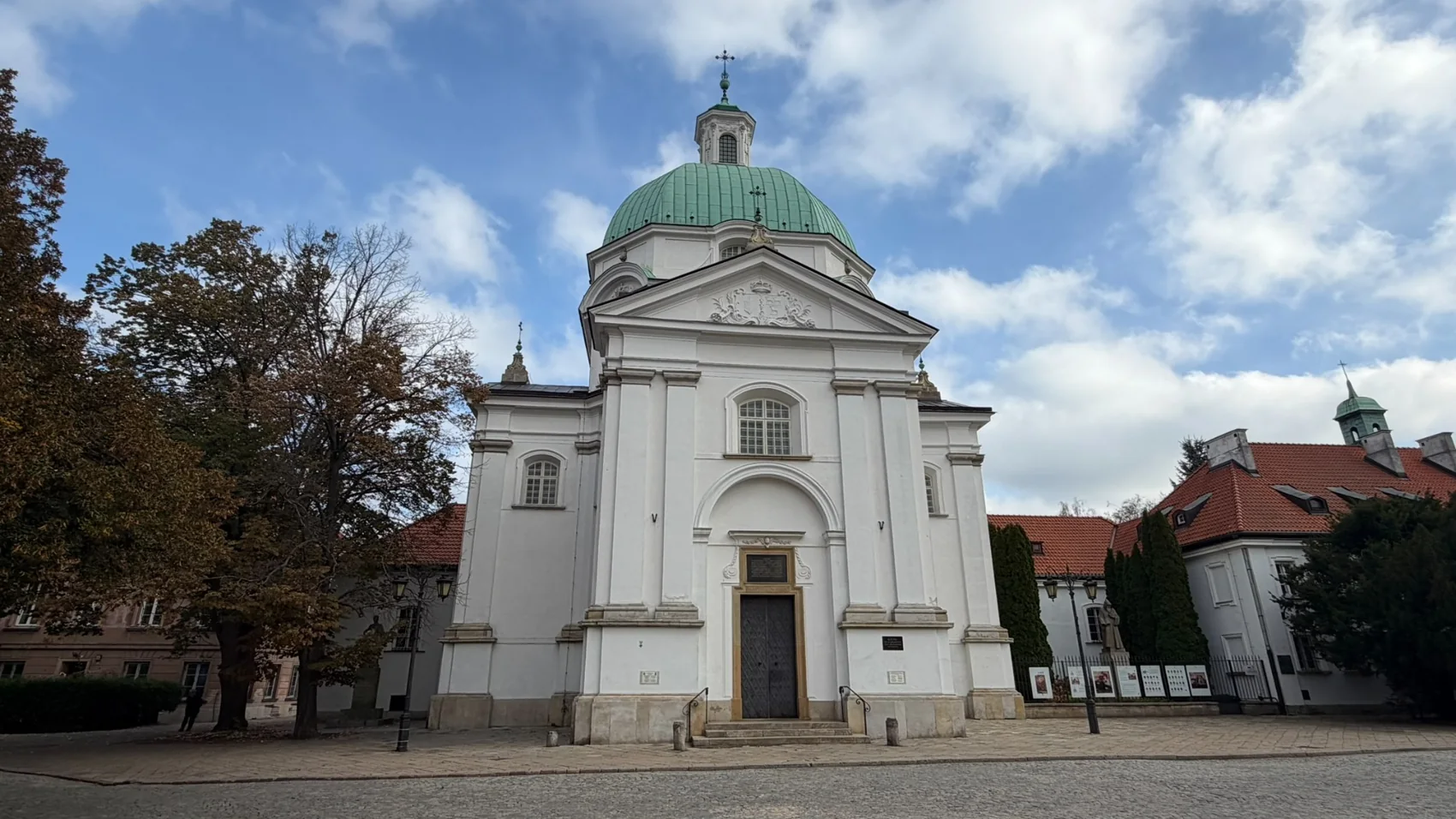
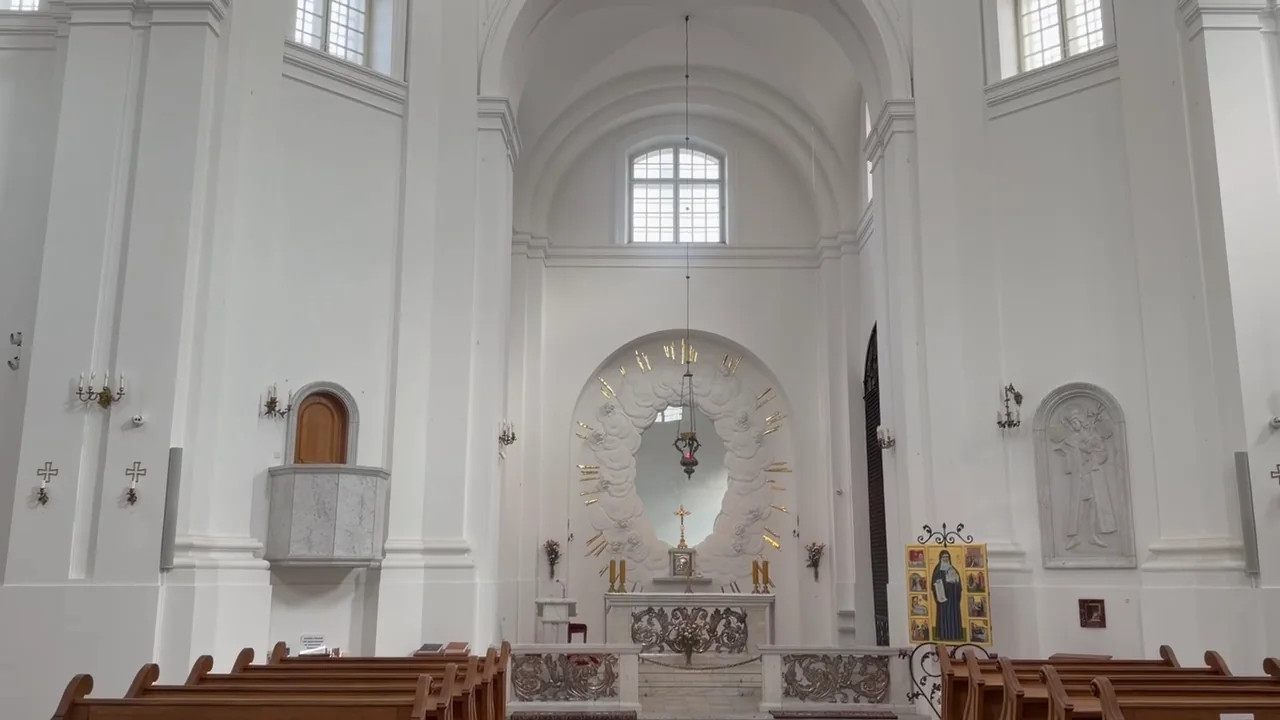
The white church of St Kazimierz gives the New Town Market Square one of its most distinctive landmarks. Its foundation is associated with Queen Maria Kazimiera and thanksgiving for the victory at Vienna in 1683. Designed by Tylman van Gameren, it forms part of the convent complex. Behind the elegant exterior is the continuing history of the Benedictine Sisters of Perpetual Adoration.
That history includes the devastation of the Warsaw Uprising. The church sheltered people during the fighting and was destroyed in 1944, with a terrible loss of life. Its reconstruction therefore carries a significance that is easy to miss if you see only the bright façade across the square.
↗Inside St Kazimierz↗A sculptural detail at St Kazimierz
Catholic · Długa
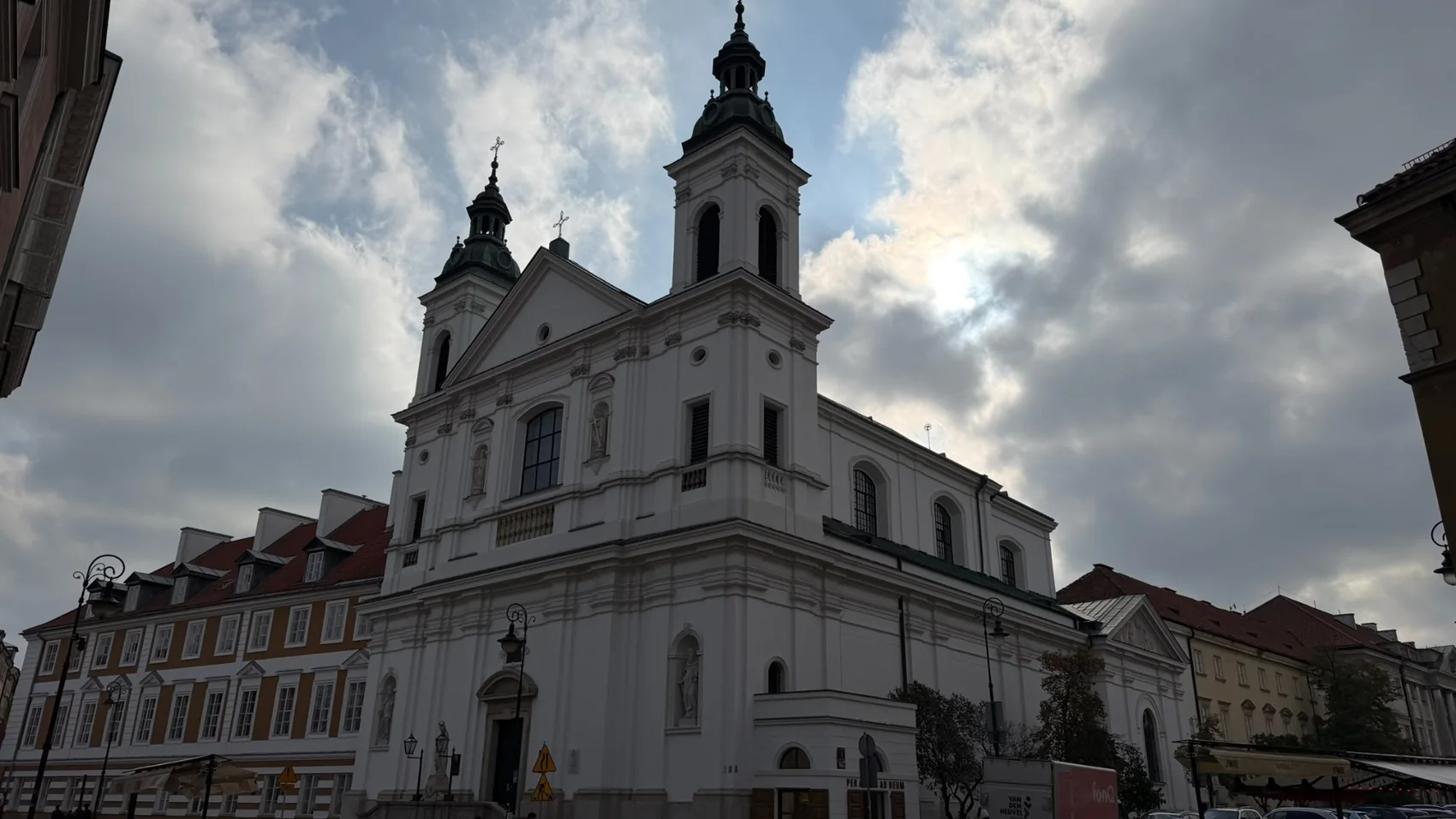
Holy Spirit Church — Długa
For many pilgrims, the journey to Częstochowa begins here. Holy Spirit Church on Długa is the departure point of the annual Warsaw Walking Pilgrimage to Jasna Góra, traditionally setting out on 6 August. The first pilgrimage left in 1711, in thanksgiving after an outbreak of plague.
The Pauline connection goes back further. The sanctuary’s history records that the ruined church was granted to the order in recognition of its defence of Jasna Góra during the Swedish invasion. Holy Spirit suffered devastating destruction again in 1944; the Paulines took possession after the war and began rebuilding.
Close to the Old Town’s northern approaches, it is an easy stop between the Old and New Towns—and a reminder that some of Warsaw’s religious routes stretch far beyond the city.
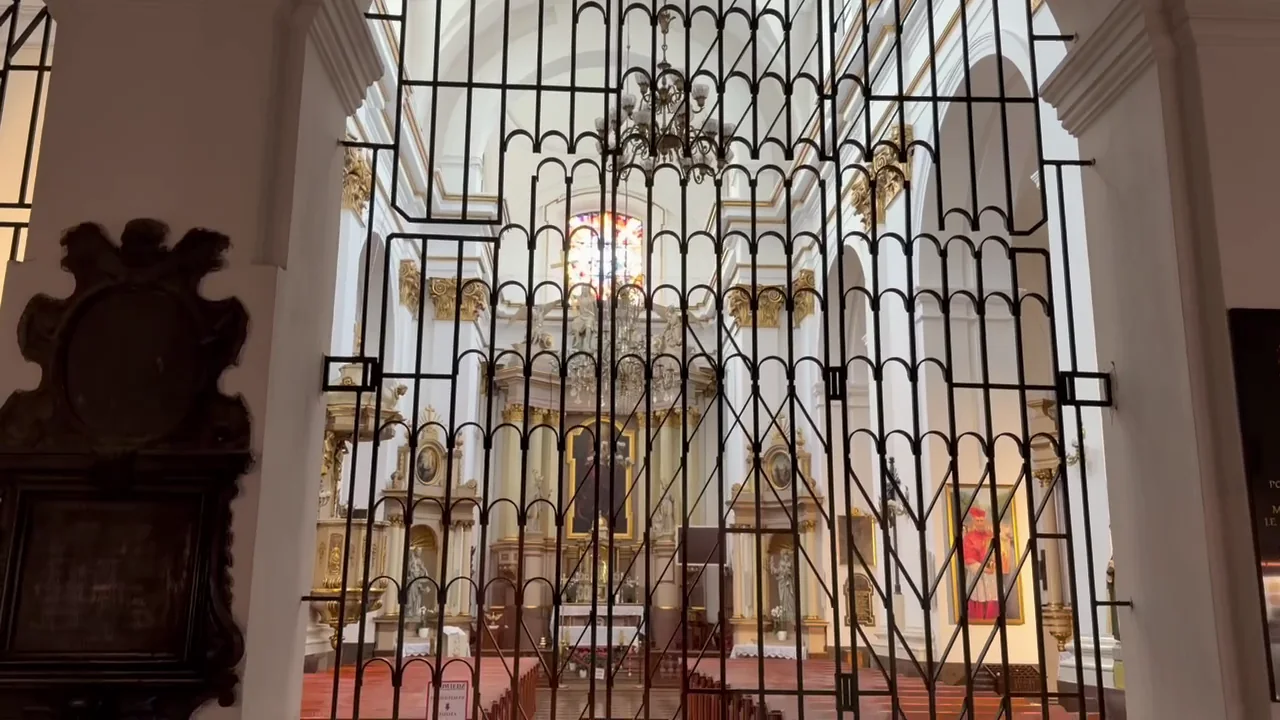
↗Holy Spirit’s interior, viewed through the grille
02
The Royal Route & centre
From surviving historic interiors to the heart of modern Warsaw.
Catholic · Royal Route
The Carmelite Church — now the Seminary Church
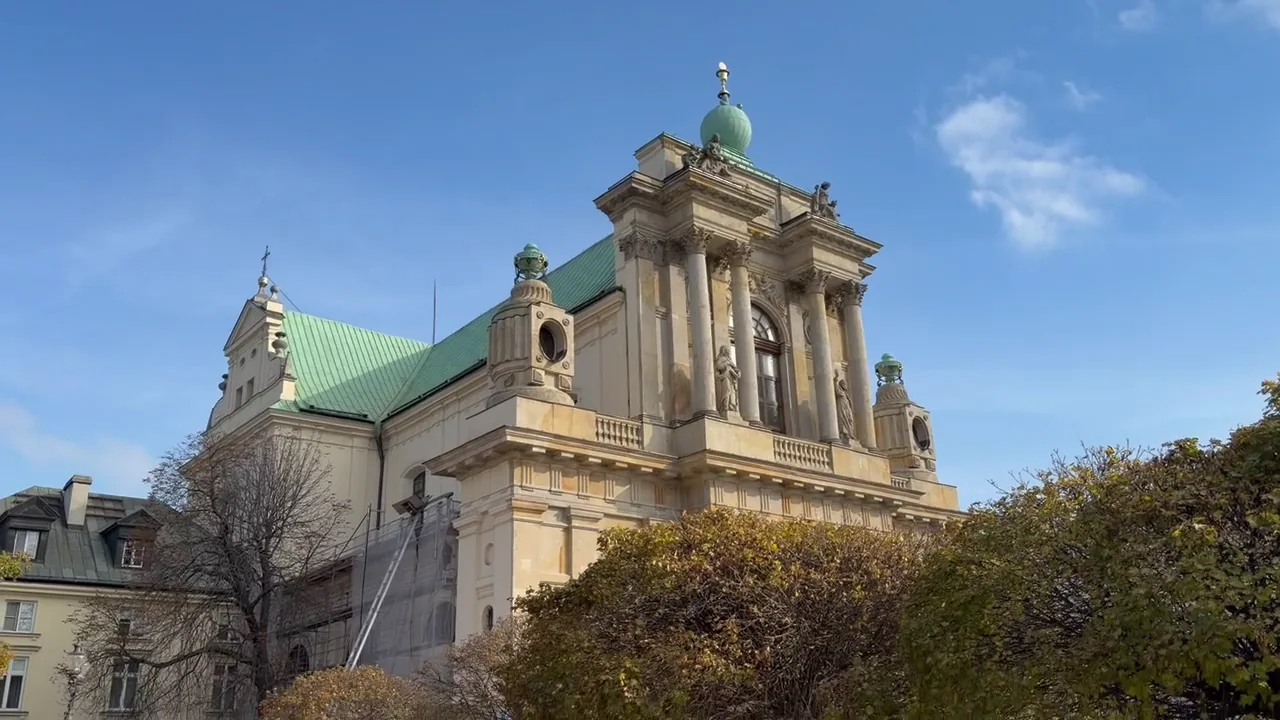
The former Carmelite church on Krakowskie Przedmieście is worth approaching twice: first for the measured lines of its façade, then for the richer world inside. Its full dedication is to the Assumption of the Blessed Virgin Mary and St Joseph, and it now serves as the Seminary Church.
The body of the church was built in the seventeenth century, while the façade belongs to a later phase associated with Efraim Szreger. That difference helps explain why the exterior and interior can feel like two different architectural conversations.
Unlike many Warsaw churches, it escaped wartime destruction and served temporarily as the cathedral. Here, the historic interior offers a particularly direct connection to the city before the war.
A little farther along Krakowskie Przedmieście, the Visitants’ Church offers another opportunity to see a historic interior that survived Warsaw’s wartime destruction. Its sculptural façade and richly worked interior make a rewarding stop even on a familiar walk along the Royal Route.
The church belongs to the Visitation order and is dedicated to St Joseph. That naming can confuse visitors: it is not the Church of the Visitation of the Blessed Virgin Mary in the New Town.
The young Fryderyk Chopin played the organ here during Mass. It is a more everyday connection with the composer than the memorial to his heart at Holy Cross nearby: a glimpse of the student musician before the international fame.
For many visitors, Holy Cross is the church associated with Chopin’s heart. His sister Ludwika brought it to Warsaw after his death, and it is commemorated within a pillar of the church. The connection gives a very personal dimension to a building that also belongs to the public life of the capital.
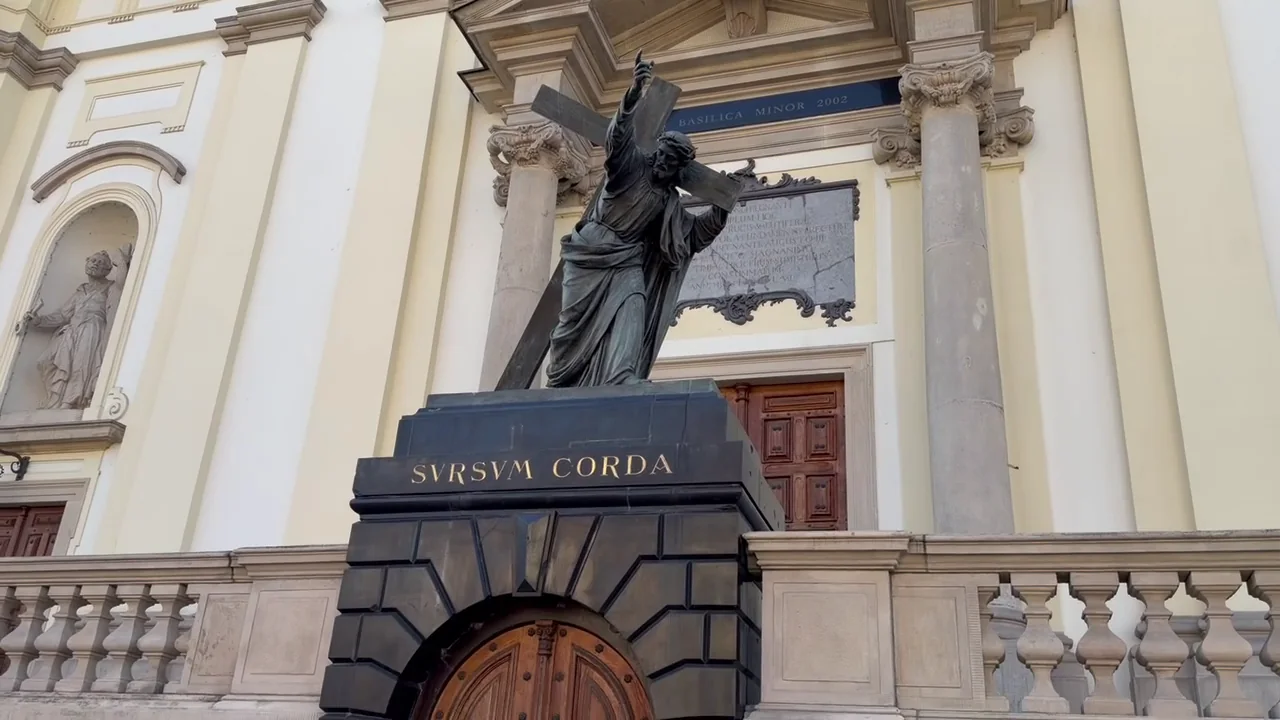
Before going inside, notice the figure of Christ carrying the cross above the steps. The inscription “Sursum corda” — lift up your hearts — makes this entrance one of the Royal Route’s most recognisable religious images.
↗Inside Holy Cross Basilica↗Christ carrying the cross above the entrance to Holy Cross
Catholic · Three Crosses Square
St Alexander — Three Crosses Square
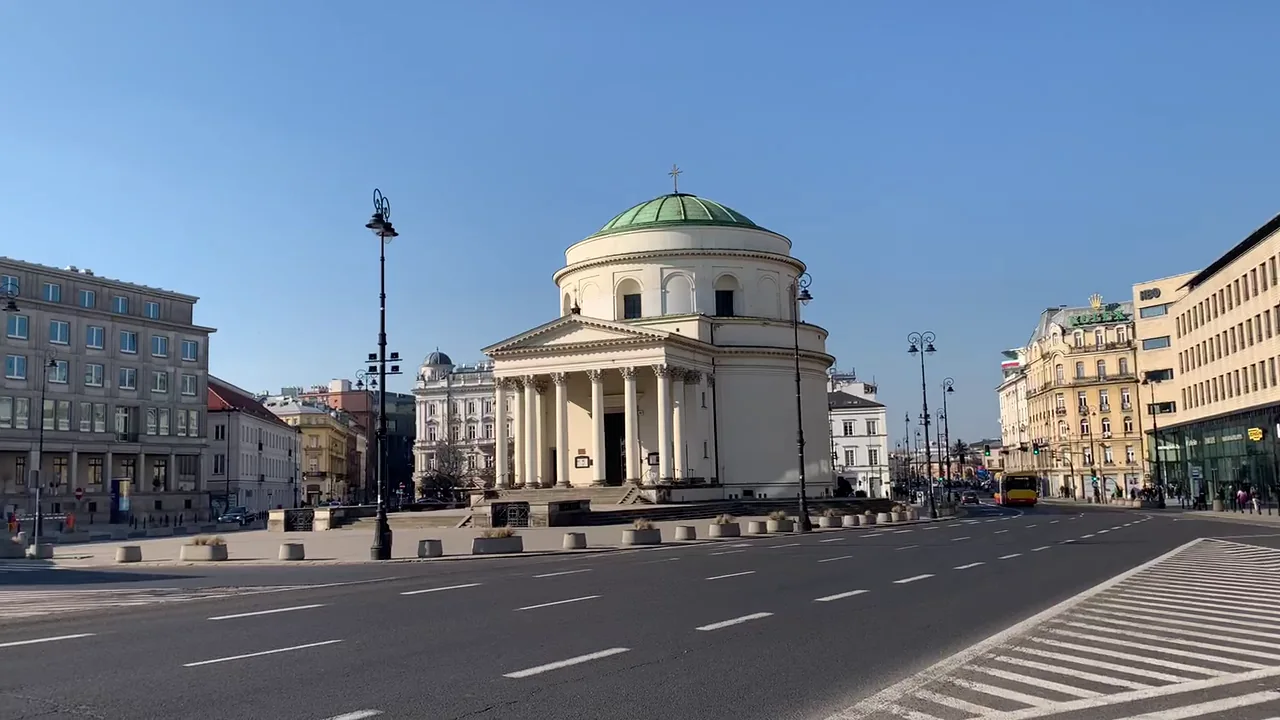
St Alexander gives Three Crosses Square a distinctive centre of gravity. Its classical form feels different from the towers and elaborate façades farther north, making it a useful place to pause as the Royal Route changes character.
The church was designed by Chrystian Piotr Aigner and consecrated in 1826. Its dedication and foundation belong to the period of Tsar Alexander I, when Polish public life unfolded under a very different political settlement. Later enlargement, wartime destruction and post-war rebuilding complicate the apparently simple building seen today: the reconstruction returned to its earlier form.
In 2026, St Alexander’s marked the 200th anniversary of its consecration.
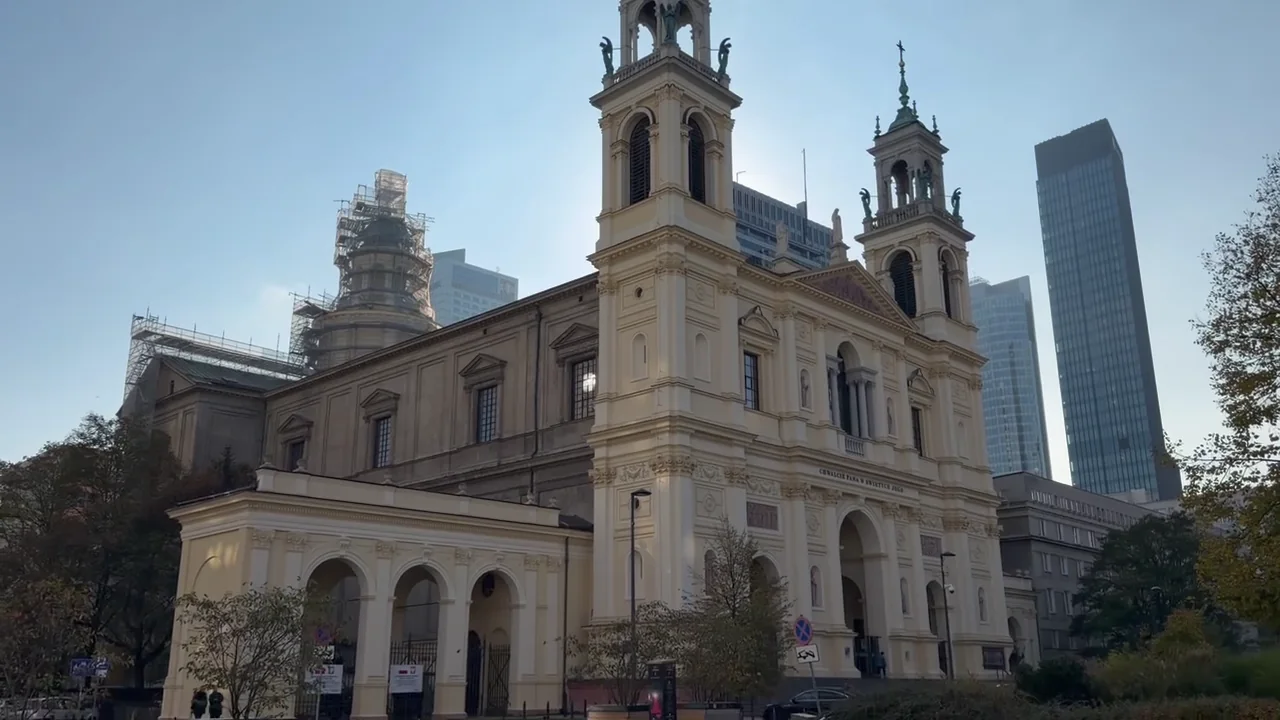
All Saints is an imposing presence on Grzybowski Square, but its significance lies as much in the surrounding neighbourhood as in its architecture. The nineteenth-century church, designed by Henryk Marconi, stands in an area where Catholic and Jewish histories repeatedly meet.
During the German occupation, the church was within the Warsaw ghetto. Its history includes help given to Jewish people by the parish, particularly through Father Marceli Godlewski. It was badly damaged during the Warsaw Uprising and rebuilt after the war.
The Nożyk Synagogue is nearby. Visiting both brings two religious histories into view within the same neighbourhood.
Lutheran, Reformed and Orthodox places in the life of the capital.
Lutheran · Central Warsaw
Holy Trinity Lutheran Church
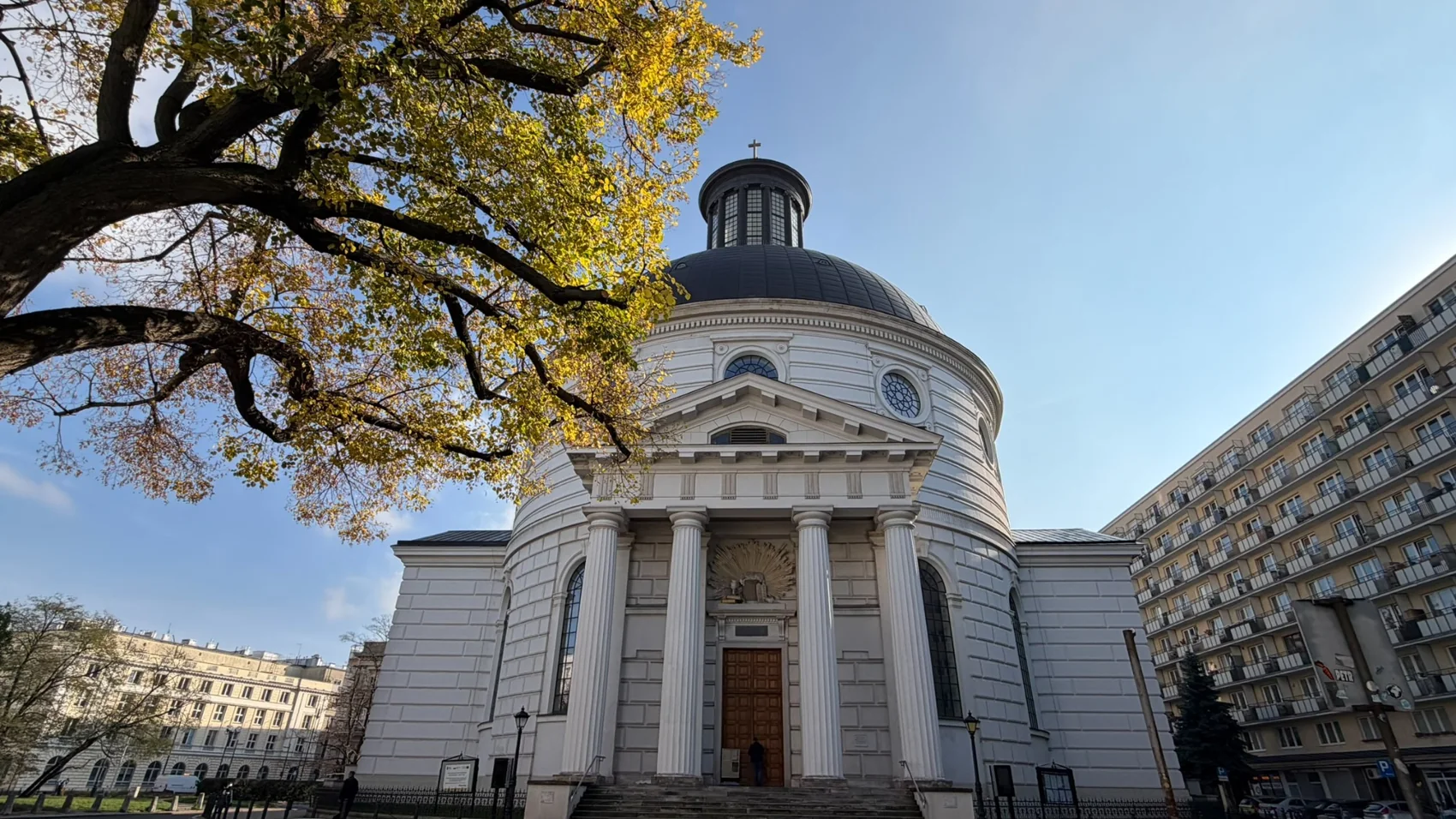
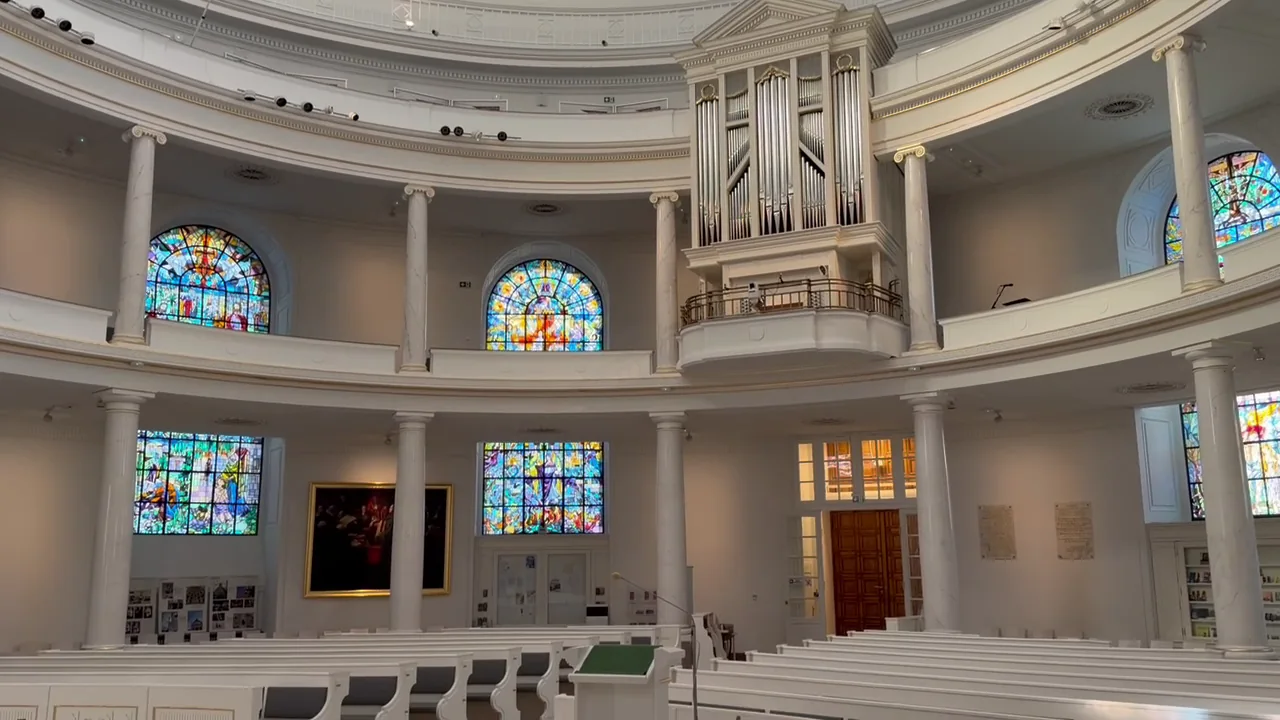
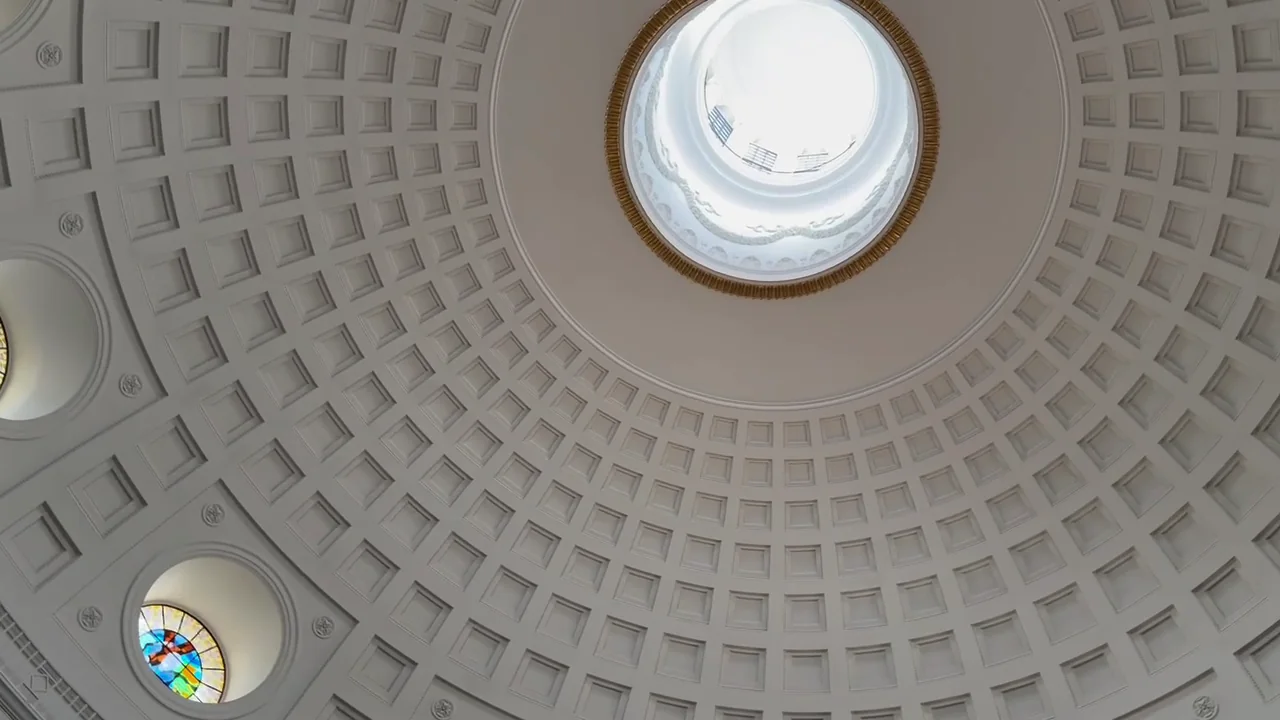
Holy Trinity changes the architectural language of the walk. Its circular form and great dome place light, proportion and the organisation of space at the centre of the experience. The exterior can feel surprisingly compact until you step inside and look upwards.
Designed by Szymon Bogumił Zug, the church opened in 1781. It is an important reminder that Lutheran worship belongs to Warsaw’s history, and that the city’s Christian heritage cannot be told through Catholic churches alone.
Pause beneath the dome to take in the space above you. Concerts and other events have their own admission arrangements.
↗The circular interior of Holy Trinity↗Looking up into the dome at Holy Trinity
Reformed · Solidarności
Evangelical Reformed Church
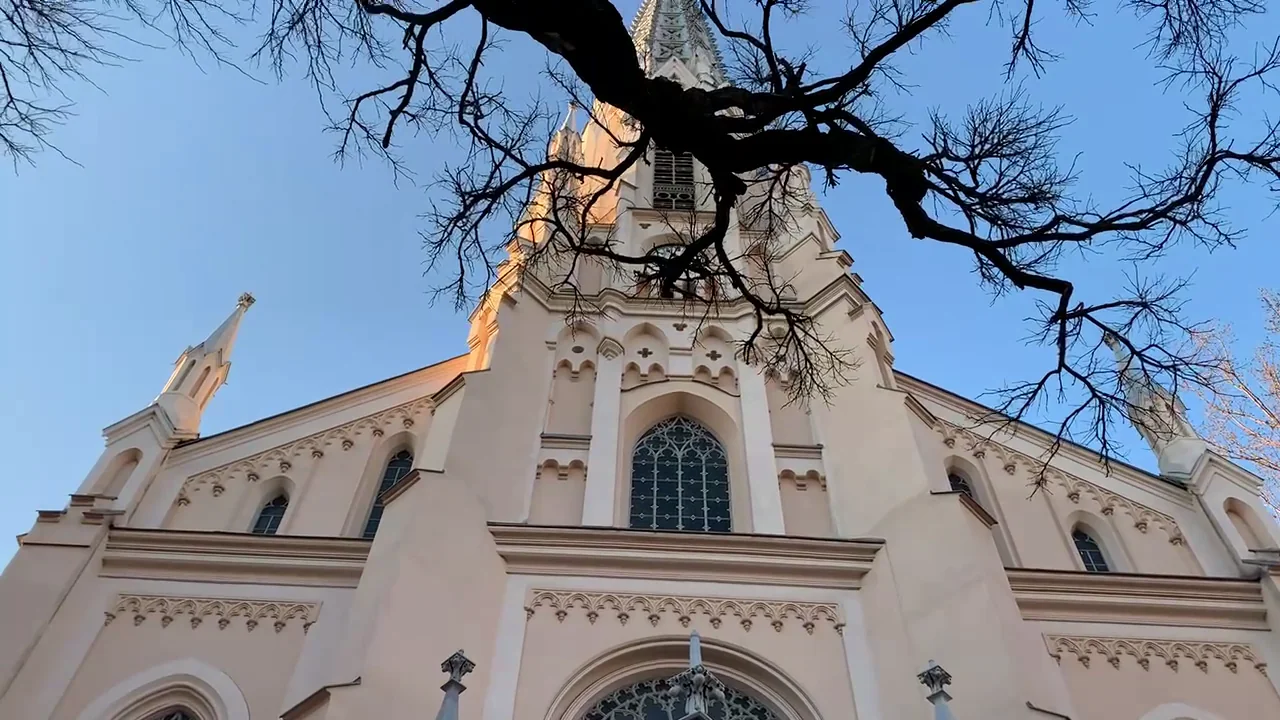
A pointed tower rises above Solidarności, marking the home of Warsaw’s Evangelical Reformed congregation. This is a Reformed church, distinct from the Lutheran community at Holy Trinity. Architect Adolf Loewe was himself a member of the congregation; construction began in 1866, and the church was dedicated in 1880.
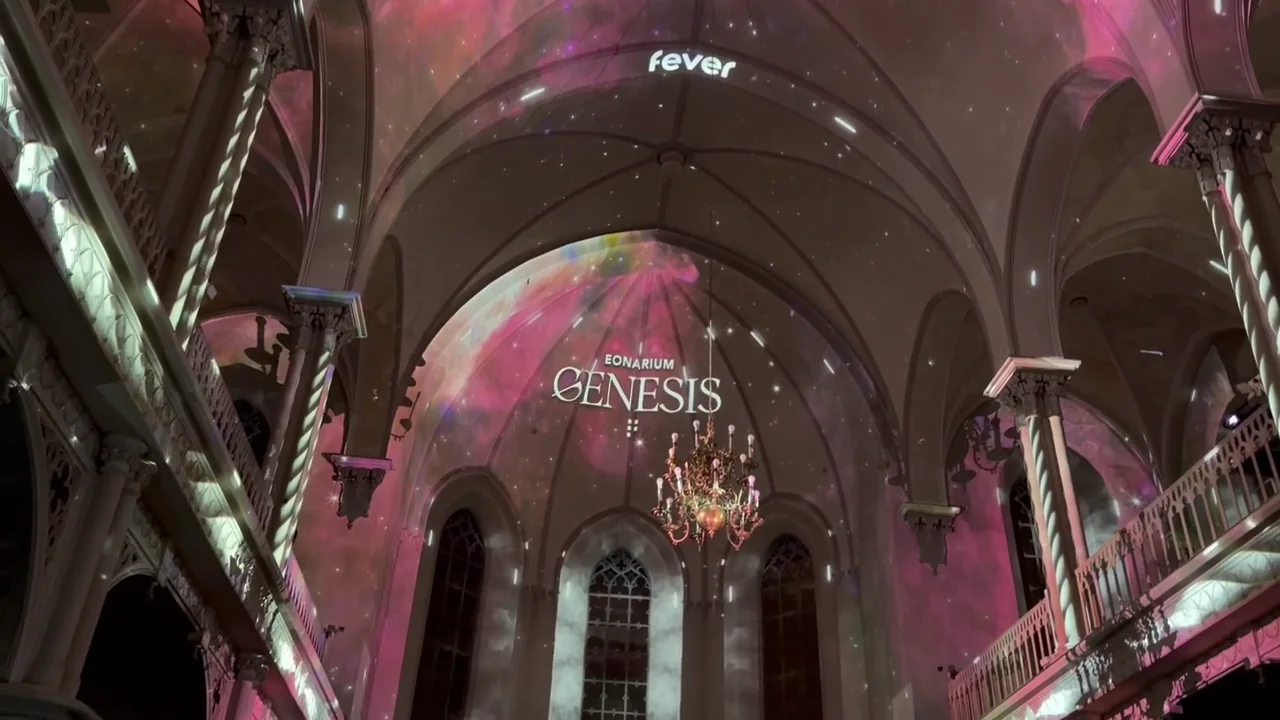
Inside, galleries and Gothic Revival details create a striking setting for worship. The building also hosts cultural events: the colourful image shown here was taken during the Genesis projection experience. Those colours are temporary projections, rather than permanent decoration. Check the organiser’s current programme if you are interested in an event, and the parish’s information for the church itself.
↗Genesis projections inside the Reformed church — temporary event lighting
Orthodox · Praga
St Mary Magdalene Orthodox Cathedral — Praga
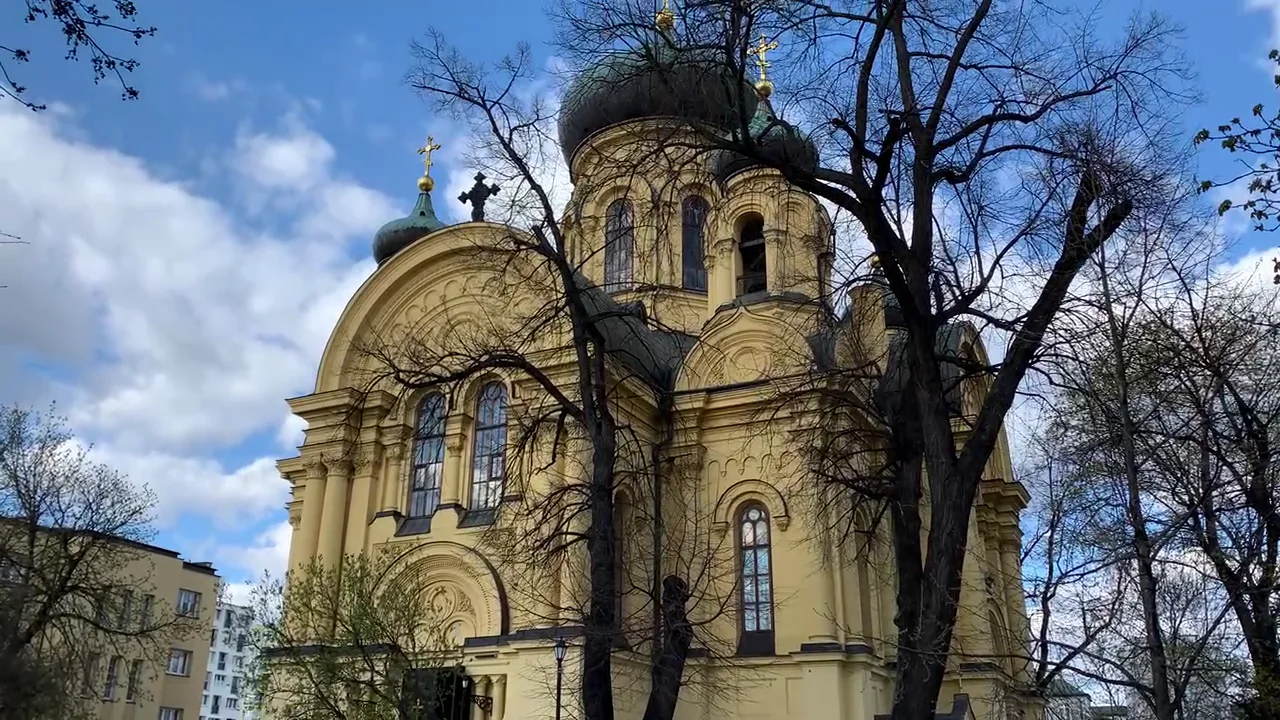
The domes of St Mary Magdalene introduce a different part of Warsaw’s religious landscape on the eastern side of the river. Built in 1867–1869, the cathedral stands near the former Petersburg railway terminus, now the Warszawa Wileńska area.
Its nineteenth-century origins belong to the period of Russian rule, but that is only one chapter of its story. The cathedral became a central place in the life of the Orthodox Church in Poland, and its congregation brings together people of different national backgrounds. Describing it simply as a “Russian church” would obscure that continuing life.
If you have an opportunity to enter, the iconostasis and painted interior extend the experience beyond the domes. Follow the cathedral’s guidance on access and photography during worship.
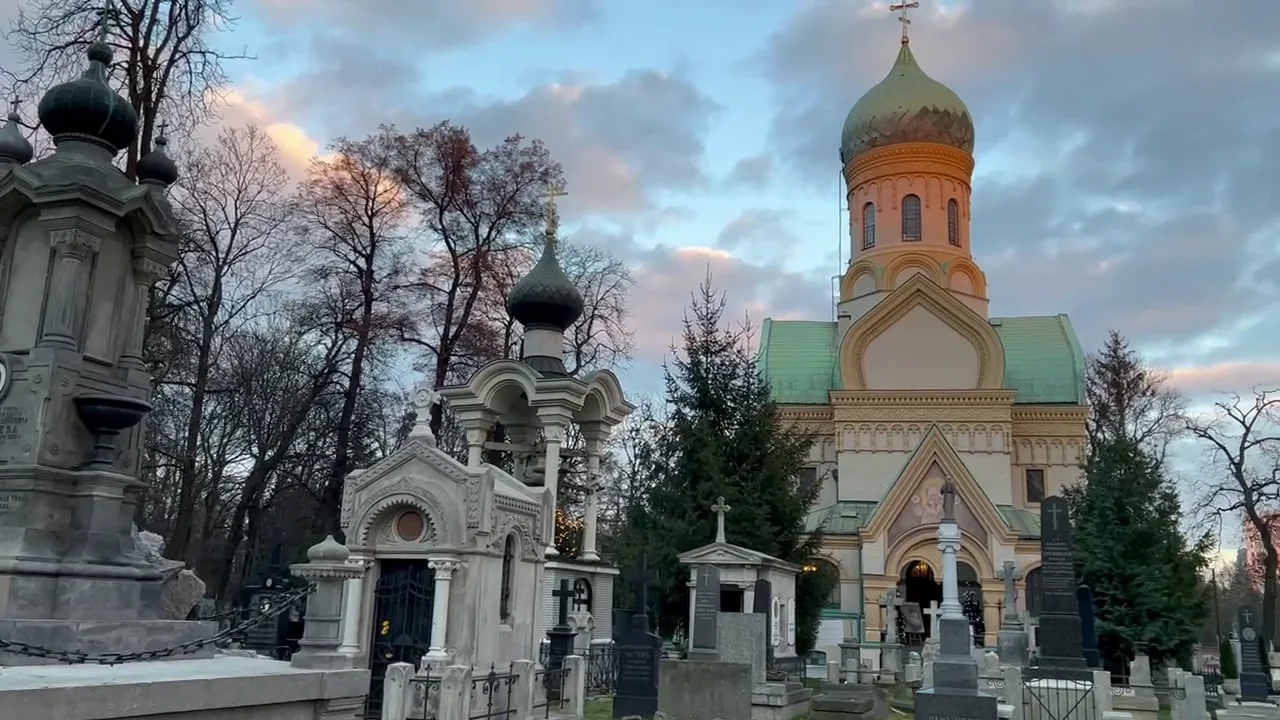
At Wola’s Orthodox cemetery, the church of St John Climacus places worship and remembrance together in one setting. Consecrated in 1905, it was founded by Archbishop Hieronim and designed by Władimir Pokrowski.
The visit works at two scales. The church draws the eye through its distinctive form, while the surrounding graves invite closer attention to names, inscriptions and family histories. Together they offer a way into Warsaw’s Orthodox heritage beyond the more prominent cathedral in Praga.
The church remains connected to a living parish; follow its guidance when visiting the burial grounds and interior.
A living synagogue, two cemeteries and a place that is missing.
Jewish · Grzybowski Square
Nożyk Synagogue
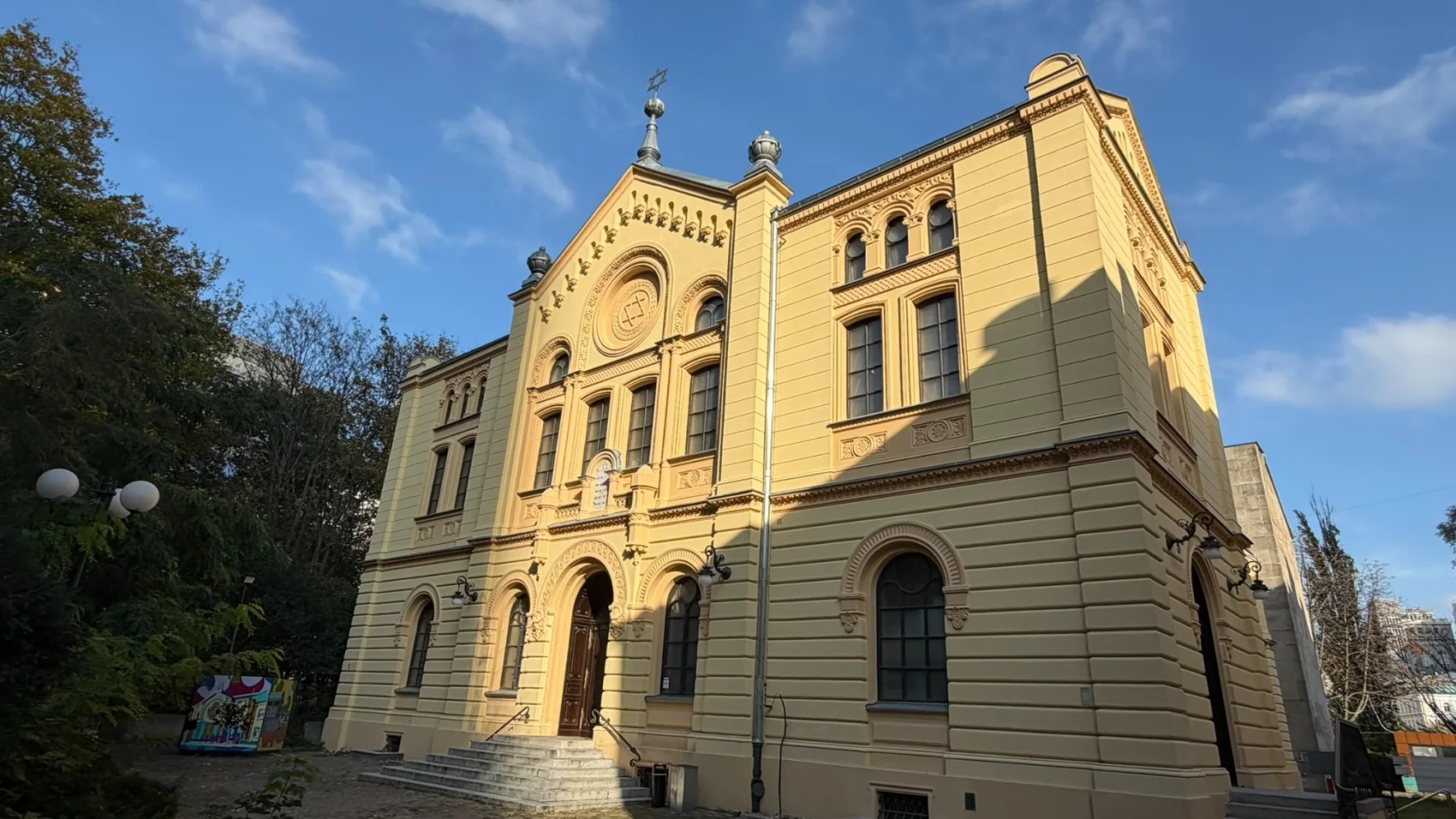
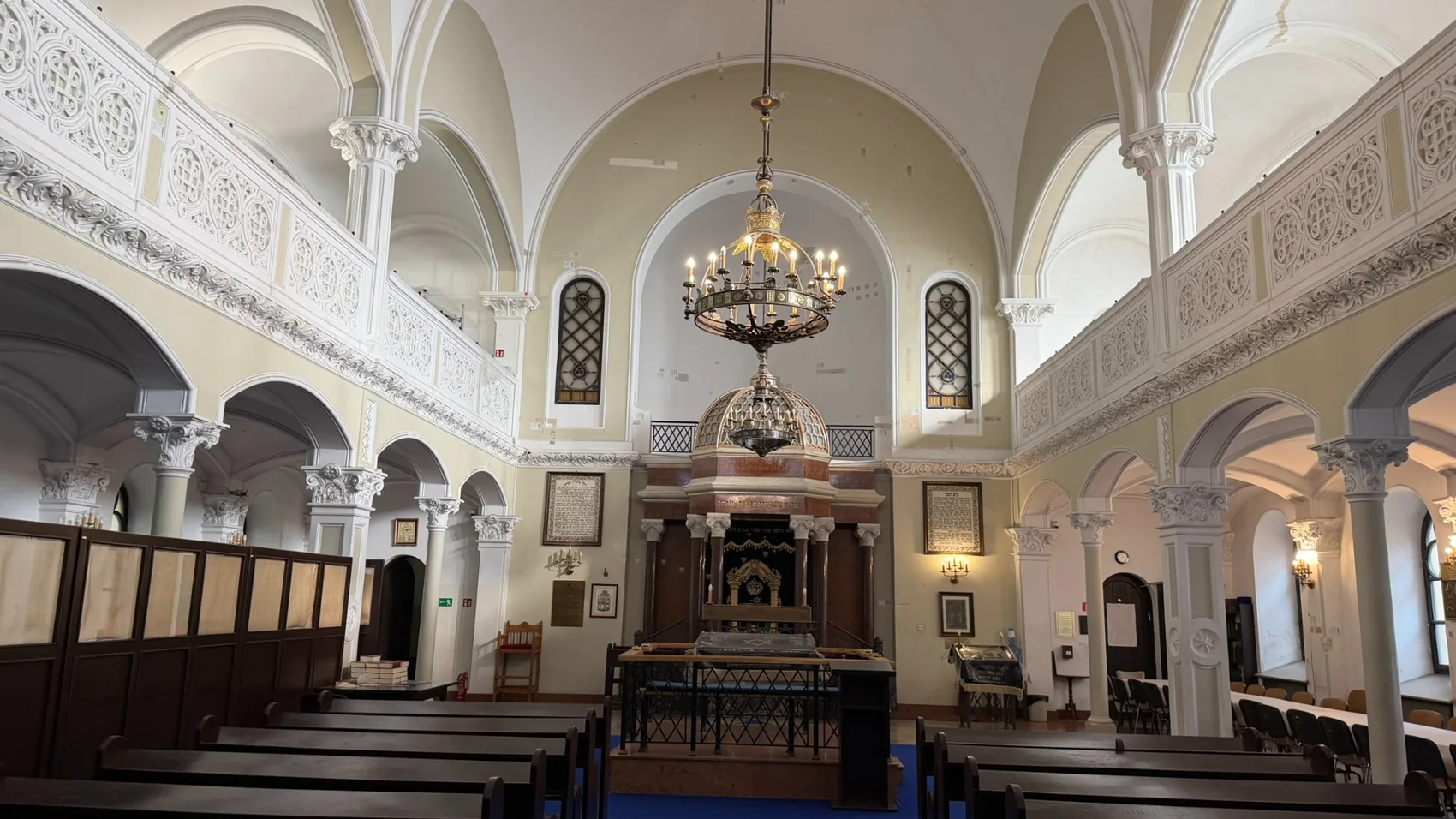
Tucked behind the streets around Grzybowski Square, Nożyk is Warsaw’s only surviving pre-war synagogue still in use as a synagogue. It remains a place of Jewish worship and community life in the middle of the modern city.
Zalman and Rywka Nożyk funded the building, which opened in 1902. It was damaged and desecrated during the German occupation, but its structure survived. Restoration and reopening belong to its story too: this is a place to encounter the continuation of Jewish life as well as the losses of the past.
Before visiting, check the Jewish community’s arrangements for admission, religious observances and photography. It is a working synagogue, with access organised around that role.
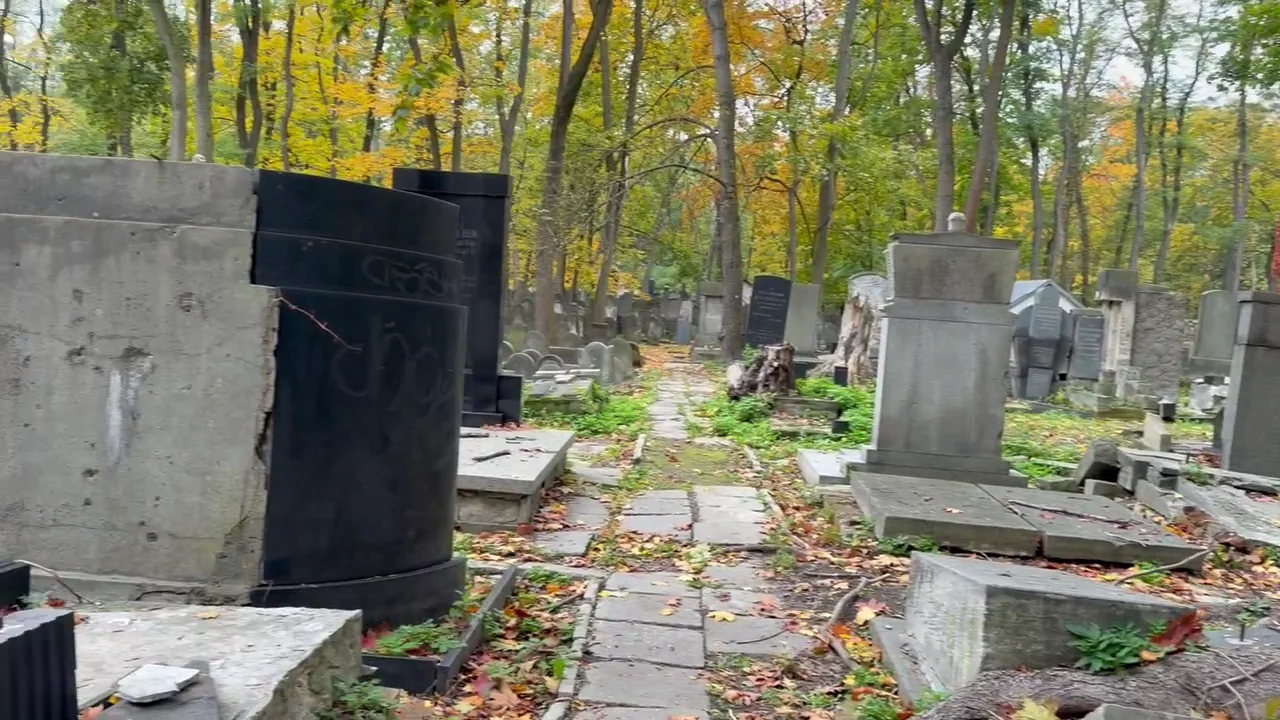
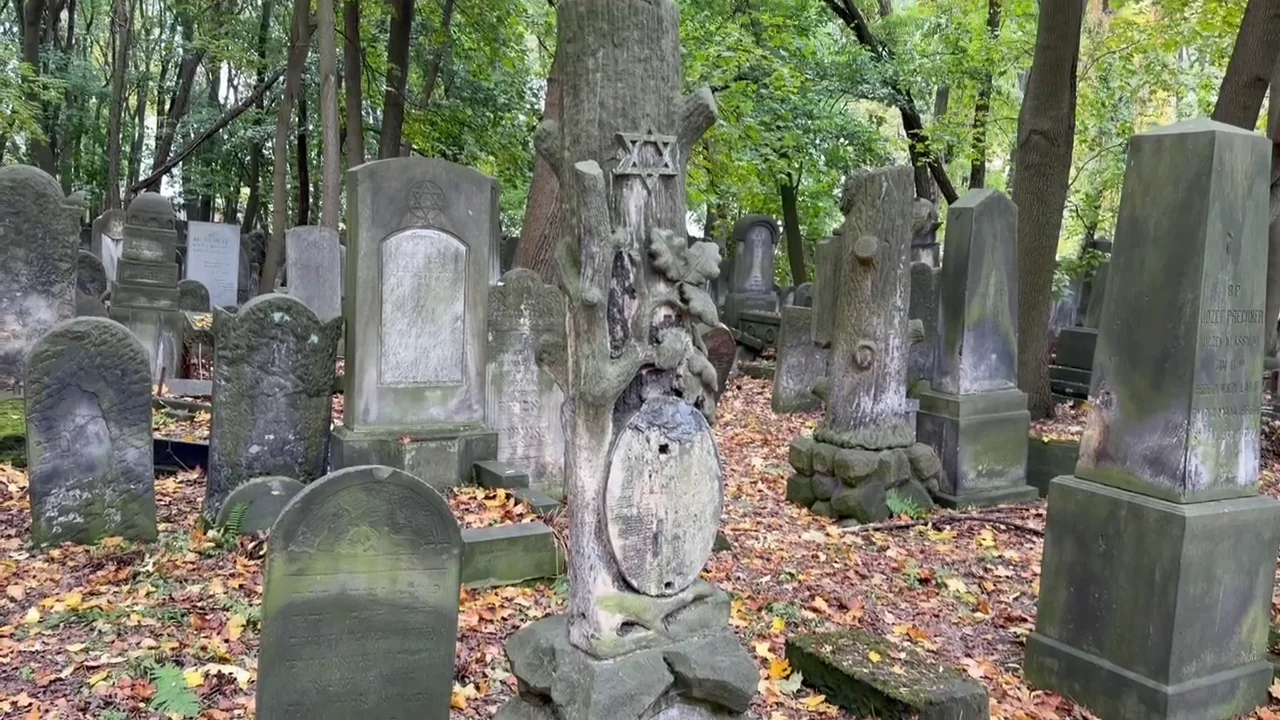
Okopowa is a place to read slowly. Its paths lead past family graves, elaborate monuments and quieter stones, revealing a Jewish Warsaw far broader than any single historical episode. Religious leaders, writers, political activists and families all form part of its landscape.
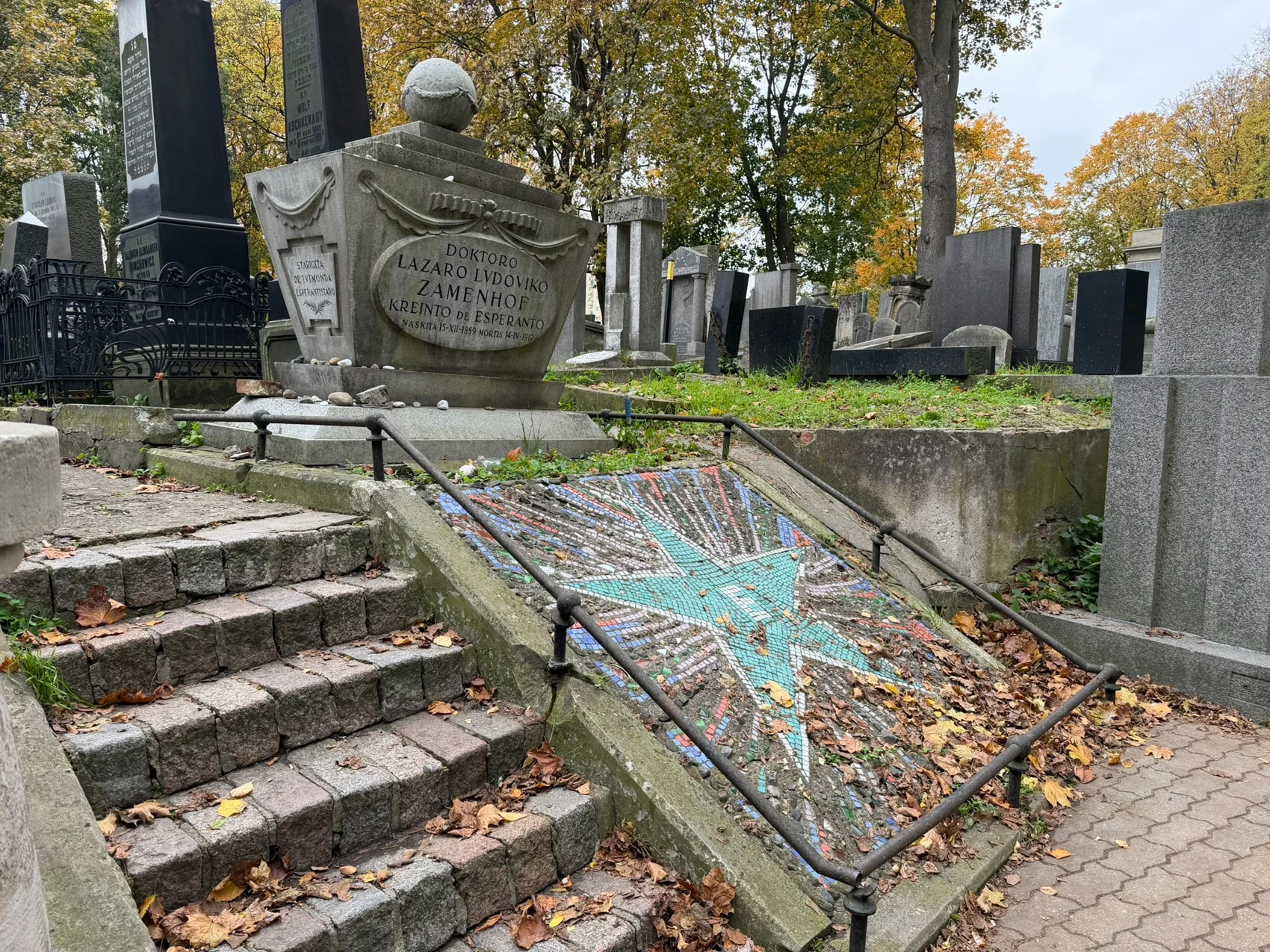
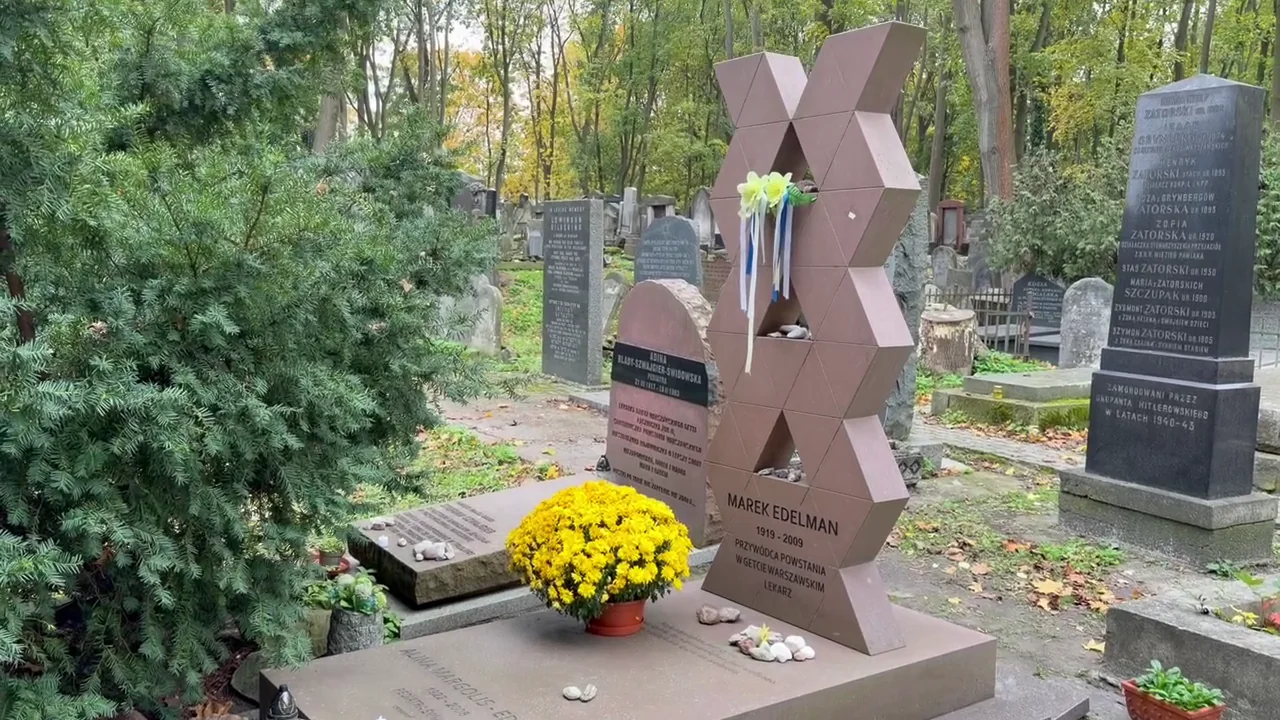
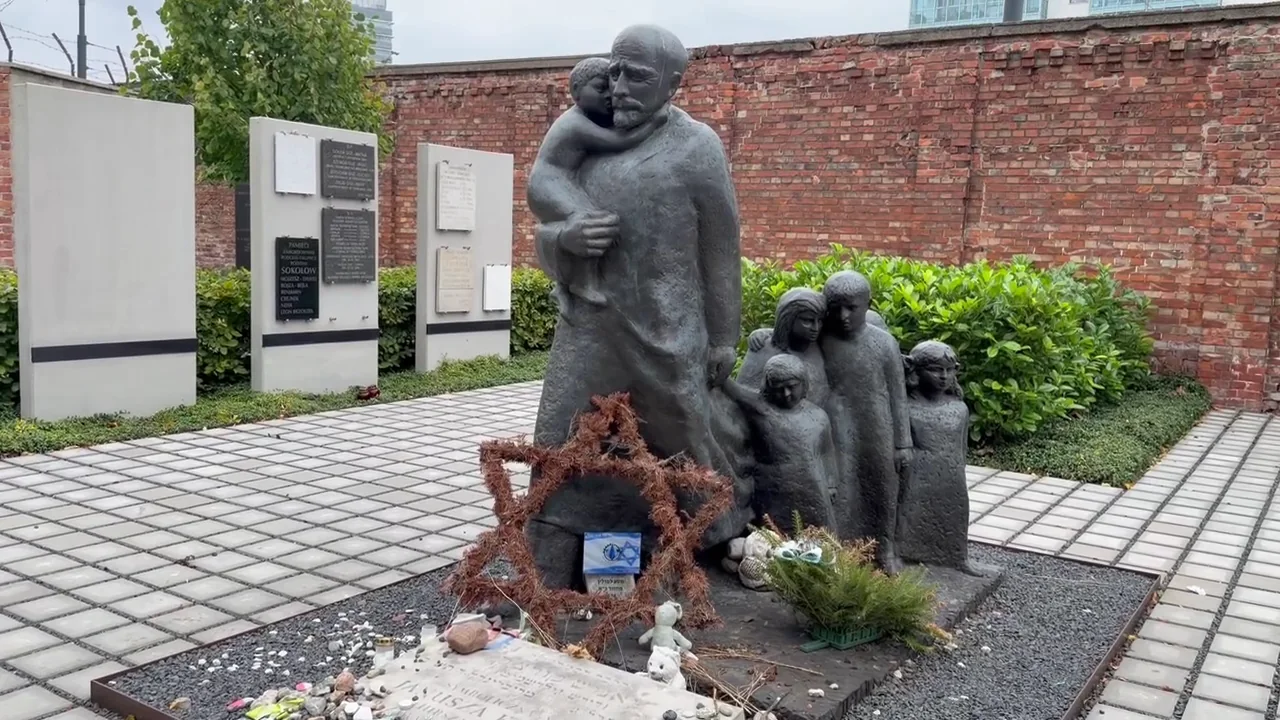
Individual names bring that history closer: Ludwik Zamenhof, creator of Esperanto, and the neighbouring graves of Marek Edelman and Adina Blady-Szwajger are among those photographed here. Elsewhere, the memorial to Janusz Korczak and the children commemorates lives lost in the Holocaust; it is not his burial place.
Allow time to move between the paths and the inscriptions. This is still an active cemetery, so check entry arrangements and religious closures before travelling.
↗Paths through the Jewish cemetery on Okopowa Street
↗The grave of Ludwik Zamenhof, creator of Esperanto↗The neighbouring graves of Marek Edelman and Adina Blady-Szwajger↗Memorial to Janusz Korczak and the children — not his burial place
More photographs from this place
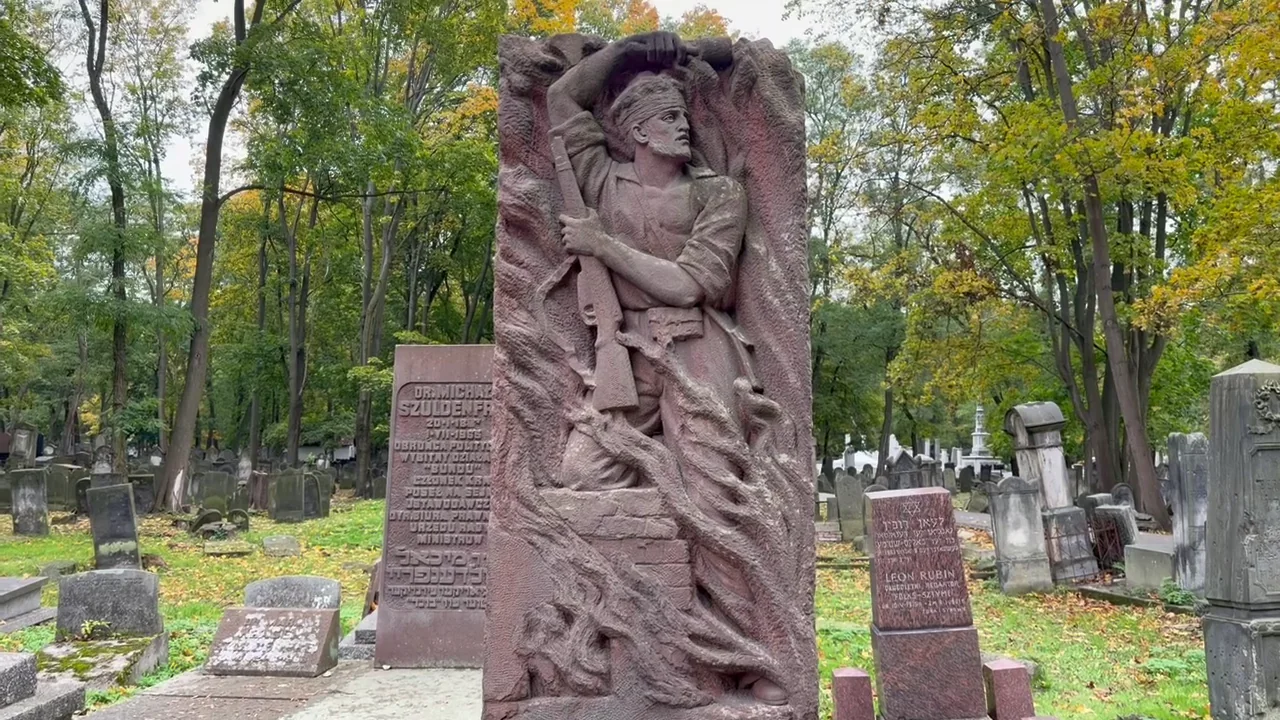
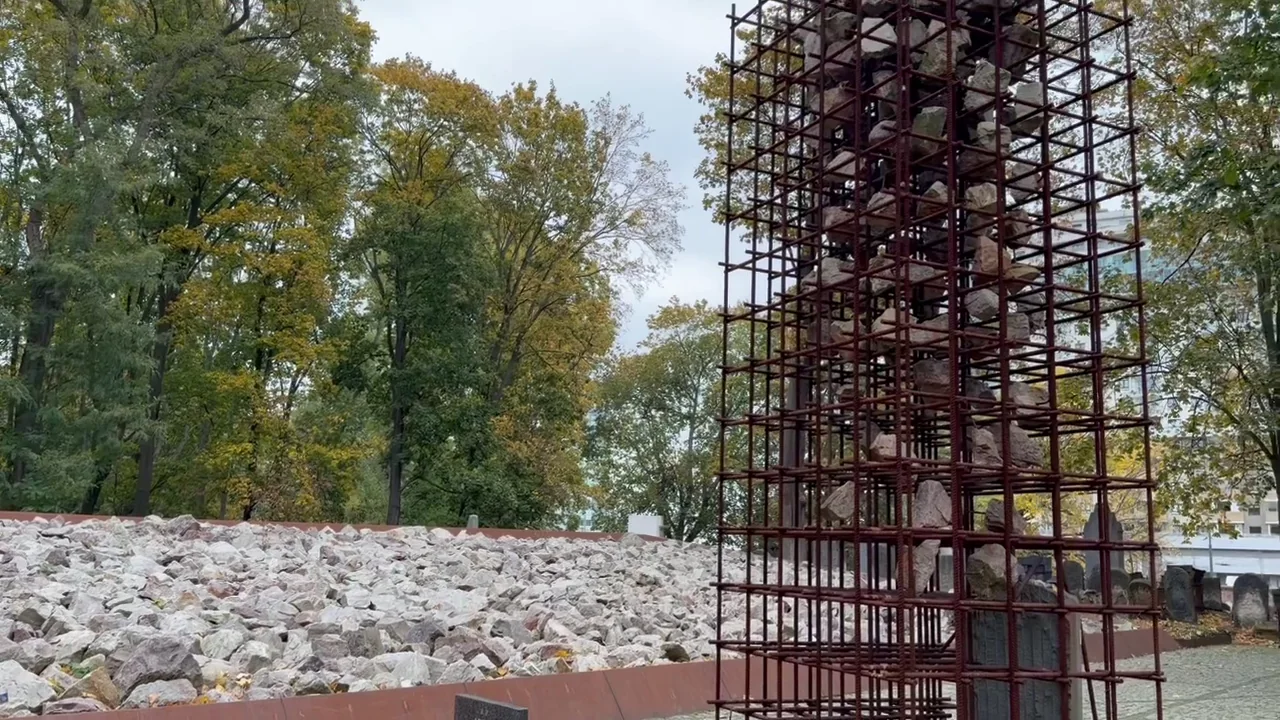
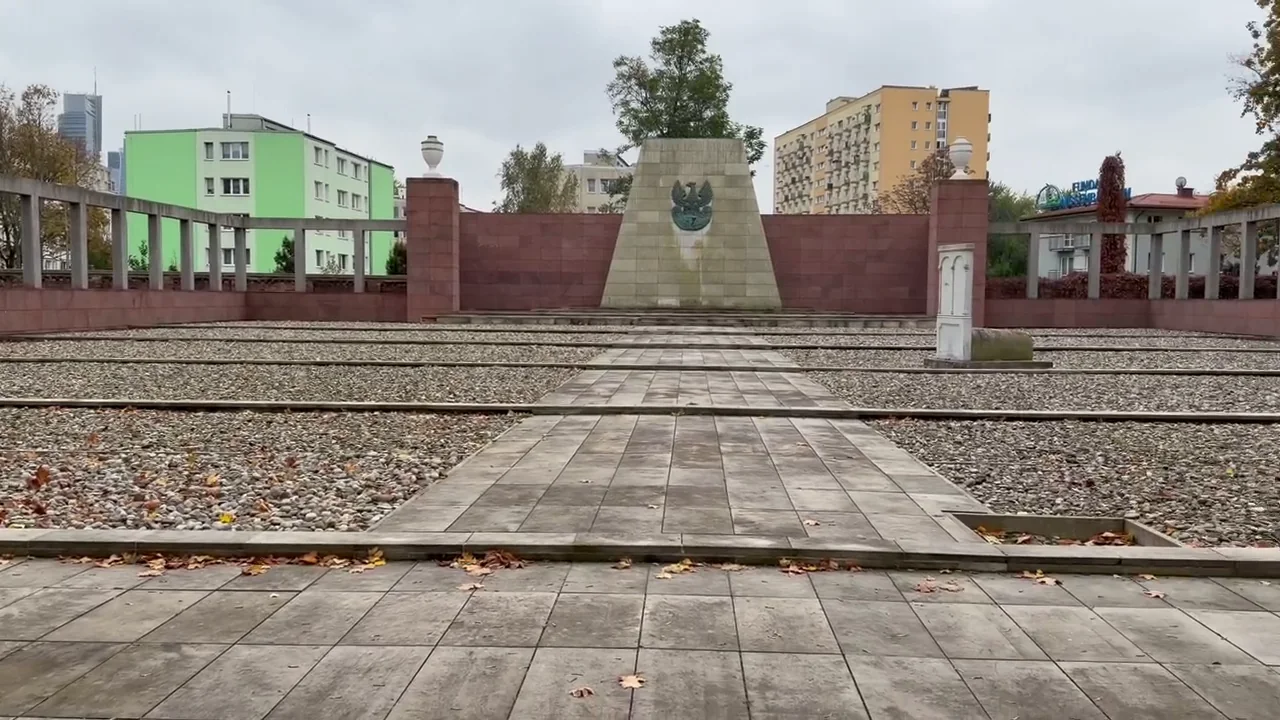
↗The Bund and Cukunft memorial at Okopowa↗The memorial at the cemetery’s mass graves↗A memorial courtyard in the Jewish cemetery↗Gravestones in the Jewish cemetery on Okopowa Street
Jewish · Bródno
Jewish Cemetery — Bródno
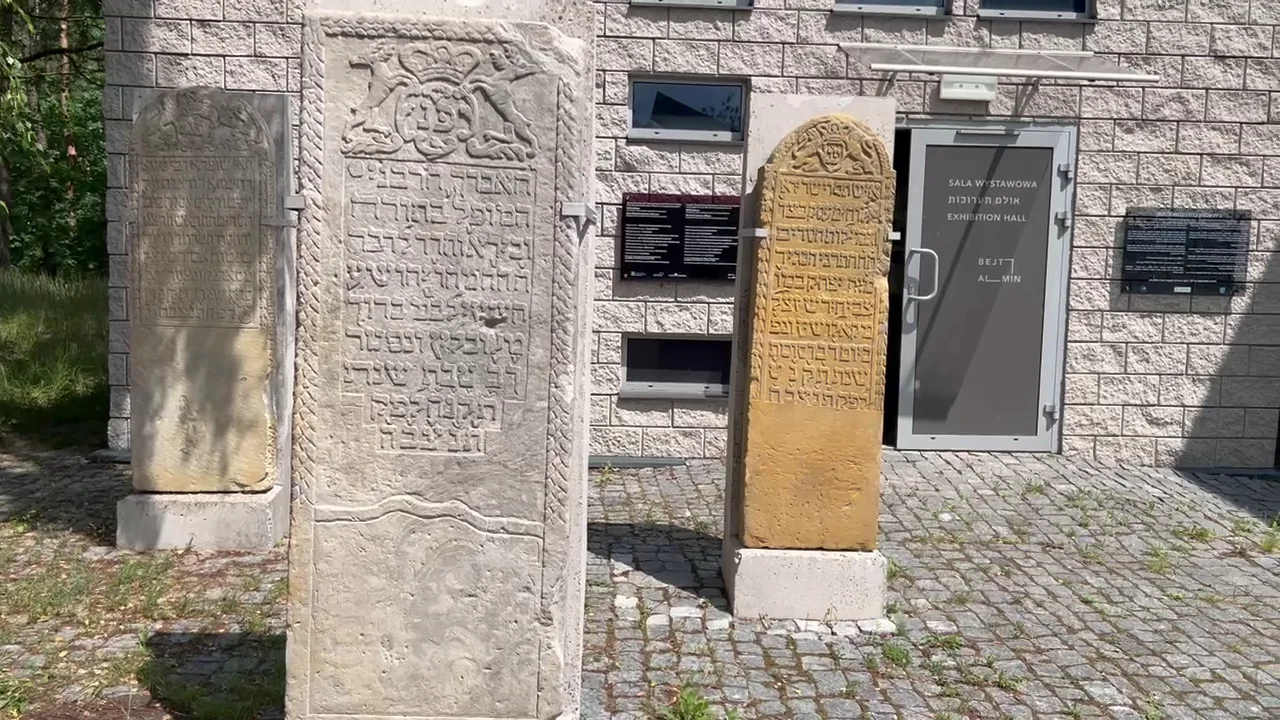
The displaced gravestones at Bródno tell a story of destruction that continued after the war. The Jewish community records that thousands of surviving stones were uprooted in 1948–1951, with some reused as building material. The landscape you encounter today is not an intact arrangement of original graves.
Look closely at the matzevot—Jewish headstones—and the individual memorials emerge from what first appears to be a mass of stone. Preservation and interpretation here help recover something of the people and traditions behind them.
Check the Jewish community’s current visiting arrangements before making a special journey.
A place that is missing: the Great Synagogue at Tłomackie
The Great Synagogue once stood where the Blue Tower now rises beside Bankowy Square, close to the Jewish Historical Institute at Tłomackie. Opened in 1878, it was an important centre of Warsaw’s Jewish religious and musical life. German forces blew it up on 16 May 1943 in a calculated act marking the suppression of the Warsaw Ghetto Uprising. It was never rebuilt.
Across the river, into courtyards and out towards Wilanów.
Catholic · Praga
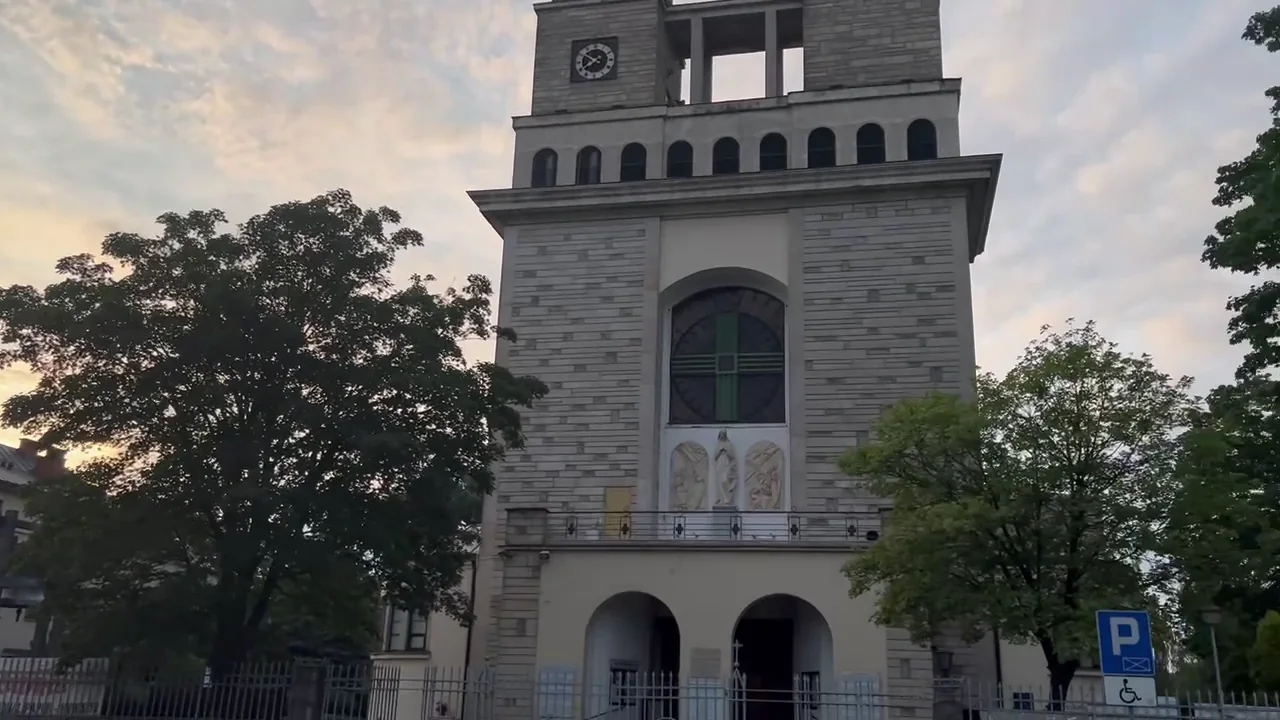
St Michael the Archangel and St Florian Cathedral — Praga
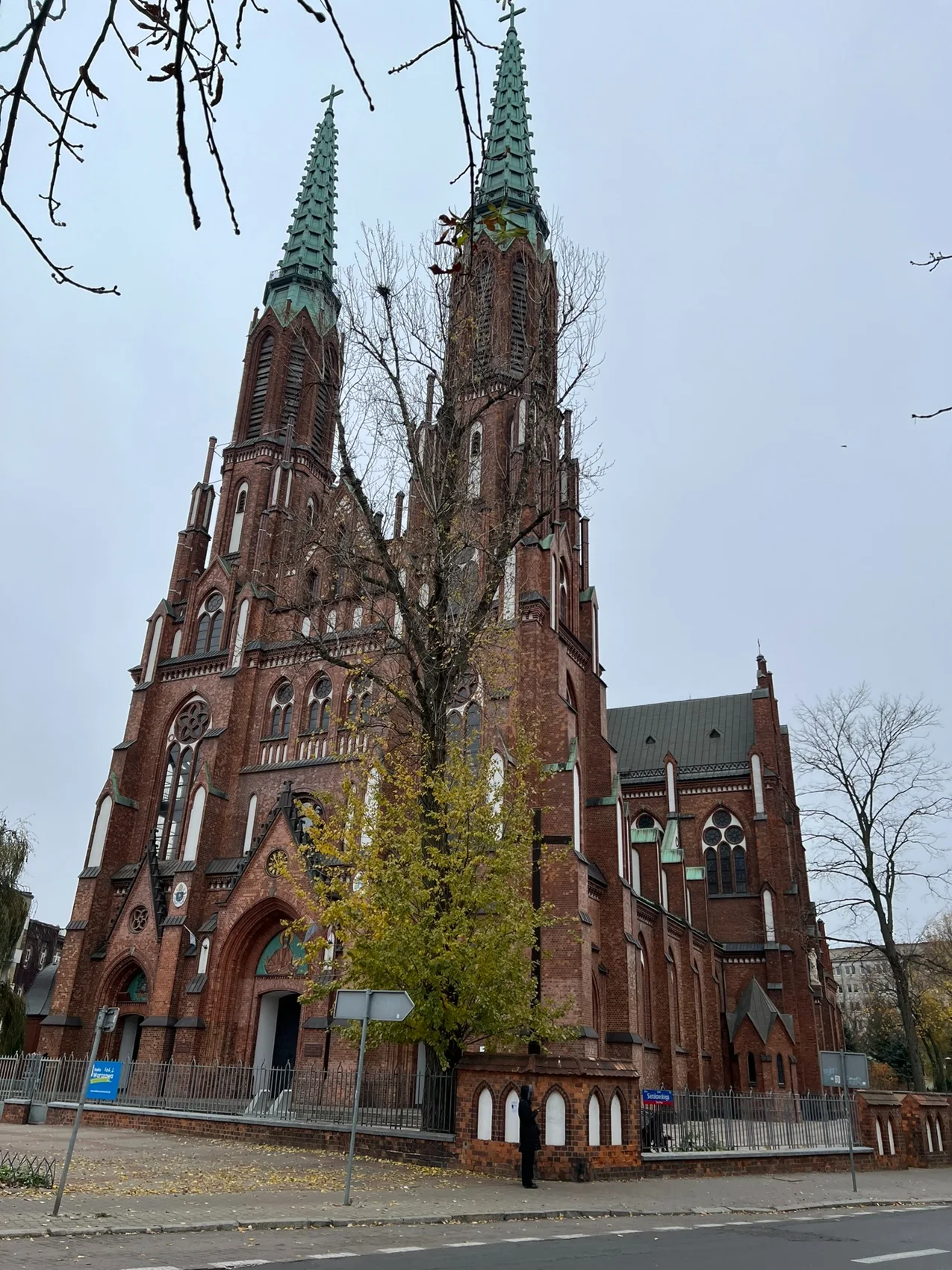
St Florian’s twin spires are among Praga’s most recognisable landmarks. The red-brick Gothic Revival church, designed by Józef Pius Dziekoński, was consecrated in 1901. Its architecture asserted a Polish Catholic presence in a city under Russian rule, giving the nearby Orthodox cathedral an additional historical counterpoint.
Retreating German forces blew up the church in September 1944. Its rebuilding, supported by Praga’s residents, continued for decades. The towers seen today therefore speak both of nineteenth-century ambition and of the determination to restore a neighbourhood landmark.
Visit alongside St Mary Magdalene to see two distinctive traditions within a short stretch of Praga. Their nineteenth-century political setting is part of the story; both also serve living religious communities today.
↗St Michael the Archangel and St Florian Cathedral
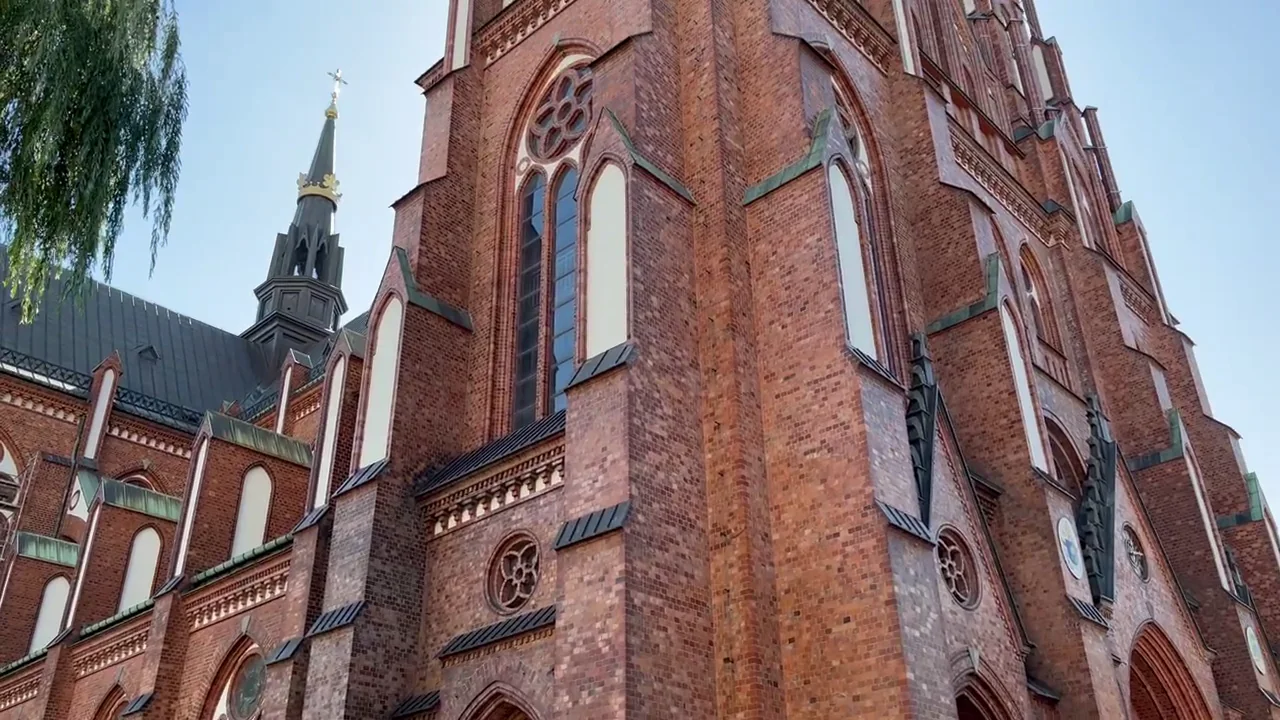
↗Brickwork and architectural details at St Florian’s
Neighbourhood devotion · Praga
Praga’s courtyard shrines
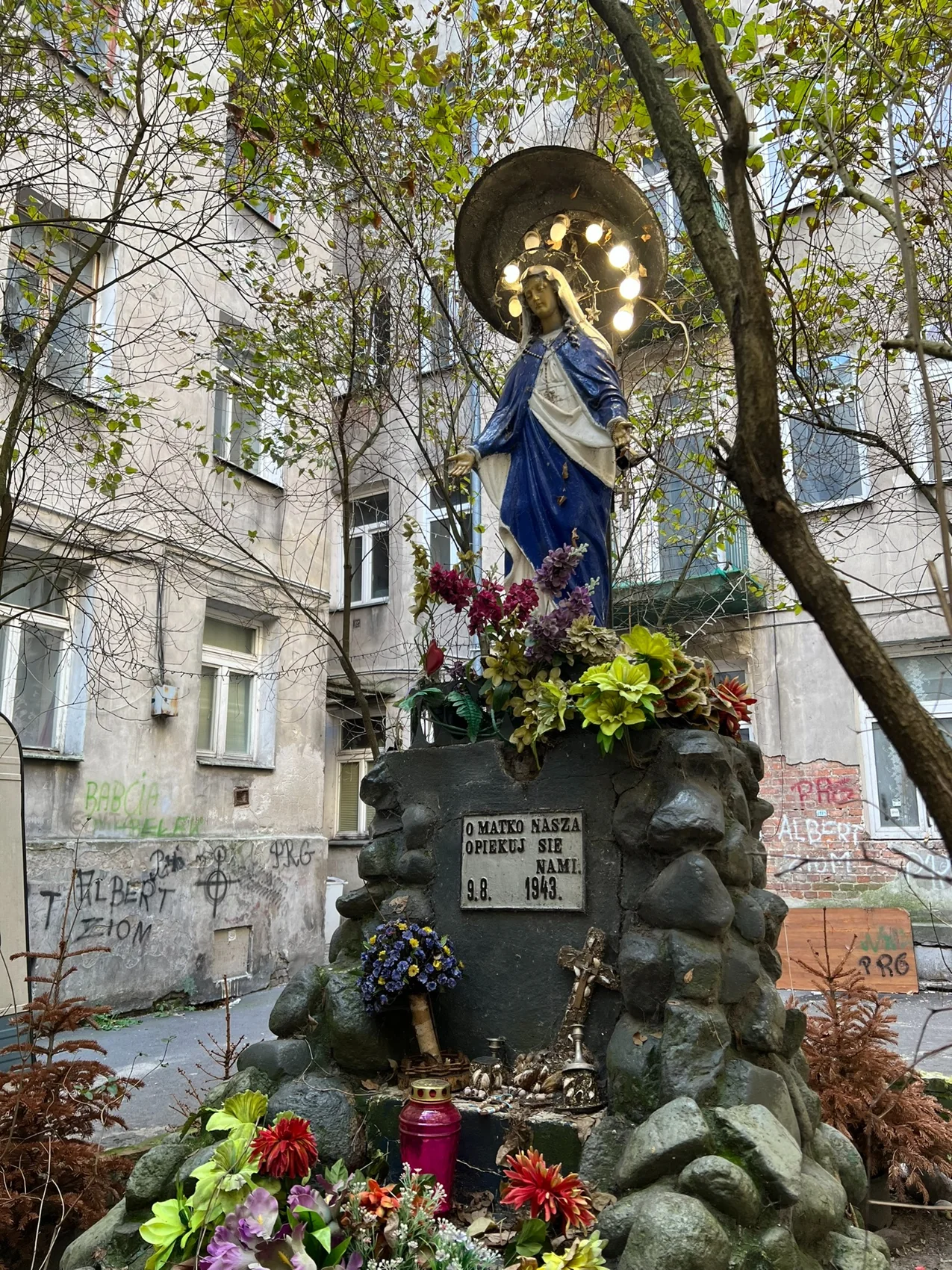
Some of Warsaw’s sacred places are small enough to miss through an open gateway. Courtyard shrines, often cared for by residents, bring devotional life into the spaces between homes. Many were established during the German occupation as places of communal prayer.
Locals told me that residents believed these shrines would protect their buildings from bombing during the Second World War. That hope gives these small neighbourhood landmarks a deeply personal place in the city’s wartime story.
These are residential spaces: an open gate is not a guarantee of visitor access, and photographs should respect the people who live there.
↗A courtyard shrine in Praga, cared for by local residents
Catholic · Żoliborz
St Stanislaus Kostka — Żoliborz
Father Jerzy Popiełuszko’s grave draws visitors to St Stanislaus Kostka from far beyond Żoliborz. His Masses for the Homeland became closely associated with Solidarity and opposition to communist rule. In 1984, he was murdered by officers of the Security Service; in 2010, the Catholic Church beatified him.
His grave beside the church remains a place of pilgrimage and remembrance. For some visitors this is a religious destination; for others, it offers a way to understand the relationship between faith, resistance and modern Polish history.
The museum devoted to Popiełuszko beneath the church explores that story further. Check its admission arrangements separately from access to the church and grave.
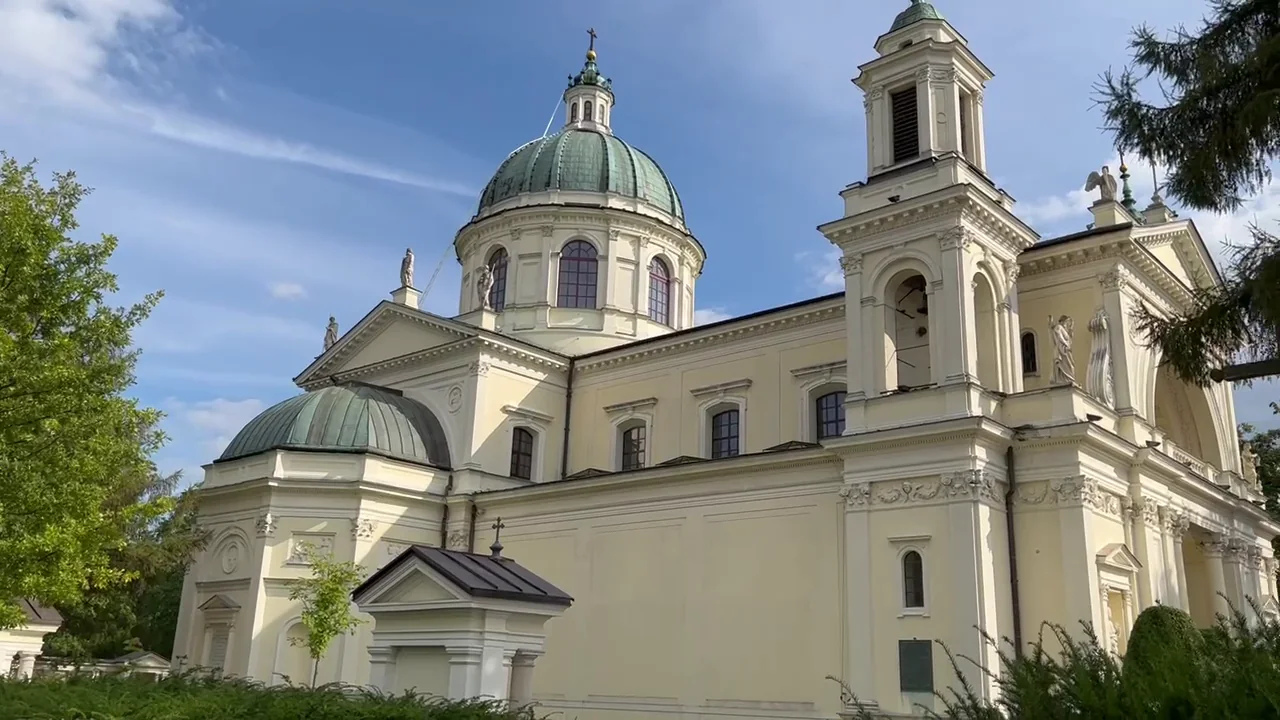
Wilanów’s St Anne’s brings the guide back to a more intimate scale after the larger monuments elsewhere in the city. Close to the palace area, it belongs to the religious and architectural history of Wilanów in its own right.
The present building reflects nineteenth-century patronage and rebuilding associated with the Potocki family. Its relationship to that local history makes it more than an incidental church beside a famous palace.
This is Wilanów’s St Anne’s, not the church beside Castle Square. Combining it with the Temple of Divine Providence shows the breadth of sacred architecture in the district.
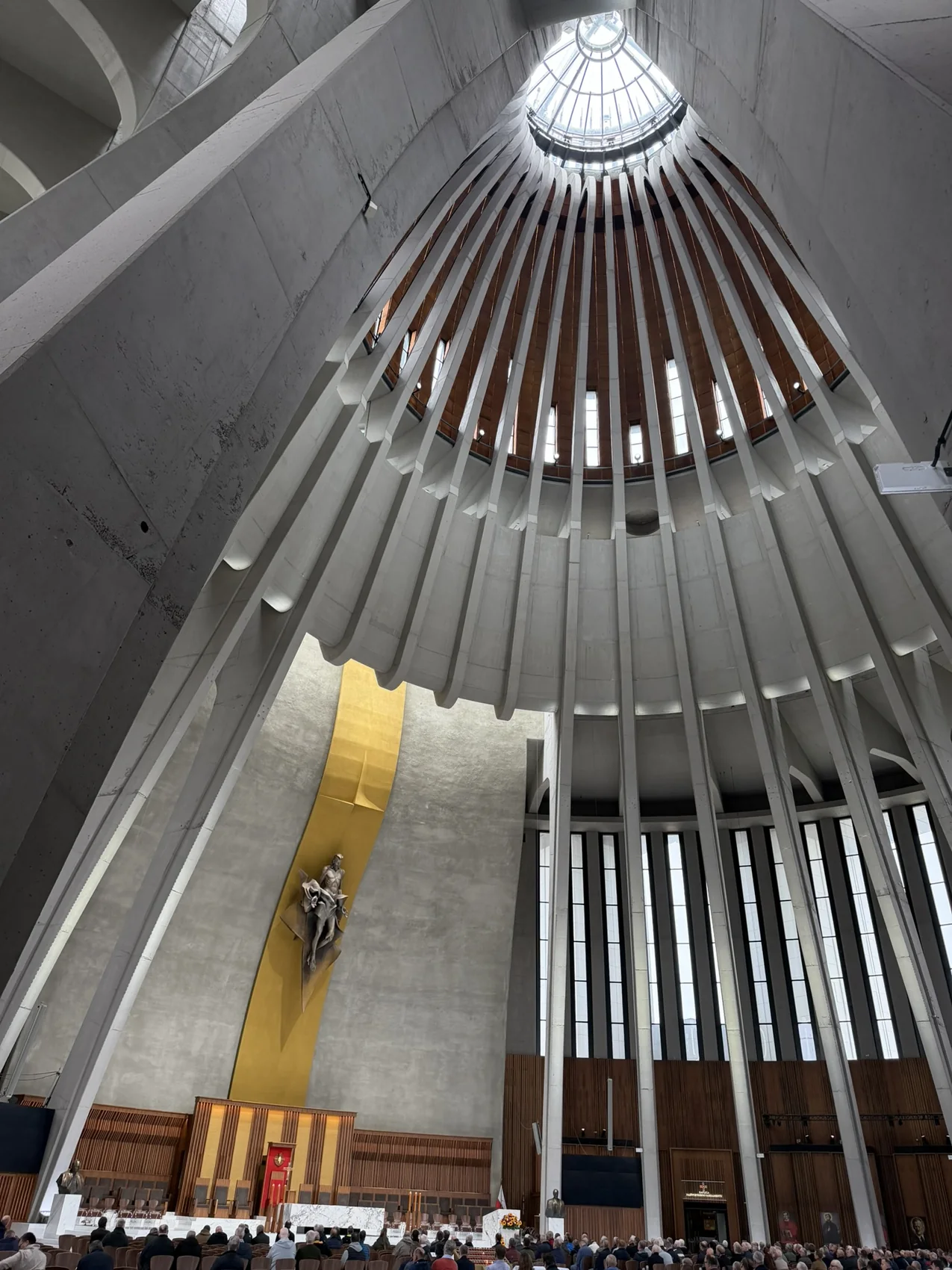
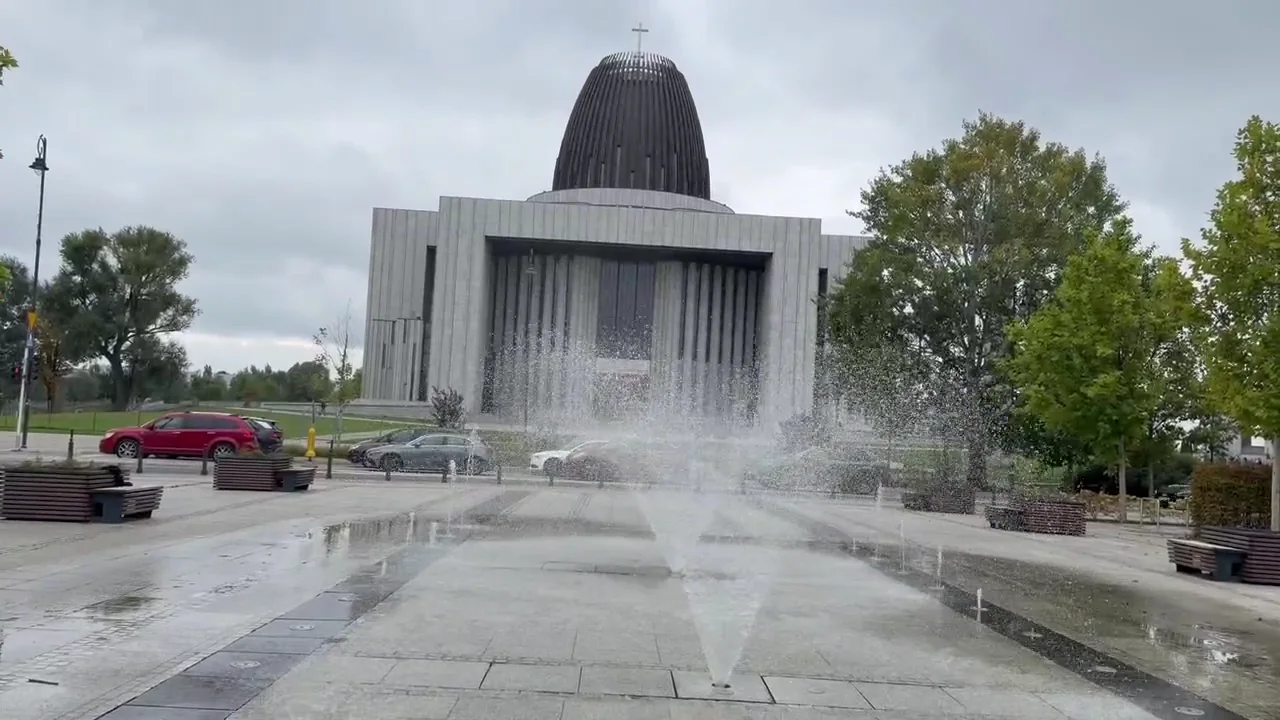
The Temple of Divine Providence is a modern building with an idea behind it that reaches back to 1791. A national church of thanksgiving was proposed after the adoption of the Constitution of 3 May, but war, partitions and later upheavals repeatedly interrupted its realisation.
The present temple in Wilanów opened to worshippers in 2016. Its monumental scale gives it a very different presence from the older churches on this page, while the long history of the project connects it to questions of national identity and public remembrance.
Check the centre’s visitor information for the separate parts of the complex and any exhibitions before travelling.
Objects to look at closely, and places to remember.
Sacred art · Old Town
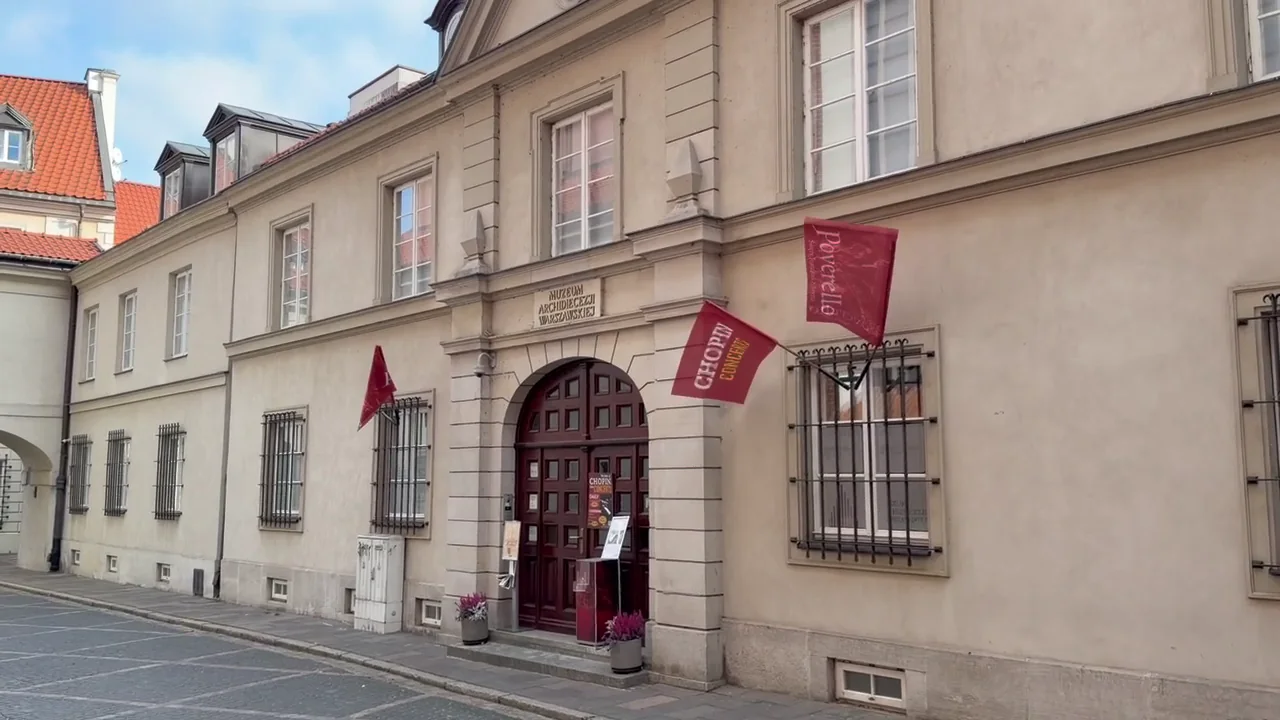
Museum of the Archdiocese of Warsaw
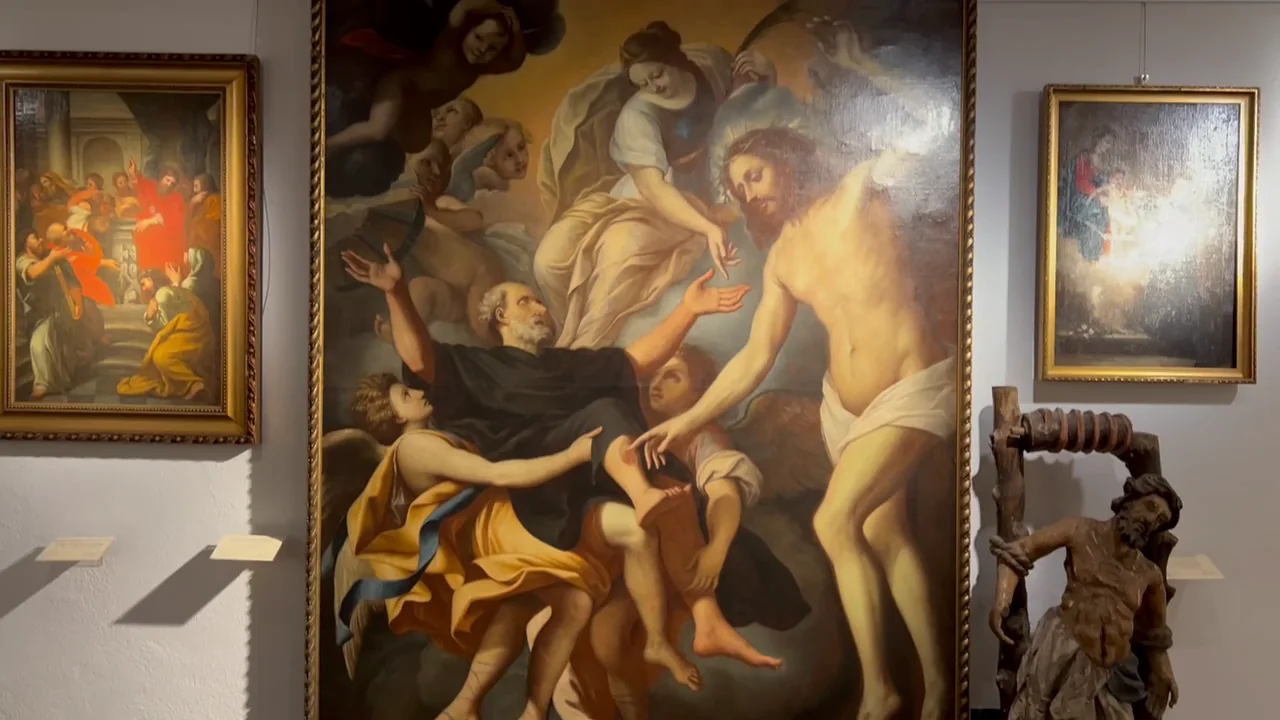
After looking up at altars and ceilings, the Archdiocesan Museum on Dziekania brings sacred art closer to eye level. Its collections open a conversation about religious imagery, craftsmanship and the ways objects have been preserved and displayed.
You do not need a religious background to find something of interest here. Take time over the details and labels: the museum offers a closer encounter with objects that might be harder to examine in a church interior. Check the current exhibitions and admission arrangements before visiting, as displays can change.
↗An exhibit in the Archdiocesan Museum↗A detail from the Archdiocesan Museum’s displays
Remembrance · Powązki
Old Powązki and the tradition of remembrance
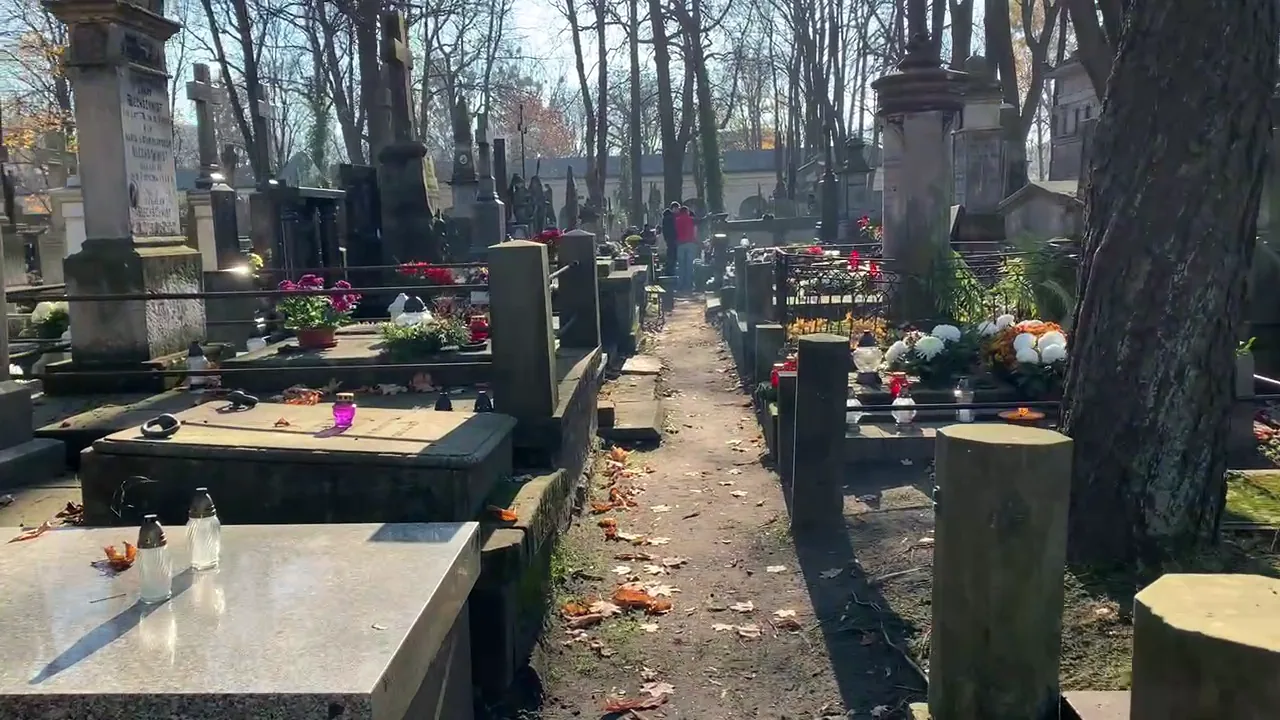
Old Powązki brings together family remembrance, sculpture and the public history of Warsaw. A walk through its paths can move from an intimate grave inscription to the name of someone whose work shaped Polish cultural life.
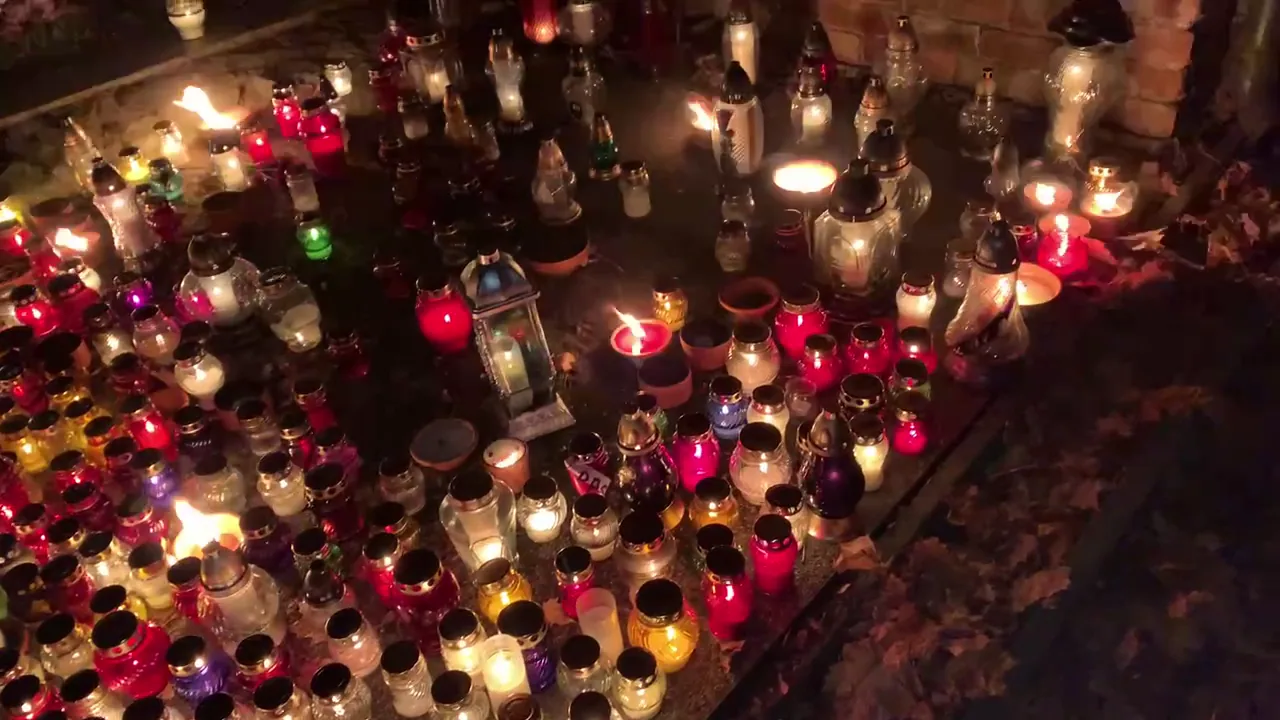
Around All Saints’ Day on 1 November, flowers, candles and visits to family graves give the cemetery a particularly visible place in the life of the city. To understand the customs behind the lights, continue to the All Saints’ Day guide.
Old Powązki and Powązki Military Cemetery are separate burial grounds. Check which one you need when looking for a particular grave; the wider Cemeteries & Memorials guide is in development.
↗Autumn cemetery paths, from my All Saints’ Day archive
↗Memorial lanterns after dark, from my All Saints’ Day archive
Before you go
Visiting thoughtfully
These are often working places of worship. Plan sightseeing around services, follow any dress or photography guidance, and avoid photographing people at prayer without permission. Access to a church does not necessarily include its crypt, tower, museum or other spaces.
For synagogues and Jewish cemeteries, check the community’s visitor information in advance, including religious closures and entry arrangements. In residential courtyards, respect gates and residents’ privacy. Opening times, charges and special events are best checked through the linked venue pages before travelling.
Historical research draws on the places themselves, Warsaw’s museums, the Jewish community and heritage institutions. The courtyard-shrine account comes from local residents who shared it with me. Visitor arrangements can change.