
Rakowiecka 37: Inside Mokotów Prison
An original photographic visit to the former prison and the museum preserving the memory of political prisoners and Poland’s independence underground.
Explore the guide ↓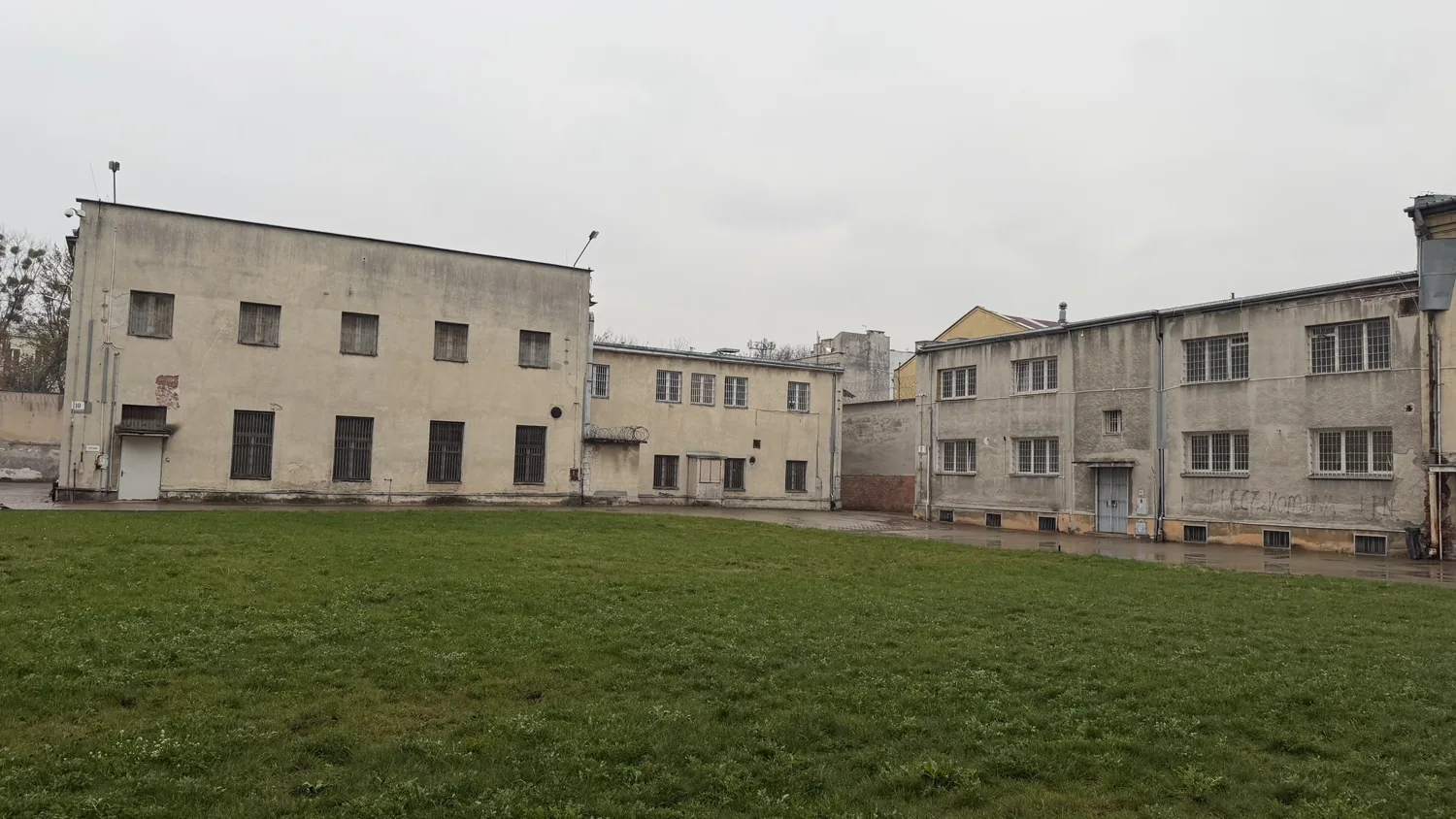
A prison with several histories
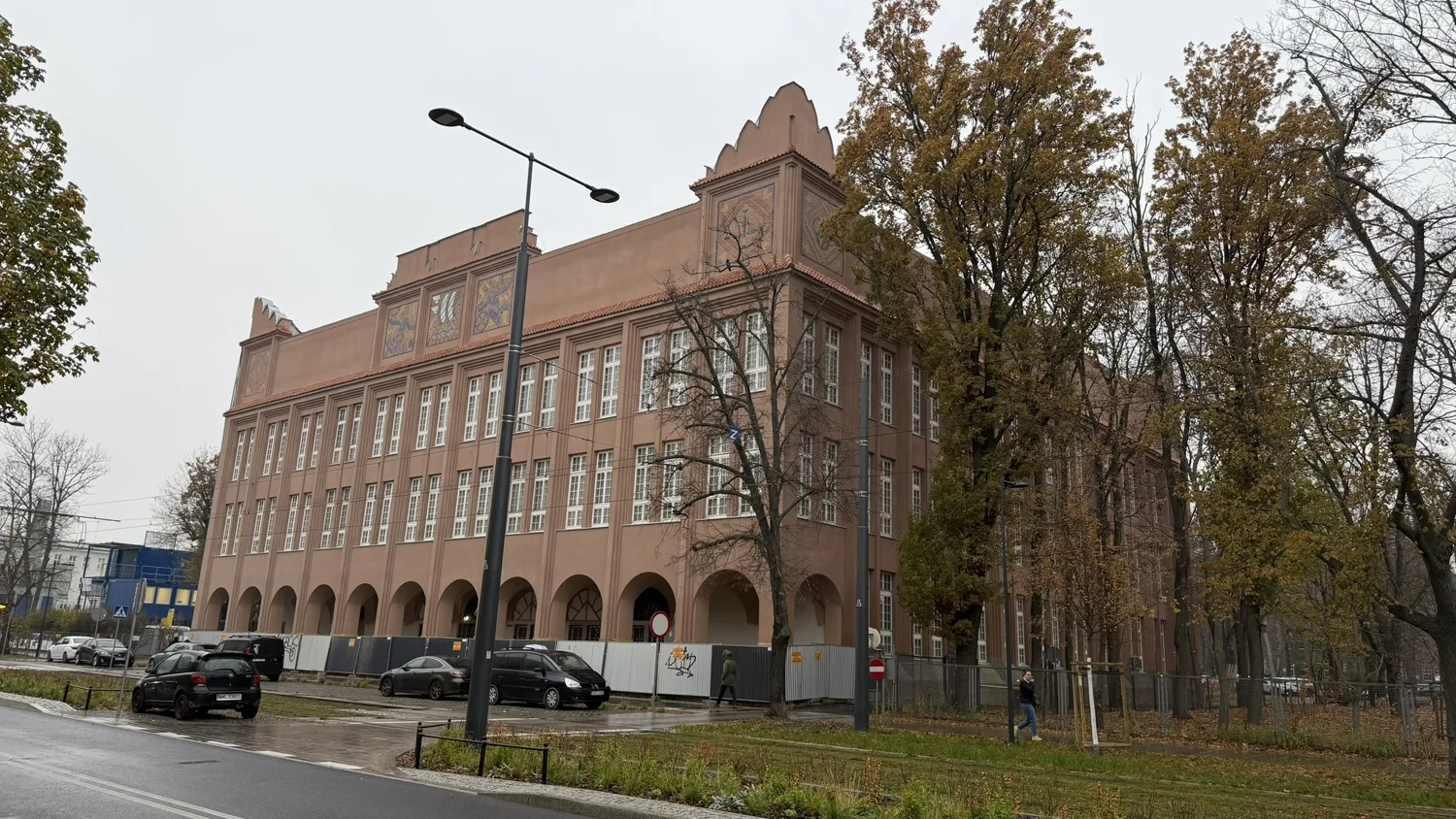
Rakowiecka 37 is not a building associated with only one regime. Construction began under Russian imperial rule in the early twentieth century. The prison continued to operate in independent Poland, under German occupation and under the communist authorities. Today the Museum of the Cursed Soldiers and Political Prisoners of the Polish People’s Republic is preserving the site and interpreting its difficult history.
Occupation and the Warsaw Uprising
During the German occupation the prison became part of a system of imprisonment and terror. In August 1944, as the Warsaw Uprising spread through Mokotów, German forces murdered prisoners at Rakowiecka. Other atrocities took place nearby, including at the Jesuit house. These events form an important part of the district’s wartime history and should not be lost behind the later story of Stalinist repression.
Read more in the Mokotów district guide, including the BASZTA regiment, Dworkowa and the memorial in Park Dreszera.
The post-war struggle for independence
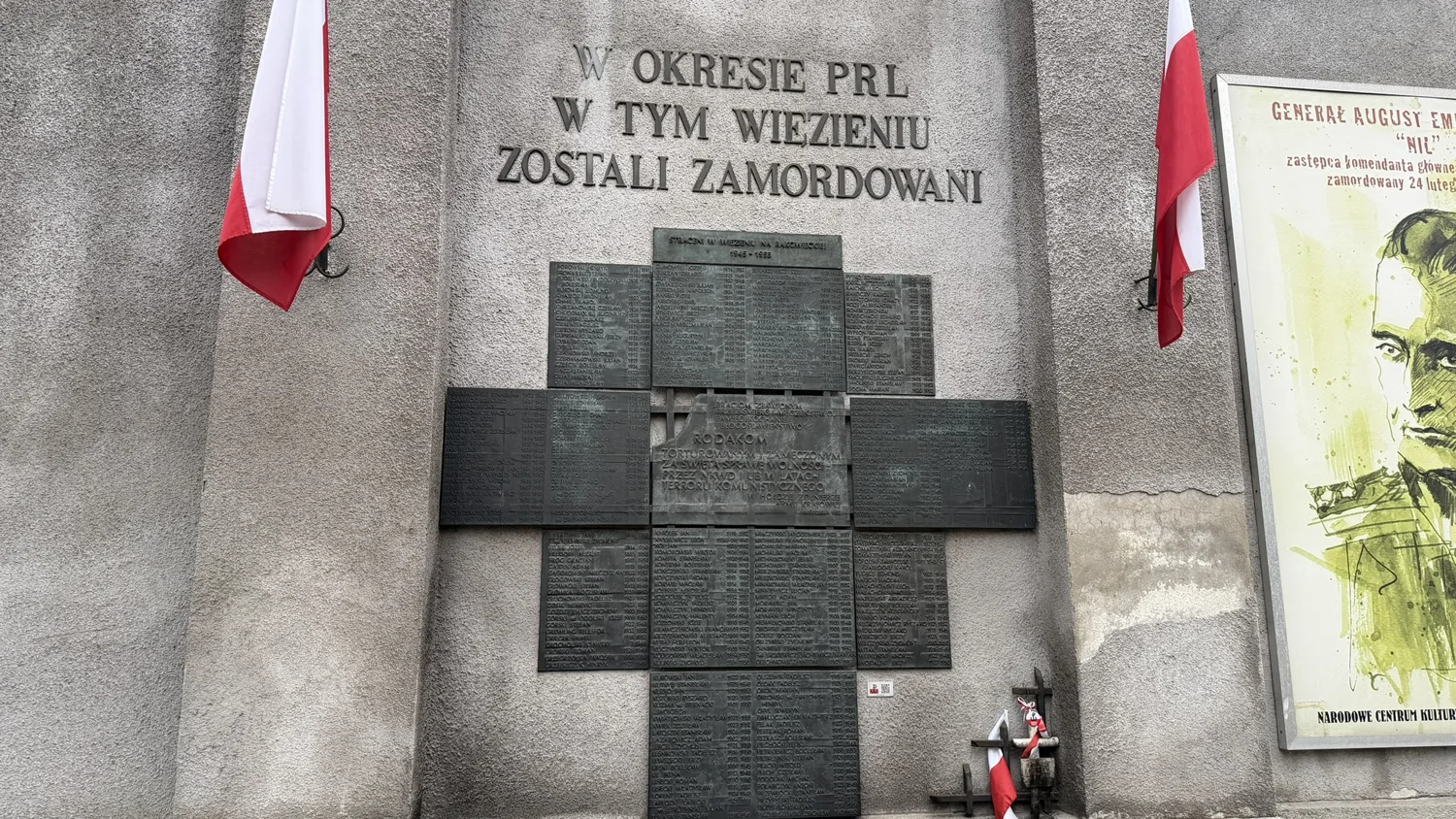
After the war, the communist security apparatus used Rakowiecka to imprison and interrogate political opponents and members of the independence underground. The label “Cursed Soldiers” refers to diverse armed and clandestine formations that resisted the communist takeover; their experiences and political backgrounds were not identical. The museum also addresses political imprisonment beyond the immediate post-war years.
Among the best-known prisoners was Witold Pilecki, who had volunteered to enter Auschwitz during the occupation and reported on conditions there. He was executed at Rakowiecka in 1948 following a political trial. General August Emil Fieldorf and Łukasz Ciepliński are further names associated with the prison and the persecution of the underground. Their stories connect the history of the Second World War to the struggle over Poland’s post-war political future.
The search for and identification of victims’ remains continues to shape remembrance. Old Służew Cemetery, across today’s district boundary, and the Łączka burial area at Military Powązki offer important connections to this history. Explore Military Powązki.
Inside the former prison
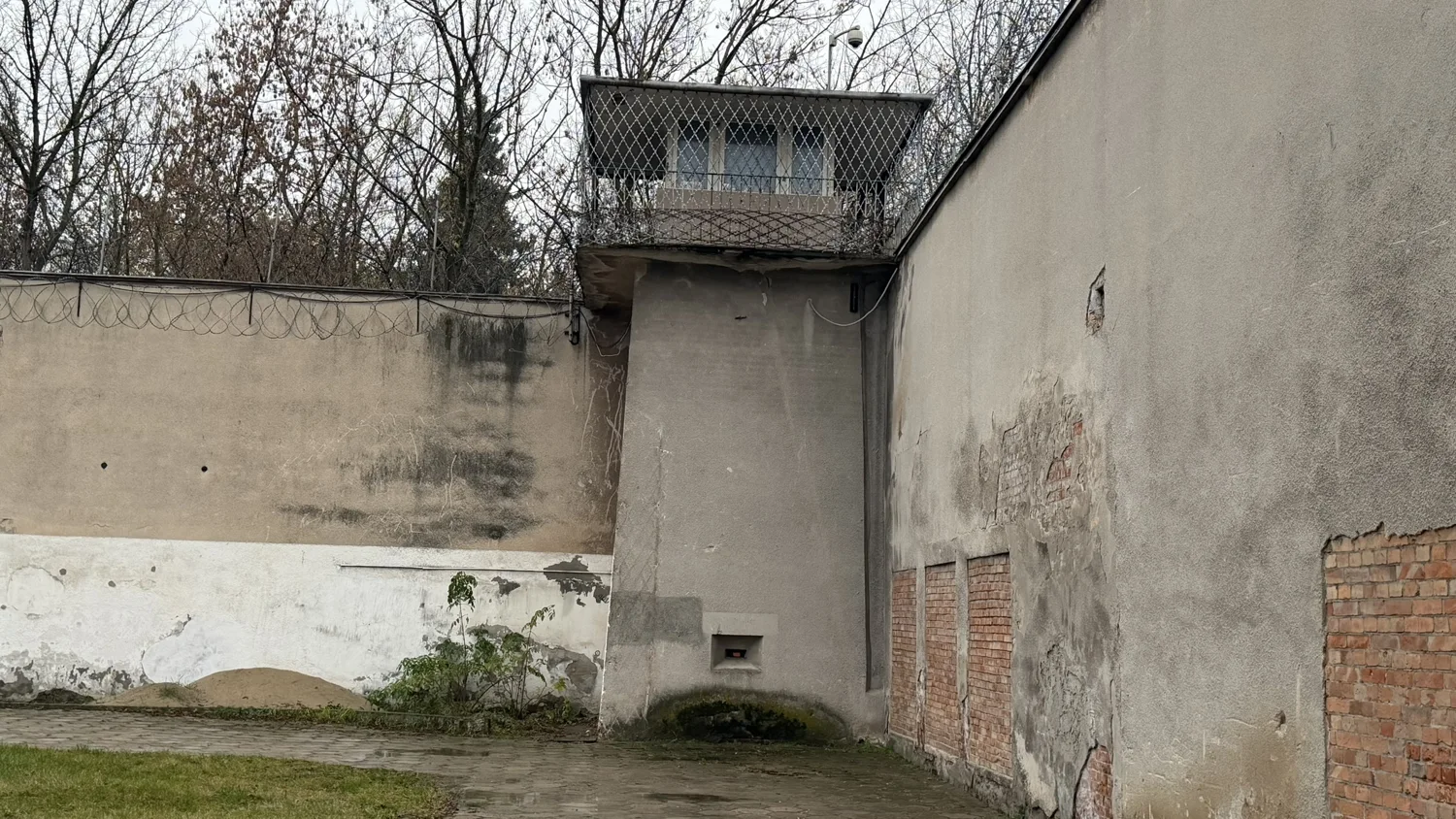
What struck me during my visit was the physical setting: long galleries, cell doors, enclosed courtyards and high walls. The architecture is not an abstract illustration of the past. It is the place where imprisonment happened. Exhibitions within the museum help explain the system and the individual lives caught within it.
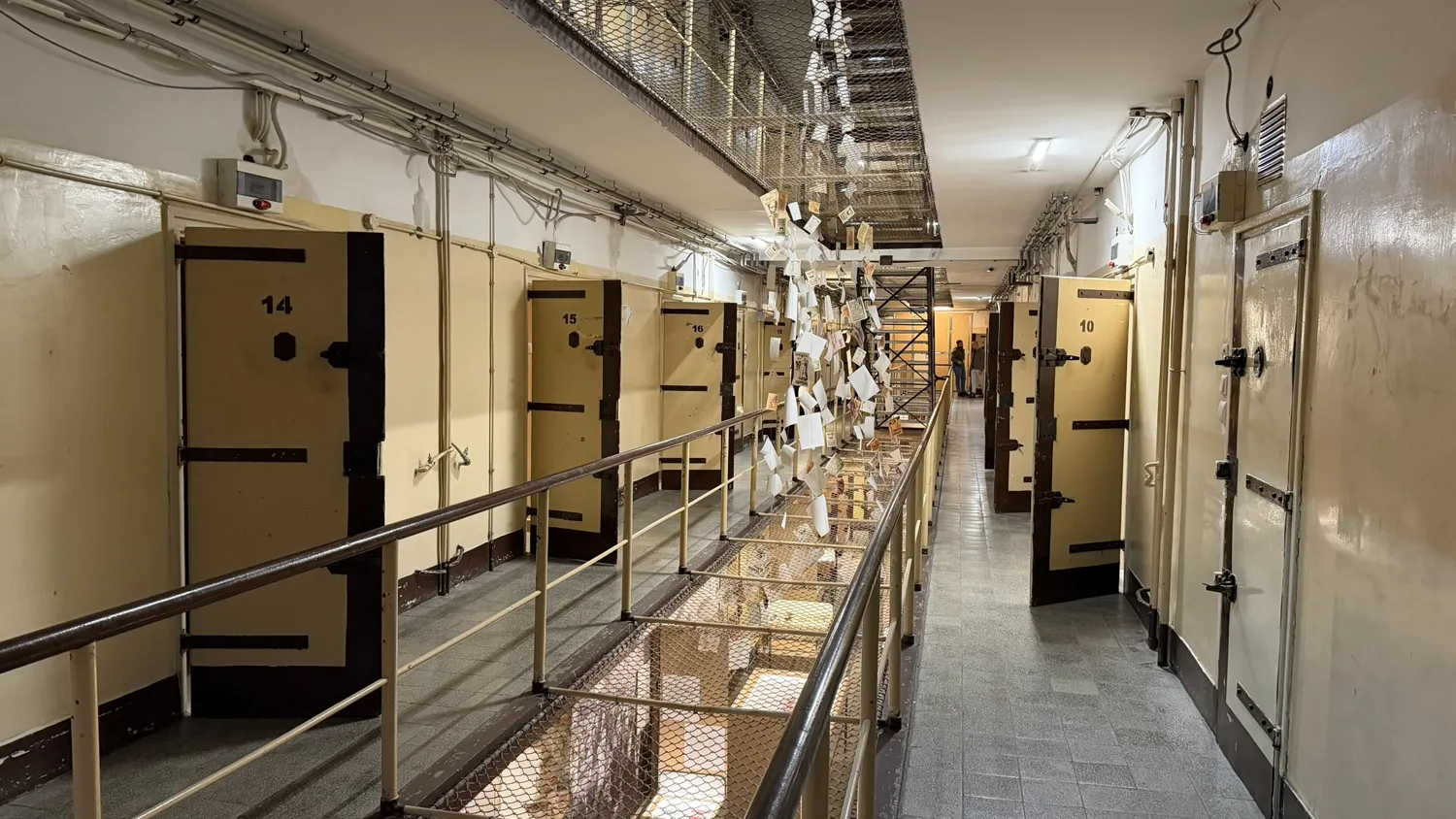
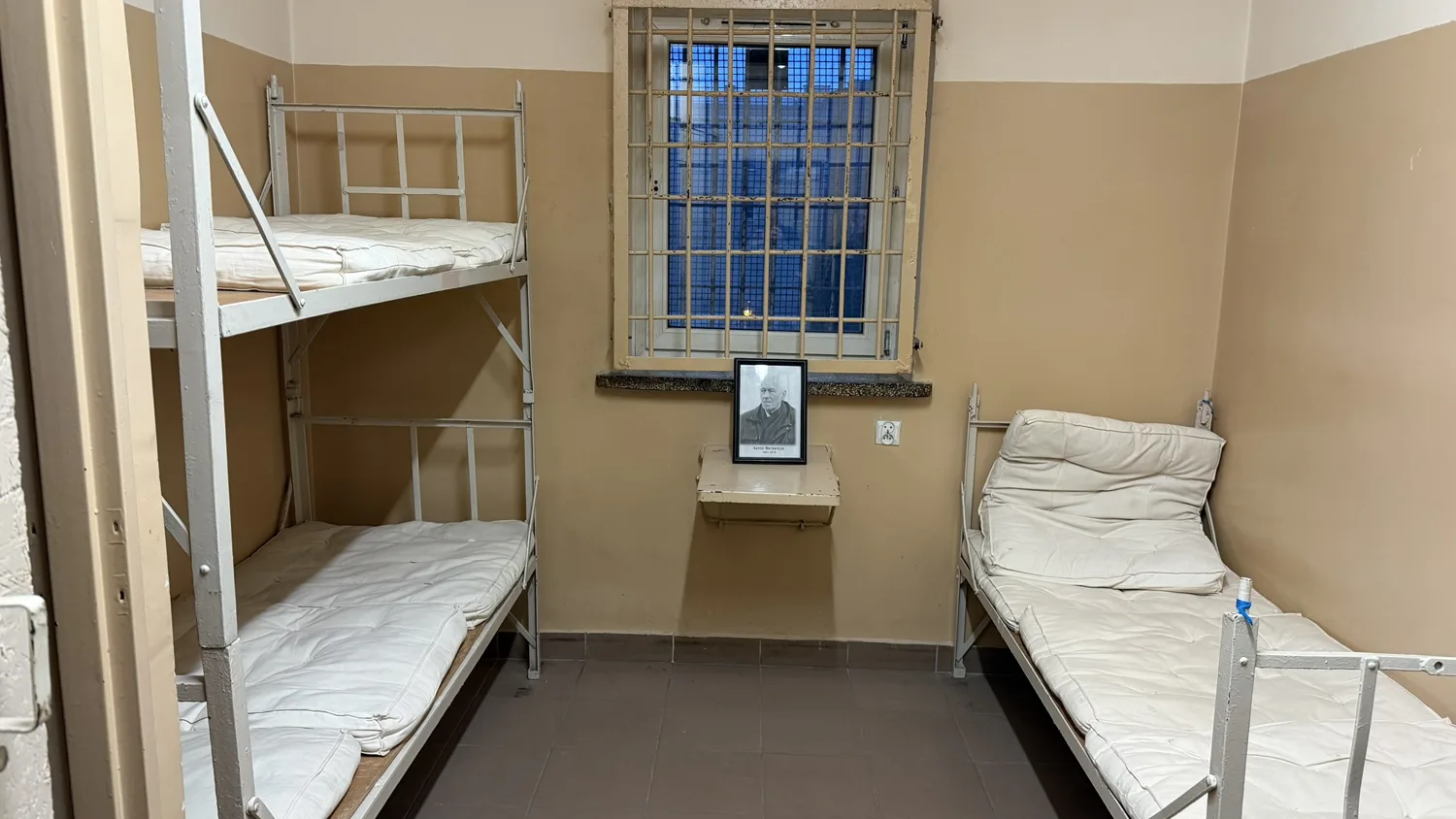
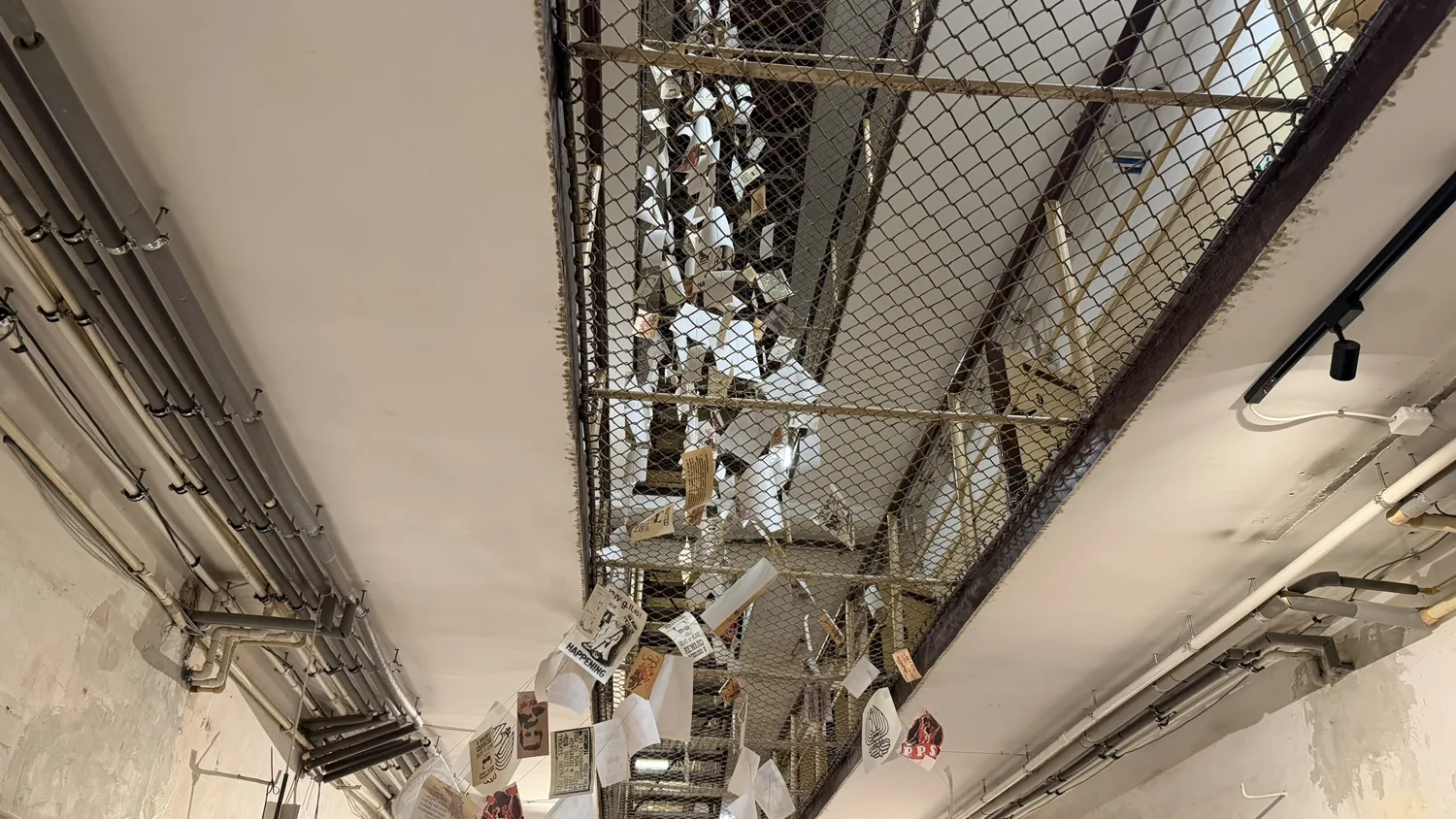
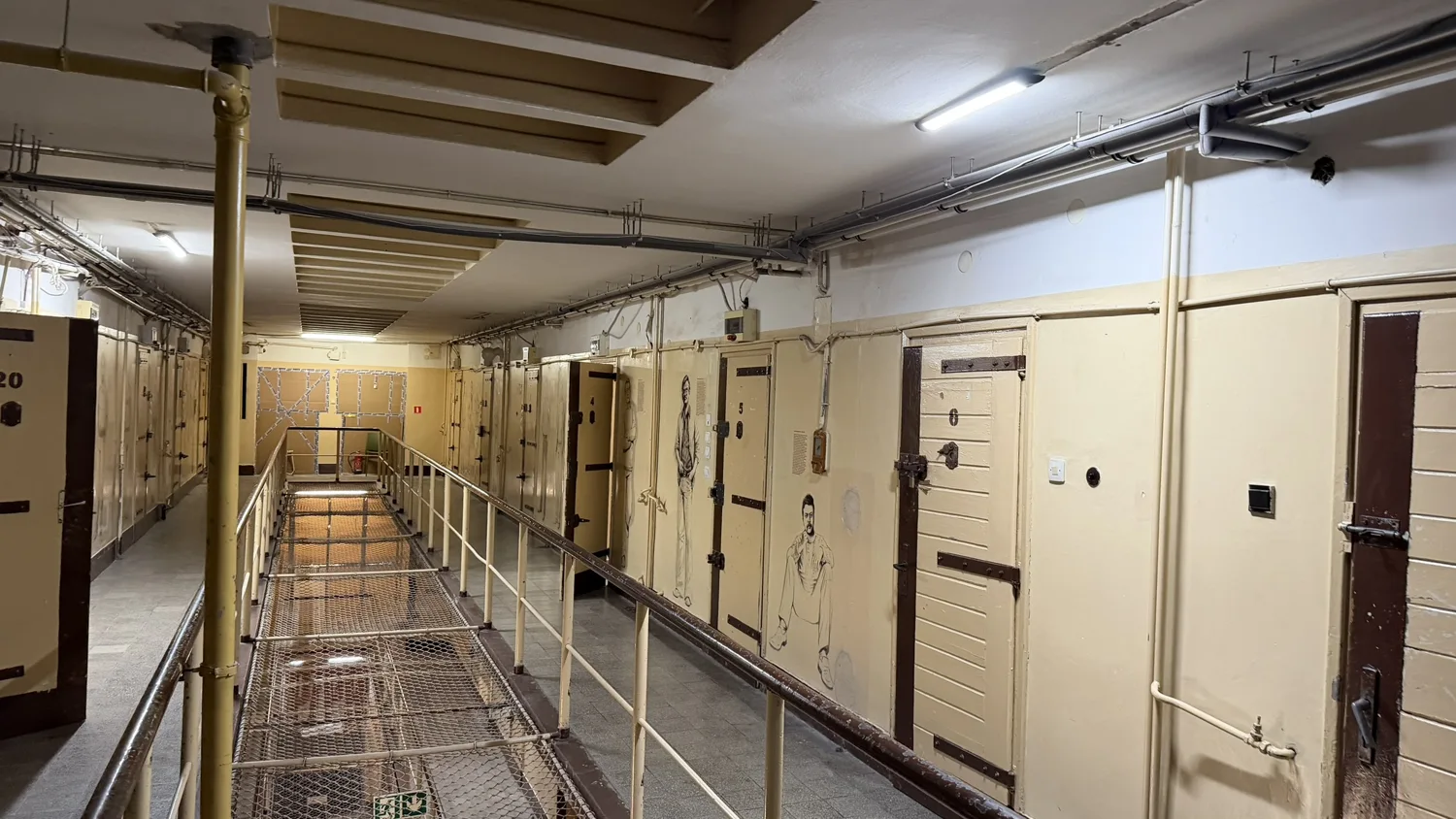
These are original photographs from my November 2026 visit. Individual rooms and displays may change as the museum develops. The images show the site as encountered, rather than claiming that every room retains its original historic appearance.
Planning a respectful visit
Address: Rakowiecka 37, Warsaw. The site is near Pole Mokotowskie metro. Guided visits and access can change while the institution develops; consult the official museum website before travelling. Allow time to read the exhibits and be mindful that this is a place of remembrance.
Further context: Institute of National Remembrance, Warsaw Museums, and Mokotów district guide.