Łódź
The factory city that became a metropolis.
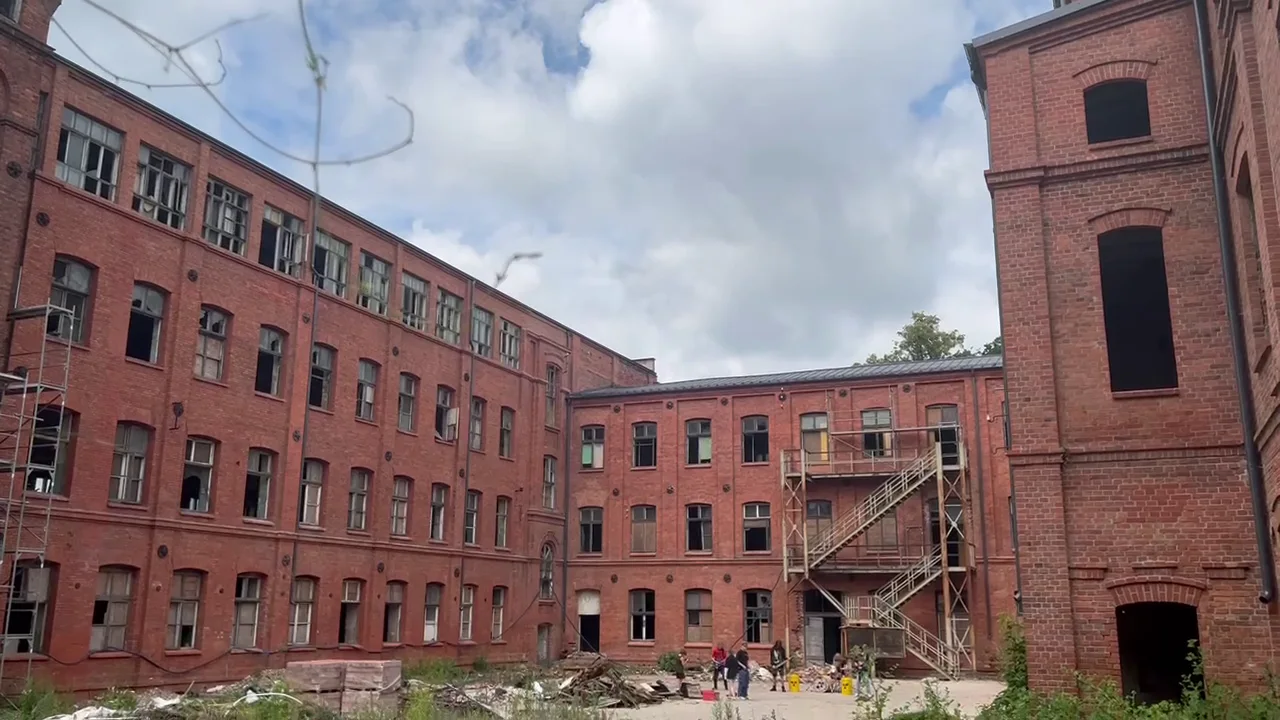
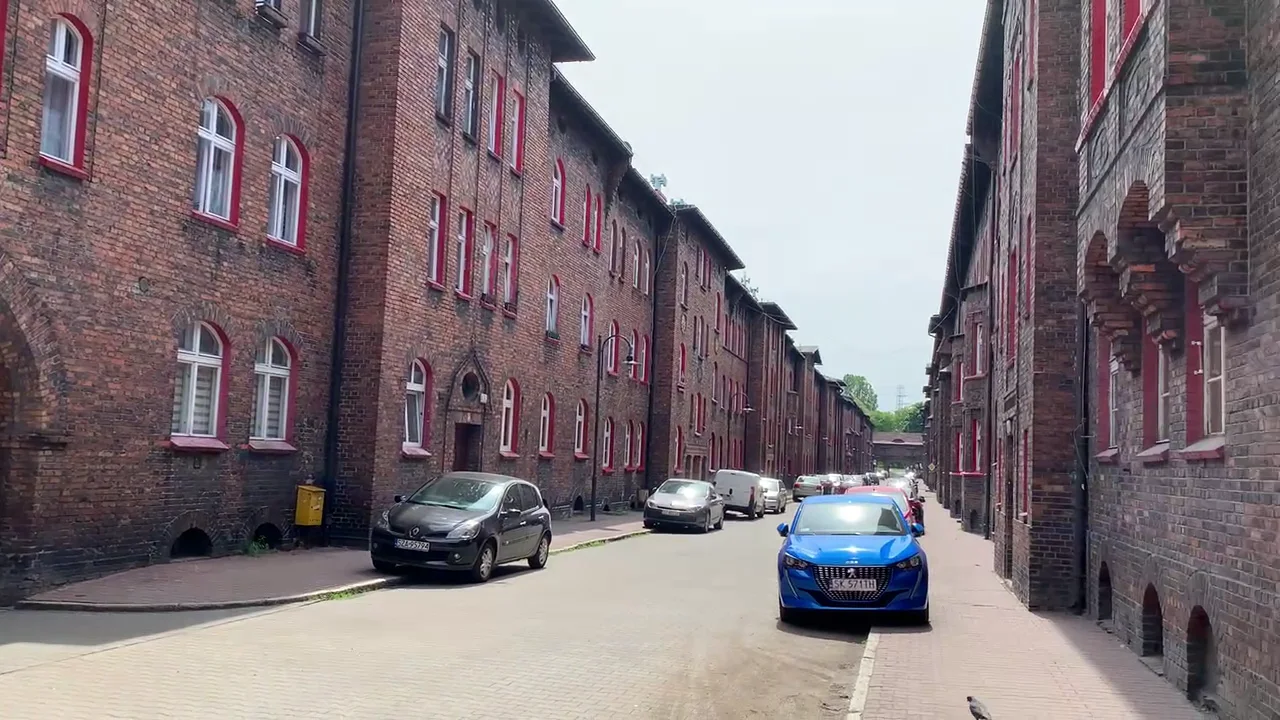
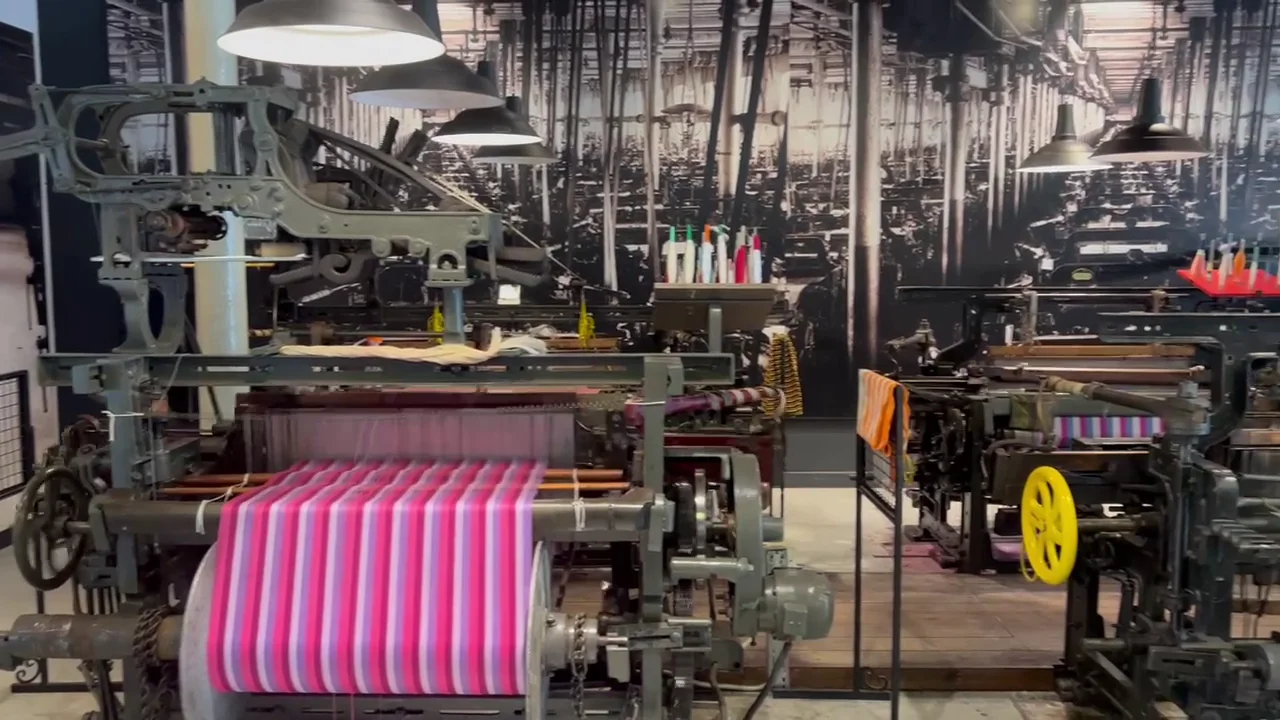
Few places show the speed of nineteenth-century industrial change as clearly as Łódź. Textile production drew capital, technology and workers into a settlement that expanded at extraordinary pace, leaving behind a cityscape of mills, chimneys, workers’ housing and factory owners’ palaces.
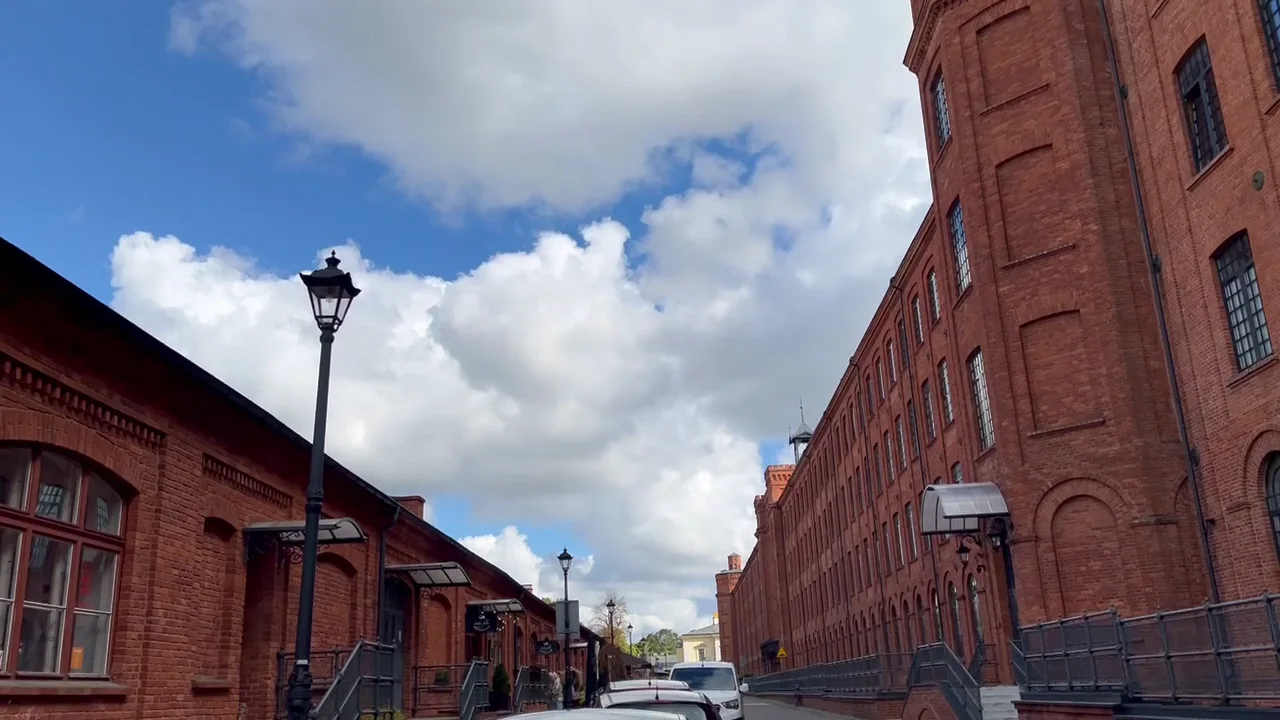
Księży Młyn, built by Karol Scheibler, captures the system in miniature: mill buildings, warehouses, housing, services and a railway siding formed a planned industrial community. Other empires — including those of Ludwik Geyer and Izrael Poznański — made industrial architecture central to the city’s identity.
The collapse of much of the textile sector at the end of the twentieth century did not erase that landscape. Former factories now house museums, offices, hotels, housing, culture and retail — making Łódź one of Poland’s clearest examples of post-industrial reuse.