klasztor
Monastery / convent — a religious house occupied by a community.

A monastery was never only a church with somewhere to sleep. Religious communities organised prayer, work, study, property and daily life — and in doing so helped shape settlements and landscapes across Poland.
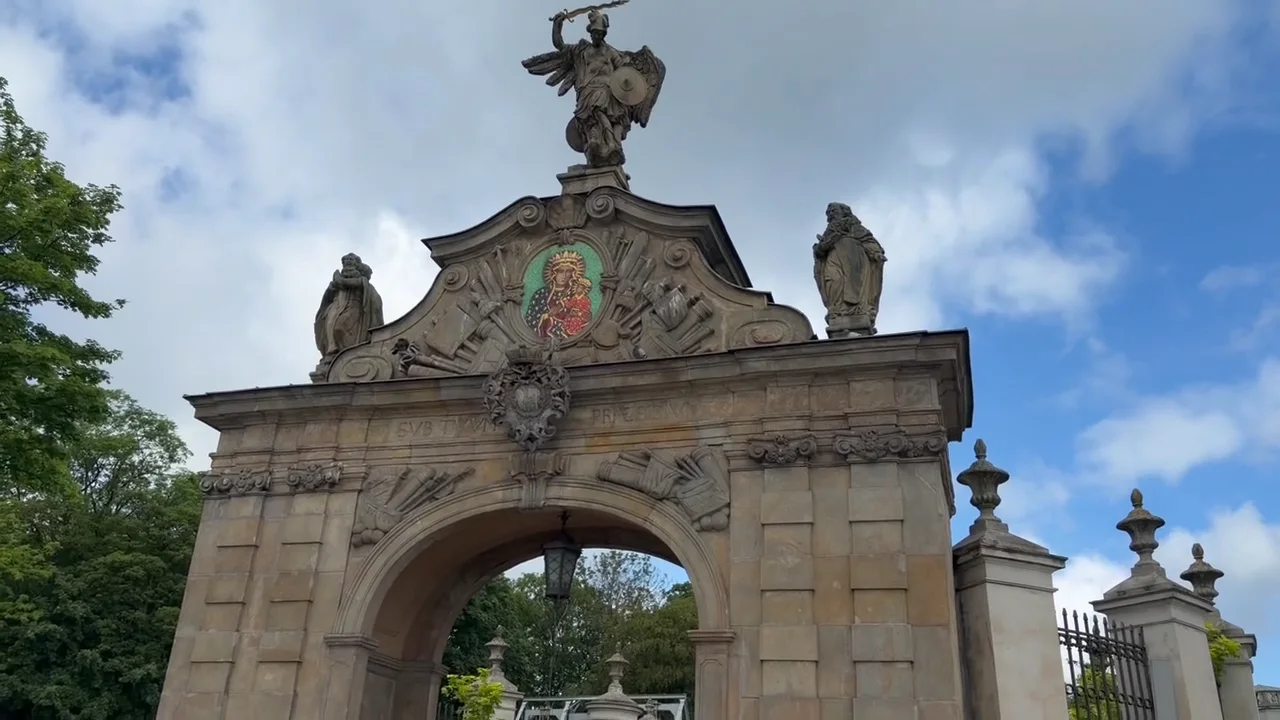
Historically, monasteries could be communities of worship, study, work, hospitality, charity, administration and land management. Some helped shape settlements. Others became centres of learning, pilgrimage, artistic production or economic activity. Many survived political upheaval only by changing function.
To understand monasteries in Poland is therefore to look not only at religion, but at how organised religious communities interacted with towns, villages, rulers, estates and landscapes over centuries.
Klasztor is the broad Polish term for a monastery or convent — the religious house where a community lives. Opactwo means an abbey: a monastery with a particular institutional status, traditionally headed by an abbot or abbess. Zakon means the religious order itself.
Monastery / convent — a religious house occupied by a community.
Abbey — a monastery traditionally headed by an abbot or abbess.
Religious order — the community and tradition, not the building.
Abbot · prior. Different houses can have different forms of leadership.
Monk · nun. Female religious communities belong fully to this story.
Cloister · refectory — two of the spaces that reveal communal life.
Different religious orders developed different traditions, priorities and relationships with the outside world. The question is not only “how old is this monastery?” but also “who lived here, and what were they trying to do?”
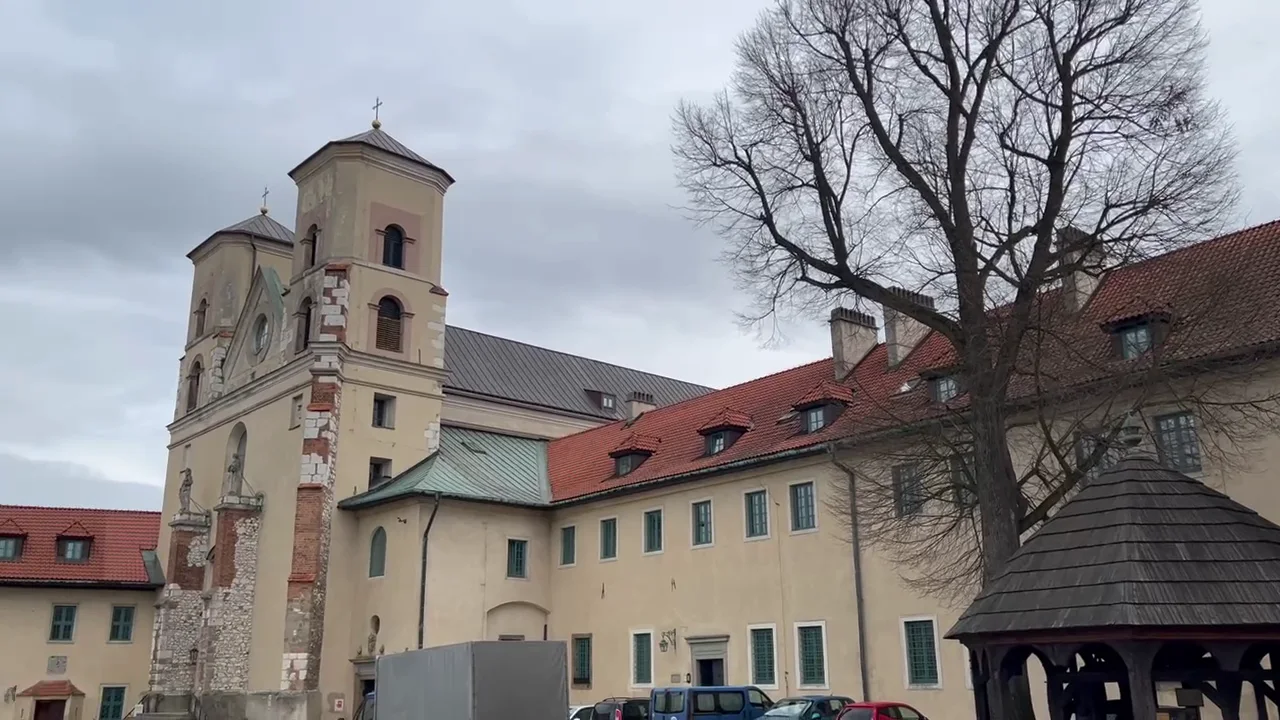
Communities following the Rule of St Benedict organised life around settled prayer and work. Tyniec, founded in the 11th century, became one of Poland’s great Benedictine centres. The traditional foundation is associated with Casimir the Restorer, although the exact founder and date remain debated and some historians favour a slightly later foundation under Bolesław the Generous.
Tyniec also shows why monasteries should not be imagined as places completely cut off from the world: its position above the Vistula placed it within a landscape of routes, settlement and political power.
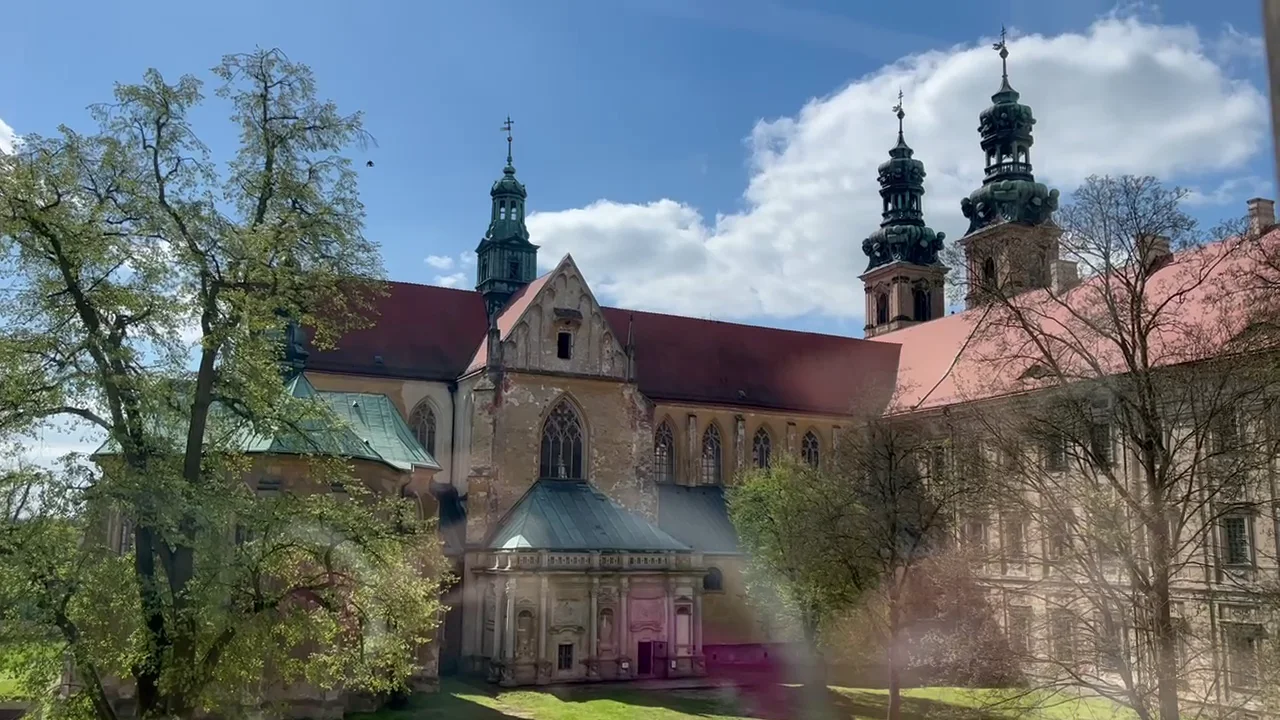
Cistercian houses became particularly associated with disciplined communal life, estates, agriculture and productive landscapes. Wąchock, founded in the 12th century, is a strong example: its community influenced the surrounding settlement while the surviving complex preserves characteristic elements of Cistercian planning.
Large-scale land management, mills, fishponds and settlement planning were especially important for Cistercian and some Benedictine houses. They were not universal features of every religious order.
The Dominicans developed as an urban preaching order, with study and pastoral work at the centre of their mission. They arrived in Kraków in 1222, creating a very different relationship with society from the rural monastery surrounded by large estates.
Mendicant communities such as the Dominicans generally operated differently from Cistercian or Benedictine estate-based houses. Their religious life was closely tied to towns, preaching and teaching.
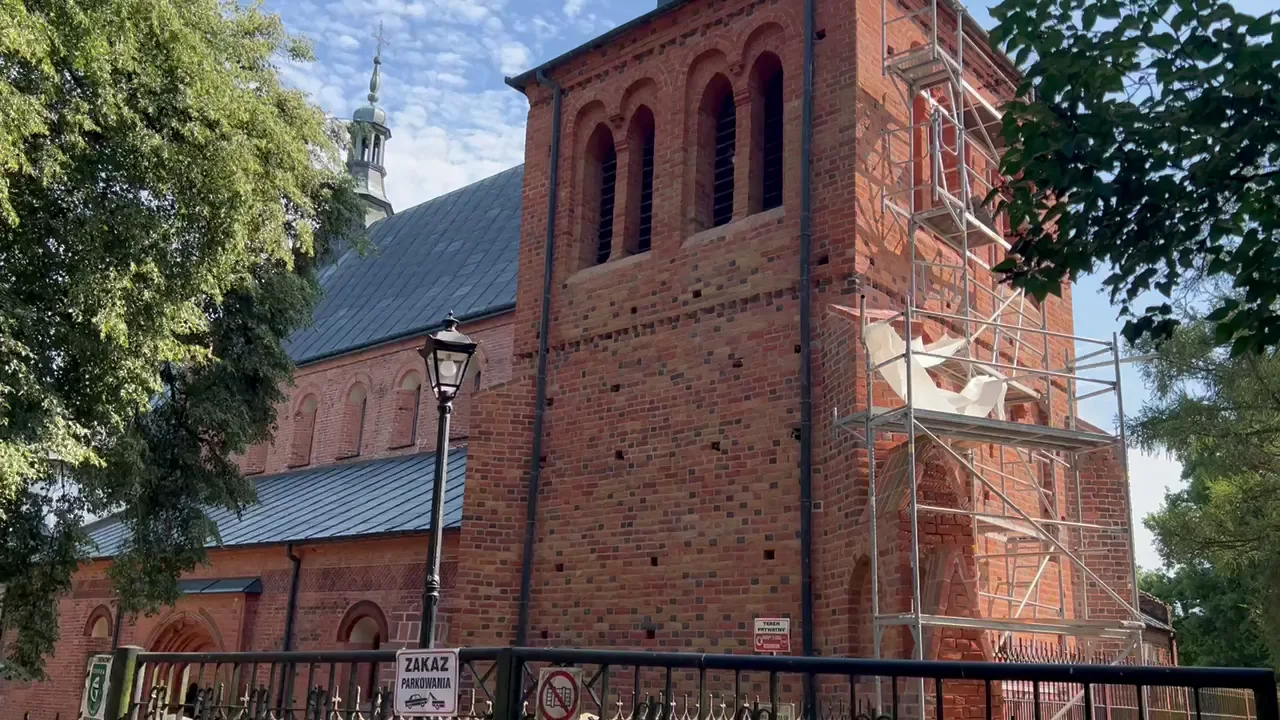
The Franciscans likewise became strongly associated with towns. Their communities emphasised poverty, preaching and pastoral work, and their Kraków house developed into an important religious and educational centre.
Together with the Dominicans, they demonstrate how much variety hides behind the simple English word “monastery”.
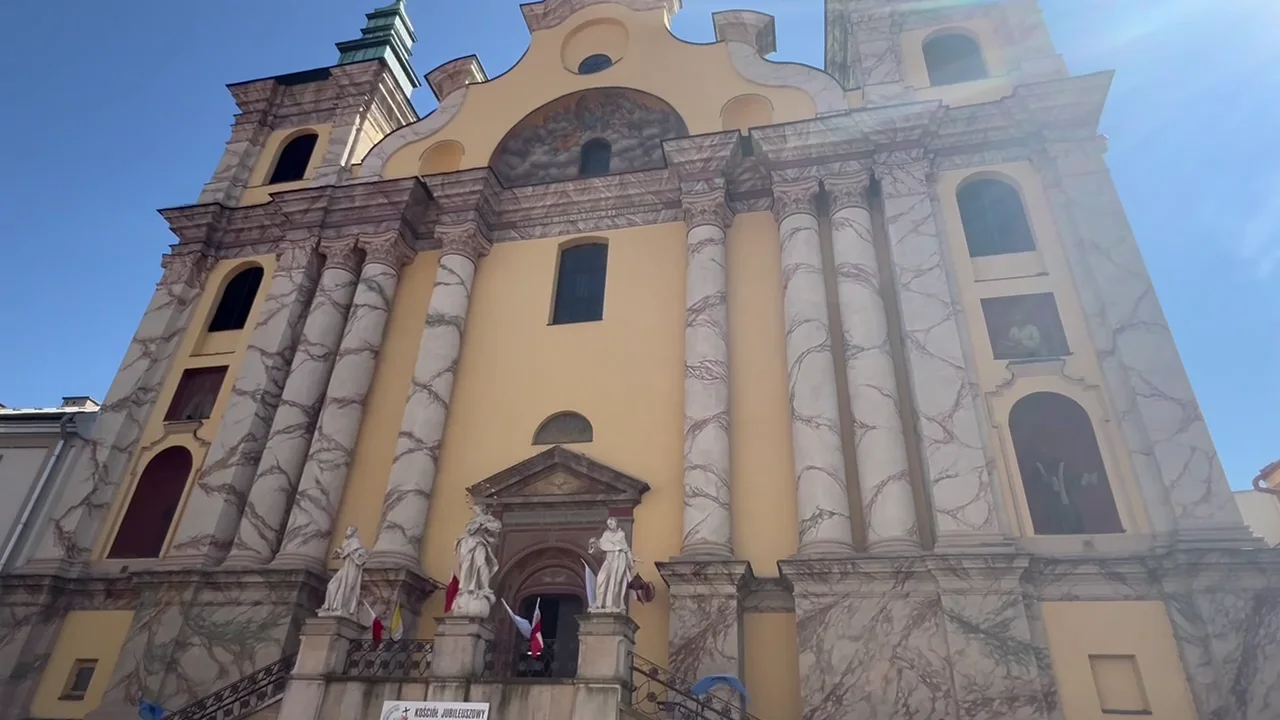
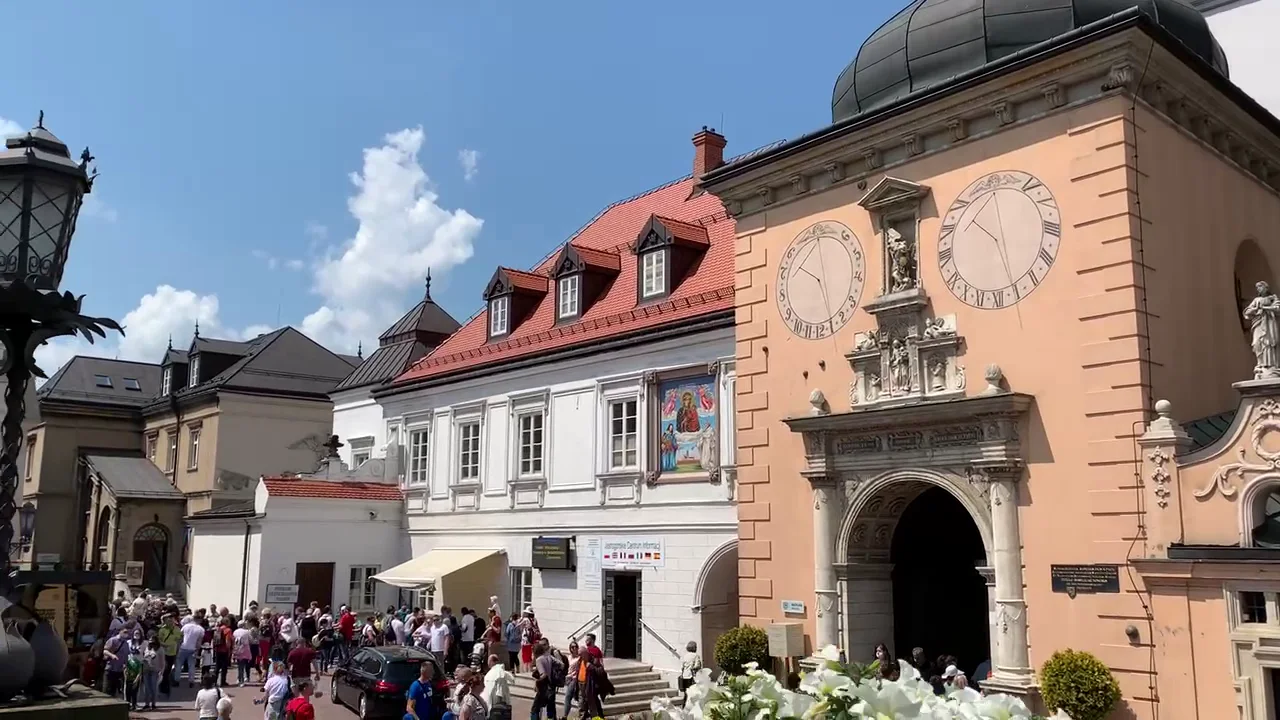
The Pauline Fathers arrived at Jasna Góra in 1382. Over time their monastery became inseparable from the Black Madonna of Częstochowa and acquired a national devotional role far beyond the resident community.
The pilgrimage story belongs on its own page. Here, Jasna Góra demonstrates how a monastery can become an institution of national religious importance.
Monastic houses could become important landowners and organisers of estates. Depending on order and period, their activity might connect fields, mills, fishponds, workshops, roads, villages and markets to the religious community.
Some were founded beside important routes. Others occupied defensible or symbolically powerful landscapes. Some contributed to the development of villages and towns.
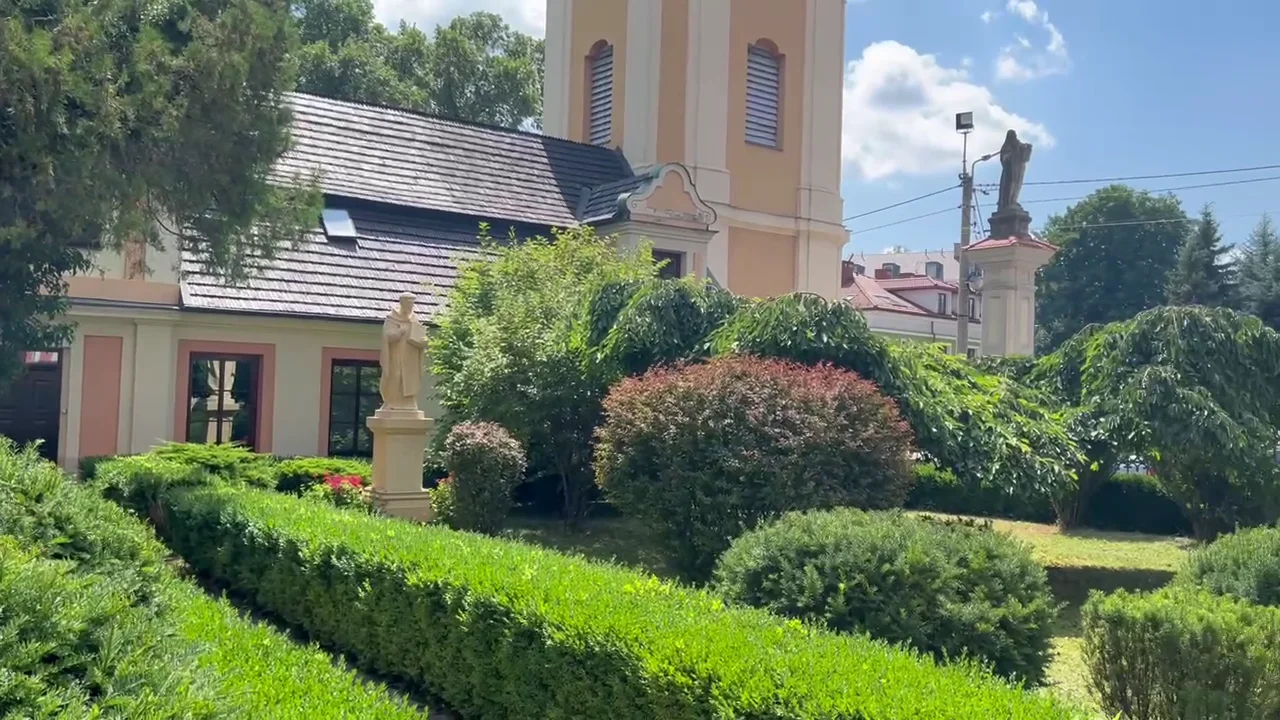
The spiritual centre. Access for lay worshippers varied by order, house and period.
A covered walkway around an internal court, linking the principal communal spaces.
A meeting place for community business, readings, discipline and decisions.
The communal dining hall, where meals followed the rhythm and customs of the house.
Sleeping quarters, organised differently according to period and religious tradition.
Some houses accumulated books and supported scholarship, education or manuscript culture.
The controlled threshold between the religious community and the outside world.
Orchards, kitchens, workshops, barns and stores reveal the practical life of the community.
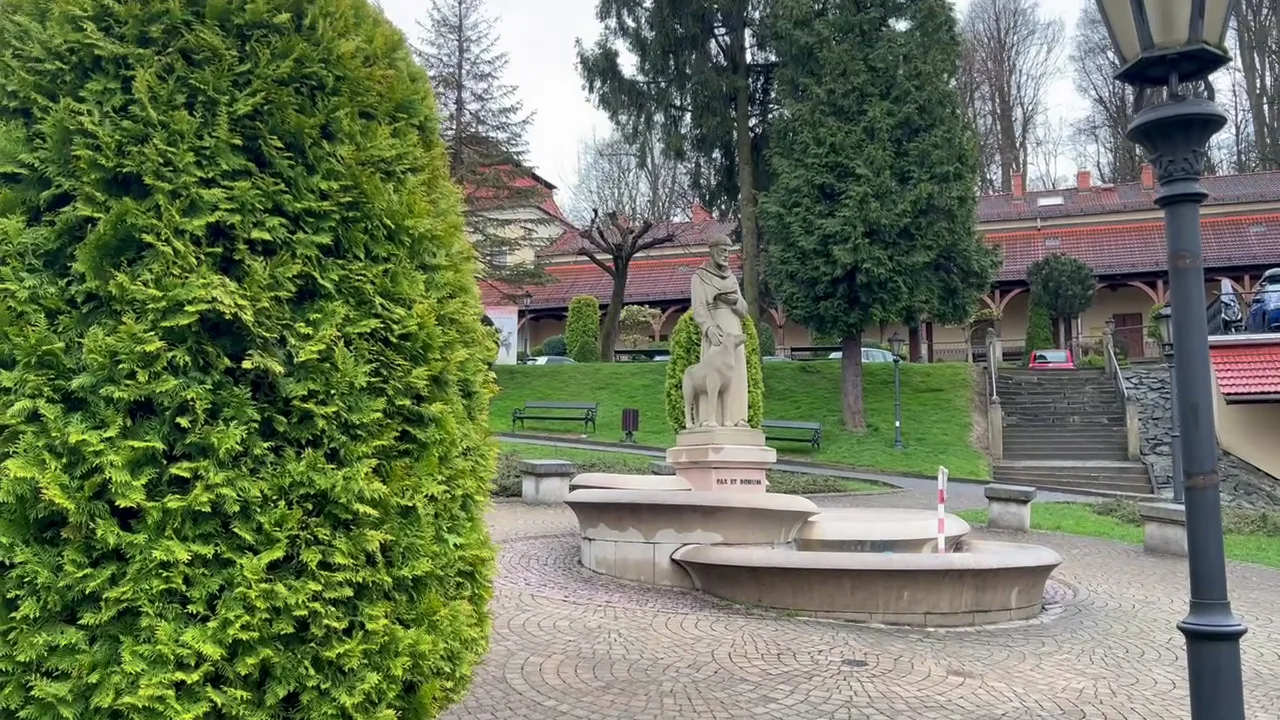
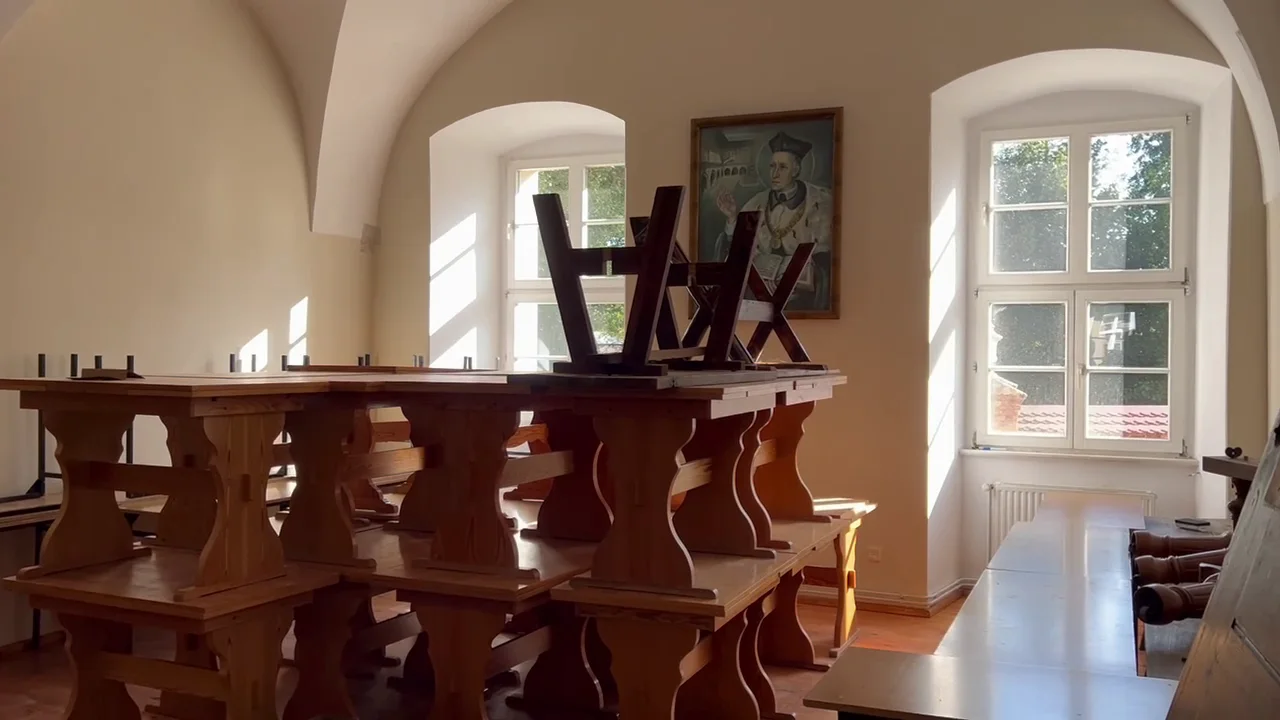
The balance was never universal. A wealthy Cistercian abbey, an urban Dominican priory and a small female religious house could all operate very differently.
Women’s religious communities also established houses, owned property and contributed to worship, education, charity and local religious life. Polish klasztor can describe houses occupied by men or women.
English terminology can be less tidy: “monastery” and “convent” are often used differently depending on tradition and context. The important point is that female communities formed part of the same wider institutional landscape and left their own architectural and cultural heritage.
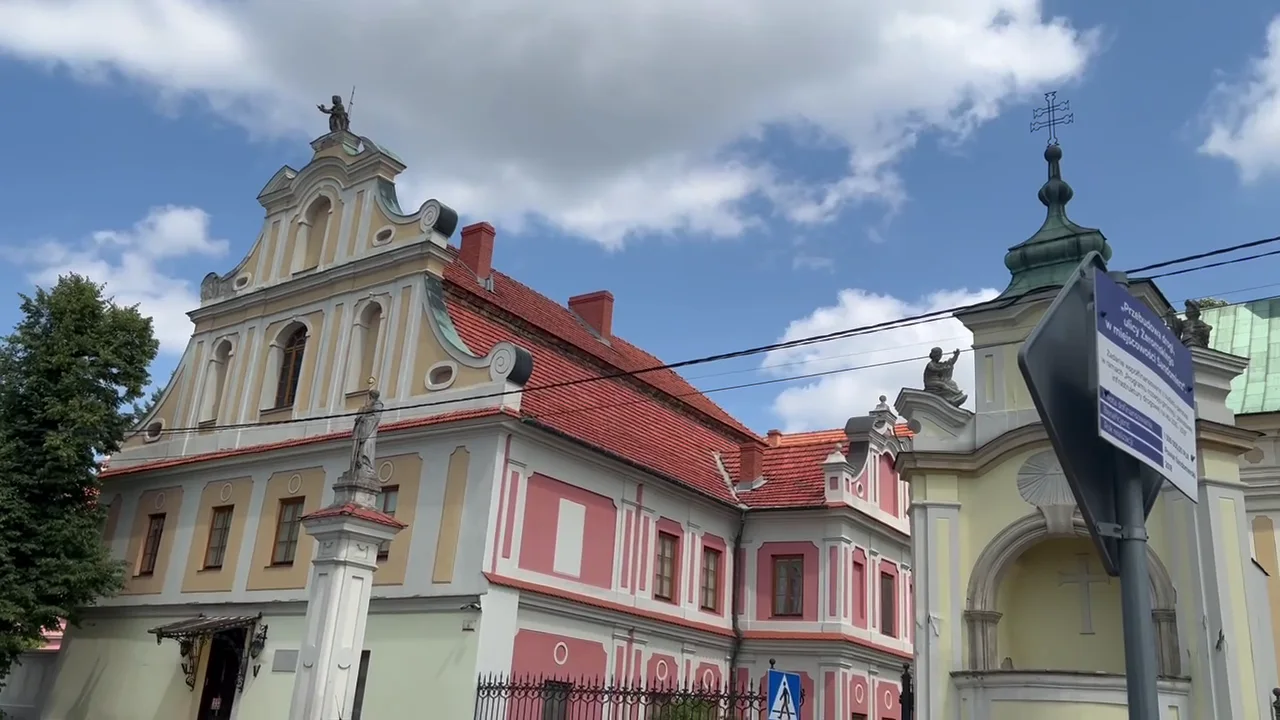
Monastic life did not continue uninterrupted from the Middle Ages to the present. During the partitions, Austrian, Prussian and Russian authorities all dissolved or confiscated religious houses at different times and with different intensity.
Communities could be dispersed, property seized and buildings transferred to secular or other religious uses. Former monasteries became schools, military buildings, hospitals, residences, seminaries or parish institutions.
This makes the question “who used it next?” just as important as “was the monastery destroyed?”
The Cistercian house was suppressed in the early 19th century. The community disappeared from the site for a period, while the buildings survived and were later reoccupied.
The Benedictines were dissolved under Austrian rule in 1816. Monastic life returned in 1939, showing how a site can survive architecturally, cease to function as a monastery and later become one again.
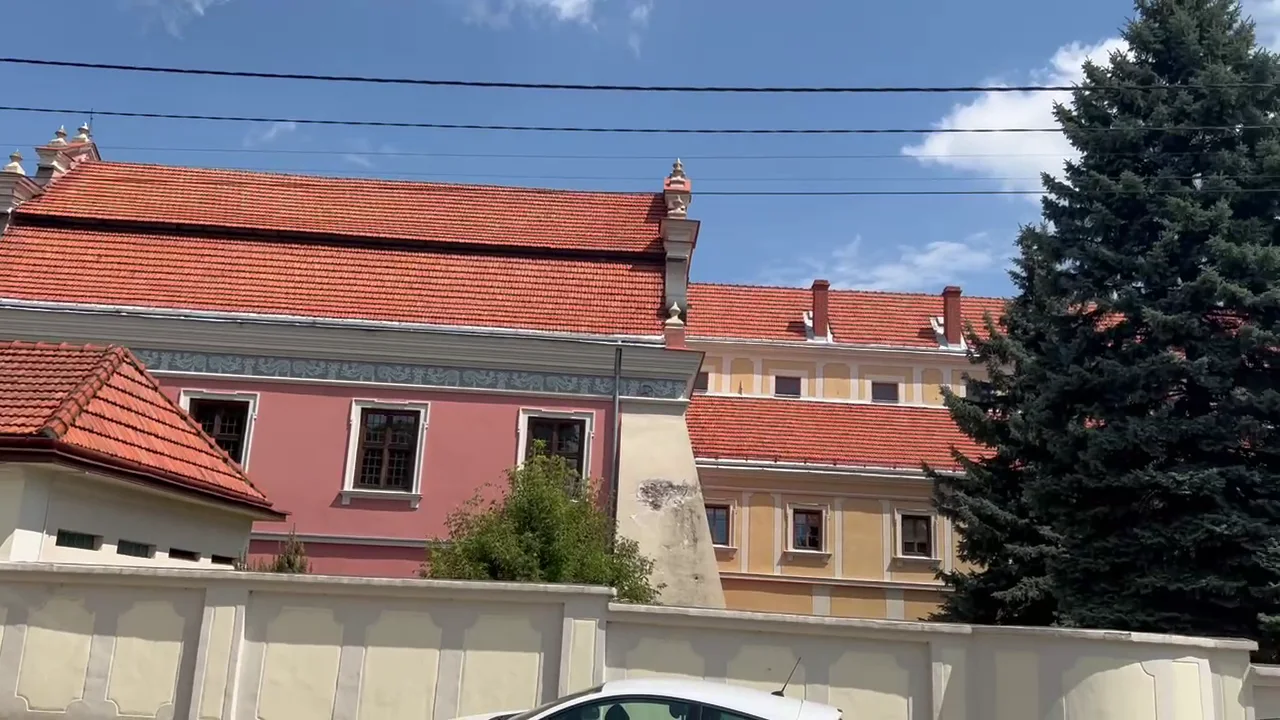
Some Polish monasteries remain active religious communities. Others are partly museums, visitor sites, schools, seminaries or cultural institutions. Some survive only as fragments or former monastic buildings.
A heritage site and a living monastery can look similar from the outside but function very differently. Visitors therefore need to ask two separate questions:
What was this place originally?
What is it now?
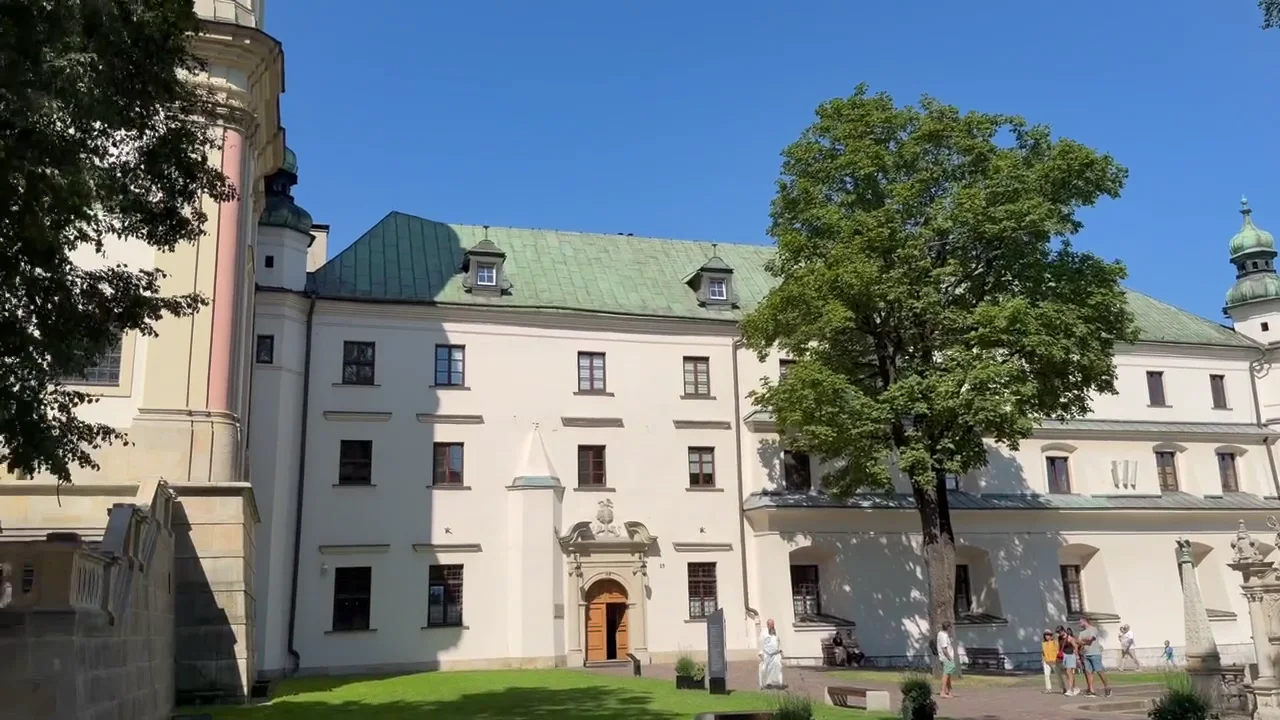
Different orders followed different missions and patterns of life.
Look beyond size: institutional status matters more than grandeur.
Find the church, cloister, refectory, chapter house and gate.
Town, river, fields, walls, road or pilgrimage landscape?
The building may have spent centuries serving another purpose.
Living community, heritage site and former monastery are not the same thing.
This page explains the institutions and communities. The connected chapters take you into church architecture, pilgrimage and the places themselves.