
Sacred Places &
Religious Heritage
Religion has left one of the deepest physical marks on Poland. Cathedral towers, monasteries, synagogues, tserkvas, mosques, cemeteries, calvaries and roadside shrines reveal centuries of belief, political power, cultural exchange and community memory.
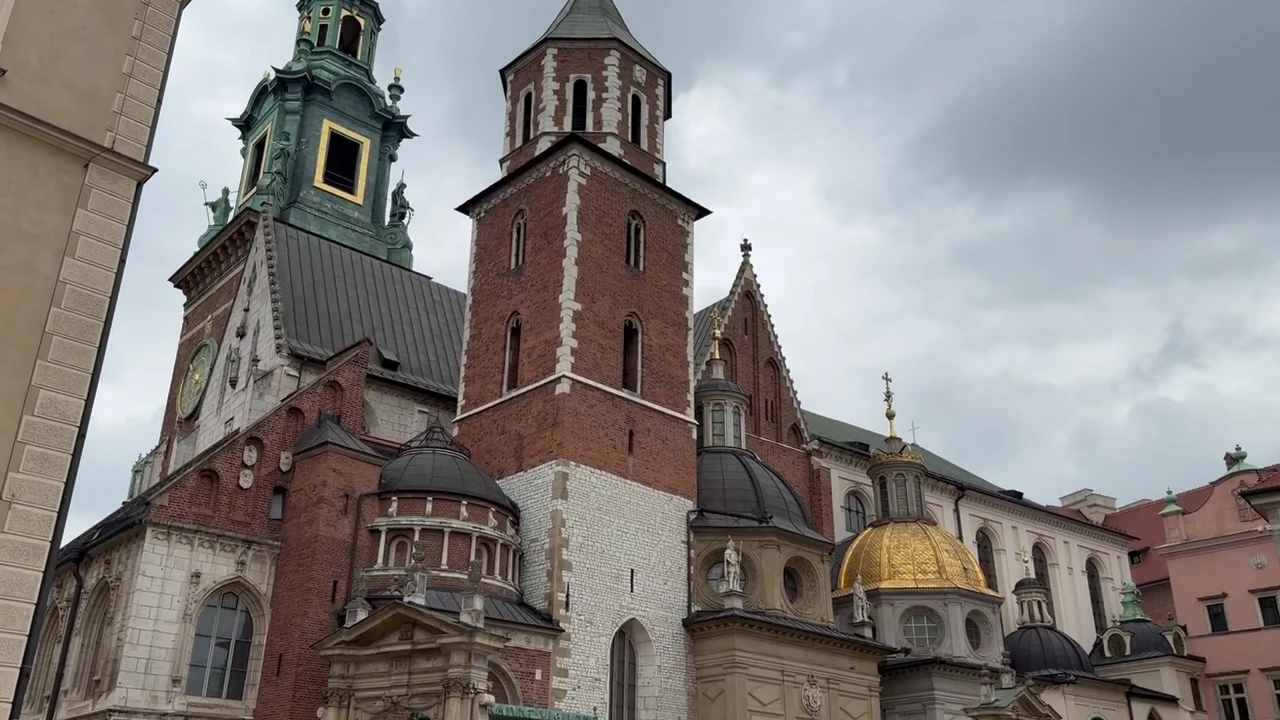
This section will not explain the obvious — that churches are places of worship. Instead it will teach how faith shaped settlement, architecture, regional identity and national memory; why sacred buildings look different across Poland; and how Catholic, Orthodox, Greek Catholic, Jewish, Protestant, Muslim and pre-Christian traditions left distinct traces on the landscape.
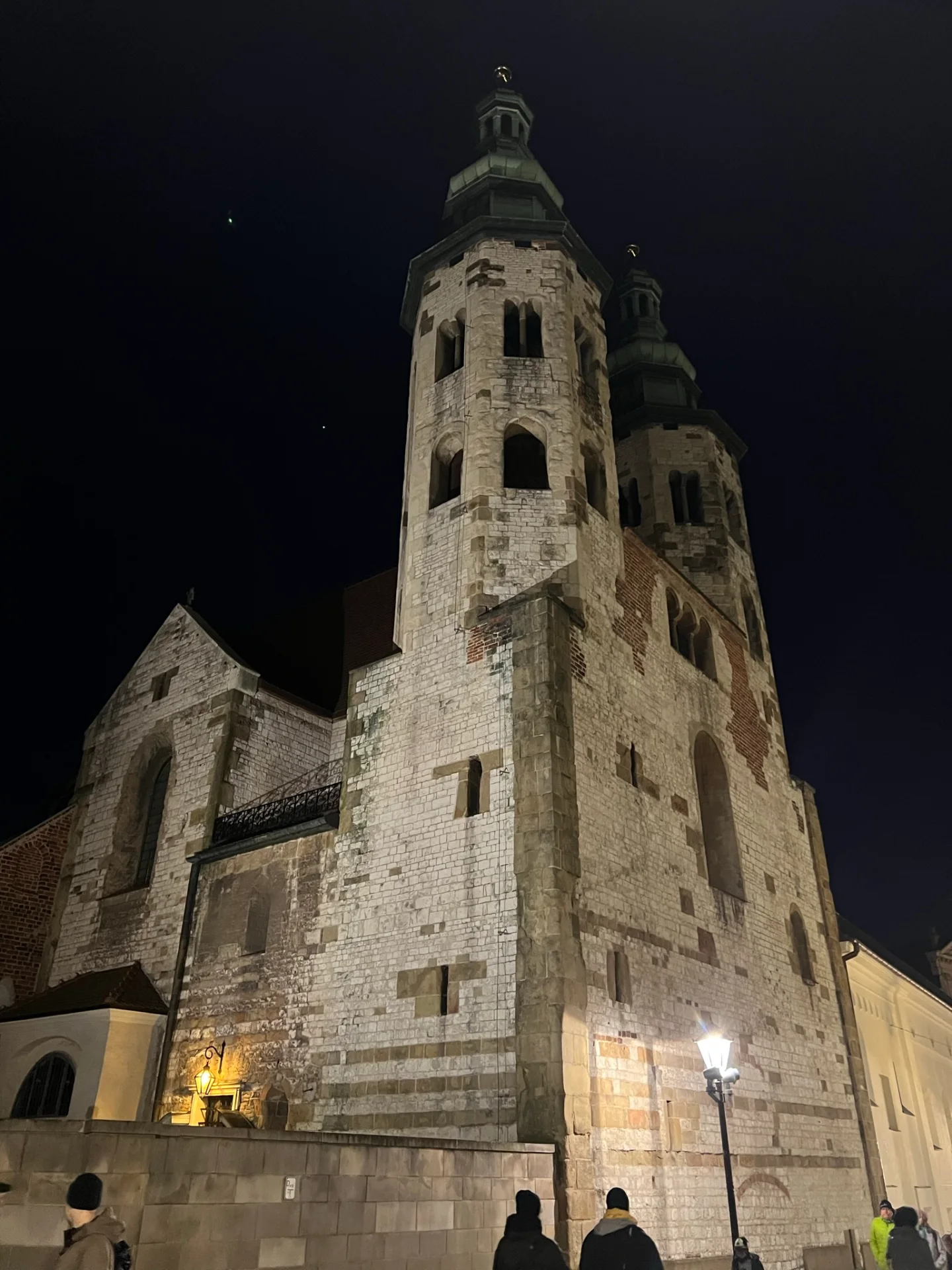
Churches & Cathedrals
From the first Piast foundations to Gothic brick churches, Baroque sanctuaries and modern parish architecture. Learn what different church types reveal about Poland's history.
Open the chapter →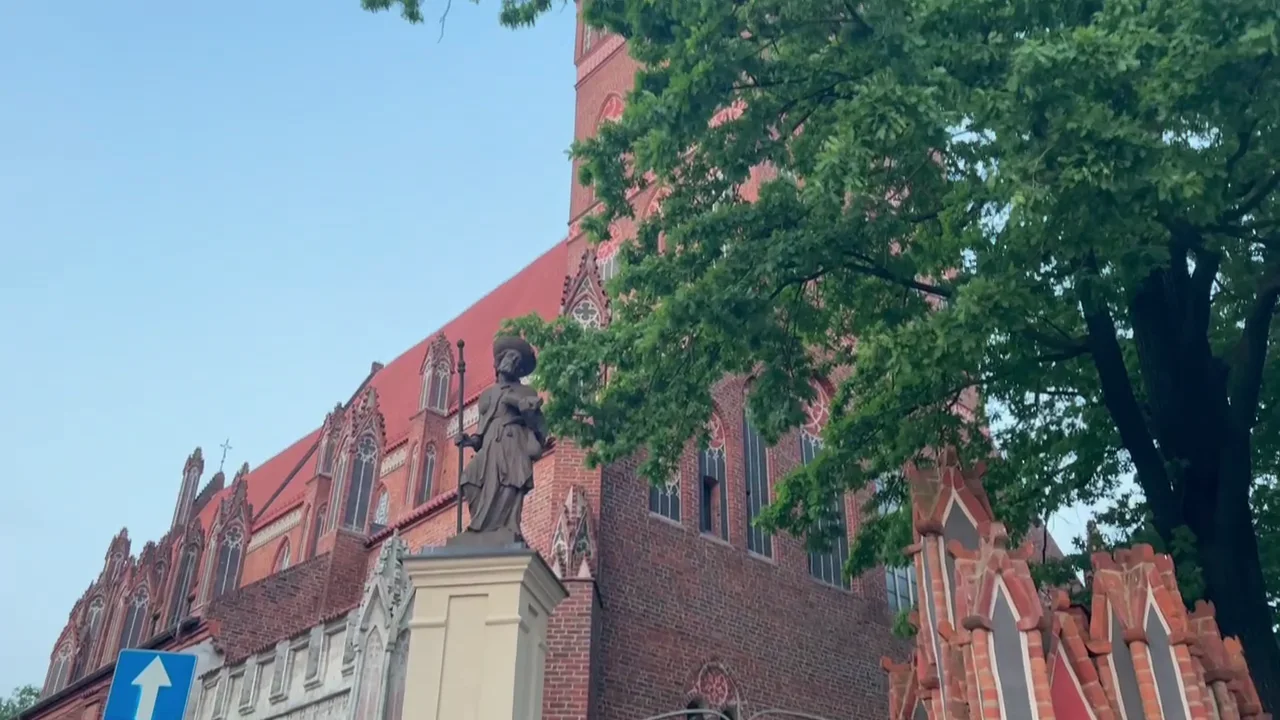
Read the Building
Romanesque or Gothic? Baroque or modernist? Timber church or tserkva? Learn the visual clues that help you recognise what you are seeing while travelling.
Learn to read the architecture →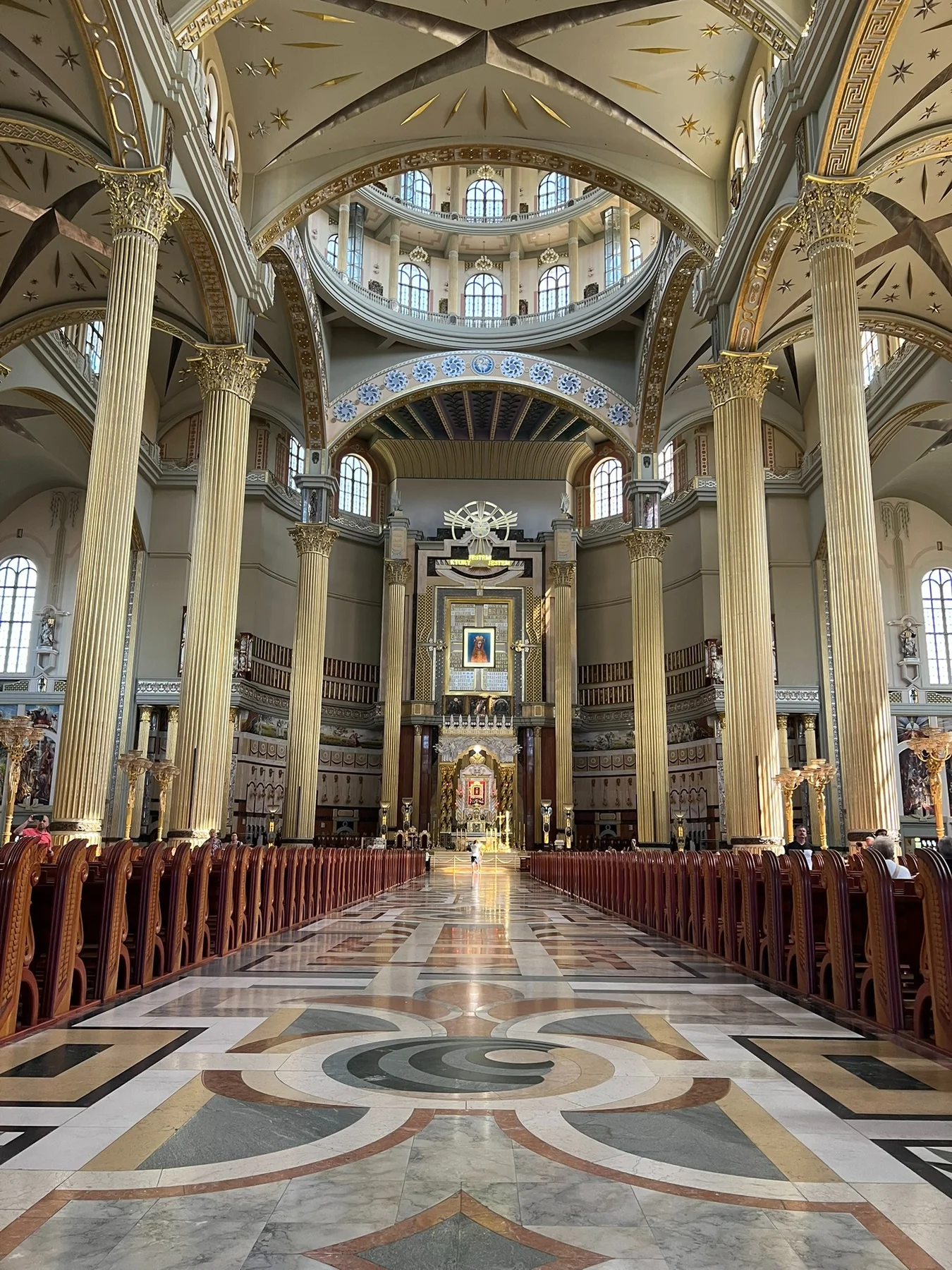
Inside the Church
Altars, organs, stained glass, painted ceilings, chapels, crypts and memorials. Learn what you are actually looking at after you cross the threshold.
Learn to read the interior →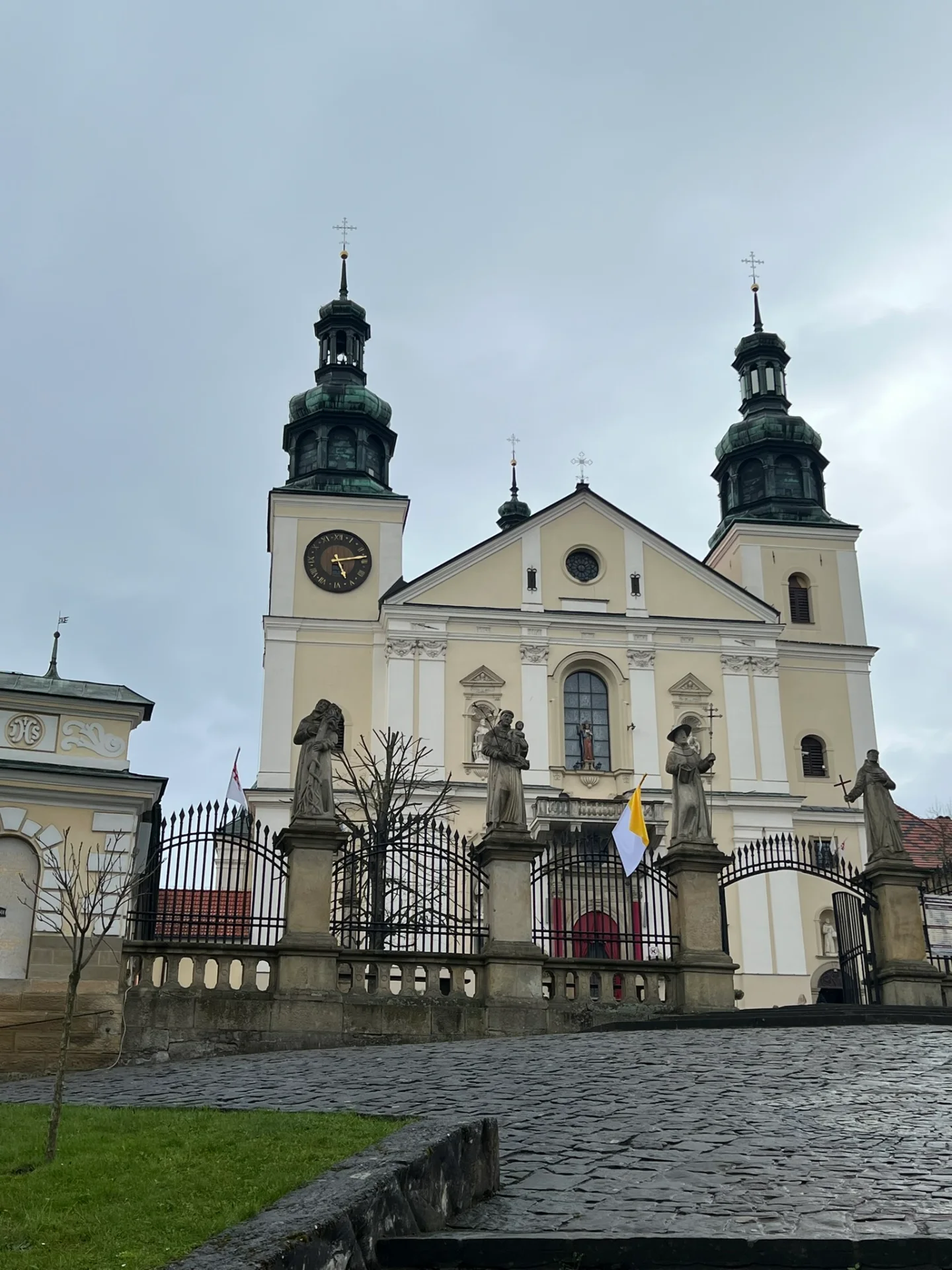
Monasteries & Abbeys
Benedictines, Cistercians, Paulines, Dominicans, Franciscans and other communities shaped learning, settlement, pilgrimage, agriculture and architecture.
Explore religious orders →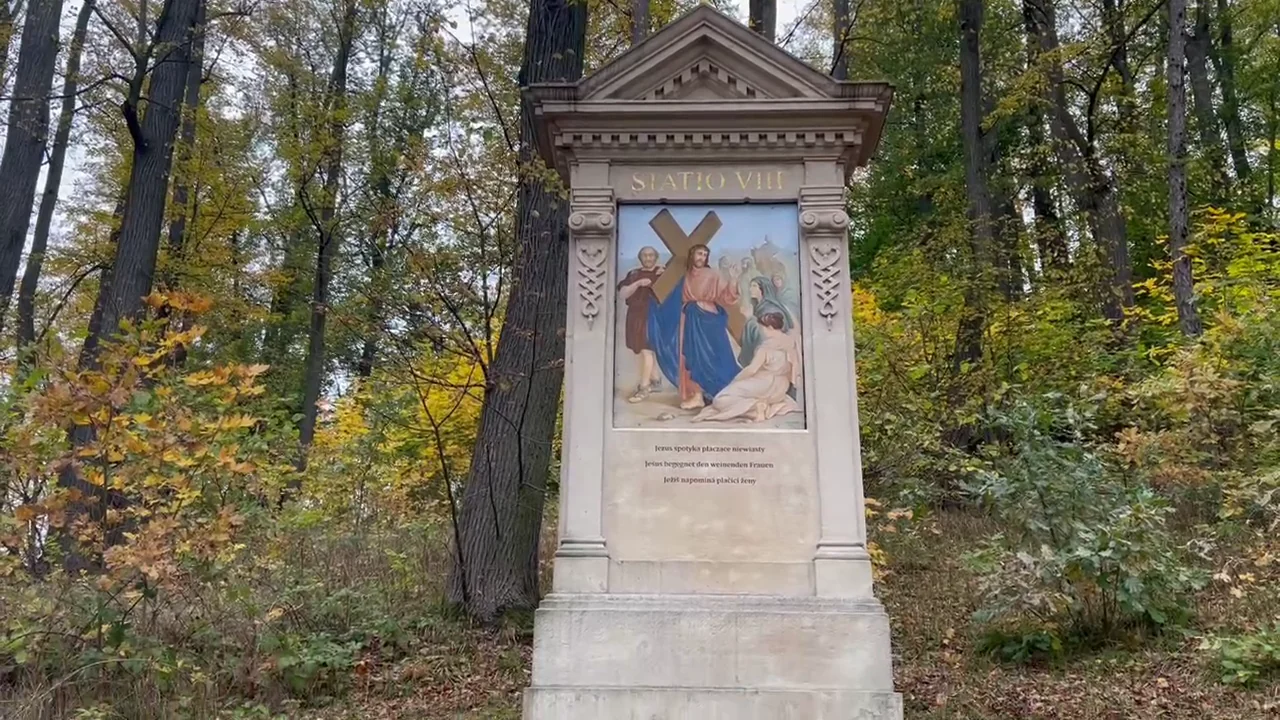
Pilgrimage, Sanctuaries & Sacred Routes
Why do certain places draw pilgrims — and when does the journey become part of the devotion? Explore sanctuaries, calvaries, revered images, votive traditions, the Camino and modern sacred routes.
Follow the pilgrimage story →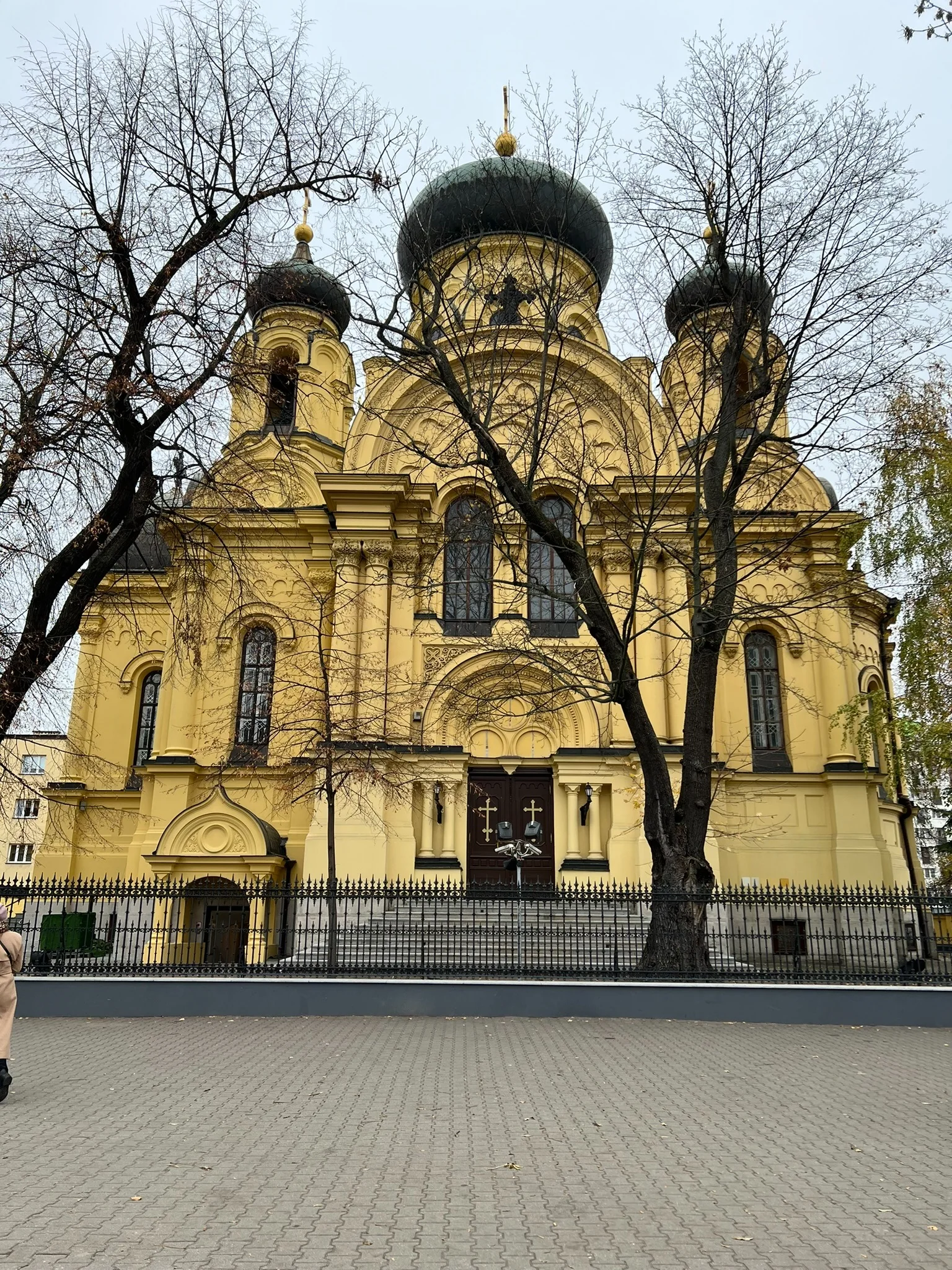
Orthodox & Greek Catholic Heritage
Tserkvas, iconostases, regional traditions and the communities whose history crosses modern borders, displacement and survival.
Enter the Eastern Christian story →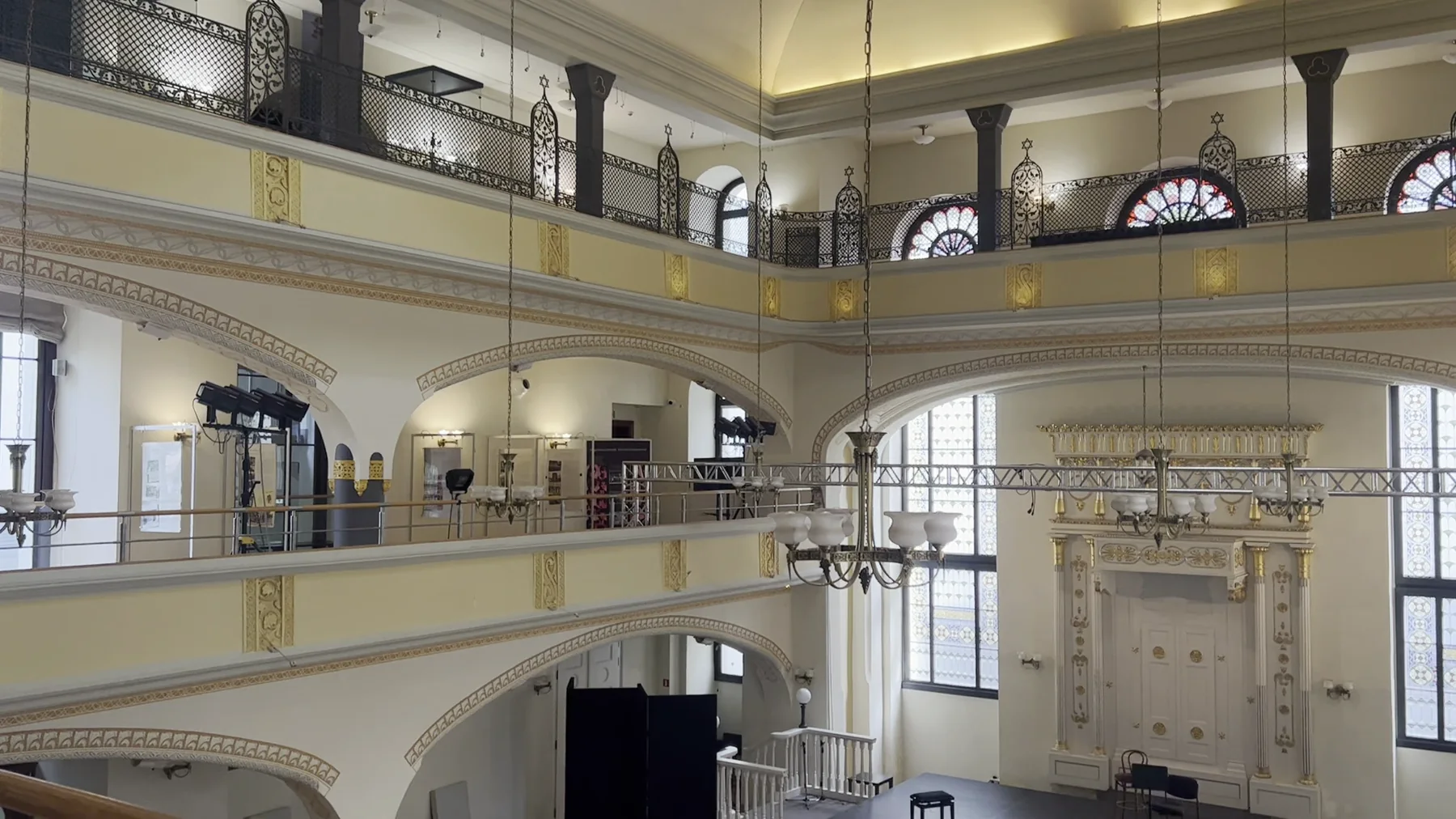
Jewish Sacred Heritage
Synagogues, cemeteries, ritual objects and urban traces reveal a sacred landscape shaped by community, destruction, survival, memory and renewed Jewish life.
Read the Jewish sacred landscape →Muslim & Polish Tatar Heritage
Wooden mosques, mizars and the long story of Lipka Tatars within the Polish-Lithuanian Commonwealth and modern Poland.
Explore Tatar heritage →Before the Churches
Sacred geography did not begin with Christianity. Explore older landscapes, burial places, household practice and the fragmentary evidence for pre-Christian religious life.
Explore pre-Christian sacred places →These are orientation clues, not rigid rules. The deeper page will use photographed Polish examples and explain exceptions, restorations and mixed styles.
Understand the landscape. Then go and explore it.
The Religion section explains what sacred places mean. A future Discover Poland hub will organise the holiest sites, pilgrimage destinations, saint trails and religious heritage by place, route and region.