The Torah ark
The Torah scrolls are kept in the ark, normally placed on the wall oriented toward Jerusalem. It is often one of the most elaborate features of the interior.

Learn to read a sacred landscape where synagogues, cemeteries, museum objects, surviving fragments and active communities tell different parts of the same story.
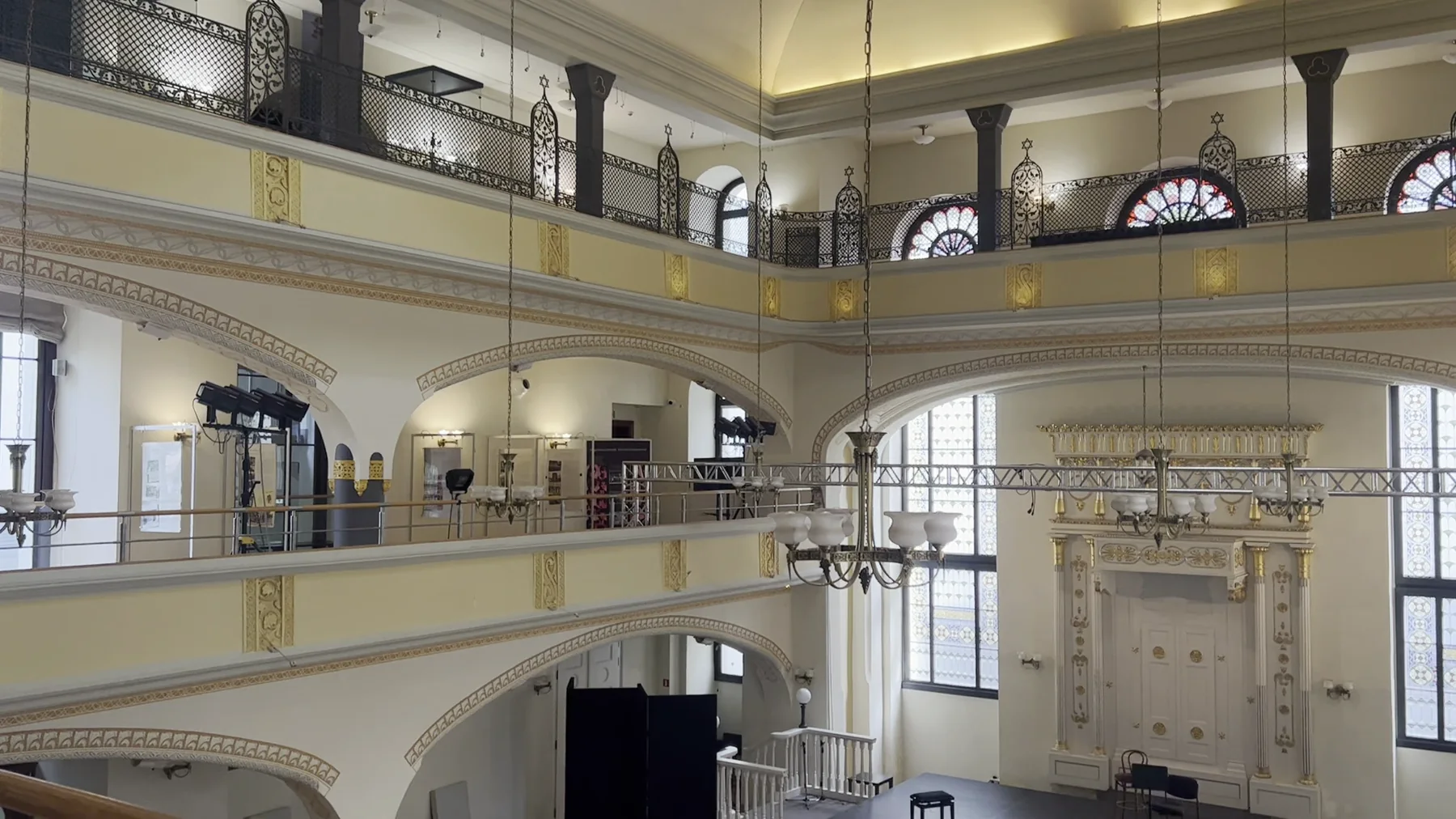
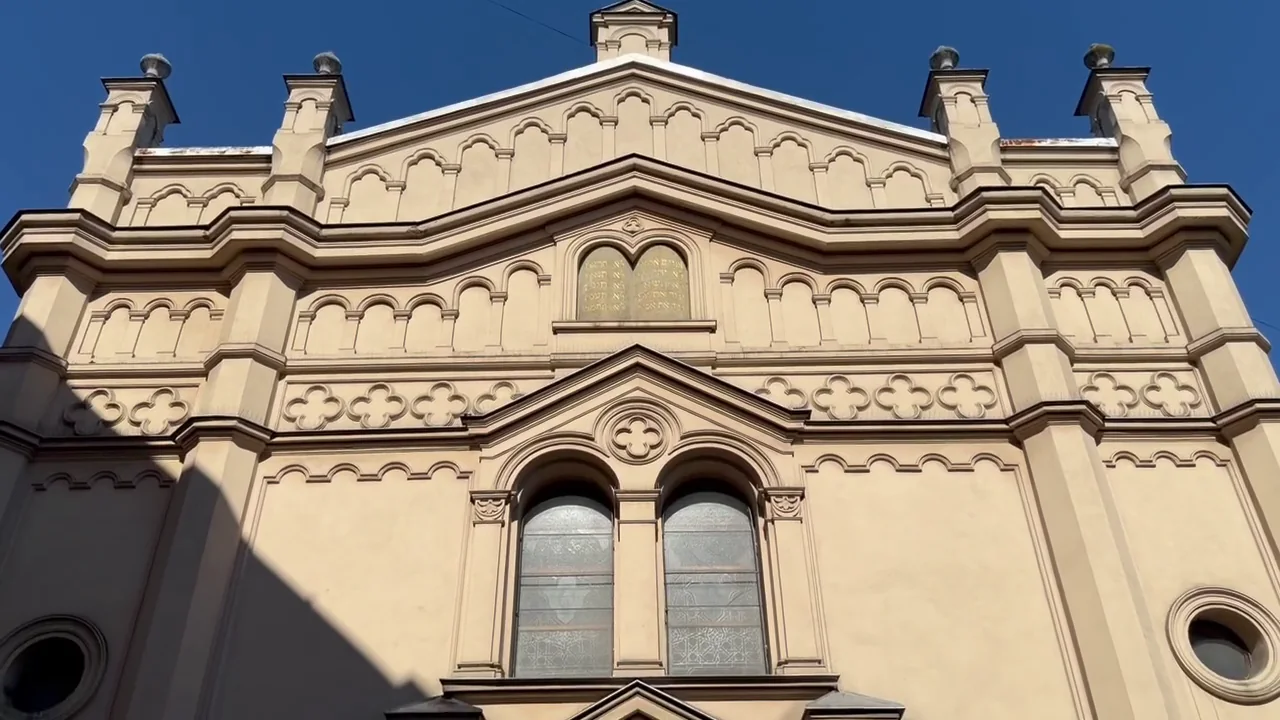
Jewish religious life shaped Polish towns and cities for centuries. Synagogues, prayer houses, cemeteries, schools, ritual baths and community institutions once formed part of the everyday landscape in hundreds of places.
Today, that landscape survives unevenly. Some synagogues remain active. Some have been restored as museums or cultural centres. Some survive only as fragments. In many towns, the Jewish cemetery is one of the clearest physical traces of the community that once lived there.
Sometimes the story is told by a building. Sometimes by a gravestone. Sometimes by an object. And sometimes by an absence.
A synagogue — synagoga is a place of communal prayer, Torah reading, study and gathering. It should not simply be understood as the Jewish equivalent of a Christian church.
Historic Jewish religious life could involve a network of spaces: a major synagogue, smaller prayer houses, houses of study, religious schools, ritual baths and other communal institutions. Older Polish sources may also use the word bożnica for a synagogue.
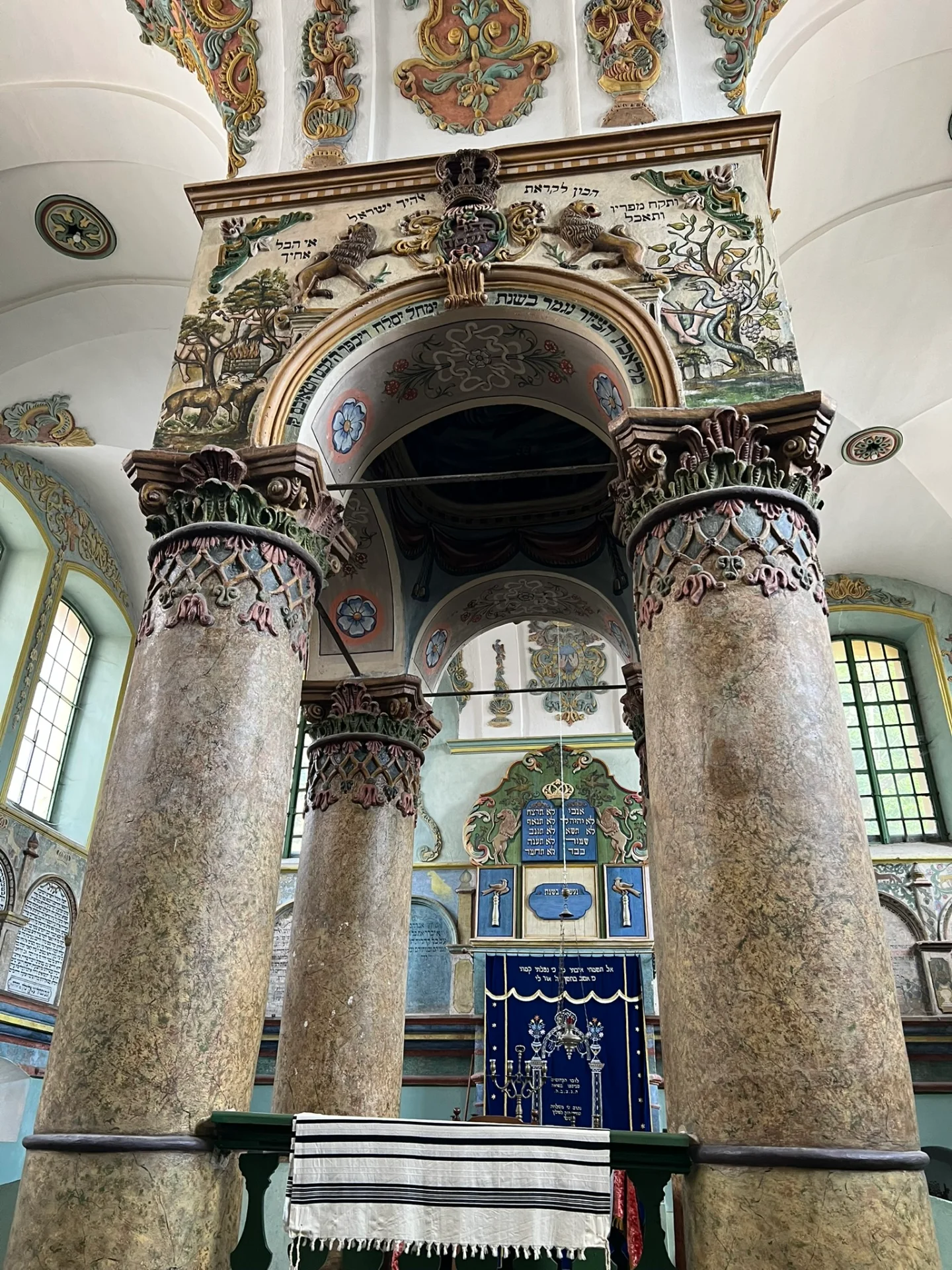
The Torah scrolls are kept in the ark, normally placed on the wall oriented toward Jerusalem. It is often one of the most elaborate features of the interior.
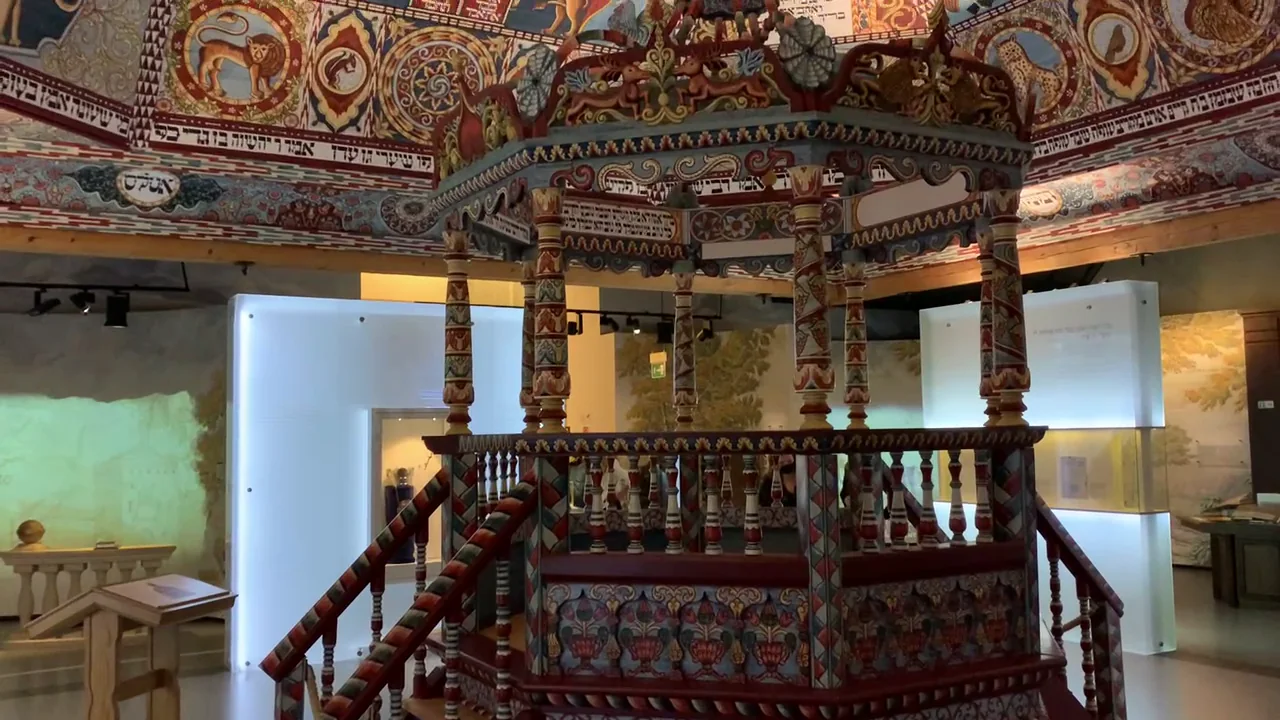
The Torah is read publicly from the bimah. Its position and form vary: there is no single universal synagogue plan.
A textile curtain covers the Torah ark. Ceremonial textiles are an important part of Jewish religious material culture.
Synagogues in the Polish lands appeared in many forms: Renaissance, Baroque, Classical, historicist and Orientalising, modern, and once an extensive tradition of timber construction. Architecture can reveal period, resources, fashion and local context, but appearance alone does not tell you everything about the community that used the building.
Ritual bath used for forms of ritual purification.
House of study, often also used for prayer.
Institution for advanced Jewish religious learning.
Prayer house, often smaller than a principal synagogue.
Jewish cemetery: a sacred burial landscape governed by its own religious traditions.
Education, charity and religious administration helped make Jewish life visible in the urban fabric.
A surviving synagogue building does not necessarily mean that the original congregation survives with it. Historic synagogues in Poland may now function as active houses of prayer, museums, cultural centres, educational sites, monuments or spaces that have passed through several uses.
The White Stork Synagogue in Wrocław is particularly useful because its history includes religious use, wartime disruption, post-war community use, later closure and expropriation, and eventual restoration as both a synagogue and cultural centre.
The present use of a synagogue does not necessarily tell you its full religious history.
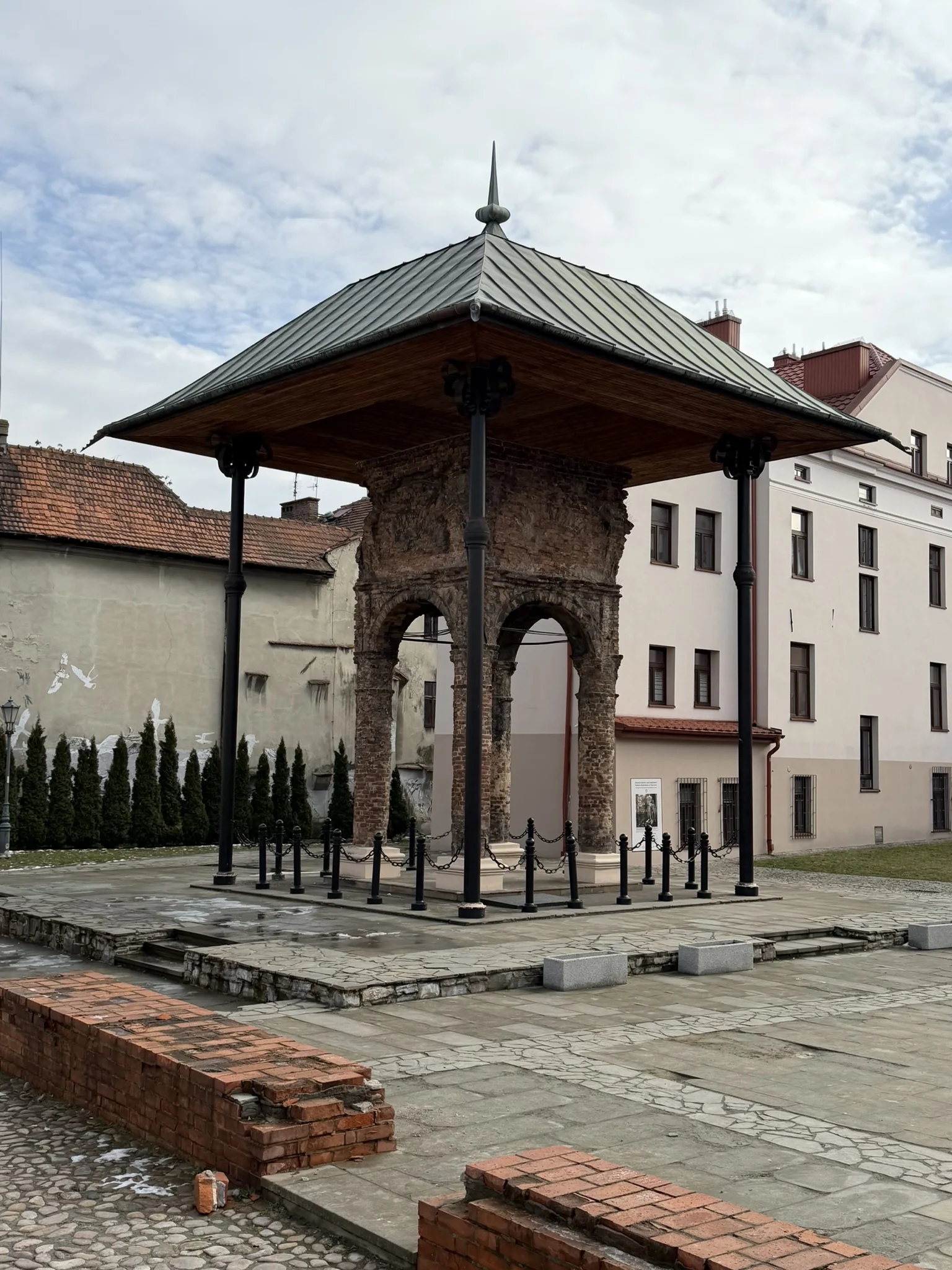
The Old Synagogue in Tarnów was burned during the German occupation and later demolished. Its masonry bimah survived.
That surviving structure once stood at the centre of a much larger prayer space. Today the fragment is preserved within the city as both physical evidence and memorial.
Sometimes the surviving fragment becomes the memorial.
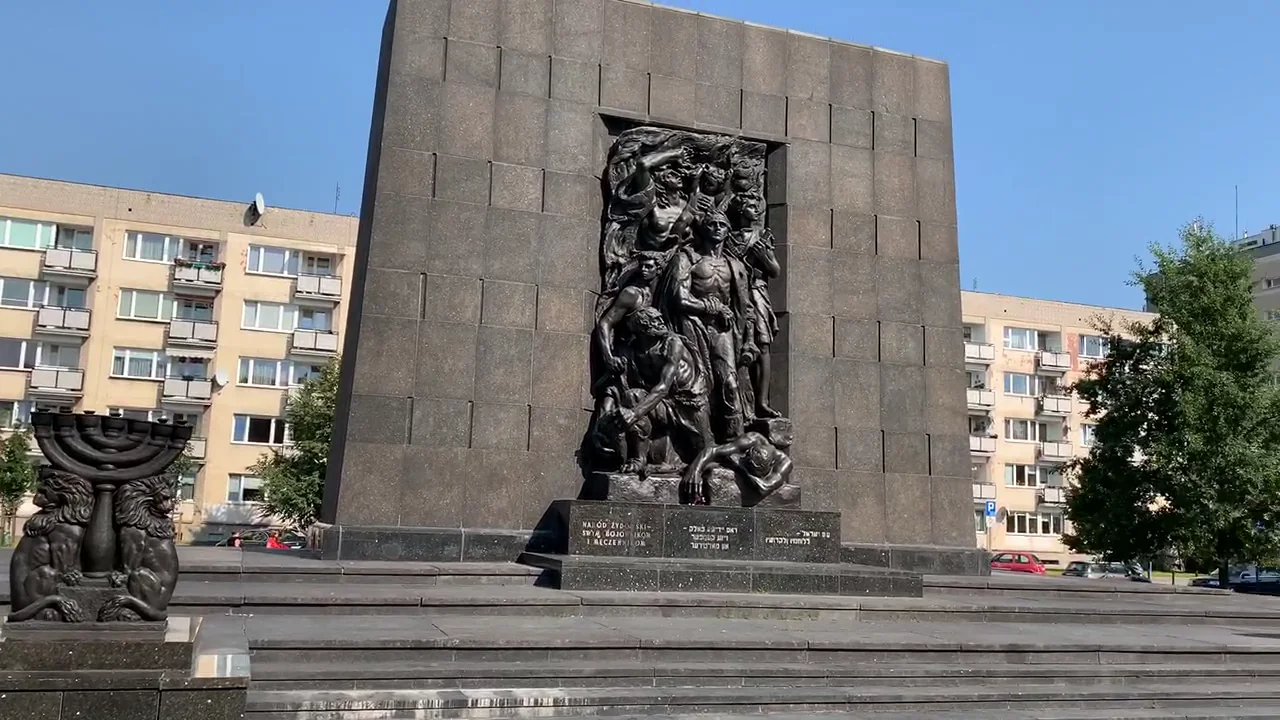
The destruction of Jewish sacred heritage cannot be separated from the destruction of Jewish communities themselves. Under German occupation, synagogues were burned, demolished, desecrated or converted to other uses; religious objects were looted; cemeteries were violated; and the people who created and maintained these places were murdered on an enormous scale.
The Great Synagogue on Tłomackie Street in Warsaw was blown up by German forces on 16 May 1943 after the suppression of the Warsaw Ghetto Uprising. Its destruction was a deliberate symbolic act.
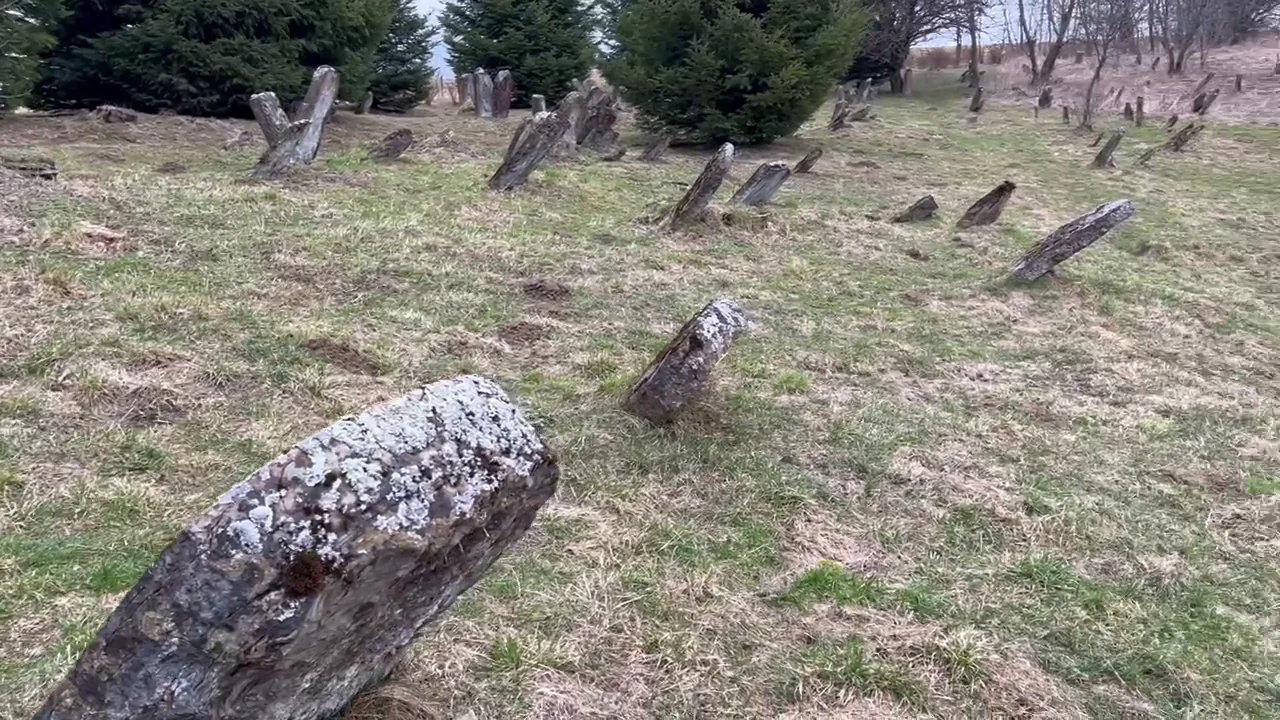
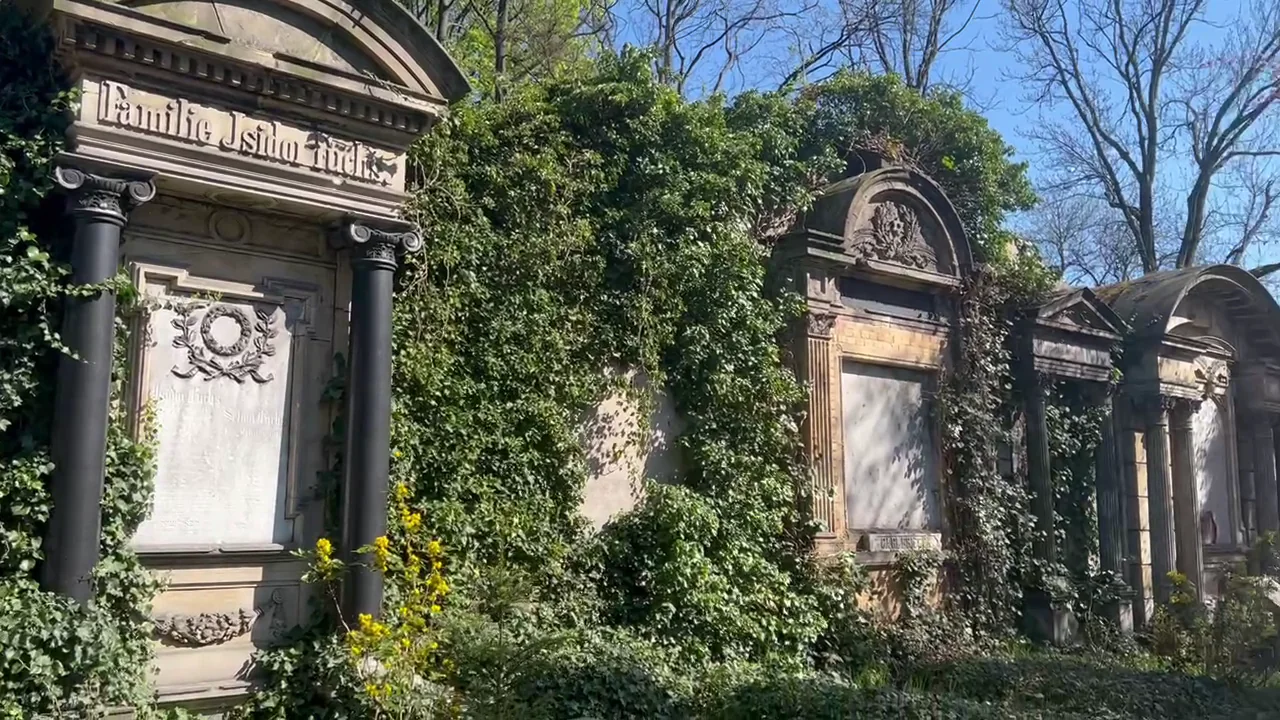
A Jewish cemetery can preserve names, families, religious traditions, languages, social status, artistic styles and evidence of a community that is no longer visibly present in the surrounding town.
The traditional Jewish tombstone is a macewa. Some cemeteries also contain ohels: small structures over the graves of revered religious figures, especially rabbis and Hasidic leaders.
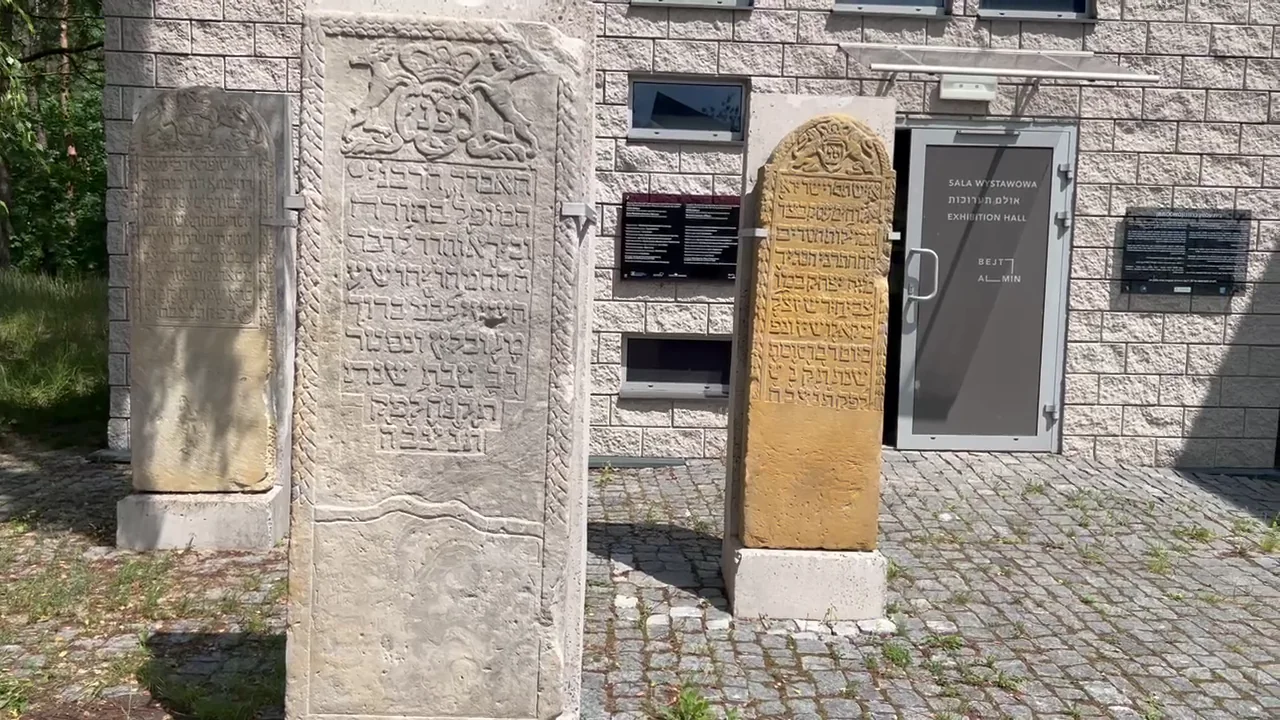
Many Jewish gravestones carry Hebrew inscriptions, sometimes alongside Polish, German, Yiddish or other languages depending on place and period. Symbols may offer clues, but they should be interpreted cautiously.
These are associations, not a foolproof code. The whole inscription and grave context matter.
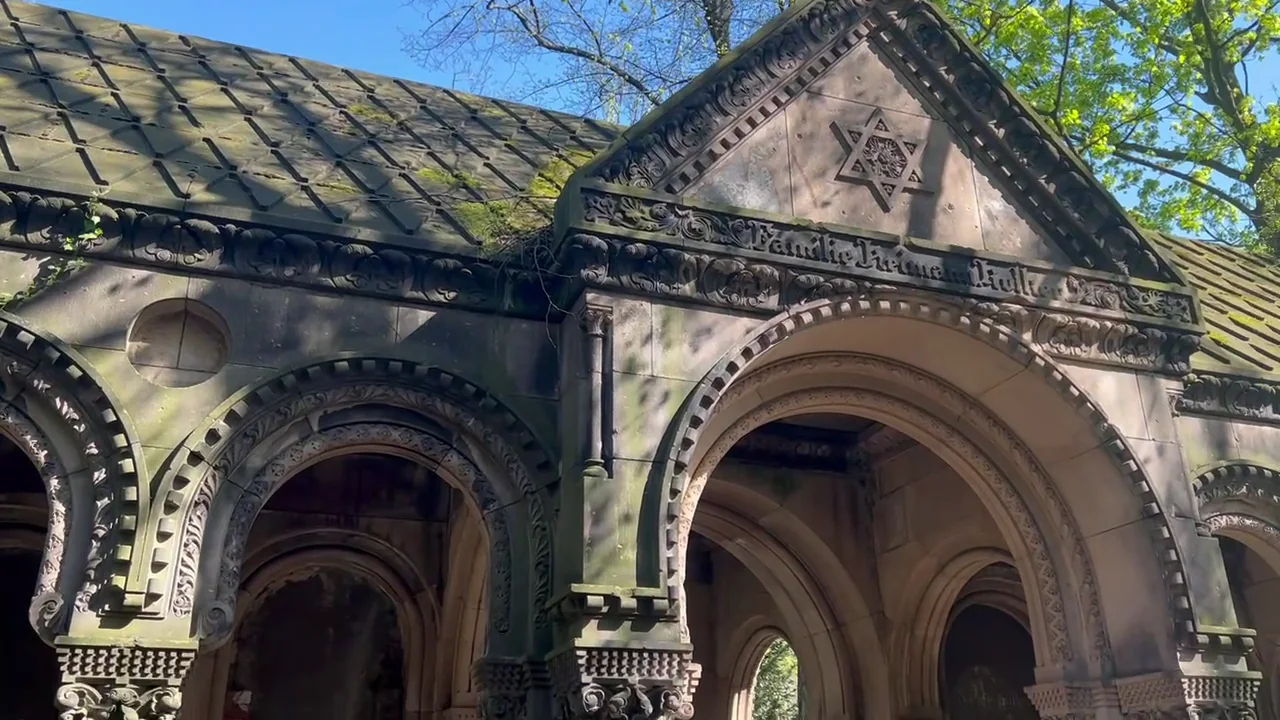
Old Jewish cemeteries can look archaeological: wooded, broken, overgrown or apparently abandoned. They remain burial grounds. Jewish religious tradition places strong importance on the permanence and dignity of graves.
Treat the site as a burial ground, not as abandoned ruins to explore.
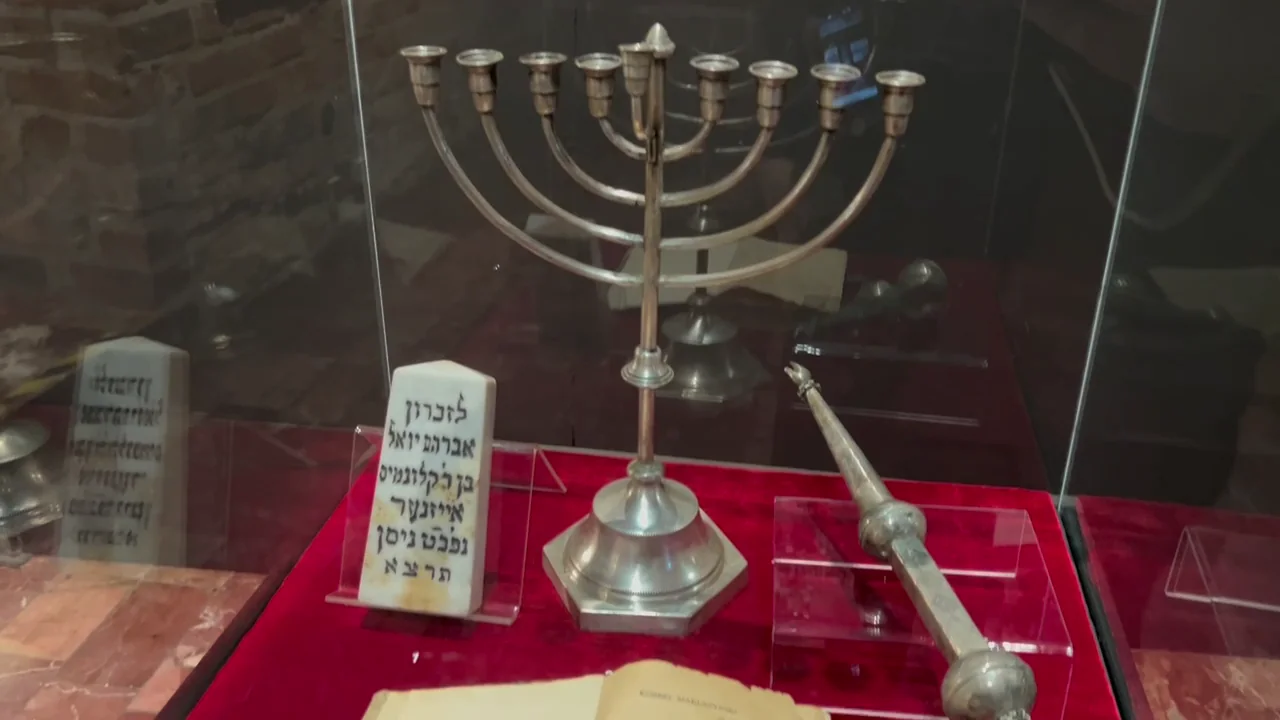
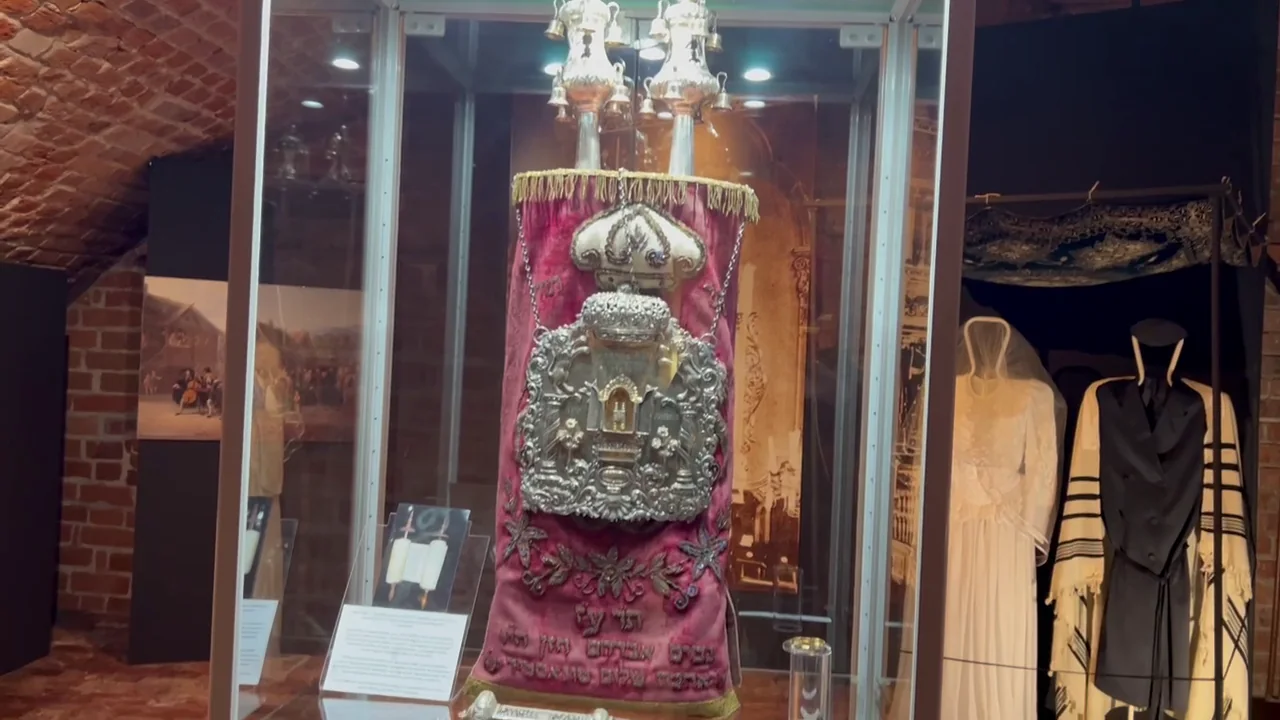
Museums may preserve Torah ornaments, ark curtains, ritual textiles, Hanukkah lamps, kiddush cups, prayer books, mezuzot, washing vessels and synagogue furnishings. These objects should be identified individually before interpretation: they carry specific ritual functions, not merely decorative value.
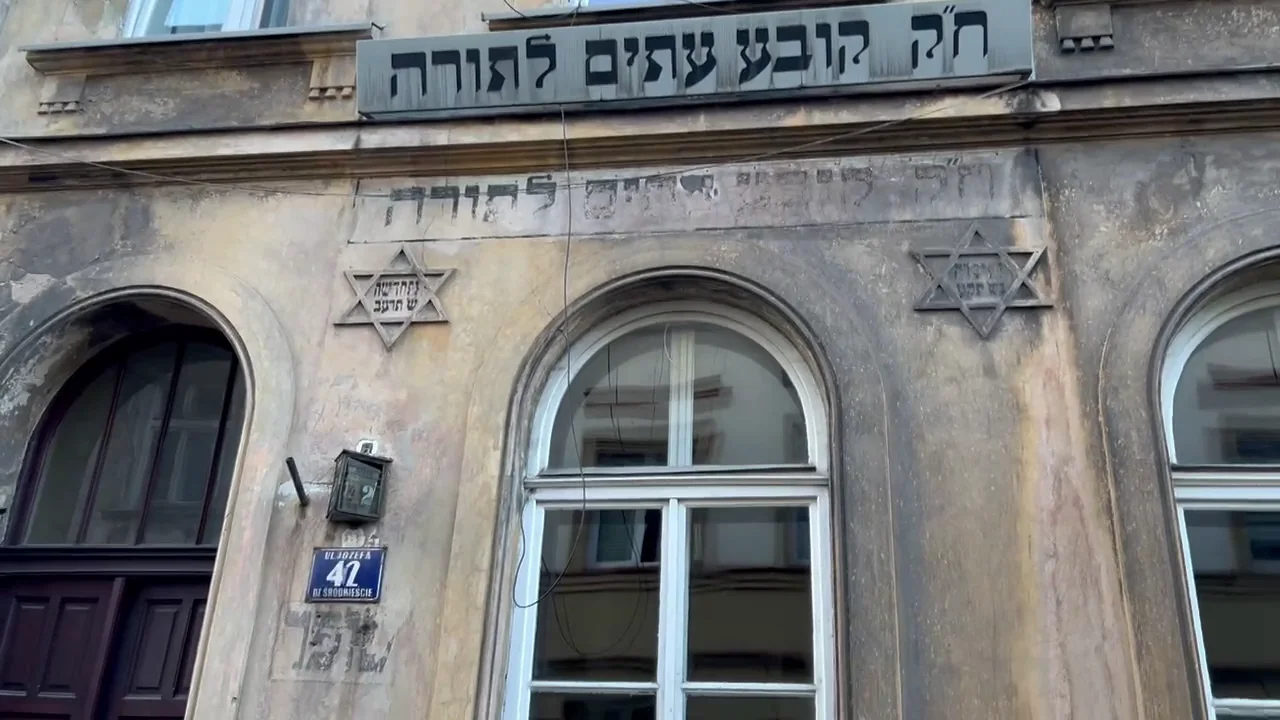
Kazimierz is one of the easiest places in Poland to see several layers of Jewish heritage close together: synagogues, cemeteries, former communal buildings and present-day Jewish cultural life.
But it should not stand in for the whole country. Elsewhere the pattern may be completely different: a restored synagogue, a cemetery, a fragment, a museum collection, or almost nothing visible at all.
Survivors returned after the war. Communities and institutions were rebuilt, though on a vastly smaller scale than before the Holocaust. Further emigration reduced organised Jewish life again, and the antisemitic campaign associated with March 1968 caused another major rupture.
That history is more complicated than a simple sequence of community, Holocaust and disappearance. There were attempts to rebuild, forms of continuity, further disruption and later revival.
Jewish religious and communal life continues in Poland today. Active synagogues, organisations, cultural institutions and religious communities remain part of cities including Warsaw, Kraków and Wrocław.
The scale is dramatically smaller than before the Holocaust, but the distinction matters. A cemetery tells us about the past. A restored synagogue may connect past and present. An active congregation reminds us that the story continues.
Do not turn living people into a vanished civilisation.
Synagogues and cemeteries may now be cared for by Jewish communities, municipalities, museums, foundations, heritage organisations or combinations of them. Restoration can support living religious life, preserve memory, provide education — or do several of these things at once.
Restoration of the building does not automatically mean restoration of the community that created it.
Survival does not automatically mean continued religious use.
They help reconstruct how the prayer space worked.
A museum reconstruction can teach brilliantly, but it is not surviving original fabric.
Look for schools, prayer houses, ritual baths and cemeteries.
Names, languages, symbols and family histories may outlast the surrounding district.
That can reveal whether the place functions as religion, heritage, memory — or all three.
Jewish sacred heritage in Poland is a story of community, destruction, survival, memory, return and absence. Sometimes the most important thing to understand is what remains. Sometimes it is what disappeared. Often it is the relationship between the two.