Church
A specifically Christian church. Depending on context, Kościół can also mean the Church as an institution.

Churches are some of the clearest physical records of Poland's religious, political and social history. Their titles, materials, chapels and later alterations can tell you who built them, how communities worshipped, and how the country changed around them.
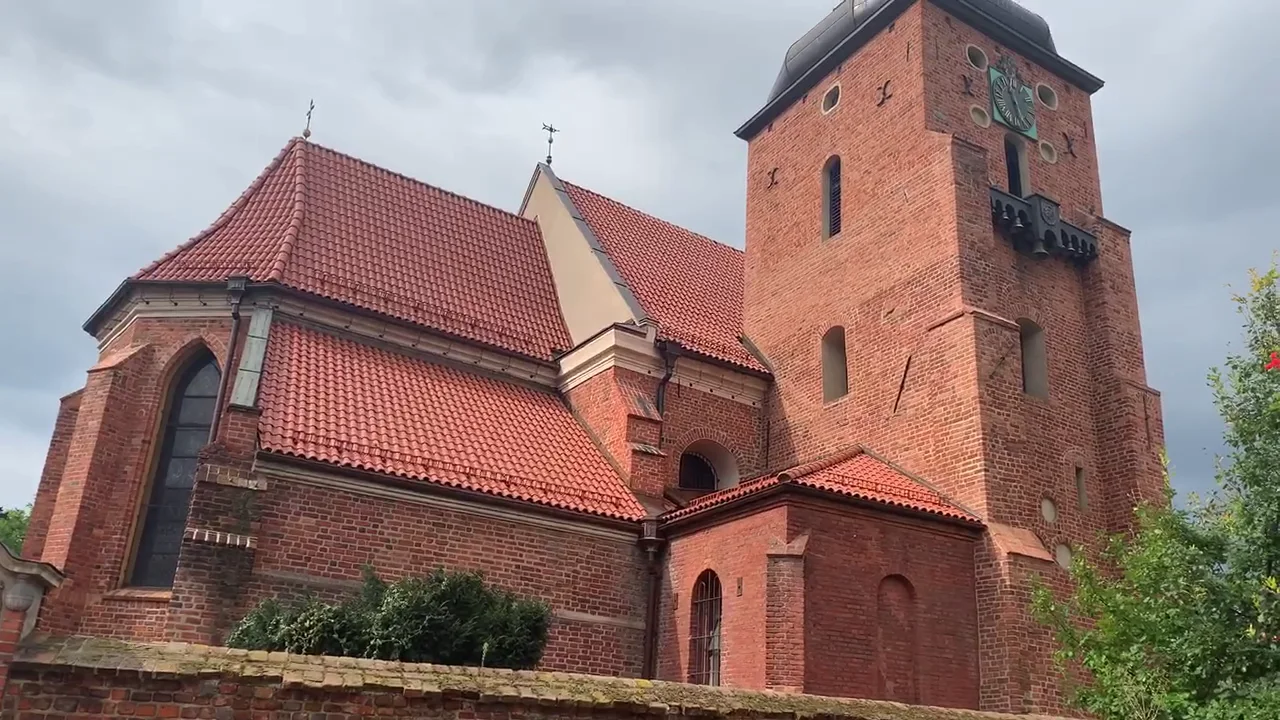
Few building types shape Poland as strongly as the church. Cathedral towers dominate historic skylines, parish churches anchor town centres, and wooden churches remain landmarks in villages and mountain regions.
Their importance goes far beyond Sunday worship. For centuries churches marked baptisms, marriages and funerals; preserved parish records; hosted processions and feast days; carried bells across the surrounding settlement; and accumulated memorials, chapels, tombs and works of art from generation after generation.
To read a church is therefore to read religion, politics, architecture and local memory at the same time.
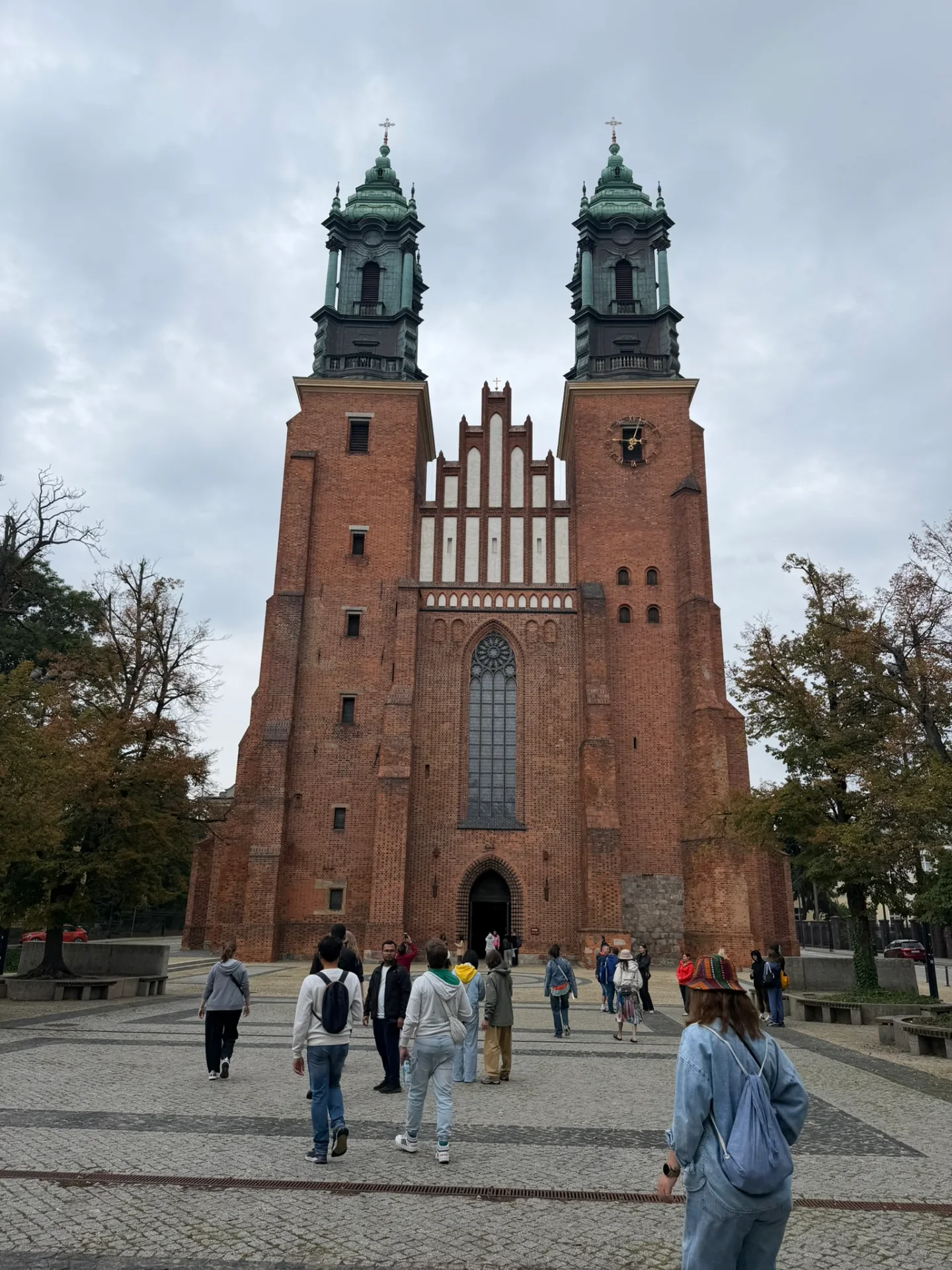
Christian architecture began appearing at the major centres of Piast power soon after the baptism of Mieszko I in 966. Poznań is one of the clearest anchors: a bishopric was established around 968 and the cathedral tradition on Ostrów Tumski reaches back to this first generation of organised Christianity.
The exact chronology of the earliest pre-Romanesque structures is still debated. Some scholars place parts of the monumental basilica later, around the turn of the 11th century, while earlier phases may have included a baptistery or simpler sacred building. Other early Christian structures appeared at centres such as Ostrów Lednicki, Gniezno and Giecz.
Within a generation of Poland's official conversion, Christianity had begun to take permanent architectural form at the centres of royal and episcopal power. Conversion beyond those centres remained much slower and more uneven.
A specifically Christian church. Depending on context, Kościół can also mean the Church as an institution.
A broader word than kościół. It can describe a Christian sacred building as well as the sacred building of another religion.
The bishop's principal church, defined by the presence of the cathedra — the bishop's seat — not by size.
In modern Catholic usage, an honorary ecclesiastical title. A basilica may or may not also be a cathedral.
Historically associated with a chapter of canons. It is not defined by being the bishop's seat.
A smaller sacred space that may be freestanding or form part of a church, cemetery, palace, hospital or monastery.
Usually a recognised centre of special devotion or pilgrimage, often linked to a saint, image, relic or apparition tradition.
The basic territorial community of Catholic religious life, centred on a parish church.
The standard Polish term used for an Orthodox or Greek Catholic church building.
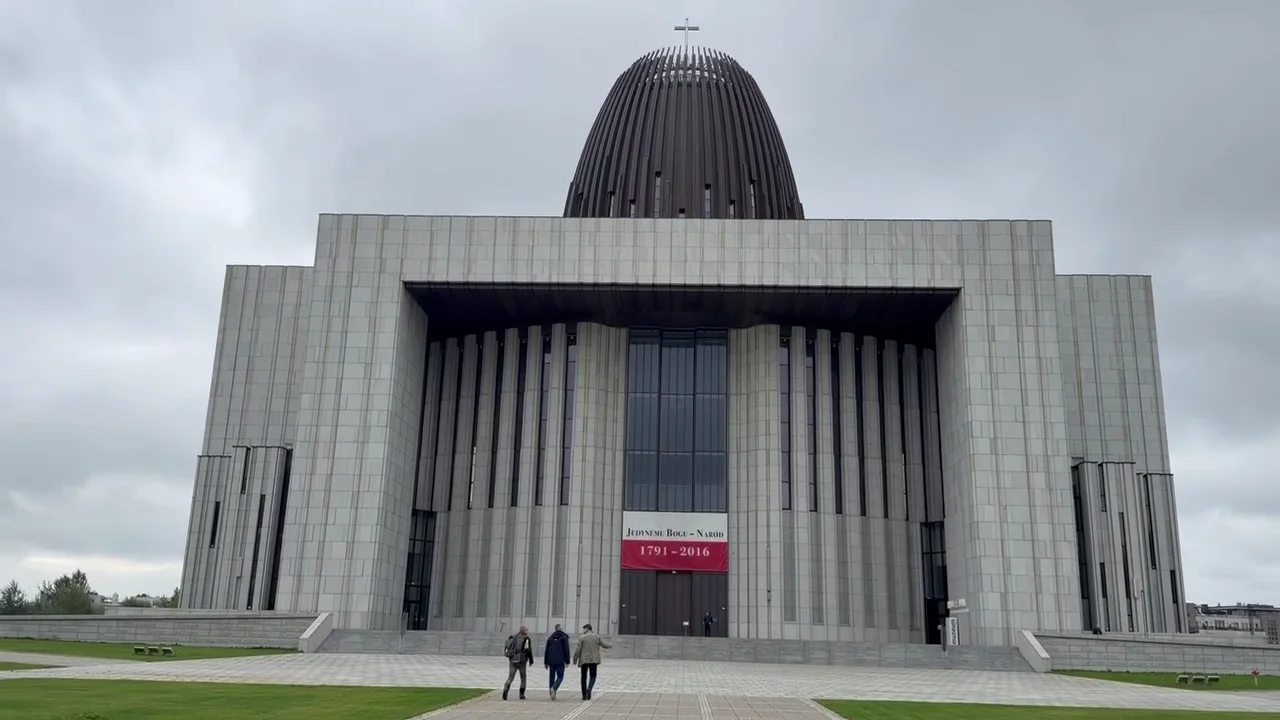
English usually reserves church for Christianity and uses temple more broadly. Polish świątynia is more flexible. That is why Warsaw's Catholic Świątynia Opatrzności Bożej is literally the “Temple of Divine Providence.”
A cathedral is the bishop's principal church because it contains the cathedra. A small cathedral is still a cathedral; a huge church without a bishop's seat is not.
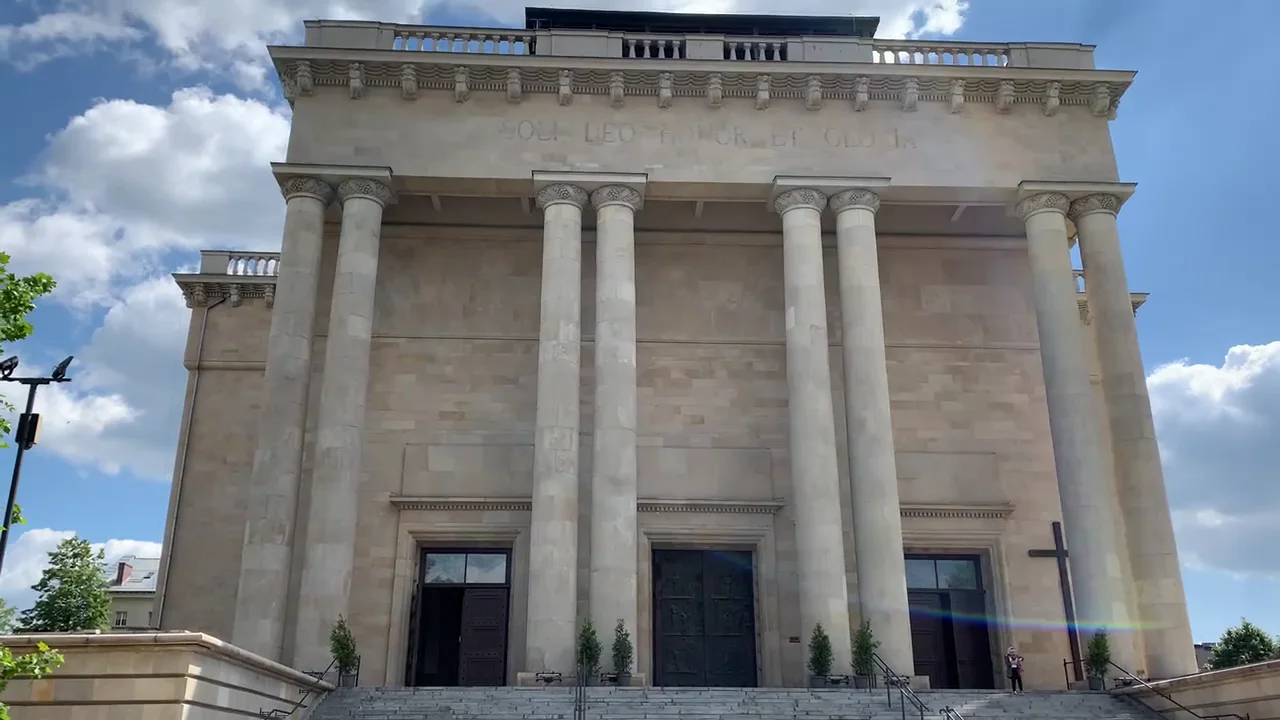
In Catholic usage this is a title or status, not simply a description of size. A church can be both basilica and cathedral.
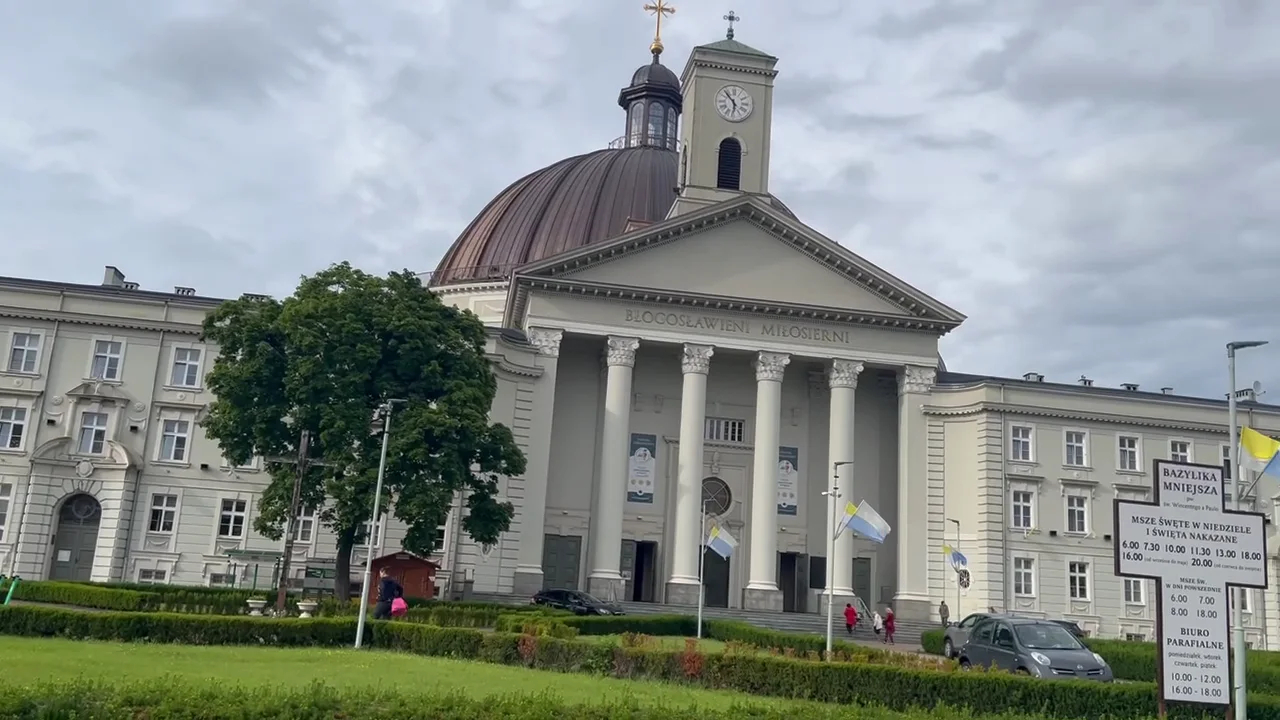
A kolegiata historically has a chapter of canons but is not necessarily a bishop's church. Some are architecturally grand enough to be mistaken for cathedrals.
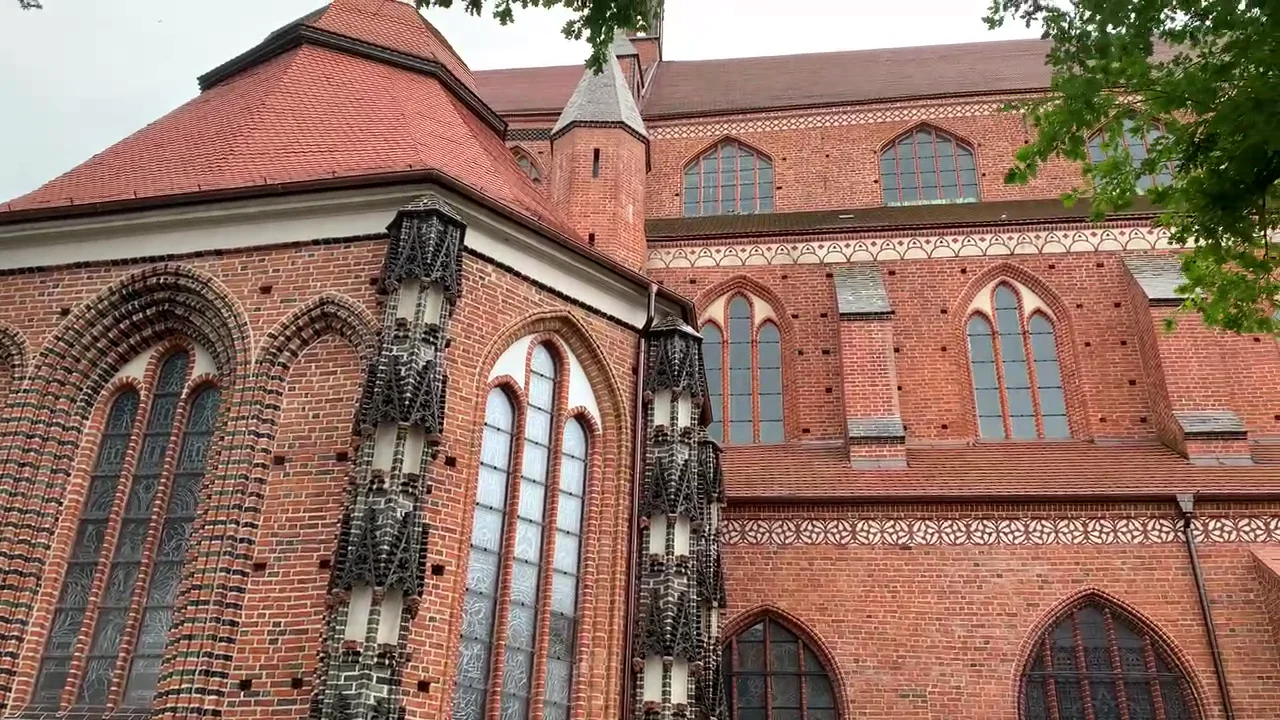
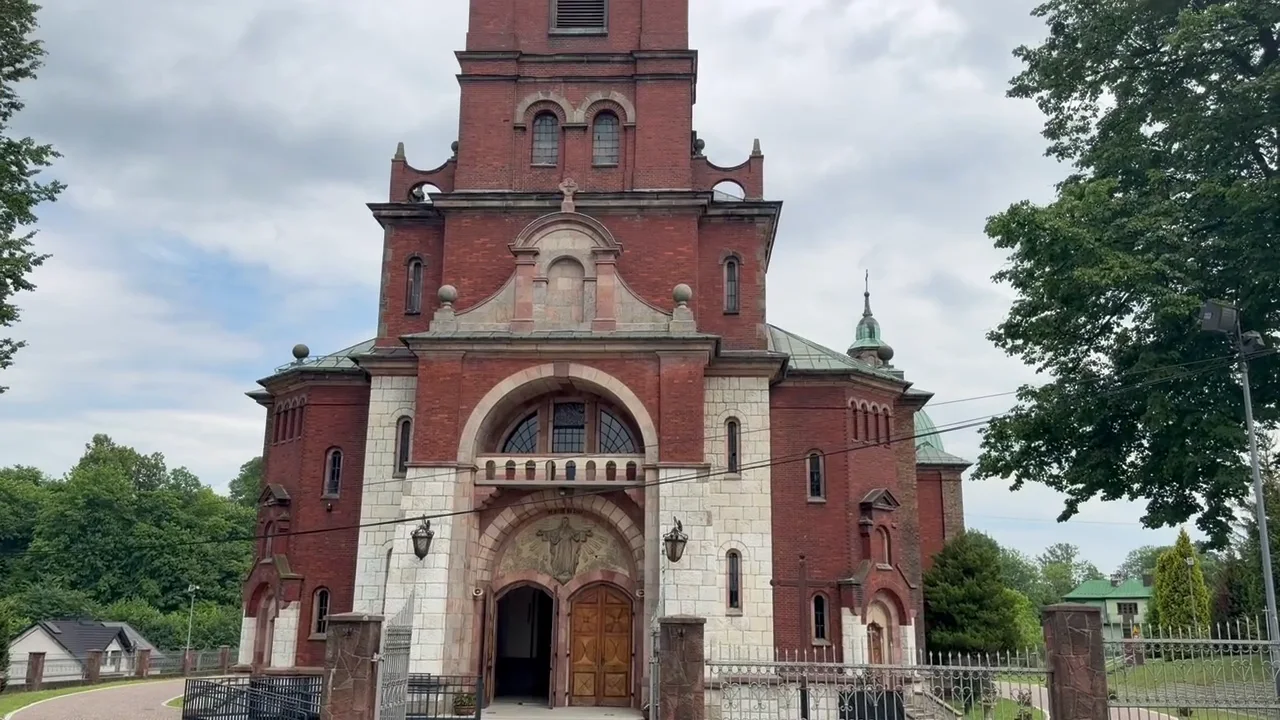
For most people historically, the parish church mattered more than any cathedral. It was the local centre for Mass, baptism, marriage, funerals and the liturgical year.
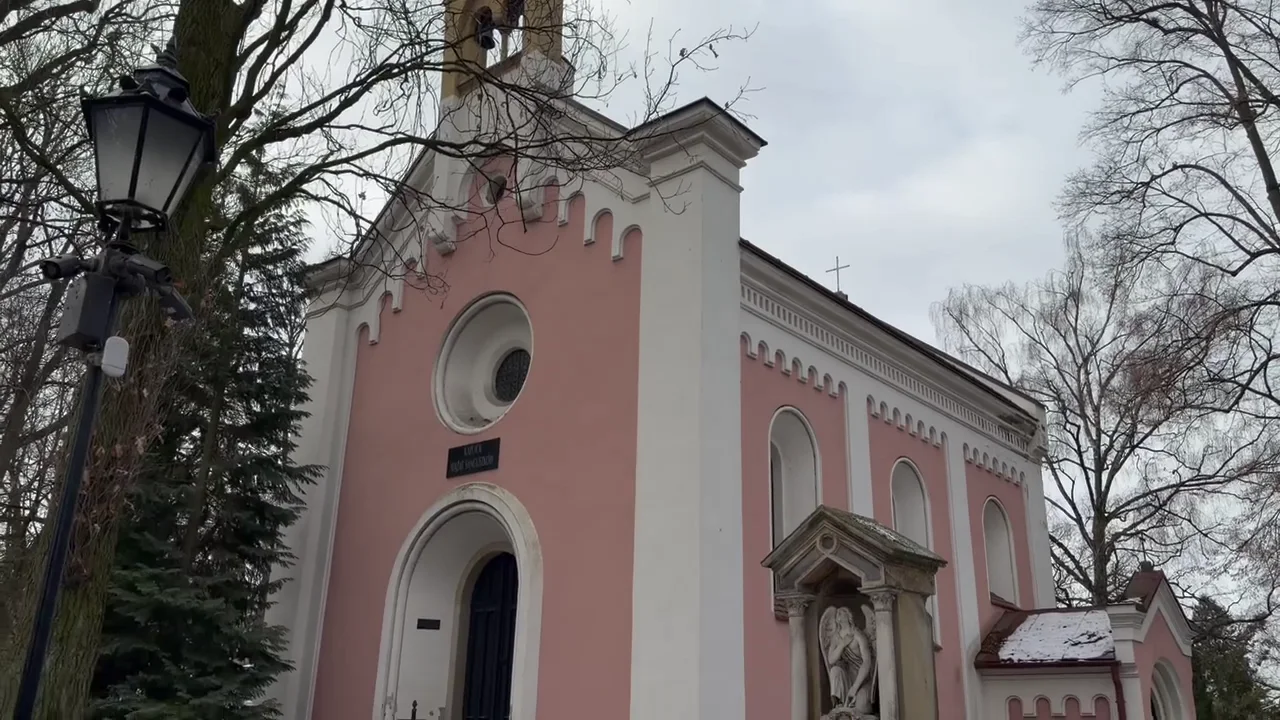
Chapels may stand independently or form part of a larger church. They can serve funerary, devotional, institutional or private functions, and attached chapels often reveal later building phases.
A sanktuarium is a recognised devotional destination, often linked to pilgrimage, a sacred image, saint, relic or apparition tradition.
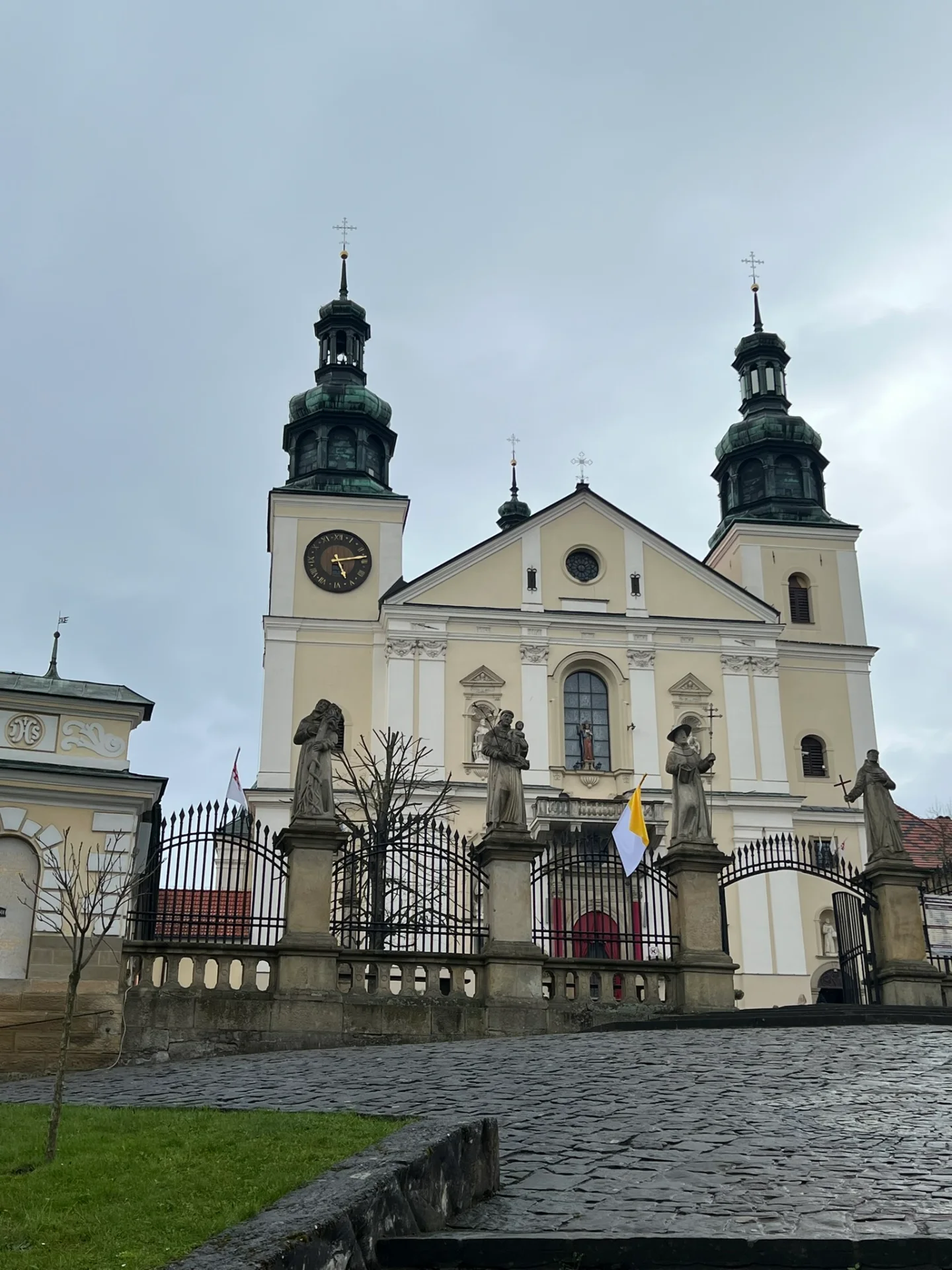
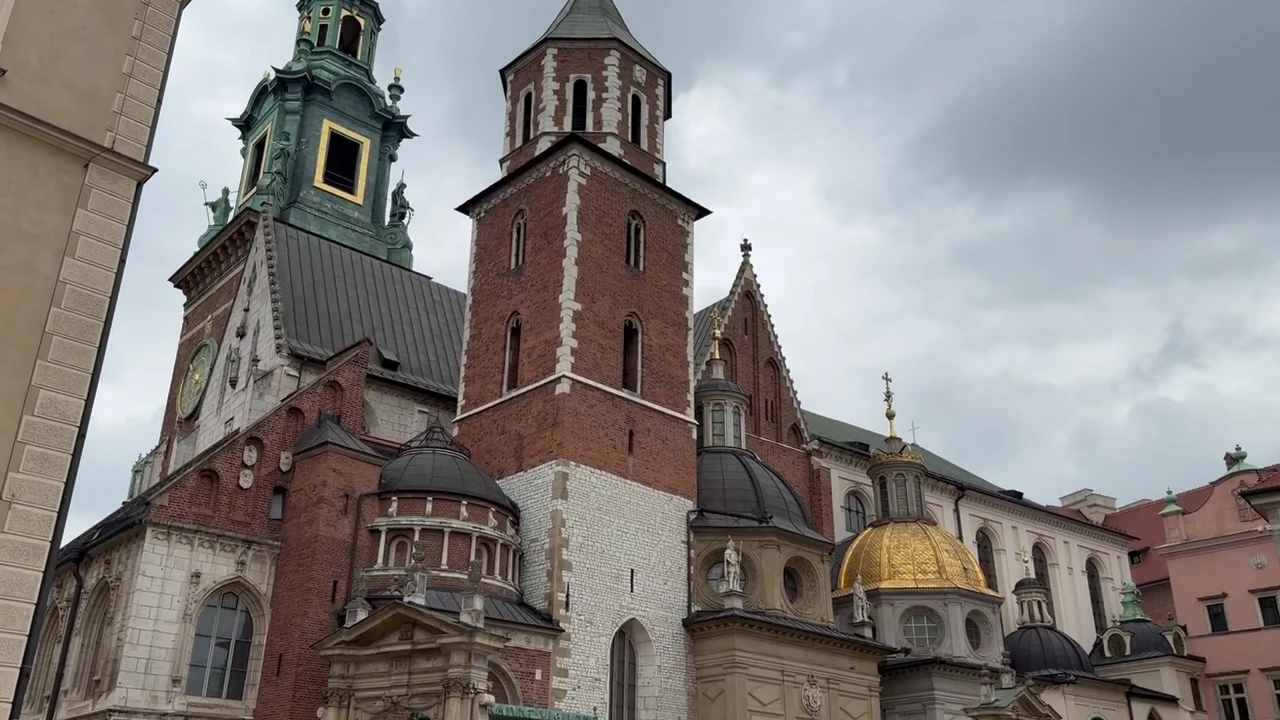
One date rarely explains an old church. A building may contain medieval foundations, Gothic walls, a Renaissance chapel, a Baroque altar, a 19th-century tower, post-war reconstruction and 21st-century conservation.
Poznań Cathedral is a particularly clear historical example: its 10th-century beginnings were followed by Romanesque rebuilding, Gothic transformation, later alterations and modern reconstruction.
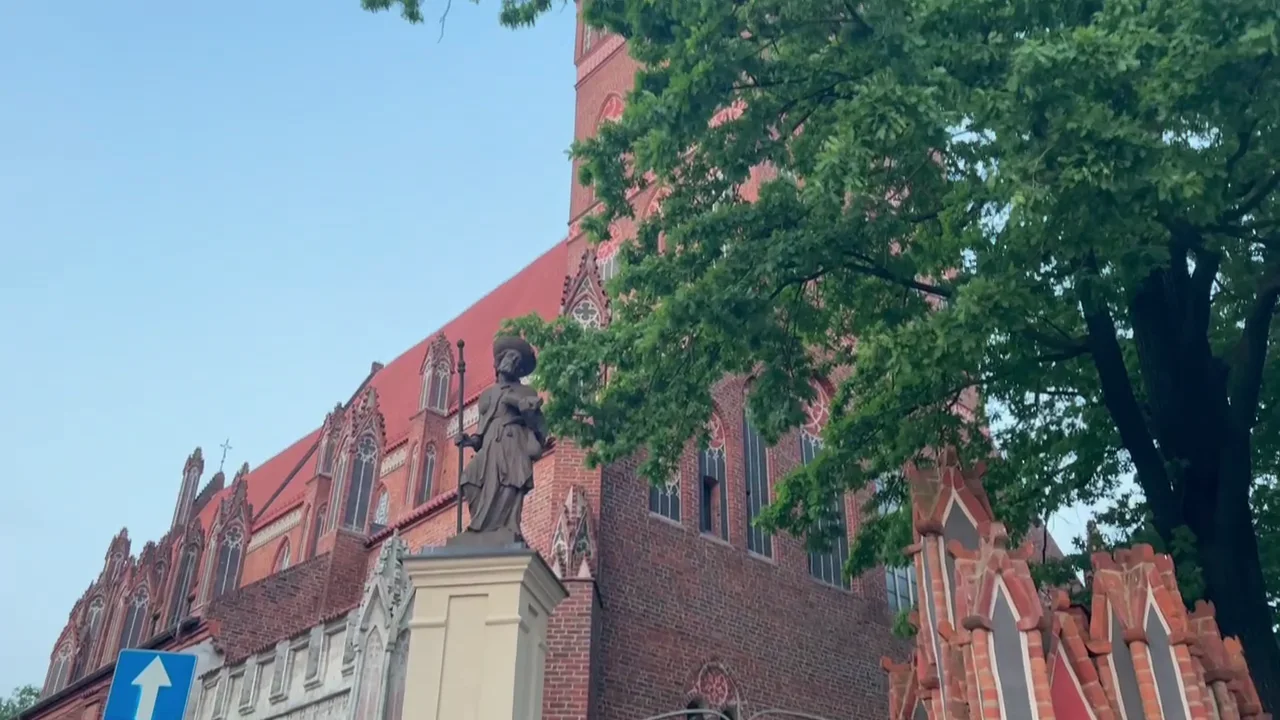
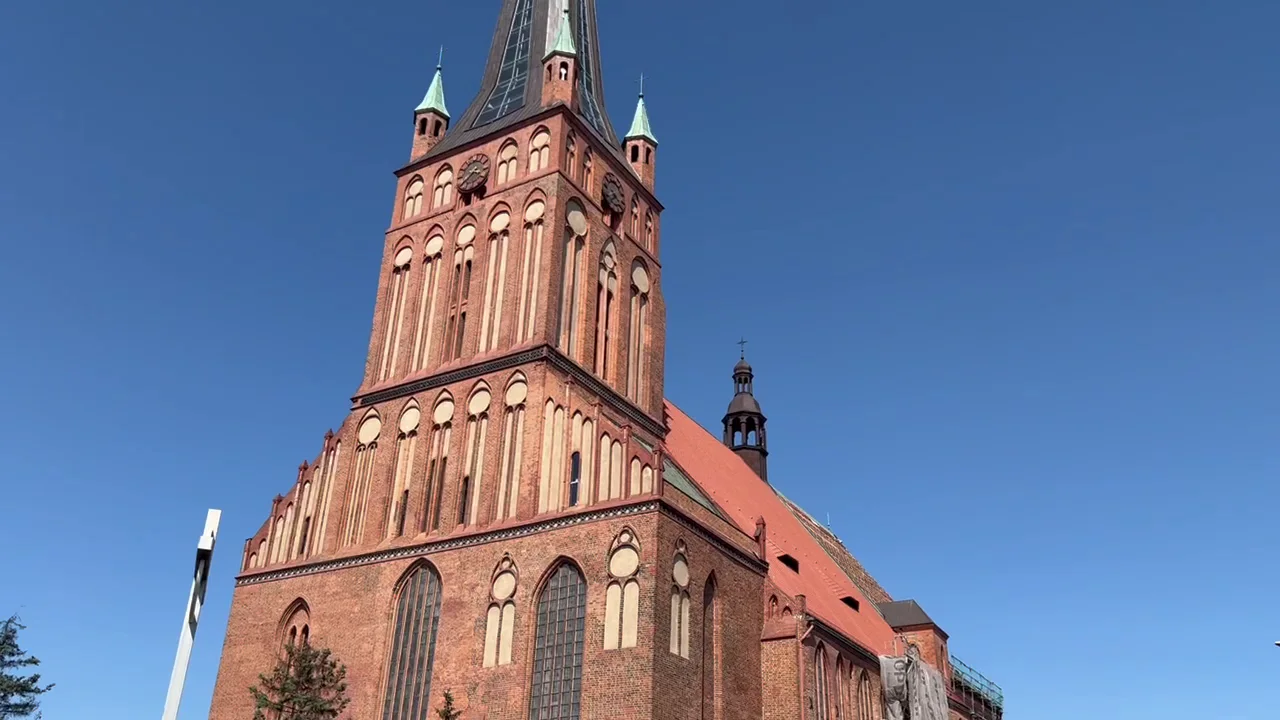
Pomerania, Warmia and former Teutonic lands preserve a distinctive Baltic world of red brick, pointed arches, tall gables and monumental medieval churches.
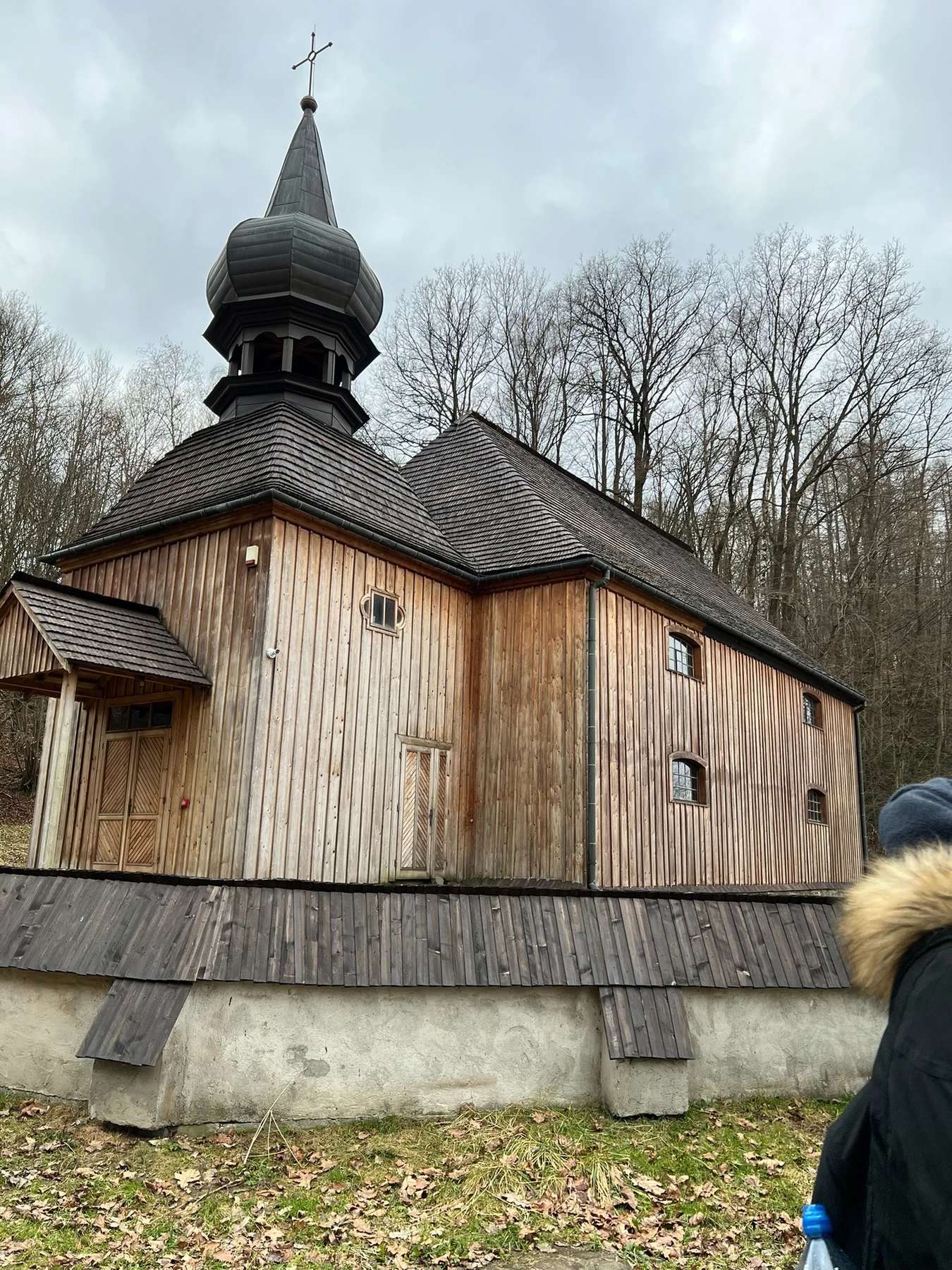
Małopolska and the Carpathian region developed sophisticated wooden Catholic church traditions. Timber was not simply a cheaper substitute for stone.
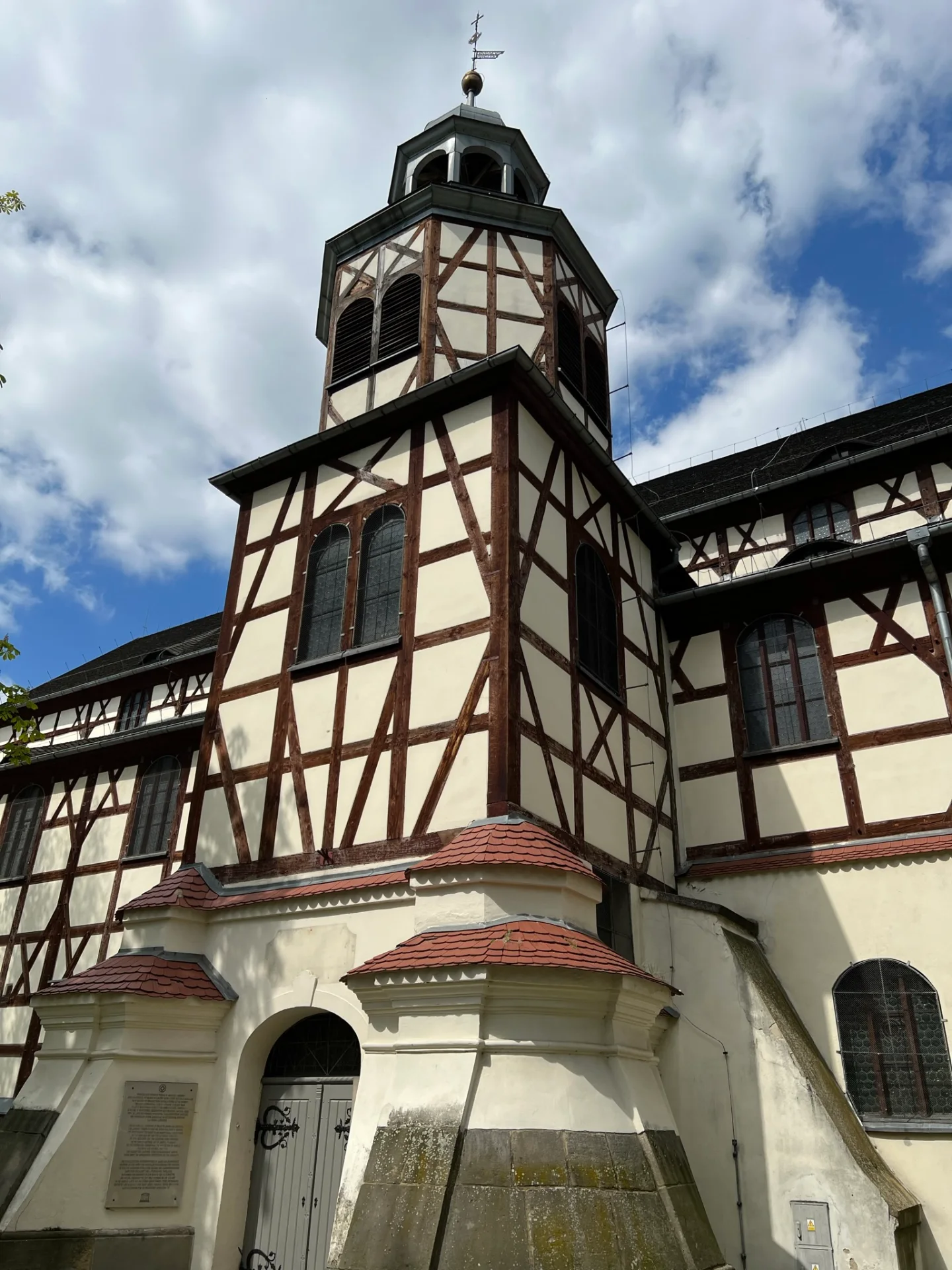
The Churches of Peace at Jawor and Świdnica show how political and religious restrictions after the Thirty Years' War could shape sacred architecture directly.
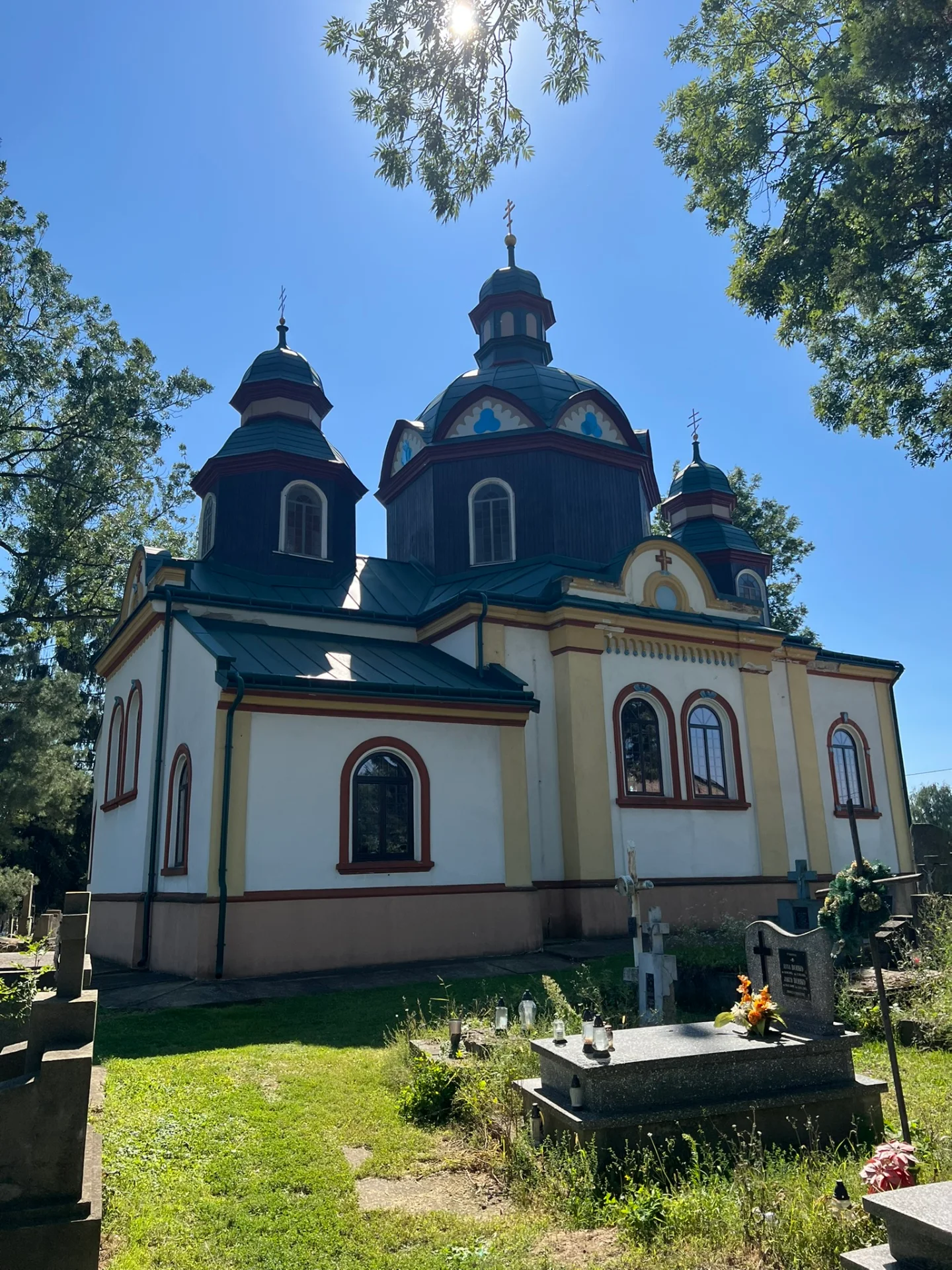
Catholic churches share the landscape with Orthodox and Greek Catholic cerkwie, while Jewish and Tatar heritage adds further layers to the region.
Historically, a parish church could sit at the centre of an entire network of local life. Baptisms, marriages, funerals, feast days, processions and burials all passed through it. Parish books preserved names and family relationships. Bells announced worship, death, celebration and emergency.
The building therefore operated simultaneously as sacred space, landmark, archive, meeting point and soundscape.
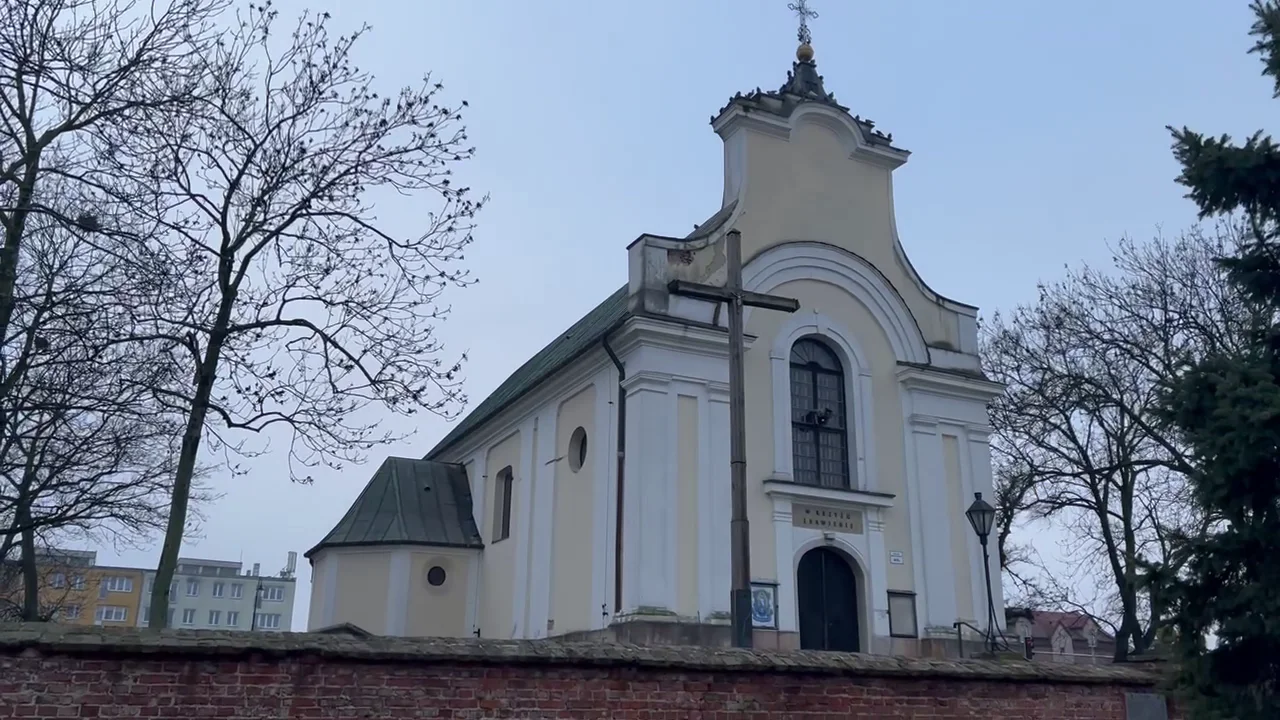
Early Piast rulers supported churches because Christian institutions helped integrate the new state into Latin Christian Europe. Later kings, nobles, bishops and wealthy families used church foundations, chapels, tombs and patronage to express devotion, prestige and dynastic memory.
During the partitions, denomination and architecture could also reveal the political and cultural landscape of a region. In the 20th century war destroyed or damaged many churches; buildings that look medieval today may therefore contain substantial post-war reconstruction.
After 1945, especially in western and northern Poland, population transfers also changed congregations. A church can survive while the community for which it was originally built disappears or changes denomination.
Church construction under the communist state could become politically sensitive. Permits were delayed or refused, building materials could be difficult to obtain, and some communities spent years negotiating for permission to build.
Restrictions did not mean church construction stopped. Roughly 3,000 churches were ultimately built between 1945 and 1989, with a marked acceleration in the later decades of the period.
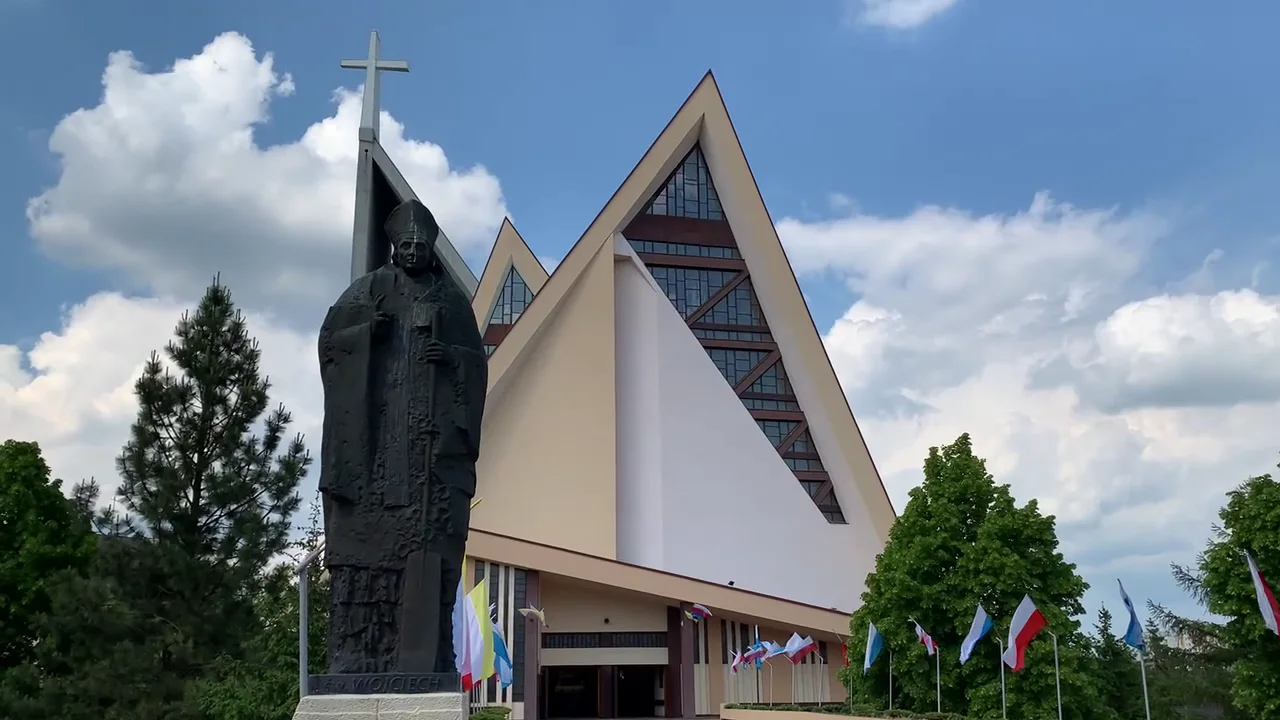
The result is a paradoxical architectural legacy: many communities faced obstruction, yet communist-era Poland produced a substantial body of new sacred architecture. A modern church can therefore record political negotiation as clearly as architectural fashion.
Do we mean church buildings, parishes, chapels, functioning places of worship, Catholic sites only, or protected monuments? Different datasets count different things, so every number needs a date and a definition.
These totals change as parishes are created or merged and buildings are consecrated, closed, demolished, restored or transferred to new uses.
Poland's sacred landscape also includes Orthodox, Greek Catholic, Lutheran and other Protestant churches. Some buildings changed denomination as borders and populations moved.
That is especially important in western and northern Poland, where the congregation using a church today may not be the community that originally built it.
The building survives. Its social meaning changes.
Church, cathedral, basilica, collegiate church, chapel or sanctuary?
And which parts are actually from that period?
A ruler, bishop, religious order, parish or private patron?
Look for new chapels, towers, altars, fire damage and reconstruction.
The present congregation may not be the community that originally built it.
This page explains the institution. The connected pages take you into architecture, monastic life, pilgrimage and the places themselves.