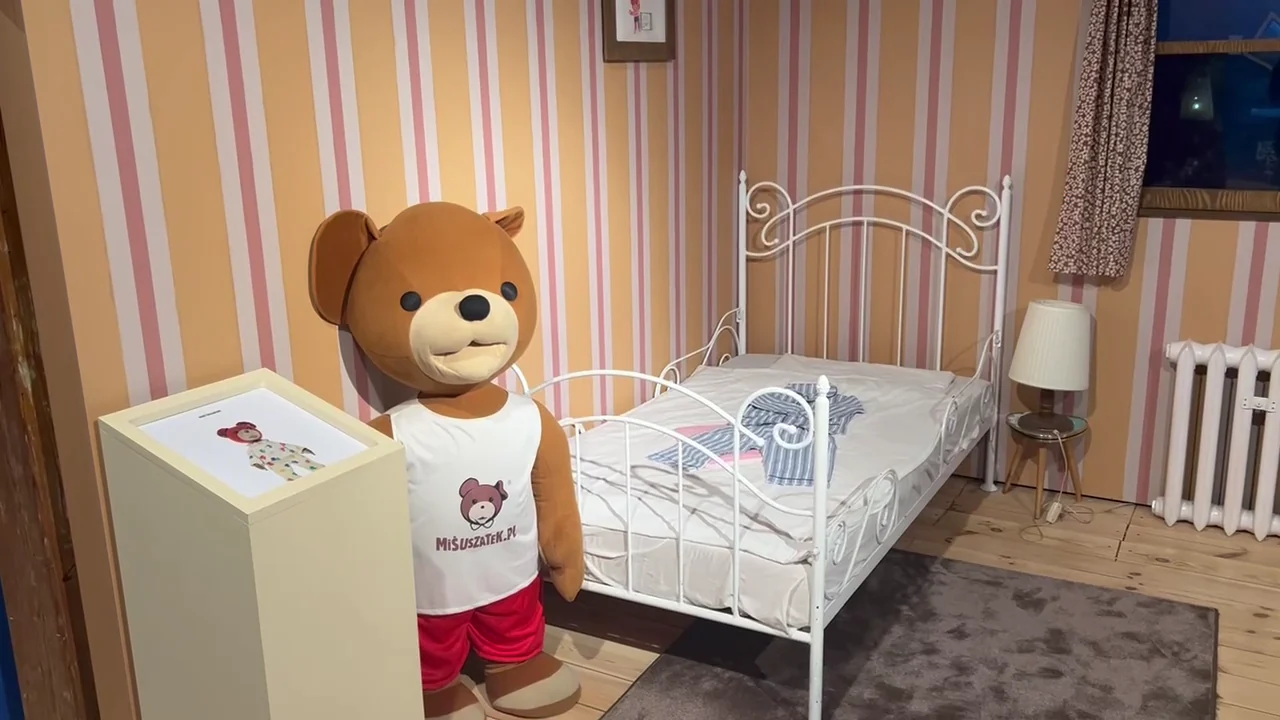
Wojtek the Soldier Bear
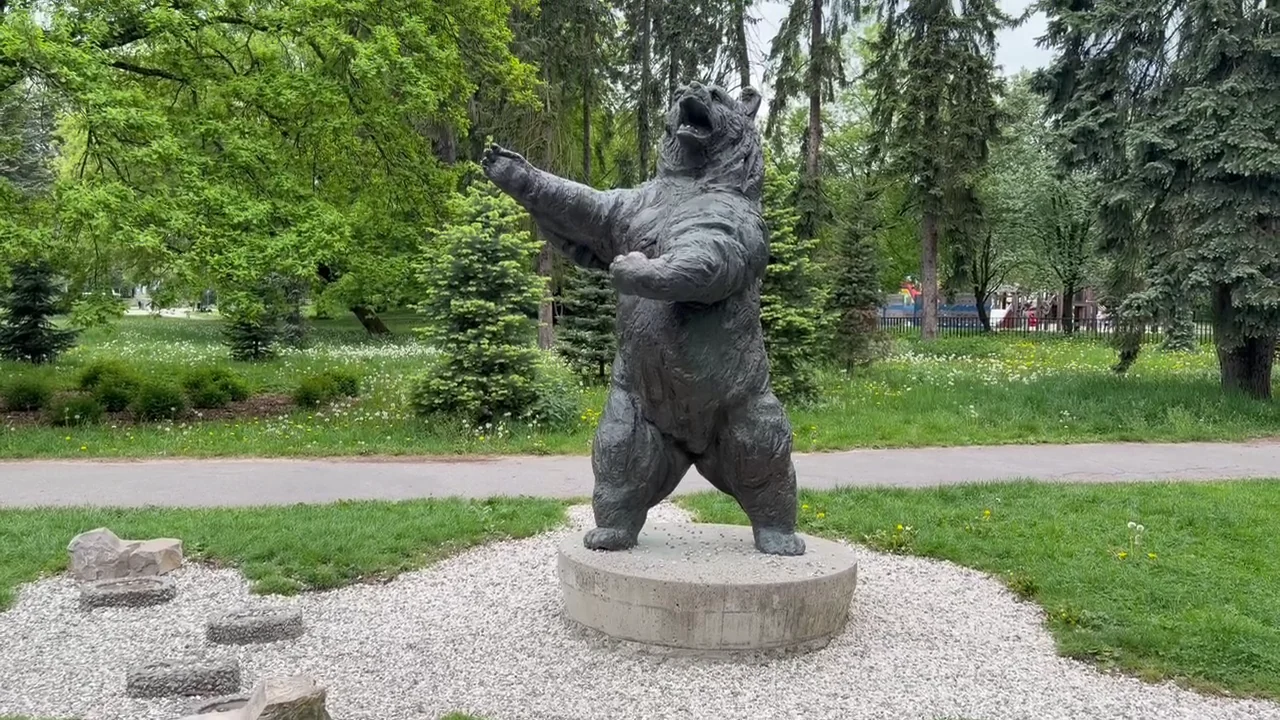
Adopted by Polish soldiers in Iran in 1942, Wojtek accompanied the 22nd Artillery Supply Company. Veterans remembered his involvement with ammunition at Monte Cassino; the details are part of the unit’s treasured tradition.
From a bear who marched with soldiers to a cat who became a tourist attraction; from vanished aurochs to the mighty bóbr. Meet the creatures that became heroes, symbols, legends and unlikely celebrities.
This is not a field guide. It is a journey through the animals that people in Poland have remembered, protected, loved, imagined — and occasionally turned into memes. Historical accounts and legends are clearly distinguished, and the connections lead you to real Polish places.
Companions in war, royal forests, and stories that shaped historical memory.

Adopted by Polish soldiers in Iran in 1942, Wojtek accompanied the 22nd Artillery Supply Company. Veterans remembered his involvement with ammunition at Monte Cassino; the details are part of the unit’s treasured tradition.
A polar bear mascot who travelled with Polish troops from northern Russia through Scotland to Poland. Her famous salute to Piłsudski belongs to stories told about her, rather than established military record.

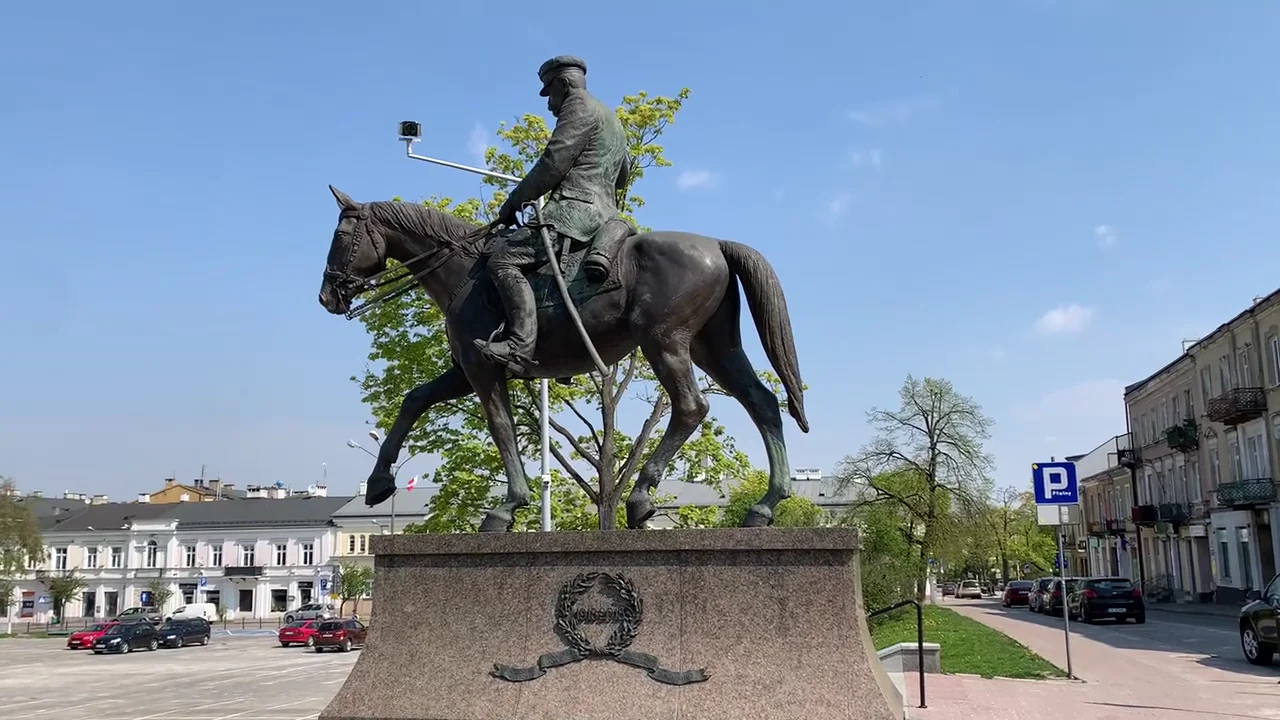
Józef Piłsudski’s beloved mare became one of the most recognisable horses in Polish history. She accompanied him during the Legions period and appears in iconic paintings and photographs.
Mascot of Polish No. 305 Bomber Squadron. Stories of his flying gear and trips aboard Wellington aircraft survive in squadron tradition, although operational combat missions are not securely documented.
The last widely recorded aurochs died in 1627 near Jaktórów, in the royal forests of Mazovia. An extraordinary local chapter in the history of extinction and the limits of early wildlife protection.
The 1939 charge at Krojanty was directed at German infantry, not tanks. The legend of horsemen charging armour hid a more complicated and human story of Polish cavalry.

Under German occupation, Jan and Antonina Żabiński sheltered Jews using their villa and zoo grounds. The zoo’s animals, wartime losses and survival belong to this story of courage.
Loyal companions and unlikely celebrities who captured public affection.

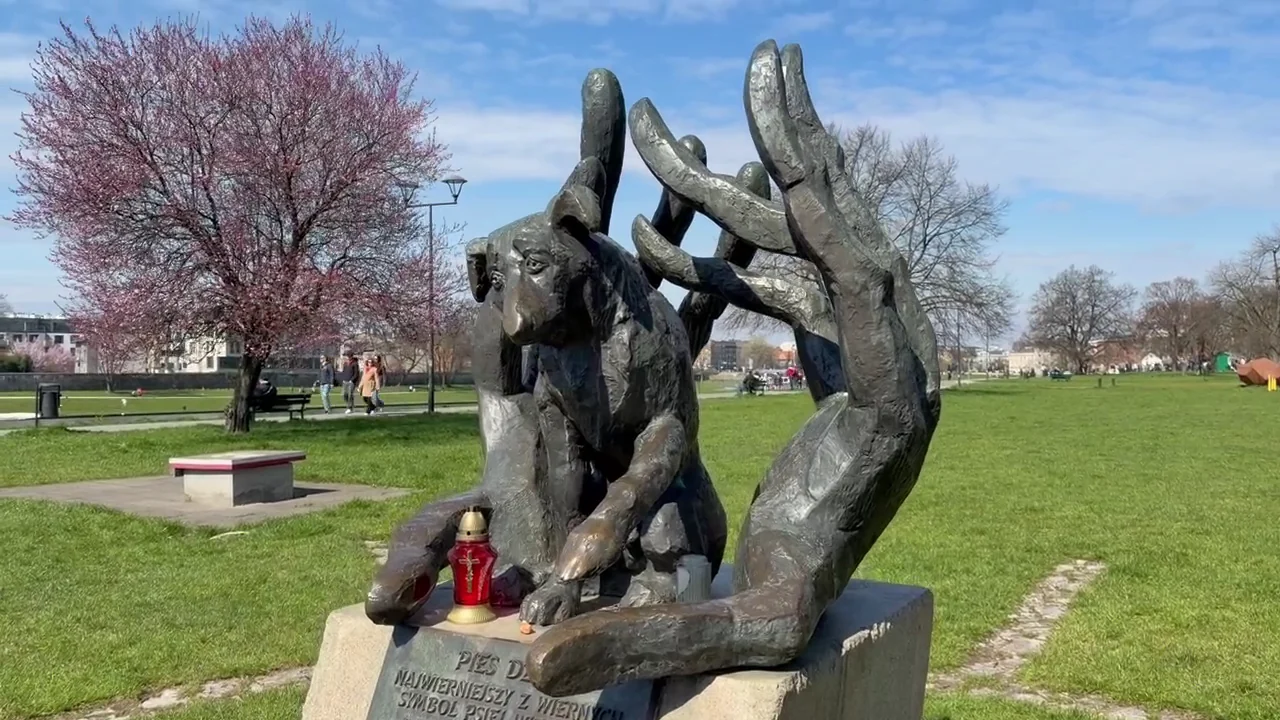
After his owner died near Kraków’s Grunwaldzkie roundabout, Dżok waited for him for around a year. His moving story is remembered in a monument beside the Vistula.
Rescued from an ice floe in the Gulf of Gdańsk by the crew of the research vessel Baltica in January 2010, Baltic found a new home at sea and became a symbol of an extraordinary rescue.
The black-and-white street cat of Kaszubska Street became one of Szczecin’s most famous attractions. Gacek was later taken into private care; his public legend survives in the city.
Eugeniusz Bodo’s famous canine companion appears in stories and photographs from the interwar entertainment world. More detail about his breed and screen appearances needs verification.
The animals that became emblems of Poland’s landscapes, conservation and everyday life.

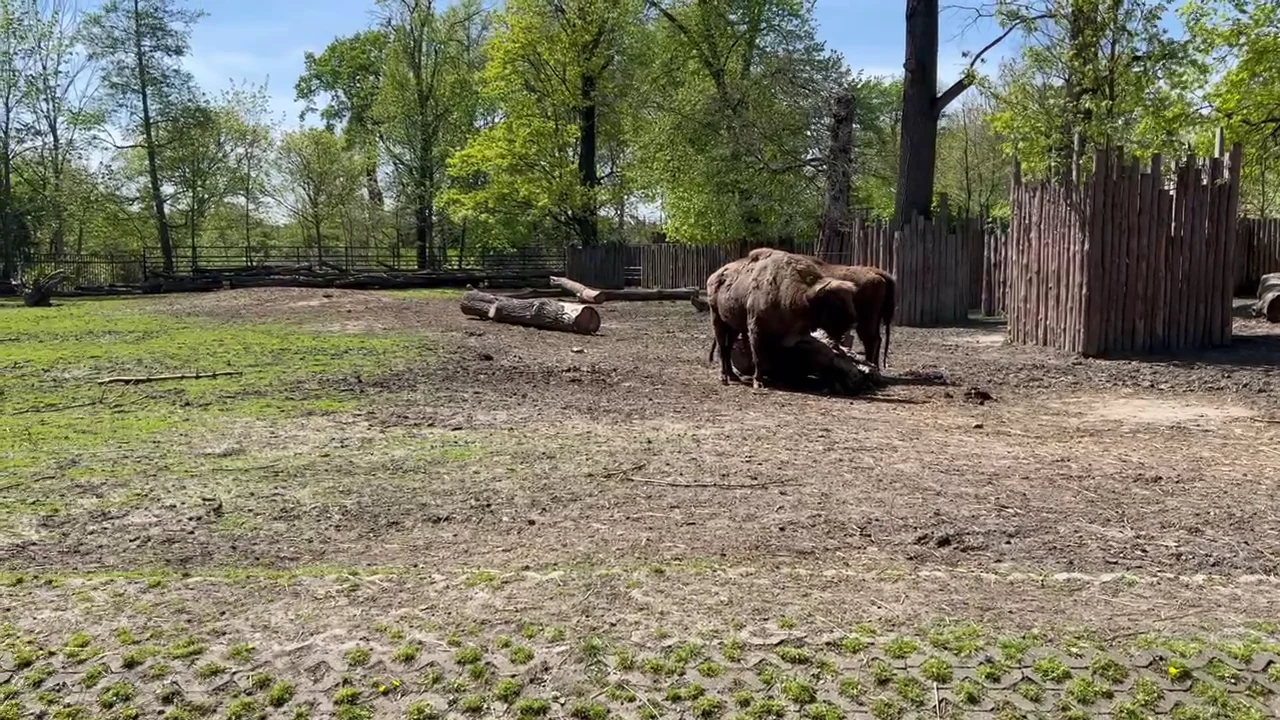
A survivor against the odds: Europe’s largest living land mammal was restored from captive animals after disappearing from the wild in Białowieża. Its image remains one of Poland’s strongest natural symbols.

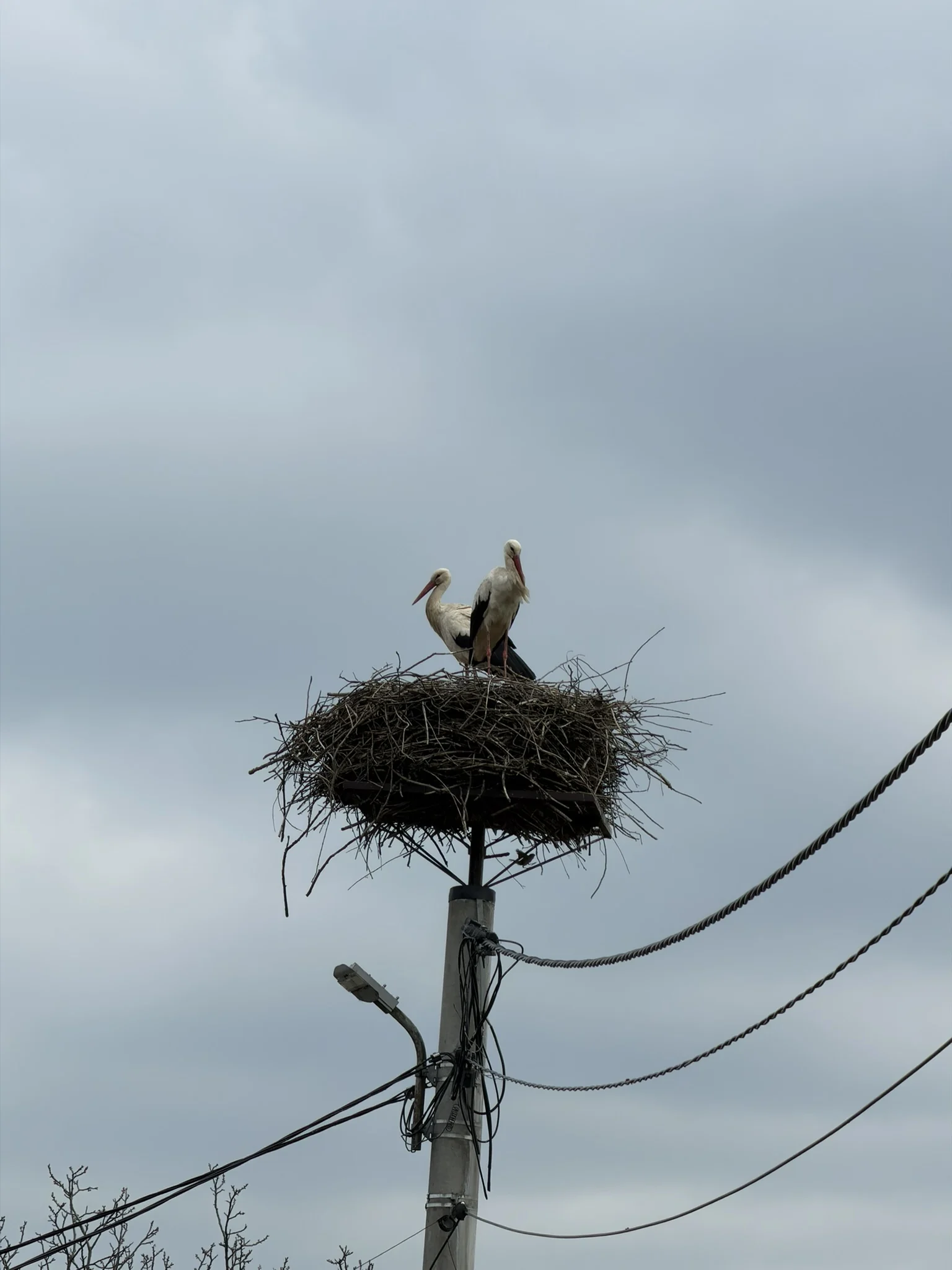
Storks nesting above rooftops and poles are part of the Polish countryside. Their return in spring brings generations of beliefs about luck, home and new beginnings.

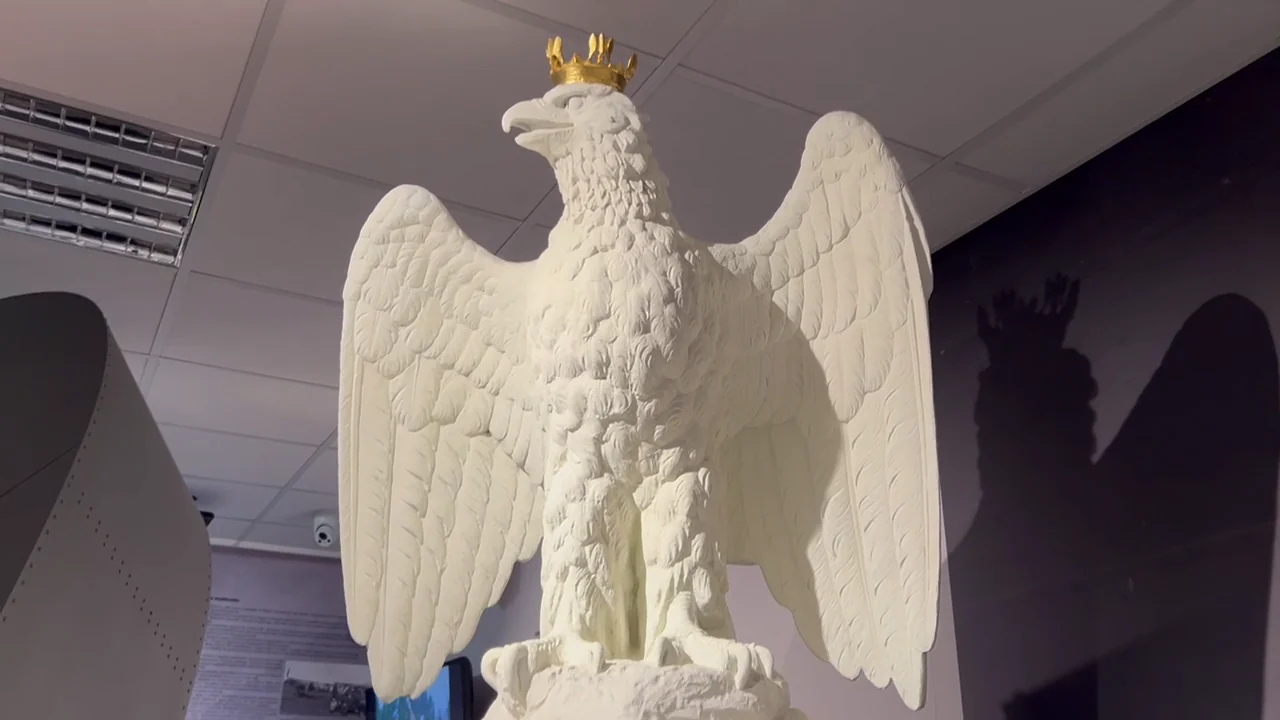
Poland’s heraldic White Eagle belongs to centuries of national symbolism and the legend of Lech. The living white-tailed eagle is a different, real bird often associated with the emblem.
A hardy Polish horse breed linked to twentieth-century attempts to recreate a tarpan-like horse. It should not be presented as a surviving pure wild tarpan.
The striking white working dog is closely associated with shepherding, mountain pastures and góral culture in the Tatra and Podhale region.

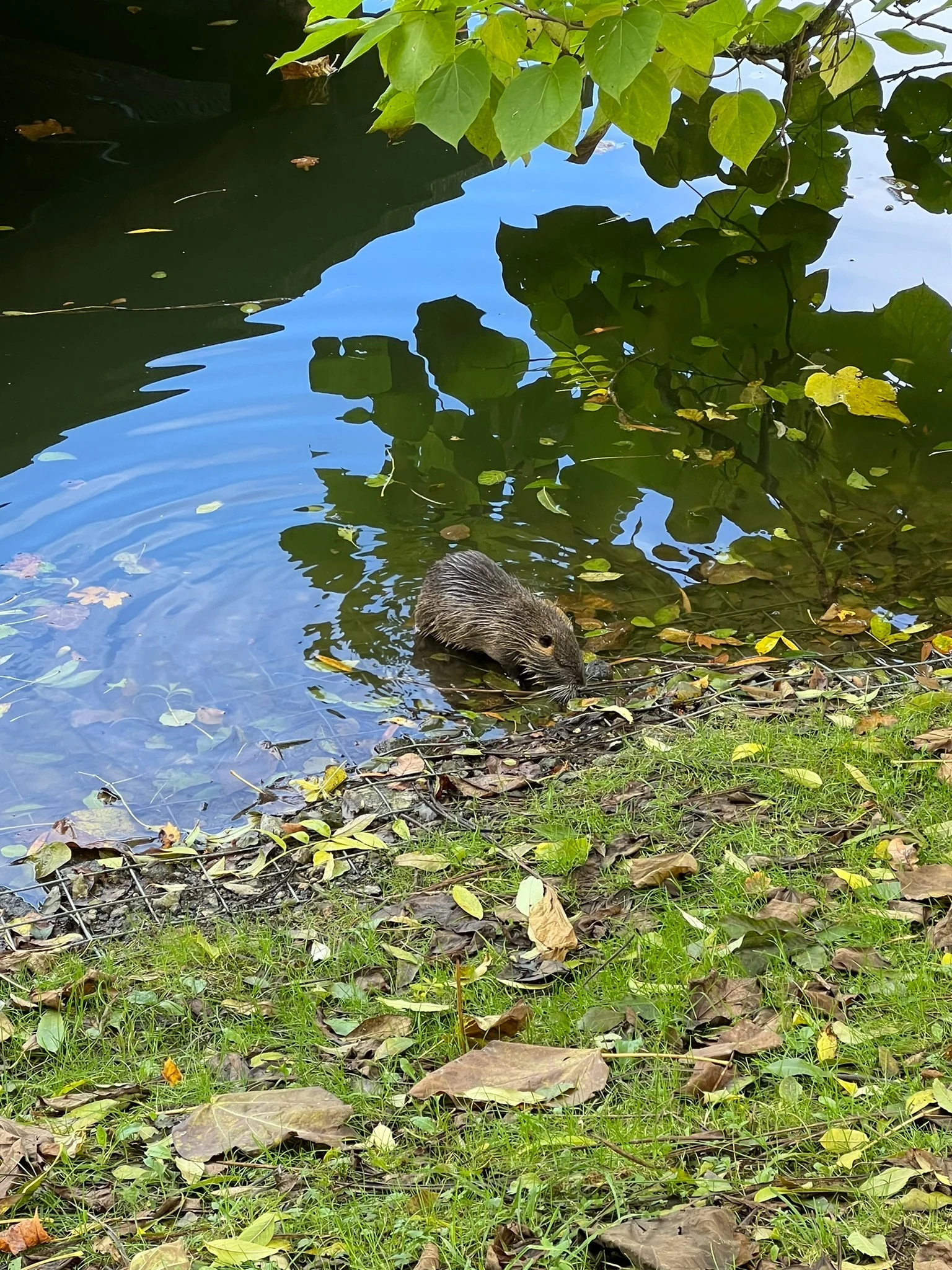
A remarkable ecological comeback gave Poland more beavers and healthier wetlands. The animal also acquired a second career as an unlikely star of Polish-language internet humour.

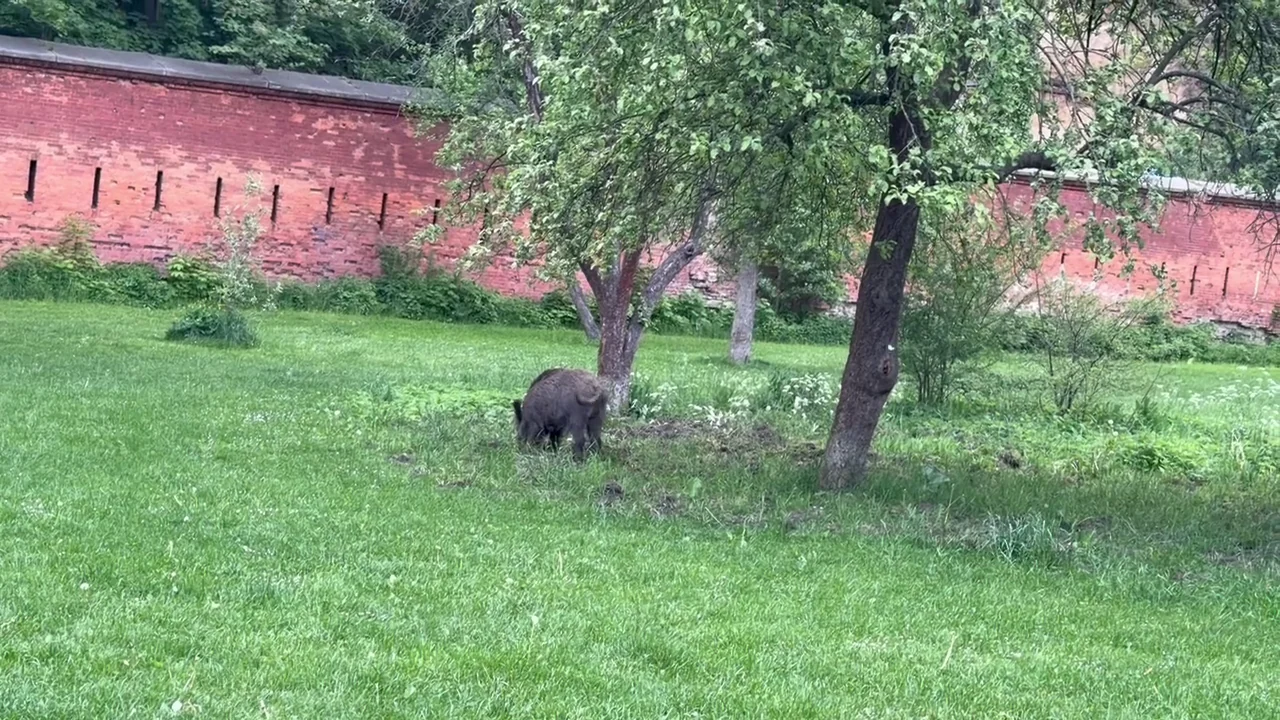
Wild boar are increasingly visible in and around Polish cities, inspiring both fascination and caution. They also appear in local storytelling, including the founding legend of Kielce and Jan Brzechwa’s well-known poem.

Small creatures with an outsized role in the identity and storytelling of Polish towns.

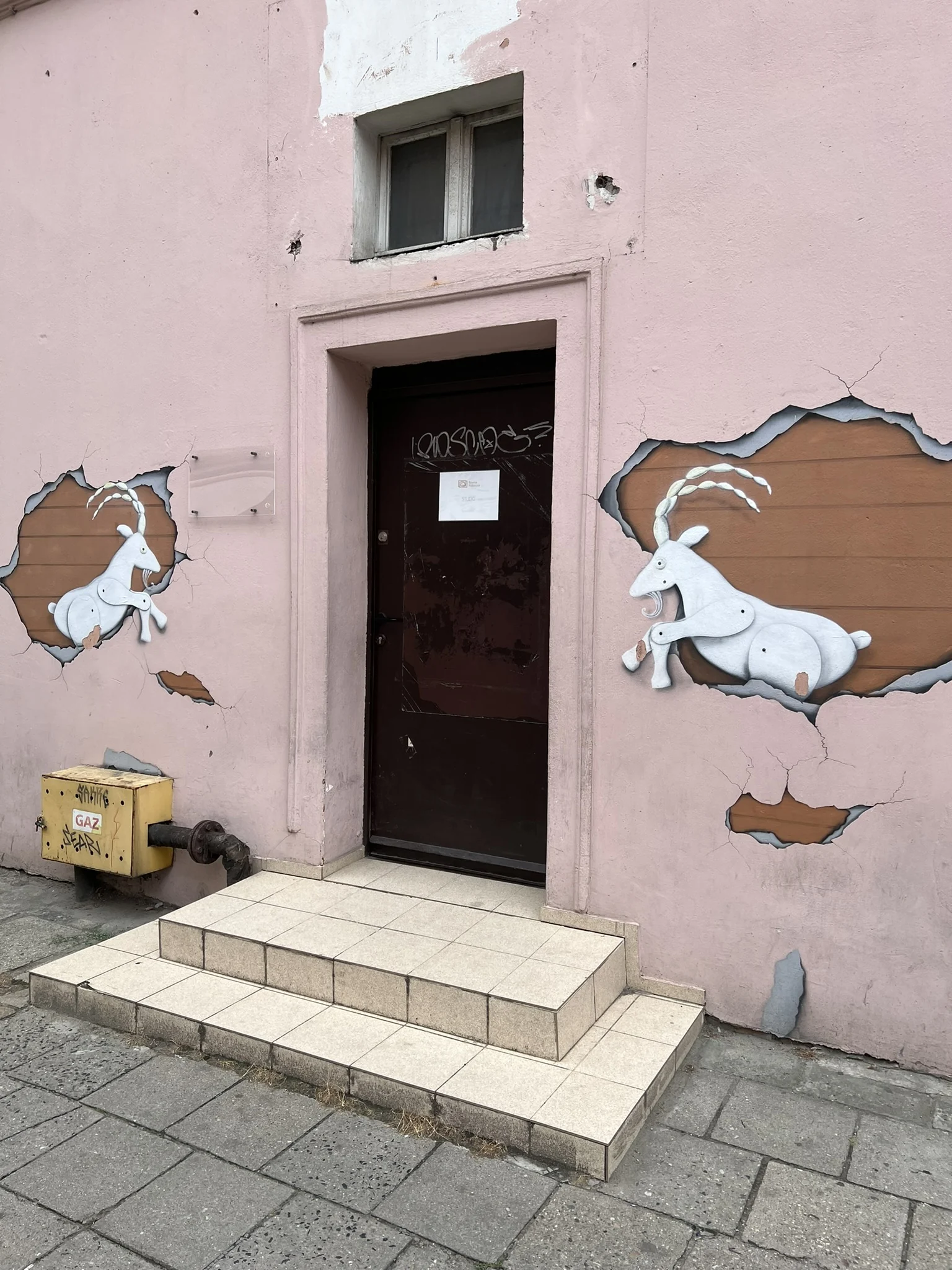
Two mechanical goats butt heads above Poznań Town Hall. The spectacle is real; the mischievous origin story of escaped goats belongs to local legend.

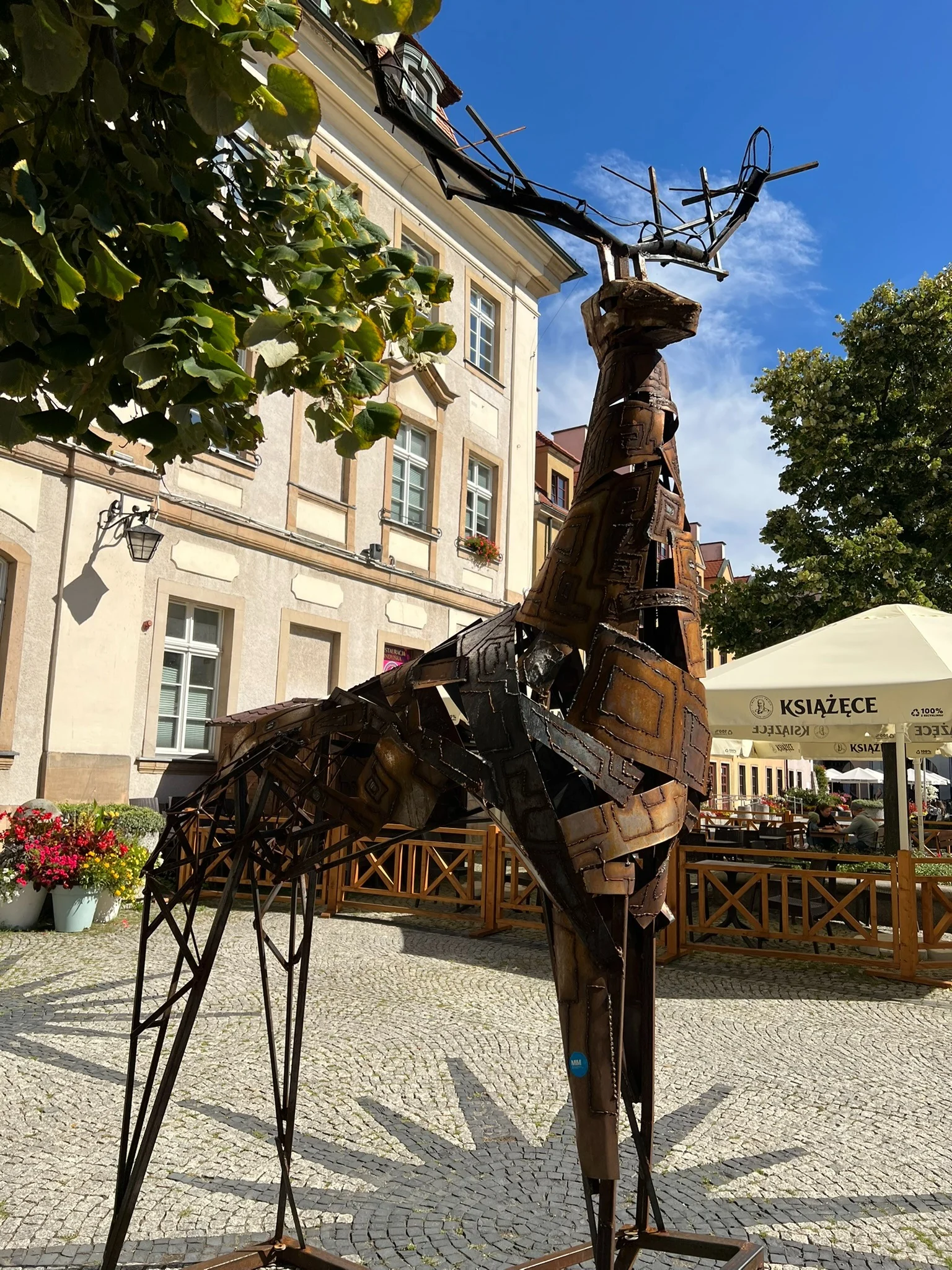
The deer is woven into the city’s very name and coat of arms. A founding tale about a ducal hunt is a legend rather than proven medieval history.
A story says the pigeons of Kraków’s Main Square are knights transformed by magic. History and folklore meet in a familiar urban scene.
Not a living horse but a costumed rider and one of Kraków’s most distinctive annual traditions, with a tale linking it to medieval Tatar raids.
The fictional creatures who grew up alongside generations of Polish children.

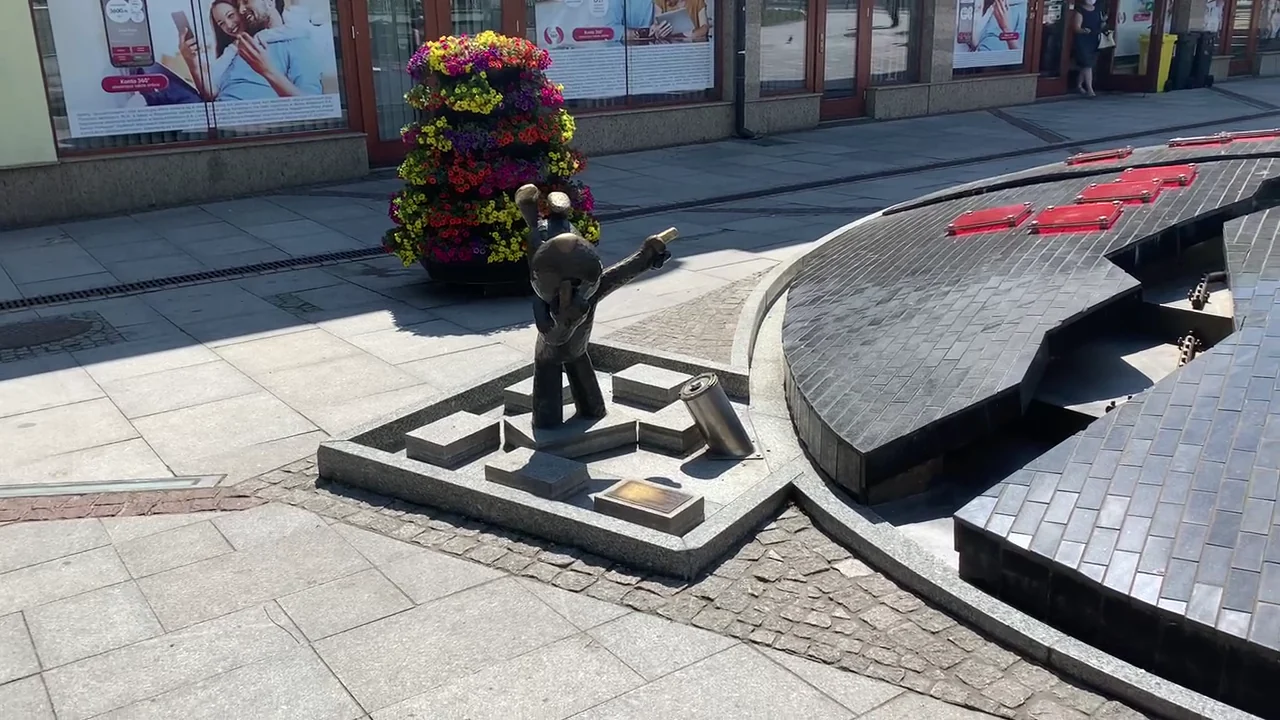
A resourceful animated dog created by Lechosław Marszałek at Studio Filmów Rysunkowych. His statue in Bielsko-Biała gives viewers a real place to meet him.

A gentle, floppy-eared bear from books and stop-motion television whose enduring place in Polish childhood is celebrated along Łódź’s fairy-tale trail.
The loyal dog from Four Tank-Men and a Dog remains a pop-culture icon. The series also reflects the contested Cold War framing of Poland’s wartime experience.
Created in 1933 by Kornel Makuszyński and Marian Walentynowicz, the wandering goat searches for Pacanów, today home to a fairy-tale centre.
Explore the wartime story of Warsaw Zoo alongside a Brit in Poland video. The story of Jan and Antonina Żabiński belongs to both the history of people and the lives of animals at the zoo.
Watch the Warsaw Zoo video ↗
WARSAW ZOO · VIDEOThis collection is growing. We are adding original photographs, historical images (where reuse rights permit), visitor sites and deeper features. If you know a forgotten local hero, there may be room for one more creature in the kingdom.
← Back to People & Animals