
Praga
Warsaw’s Other Side
Across the Vistula, Warsaw tells a different story: surviving tenements, old markets, extraordinary religious heritage, factories finding new lives, and neighbourhoods that refuse to be quite like anywhere else.
Explore the walks ↓Open the map ↓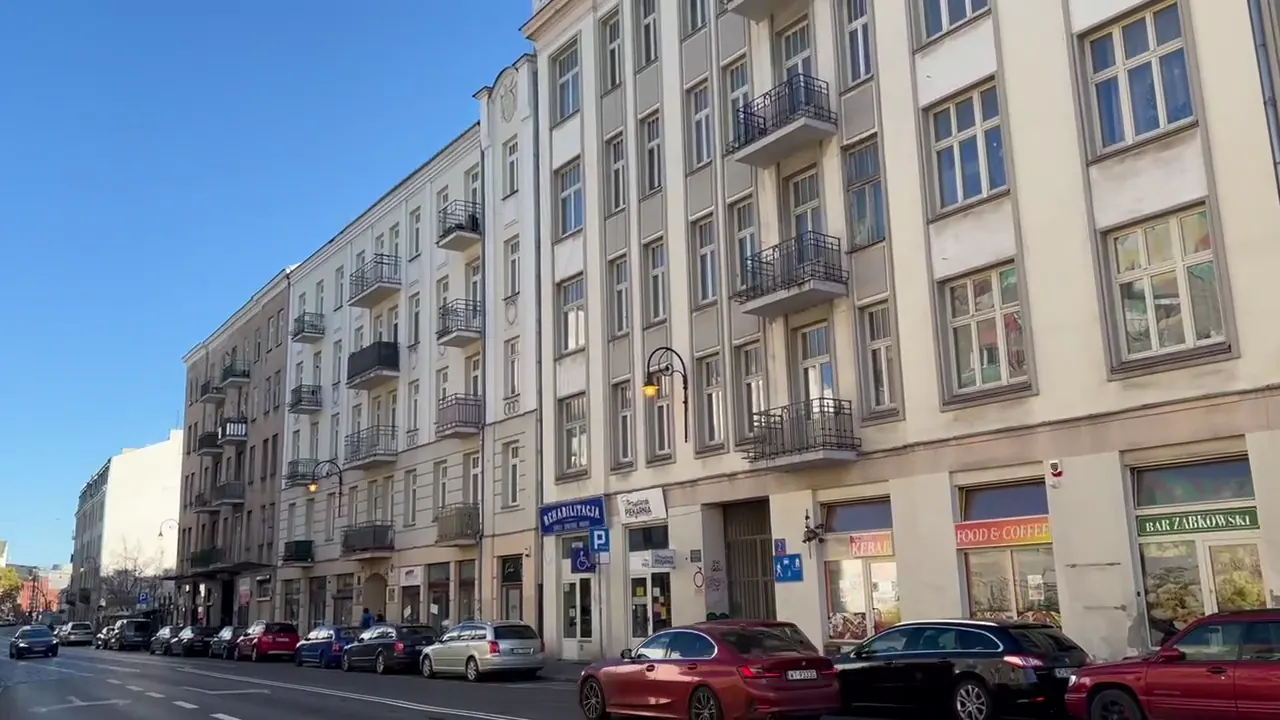
The Warsaw that remained — but not untouched
It is tempting to call Praga the Warsaw that survived the Second World War. Cross the river from the reconstructed Old Town and you can still see stretches of nineteenth- and early twentieth-century streetscape, complete with courtyards, worn brick, shops and layers of daily life. That survival is real — but it is not the same as escaping war. Praga was bombarded, fought over, occupied and later altered by neglect and redevelopment.
In September 1944, Soviet and Polish forces took the right bank while fighting and destruction continued across the river. The difference in what survived on each side remains one of Warsaw’s most powerful historical contrasts. Today Praga is both a lived-in neighbourhood and a place of reinvention; its famous rough-edged reputation should never be mistaken for its entire identity.
For this guide, “Praga” means historic Praga-Północ and selected neighbouring places south of it: the riverbank, industrial Kamionek, and an introduction to Saska Kępa. Grochów, Gocław and the wider eastern districts deserve their own journeys.
Three walks, three different versions of Praga
These routes are designed to stand alone. Use the map to locate the stops rather than trying to cover all of right-bank Warsaw in a single afternoon.
Walk 1 · Old Praga
- 1Plac Wileński & Dworzec WileńskiM2 metro, trams and Warszawa Wileńska station
- 2Orthodox Cathedral of St Mary Magdaleneal. Solidarności 52
- 31794 cross & mass graveBeside the Orthodox cathedral
- 4St Florian’s CathedralKatedra św. Michała i św. Floriana, ul. Floriańska
- 5Praga Street Band monumentPomnik Praskiej Kapeli Podwórkowej, Floriańska / Kłopotowskiego
- 6Former synagogue site & mikvehul. Kłopotowskiego 31 · historic site
- 7Praga MuseumMuzeum Warszawskiej Pragi, Targowa 50/52
- 8Bazar RóżyckiegoEntrances from Targowa and Brzeska
- 9Pyzy, Flaki Gorące!Restaurant on ul. Brzeska
- 10Wielka Gęś muralThe Great Goose, ul. Brzeska
- 11Centrum Praskie Koneserul. Ząbkowska 27/31
- 12Ania muralul. Stalowa 50
Walk 2 · Park Praski & the Vistula
- 13Park PraskiBetween al. Solidarności and the zoo
- 14Praga BearPark entrance by al. Solidarności
- 15Warsaw Zoo entranceOgród Zoologiczny, ul. Ratuszowa 1/3
- 16Żabiński VillaInside the zoo grounds
- 17Church of Our Lady of Loretoul. Ratuszowa 5a
- 18Plaża RusałkaPublic beach below the zoo
- 19Footbridge landingKładka Abakanowicz, from Okrzei
- 20Port PraskiFormer river port basin
- 21Plaża PoniatówkaBeach by Poniatowski Bridge
Walk 3 · Industrial Kamionek
Saska Kępa & Park Skaryszewski
6 Hollow pin: historic site with nothing to visit · Targowa, Ząbkowska and Brzeska · Francuska · dashed purple lines are district boundaries.
Choose a walk to zoom to its places, then select a number on the map or in the list for details. Each group is a cluster of places rather than a set walking line, so plan your own way between them. Pins mark visitor entrances or landmark centres; follow on-the-ground signs for access.
How Praga became Praga
Praga receives town rights, long before it becomes an ordinary Warsaw district.
Praga is incorporated into Warsaw amid reform of the city’s fragmented jurisdictions.
Russian forces storm Praga on 4 November; the killing of civilians becomes one of the city’s deepest historical wounds.
Railways, factories, markets and brick tenements transform the right bank.
Praga falls under Soviet control in September; the Vistula becomes a front line as the Uprising continues to the west.
Industrial closures, conservation, new creative spaces and redevelopment change the district — not without tension.
Old Praga: faith, markets and streets that remember
Begin at Dworzec Wileński, explore the landmark churches and Targowa, then wander through Ząbkowska and Brzeska towards Koneser. Allow a generous half-day if you visit the museum.
Two cathedrals, two histories
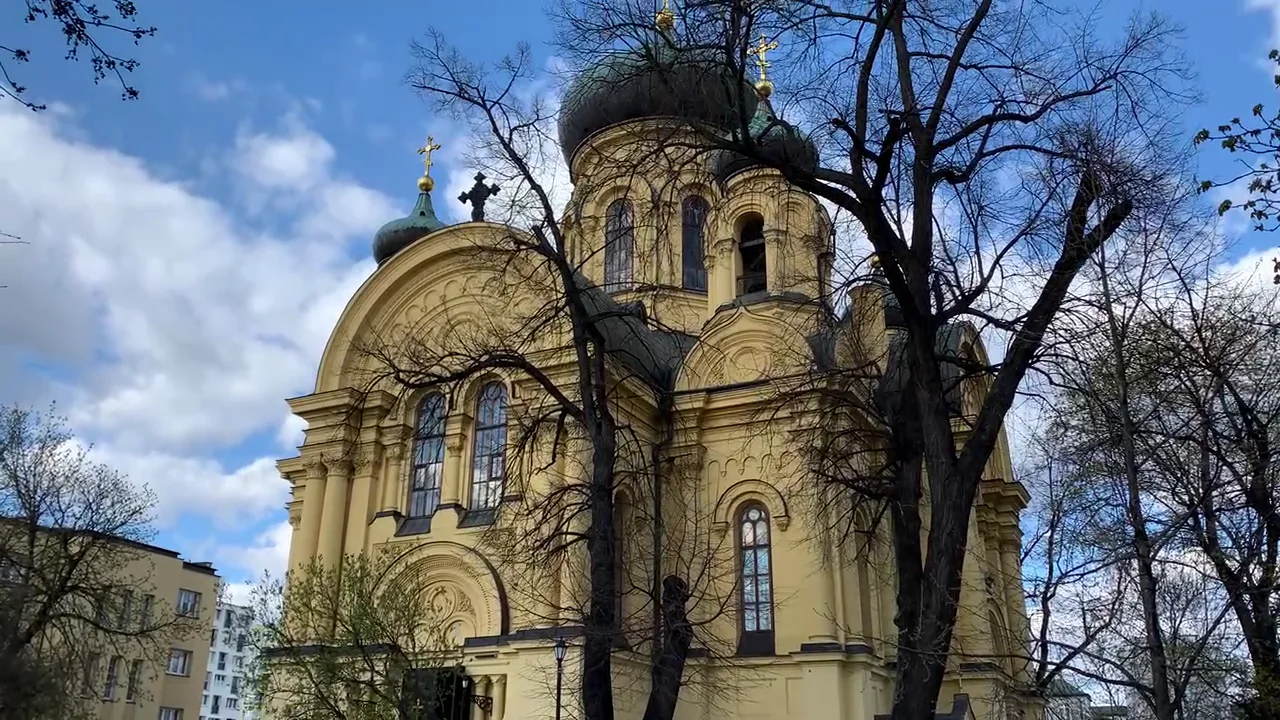
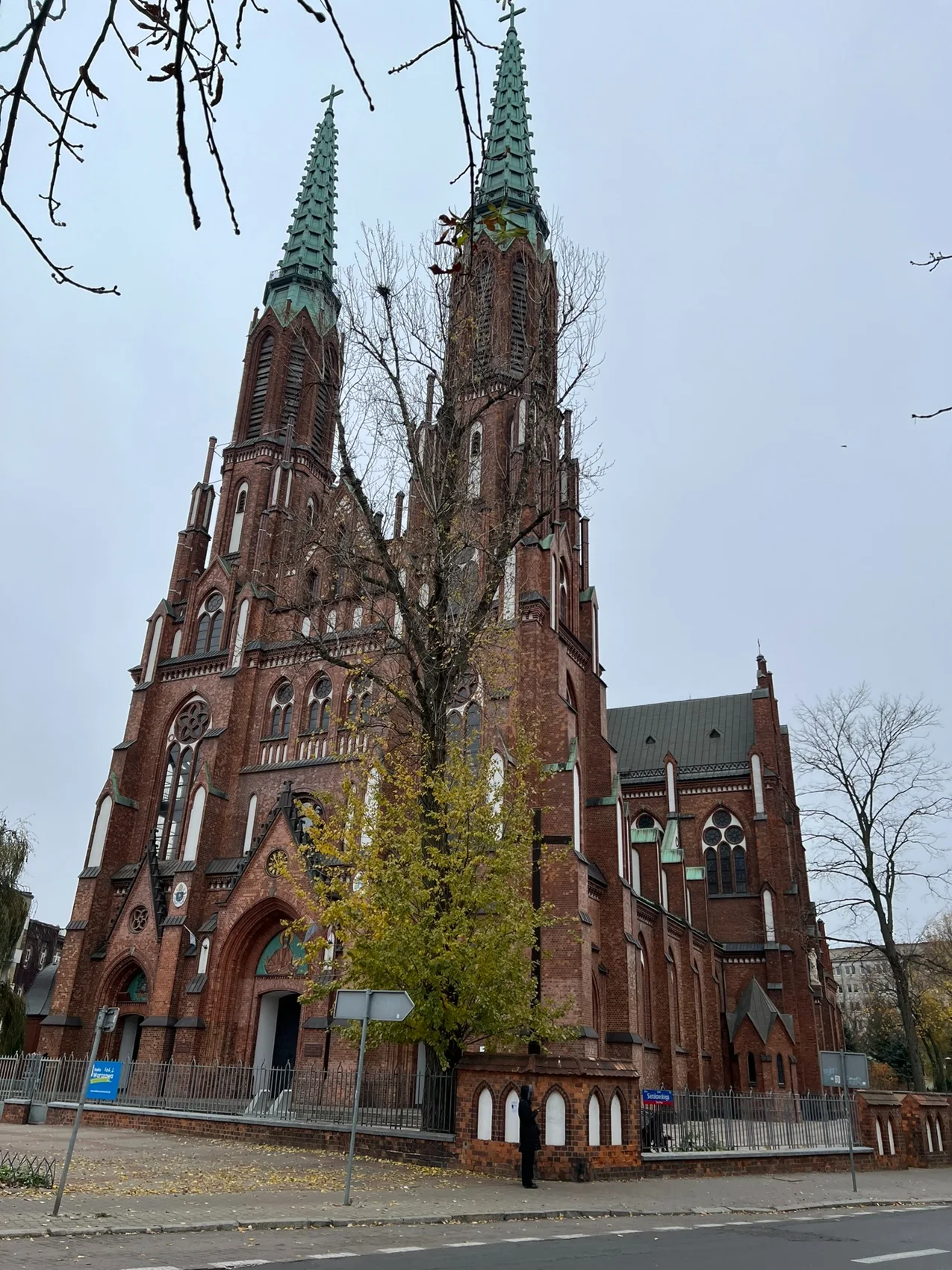
Near Plac Wileński stands the Orthodox Cathedral of St Mary Magdalene, built in the nineteenth century when Warsaw was under Russian rule. A short walk away is the soaring brick Cathedral of St Michael and St Florian. Its present appearance tells a different story: the church was destroyed in 1944 and reconstructed after the war. Together they make Praga’s religious and political history unusually visible.
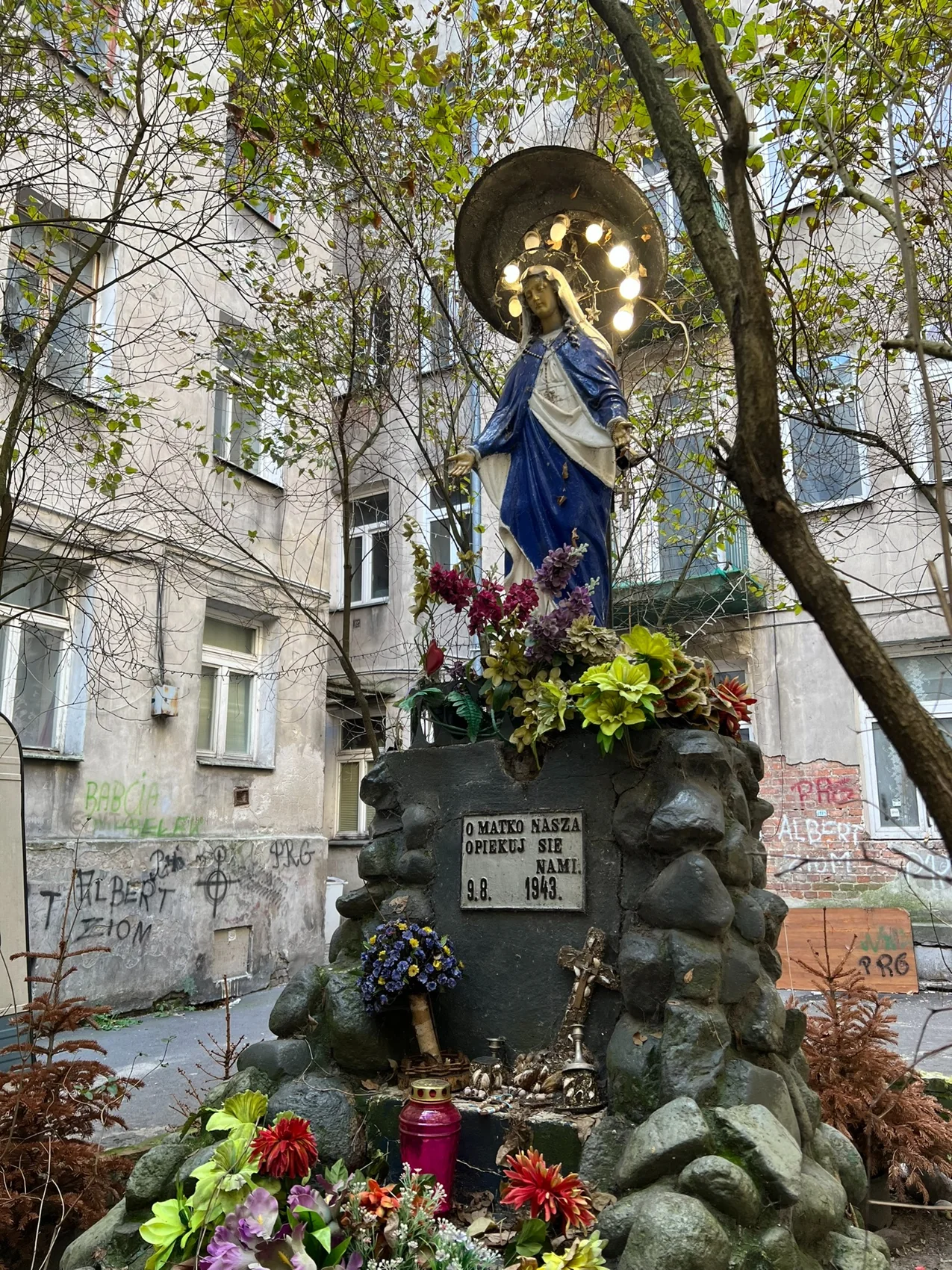
Look further into the old courtyards and you may encounter small Marian shrines, often tied to neighbourhood devotion during years of occupation and hardship. These are intimate, living places, not open-air museum exhibits: never assume an entrance or photograph is welcome.
Targowa and the lost Jewish world
At Targowa 50/52, the Praga Museum occupies surviving historic buildings and tells the story of right-bank Warsaw. Behind the frontages are two small former Jewish prayer rooms. Their surviving wall paintings include signs of the Hebrew zodiac and fragments of sacred views of Jerusalem. They are rare evidence of the religious spaces once woven into ordinary tenement life.
Before the Holocaust, Praga had a significant Jewish community of residents, shopkeepers and craftspeople. Its former synagogue is gone, and the surviving prayer rooms should not be described as an intact synagogue. From 1940, the German occupation authorities forced Praga’s Jewish residents into the ghetto on the left bank. The absence of institutions is as important here as what remains.
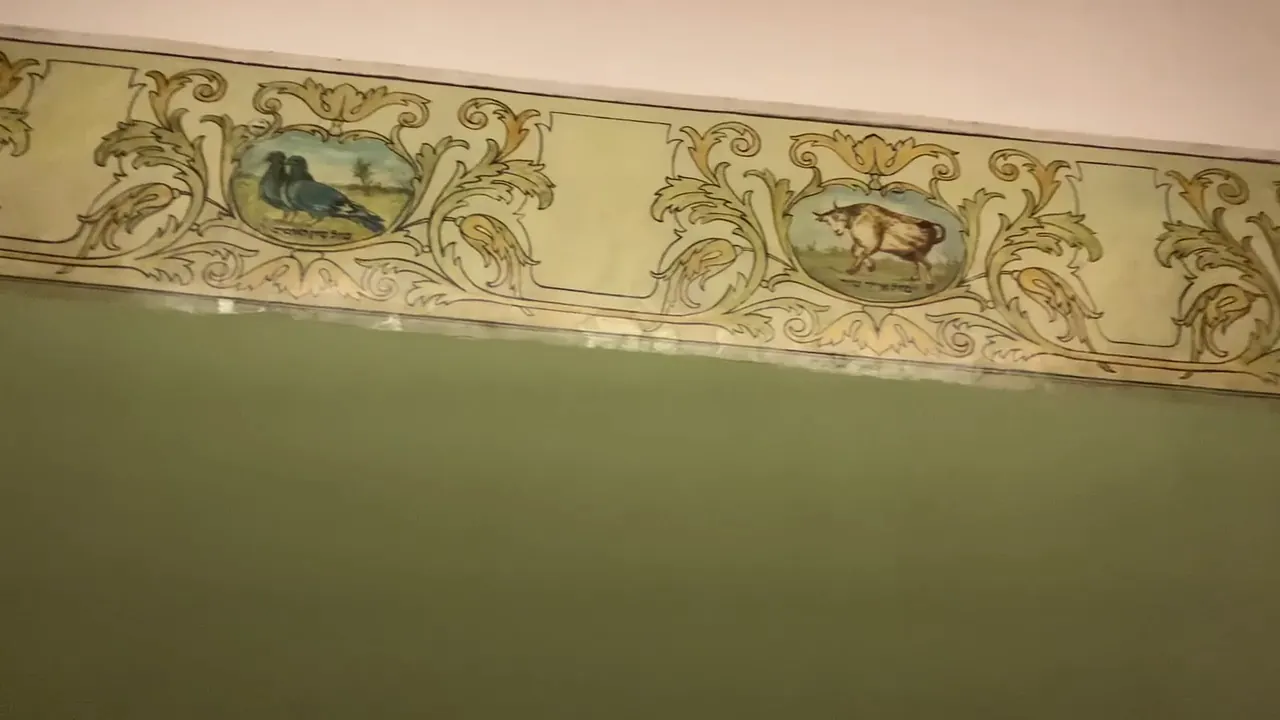
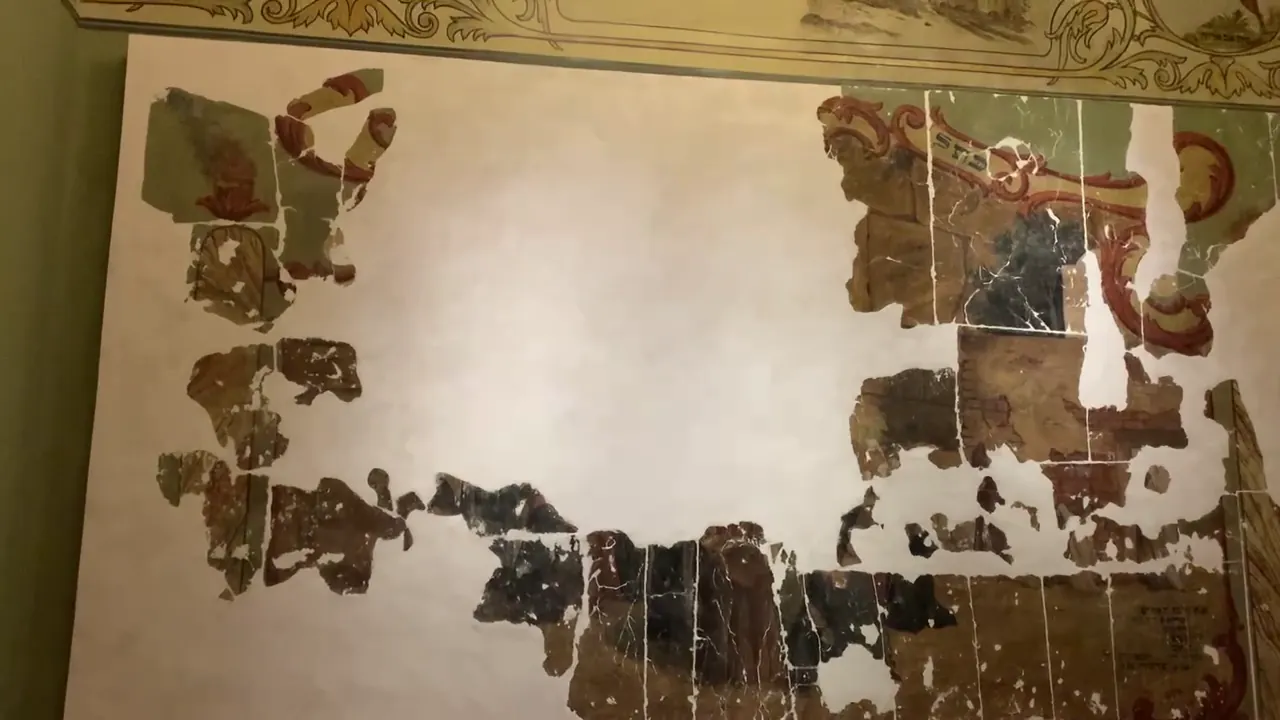
Further reading: Museum of Warsaw’s history of the prayer rooms ↗ and our Jewish Warsaw guide.
Bazar Różyckiego and the sound of the street
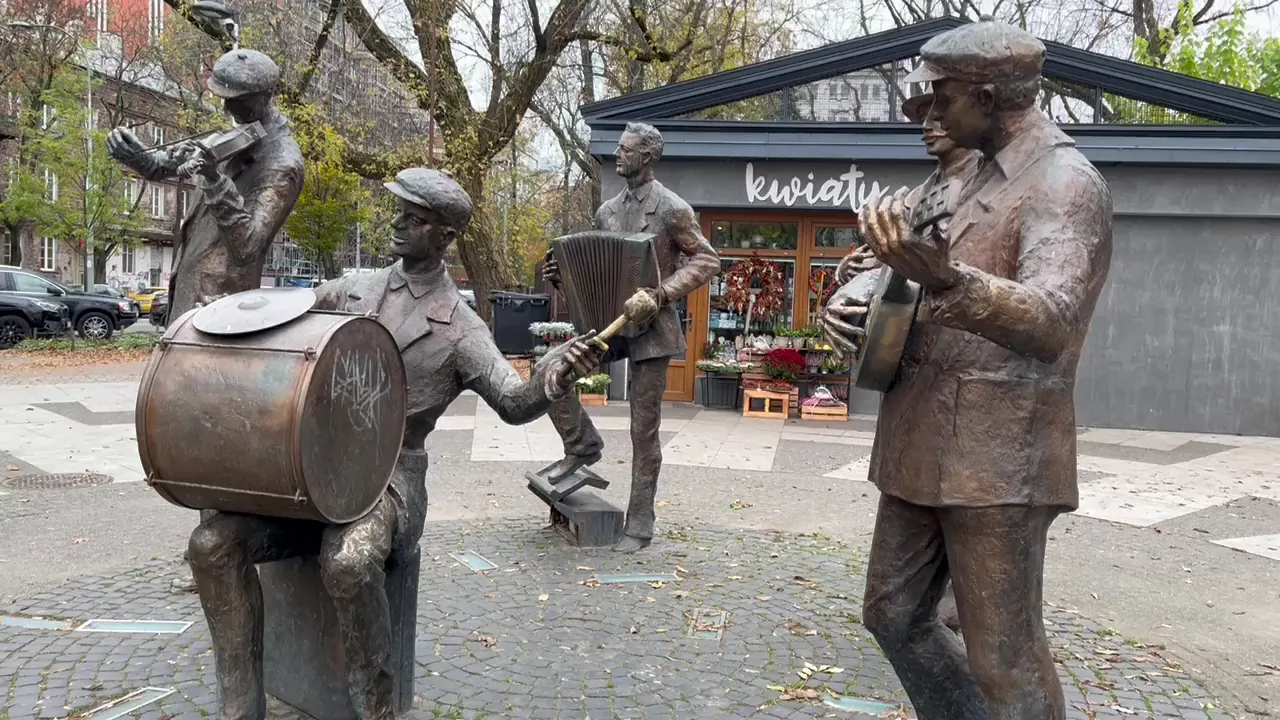
Continue towards Bazar Różyckiego, founded in the nineteenth century and later famous for everything from everyday goods to informal wartime and post-war trade. It has changed greatly, but it still offers a connection to the market culture that helped define Praga. A short walk away, at the corner of Floriańska and Kłopotowskiego near St Florian’s Cathedral, the Praga Street Band monument remembers the local musical tradition of courtyard and street ensembles.
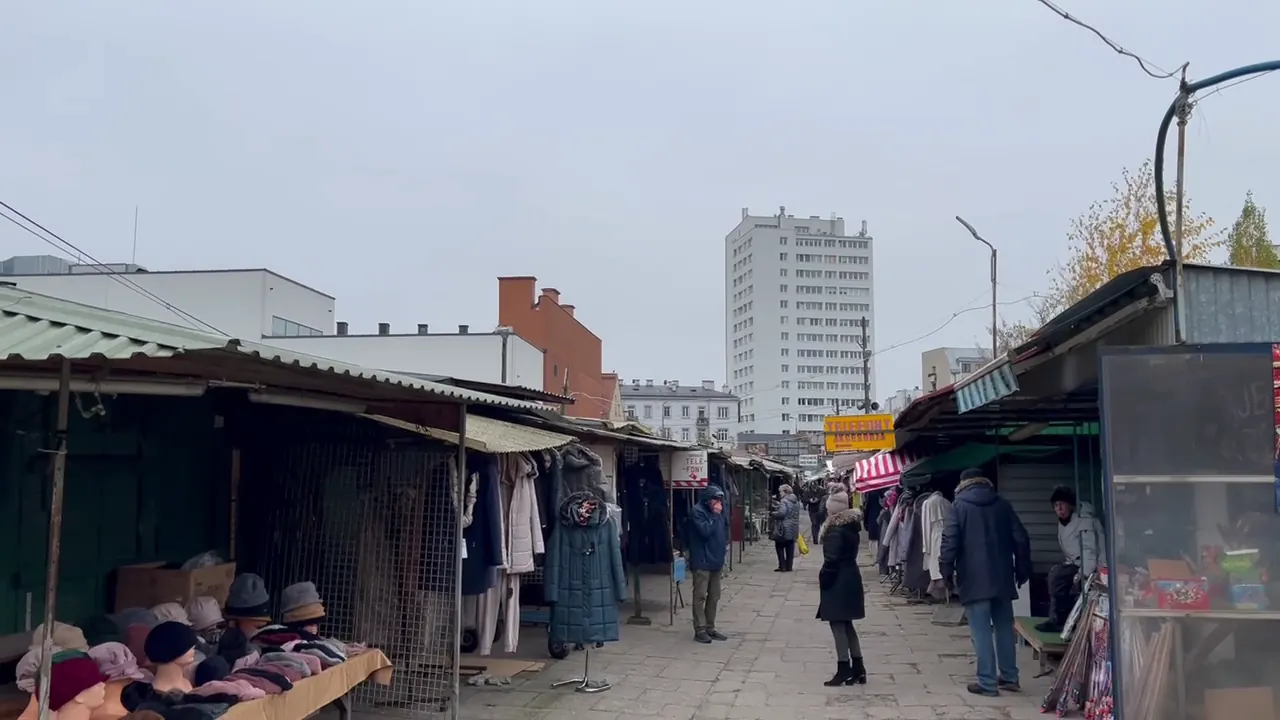
One delicious extension is Pyzy, Flaki Gorące! on Brzeska, recalling the hot dumplings and tripe sold around the market. The restaurant is contemporary; the food tradition is much older.
Ząbkowska, Brzeska and street art
Ząbkowska’s surviving tenements and courtyards are perhaps Praga’s most immediately recognisable streetscape. Turn into Brzeska and Stalowa and the historic fabric begins to collide with murals, new apartments and redevelopment. Street art is not one uniform project: some works were community collaborations, others commercial commissions, others are unattributed.
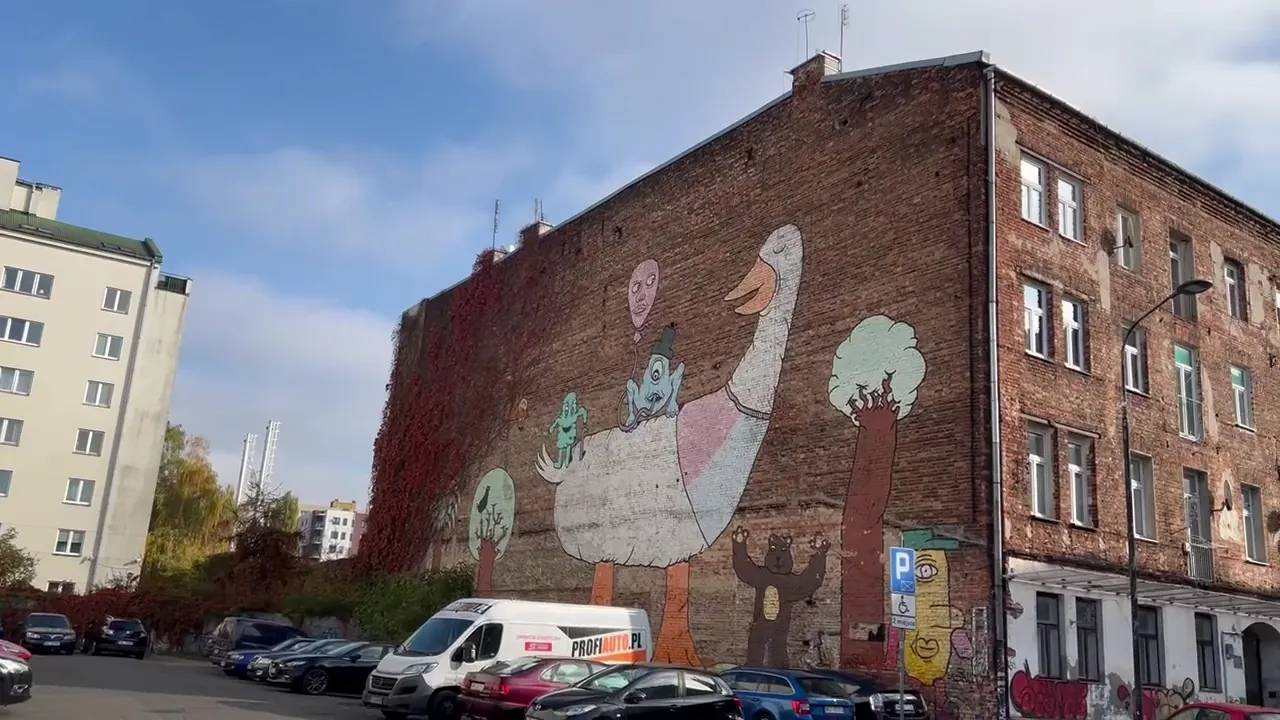
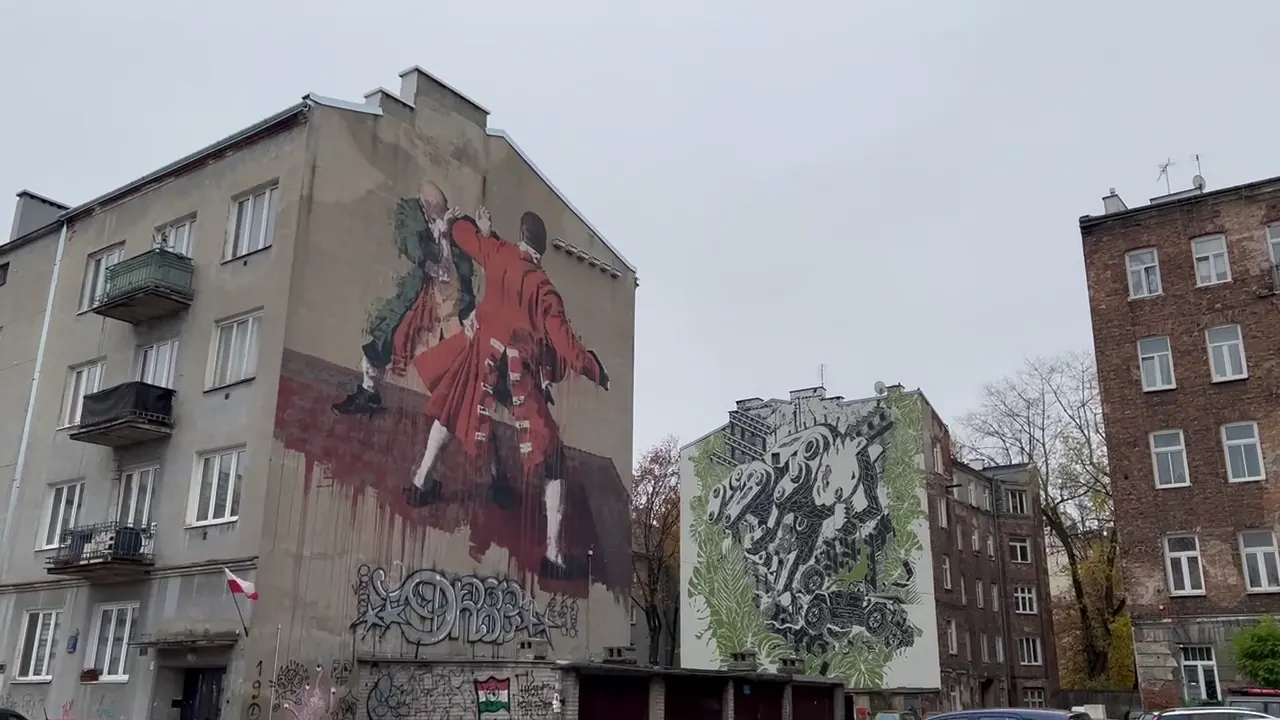
Look out for the small blue angel sculptures near Ząbkowska. For an unattributed stencil that resembles Banksy’s visual language, we would call it Banksy-style, not a work by Banksy.
End at Koneser: vodka, brick and reinvention
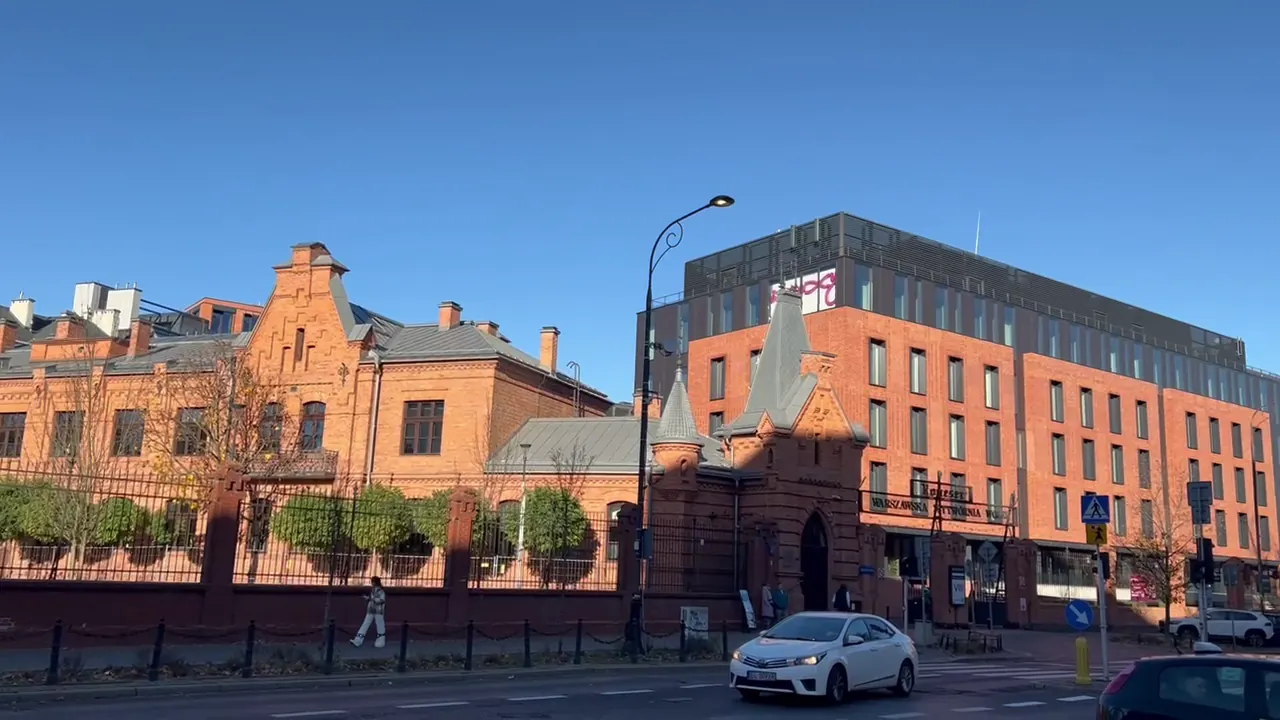
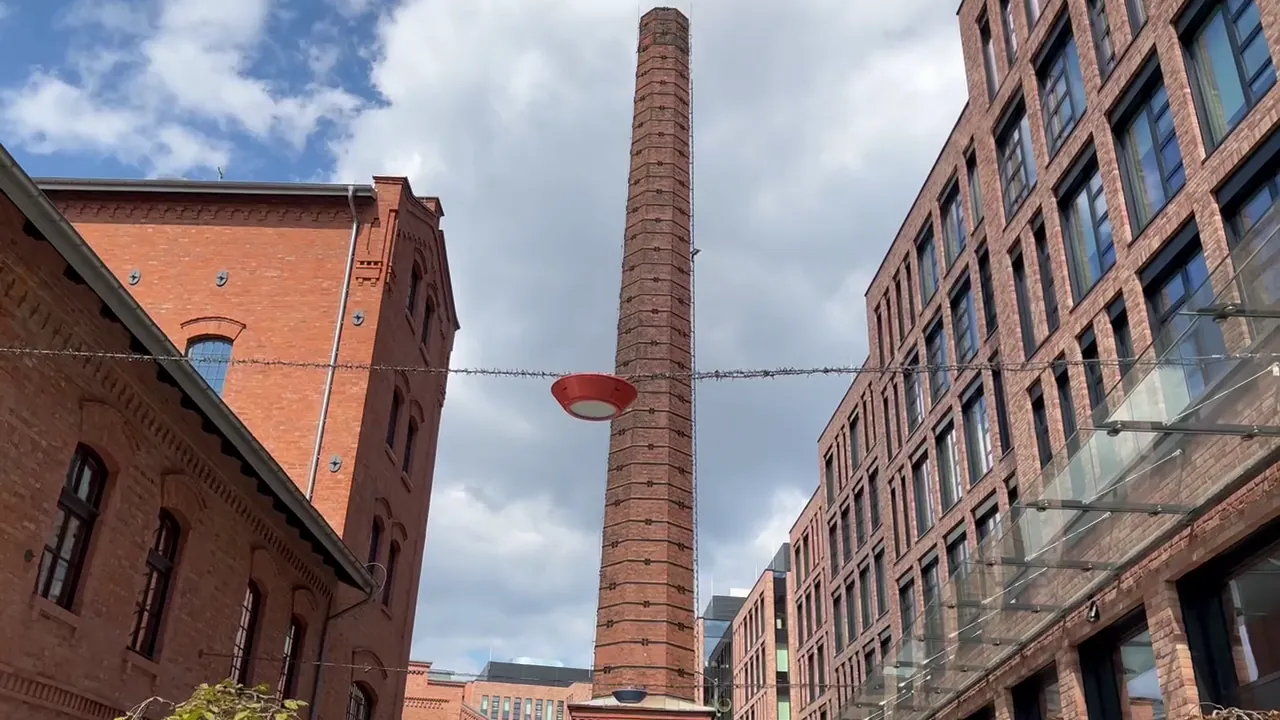
At Centrum Praskie Koneser, a former vodka-production complex has become a mixed-use destination of restored industrial buildings and new construction. Compare its gate, surviving brick elevations and factory chimney with the contemporary façades around them. Its story is not simply “decay to success”: redevelopment raises difficult questions about what is preserved, whose neighbourhood changes and who benefits.
Park Praski, the zoo and the river
A more open-air Praga: start in Park Praski, continue to the zoo if visiting, then head for the riverside and the skyline of the left bank. The zoo requires substantially more time than a quick walk.
The green edge of Praga offers a striking contrast to the dense tenements. Park Praski holds sculptures and traces of Warsaw’s zoological past. The Warsaw Zoo is also a place of extraordinary wartime history: Jan and Antonina Żabiński sheltered Jews during the German occupation, a story remembered through the villa within the zoo grounds. Check access separately — an ordinary zoo entrance shot is not an image of the villa.
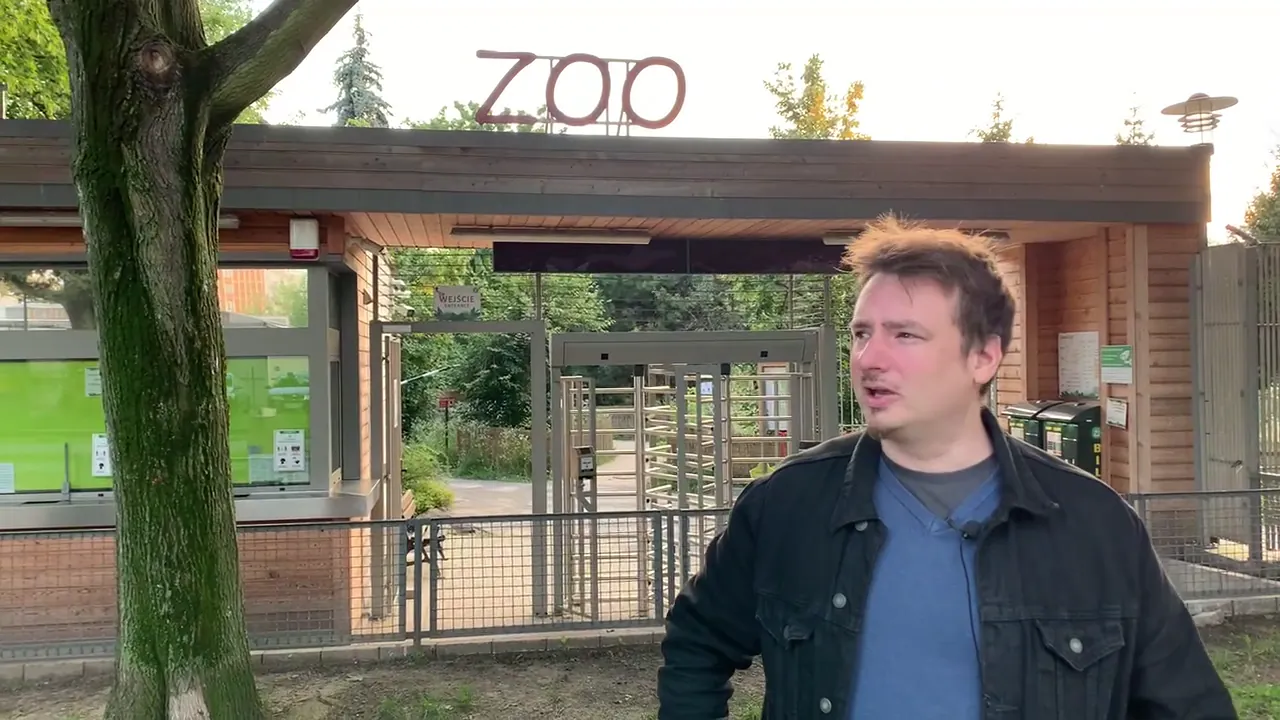
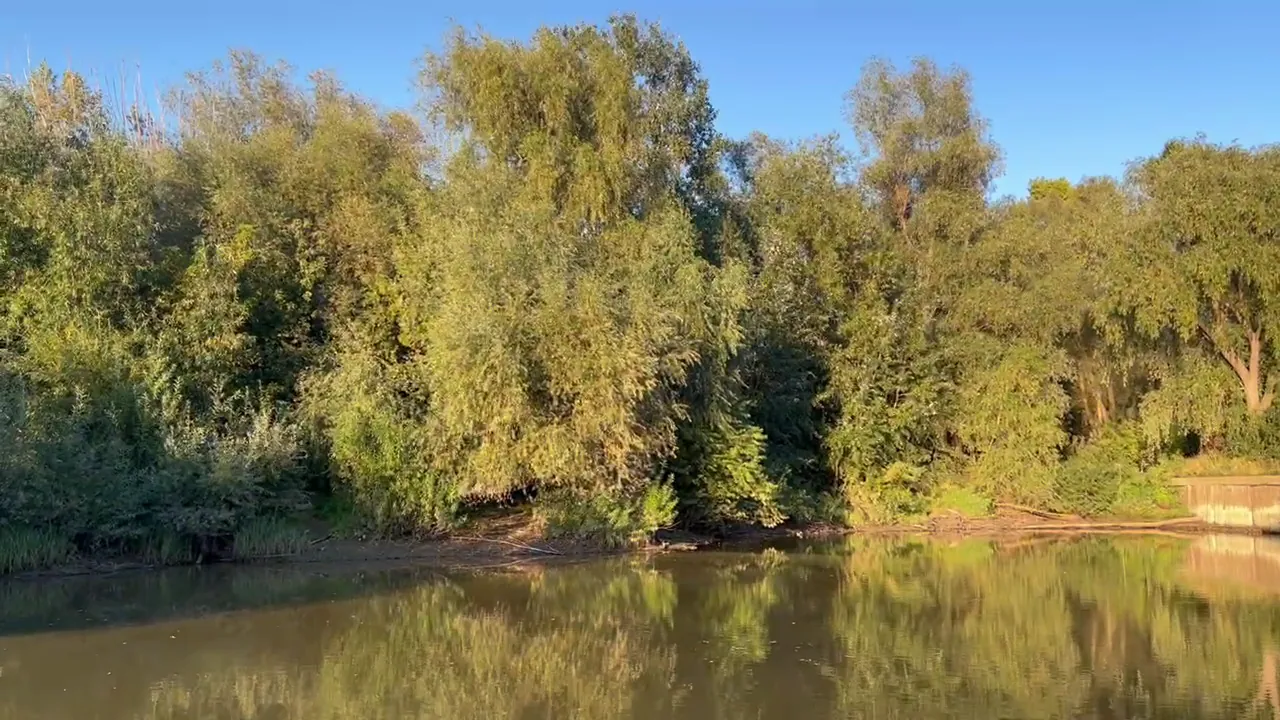
Beyond the park lies the right-bank Vistula, notably less engineered in places than the city-centre boulevards opposite. Paths and beaches make this one of the best places to understand Warsaw as a city of two riverbanks.
Factory walls, chocolate and changing streets
A separate southeastern outing: connect Wedel’s factory and chocolate museum, Kamionkowskie Lake, surviving industrial sites around Mińska, and the former Soho Factory area. It works well alongside a visit to Park Skaryszewski.
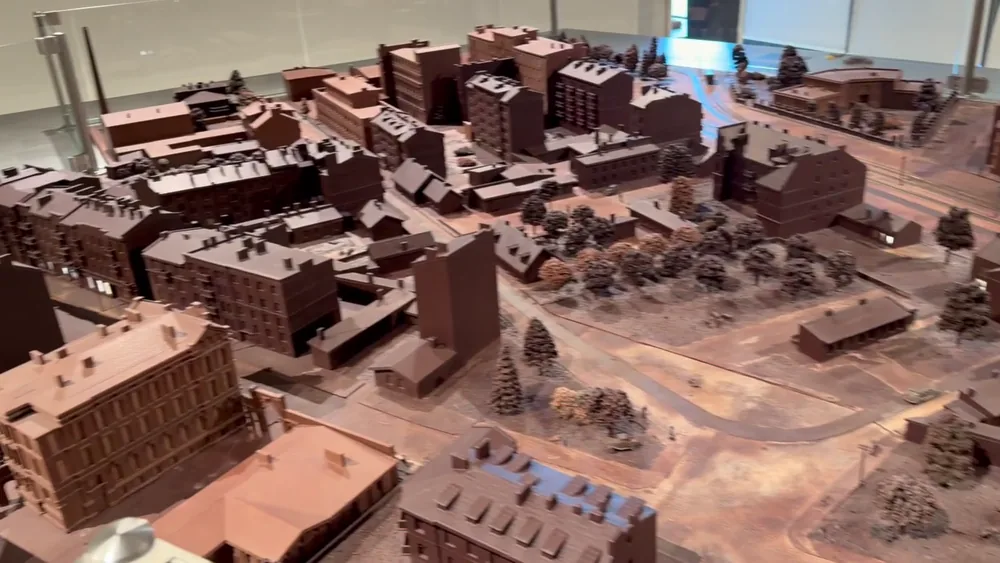
Kamionek developed as a place of manufacture and labour, with factories ranging from confectionery to engineering and ammunition. The E. Wedel chocolate factory remains a living Warsaw institution, and its newer museum explains how chocolate is made. Around Mińska 25, the former factory complex associated with Soho and the Pocisk ammunition works shows another path: industrial premises repurposed for a different urban economy.
A museum-location caution: the Neon Museum was formerly associated with Soho Factory but has moved to the Palace of Culture and Science. Do not travel to Mińska expecting to find it there.
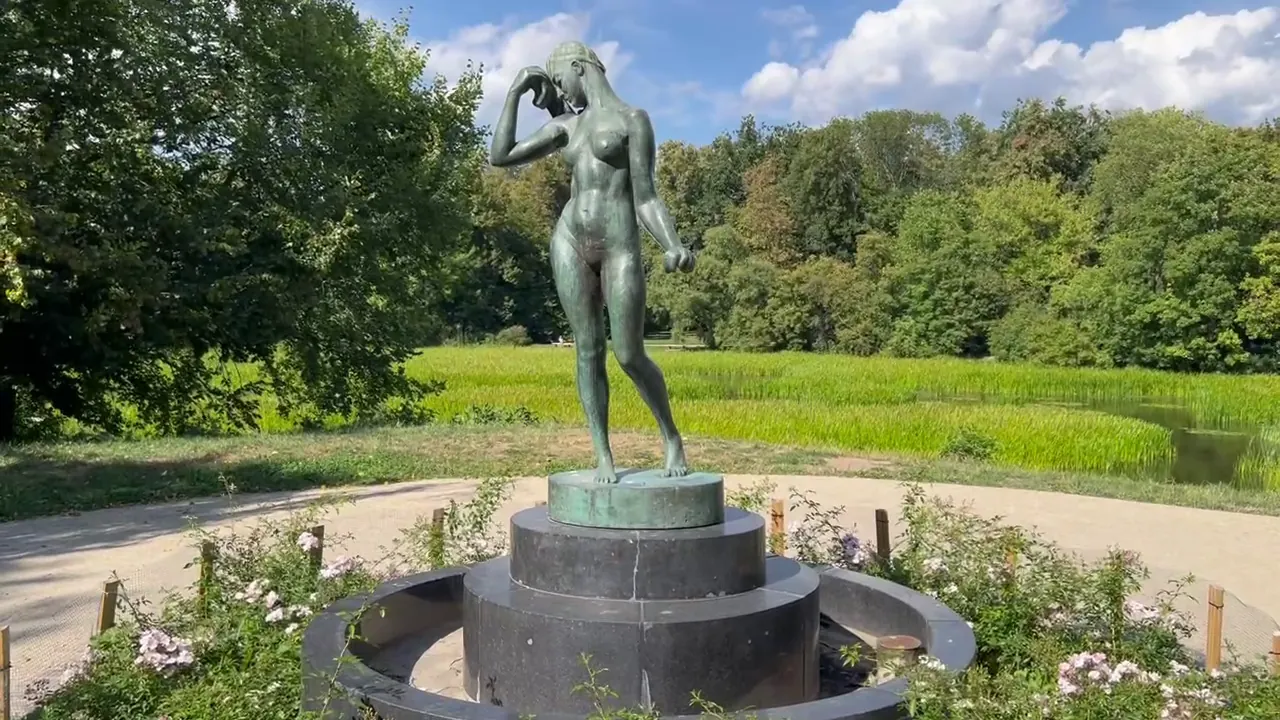
Nearby, Park Skaryszewski and Kamionkowskie Lake turn the story back toward green space. The park’s interwar sculpture, planting and commemorative sites add layers of cultural and wartime history, including a memorial to Allied aircrew who died delivering aid to the Warsaw Uprising.
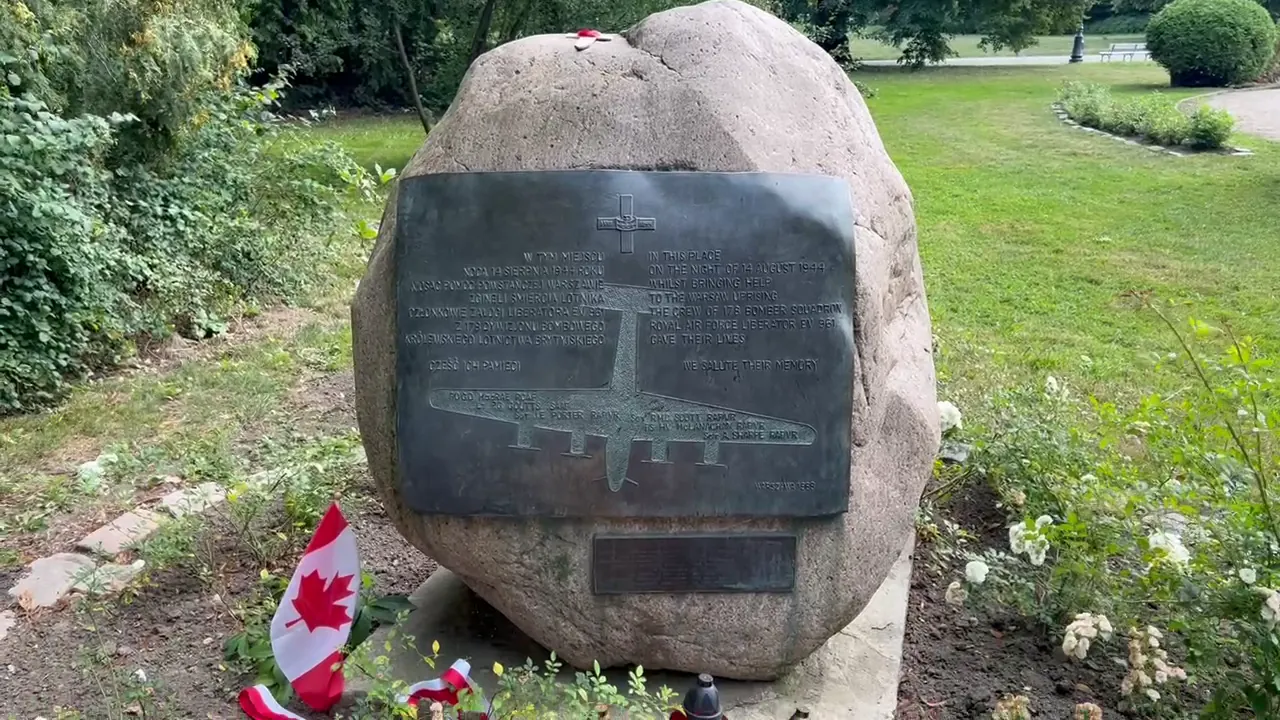
Saska Kępa: a different Warsaw
South of historic Praga, Saska Kępa feels like a separate chapter: interwar modernist housing, leafy residential streets, cafés and restaurants along Francuska, and the legacy of artists and writers. This is not the same architectural or social landscape as Brzeska — and that difference is the point.
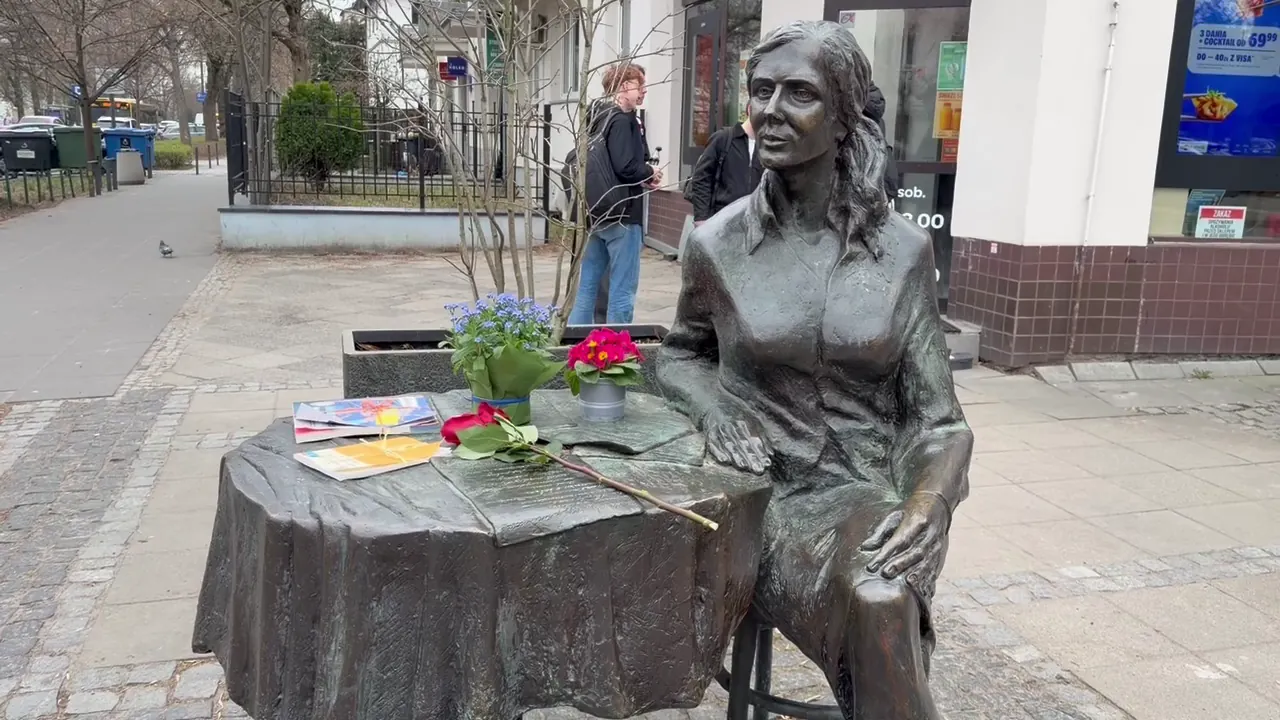
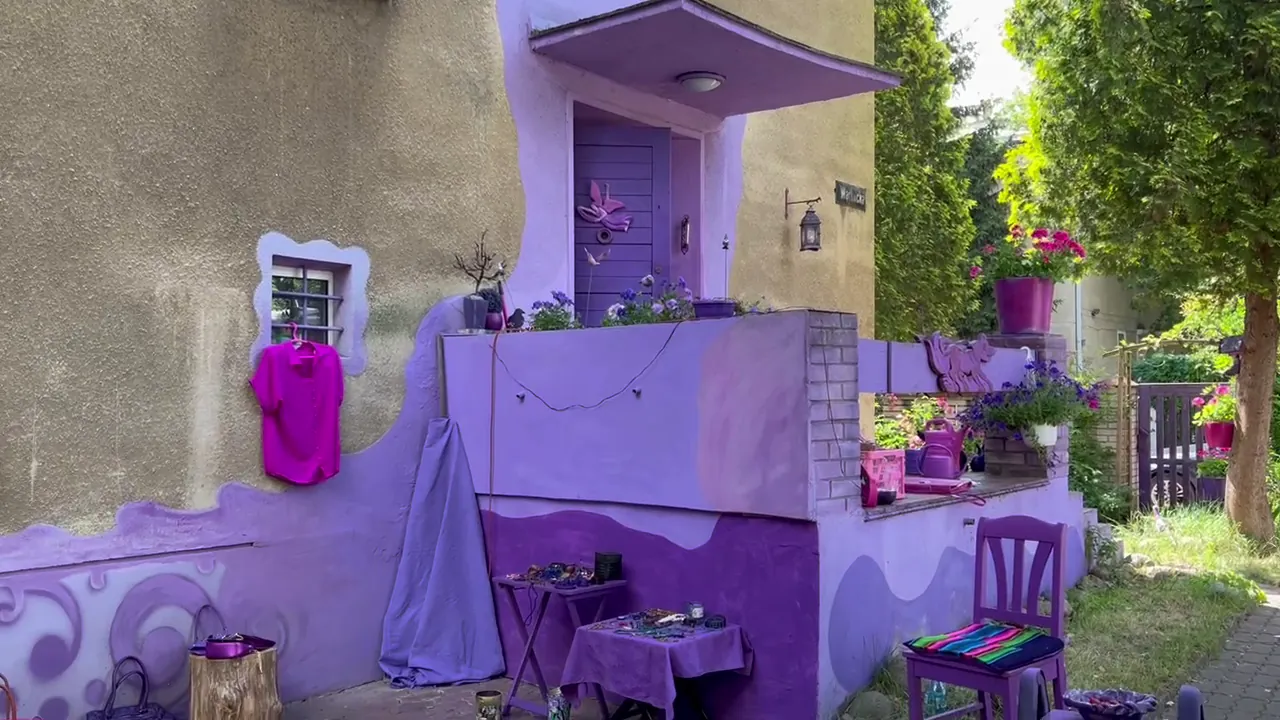
On Francuska, the seated bronze figure of Agnieszka Osiecka remembers the poet and songwriter closely associated with Saska Kępa. Look beyond the main street for restrained modernist villas and small personal flourishes, including a house decorated almost entirely in purple. We have left its private address out deliberately.
This is an introduction rather than a complete architectural inventory. A dedicated Saska Kępa walking guide will give its interwar houses, residents and artistic history the space they deserve.
Practical notes for exploring Praga
Getting there
Metro M2 to Dworzec Wileński is an easy starting point for Old Praga. Trams and buses connect other areas. Kamionek and Saska Kępa are better tackled as separate outings.
Respect the neighbourhood
Many tenement courtyards remain private residential spaces. Do not enter closed gates, photograph residents without consent, or treat lived-in streets as abandoned movie sets.
Check entry and hours
Museum exhibitions, restaurants, churches and zoo attractions have their own schedules. Some religious interiors may be closed for services, and villa access differs from general zoo entry.
Know what has moved
The Neon Museum is now at the Palace of Culture and Science, not the former Soho Factory site. Confirm current destinations before planning a museum visit.
Follow the stories further
Jewish Warsaw →
The people, places and stories of Warsaw’s Jewish heritage.
Sacred Warsaw →
Cathedrals, shrines, faith and art around the city.
Parks & Gardens →
From Skaryszewski to the city’s great gardens.
Warsaw Museums →
Collections, history and visitor information.
The Vistula →
Two contrasting banks, bridges and city views.
Architecture →
What Warsaw’s buildings reveal about the city.
Research and source notes: historical chronology drawn from our Praga research dossier and cross-checked for key claims with the Museum of Polish History, Museum of Warsaw and Neon Museum. Photography: Brit in Poland original archive. Last editorial revision: 3 November 2026.