Across Poland, stories of extraordinary encounters have inspired sacred images, new religious movements, places of pilgrimage and centuries of debate. We explore what people reported, what the historical record preserves, how communities responded — and why these traditions still matter.
Belief, testimony and evidence are not the same thing.
Religious traditions deserve to be understood in their own terms — without treating every claim as an established event or dismissing its importance to those who believe it. We distinguish four layers:
01 · Historical record
What can be dated and documented?
02 · Reported experience
Who described a vision, miracle or encounter, and when?
03 · Institutional response
What did the relevant religious authorities actually decide?
04 · Living legacy
How did the story shape people, places, images and pilgrimage?
Catholic permission for devotion is not necessarily a declaration of supernatural origin. Procedures introduced by the Vatican in 2024 generally emphasise pastoral evaluation, including the possibility of a nihil obstat, rather than declaring an event supernatural. Older decisions should be understood under the standards of their own time.
Source-reviewed collection: The first feature articles use a claim-by-claim historical audit. The accounts below distinguish testimony, tradition and established history. Some cases remain qualified or under research.
Seven paths into the subject
Explore the stories
Each theme introduces the people, places and traditions behind extraordinary religious claims. 23 longer features explore the evidence and the stories in greater depth, including the historical harm caused by false miracle accusations.
Catholic · Płock / Kraków
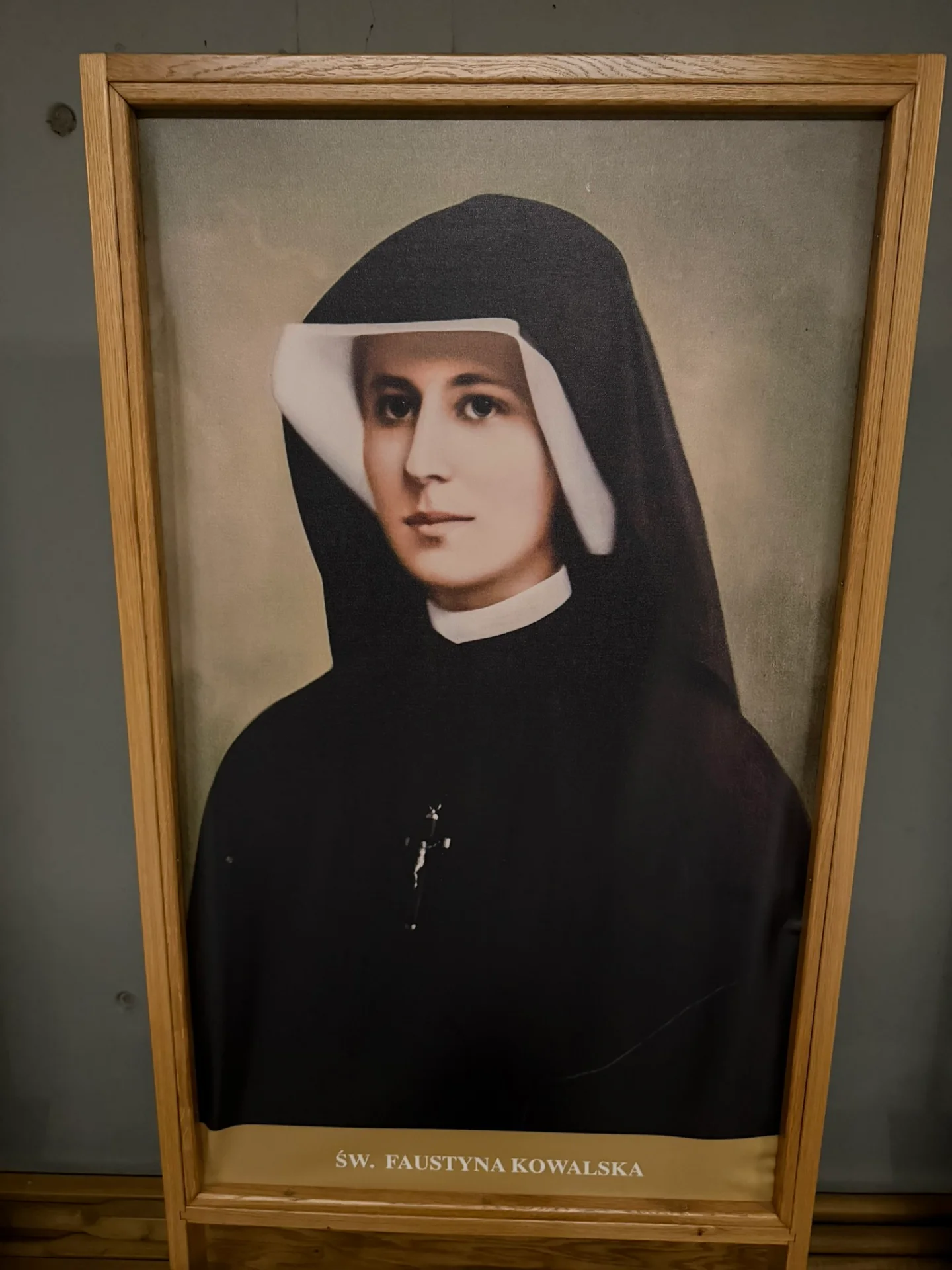
Saint Faustina and the Divine Mercy
Portrait of Saint Faustina in the Brit in Poland archive
In Płock in 1931, Faustina reported seeing Christ and received instructions that inspired the Divine Mercy image. The devotion faced Vatican restrictions from 1959 to 1978 before spreading internationally. Her later canonisation does not establish every vision in her Diary as supernatural.
The fourteenth-century recluse left a striking record through her confessor. Her life belongs to the religious world of medieval Prussia and the Teutonic state, not a simple modern national biography.
Revelations reported from 1893 helped inspire the Mariavite movement. Its history makes an illuminating comparison with Faustina’s later experiences in the same city.
A Kraków nurse and visionary whose private writings shaped debate over Christ the King devotion. Declared Venerable in 2022; that status does not authenticate her reported revelations.
Two girls reported seeing Mary in Prussian-ruled Warmia in 1877. Their accounts, given amid Kulturkampf and pressure on Polish-speaking communities, drew pilgrims and official scrutiny. In 1977 the local bishop approved the associated cult; that historical judgement should not be confused with a modern scientific finding.
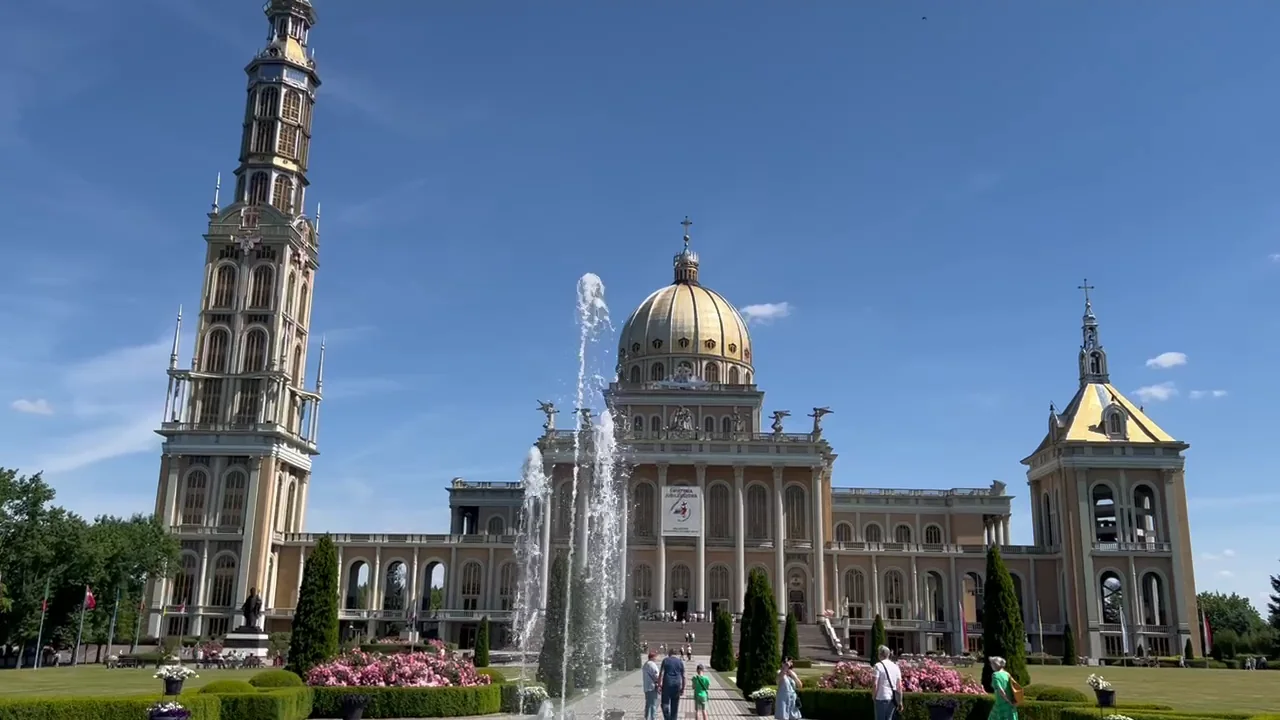
The sanctuary grew around two traditions: Tomasz Kłossowski’s reported 1813 vision and Mikołaj Sikatka’s reported apparitions in 1850. The crowned image and enormous basilica testify to popular devotion, but the apparitions themselves have no formal ecclesiastical recognition.
During the occupation of Warsaw, young Władysława Papis reported visions of Mary and Jesus in Siekierki. A local shrine preserves her testimony; the reported visions are not independently established as supernatural.
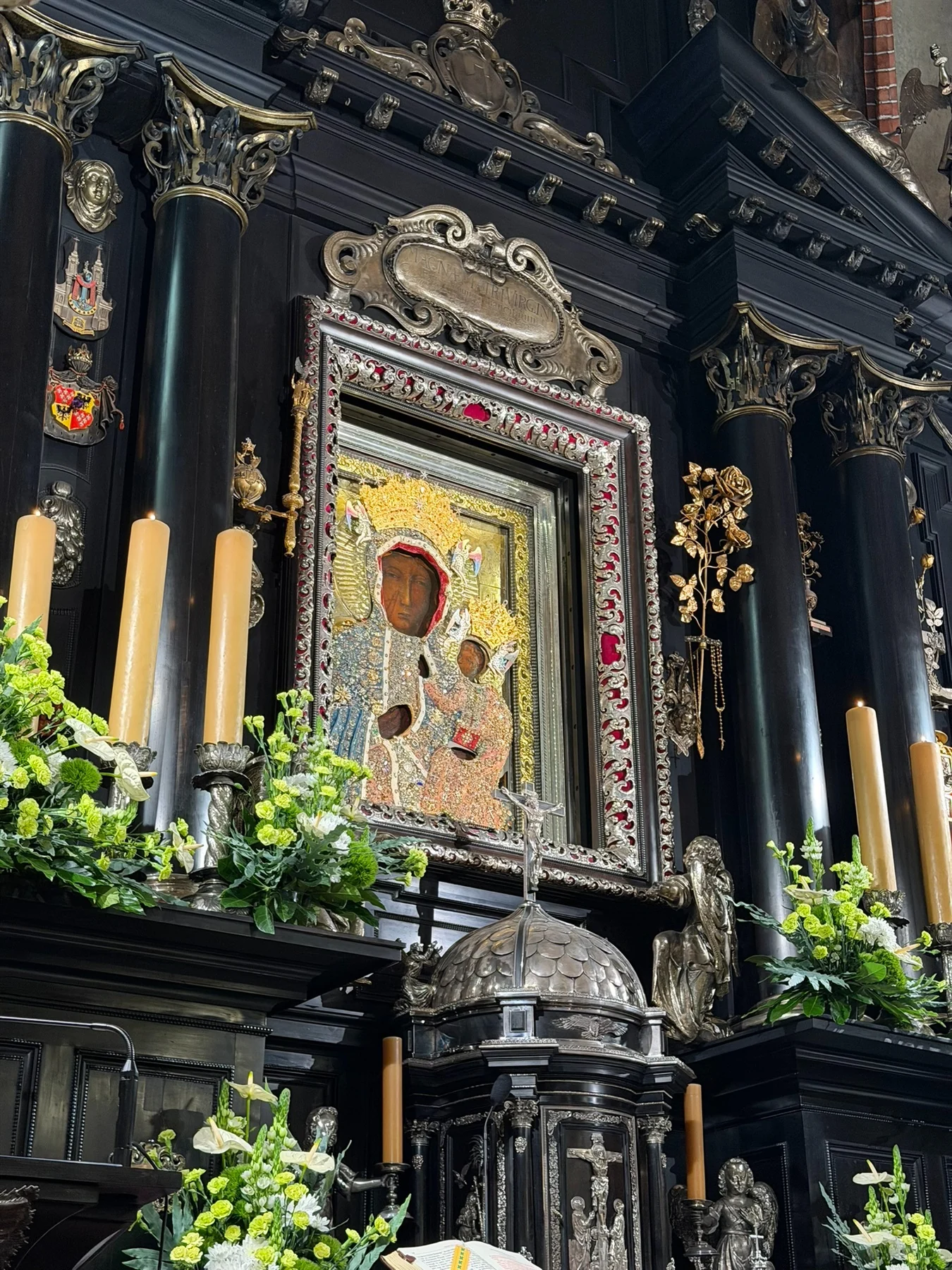
Venerated image of Our Lady of Częstochowa, photographed at Jasna Góra
Its origins remain debated. The 1430 raid and the 1655 Swedish siege belong to recorded history; its attribution to St Luke and reports of miraculous protection belong to religious tradition. Jasna Góra became a major symbol of Poland’s identity.
An image said to have appeared in a pear tree in 1683 became central to a shrine shared, contested and reshaped by Catholic and Orthodox histories. When nuns carried an icon away in 1915, two traditions came to disagree about which object was the original.
The original image associated with seventeenth-century pilgrimages has been in Opole since 1702. The painting venerated in Piekary today was made in 1795: a striking story of devotion surviving the movement of its object.
The Sapieha family’s eighteenth-century account alleges a stolen papal painting, but surviving documents do not establish a theft. The image’s coronation and long journey through Poland are historical.
The wonder-working icon of Supraśl left during the 1915 evacuation and never returned. Its fate is unknown; pilgrims today venerate a copy at a restored monastery.
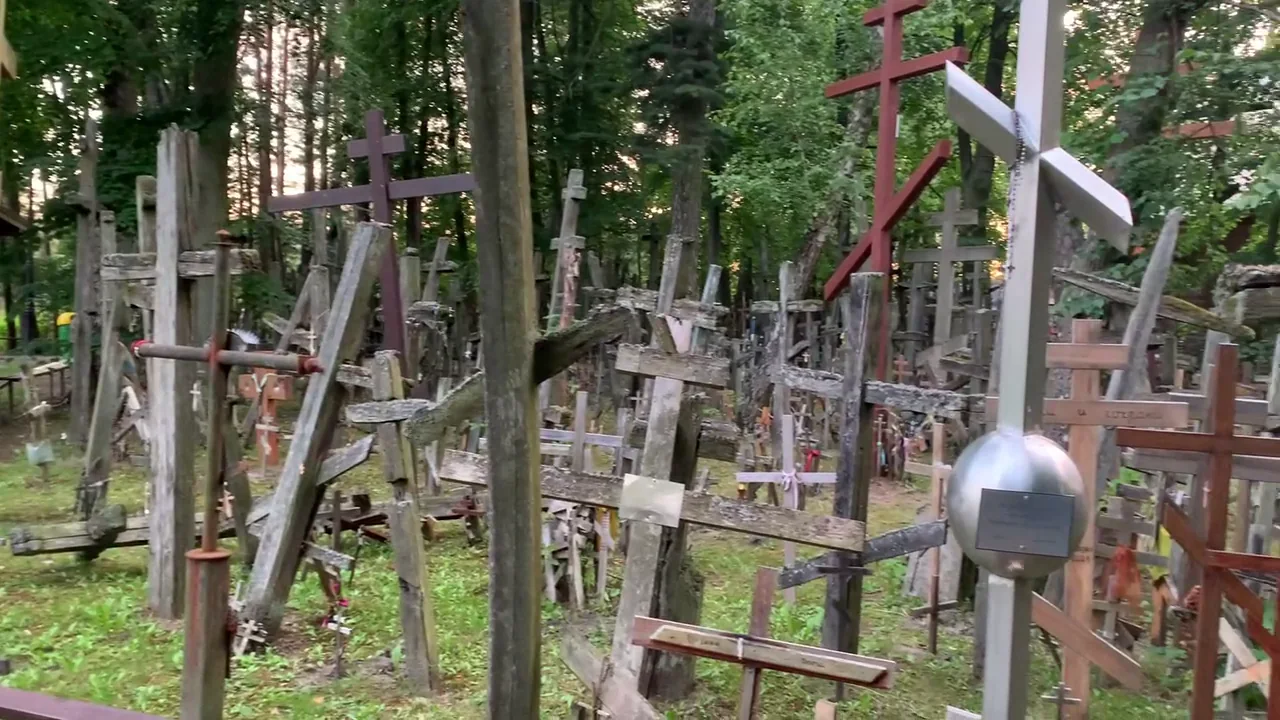
Votive crosses at Grabarka · Brit in Poland archive
Thousands of crosses mark Poland’s most prominent Orthodox pilgrimage landscape. Its founding story recalls a dream and deliverance during an eighteenth-century epidemic; the dream and healing are preserved as tradition rather than independently documented fact.
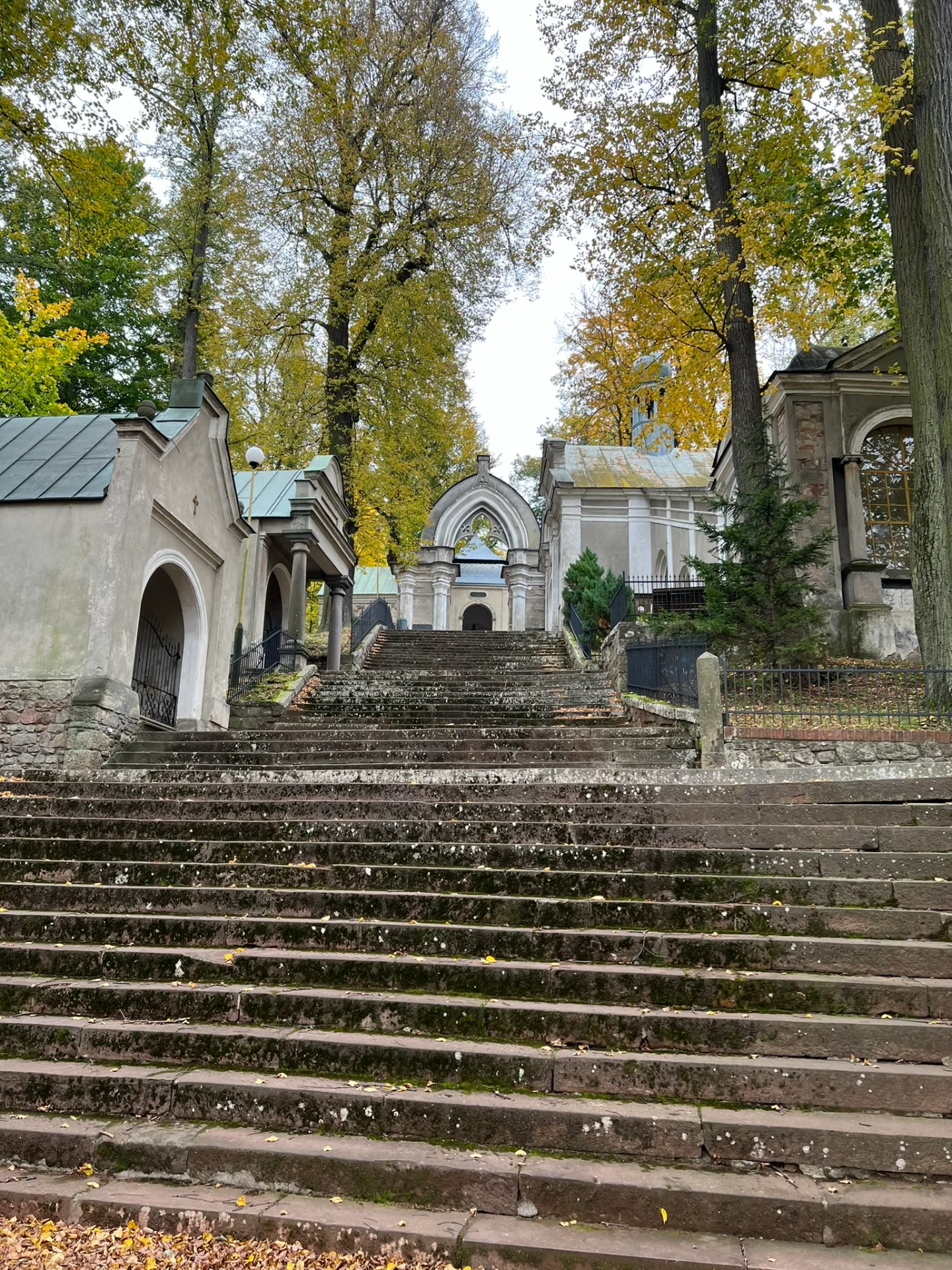
A carefully composed sacred landscape of chapels, Passion rituals and Marian devotion. The physical heritage belongs in Sacred Places; the associated beliefs belong here.
Warmia–Masuria · Marian devotion · 15th century–today
Święta Lipka
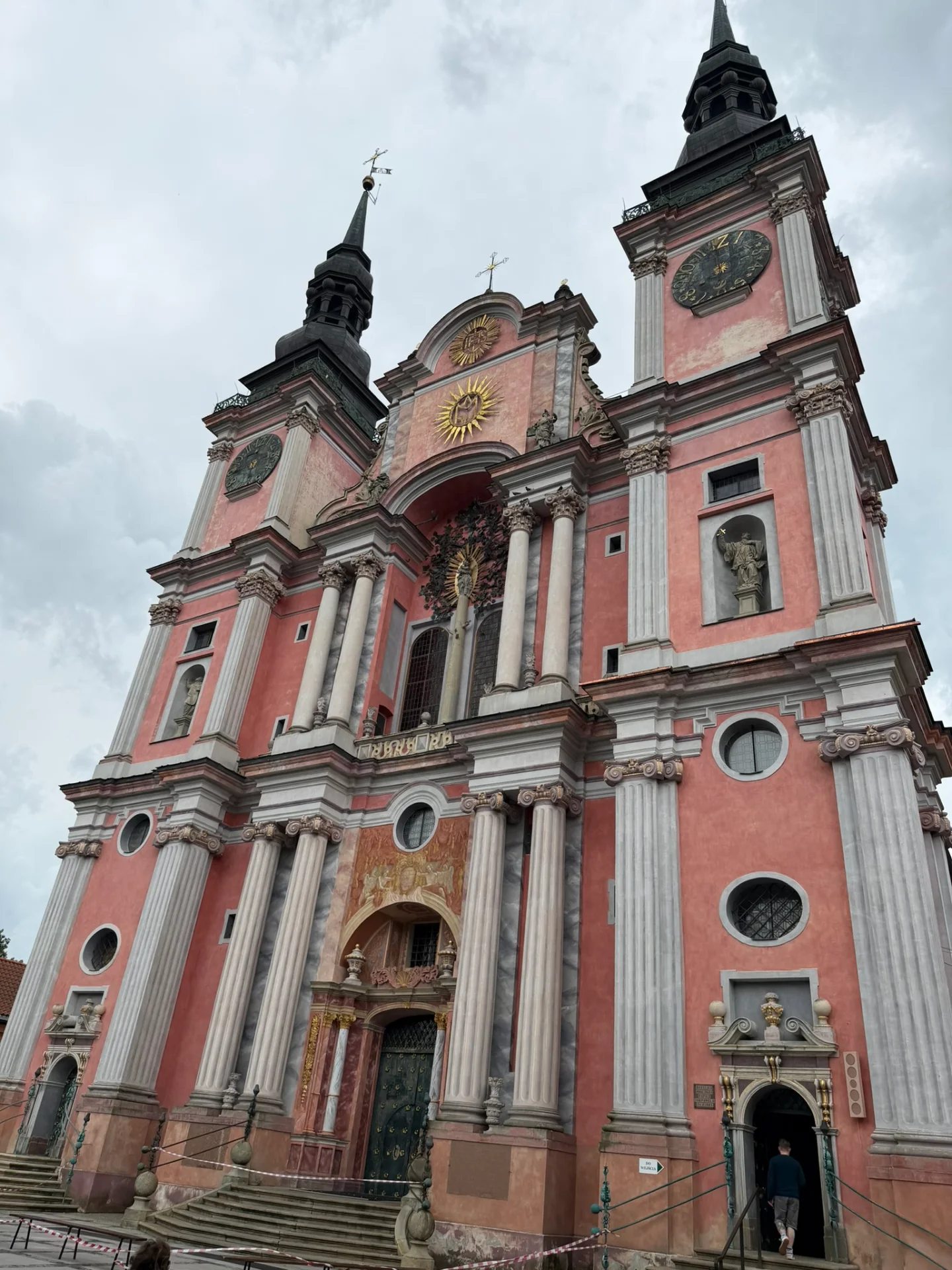
Święta Lipka sanctuary · Brit in Poland archive
A condemned prisoner is said to have carved a Marian figure after a vision and left it in a linden tree. Pilgrimage is documented by the fifteenth century; the legend was first written down in 1626.
Lower Silesia · Marian devotion · 1695 legend–today
Wambierzyce
Devotional landscape at Wambierzyce · Brit in Poland archive
A healing traditionally dated to 1218 is first documented in a surviving devotional publication of 1695. The Baroque Calvary and its monumental basilica tell a richly documented story of a village made into Jerusalem.
After a consecrated host developed a red mark, Church-commissioned examinations and a diocesan inquiry followed. The investigators’ interpretations drew scientific objections; neither independent replication nor a peer-reviewed medical demonstration of supernatural causation has been established.
A second host-related claim led to laboratory examinations, disputed interpretations and a 2016 episcopal announcement permitting veneration. This was not a Vatican declaration that a supernatural event had been proven.
Medieval and early-modern accusations of host desecration sometimes targeted Jewish neighbours. The story of how those allegations spread — and the harm they caused — belongs in historical context, never a list of proven miracles.
Thirteenth-century hagiography describes Kraków’s bishop raising a dead landowner to testify in a property dispute. It is a story about the making of medieval sanctity, not a contemporary record of resurrection.
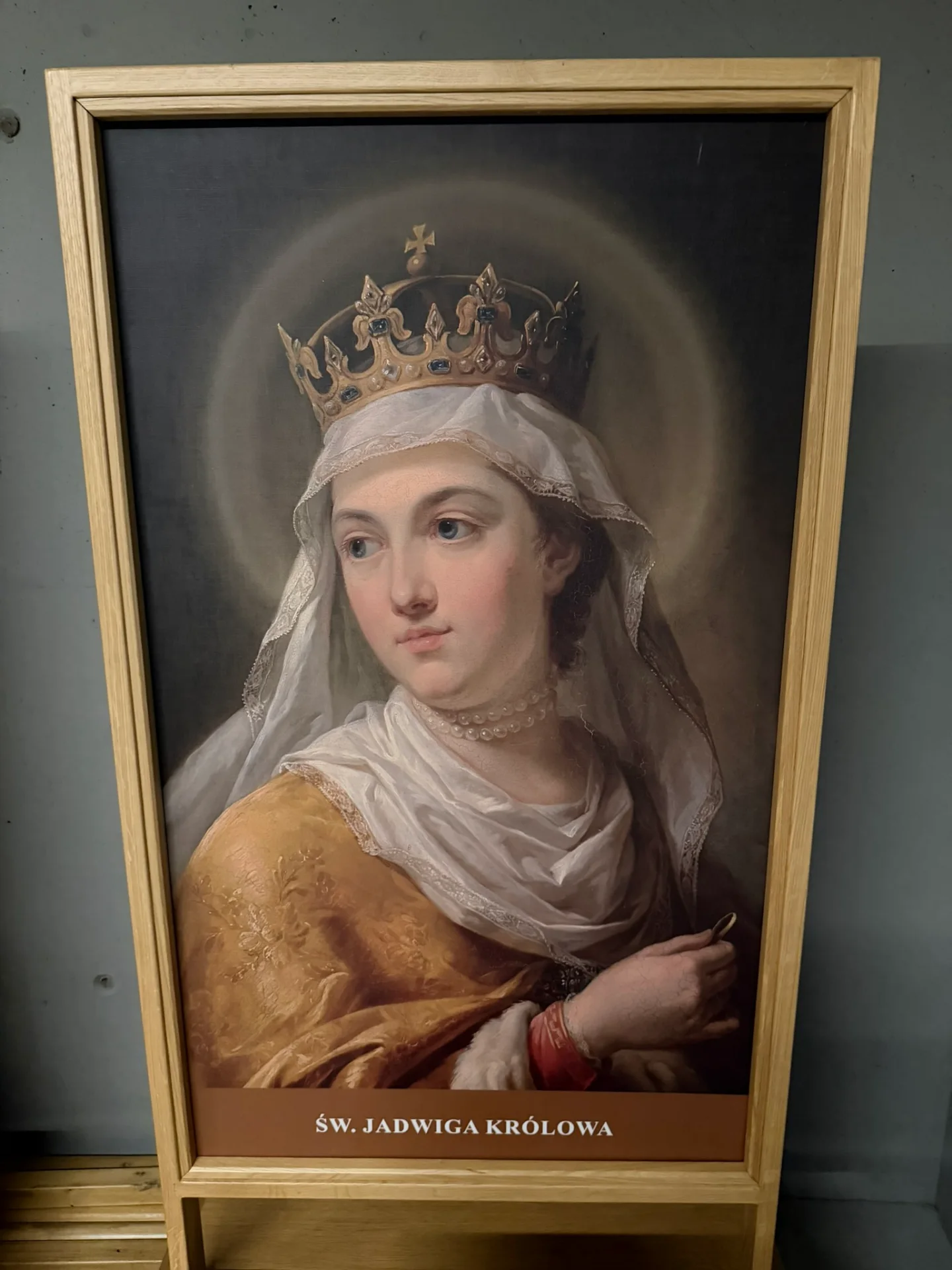
Portrait representing Queen Jadwiga; not a depiction of the reported miracle
A Wawel Cathedral tradition remembers a crucifix speaking to Jadwiga. The historical queen, the physical object and the later narrative are separate layers.
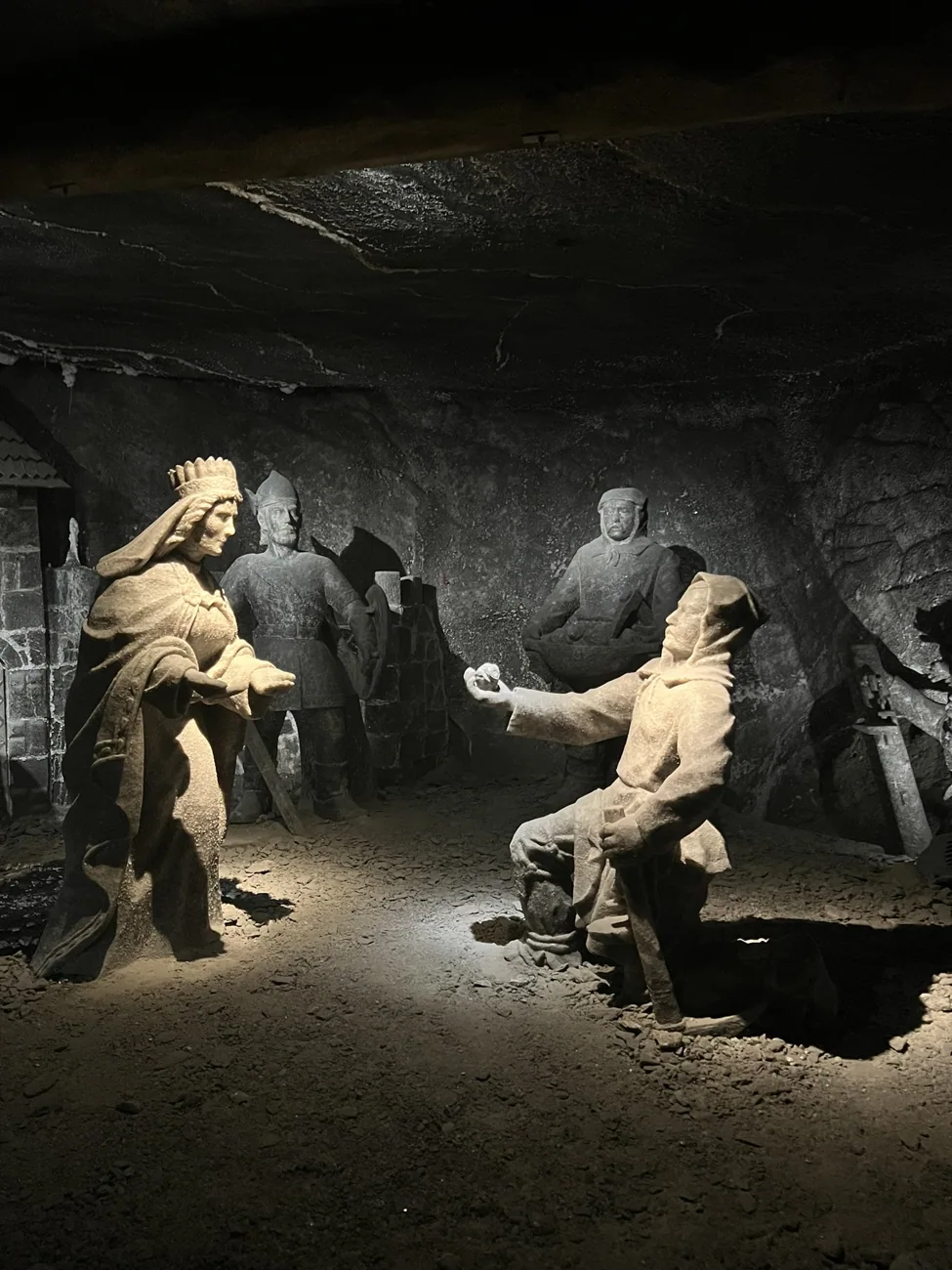
Saint Kinga’s ring legend, Wieliczka Salt Mine · Brit in Poland archive
According to tradition, a Hungarian princess cast her ring into a salt mine — only for Polish miners to discover it in a block of salt. Explore the legend and the mining history behind it.
At Leżajsk, pilgrims honour the memory of Rabbi Elimelech, an influential Hasidic teacher who died in 1787. His resting place draws visitors who pray and leave written petitions; miracle tales about tzaddikim belong to a living religious storytelling tradition.
Jewish devotional geography extends through Lublin, Lelów, Kozienice, Bobowa, Nowy Sącz and Góra Kalwaria. Each place has its own history rather than one interchangeable legend.
Explore the physical sites in Sacred Places, meet the people behind the traditions, or follow the wider history of belief in Poland. Individual feature articles will link these threads without duplicating them.
Editorial note: these summaries describe reported experiences and historical traditions. Detailed source verification remains in progress for individual cases; no supernatural claim is presented here as independently proven.